Notes from the Inkpot
Writing, teaching, creating - one ink-stained idea at a time.

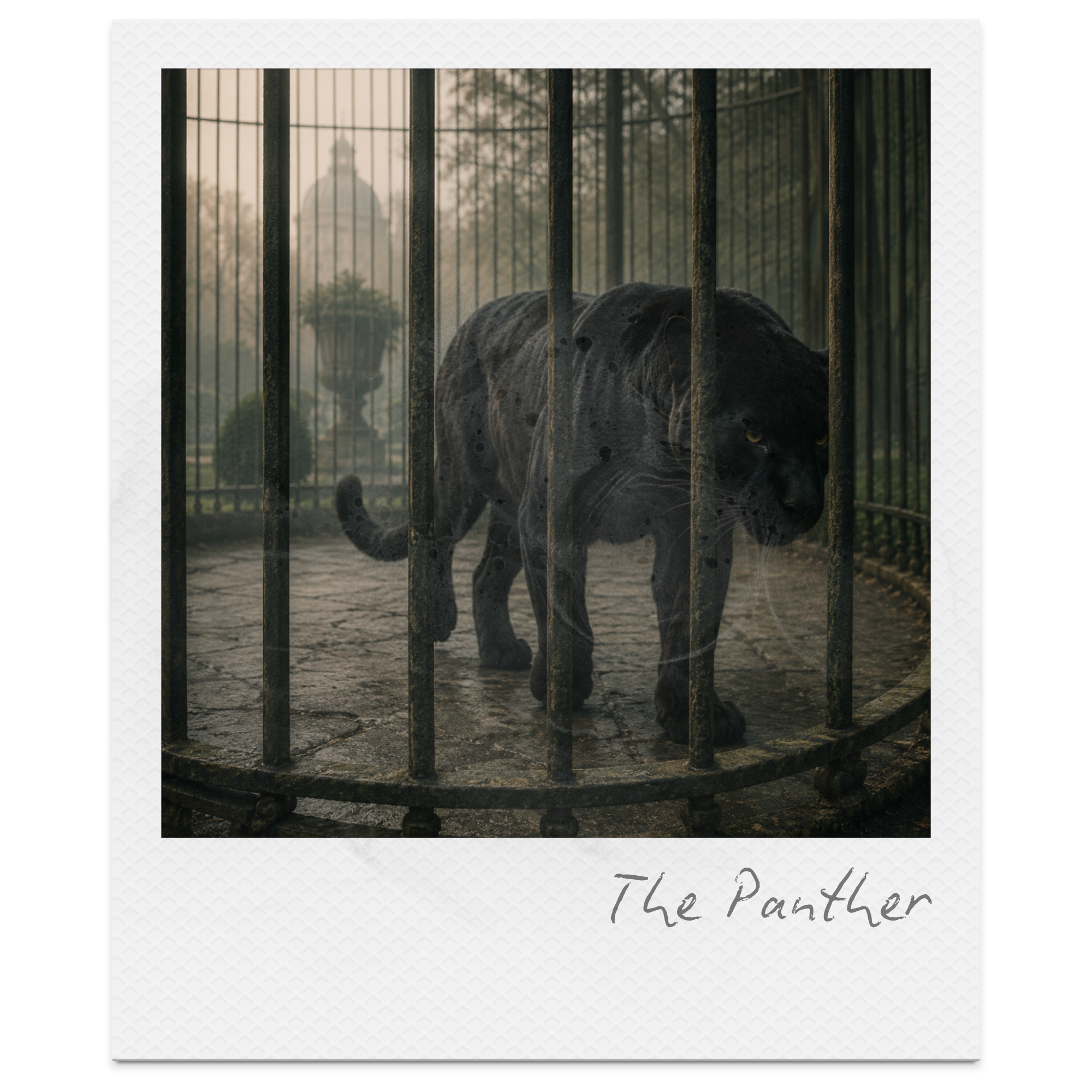
The Panther by Rainer Maria Rilke: Summary, Themes & Analysis
Discover a complete analysis of The Panther by Rainer Maria Rilke, including a clear summary, contextual background, stanza-by-stanza analysis, key quotations, literary techniques, themes, symbolism, alternative interpretations, and exam-ready insights. Explore how Rilke uses vivid imagery, controlled structure, and powerful symbolism to transform the image of a caged panther into a profound meditation on captivity, identity, and the psychological cost of lost freedom.
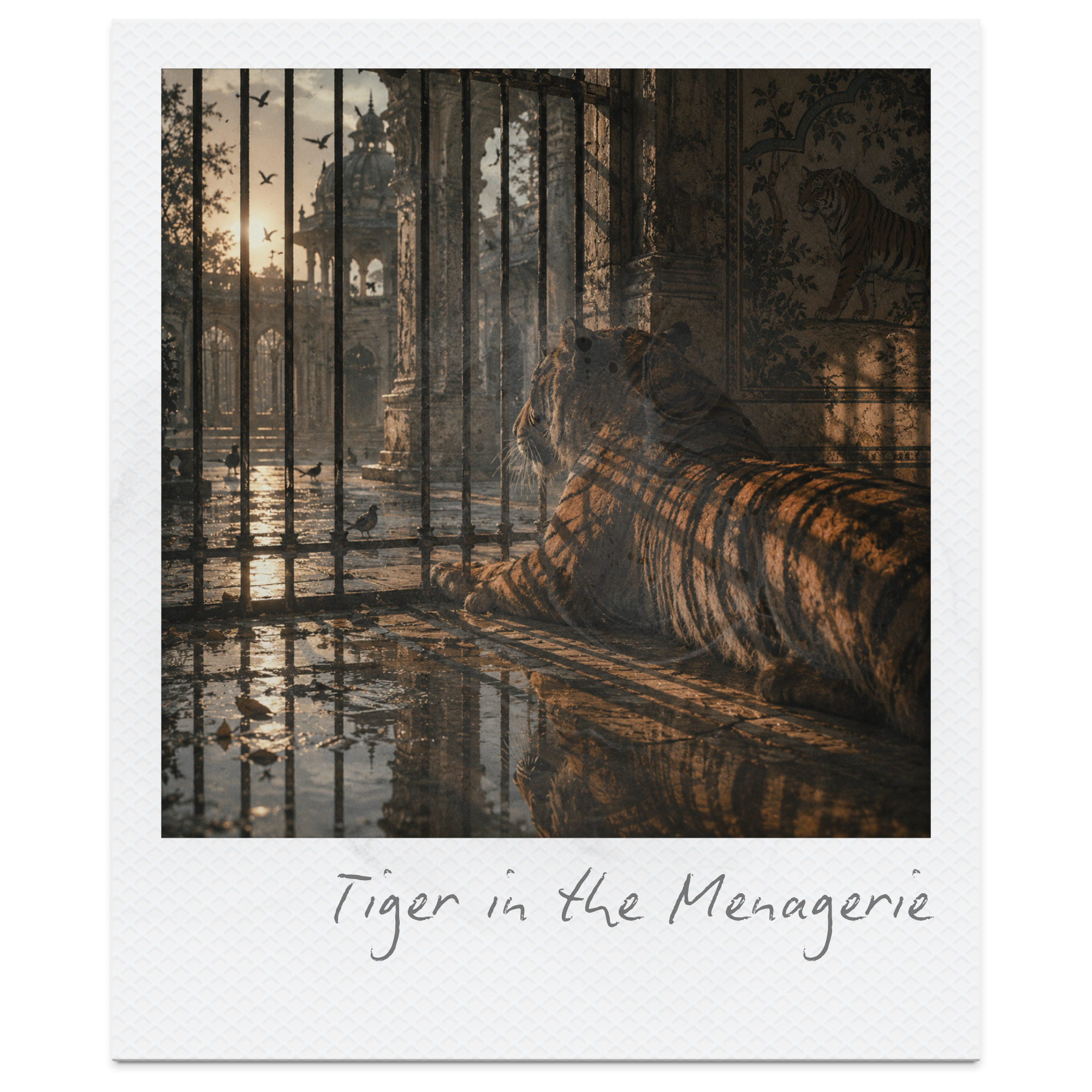
Tiger in the Menagerie by Emma Jones: Analysis of Captivity, Transformation and Identity
Emma Jones’s Tiger in the Menagerie is a surreal and psychologically unsettling poem that explores captivity, identity, and the fragile boundary between civilisation and instinct. Through shifting imagery, dreamlike transformations, and symbolic ambiguity, Jones gradually dissolves the distinction between the tiger and the cage itself, creating a world where reality becomes unstable and impossible to fully control. The poem’s recurring focus on observation, fear, and transformation allows the tiger to become both a literal creature and a haunting symbolic presence. This detailed analysis of Tiger in the Menagerie explores the poem’s structure, symbolism, surreal imagery, and emotional tension, alongside its exploration of psychological fear and unstable identity. It includes close stanza analysis, key quotations, literary techniques, alternative interpretations, anthology comparisons, and exam-ready insights.
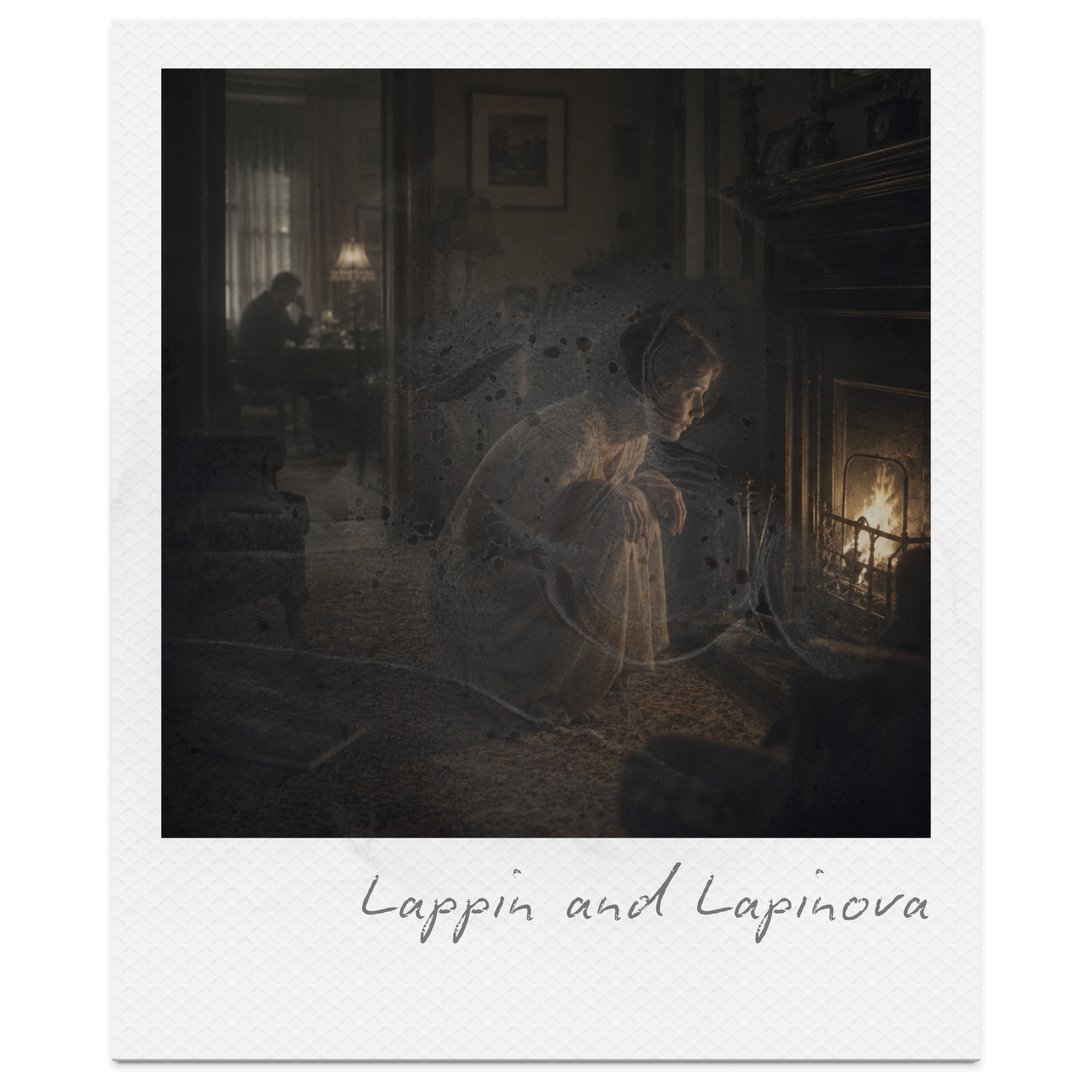
Lappin and Lapinova by Virginia Woolf: Summary, Themes & Analysis
Virginia Woolf’s Lappin and Lapinova is a psychologically rich short story exploring marriage, identity, imagination, and emotional isolation through symbolism, shifting atmosphere, and modernist narration. The story follows Rosalind and Ernest Thorburn as they create a private fantasy world in which they become King Lappin and Queen Lapinova — symbolic rabbit identities that allow them to escape ordinary domestic reality and form an intimate emotional language of their own. This detailed analysis for CIE IGCSE World Literature (0408) explores the story’s themes, symbolism, structure, narrative voice, and key quotations, while examining how Woolf uses rabbit imagery, psychological perspective, and the gradual collapse of fantasy to reveal the fragility of intimacy and the fear of losing identity within marriage. The guide also includes alternative interpretations, exam-ready insights, and classroom-focused teaching ideas designed to support deeper literary analysis and discussion.
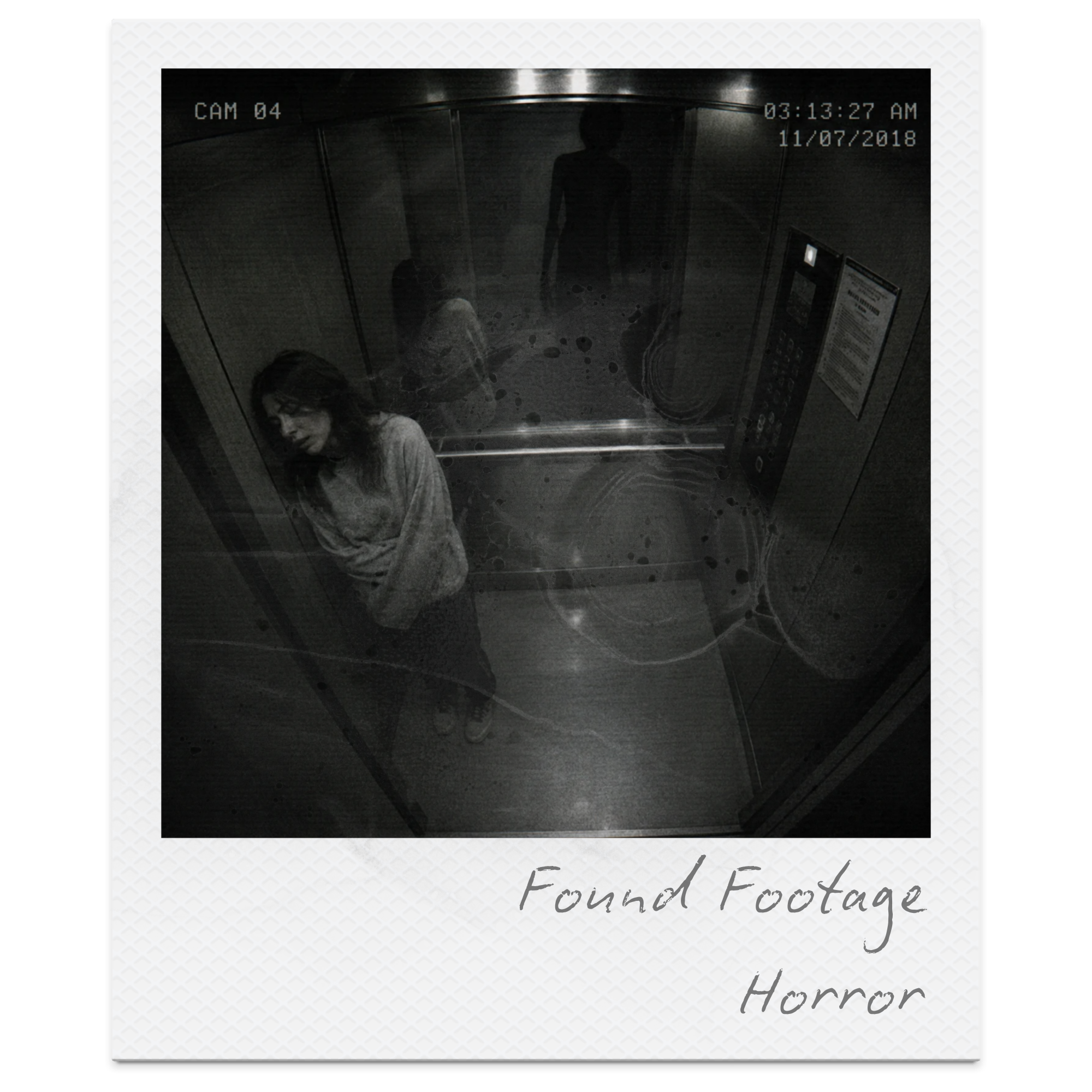
70 Found Footage Horror Writing Prompts: Lost Recordings, Corrupted Evidence & Fragmented Terror
Found footage horror uses recovered recordings, damaged tapes, surveillance footage, livestreams, and fragmented evidence to create fear through realism and uncertainty. From The Blair Witch Project and REC to Paranormal Activity and Lake Mungo, the genre builds terror through incomplete recordings, hidden details, corrupted media, and the terrifying sense that horrifying events were captured accidentally. These 70 Found Footage Horror Writing Prompts explore abandoned recordings, emergency broadcasts, paranormal investigations, missing expeditions, surveillance horror, analog terror, and fragmented storytelling through plot hooks, title ideas, opening lines, setting prompts, character concepts, and cinematic visual inspiration.
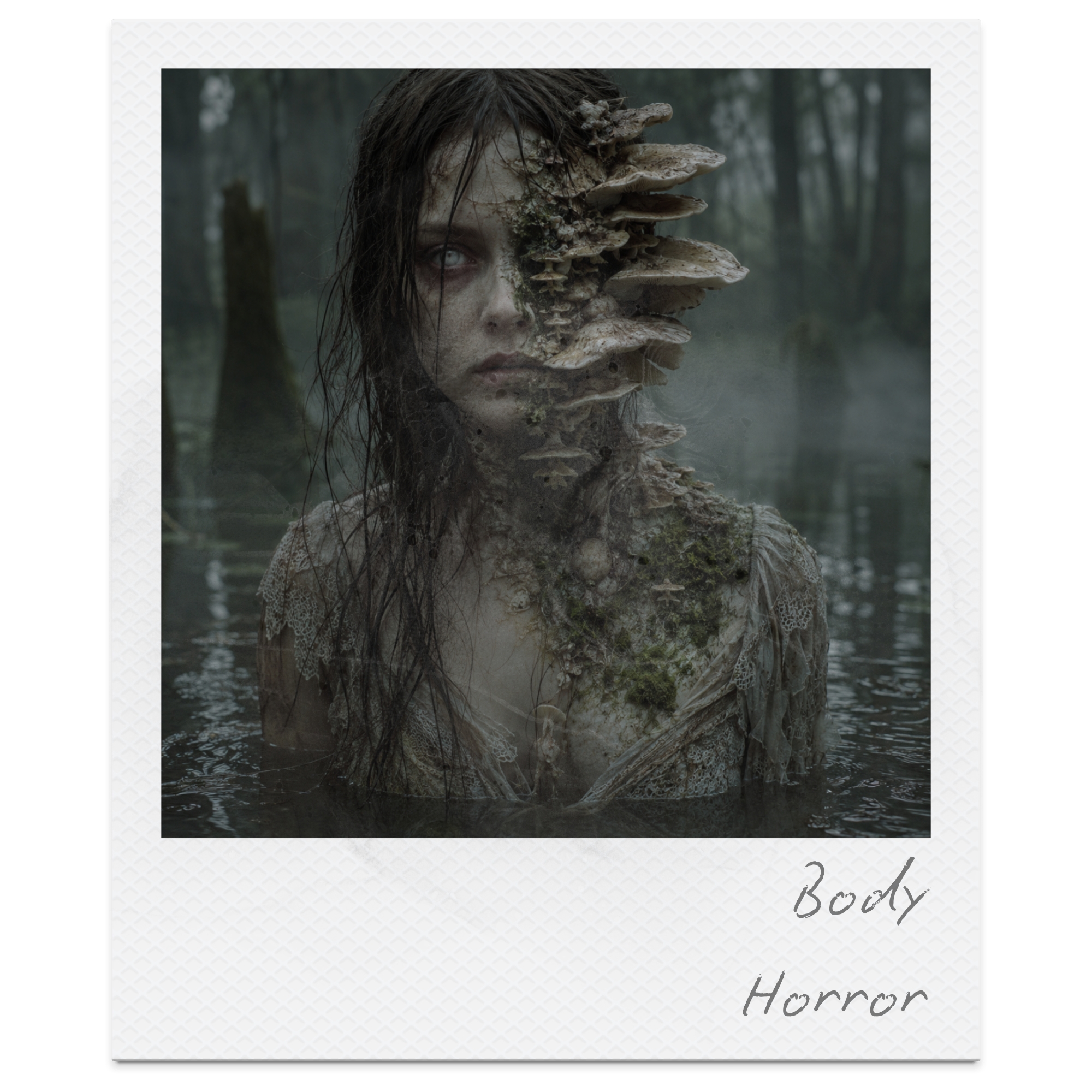
70 Body Horror Writing Prompts: Transformation, Mutation & Physical Terror
Body horror explores fear through physical transformation, mutation, disease, infection, and the terrifying loss of control over the human body. From Frankenstein and The Fly to Annihilation and The Thing, body horror uses flesh, anatomy, and biological corruption to create stories shaped by physical dread and psychological unease. These 70 Body Horror Writing Prompts explore mutation, parasitic infection, surgical horror, experimental science, bodily distortion, and the terrifying collapse of bodily autonomy through plot hooks, title ideas, opening lines, character concepts, settings, and cinematic visual prompts designed for unsettling horror storytelling.
The Copper Beeches by Sir Arthur Conan Doyle: Summary, Themes & Analysis
In this detailed analysis of The Copper Beeches by Sir Arthur Conan Doyle, we explore how Doyle combines detective fiction, Gothic atmosphere, and psychological tension to examine power, imprisonment, deception, gender control, and appearance versus reality. Through the mysterious Copper Beeches house, the unsettling behaviour of the Rucastles, and Sherlock Holmes’s analytical methods, the story gradually reveals hidden cruelty beneath outward respectability. Designed for CIE IGCSE World Literature (0408) and wider secondary literature study, this guide explores structure, symbolism, narrative voice, key quotes, themes, and writer’s methods in a clear, classroom-ready format. Perfect for revision, essay planning, close analysis, and discussion-based learning.
My Parents by Stephen Spender: Summary, Themes & Analysis
Stephen Spender’s My Parents explores childhood fear, class division, and social conditioning through a speaker who is both protected and isolated, shaped by the boundaries imposed on him. Through simile, animalistic imagery, and a reflective narrative voice, the poem presents the “rough” children as threatening and unpredictable, revealing how perception is constructed through upbringing rather than objective reality. The speaker’s fear is intensified by both physical imagery and social humiliation, particularly in moments where language becomes a form of attack. As the poem develops, a shift toward self-awareness and regret reframes the speaker’s experience, revealing that his fear was shaped as much by parental influence as by direct interaction. The final lines introduce a sense of missed empathy, suggesting that the speaker now recognises the limitations of his earlier perspective. This movement from fear to reflection transforms the poem into a powerful exploration of how memory, class division, and upbringing shape both experience and understanding.
One Art by Elizabeth Bishop: Summary, Themes & Analysis
Elizabeth Bishop’s One Art explores loss and emotional control through a tightly structured villanelle, presenting the idea that losing can be learned and mastered. Through repetition and an authoritative, instructional voice, the poem initially suggests that loss is manageable, using everyday examples to create a sense of calm and control. However, as the poem progresses, the scale of loss becomes more personal and emotionally significant, revealing cracks in this composure. Subtle shifts in tone and structure expose the tension between the speaker’s claims and her true feelings, ultimately suggesting that loss cannot be fully mastered, no matter how carefully it is framed.
Where I Come From by Elizabeth Brewster: Summary, Themes & Analysis
Elizabeth Brewster’s Where I Come From explores how identity is shaped by place, using imagery, metaphor, and contrast to show that people carry their environments within them. Moving from urban scenes to rural memory, the poem presents identity as something built through lived experience rather than fixed. Through its sensory detail and reflective tone, the poem reveals how places remain in the mind, influencing thought and feeling over time. Brewster ultimately suggests that we do not leave places behind—we continue to carry them within us.
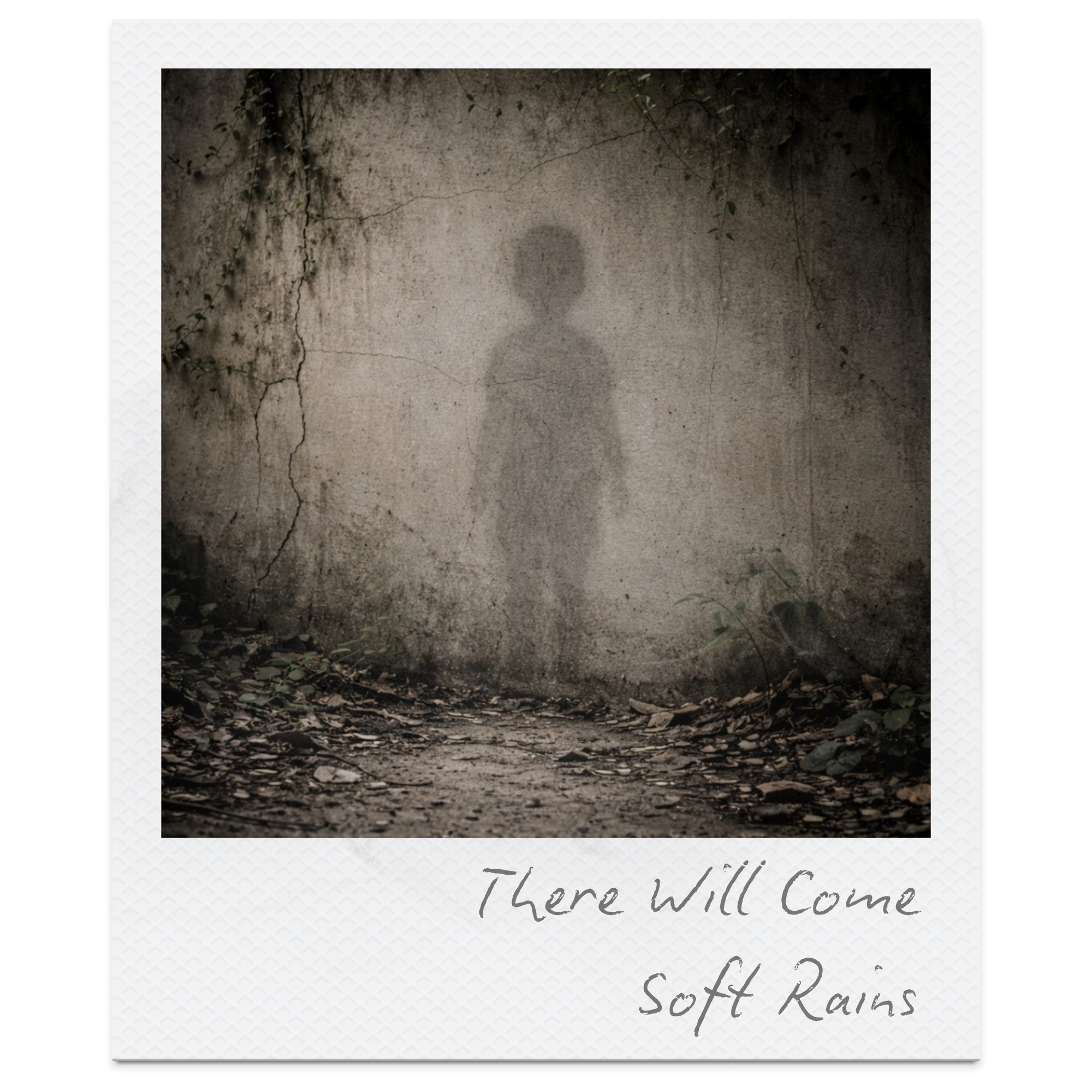
There Will Come Soft Rains by Ray Bradbury: Summary, Themes, Meaning & Analysis
There Will Come Soft Rains by Ray Bradbury is a haunting work of science fiction that explores a world where technology continues after human extinction. Set in an automated house that carries out its daily routines—cooking, cleaning, and organising—Bradbury presents a chilling vision of mechanisation without purpose, where systems persist despite the complete absence of human life. Through its eerie atmosphere and powerful imagery, the story examines isolation, environmental destruction, and the illusion of control. As the house continues its routines in a devastated world, Bradbury raises unsettling questions about what remains when humanity is gone, and whether progress without responsibility ultimately leads to emptiness and collapse.
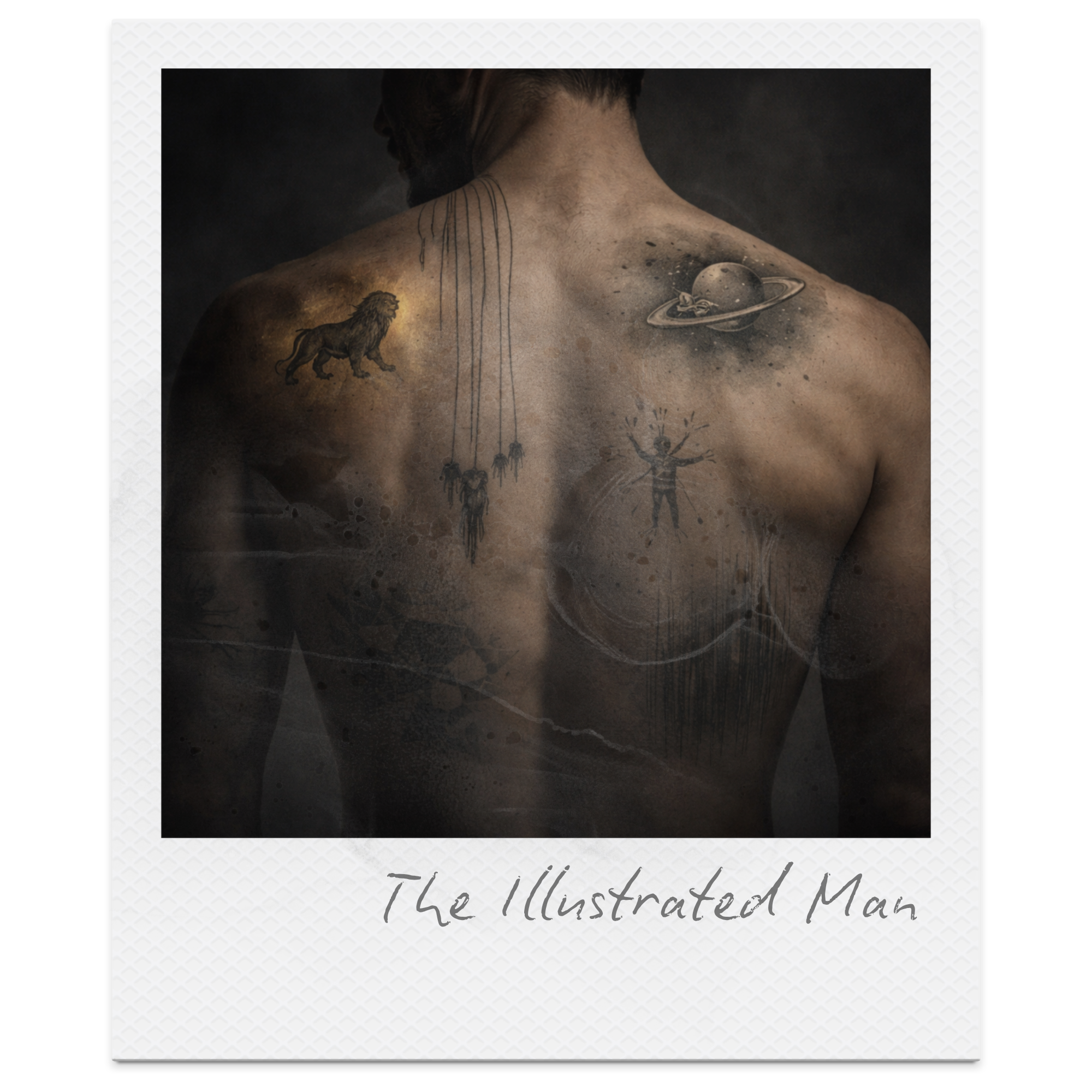
The Illustrated Man by Ray Bradbury: Summary, Stories, Themes & Analysis
The Illustrated Man by Ray Bradbury is a powerful science fiction short story collection that explores technology, isolation, and the consequences of human behaviour through a series of interconnected narratives. Framed by the image of a man whose tattoos come alive to tell each story, the collection moves beyond simple speculation to present a series of unsettling futures that feel increasingly close to reality. This guide explores the key stories, recurring themes, and structural design of the collection, with clear links to deeper analysis of each text. From The Veldt to The Rocket Man, Bradbury’s work reveals how progress, when left unchecked, can reshape relationships, identity, and the future itself.
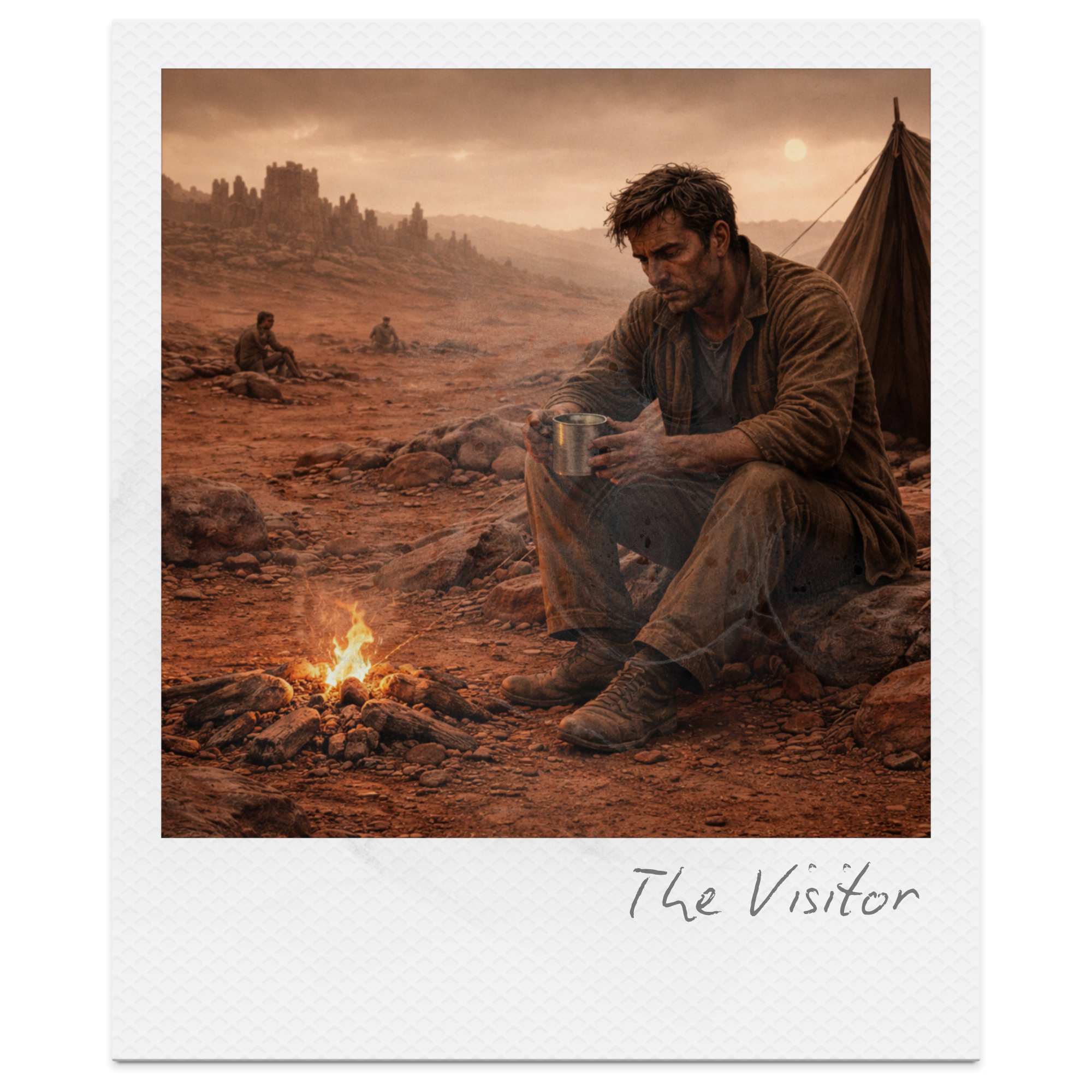
The Visitor by Ray Bradbury: Summary, Meaning, Themes & Full Analysis
Ray Bradbury’s The Visitor is a haunting science fiction story exploring isolation, loneliness, and the dangerous power of illusion. Set on a desolate Mars inhabited by dying exiles, the narrative follows Saul Williams as he struggles with the psychological weight of separation from Earth. When a mysterious newcomer arrives with the ability to project vivid, shared visions of Earth, hope briefly returns—bringing with it beauty, memory, and the possibility of connection. However, Bradbury quickly reveals the darker side of this gift, as desperation turns to possession and conflict. What begins as relief becomes something fought over, exposing the fragility of human morality under pressure. Through its exploration of illusion vs reality, control, and human fragility, The Visitor offers a powerful warning about what happens when hope exists without trust—and how easily it can be destroyed.