The Shrinking Shoe by Walter Besant: Summary, Themes & Analysis
Walter Besant’s The Shrinking Shoe is a bittersweet and ironic short story exploring ambition, idealism, romantic disillusionment, social expectation, and the tension between youthful dreams and adult reality. Inspired by the structure of the Cinderella fairy tale, the story follows Katie De Lisle and Geoffrey Armiger across several years as hopes of greatness, romance, and personal fulfilment slowly fade beneath wealth, idleness, and emotional disappointment. Through symbolism, irony, and shifting tone, Besant transforms a familiar fairy-tale pattern into a much more reflective and morally complex examination of lost potential and human weakness.
The story remains powerful because it explores how easily youthful ambition can shrink under the pressures of comfort, failure, and compromise. Beneath the romantic imagery of princes, slippers, and fairy godmothers lies a deeper meditation on identity, purpose, and the fear of becoming disconnected from one’s ideals. If you are studying or teaching Stories of Ourselves for CIE IGCSE World Literature (0408), explore the full anthology in the Stories of Ourselves Volume 2 Hub, or discover more prose and poetry analysis in the Literature Library.

Context of The Shrinking Shoe
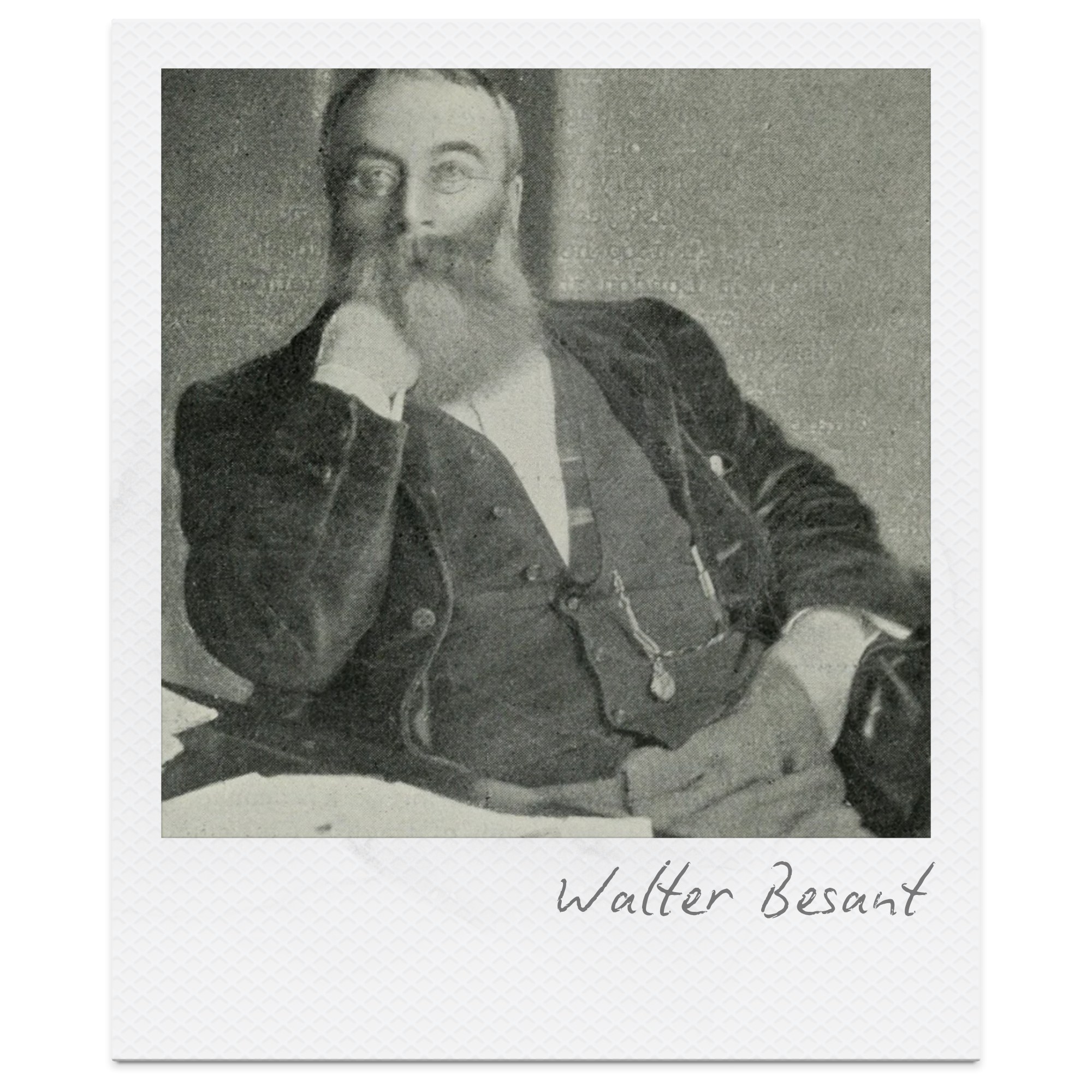
Walter Besant wrote during the late Victorian period, a time shaped by strong ideas surrounding social status, self-improvement, ambition, morality, and respectable success. Victorian society often celebrated hard work, public achievement, and masculine ambition, while also placing pressure on women to marry well and fulfil idealised domestic roles. In The Shrinking Shoe, Besant explores these expectations through a fairy-tale structure that gradually becomes more realistic, ironic, and emotionally reflective.
The story also reflects Victorian anxieties surrounding wealth and idleness. Geoffrey Armiger initially dreams of becoming a great statesman, but inherited wealth allows him to drift into what he bitterly calls the “Profession of Pleasure.” Besant therefore questions whether comfort and privilege weaken ambition rather than strengthen it. At the same time, Katie’s idealised vision of the “Prince” reflects Victorian romantic ideals surrounding heroic masculinity, moral purpose, and self-sacrifice. By reshaping the Cinderella story into something more psychologically and morally complex, Besant explores how adult reality often erodes youthful dreams, hopes, and illusions.
The Shrinking Shoe: At a Glance
Form: Victorian short story / fairy-tale retelling
Mood: Reflective, bittersweet, ironic, romantic, melancholic
Central conflict: Geoffrey Armiger must choose between the empty comforts of wealth and pleasure or reclaim the ambition and moral purpose that once inspired Katie’s idealised vision of him.
Core themes: Ambition, idealism, romantic disillusionment, identity, wealth and idleness, self-improvement, hope, memory, illusion versus reality
Narrative perspective: Third-person omniscient narration with ironic commentary and direct authorial intrusion
One-sentence meaning: Besant uses a Cinderella-inspired narrative and the symbolic shrinking slipper to explore how dreams, ideals, and ambitions can fade through compromise, comfort, and emotional weakness — but may still be recoverable through determination and moral renewal.
Quick Summary of The Shrinking Shoe
Katie De Lisle is devastated when her elder sisters leave for a grand ball without her, but at the last moment her godmother arrives with a beautiful dress, jewels, and satin slippers, allowing Katie to attend. At the ball she meets Geoffrey Armiger, a shy but ambitious young man who confides his dream of becoming a great statesman. Katie is deeply moved by his ideals and begins imagining him as the “Prince” from the Cinderella story. Shortly afterwards, Geoffrey secretly sends her one of her satin slippers as a romantic gesture.
Five years later, Geoffrey has inherited wealth and a title, but instead of fulfilling his ambitions he has fallen into a meaningless life of luxury and amusement. Katie, meanwhile, continues living quietly in the countryside, holding onto the idealised vision of Geoffrey as a noble and purposeful man. When Geoffrey unexpectedly visits her again, he confesses that he has wasted his talents and abandoned the dreams he once described to her.
Katie is devastated by Geoffrey’s confession because it destroys the hopeful illusion she has preserved for years. She shows him the once-beautiful satin slipper, which has now “shrunk,” become tarnished, and no longer fits her foot. The slipper becomes a symbol of faded hopes, wasted ambition, and lost possibility. However, Geoffrey promises to reclaim his former ideals and rebuild the life he abandoned. Katie tells him to return only when the slipper metaphorically “enlarges” again, leaving the story ending with uncertainty, hope, and the possibility of moral renewal.
Title of The Shrinking Shoe
The title immediately introduces the story’s central symbol while also suggesting themes of lost potential, fading idealism, and emotional disappointment. At first, “The Shrinking Shoe” appears playful and fairy-tale-like because it clearly echoes the Cinderella story and the famous glass slipper associated with romance, destiny, and transformation. However, Besant deliberately transforms this familiar symbol into something much more reflective and melancholic.
Literally, the shoe is the white satin slipper Geoffrey secretly sends to Katie after the ball. It represents the magical evening when both characters still possessed hope, innocence, ambition, and romantic possibility. The slipper initially symbolises:
◆ youthful dreams
◆ romantic idealism
◆ promise and opportunity
◆ emotional connection
◆ belief in future greatness
However, by the end of the story the slipper has physically “shrunk,” become tarnished, and no longer fits Katie’s foot. Symbolically, this reflects the shrinking of Geoffrey’s ambition and the fading of the idealised “Prince” Katie once believed in. The transformation of the slipper mirrors Geoffrey’s moral and emotional decline as he abandons his noble aspirations for a shallow life of pleasure and idleness.
The title therefore becomes deeply ironic. In traditional fairy tales, the slipper confirms destiny and leads to fulfilment. In Besant’s story, however, the shrinking slipper symbolises:
◆ wasted opportunity
◆ compromised ideals
◆ emotional disillusionment
◆ lost innocence
◆ the damage caused by comfort and inaction
At the same time, the title also leaves room for hope. Geoffrey promises to restore himself morally and reclaim the ambitions he once abandoned. Katie tells him to return only if the slipper metaphorically “enlarges” again, suggesting that ideals and purpose may still be recoverable.
The title therefore evolves from a romantic fairy-tale image into a complex symbol of ambition, identity, regret, and the possibility of renewal.
Structure of The Shrinking Shoe
Besant structures the story around the movement from fairy-tale fantasy and youthful idealism toward emotional disillusionment and moral reflection before ending with the possibility of renewal. The structure deliberately mirrors the Cinderella story at first, but gradually transforms into a more realistic and psychologically reflective narrative exploring ambition, identity, and wasted potential. Besant also uses clear structural contrasts between youth and adulthood, hope and disappointment, idealism and compromise.
Opening / Exposition
The story opens with Katie left behind while her elder sisters attend the ball, immediately establishing the Cinderella parallels:
◆ the excluded heroine
◆ the cruel disappointment
◆ the fairy godmother figure
◆ the magical transformation
◆ the romantic ball
The exposition creates an atmosphere of youthful longing, emotional innocence, and fairy-tale possibility. Katie’s emotional reaction feels dramatic and exaggerated because the narration humorously reflects the intensity of teenage disappointment:
“her life was blasted.”
Besant also establishes Katie’s innocence and romantic imagination early in the story. She idealises beauty, romance, and emotional sincerity, preparing readers for her later creation of the symbolic “Prince.”
At the same time, Geoffrey’s ambitions are introduced during the ball scenes. His confession that he wants to become a great statesman creates the central emotional and symbolic conflict of the story.
Development
The middle sections shift away from fairy-tale romance and toward social realism and moral commentary. Besant structures this section through a major time jump of five years, allowing readers to compare youthful promise with adult reality.
This structural contrast is central because:
◆ Katie remains emotionally idealistic
◆ Geoffrey abandons his ambitions
◆ the “Prince” becomes corrupted by wealth and idleness
◆ romantic fantasy collides with reality
Besant deliberately slows the pacing during Geoffrey’s conversations with Horace. These reflective discussions explore ambition, pleasure, wealth, and dissatisfaction in much greater depth than the earlier fairy-tale sections.
The structural movement away from magical romance toward reflective moral analysis mirrors Geoffrey’s emotional decline. Instead of becoming the heroic figure Katie imagined, he drifts into empty social pleasures and intellectual laziness.
Turning Point / Climax
The emotional climax occurs when Geoffrey visits Katie at Shellacomb Bay and confesses:
“I have wasted my time.”
This moment destroys Katie’s idealised image of him as the noble “Prince.” Structurally, the scene functions as the collapse of the fairy-tale illusion sustaining both characters.
The slipper scene becomes the symbolic centre of the story. Katie reveals that the slipper has:
◆ shrunk
◆ tarnished
◆ lost its beauty
◆ stopped fitting
The slipper physically reflects Geoffrey’s wasted ambition and moral deterioration. Besant transforms a magical fairy-tale object into a symbol of disappointment and lost potential.
The dialogue during this scene is particularly important because the emotional tension depends not on dramatic action, but on symbolic meaning and moral recognition.
Ending / Resolution
The ending remains deliberately unresolved. Geoffrey promises to reclaim his ambitions and morally restore himself:
“The slipper shall enlarge.”
Rather than offering a conventional romantic ending, Besant leaves readers uncertain whether Geoffrey can genuinely change. This ambiguity makes the story more reflective and psychologically realistic than a traditional fairy tale.
The resolution therefore balances:
◆ regret and hope
◆ failure and renewal
◆ disillusionment and possibility
◆ moral weakness and determination
Structurally, the story moves from fairy-tale fantasy toward adult moral complexity while still preserving a fragile sense of hope at the ending.
The cyclical return to the slipper symbol also creates structural unity. The shoe first appears as a symbol of romantic possibility and returns later transformed into a symbol of lost ideals, making the structure itself reinforce the story’s central themes surrounding ambition, memory, and emotional change.
Setting of The Shrinking Shoe
Besant uses setting to reflect changing emotional states, social expectations, and the movement from youthful idealism toward disappointment and moral reflection. The settings evolve from the glittering fantasy atmosphere of the ball to quieter, more reflective spaces that emphasise regret, memory, and the possibility of renewal.
The opening domestic setting immediately establishes Katie’s emotional isolation. While her sisters attend the ball, Katie is left “alone in the house” sitting “by the fire,” creating an atmosphere of exclusion and disappointment. The contrast between the silent house and the distant sounds of the ball intensifies her longing:
“Quite plainly she heard the musicians.”
Besant uses sensory detail to transform the imagined ballroom into an almost magical fantasy space. Katie pictures:
◆ “lovely girls”
◆ “cavaliers gallant and gay”
◆ a floor “as smooth as ice”
◆ dancers “whirling in the cadence”
The setting therefore reflects youthful romantic imagination and fairy-tale longing long before Katie actually arrives at the ball.
The ball itself functions as a symbolic fairy-tale setting filled with glamour, transformation, and possibility. Katie enters a world of:
◆ chandeliers
◆ elegant dresses
◆ dancing
◆ music
◆ social excitement
Besant deliberately mirrors Cinderella conventions through the atmosphere of enchantment and emotional intensity. The setting becomes the physical embodiment of Katie’s hopes and dreams.
At the same time, the ballroom setting also introduces Geoffrey’s ambitions and emotional openness. Amid the elegance and excitement of the evening, Geoffrey reveals his dream of becoming a great statesman. The romantic setting therefore becomes linked not only to love, but also to idealism, hope, and future possibility.
The middle sections shift dramatically in atmosphere and setting. Geoffrey’s London lifestyle is associated with late-night gambling rooms, cigarette smoke, and emotional emptiness:
◆ “packs of cards”
◆ “a smell of a thousand cigarettes”
◆ “empty soda-water and champagne bottles”
This setting symbolises the shallow “Profession of Pleasure” Geoffrey now follows. The luxurious environment appears sophisticated but feels spiritually empty and emotionally exhausting.
Besant contrasts this artificial urban world with Katie’s quiet life at Shellacomb Bay. The seaside setting creates an atmosphere of peace, simplicity, and reflection:
“a warmth and glow lay upon the bay like an illuminated mist.”
The natural imagery surrounding the bay symbolises emotional sincerity and moral clarity, contrasting sharply with Geoffrey’s shallow social life in London.
Katie’s cottage further reinforces this atmosphere of simplicity and emotional purity. Geoffrey leaves behind the artificial world of gambling rooms and fashionable society to find Katie living in:
“a cottage in the midst of tree fuchsias and covered with roses.”
The cottage symbolises:
◆ emotional sincerity
◆ quiet virtue
◆ stability
◆ reflection
◆ moral authenticity
The peaceful setting also reflects Katie’s unchanged ideals and inner emotional life.
The slipper itself becomes a symbolic object connected to setting and atmosphere across the story. At the ball it belongs to a glittering fairy-tale environment full of possibility. Years later, however, the slipper appears faded, blackened, and diminished:
“the silver buckle is black, and even the pearls are tarnished.”
This physical transformation reflects how time and environment have altered Geoffrey’s ambitions and identity.
By the ending, the setting becomes emotionally quieter and more uncertain. Instead of ending in a triumphant fairy-tale palace, Besant leaves the characters in a modest domestic space filled with ambiguity and unresolved hope. The story therefore moves:
◆ from fantasy to realism
◆ from glamour to reflection
◆ from youthful excitement to moral seriousness
◆ from illusion toward self-awareness
Besant uses setting not merely as background, but as a symbolic reflection of emotional change, moral decline, and the fragile possibility of renewal.
Narrative Voice in The Shrinking Shoe
Besant uses a third-person omniscient narrative voice that combines fairy-tale storytelling with ironic social commentary and reflective moral observation. The narrator frequently moves beyond simple description to comment directly on characters, society, ambition, and human behaviour, creating a voice that feels conversational, witty, and morally reflective.
The narrative voice is especially important because it allows Besant to balance:
◆ romance and irony
◆ fantasy and realism
◆ humour and melancholy
◆ fairy-tale conventions and social criticism
At the beginning of the story, the narration adopts a playful fairy-tale tone. Katie is presented almost like a modern Cinderella figure left “in the cinders” while her sisters attend the ball. The narrator humorously exaggerates her emotional despair:
“her life was blasted.”
This exaggerated language creates gentle irony while still encouraging sympathy for Katie’s disappointment.
The narrator frequently interrupts the story with authorial commentary and direct observations about society and human nature. For example, the narration reflects generally on ambition, wealth, and social expectations:
“There are many kinds of ambition.”
These interruptions create a reflective tone and position the narrator as both storyteller and commentator.
The narrative voice also becomes more philosophical during Geoffrey’s sections. His decline into the “Profession of Pleasure” is described with increasing irony and disappointment. The narrator critiques wealth and idleness while also showing sympathy for Geoffrey’s moral weakness and wasted potential.
Importantly, the narration often shifts tone subtly depending on perspective. Katie is usually described with warmth and emotional sincerity:
◆ “soft eyes”
◆ “soft voice”
◆ “sympathy and hope and faith”
In contrast, Geoffrey’s social world is described more critically through imagery of smoke, gambling, boredom, and artificiality.
The omniscient narration also allows readers to understand emotional realities hidden beneath polite dialogue. Katie outwardly remains calm and restrained, but the narration reveals the depth of her emotional disappointment and idealism. Similarly, Geoffrey’s ironic humour often conceals shame, regret, and self-disgust.
Besant also uses narrative irony throughout the story. The fairy-tale structure initially encourages readers to expect a traditional romantic ending, yet the narrator gradually undermines this expectation by introducing realism, emotional disappointment, and moral failure.
The ending remains emotionally restrained rather than melodramatic. The narrator does not fully resolve Geoffrey’s redemption or Katie’s hopes, leaving readers with uncertainty rather than certainty. This ambiguity creates a more reflective and psychologically mature conclusion than a conventional fairy tale.
The narrative voice therefore shapes meaning by:
◆ blending fairy-tale conventions with realism
◆ creating irony and moral reflection
◆ guiding reader sympathy
◆ commenting on ambition and society
◆ balancing humour with emotional seriousness
Besant’s narration allows the story to feel simultaneously romantic, ironic, and deeply reflective about the relationship between dreams, identity, and human weakness.
Characters in The Shrinking Shoe
Besant’s characters function not only as individuals, but also as embodiments of ambition, idealism, disillusionment, and the tension between youthful dreams and adult reality. Through contrast, symbolism, and irony, Besant explores how identity can either strengthen or deteriorate over time depending on personal choices and moral courage.
Katie De Lisle
Katie represents idealism, emotional sincerity, and moral constancy throughout the story. At the beginning, she appears almost like a fairy-tale heroine — excluded from the ball, left “in the cinders,” and rescued at the last moment by her godmother. However, Besant quickly develops her beyond a simple Cinderella figure by emphasising her emotional depth, intelligence, and imaginative inner life.
Katie is repeatedly associated with:
◆ innocence
◆ sympathy
◆ hope
◆ emotional sensitivity
◆ moral faith
Geoffrey notices her “soft eyes” and “soft voice,” while the narration describes her as possessing “all the sympathy in all the world.” These descriptions establish her as emotionally sincere rather than socially artificial.
Importantly, Katie becomes emotionally attached not simply to Geoffrey himself, but to the ideals and ambitions he represents. She imagines him as the symbolic “Prince” because he appears noble, purposeful, and driven by meaningful ambition.
Over time, Katie transforms this memory into an idealised vision of moral greatness:
◆ leadership
◆ courage
◆ public service
◆ honour
◆ intellectual achievement
The poems she writes about her “Prince and King” reveal how deeply she romanticises ambition and moral purpose.
However, Katie is not portrayed as foolishly naïve. When Geoffrey confesses that he has wasted his life in the “Profession of Pleasure,” she reacts with genuine disappointment and moral anger:
“I am very sorry... that you took the trouble to call.”
This moment reveals that Katie values integrity and purpose more than wealth, title, or charm. Her emotional response becomes morally significant because she refuses to separate Geoffrey’s identity from his abandoned ideals.
The slipper scene also shows Katie’s emotional maturity. She understands that the shrinking slipper symbolises:
◆ faded hopes
◆ lost ambition
◆ moral decline
◆ emotional disappointment
Yet she still leaves open the possibility of renewal if Geoffrey can genuinely change.
Geoffrey Armiger / The Prince
Geoffrey functions both as a realistic young Victorian gentleman and as the symbolic “Prince” created by Katie’s imagination. At the ball, he appears shy, ambitious, and emotionally sincere. His dream of becoming a great statesman immediately separates him from the superficial young men surrounding him.
Initially, Geoffrey symbolises:
◆ ambition
◆ possibility
◆ intellectual aspiration
◆ youthful idealism
◆ romantic hope
His willingness to reveal his secret ambitions to Katie demonstrates emotional vulnerability and trust. The moment becomes deeply important because Katie sees in Geoffrey not simply a romantic partner, but a heroic figure capable of greatness.
However, Geoffrey’s later transformation creates the central tragedy of the story. After inheriting wealth and title, he abandons his ambitions and drifts into idleness and pleasure:
◆ gambling
◆ luxury
◆ boredom
◆ social emptiness
◆ wasted potential
He bitterly describes himself as a member of the “Profession of Pleasure,” suggesting both self-awareness and self-disgust.
Besant presents Geoffrey sympathetically but critically. He recognises his own moral weakness:
“The ambitions are dead.”
His inherited wealth becomes symbolic of emotional paralysis and spiritual stagnation rather than success.
Importantly, Geoffrey remains capable of recognising what he has lost. Katie’s disappointment shocks him into confronting the emptiness of his life. The shrinking slipper symbolically forces him to acknowledge the decline of his ideals and identity.
By the ending, Geoffrey begins seeking moral renewal:
“The slipper shall enlarge.”
However, Besant leaves readers uncertain whether Geoffrey truly possesses the strength and discipline necessary to reclaim his former ambitions.
The Elder Sisters
The Elder Sisters initially resemble the traditional “ugly sisters” from Cinderella, but Besant presents them more humorously than cruelly. They are socially conventional, slightly self-absorbed, and focused on appearance, fashion, and marriage.
They symbolise:
◆ social conformity
◆ conventional femininity
◆ superficial romance
◆ ordinary social ambition
However, unlike traditional fairy tales, they are not truly malicious. Their teasing of Katie feels thoughtless rather than intentionally cruel.
The Elder Sisters also help reinforce Katie’s uniqueness. While they focus primarily on:
◆ dances
◆ engagements
◆ appearances
◆ social gossip
Katie becomes emotionally invested in Geoffrey’s ideals and ambitions instead.
Horace
Horace functions as a practical contrast to Geoffrey. Unlike Geoffrey, he continues working seriously and views ambition as something requiring discipline and effort.
He criticises Geoffrey’s wasted life directly:
“you want something to do.”
Horace therefore symbolises:
◆ responsibility
◆ realism
◆ discipline
◆ purposeful work
His conversations with Geoffrey expose the emptiness beneath Geoffrey’s luxurious lifestyle and help develop the story’s moral commentary surrounding wealth and idleness.
The Godmother
Katie’s godmother functions as the story’s fairy godmother figure, helping establish the Cinderella parallels early in the narrative. She represents:
◆ generosity
◆ transformation
◆ opportunity
◆ fairy-tale intervention
Her dramatic arrival with dresses, pearls, gloves, and slippers introduces the magical atmosphere surrounding Katie’s first ball.
However, Besant later complicates the fairy-tale structure by allowing adult reality and moral weakness to disrupt the romantic fantasy she helps create.
Key Themes in The Shrinking Shoe
Besant explores themes surrounding ambition, idealism, wealth, emotional disappointment, and the conflict between youthful dreams and adult reality. Beneath the fairy-tale structure lies a reflective examination of how identity can either strengthen or deteriorate depending on courage, purpose, and moral discipline.
Ambition
Ambition forms one of the story’s central concerns. Geoffrey initially dreams of becoming a great statesman, inspired by famous political figures who rose through talent and determination rather than inherited privilege. His ambitions symbolise:
◆ purpose
◆ intellectual aspiration
◆ moral energy
◆ self-belief
◆ public achievement
When Geoffrey first reveals his dreams to Katie, she treats them with emotional seriousness and admiration:
“It is splendid! You must succeed.”
Katie’s response is important because she values Geoffrey not for wealth or status, but for the greatness he hopes to achieve.
However, the story later explores the collapse of ambition. Once Geoffrey inherits wealth and title, his dreams gradually disappear beneath comfort, laziness, and meaningless social pleasures:
“The ambitions are dead.”
Besant therefore questions whether wealth weakens motivation and emotional discipline. Geoffrey’s life becomes emotionally empty because he abandons meaningful purpose in favour of passive amusement.
At the same time, the ending leaves open the possibility that ambition can be recovered through determination and moral renewal.
Idealism
Katie represents emotional and moral idealism throughout the story. She believes deeply in:
◆ greatness
◆ courage
◆ honour
◆ moral purpose
◆ heroic possibility
Rather than admiring Geoffrey’s title or fortune, she idealises the ambitious young man who once dreamed of changing the world.
Katie transforms Geoffrey into the symbolic “Prince,” not because he is wealthy, but because she believes he possesses inner nobility and purpose. Her poems about the “Prince and King” reveal how powerfully she romanticises ambition and public service.
The story therefore suggests idealism can provide emotional meaning and hope. However, Besant also shows the danger of idealisation when reality fails to match imagined perfection.
Romantic Disillusionment
The story gradually transforms from romantic fairy tale into emotional and moral disappointment. Katie’s Cinderella-like experience at the ball initially creates expectations of:
◆ romance
◆ destiny
◆ transformation
◆ fulfilment
◆ emotional happiness
The slipper symbolises these romantic possibilities at first.
However, five years later Geoffrey returns emotionally diminished and morally weakened. Katie realises the heroic “Prince” she imagined does not truly exist:
“You have destroyed the one illusion that I nourished.”
This moment becomes emotionally devastating because Geoffrey’s failure destroys not simply romantic fantasy, but Katie’s faith in idealism itself.
Besant therefore explores how adulthood often replaces youthful romantic certainty with compromise, disappointment, and emotional complexity.
Identity
The story repeatedly explores how identity changes over time. Geoffrey exists in tension between:
◆ the ambitious young idealist
◆ the wealthy idle aristocrat
◆ the symbolic “Prince” Katie imagines
◆ the morally weakened man he becomes
The shrinking slipper symbolises this deterioration of identity. Geoffrey himself recognises that he has become disconnected from the person he once hoped to be.
Katie’s identity, however, remains remarkably constant. She preserves her emotional sincerity, ideals, and moral clarity despite disappointment and reduced social circumstances.
Besant therefore contrasts:
◆ corrupted identity
◆ preserved identity
◆ outward success
◆ inner failure
The story suggests true identity depends more on purpose and moral conviction than on wealth or social status.
Wealth and Idleness
Besant presents wealth not as freedom, but as a force capable of encouraging stagnation, boredom, and emotional emptiness. Geoffrey bitterly describes himself as part of the:
“Profession of Pleasure.”
His luxurious social life becomes associated with:
◆ gambling
◆ cigarette smoke
◆ empty conversation
◆ boredom
◆ wasted time
Instead of helping Geoffrey fulfil his ambitions, inherited wealth removes urgency and discipline from his life.
The story therefore critiques aristocratic idleness and suggests that comfort without purpose can become spiritually destructive.
Importantly, Geoffrey himself recognises this problem:
“It’s like a millstone tied round your neck.”
Wealth symbolically drags him downward instead of elevating him.
Self-Improvement and Renewal
Despite its melancholy tone, the story also explores the possibility of self-improvement and moral renewal. Geoffrey eventually recognises the emptiness of his life and begins seeking change.
The slipper scene becomes symbolically important because Geoffrey hopes to:
◆ “burnish up that silver”
◆ “expand the shrinking shoe”
◆ “renew those dreams”
These images suggest that damaged ideals may still be repaired through effort and determination.
Katie does not immediately forgive Geoffrey’s failures, but neither does she completely reject the possibility of transformation. The story therefore suggests redemption requires:
◆ discipline
◆ self-awareness
◆ action
◆ moral courage
rather than mere regret.
Hope
Although the story contains disappointment and disillusionment, hope remains present throughout. Katie continues believing in heroic possibility even after years of disappointment and obscurity.
Her poems about the Prince reveal enduring emotional hope:
“greater grows his name.”
Even the ending avoids total despair. Geoffrey’s promise:
“The slipper shall enlarge”
suggests ideals and ambitions may still be recoverable.
Besant therefore balances realism with cautious optimism, allowing hope to survive despite failure.
Memory
Memory shapes the emotional structure of the story. Both Katie and Geoffrey remain emotionally connected to the memory of the ball and the hopeful possibilities associated with it.
The slipper functions as a physical memory object preserving:
◆ youthful innocence
◆ ambition
◆ emotional sincerity
◆ romantic possibility
However, memory becomes painful because it highlights how much has been lost over time.
For Geoffrey especially, remembering the ambitious young man he once was forces him to confront his present emptiness and wasted potential.
Illusion Versus Reality
The conflict between illusion and reality drives the story’s emotional tension. Katie constructs an idealised vision of Geoffrey as a heroic “Prince,” while Geoffrey himself gradually becomes an idle and disillusioned aristocrat.
The Cinderella framework initially encourages readers to expect:
◆ romance
◆ success
◆ fulfilment
◆ transformation
Yet Besant deliberately replaces fairy-tale certainty with emotional realism and moral ambiguity.
The shrinking slipper symbolises the collapse of illusion into reality. The once-magical object becomes tarnished, diminished, and physically altered by time.
However, the story also suggests that illusions are emotionally important because they inspire hope, ambition, and moral aspiration. Without ideals, Geoffrey’s life becomes spiritually empty.
Besant therefore presents illusion not simply as falsehood, but as something capable of shaping emotional meaning and personal purpose.
Symbolism in The Shrinking Shoe
Besant uses symbolism throughout the story to explore ambition, idealism, emotional disappointment, and the conflict between youthful dreams and adult reality. Objects, settings, and fairy-tale imagery gradually gain deeper emotional and moral significance as the story develops.
The Shrinking Slipper
The white satin slipper is the story’s central symbol. At first, it functions as a direct reference to Cinderella and represents:
◆ romance
◆ transformation
◆ youthful possibility
◆ emotional hope
◆ destiny
When Geoffrey secretly sends the slipper to Katie after the ball, it symbolises the emotional and imaginative connection formed between them during the evening.
However, the slipper later becomes tarnished and physically “shrunk,” no longer fitting Katie’s foot. This transformation symbolises:
◆ wasted ambition
◆ faded idealism
◆ lost innocence
◆ emotional disillusionment
◆ the passing of time
The shrinking slipper reflects Geoffrey’s moral decline after abandoning his youthful dreams for a life of wealth and idleness.
Importantly, the slipper also symbolises emotional memory. Katie keeps it carefully for years because it preserves the hope and possibility associated with Geoffrey’s former ambitions.
By the ending, the slipper becomes a symbol of possible renewal. Geoffrey promises:
“The slipper shall enlarge.”
This suggests ideals and ambitions may still be recoverable through determination and self-improvement.
The Cinderella Fairy Tale
Besant deliberately structures the story around symbolic fairy-tale imagery:
◆ the neglected girl
◆ the godmother
◆ the magical transformation
◆ the ball
◆ the slipper
◆ the Prince
Initially, these symbols create expectations of romance and happy fulfilment.
However, Besant later subverts the fairy-tale structure by introducing:
◆ disappointment
◆ wasted potential
◆ emotional realism
◆ moral weakness
◆ uncertainty
The symbolic fairy-tale framework therefore becomes ironic. The story asks whether romantic ideals and heroic dreams can survive adulthood and reality.
The Prince
The symbolic “Prince” represents Katie’s idealised vision of greatness, courage, and moral purpose. Geoffrey becomes the Prince not because of his title, but because of his ambition to achieve something meaningful in the world.
The Prince symbolises:
◆ heroic masculinity
◆ noble ambition
◆ leadership
◆ emotional idealism
◆ public greatness
Katie’s poems reveal how deeply she believes in this idealised figure.
However, Geoffrey later becomes separated from the symbolic Prince when he abandons his ambitions and drifts into luxury and boredom. The gap between the imagined Prince and the real Geoffrey becomes one of the story’s central emotional tensions.
Wealth and Money
Wealth symbolises emotional paralysis and moral stagnation rather than success. Geoffrey’s inherited fortune removes urgency and discipline from his life, allowing him to become trapped in meaningless pleasure.
His luxurious world of:
◆ cards
◆ champagne
◆ cigarettes
◆ gambling
◆ idle conversation
symbolises spiritual emptiness beneath outward privilege.
The money becomes, in Geoffrey’s words:
“like a millstone tied round your neck.”
This metaphor symbolises how wealth drags him away from purpose and ambition instead of helping him achieve greatness.
The Profession of Pleasure
The repeated phrase “Profession of Pleasure” symbolises artificiality, emptiness, and wasted life. Geoffrey describes pleasure almost like an organised career:
“A learned profession.”
This ironic language suggests his lifestyle has become mechanical and emotionally hollow.
The profession symbolises:
◆ idleness
◆ moral weakness
◆ emotional emptiness
◆ wasted talent
◆ spiritual exhaustion
Besant contrasts this artificial existence with Katie’s quiet, meaningful life of care and service.
Katie’s Cottage
Katie’s rose-covered cottage symbolises simplicity, sincerity, and moral stability. Unlike Geoffrey’s luxurious but emotionally empty social world, the cottage represents:
◆ peace
◆ emotional honesty
◆ reflection
◆ constancy
◆ inner purity
The cottage setting also reflects Katie herself. Although she has experienced disappointment and reduced circumstances, she preserves her ideals and emotional integrity.
The Ball
The ball symbolises youthful possibility and emotional transformation. For Katie, it represents:
◆ entry into adulthood
◆ romance
◆ hope
◆ imagination
◆ future opportunity
The magical atmosphere of the ballroom allows both Katie and Geoffrey to imagine idealised versions of themselves.
However, because the ball becomes preserved in memory, it later symbolises lost potential and the painful contrast between youthful dreams and adult reality.
Birds and Flight Imagery
In Katie’s poem, birds such as the “Willow-wren and White-throat” symbolise:
◆ hope
◆ communication
◆ freedom
◆ aspiration
◆ emotional longing
The birds travel across great distances carrying imagined messages from the Prince, reflecting Katie’s enduring belief in Geoffrey’s greatness even while separated from him.
The flight imagery also contrasts sharply with Geoffrey’s emotional stagnation. While birds symbolise movement and aspiration, Geoffrey’s life becomes trapped in repetitive pleasure and idleness.
Tarnished Silver and Pearls
The slipper’s “black” silver buckle and “tarnished” pearls symbolise the decay of Geoffrey’s ideals and ambitions over time.
Silver and pearls traditionally represent:
◆ beauty
◆ purity
◆ value
◆ elegance
Their deterioration therefore symbolises how neglect, comfort, and inaction gradually corrupt emotional and moral possibility.
The tarnished slipper becomes a physical representation of Geoffrey’s inner decline.
The Sea and Shellacomb Bay
The peaceful seaside setting symbolises reflection, renewal, and emotional honesty. The “illuminated mist” across the bay creates an atmosphere of calm introspection and quiet possibility.
Unlike the noisy artificiality of Geoffrey’s social world, the sea setting encourages:
◆ self-awareness
◆ moral reflection
◆ emotional sincerity
◆ renewal
The bay therefore becomes the symbolic setting in which Geoffrey confronts his failures and begins considering change.
Key Quotes and Methods in The Shrinking Shoe
Besant uses symbolism, irony, fairy-tale imagery, and reflective narration to explore ambition, idealism, emotional disappointment, and the tension between youthful dreams and adult reality.
“her life was blasted”
◆ Method: Hyperbole and ironic narration
◆ Meaning: Katie reacts dramatically to missing the ball, reflecting the emotional intensity of youth and romantic longing.
◆ Purpose: Besant humorously exaggerates her disappointment while still encouraging reader sympathy.
◆ Impact: The line creates a playful fairy-tale tone at the beginning of the story.
◆ Link to theme, conflict, or symbolism: Links to romantic idealism, youthful emotion, and fairy-tale expectations.
“all I want is to find the Prince”
◆ Method: Fairy-tale symbolism and foreshadowing
◆ Meaning: Katie imagines romantic fulfilment through the symbolic figure of the Prince.
◆ Purpose: Besant establishes the Cinderella parallels while introducing Katie’s idealistic worldview.
◆ Impact: Readers recognise that Geoffrey will become emotionally associated with this idealised role.
◆ Link to theme, conflict, or symbolism: Connects to illusion versus reality, idealism, and romance.
“I, too, will become a Statesman.”
◆ Method: Declarative sentence and ambitious tone
◆ Meaning: Geoffrey reveals his youthful ambition and belief in personal greatness.
◆ Purpose: Besant establishes Geoffrey as a figure of possibility and intellectual aspiration.
◆ Impact: The line makes Geoffrey appear noble and purposeful in Katie’s eyes.
◆ Link to theme, conflict, or symbolism: Links to ambition, identity, and self-improvement.
“It is splendid! You must succeed.”
◆ Method: Exclamatory dialogue and emotional sincerity
◆ Meaning: Katie admires Geoffrey’s ideals rather than his wealth or social status.
◆ Purpose: Besant shows how deeply Katie values moral purpose and ambition.
◆ Impact: The line strengthens the emotional connection between the characters.
◆ Link to theme, conflict, or symbolism: Connects to idealism, hope, and emotional sincerity.
“The ambitions are dead.”
◆ Method: Blunt declarative sentence
◆ Meaning: Geoffrey admits he has abandoned the dreams that once defined him.
◆ Purpose: Besant reveals the destructive effect of idleness and inherited wealth.
◆ Impact: The line creates emotional disappointment and moral sadness.
◆ Link to theme, conflict, or symbolism: Links to wealth and idleness, wasted potential, and identity.
“The Profession of Pleasure”
◆ Method: Ironic metaphor and repeated phrase
◆ Meaning: Geoffrey describes his luxurious lifestyle as if it were a meaningless career.
◆ Purpose: Besant criticises empty aristocratic leisure and emotional stagnation.
◆ Impact: The phrase sounds cynical and emotionally exhausted.
◆ Link to theme, conflict, or symbolism: Connects to wealth, idleness, and moral decline.
“It’s like a millstone tied round your neck.”
◆ Method: Metaphor
◆ Meaning: Geoffrey feels trapped and weighed down by inherited wealth.
◆ Purpose: Besant reverses the assumption that money automatically creates happiness or freedom.
◆ Impact: Readers see Geoffrey’s emotional frustration and self-awareness.
◆ Link to theme, conflict, or symbolism: Links to wealth and idleness, entrapment, and failure.
“You have destroyed the one illusion that I nourished.”
◆ Method: Emotional dialogue and symbolism
◆ Meaning: Katie realises Geoffrey no longer resembles the heroic figure she imagined.
◆ Purpose: Besant shows the painful collapse of idealism and romantic illusion.
◆ Impact: The line creates one of the story’s most emotionally devastating moments.
◆ Link to theme, conflict, or symbolism: Connects to romantic disillusionment, illusion versus reality, and emotional disappointment.
“the silver buckle is black, and even the pearls are tarnished”
◆ Method: Symbolism and visual imagery
◆ Meaning: The slipper’s deterioration reflects Geoffrey’s moral and emotional decline.
◆ Purpose: Besant transforms the fairy-tale object into a symbol of wasted ambition and faded hope.
◆ Impact: The imagery creates melancholy and emotional regret.
◆ Link to theme, conflict, or symbolism: Links to memory, lost idealism, and the passage of time.
“The slipper has shrunk”
◆ Method: Central symbolism
◆ Meaning: The magical slipper now symbolises faded possibility and diminished identity.
◆ Purpose: Besant uses the transformed Cinderella symbol to represent emotional and moral disappointment.
◆ Impact: The line captures the story’s bittersweet tone perfectly.
◆ Link to theme, conflict, or symbolism: Connects to illusion versus reality, identity, and lost potential.
“renew those dreams”
◆ Method: Symbolic language and hopeful tone
◆ Meaning: Geoffrey hopes he can reclaim the ambitions and ideals he abandoned.
◆ Purpose: Besant introduces the possibility of moral renewal and self-improvement.
◆ Impact: The line softens the story’s melancholy with cautious optimism.
◆ Link to theme, conflict, or symbolism: Links to hope, ambition, and redemption.
“The slipper shall enlarge”
◆ Method: Symbolic declaration and hopeful resolution
◆ Meaning: Geoffrey promises to restore himself morally and emotionally.
◆ Purpose: Besant leaves the ending unresolved but hopeful rather than tragic.
◆ Impact: Readers are left uncertain whether Geoffrey can truly change.
◆ Link to theme, conflict, or symbolism: Connects to self-improvement, hope, and renewal.
Key Techniques in The Shrinking Shoe
Besant combines fairy-tale conventions, symbolism, irony, and reflective narration to explore ambition, emotional disappointment, and the tension between youthful dreams and adult reality.
◆ Fairy-tale allusion — The Cinderella parallels involving the ball, godmother, Prince, and slipper create romantic expectations that Besant later complicates with realism and emotional disillusionment.
◆ Symbolism — The shrinking slipper symbolises faded ambition, lost idealism, emotional disappointment, and the passage of time.
◆ Irony — Geoffrey gains wealth and status but loses the ambition and purpose that once made him admirable.
◆ Narrative intrusion — The narrator frequently comments directly on society, ambition, and human behaviour, creating a reflective and conversational tone.
◆ Omniscient narration — Besant moves freely between commentary and character perspectives, shaping reader sympathy and interpretation.
◆ Contrast — The story contrasts youthful hope with adult disappointment, ambition with idleness, and emotional sincerity with artificial social life.
◆ Motif — Repeated references to the “Prince” reinforce Katie’s idealised emotional vision of Geoffrey.
◆ Symbolic imagery — Tarnished pearls, blackened silver, and the shrinking slipper visually reflect Geoffrey’s moral and emotional decline.
◆ Hyperbole — Katie’s exaggerated despair about missing the ball creates humour while also reflecting youthful emotional intensity.
◆ Foreshadowing — The fairy-tale imagery early in the story subtly foreshadows later disappointment and the collapse of romantic illusion.
◆ Dialogue — Conversations between Geoffrey and Katie reveal emotional conflict, moral disappointment, and changing identity.
◆ Reflective tone — Besant frequently pauses the narrative to explore broader ideas surrounding ambition, wealth, and social expectation.
◆ Juxtaposition — Geoffrey’s glamorous social life is contrasted with Katie’s quiet, morally purposeful existence.
◆ Pathetic fallacy — The peaceful atmosphere of Shellacomb Bay reflects emotional sincerity, calm reflection, and the possibility of renewal.
◆ Metaphor — Geoffrey describes wealth as “a millstone tied round your neck,” symbolising emotional paralysis and spiritual burden.
◆ Cyclical structure — The slipper appears early as a symbol of hope and returns later transformed into a symbol of regret and possible redemption.
◆ Ambiguous ending — Besant leaves Geoffrey’s redemption unresolved, creating emotional complexity rather than fairy-tale certainty.
◆ Shifting tone — The narrative gradually moves from playful and romantic to reflective, melancholic, and morally serious.
How the Writer Creates Meaning and Impact in The Shrinking Shoe
Besant creates meaning and impact through a combination of fairy-tale symbolism, irony, reflective narration, and emotional contrast. Although the story initially appears light and romantic, Besant gradually transforms the Cinderella framework into a much more complex exploration of ambition, identity, disappointment, and moral decline. The movement from fantasy toward realism allows the story to feel emotionally reflective rather than conventionally romantic.
One of the most important ways Besant creates meaning is through the symbolic use of the slipper. At the beginning of the story, the white satin shoe functions like a traditional fairy-tale object associated with transformation, romance, and destiny. Geoffrey’s decision to send the slipper to Katie after the ball symbolises youthful possibility and emotional connection.
However, when the slipper later becomes:
◆ “black”
◆ “tarnished”
◆ “shrunk”
its symbolism changes completely. The slipper now reflects Geoffrey’s moral decline and the fading of his ambitions. Besant transforms a magical fairy-tale object into a physical representation of lost ideals and wasted potential.
The story’s fairy-tale structure also creates important emotional impact. Readers initially expect:
◆ romance
◆ fulfilment
◆ transformation
◆ success
because of the obvious Cinderella parallels involving:
◆ the godmother
◆ the ball
◆ the Prince
◆ the slipper
However, Besant deliberately subverts these expectations. Instead of becoming a heroic figure, Geoffrey abandons his ambitions and drifts into meaningless pleasure and emotional emptiness. This contrast between fairy-tale expectation and adult reality creates much of the story’s melancholy and irony.
Besant also creates meaning through contrast. Geoffrey and Katie become symbolic opposites over time. Geoffrey gains:
◆ wealth
◆ title
◆ luxury
◆ social freedom
yet loses purpose and ambition.
Katie, meanwhile, loses wealth and social opportunity but preserves:
◆ emotional sincerity
◆ idealism
◆ moral clarity
◆ hope
This contrast allows Besant to question traditional ideas surrounding success and happiness. Outward prosperity does not necessarily create fulfilment, while emotional integrity may survive even in difficult circumstances.
Narrative voice is also important in shaping meaning. The omniscient narrator frequently interrupts the story with reflective commentary about ambition, society, and human behaviour. These moments create a tone that feels:
◆ conversational
◆ ironic
◆ philosophical
◆ morally reflective
The narration therefore encourages readers not only to follow the plot, but also to think critically about the larger ideas behind the story.
Besant’s use of irony is especially significant. Geoffrey initially dreams of becoming a great statesman, yet inherited wealth destroys the discipline and urgency necessary for achievement. He bitterly describes himself as part of the:
“Profession of Pleasure.”
The phrase sounds both humorous and tragic because Geoffrey recognises the emptiness of his own lifestyle. Besant therefore presents wealth not as liberation, but as a force capable of encouraging stagnation and moral weakness.
The settings also help create emotional and symbolic meaning. Geoffrey’s luxurious London world is filled with:
◆ cigarette smoke
◆ cards
◆ gambling
◆ empty bottles
These details create an atmosphere of artificiality and emotional exhaustion.
In contrast, Katie’s cottage at Shellacomb Bay is surrounded by:
◆ roses
◆ tree fuchsias
◆ sea light
◆ peaceful landscapes
The natural setting reflects sincerity, reflection, and emotional honesty, making Geoffrey’s moral decline appear even more obvious.
Dialogue becomes increasingly important during the later sections of the story. Katie’s disappointment carries emotional force because she speaks not simply as a rejected romantic heroine, but as someone mourning the collapse of moral possibility itself:
“You have destroyed the one illusion that I nourished.”
This line shifts the story beyond romance into something more philosophical and emotionally serious.
Finally, Besant creates impact through the unresolved ending. Geoffrey promises:
“The slipper shall enlarge.”
The symbolic statement suggests ambition and moral purpose may still be recoverable. However, Besant deliberately refuses to provide certainty. The story ends with hope, but also ambiguity.
This unresolved conclusion makes the story feel more realistic and emotionally mature than a conventional fairy tale. Rather than offering magical transformation, Besant suggests renewal requires:
◆ discipline
◆ effort
◆ self-awareness
◆ moral determination
Through symbolism, irony, contrast, and reflective narration, Besant transforms a familiar fairy-tale structure into a thoughtful exploration of ambition, disappointment, identity, and the fragile possibility of personal renewal.
Alternative Interpretations of The Shrinking Shoe
Strong literary analysis recognises that The Shrinking Shoe supports multiple interpretations surrounding ambition, identity, wealth, romantic idealism, and moral responsibility.
Psychological Interpretation: the fear of wasted potential
From a psychological perspective, the story explores Geoffrey’s growing awareness that he has become disconnected from the person he once hoped to be. His youthful ambitions gave his life direction and meaning, but inherited wealth gradually destroys his motivation and self-discipline.
The shrinking slipper symbolises:
◆ fading identity
◆ emotional regret
◆ self-disappointment
◆ lost possibility
Katie’s disappointment forces Geoffrey to confront the emotional emptiness beneath his luxurious lifestyle. Under this interpretation, the story becomes a study of guilt, self-awareness, and the psychological fear of wasted life.
Social Interpretation: criticism of wealth and aristocratic idleness
A social interpretation focuses on Besant’s criticism of Victorian upper-class leisure and inherited privilege. Geoffrey initially possesses ambition and purpose while poor, but once he inherits wealth and title he becomes trapped in the “Profession of Pleasure.”
His world of:
◆ gambling
◆ cigarettes
◆ late nights
◆ social amusement
◆ emotional boredom
symbolises a class system encouraging idleness rather than achievement.
Under this interpretation, Besant suggests wealth can weaken ambition and moral discipline rather than strengthen them. Geoffrey’s decline therefore reflects broader anxieties surrounding privilege, purposelessness, and social stagnation in late Victorian society.
Moral / Philosophical Interpretation: true worth depends on purpose
A moral interpretation would argue that the story explores what gives human life genuine value. Geoffrey becomes wealthier and more socially successful, yet emotionally and morally emptier because he abandons meaningful ambition.
Katie admires Geoffrey not for his title, but for:
◆ courage
◆ aspiration
◆ purpose
◆ idealism
◆ determination
When those qualities disappear, the symbolic “Prince” disappears as well.
Under this interpretation, Besant suggests identity should be measured not through wealth or status, but through moral purpose, self-improvement, and the willingness to pursue meaningful goals.
Romantic Interpretation: the collapse of fairy-tale idealism
A romantic interpretation focuses on the tension between fairy-tale fantasy and adult reality. The story deliberately imitates Cinderella:
◆ the neglected girl
◆ the fairy godmother
◆ the ball
◆ the Prince
◆ the slipper
However, Besant later dismantles these romantic expectations by revealing Geoffrey’s weakness and emotional failure.
The shrinking slipper symbolises the collapse of romantic illusion itself. Katie realises the idealised “Prince” she imagined cannot survive unchanged within ordinary adult life.
Under this interpretation, the story becomes a bittersweet reflection on how time, compromise, and reality gradually erode youthful romantic certainty.
Hopeful Interpretation: redemption remains possible
Despite its melancholy tone, the ending can also be interpreted optimistically. Geoffrey recognises his failures honestly and expresses a genuine desire to reclaim his ambitions:
“The slipper shall enlarge.”
The unresolved conclusion leaves open the possibility that:
◆ ambition can return
◆ identity can be rebuilt
◆ ideals can survive disappointment
◆ moral renewal is possible
Under this interpretation, Besant suggests human weakness does not necessarily prevent redemption, provided individuals possess enough honesty and determination to change.
Why The Shrinking Shoe Still Matters
The Shrinking Shoe still resonates with modern readers because Besant explores timeless anxieties surrounding ambition, identity, emotional disappointment, and the fear of wasted potential. Although the story uses a Victorian fairy-tale framework, its emotional concerns remain deeply relevant in a world where people continue struggling between personal ideals and the comforts or distractions that pull them away from meaningful goals.
The story also remains powerful because it questions common assumptions about wealth and success. Geoffrey gains money, status, and freedom, yet becomes emotionally dissatisfied and spiritually directionless. Modern readers still recognise the danger of pursuing comfort, entertainment, or social approval at the expense of purpose and fulfilment.
Katie’s character also continues to resonate because she values integrity, ambition, and emotional sincerity more than superficial success. Her disappointment in Geoffrey comes not from romance alone, but from watching someone abandon their ideals and become disconnected from the person they once hoped to be.
The symbolic “shrinking shoe” remains especially memorable because it reflects a universal fear:
◆ dreams fading over time
◆ ambitions weakening
◆ ideals becoming compromised
◆ emotional possibilities disappearing
Many readers recognise the feeling of looking back at earlier hopes and wondering what happened to them.
At the same time, the story still matters because Besant refuses to end entirely in despair. Geoffrey’s promise:
“The slipper shall enlarge”
suggests personal renewal and self-improvement may still be possible. The story therefore balances realism with hope, acknowledging human weakness while also suggesting that change, discipline, and moral recovery remain achievable.
Finally, the story remains highly relevant for students because it combines:
◆ fairy-tale symbolism
◆ irony
◆ reflective narration
◆ social criticism
◆ emotional realism
in a way that encourages multiple interpretations. Beneath its romantic surface, The Shrinking Shoe becomes a thoughtful exploration of what gives life meaning and whether people can reclaim the ideals they once abandoned.
Exam-Ready Insight and Teaching Ideas for The Shrinking Shoe
Strong responses to The Shrinking Shoe move beyond simply identifying the Cinderella parallels and instead explore how Besant uses symbolism, irony, contrast, and reflective narration to examine ambition, identity, emotional disappointment, and moral decline. The strongest essays analyse how the story gradually transforms from fairy tale into social and psychological realism.
What Strong Responses Do
◆ analyse the symbolism of the shrinking slipper across the whole story
◆ explore the contrast between youthful ambition and adult disappointment
◆ track how the fairy-tale structure becomes increasingly ironic
◆ analyse Geoffrey’s moral decline through setting, dialogue, and symbolism
◆ examine Katie’s idealism and emotional constancy
◆ explore how Besant critiques wealth and idleness
◆ use embedded quotations naturally
◆ focus on method → meaning → impact
◆ develop conceptual interpretations rather than retelling the plot
Conceptual Thesis
A strong conceptual argument for the story would be:
Besant uses fairy-tale symbolism, irony, and the recurring image of the shrinking slipper to explore how ambition and idealism can deteriorate through comfort, idleness, and emotional weakness, while still suggesting that moral renewal may remain possible.
Model Analytical Paragraph
Besant uses the shrinking slipper as a symbol of Geoffrey’s moral and emotional decline. Initially, the slipper reflects youthful hope, romantic possibility, and ambition through its connection to the Cinderella fairy tale. However, years later Katie reveals that “the silver buckle is black, and even the pearls are tarnished,” transforming the once-magical object into a symbol of wasted potential and faded idealism. The deterioration of the slipper mirrors Geoffrey’s abandonment of his political ambitions for the empty “Profession of Pleasure.” Besant therefore uses symbolism to show how dreams and identities can gradually weaken when individuals lose discipline, purpose, and moral direction.
Teaching Ideas for The Shrinking Shoe
This story works especially well for analysing symbolism, irony, fairy-tale conventions, and the contrast between idealism and reality because Besant combines romantic imagery with reflective social criticism.
1. Structured Close Analysis
Students track:
◆ references to the Cinderella fairy tale
◆ descriptions of the slipper across the story
◆ contrasts between Katie and Geoffrey
◆ imagery connected to wealth and pleasure
◆ shifts in tone from romantic to reflective
◆ symbols of ambition and decline
◆ moments of irony and disappointment
Students can then use these observations to construct analytical responses focused on method → meaning → impact.
2. Silent Debate
Students respond to a debate statement, such as:
◆ “Geoffrey destroys his own future.”
This story works especially well for discussion-based lessons exploring identity, ambition, morality, and emotional disappointment. To explore ways of structuring analytical classroom discussion, explore the silent debate blog post.
3. Model Paragraph Development
Provide students with a strong analytical paragraph focused on:
◆ the slipper symbolism
◆ Geoffrey’s confession
◆ the “Profession of Pleasure”
◆ the ball scenes
◆ the final ending
Students then:
◆ identify where methods are analysed effectively
◆ improve the paragraph using the mark scheme
◆ rewrite the paragraph using a different interpretation
◆ track how symbolism develops across the story
This helps students move beyond feature spotting into deeper conceptual analysis.
4. Comparative Thinking Task
Students compare:
◆ ambition and failure
◆ fairy-tale symbolism
◆ emotional disappointment
◆ social expectations
◆ idealism versus reality
◆ romantic illusion
◆ endings and ambiguity
with another anthology story from the Stories of Ourselves Volume 2 Hub or another Victorian text in the Literature Library.
5. Creative Writing Extension
Students write:
◆ a modern Cinderella retelling focused on disappointment rather than fulfilment
◆ a story about a character confronting wasted potential
◆ a symbolic object representing lost ambition
If you’re looking for symbolic writing prompts, reflective fiction ideas, and classroom-ready creative activities, explore the Fairytale and Folklore Writing Hub or the Creative Writing Archive.
Go Deeper into The Shrinking Shoe
Comparing The Shrinking Shoe with other stories exploring ambition, emotional disappointment, identity, and illusion can help students develop more conceptual interpretations.
◆ Great Expectations by Charles Dickens — both texts explore ambition, social aspiration, disillusionment, and the painful collapse of youthful ideals.
◆ The Necklace by Guy de Maupassant — useful for comparing illusion versus reality, materialism, social expectation, and the destructive power of idealised dreams.
◆ Lappin and Lapinova by Virginia Woolf — both stories examine the tension between fantasy and reality, emotional idealisation, and the collapse of imagined identities within relationships.
◆ A Story ofa Wedding Tour by Margaret Oliphant — linked through romantic uncertainty, emotional disappointment, and the contrast between youthful expectations and adult reality.
These comparisons help students move beyond reading the story simply as a fairy-tale retelling and instead recognise Besant’s deeper exploration of ambition, identity, and emotional disillusionment.
Final Thoughts
The Shrinking Shoe remains such an effective and memorable story because it transforms something ordinary into something quietly disturbing. The image of a shoe slowly shrinking is strange enough to feel almost absurd at first, yet the story gradually reveals deeper ideas about fear, insecurity, social pressure, identity, and the way people try to hide emotional discomfort behind logic or routine.
What makes the story particularly interesting for students is how much meaning exists beneath the surface. The physical problem becomes symbolic of much larger emotional and psychological anxieties, encouraging readers to think carefully about symbolism, tone, perspective, and narrative ambiguity. Like many memorable short stories, the text refuses to provide completely easy answers, forcing readers to interpret what the shrinking shoe truly represents.
The story also works extremely well alongside other texts in the Stories of Ourselves Volume 2 huband the wider Literature Library because it explores how seemingly small experiences can reveal much larger truths about human behaviour, self-perception, and emotional vulnerability.
Choose Your Next Text