70 Creative Writing Prompts Inspired by Dracula: Gothic Horror, Letters & Unseen Shadows
Some gothic stories begin with monsters. Others begin with a journey — a letter written too late, a locked door, a strange warning ignored.
Dracula endures because it blends the supernatural with the ordinary world. Diaries, letters, newspaper clippings and personal testimonies slowly reveal a threat that no one person fully understands. The horror grows not from sudden violence, but from the creeping realisation that something ancient is moving quietly through modern society.
The prompts below draw inspiration from the novel’s isolated landscapes, eerie discoveries, secret correspondence and shadowy figures. They explore journeys into unfamiliar places, encounters with unsettling figures and the slow uncovering of truths that were meant to remain hidden.
If you enjoy gothic fiction and dark atmospheric storytelling, you may also want to explore the wider collection of prompts in the Gothic Writing Hub and the Horror Writing Hub,, or browse hundreds of additional ideas in the Creative Writing Archive, where prompts are organised by genre, theme and literary inspiration.
You can also explore our Literature-Inspired Creative Writing Prompts Hub to discover more creative prompts based on classic novels, poems and short stories.
1. Plot Hooks
Gothic horror often begins with an ordinary task that slowly becomes something far more dangerous. The ideas below explore journeys, investigations and unsettling encounters where the truth reveals itself piece by piece.
A solicitor travels to a remote coastal town to finalise the purchase of an abandoned estate, but the locals insist the previous owner never actually died.
A young doctor begins treating a patient suffering from extreme exhaustion and strange wounds that appear overnight.
A journalist investigating a series of disappearances discovers that every victim received the same mysterious letter days before vanishing.
A group of friends uncover a locked chest filled with letters describing encounters with a creature that should not exist.
A historian translating old manuscripts discovers repeated references to a nobleman who appears unchanged across centuries.
A woman inherits a crumbling castle in Eastern Europe and finds that the servants refuse to enter certain parts of the house after sunset.
While cataloguing old parish records, a priest discovers that one name has appeared repeatedly in burial registers for hundreds of years.
A sailor survives a shipwreck and claims the vessel was not destroyed by the storm, but by something that climbed aboard.
A researcher studying folklore realises that several ancient legends may actually refer to the same creature.
A series of diary entries discovered in an attic reveal that the previous residents believed something in the house could only enter if invited.
2. Title Ideas
Gothic titles often hint at secrets, darkness and places where the past refuses to stay buried.
The Letters from Black Harbour
The House Beyond the Pass
The Last Guest of the Castle
Blood in the Snow
The Journal of the Night Watcher
The Pale Man of the Mountains
Shadows Beneath the Abbey
The Count Who Never Sleeps
The Passenger in the Storm
The Invitation That Should Not Be Accepted
3. Opening Lines
Strong gothic openings often create atmosphere immediately, placing the reader inside a setting where something feels subtly wrong.
I should never have taken the journey beyond the mountains, though at the time it seemed the simplest of professional obligations.
The villagers stopped speaking the moment I mentioned the castle.
When the last train left the station, I realised no one else had arrived in the village for years.
The first strange thing about the house was that none of the mirrors worked.
My friend’s letters grew increasingly frantic, though the handwriting remained perfectly calm.
I found the diary hidden behind a loose brick in the cellar wall.
The storm that night drove our ship further inland than any vessel had travelled before.
The doctor told me exhaustion was the cause, but he could not explain the marks on my throat.
They warned me not to answer the door after midnight.
By the time I realised I was not alone in the castle, it was far too late to leave.
4. Closing Lines
A strong closing line can leave the reader with dread, ambiguity or the sense that the danger has not truly ended. These endings are designed to echo the slow-burning unease and haunting finality often found in gothic fiction.
And when the sun rose, the coffin was empty.
Only then did I understand why the villagers had crossed themselves when I arrived.
By morning, every mirror in the house had been covered.
The letter was unsigned, but I already knew who had sent it.
We sealed the door before dawn, though none of us believed it would hold.
Her grave was closed again by evening, but the earth had not settled flat.
I burned the diary at first light, yet that night I heard the pages turning upstairs.
He smiled without showing his teeth, and stepped inside.
Even now, I do not sleep with the window open.
When I looked back at the castle, there was no sign it had ever been there at all.
5. Character Ideas
Gothic fiction often depends on characters who are vulnerable to fear, secrecy, obsession or forbidden knowledge. These ideas draw on the tensions found in Dracula: reason versus superstition, desire versus danger, and curiosity versus self-preservation.
A young solicitor whose logical mindset begins to crack during a visit to a remote estate.
A determined woman piecing together a mystery through letters, diary fragments and medical notes.
A doctor who insists every symptom has a scientific explanation until his patient begins changing before his eyes.
An aristocratic host whose manners are flawless, but whose habits are deeply unnatural.
A grieving sailor who survived a doomed voyage and refuses to speak of what came aboard the ship.
A priest who knows more about local legends than he is willing to admit.
A scholar of folklore who becomes obsessed with proving that an ancient evil still walks among the living.
A sleep-deprived young woman who begins waking in strange places with mud on her hem and no memory of leaving the house.
A loyal friend who joins the investigation out of devotion, then discovers they may be in greater danger than anyone else.
A servant in an old house who silently follows rules no outsider understands.
6. Setting Ideas
In gothic writing, setting does more than provide a backdrop. It creates tension, reflects psychological unease and makes the world feel unstable. These settings draw on Dracula’s blend of isolation, decay and creeping dread.
A crumbling castle high in the mountains, reachable only by a road no one travels after dark.
A fogbound coastal town where a ship arrives without a living crew.
A grand Victorian house with shuttered windows, locked rooms and a strange absence of mirrors.
A ruined abbey overlooking the sea, where the wind seems to carry whispered voices.
A remote village where garlic hangs from every doorway and strangers are watched with open fear.
A moonlit graveyard filled with broken angels, leaning stones and freshly disturbed earth.
A private asylum on the edge of an estate, where one patient speaks as though he is waiting for a master to arrive.
A train station at the edge of civilisation, where the last journey onward must be made by carriage through the dark.
A candlelit library of maps, legal papers and old journals, where the truth must be assembled from fragments.
A walled garden that seems peaceful by day but impossible to leave once night falls.
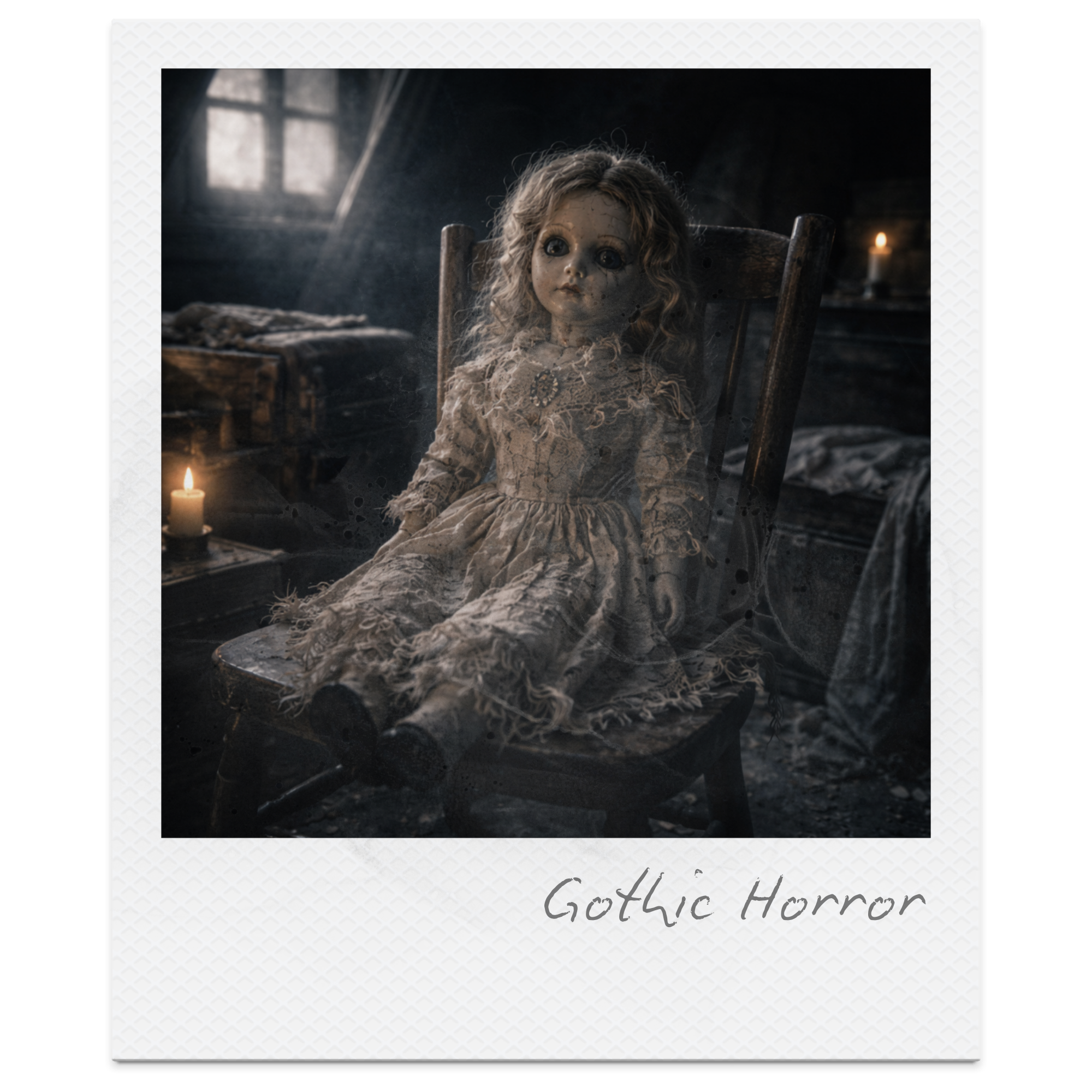
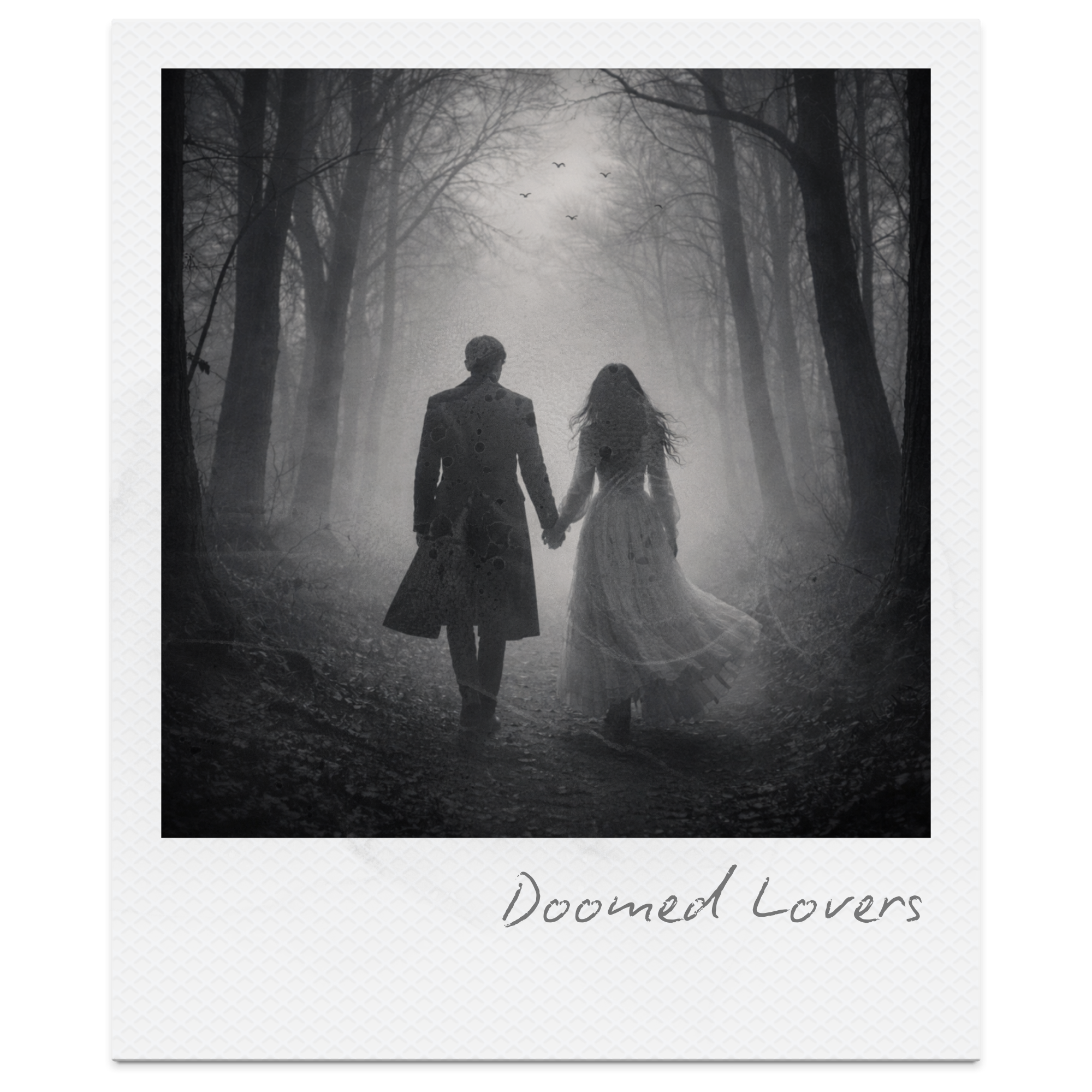
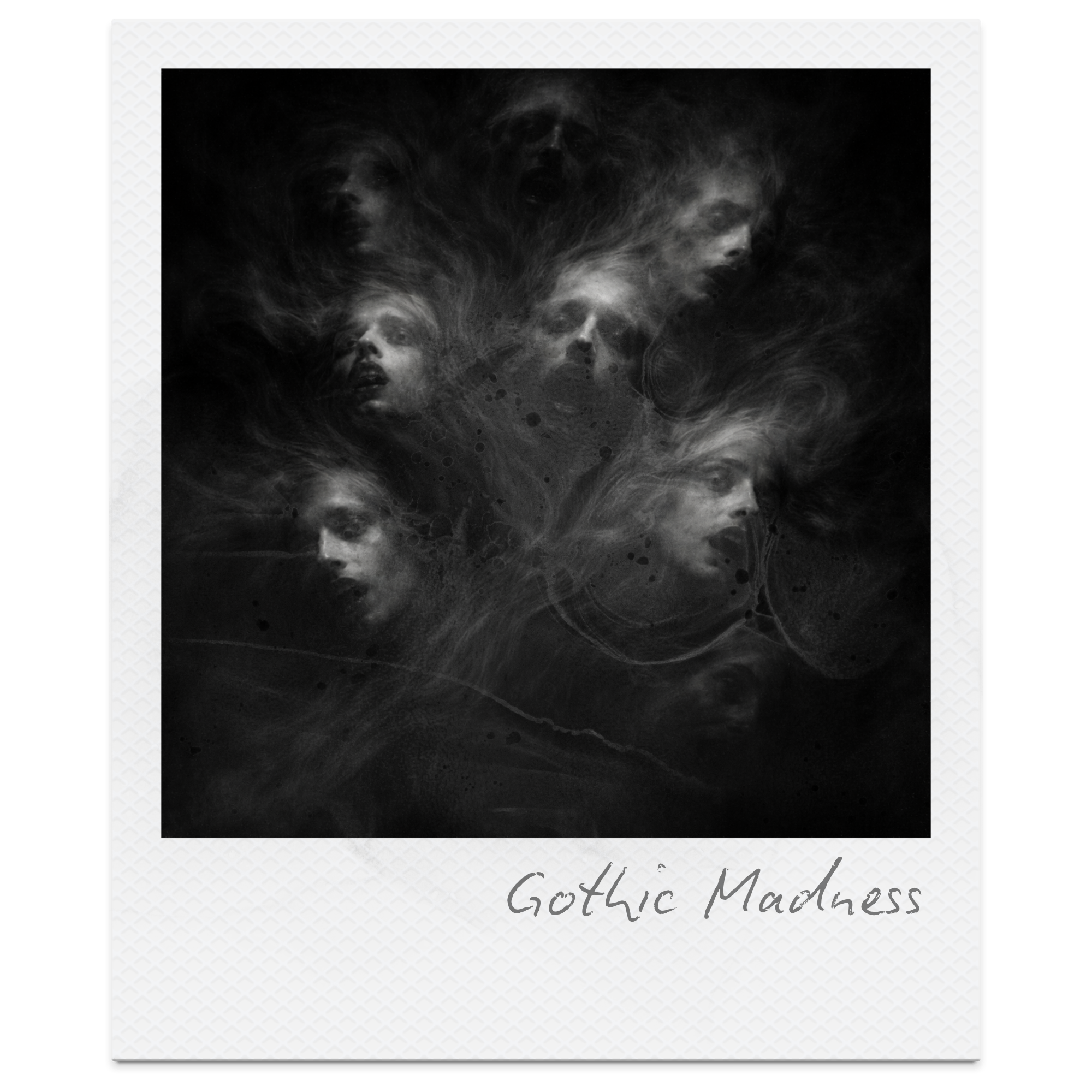
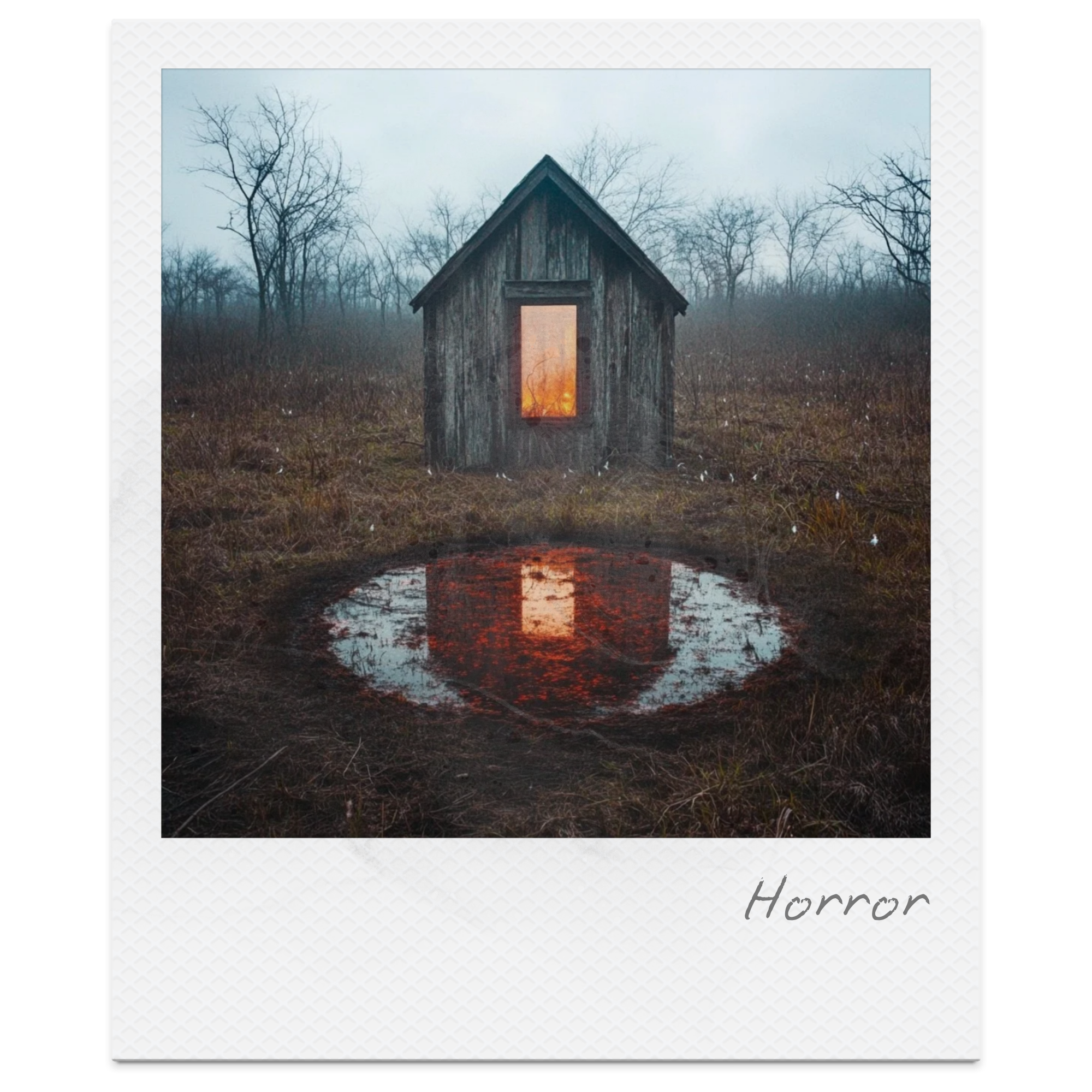
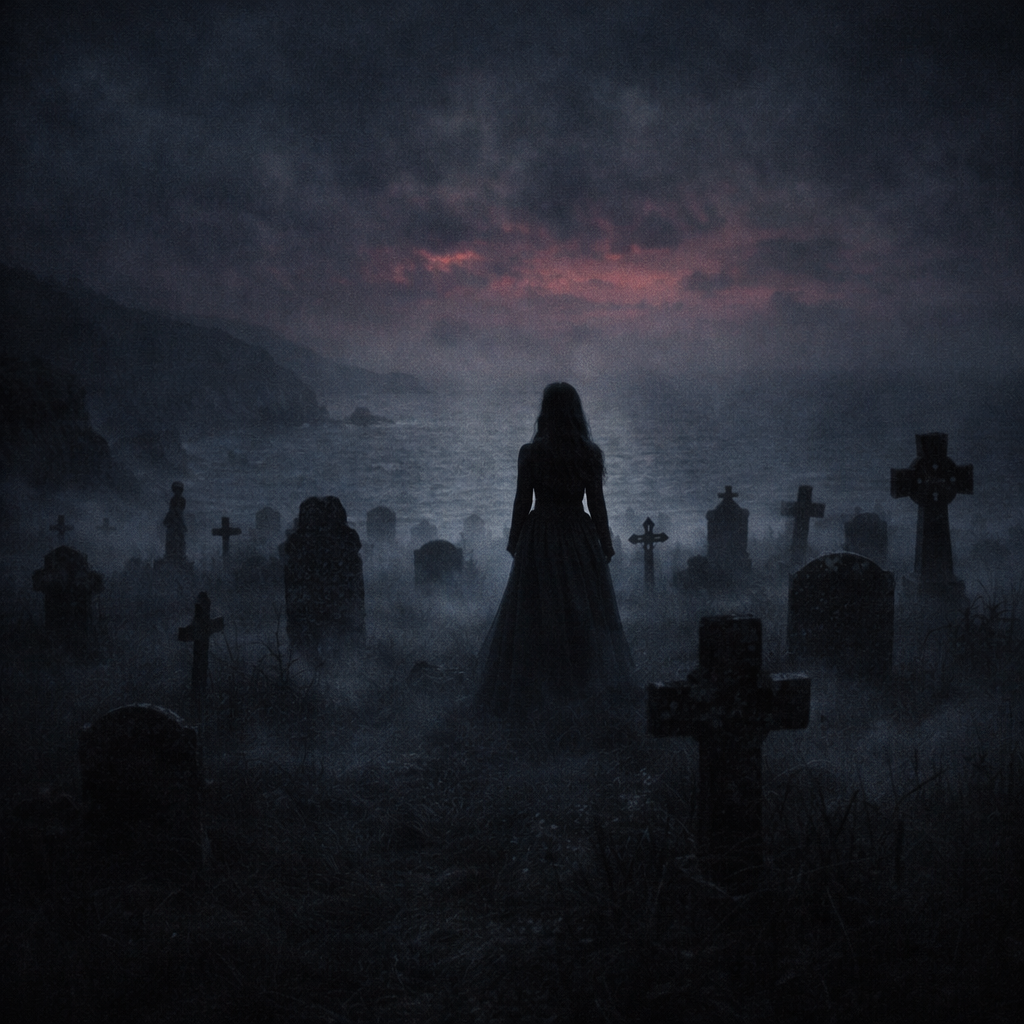
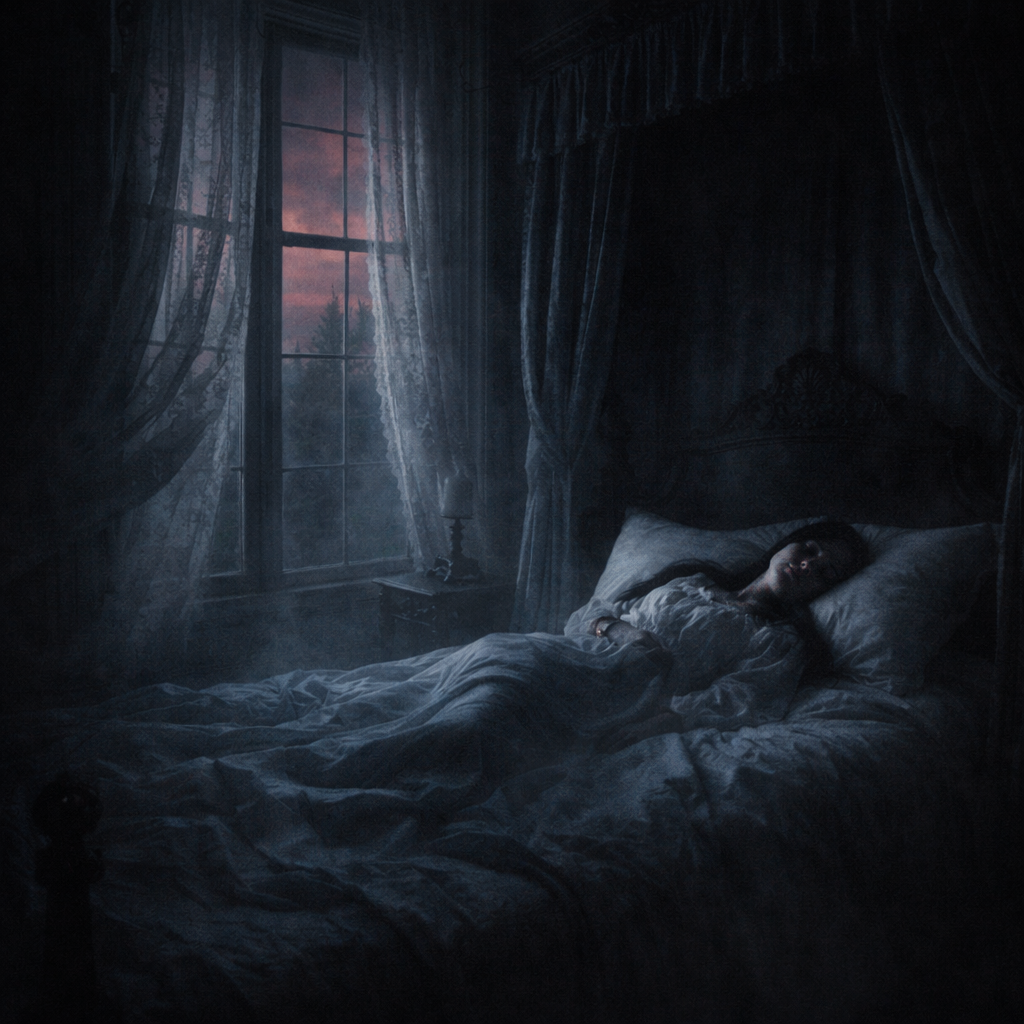
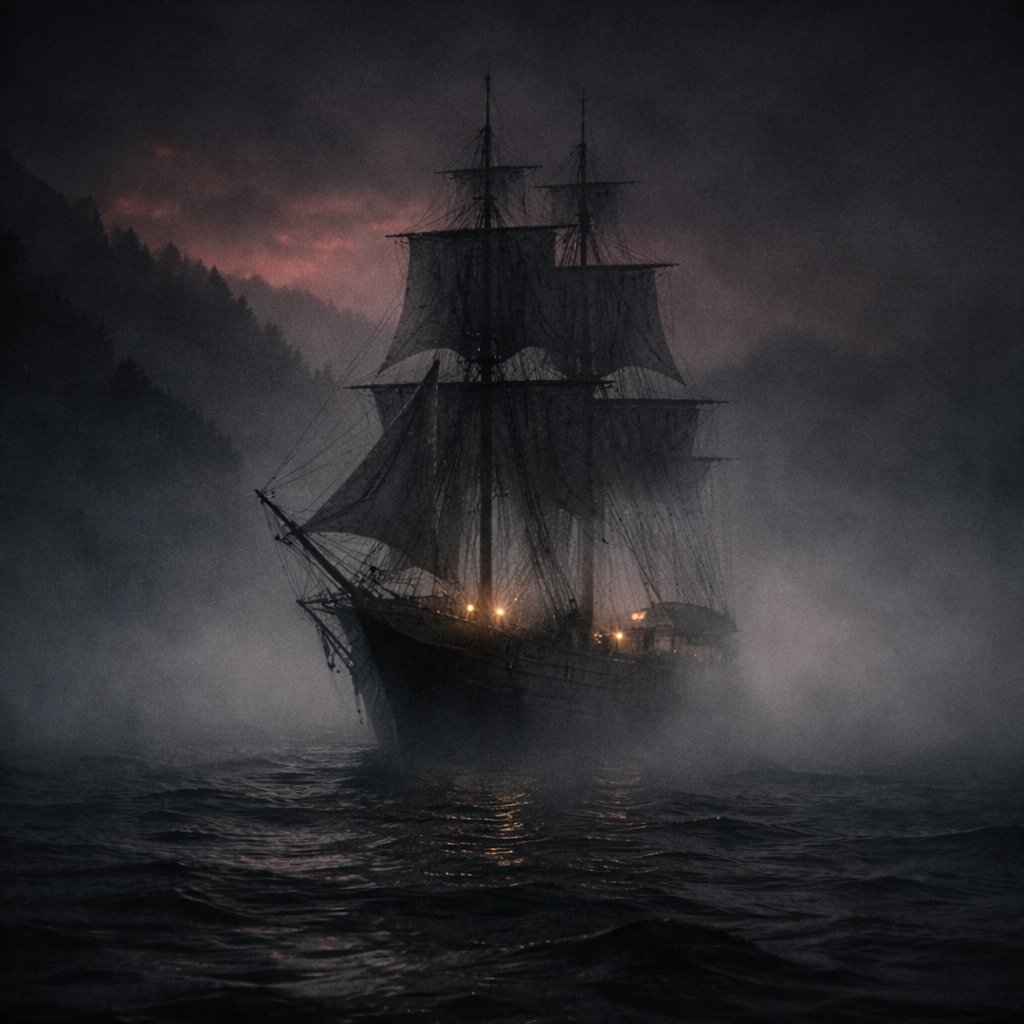
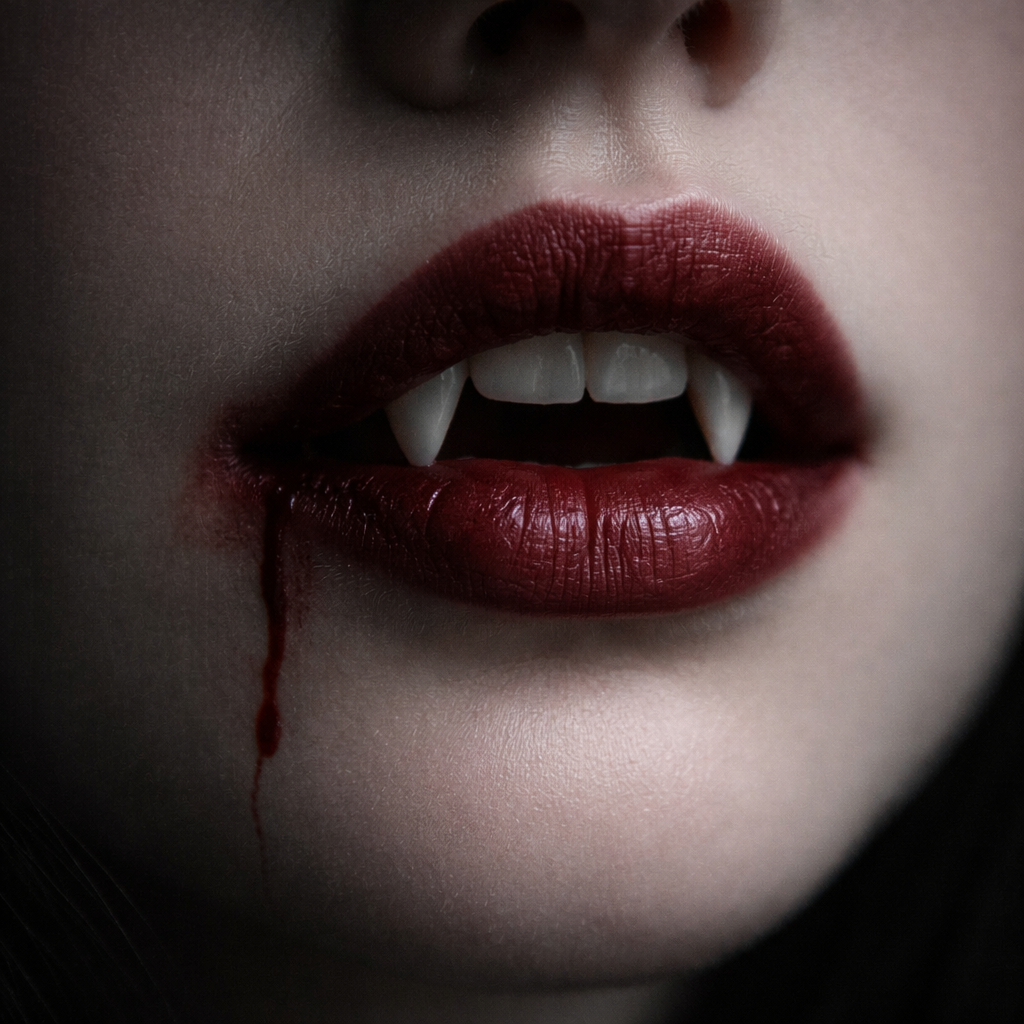
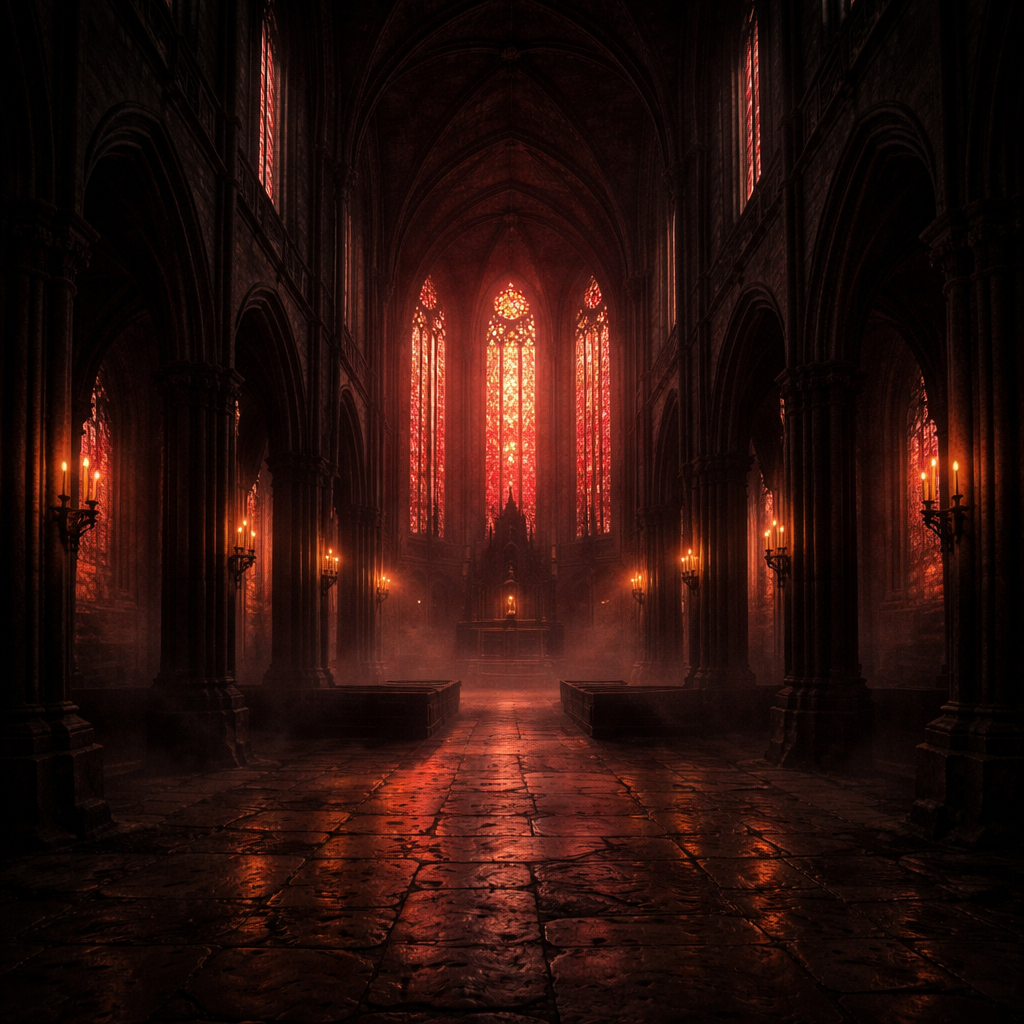
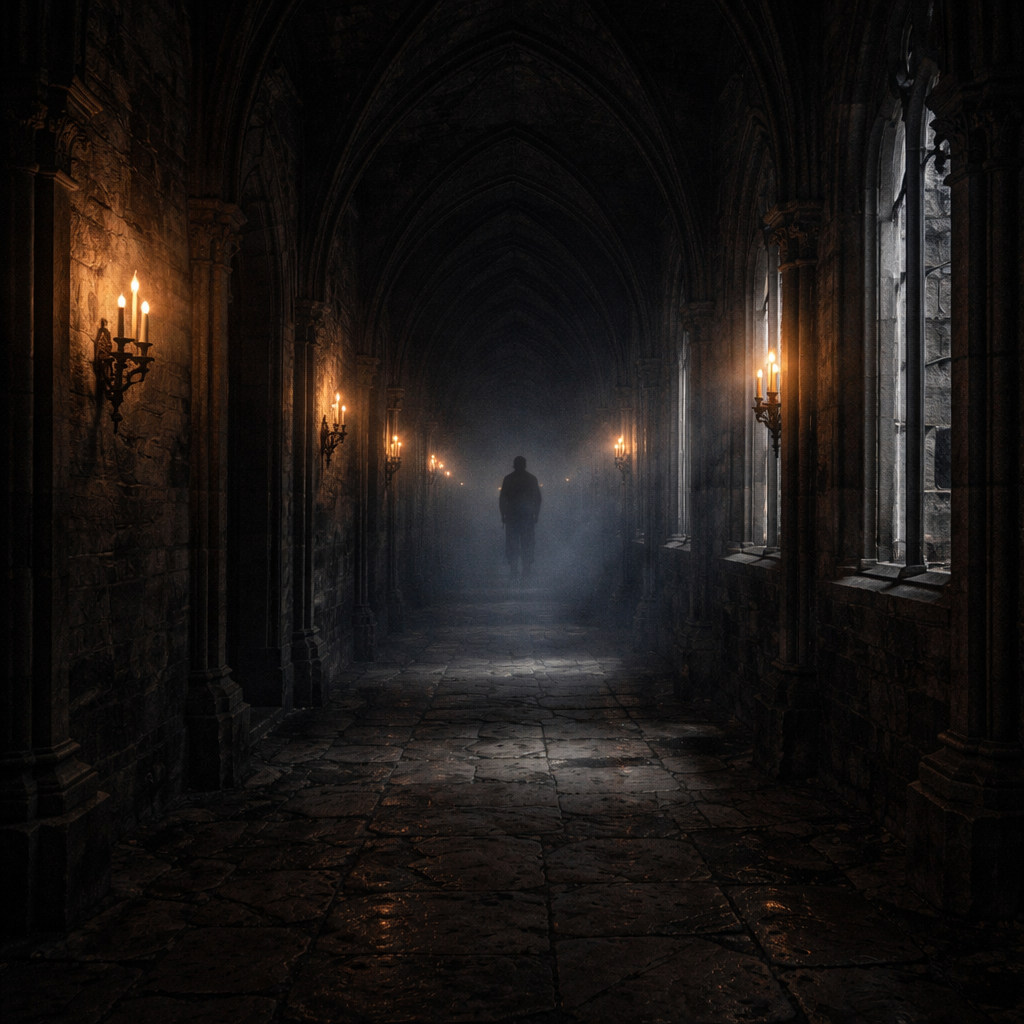
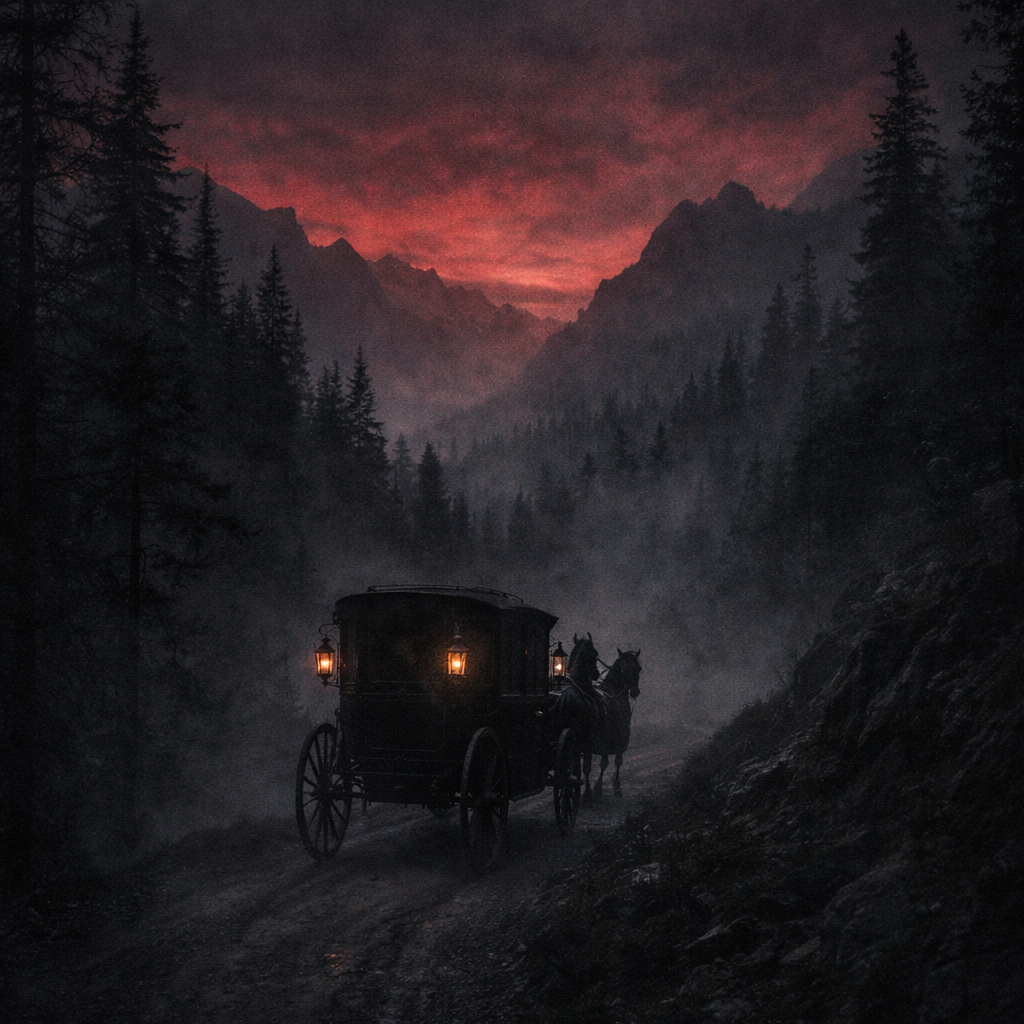
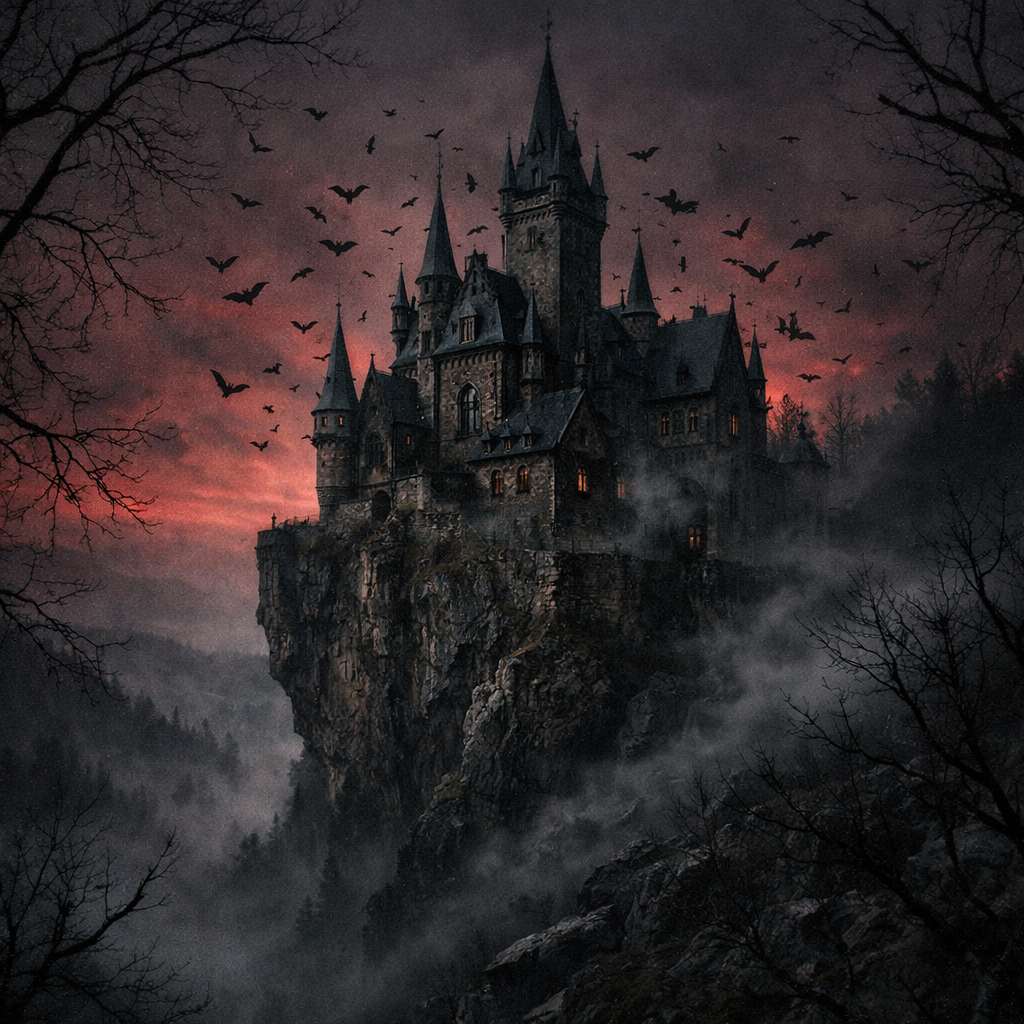
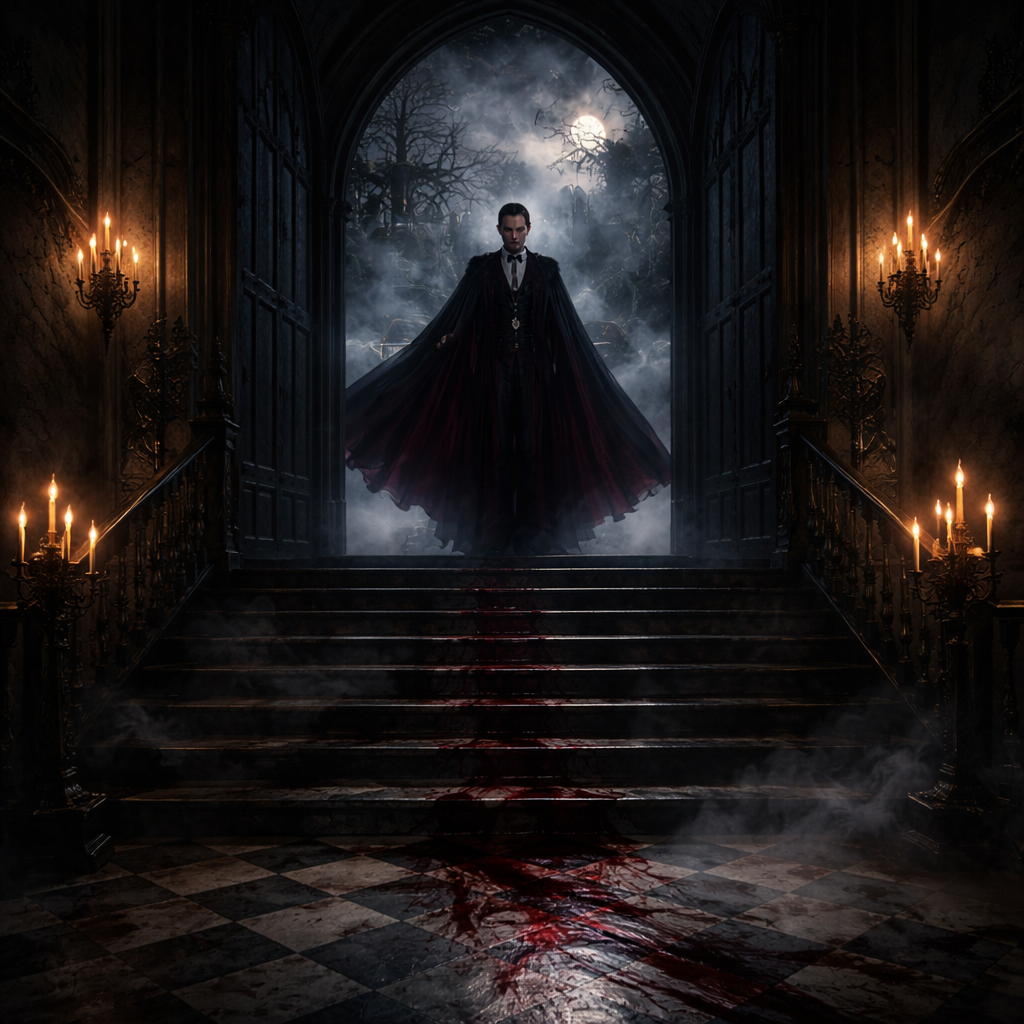
7. Picture Prompts
Picture prompts are especially useful for gothic fiction because they help writers begin with atmosphere. The images below are designed to evoke unease, secrecy and isolation, giving writers a visual doorway into darker stories.
Go Deeper into Dracula-Inspired Writing
If you want these prompts to feel richer and more textually rooted, it helps to borrow not just the mood of Dracula, but the techniques that make the novel so effective. The ideas below can help students and writers move beyond surface-level vampire imagery and into stronger gothic storytelling.
◆ Try using an epistolary structure. Write part of the story through diary entries, letters, telegrams, newspaper reports or recorded statements to create suspense through fragmented information.
◆ Focus on what is withheld. Gothic tension often comes from delayed understanding, so let the reader sense that something is wrong before the full truth is revealed.
◆ Use setting as a source of fear. In a Dracula-inspired piece, the landscape, architecture and weather should feel active, not neutral.
◆ Think carefully about entry and invitation. Thresholds, locked doors, windows and permissions can all become symbolic in gothic fiction.
◆ Explore the clash between modern logic and ancient superstition. Characters do not all need to believe in the same explanation, and that conflict can drive the plot.
◆ Build unease through small repeated details: a missing reflection, a torn hem, marks on the throat, an animal behaving strangely, a window found open each morning.
◆ Let your antagonist feel charismatic as well as threatening. Dracula is effective partly because danger arrives in the shape of charm, confidence and control.
◆ Consider writing from the perspective of someone piecing events together afterwards. Retrospective narration can create a strong sense of dread, especially if the narrator now understands what they once ignored.
◆ Use multiple viewpoints to show how fear spreads through a group, with each person understanding only part of the danger.
◆ Push beyond vampires if you want to. You can borrow the novel’s atmosphere, structure and anxieties without literally retelling its supernatural elements.
◆ For an extension task, ask students to choose one prompt and write the story opening as a journal entry, then rewrite the same moment as a newspaper report or letter.
◆ Another strong extension is to pair the writing with analysis: identify how Stoker builds suspense through documents, pacing, setting and delayed revelation, then imitate one of those techniques in the story.
Final Thoughts
Dracula continues to inspire writers because it is about far more than a single monster. It is a novel of intrusion, fear, secrecy and slow realisation — a story in which the ordinary world is gradually overtaken by something ancient and predatory.
These prompts are designed to help writers capture that same atmosphere of dread, using isolated settings, fractured narratives, eerie discoveries and characters who realise the truth too late. Whether students write full gothic horror stories or quieter pieces of psychological unease, Dracula offers a rich foundation for dark, layered storytelling.
For more atmospheric ideas, you can explore the Horror Writing Hub or the Gothic Writing Hub, where you’ll find more prompts inspired by gothic literature, horror and the uncanny. You can also browse the Creative Writing Archive for hundreds of additional prompts organised by genre, theme and literary inspiration.
You can also explore our Literature-Inspired Creative Writing Prompts Hub to discover more creative prompts based on classic novels, poems and short stories.
Choose Your Next Adventure