A Birthday by Christina Rossetti: Summary, Themes, Symbolism & Analysis
Christina Rossetti’s A Birthday is a lyrical celebration of emotional fulfilment and renewal. The poem captures the moment when the speaker experiences an overwhelming sense of joy because love, long awaited or newly realised, has finally arrived. Through rich natural imagery and ornate symbolic language, Rossetti presents love not simply as affection but as a transformative force that reshapes the speaker’s inner world.
The poem explores romantic fulfilment, emotional rebirth, spiritual joy, and the symbolism of abundance. Rossetti moves from images of vibrant nature in the first stanza to elaborate artistic and decorative imagery in the second, suggesting that love inspires both inner harmony and outward expression. This analysis explores how Rossetti uses imagery, symbolism, structure, and voice to portray love as a moment of profound emotional awakening.
This poem forms part of the growing Christina Rossetti collection within the site’s Rossetti hub, where multiple poems are explored in detail to support deeper study of her work. Readers interested in broader poetry analysis and teaching resources can also explore the Literature Library, which gathers together close readings, contextual guides, and classroom-focused literary analysis.

A Birthday Context
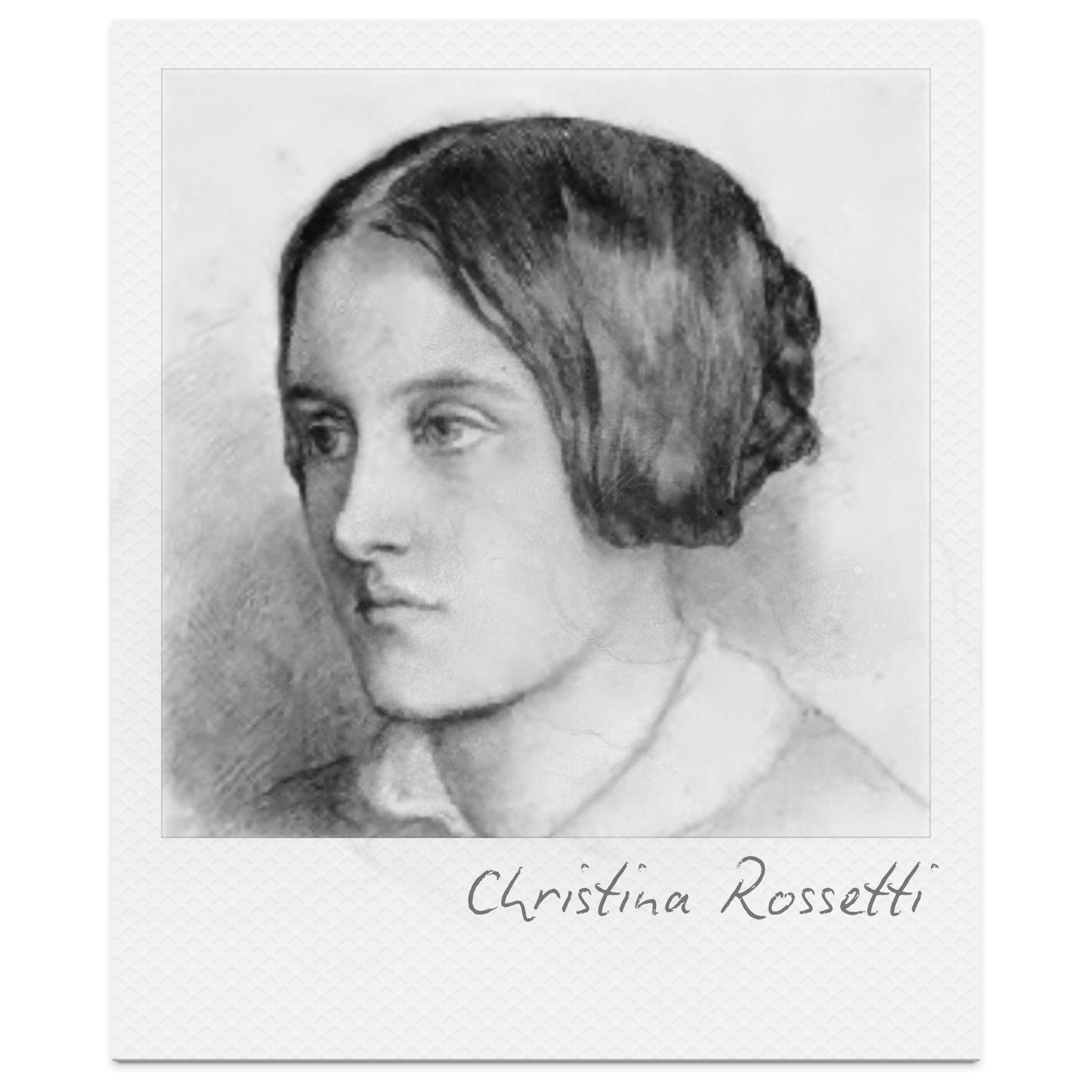
Christina Rossetti wrote A Birthday during the Victorian period, a time when poetry frequently explored themes of love, devotion, spirituality, and emotional restraint. Rossetti herself was deeply religious and often used the language of love to explore both human relationships and spiritual fulfilment. Although the poem appears at first to celebrate romantic love, many readers note that Rossetti’s work frequently blurs the boundary between earthly affection and spiritual joy, allowing the poem to be interpreted on multiple levels.
Rossetti’s personal life also provides useful context. She experienced several romantic attachments that never led to marriage, partly because of her strong religious convictions. This background often led her poetry to examine longing, emotional intensity, and the idea of love as something transformative yet rare. In A Birthday, the speaker’s overwhelming joy suggests the arrival of a long-awaited emotional moment, reflecting the Victorian fascination with idealised love and emotional revelation.
The poem also reflects the Victorian appreciation for symbolism drawn from nature, medieval imagery, and religious iconography. Rossetti fills the poem with images of birds, fruit trees, rainbows, precious fabrics, and decorative carvings. These symbols create a sense of abundance and richness, reinforcing the idea that the arrival of love marks a profound turning point in the speaker’s life.
Readers interested in Rossetti’s background, beliefs, and the wider Victorian context that shaped her poetry can explore this in more depth in the dedicated Rossetti Context Post, which explains the influences that appear throughout her work.
A Birthday: At a Glance
Form: Lyric poem
Mood: Joyful, celebratory, and richly expressive
Central tension: The speaker struggles to contain the overwhelming joy brought by the arrival of love
Core themes: romantic fulfilment, emotional rebirth, abundance, devotion, and symbolic celebration
One-sentence meaning
The poem presents the arrival of love as a moment of emotional rebirth so powerful that the speaker describes it as the “birthday” of her life, celebrating the experience through images of natural beauty and luxurious artistic creation.
A Birthday Quick Summary
The poem opens with the speaker comparing her heart to a series of joyful natural images. She describes it as a singing bird, an apple tree heavy with fruit, and a rainbow-coloured shell drifting across a calm sea. These comparisons emphasise growth, vitality, and abundance, suggesting that the speaker’s emotions are overflowing with happiness. The imagery reflects a world that is vibrant and alive, mirroring the speaker’s inner sense of joy.
As the stanza develops, the speaker declares that her heart is “gladder than all these” because “my love is come to me.” This moment reveals the source of the poem’s emotional intensity: the arrival of romantic fulfilment. The earlier images of nature therefore become symbolic expressions of the speaker’s emotional awakening, showing how love transforms her perception of the world.
In the second stanza, the poem shifts from natural imagery to images of artistic creation and celebration. The speaker calls for a luxurious dais made of silk, purple dyes, gold, and silver, decorated with doves, pomegranates, peacocks, and fleurs-de-lys. These ornate symbols suggest beauty, richness, and sacred celebration, as if the moment deserves a ceremonial setting. The poem concludes by revealing that this joyful celebration marks “the birthday of my life,” meaning the arrival of love has created a moment of emotional rebirth that transforms the speaker’s entire existence.
A Birthday Title, Form, Structure, and Metre
Christina Rossetti’s A Birthday uses carefully controlled poetic form to reinforce the poem’s sense of confidence, celebration, and emotional certainty. The poem is divided into two balanced eight-line stanzas that mirror the development of the speaker’s emotions. Through steady metre, patterned rhyme, and structural symmetry, Rossetti creates a musical and uplifting rhythm that reflects the speaker’s sense of joy and fulfilment.
Title
The title A Birthday immediately introduces the poem’s central metaphor of renewal and emotional rebirth. While the poem does not describe a literal birthday, the title suggests that the arrival of love represents the beginning of a new life for the speaker. This metaphor emphasises transformation: the speaker experiences love as a moment that completely reshapes her emotional world.
The title also prepares readers for the poem’s tone of celebration and ceremony. Just as birthdays mark important milestones, the speaker treats the arrival of love as an event worthy of honour, decoration, and ritual.
Form and Structure
The poem consists of two octaves, or eight-line stanzas, which create a clear structural division. Each stanza focuses on a different aspect of the speaker’s emotional experience.
The first stanza centres on the speaker’s heart and emotional state. Here Rossetti uses a sequence of vivid natural images to express the speaker’s overwhelming joy. The comparisons build progressively, moving from a singing bird to a fruitful tree and finally to a radiant shell in a peaceful sea. These images collectively emphasise growth, harmony, and abundance.
The second stanza shifts from inner emotion to external celebration. Instead of describing natural images, the speaker calls for an ornate platform or “dais” to be created from luxurious materials such as silk, gold, and purple dye. This structural shift suggests that the speaker’s joy now demands a visible and ceremonial expression.
The poem therefore moves from internal feeling to outward display, reflecting how powerful emotions can inspire acts of artistic creation and celebration.
Rhyme Scheme and Poetic Pattern
Rossetti uses a patterned rhyme scheme that contributes to the poem’s musical and harmonious tone. At first glance, the poem appears to follow a simple ballad-style pattern in which the second and fourth lines of each four-line section rhyme with each other. For example, “shoot” rhymes with “fruit,” while “sea” rhymes with “me.”
However, the rhyme pattern is slightly more complex than it first appears. Rossetti repeats certain rhyme sounds across different parts of the stanza, linking lines together in subtle ways. Words such as “tree,” “sea,” and “me” echo one another, while other sounds create near or slant rhymes that reinforce the poem’s musical quality.
This layering of rhyme gives the poem a sense of rich sound texture, mirroring the speaker’s overflowing happiness. The repetition of similar sounds suggests that the speaker’s joy is so intense that it spills repeatedly through the poem’s language.
Metre and Rhythmic Movement
The poem is written primarily in iambic tetrameter, a metre in which each line contains four iambs. An iamb consists of two syllables arranged in an unstressed–stressed pattern. This rhythm produces a steady and flowing movement that suits the poem’s tone of confident celebration.
My HEART | is LIKE | a SING | ing BIRD
Whose NEST | is IN | a WAT | er’d SHOOT
The regular rhythm gives the poem a sense of forward motion and emotional certainty, reflecting the speaker’s feeling that love has brought clarity and purpose to her life.
In the second stanza, Rossetti subtly varies the rhythm when the speaker begins issuing commands about the construction of the dais. Some lines begin with stronger stressed syllables, creating a slightly more forceful sound. These rhythmic shifts emphasise the speaker’s excitement and urgency, as she eagerly imagines the elaborate celebration that should honour the arrival of love.
Overall, Rossetti’s careful use of metre, rhyme, and structural balance ensures that the poem’s sound, rhythm, and meaning work together, reinforcing the sense that the speaker’s joy is both intense and beautifully controlled.
A Birthday Speaker
The speaker of A Birthday presents a deeply personal and joyful voice, expressing an intense emotional response to the arrival of love. The poem is written in the first person, allowing readers direct access to the speaker’s inner thoughts and feelings. Through this perspective, Rossetti creates a sense of intimacy and emotional immediacy, as the reader experiences the speaker’s happiness alongside her.
The speaker appears to be someone who has experienced a profound emotional transformation. Her repeated references to “my heart” emphasise that the poem is primarily concerned with internal emotional experience rather than external events. By describing her heart through images of birds, fruit trees, and radiant shells, the speaker conveys how love has filled her life with energy, harmony, and abundance.
The tone of the speaker is confident and celebratory. Unlike many Victorian poems that portray love as uncertain or tragic, the voice in A Birthday expresses complete emotional certainty. The speaker does not question her feelings; instead, she declares that her heart is “gladder than all these” natural wonders because “my love is come to me.” This certainty contributes to the poem’s atmosphere of joyful affirmation.
In the second stanza, the speaker’s voice becomes more commanding and imaginative. She begins issuing instructions for the creation of a richly decorated dais, calling for luxurious materials and symbolic carvings. These commands suggest that the speaker feels her joy deserves ceremony and artistic celebration. The shift from description to instruction also reveals the speaker’s desire to transform emotion into something visible and lasting.
Overall, the speaker functions as the emotional centre of the poem. Through her enthusiastic voice, Rossetti explores how love can create a moment of emotional rebirth, turning the arrival of a beloved into what the speaker calls “the birthday of my life.”
A Birthday Stanza-by-Stanza Analysis
A close reading of A Birthday reveals how Christina Rossetti carefully develops the speaker’s joy through imagery, symbolism, and structural progression. Each stanza performs a different role in the poem’s emotional movement. The first stanza focuses on the speaker’s internal emotional state, using rich natural imagery to express the intensity of her happiness. The second stanza shifts outward, transforming that inner joy into ceremony, decoration, and artistic celebration.
By examining each stanza closely, we can see how Rossetti builds a sense of abundance, fulfilment, and emotional rebirth, gradually revealing why the speaker describes the arrival of love as “the birthday of my life.”
Stanza 1: Natural Imagery and Emotional Abundance
The opening stanza establishes the speaker’s overwhelming happiness through a series of vivid comparisons drawn from nature. Each image represents vitality, harmony, and abundance, suggesting that the speaker’s emotions are not simply pleasant but overflowing with life and energy.
The stanza begins with the line “My heart is like a singing bird.” Birds are often associated with freedom, vitality, and joy, and the image of a bird singing suggests a spontaneous expression of happiness. The bird’s nest is located in a “water’d shoot,” a phrase that implies nourishment and growth. Water is a traditional symbol of life, so this image reinforces the idea that the speaker’s joy is rooted in renewal and flourishing.
Rossetti then introduces a second comparison: the speaker’s heart is like “an apple-tree / Whose boughs are bent with thickset fruit.” This image emphasises fertility, richness, and abundance. The branches bending under the weight of fruit suggest that the tree is so productive that it cannot easily contain its yield. In the same way, the speaker’s heart appears almost overwhelmed by the strength of her happiness.
The third comparison introduces a more delicate and luminous image: “a rainbow shell / That paddles in a halcyon sea.” The rainbow shell evokes beauty, colour, and rarity, while the phrase “halcyon sea” refers to calm and peaceful waters. Together these images create a sense of perfect harmony, suggesting that the speaker’s emotional world has become tranquil and radiant.
After presenting these three joyful images, the speaker reaches the central declaration of the stanza. She announces that her heart is “gladder than all these.” The comparisons therefore function as a build-up that allows the speaker to emphasise the true source of her happiness. The final line reveals that the reason for this joy is the arrival of love: “Because my love is come to me.”
This concluding statement provides the emotional core of the poem. The natural images do not merely decorate the stanza; they serve as metaphors illustrating how deeply the speaker feels transformed. Love has brought such intense fulfilment that even the most vibrant images of nature seem insufficient to express it.
Stanza 2: Celebration, Ornament, and Emotional Rebirth
In the second stanza, the poem shifts from natural imagery to images of artistic creation and ceremonial decoration. While the first stanza describes the speaker’s internal emotional state, this stanza focuses on how that joy should be celebrated and honoured outwardly. The speaker begins issuing a series of commands, suggesting that her happiness demands an elaborate and symbolic display.
The stanza opens with the instruction “Raise me a dais of silk and down.” A dais is a raised platform often associated with ceremony, royalty, or sacred ritual, immediately giving the moment a sense of importance. The luxurious materials of silk and soft down emphasise richness and comfort, reinforcing the idea that the speaker’s joy deserves something precious and beautiful.
The following lines continue this sense of elaborate decoration. The dais is to be hung with vair and purple dyes, colours historically associated with nobility, wealth, and prestige. Purple in particular carried strong connotations of royalty in the Victorian imagination. By requesting these colours, the speaker elevates the experience of love to something regal and extraordinary.
Rossetti then fills the stanza with symbolic carvings and decorative imagery. The dais should feature doves, pomegranates, and peacocks. Each image carries possible symbolic meaning. Doves often represent love, peace, and devotion, while pomegranates have long been associated with fertility, abundance, and life. The image of peacocks with “a hundred eyes” evokes splendour, beauty, and watchful magnificence, adding to the sense of richness that surrounds the speaker’s emotional celebration.
The decorative imagery continues with gold and silver grapes, leaves, and fleurs-de-lys, all of which reinforce the sense of luxury and symbolic artistry. The fleurs-de-lys, historically linked to European heraldry and monarchy, strengthen the poem’s atmosphere of ceremonial grandeur.
The stanza concludes by returning to the central idea of the poem. The speaker explains that this elaborate celebration is justified because “the birthday of my life / Is come.” This phrase reveals the full meaning of the poem’s title: the arrival of love represents a moment of emotional rebirth. Just as a birthday marks the beginning of life, the speaker feels that her life has truly begun only now that love has arrived.
The final repetition of “my love is come to me” echoes the ending of the first stanza, reinforcing the poem’s central message. Love is not simply a pleasant emotion but a transformative event that deserves ceremony, beauty, and celebration.
A Birthday Key Quotes
The following quotations highlight some of the most important lines in A Birthday. Each quote reveals how Christina Rossetti uses imagery, symbolism, and metaphor to convey the speaker’s overwhelming joy and sense of emotional rebirth.
“My heart is like a singing bird”
◆ The simile introduces the poem’s central focus on the speaker’s emotional state, presenting the heart as vibrant and alive.
◆ Birds often symbolise freedom and joyful expression, suggesting that love has liberated the speaker emotionally.
◆ The image immediately establishes the poem’s tone of celebration and vitality.
“Whose nest is in a water’d shoot”
◆ The nest suggests security and belonging, reinforcing the idea that love provides a safe emotional home.
◆ The phrase “water’d shoot” evokes growth, nourishment, and renewal, strengthening the poem’s theme of emotional flourishing.
◆ Rossetti uses natural imagery to symbolise the life-giving effects of love.
“My heart is like an apple-tree”
◆ The apple tree symbolises fertility, abundance, and fulfilment, reflecting the richness of the speaker’s happiness.
◆ Fruit-bearing trees are traditionally associated with productive life and prosperity, reinforcing the poem’s celebratory tone.
◆ The repeated structure “My heart is like…” emphasises the intensity of the speaker’s feelings.
“Whose boughs are bent with thickset fruit”
◆ The image of branches weighed down by fruit conveys overflowing abundance, suggesting that the speaker’s joy is almost too great to contain.
◆ The heaviness of the branches symbolises the richness of emotional fulfilment.
◆ Rossetti uses sensory imagery to reinforce the poem’s sense of fertility and fullness.
“My heart is like a rainbow shell”
◆ The rainbow shell introduces imagery of colour, beauty, and rarity, reflecting the preciousness of the speaker’s experience.
◆ Rainbows often symbolise hope and harmony, reinforcing the sense that love has brought emotional balance.
◆ The shell imagery suggests something delicate and treasured.
“That paddles in a halcyon sea”
◆ The word “halcyon” evokes calm, peace, and perfect conditions, emphasising emotional harmony.
◆ The sea imagery suggests fluid movement and serenity, contrasting with the earlier imagery of growth and abundance.
◆ Together, these images create a sense of complete emotional balance.
“My heart is gladder than all these”
◆ This line acts as a turning point in the stanza, revealing that even the joyful natural images cannot fully capture the speaker’s happiness.
◆ The comparative structure highlights the intensity of the speaker’s emotions.
◆ The line prepares the reader for the revelation of love as the true source of this joy.
“Raise me a dais of silk and down”
◆ The command introduces a shift from natural imagery to ceremonial imagery.
◆ A dais suggests royalty, celebration, and ritual, elevating the moment to something sacred or monumental.
◆ The luxurious materials reinforce the preciousness of the speaker’s emotional experience.
“And peacocks with a hundred eyes”
◆ Peacocks symbolise beauty, splendour, and grandeur, enhancing the sense of decorative richness in the stanza.
◆ The “hundred eyes” imagery evokes magnificence and watchfulness, suggesting a dazzling display.
◆ This line contributes to the poem’s atmosphere of ornate celebration.
“Because the birthday of my life / Is come, my love is come to me”
◆ This line reveals the poem’s central metaphor of emotional rebirth.
◆ The “birthday” symbolises a new beginning, suggesting that life truly begins when love arrives.
◆ The repetition of “my love is come to me” reinforces the poem’s theme of transformative fulfilment.
A Birthday Key Techniques
Christina Rossetti uses a range of sound devices, structural techniques, and symbolic imagery to convey the speaker’s intense happiness. Together these techniques create a poem that feels musical, abundant, and ceremonious, mirroring the emotional richness the speaker experiences when love arrives.
◆ Euphony – Rossetti fills the poem with soft, harmonious sounds that create a musical and pleasing rhythm. The steady iambic tetrameter, combined with repeated vowel and consonant sounds, produces a smooth and flowing sound pattern. Assonance appears in repeated vowels such as the long ee in “sea,” “these,” and “me,” while consonant sounds like l, m, and d recur across lines such as “paddles in a halcyon sea” and “my heart is gladder.” Gentle sibilance in words such as “singing,” “shell,” and “sea” creates a soft whispering sound that echoes the calm movement of water. In the second stanza, Rossetti intensifies this musical quality with repeated sounds in phrases such as “purple,” “pomegranates,” and “peacocks,” and “gold and silver grapes.” These rich sound patterns make the poem feel as ornate and harmonious as the decorative dais the speaker imagines.
◆ Simile – The speaker repeatedly uses similes to express her emotional state. Her heart is compared to a singing bird, an apple tree heavy with fruit, and a rainbow shell in a halcyon sea. Each comparison highlights a different aspect of happiness: the bird suggests joyful expression, the fruit tree symbolises abundance and fulfilment, and the rainbow shell conveys beauty and harmony. Through these layered similes, Rossetti translates emotional experience into vivid sensory imagery.
◆ Anaphora – Rossetti uses repetition at the beginning of successive lines to emphasise the intensity of the speaker’s feelings. The phrase “My heart is like…” appears repeatedly in the opening stanza, creating a rhythmic pattern that reinforces the speaker’s attempt to describe overwhelming joy. This repetition builds momentum and gives the stanza a sense of emotional accumulation, as though each comparison brings the reader closer to understanding the speaker’s happiness.
◆ Imagery – The poem relies heavily on rich imagery to communicate emotion. The first stanza focuses on natural imagery, including birds, fruit trees, and seas, which symbolise growth, vitality, and harmony. The second stanza shifts to decorative and artistic imagery, describing silk, gold, silver, and elaborate carvings. This movement from natural imagery to crafted decoration reflects the poem’s shift from inner feeling to outward celebration.
◆ Symbolism – Many of the poem’s images carry symbolic meanings. The apple tree heavy with fruit suggests fertility and abundance, while doves traditionally symbolise peace and love. Pomegranates often represent fertility or richness of life, and peacocks symbolise splendour and beauty. These symbolic elements reinforce the idea that the speaker’s love represents a moment of prosperity, harmony, and emotional fulfilment.
◆ Imperative language – In the second stanza the speaker begins issuing commands such as “Raise me a dais,” “Hang it,” “Carve it,” and “Work it.” This use of imperative verbs creates a sense of urgency and authority. The speaker’s joy is so powerful that she feels compelled to orchestrate a ceremonial celebration worthy of the moment.
◆ Structural contrast – Rossetti structures the poem so that the two stanzas reflect different aspects of the speaker’s experience. The first stanza explores internal emotional joy, expressed through natural imagery. The second stanza presents external celebration, focusing on decoration, luxury, and ceremony. This structural shift mirrors the movement from private feeling to public celebration.
◆ Metaphor of rebirth – The poem’s title and final line introduce a central metaphor: the arrival of love is described as “the birthday of my life.” This metaphor suggests that love represents a new beginning or emotional rebirth, transforming the speaker’s sense of identity and purpose.
◆ Sensory imagery – Rossetti appeals to multiple senses to make the poem vivid and immersive. Visual imagery appears in colourful elements such as rainbow shells, purple dyes, and gold decoration, while tactile imagery appears in references to silk and down. These sensory details contribute to the poem’s atmosphere of richness and celebration.
◆ Accumulation of imagery – Rossetti builds meaning through a gradual accumulation of images. The poem moves from one joyful comparison to another, layering birds, fruit trees, seas, silk, jewels, and carvings. This accumulation reflects the speaker’s emotional state: her happiness is so intense that it requires multiple images to express it fully.
A Birthday Themes
Christina Rossetti’s A Birthday explores a moment of overwhelming joy triggered by the arrival of love. Through rich imagery, ceremonial language, and symbolic references, the poem presents love as a transformative experience that reshapes the speaker’s emotional world. Rossetti develops themes of romantic fulfilment, emotional rebirth, abundance, devotion, and symbolic celebration, using both natural and decorative imagery to illustrate the intensity of the speaker’s feelings.
Romantic Fulfilment
At the centre of the poem lies the theme of romantic fulfilment. The speaker experiences the arrival of love as a moment of complete emotional satisfaction. Her repeated comparisons — describing her heart as a singing bird, a fruit-bearing tree, and a radiant shell — illustrate how love fills her life with vitality and joy.
The line “My heart is gladder than all these / Because my love is come to me” reveals that the natural images serve as metaphors for the speaker’s emotional state. Even the most beautiful aspects of nature cannot fully capture the depth of her happiness. Love therefore becomes the ultimate source of fulfilment, surpassing all other pleasures.
Emotional Rebirth
Rossetti presents love as a form of emotional rebirth, a theme reinforced by the poem’s title. The speaker describes the arrival of love as “the birthday of my life,” suggesting that her life truly begins at the moment when love enters it.
This metaphor implies a profound transformation. A birthday marks the beginning of existence, and by using this image Rossetti suggests that the speaker’s previous life lacked the emotional richness she now experiences. Love therefore becomes a moment of renewal, reshaping the speaker’s identity and sense of purpose.
Abundance
The poem repeatedly emphasises abundance, both in nature and in decoration. The image of an apple tree “bent with thickset fruit” suggests richness and fertility, while the repeated comparisons in the first stanza create a sense that the speaker’s happiness is overflowing.
In the second stanza, this sense of abundance becomes even more pronounced through the description of luxurious materials such as silk, purple dyes, gold, and silver. The accumulation of decorative elements mirrors the emotional intensity of the speaker’s joy, reinforcing the idea that her happiness is too great to be expressed through a single image.
Devotion
The poem also explores devotion, particularly in the way the speaker elevates love to something almost sacred. By requesting that a dais be constructed — a raised platform often associated with ceremony or royalty — the speaker treats the arrival of love as an event worthy of honour and reverence.
The symbolic carvings of doves, pomegranates, and peacocks further reinforce this sense of devotion. These images carry associations with love, beauty, and abundance, suggesting that the speaker’s feelings are not fleeting but deeply meaningful and worthy of celebration.
Symbolic Celebration
Finally, the poem explores the idea of symbolic celebration. Rather than simply describing her emotions, the speaker imagines an elaborate ceremonial setting in which those emotions can be honoured. The dais decorated with luxurious materials becomes a symbolic representation of the speaker’s joy.
This ceremonial imagery transforms the poem into a kind of imaginative ritual. The speaker’s love is not merely acknowledged but celebrated through beauty, artistry, and symbolism, reinforcing the idea that emotional fulfilment deserves recognition and expression.
Together, these themes create a portrait of love as a moment of profound transformation — one that brings joy, renewal, and a sense of rich abundance to the speaker’s life.
A Birthday Alternative Interpretations
While A Birthday appears to celebrate the simple joy of love, the poem also invites a range of deeper interpretations. Christina Rossetti’s use of symbolism, imagery, and metaphor allows the poem to be read through multiple critical perspectives. Depending on the interpretive lens applied, the poem may be understood as a celebration of romantic fulfilment, spiritual devotion, emotional transformation, symbolic ritual, or Victorian ideals of love and femininity.
Feminist Interpretation: Female Desire and Voice
From a feminist perspective, A Birthday can be read as an expression of female emotional agency and desire. Victorian literature often portrayed women as passive figures in romantic relationships, yet Rossetti’s speaker speaks with confidence and authority about her own emotional experience.
The repeated focus on “my heart” places the speaker’s feelings at the centre of the poem, emphasising her personal perspective rather than that of the beloved. In the second stanza, the speaker begins issuing imperative commands such as “Raise me a dais” and “Hang it with vair and purple dyes.” This commanding language suggests that the speaker is actively shaping the celebration of love rather than simply receiving it.
Through this lens, the poem can be interpreted as a moment in which a female voice openly celebrates joy, fulfilment, and desire, asserting the legitimacy of women’s emotional experiences.
Psychological Interpretation: Emotional Awakening
A psychological interpretation focuses on the poem as a depiction of intense emotional transformation. The speaker experiences the arrival of love as a moment that reshapes her entire perception of the world.
The sequence of similes in the first stanza illustrates how the speaker struggles to find images capable of expressing her feelings. By comparing her heart to birds, fruit trees, and shells, she attempts to capture the overwhelming nature of her joy. The repeated structure suggests that her emotions are too powerful to be expressed through a single image.
The metaphor of “the birthday of my life” reinforces this idea of psychological renewal. The speaker feels as though a new emotional identity has emerged, suggesting that love has triggered a moment of personal awakening and emotional clarity.
Religious Interpretation: Spiritual Joy and Devotional Love
Given Rossetti’s strong Christian faith, many readers interpret A Birthday as a poem about spiritual devotion rather than romantic love. In this reading, the arrival of the beloved may symbolise the arrival of divine grace or spiritual fulfilment.
The imagery of abundance and beauty in the poem can easily align with religious symbolism. Fruits, birds, and flourishing nature often appear in Christian literature as representations of spiritual harmony and divine blessing. Similarly, the ornate dais described in the second stanza resembles the kind of ceremonial decoration associated with religious ritual or sacred celebration.
From this perspective, the line “the birthday of my life” may symbolise spiritual rebirth. Within Christian theology, rebirth is often associated with the renewal of the soul through faith. The poem therefore becomes a celebration of spiritual awakening and divine love.
Symbolic Interpretation: Ritual and Celebration
A symbolic interpretation emphasises how the poem transforms emotion into ritual and ceremony. The speaker does not simply describe her happiness; instead, she imagines constructing a richly decorated dais as a way of honouring the moment.
This imagined platform functions almost like a symbolic altar dedicated to love. The luxurious materials, intricate carvings, and decorative imagery create the impression of a ceremonial space designed to mark an important event.
Through this lens, the poem can be interpreted as a reflection on the human impulse to transform powerful emotions into symbolic acts of celebration. Love becomes something that deserves not only private acknowledgement but also public ritual.
Victorian Cultural Interpretation: Idealised Love and Beauty
Finally, the poem can be interpreted within the context of Victorian cultural ideals surrounding love, beauty, and artistic ornament. Victorian poetry often emphasised decorative imagery, symbolism drawn from nature, and references to medieval or heraldic motifs.
The luxurious imagery in the second stanza — including silk, purple dyes, gold, silver, and fleurs-de-lys — reflects the Victorian fascination with beauty, craftsmanship, and artistic decoration. These images evoke the aesthetic richness associated with medieval romance and courtly celebration.
Within this cultural context, the poem may represent a Victorian ideal of love as something rare, transformative, and worthy of elaborate celebration. Rossetti’s imagery therefore reflects both the speaker’s personal emotions and the broader artistic traditions of her time.
A Birthday Teaching Ideas
Christina Rossetti’s A Birthday works well in the classroom because it combines clear imagery, strong symbolism, and rich thematic ideas. The poem is accessible to students while still allowing for detailed analytical discussion at GCSE and A Level. Activities can explore how Rossetti uses imagery, sound, and symbolism to present love as a moment of emotional transformation.
1. Imagery Mapping Activity
Ask students to identify all the images used to describe the speaker’s heart in the first stanza. They should categorise these images and discuss what each one suggests about the speaker’s emotional state.
Students can then consider questions such as:
◆ What qualities do the bird, apple tree, and rainbow shell share?
◆ How does each image develop the theme of abundance and joy?
◆ Why might Rossetti use multiple comparisons instead of just one?
This activity helps students recognise how poets build meaning through layered imagery and comparison.
2. Symbolism Investigation
Students explore the symbolic meaning of the decorative elements in the second stanza. They can research or discuss the possible symbolism of doves, pomegranates, peacocks, grapes, and fleurs-de-lys.
Students might consider:
◆ Which symbols are connected to love or devotion?
◆ Which images suggest abundance or beauty?
◆ How do these symbols contribute to the idea of celebration in the poem?
This activity encourages students to recognise how Rossetti uses symbolic imagery to enrich meaning.
3. Structural Comparison Task
Ask students to compare the two stanzas and identify how Rossetti shifts the focus of the poem.
Students should consider:
◆ How does the first stanza explore internal emotion?
◆ How does the second stanza present external celebration?
◆ Why might Rossetti move from natural imagery to decorative imagery?
Students can then discuss how this structural shift reinforces the theme of emotional rebirth and fulfilment.
4. Analytical Writing Practice
Students can practise writing a short analytical paragraph exploring how Rossetti presents joy in the poem. This helps students develop essay-writing skills for poetry analysis.
Model analytical paragraph
Rossetti presents love as a moment of overwhelming joy through the use of vivid natural imagery. The speaker compares her heart to “an apple-tree / Whose boughs are bent with thickset fruit,” an image that symbolises abundance and fulfilment. The branches bending beneath the fruit suggest that the speaker’s happiness is almost too great to contain. This metaphor emphasises how love has transformed the speaker’s emotional world, filling her life with richness and vitality. By using imagery associated with growth and fertility, Rossetti reinforces the idea that love represents a moment of emotional flourishing.
5. Essay Question Discussion
Teachers can extend analysis by asking students to respond to essay-style questions exploring the poem’s themes and techniques. Students might consider prompts such as how Rossetti presents love, joy, or symbolism within the poem.
A wider range of essay prompts designed for classroom use can be found in the Christina Rossetti Poetry Essay Questions resource, which includes discussion and analytical questions that support deeper exploration of Rossetti’s poetry.
Go Deeper into A Birthday
Christina Rossetti frequently explores love, emotional longing, spiritual reflection, and inner transformation across her poetry. Reading A Birthday alongside other Rossetti poems reveals how she repeatedly returns to themes of devotion, emotional conflict, and spiritual meaning, sometimes presenting love as joyful fulfilment and sometimes as loss or restraint.
◆ An Apple-Gathering – Like A Birthday, this poem uses fruit imagery to explore emotional experience. However, while A Birthday presents love as joyful abundance, An Apple-Gathering explores regret and disappointment, showing how misplaced trust can lead to emotional loss.
◆ Twice – Both poems explore the act of offering one’s heart in love. In Twice, however, the speaker experiences rejection and turns toward spiritual devotion instead. Comparing the poems reveals Rossetti’s contrasting portrayals of romantic fulfilment and emotional disappointment.
◆ Winter: My Secret – This poem also presents a female speaker who maintains control over emotional expression. While A Birthday openly celebrates love, Winter: My Secret emphasises secrecy and restraint, highlighting Rossetti’s interest in the tension between revelation and concealment.
◆ Remember – Like A Birthday, this sonnet explores deep emotional attachment, but it focuses on love in the context of memory and death rather than joyful presence. The contrast between the two poems highlights Rossetti’s ability to portray both the celebratory and melancholic dimensions of love.
◆ Echo – Both poems explore longing for connection, yet Echo presents love as something that exists only in memory or dreams. Reading the two together highlights the difference between fulfilled love in A Birthday and unfulfilled yearning in Echo.
◆ Up-Hill – While very different in tone, Up-Hill shares Rossetti’s interest in spiritual journeys and ultimate fulfilment. The calm assurance offered in that poem can be compared to the sense of peace and harmony that the speaker experiences in A Birthday when love finally arrives.
Exploring these poems together reveals the range of Rossetti’s writing. While A Birthday celebrates joyful fulfilment and emotional rebirth, many of her other poems examine the more complex experiences of longing, restraint, memory, and spiritual devotion.
Final Thoughts
Christina Rossetti’s A Birthday is a striking celebration of love, emotional fulfilment, and personal renewal. Through rich natural imagery, ornate symbolic decoration, and musical poetic language, Rossetti captures the feeling of a moment so joyful that it seems to transform the speaker’s entire life. The poem’s central metaphor — that the arrival of love marks “the birthday of my life” — emphasises the idea that love can create a profound emotional rebirth.
Rossetti’s careful structure reinforces this transformation. The first stanza explores the speaker’s inner emotional joy through images of nature and abundance, while the second stanza turns that joy into ceremony and artistic celebration. This movement from private feeling to public celebration reflects the intensity of the speaker’s experience and highlights Rossetti’s skill in combining imagery, symbolism, and musical language.
Although often read as a poem about romantic love, A Birthday also invites broader interpretations. The poem can be understood as a reflection on devotion, spiritual joy, emotional awakening, and the human desire to celebrate meaningful moments through symbolism and ritual. These layered meanings help explain why Rossetti’s poetry continues to resonate with readers today.
Readers interested in exploring more of Rossetti’s poetry can visit the Christina Rossetti hub, where additional poems and analyses reveal recurring themes in her work. For wider literary analysis and teaching resources, the Literature Library offers detailed guides to poetry, prose, and drama studied across GCSE, A Level, and beyond.
