Time’s Fool by Ruth Pitter: Summary, Themes & Analysis
Ruth Pitter’s Time’s Fool explores the tension between memory, loss, and contentment, reflecting on how experiences that once seemed modest or insignificant become deeply valued over time. Through nostalgic imagery, contrast between past and present, and a reflective, elegiac tone, the poem presents a speaker looking back on a life of simple comforts that have since been lost or transformed. By layering natural imagery with domestic detail, Pitter reveals how time reshapes perception, turning poverty into richness and absence into emotional presence. If you are studying or teaching Songs of Ourselves Volume 1 for CIE English World Literature (0408), explore all the poems in depth in our Songs of Ourselves Volume 1 Hub, or a wider range of texts in the Literature Library.
Context of Time’s Fool
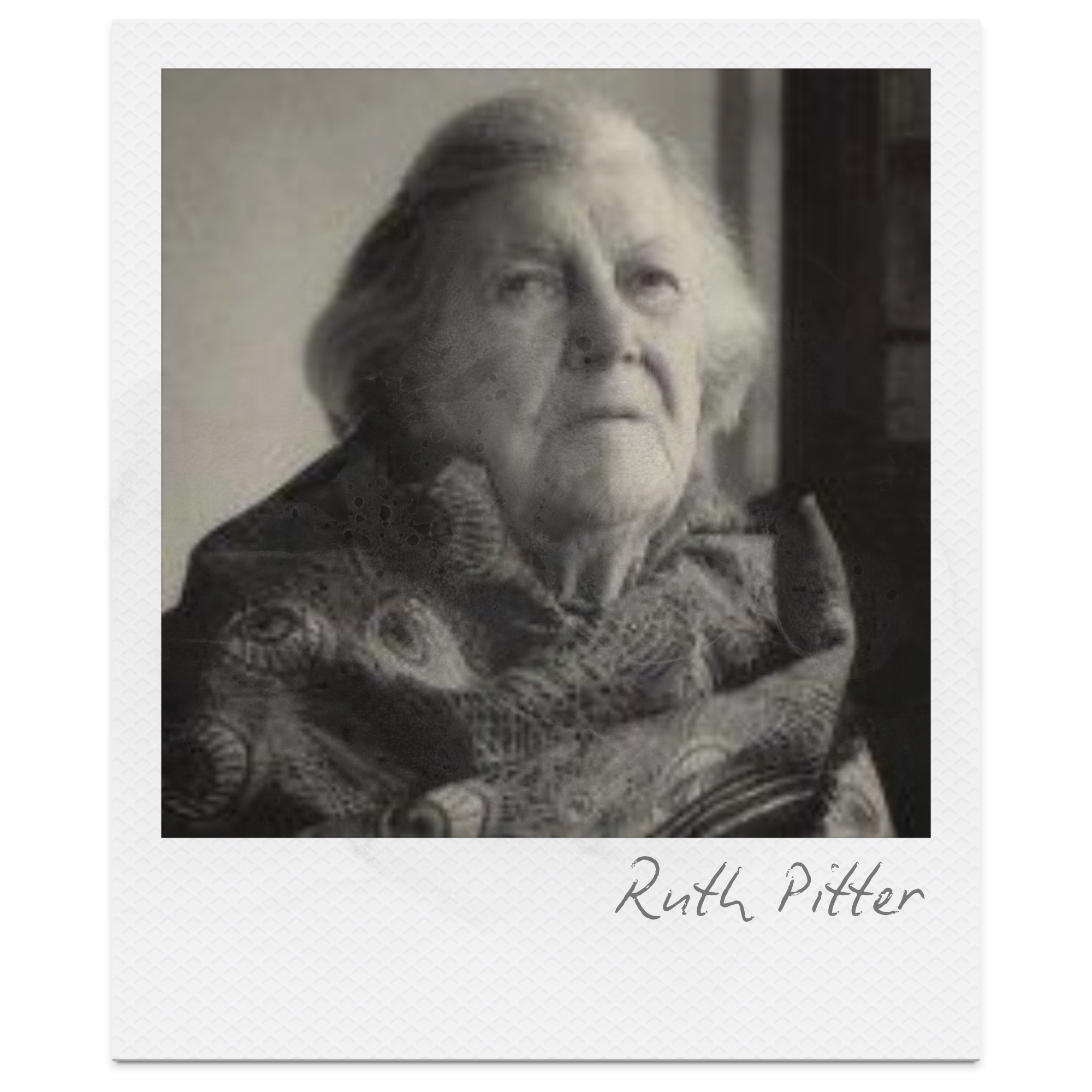
Ruth Pitter was writing in the mid-20th century, a period shaped by post-war reflection, social change, and a renewed focus on ordinary life. Associated loosely with more traditional poetic forms, her work often values simplicity, nature, and quiet observation over modernist experimentation.
Time’s Fool reflects this context through its focus on domestic detail and the natural world, presenting a life of modest means that gains significance through memory. The poem’s reflective tone aligns with a broader cultural awareness of loss and change, suggesting that time not only alters physical spaces but also reshapes how past experiences are understood and valued.
Time’s Fool: At a Glance
Form: Three sestets with a controlled, reflective structure that mirrors the speaker’s retrospective voice
Mood: Nostalgic and elegiac, shifting from loss to quiet appreciation
Central tension: The contrast between material poverty and emotional richness, shaped by the passage of time
Core themes: Memory and loss, time and change, contentment and simplicity, human connection to place
One-sentence meaning: The poem suggests that time transforms ordinary experiences into deeply valued memories, revealing the richness of a life that once seemed poor.
Quick Summary of Time’s Fool
The poem begins with the speaker reflecting on objects and experiences that have been lost over time, presenting them as a kind of “treasure” that no longer exists. Everyday items—such as the kettle, candle, and branch—are described as discarded or transformed by nature, suggesting both decay and continuity. This opening establishes a sense of absence, while also hinting that these seemingly insignificant objects once held deeper meaning.
As the poem develops, the focus shifts to the speaker’s memories of a past life that was materially poor but emotionally rich. Details of simple domestic life and the natural world are recalled with affection, revealing a sense of contentment that contrasts with the present. By the final section, the speaker recognises that all living things had their place and fulfilment, just as they once did, creating a reflective conclusion that blends loss with a quiet acceptance of what has passed.
Title, Form, Structure, and Metre
Pitter’s formal choices create a sense of containment and reflection, using patterned rhyme and flowing syntax to mirror the way memory revisits and reshapes the past.
Title
The title Time’s Fool suggests submission to time, implying that the speaker is subject to its effects rather than in control of them. The opening line—“Time’s fool, but not heaven’s”—complicates this idea, introducing a tension between temporal loss and possible spiritual permanence, shaping the poem’s reflective tone.
Form and Structure
The poem is organised into three sestets, creating a structured progression that mirrors the movement of memory. The first stanza focuses on loss and abandonment, the second on recollection and value, and the third expands outward to a broader sense of order and belonging in the natural world.
Enjambment is used extensively, allowing ideas to flow across lines and creating a sense of continuity, reflecting how memory unfolds gradually rather than in fixed, isolated moments. The final line returns to the idea of a place that was “happy and poor,” bringing a quiet, reflective sense of closure.
Rhyme Scheme and Poetic Pattern
Each sestet follows a tightly controlled but slightly varied enclosed rhyme scheme. The first stanza uses a clear ABCCBA pattern, creating a sense of symmetry and return. In the following stanzas, this enclosed structure continues with slight variation (such as DEFFED), maintaining the same principle of the stanza folding back on itself.
This pattern reinforces the idea of circular reflection, where thoughts return to earlier points, mirroring the speaker’s revisiting of the past. The controlled rhyme also contrasts with the theme of decay and loss, suggesting an attempt to impose order on experiences that are no longer physically present.
Metre and Rhythmic Movement
The poem uses a flexible, speech-like rhythm rather than a rigid metrical pattern. While many lines move with a loose iambic flow, variations in stress and length create a more natural, reflective voice.
For example:
time’s FOOL | but NOT | HEA-ven’s YET | HOPE NOT | for ANY | reTURN
The shifting rhythm allows emphasis to fall on key ideas such as “fool” and “return,” reinforcing the poem’s focus on time and loss. This flexibility mirrors the process of memory itself—fluid, uneven, and shaped by emphasis rather than strict regularity.
The Speaker in Time’s Fool
The speaker presents as a retrospective, reflective voice, looking back on a past life marked by material simplicity but emotional richness. While there is no explicit identity given, the voice feels personal and grounded in lived experience, suggesting someone revisiting earlier stages of life with greater maturity and perspective.
The tone blends nostalgia with quiet acceptance, as the speaker recognises both the loss of the past and its enduring emotional value. There is no bitterness or regret; instead, the voice conveys a thoughtful awareness of how time reshapes understanding. This reflective perspective allows the speaker to reinterpret what once seemed poor as deeply meaningful, shaping the poem’s exploration of memory, contentment, and change.
Stanza-by-Stanza Analysis of Time’s Fool
A close reading of each stanza reveals how Pitter develops meaning through imagery, tone, and structural progression, moving from physical loss to reflective understanding. Each section builds on the last, shifting the reader’s perception of what is valuable and showing how time reshapes memory, transforming poverty into richness and absence into emotional presence.
Stanza 1: Loss, Decay, and Transformation
The opening line, “Time’s fool, but not heaven’s,” immediately establishes a tension between temporal loss and possible spiritual permanence, while the warning “hope not for any return” removes any sense of restoration. This creates a tone of firm, almost resigned acceptance.
The stanza then presents a series of ordinary objects—the “dry branch,” “halfpenny candle,” and “sooty kettle”—through degraded imagery, emphasising their abandonment and decay. However, these objects are described as “treasure,” suggesting that their value lies not in their material worth but in their past significance.
Natural imagery complicates this further: the discarded kettle becomes a “redbreast’s home,” while nettles and bindweed overtake it. This reflects a process of transformation rather than simple loss, where human objects are absorbed into the natural world. The final line reinforces this permanence of change—“no more shall the dry branch burn”—closing the stanza with a sense of irreversible ending.
Stanza 2: Memory and Re-evaluated Value
The phrase “Poor comfort all comfort” introduces a paradox, suggesting that what once seemed insignificant now holds deep emotional value. The stanza shifts into memory, recalling a life where small, imperfect objects were “enough” and even a source of “delight.”
Pitter uses detailed, sensory imagery—the “cankered apple,” “damp bed,” and “beetle’s tap”—to evoke a setting that is materially lacking but vividly alive. These images might initially appear unpleasant, yet they are presented with affection, revealing how memory transforms poverty into richness.
The line “there where the heart was at home” signals the emotional centre of the stanza, linking physical space with a sense of belonging. The final line, “Dear enough, when with youth and with fancy shared,” suggests that this value is shaped by perspective: it is not the objects themselves, but the presence of youth and imagination that made them meaningful.
Stanza 3: Order, Belonging, and Quiet Resolution
The final stanza broadens the focus, moving from personal memory to a wider sense of natural order. The speaker lists various creatures—the toad, cat, and starling—each securely placed within their environment, emphasising a world where everything has its own space and purpose.
This is reinforced through balanced, almost rhythmic listing, which creates a sense of harmony and stability. The inclusion of both humble and elevated images—“the lily in splendour” alongside animals in simple shelters—suggests a universal system of belonging that transcends status or condition.
The final line returns to the speaker’s own experience, aligning their past self with this natural order: “As then I had mine, in the place that was happy and poor.” This resolves the poem’s central tension by recognising that true fulfilment existed within that modest life, leaving the reader with a sense of acceptance rather than regret.
Key Quotes and Methods in Time’s Fool
Pitter’s poem uses carefully selected details to reveal how time, memory, and perception transform the meaning of ordinary experiences, with each quotation linking method, purpose, and impact.
“Time’s fool, but not heaven’s”
◆ Technique: Contrast and allusion
◆ Meaning: Suggests the speaker is subject to time but not entirely defined by it
◆ Purpose: To introduce a tension between temporal loss and possible spiritual permanence
◆ Impact: Establishes a reflective tone, encouraging the reader to consider different forms of value beyond time
“hope not for any return”
◆ Technique: Imperative and definitive phrasing
◆ Meaning: Emphasises that the past cannot be recovered
◆ Purpose: To remove any expectation of restoration
◆ Impact: Creates a sense of finality, reinforcing the permanence of loss
“lost with the other treasure”
◆ Technique: Irony and diction
◆ Meaning: Elevates ordinary objects to the status of “treasure”
◆ Purpose: To show how value is shaped by memory rather than material worth
◆ Impact: Encourages the reader to reconsider what is truly valuable
“become redbreast’s home”
◆ Technique: Transformation imagery
◆ Meaning: Suggests discarded objects are repurposed by nature
◆ Purpose: To show continuity and renewal within loss
◆ Impact: Softens the idea of decay by presenting it as part of a natural cycle
“Poor comfort all comfort”
◆ Technique: Paradox
◆ Meaning: Suggests that what seems insignificant can still provide fulfilment
◆ Purpose: To challenge conventional ideas of comfort and value
◆ Impact: Reinforces the poem’s central idea that meaning is shaped by perception
“there where the heart was at home”
◆ Technique: Emotive language and metaphor
◆ Meaning: Links physical space with emotional belonging
◆ Purpose: To emphasise the importance of place in shaping identity and memory
◆ Impact: Creates a sense of warmth and intimacy, deepening the poem’s nostalgic tone
“Dear enough, when with youth and with fancy shared”
◆ Technique: Reflective tone and contrast
◆ Meaning: Suggests that value comes from perspective, particularly youth and imagination
◆ Purpose: To explain why the past felt rich despite material poverty
◆ Impact: Highlights the role of time in reshaping understanding
“each slept in his place”
◆ Technique: Repetition and structural balance
◆ Meaning: Emphasises order and belonging in the natural world
◆ Purpose: To present a harmonious system where everything has its place
◆ Impact: Creates a sense of stability and quiet resolution
“the place that was happy and poor”
◆ Technique: Juxtaposition
◆ Meaning: Combines opposing ideas of happiness and poverty
◆ Purpose: To encapsulate the poem’s central tension
◆ Impact: Leaves the reader with a complex understanding of fulfilment that goes beyond material wealth
Key Techniques in Time’s Fool
Pitter uses a carefully controlled range of language, structure, and sound techniques to explore how time reshapes value, turning material poverty into emotional richness through memory.
◆ Imagery – The poem is built on detailed, sensory descriptions such as “cankered apple,” “damp bed,” and “beetle’s tap,” creating a vivid sense of physical reality. These images initially suggest decay or discomfort, but are presented with affection, showing how memory transforms ordinary or unpleasant details into something meaningful.
◆ Symbolism – Objects like the “halfpenny candle” and “sooty kettle” function as symbols of a past life, representing domestic simplicity and emotional attachment rather than material value. Their transformation or loss reflects how time alters not only physical objects but also their significance.
◆ Juxtaposition (Contrast) – The poem repeatedly contrasts poverty and richness, most clearly in “happy and poor.” This juxtaposition challenges conventional ideas of value, suggesting that emotional fulfilment can exist independently of material wealth.
◆ Paradox – Phrases such as “Poor comfort all comfort” present seemingly contradictory ideas to reveal deeper truth. This paradox emphasises that what appears insufficient or lacking may still provide genuine contentment.
◆ Alliteration – Subtle sound patterning appears in phrases like “bad bindweed” and “redbreast’s home,” creating a gentle rhythmic cohesion. This contributes to the poem’s reflective tone while drawing attention to key images within the natural and domestic settings.
◆ Listing – The accumulation of objects and details, particularly in the second and third stanzas, creates a sense of richness through accumulation. This technique mirrors the process of memory, where meaning is built through remembered fragments rather than a single defining moment.
◆ Enjambment – Lines frequently run into one another, allowing ideas to flow continuously. This reflects the fluid nature of memory, where thoughts are not neatly contained but unfold gradually and organically.
◆ Personification – Elements of nature are given a subtle sense of life and agency, particularly in their interaction with abandoned objects. This reinforces the idea that the natural world continues and adapts, even as human possessions decay.
◆ Tone (Elegiac and Reflective) – The poem’s tone combines quiet sadness with acceptance. Rather than expressing regret, Pitter uses a restrained, reflective voice to show how time leads to re-evaluation rather than simple loss.
◆ Structural Patterning (Enclosed Rhyme) – The repeated enclosed rhyme pattern (such as ABCCBA) creates a sense of containment and return, mirroring the cyclical movement of memory as it revisits and reinterprets the past.
Together, these techniques work to show that meaning is not fixed but constructed over time, shaped by memory, perspective, and emotional experience.
How the Writer Creates Meaning and Impact in Time’s Fool
Pitter creates meaning in Time’s Fool by combining language, structure, voice, and sound to show how time reshapes value, transforming what once seemed insignificant into something deeply meaningful.
◆ Language (imagery, symbolism, diction) – The poem uses detailed imagery of worn, damaged, or discarded objects—such as the “cankered apple” and “sooty kettle”—to suggest poverty and decay. However, through symbolic framing as “treasure,” these same objects gain emotional significance. This contrast in diction reveals how memory redefines value, encouraging the reader to see richness in what appears materially lacking.
◆ Structure (shifts, contrast, progression) – The poem moves from loss (abandoned objects), to recollection (valued memories), and finally to resolution (a sense of order and belonging). This progression mirrors the speaker’s reflective journey, while the enclosed rhyme structure reinforces the idea of returning to the past, emphasising how memory continually revisits and reshapes experience.
◆ Voice and tone – The speaker’s calm, reflective tone avoids bitterness, instead presenting loss with quiet acceptance. This controlled voice allows the poem to explore nostalgia without idealising the past, guiding the reader toward a balanced understanding of both hardship and fulfilment.
◆ Sound and rhythm – Subtle sound patterning and a flowing rhythm created through enjambment give the poem a sense of continuity. This mirrors the movement of memory, where ideas unfold gradually, while moments of emphasis—such as the repetition of key phrases—draw attention to central ideas about time and change.
Together, these elements ensure that meaning is not simply stated but constructed through reflection, encouraging the reader to reconsider how value is shaped by time, memory, and perspective.
Themes in Time’s Fool
Pitter’s poem explores how time, memory, and perception reshape the meaning of experience, revealing that value is not fixed but created through reflection.
Memory and Re-evaluation of the Past
The poem centres on the idea that memory transforms how the past is understood. Objects once overlooked or taken for granted become “treasure,” showing how distance allows the speaker to recognise their emotional significance. Through detailed imagery and reflective tone, Pitter presents memory as an active process that reshapes experience rather than simply preserving it.
Time and Irreversible Change
Time is presented as a force that removes the possibility of return—“hope not for any return”—while also altering the meaning of what has been lost. The transformation of domestic objects into elements of the natural world suggests that time does not simply destroy but reconfigures, creating continuity within change. This reinforces the inevitability of loss while complicating it with renewal.
Contentment and Simplicity
The poem challenges conventional ideas of wealth by presenting a life of material poverty as emotionally rich. Through paradox and contrast, Pitter suggests that fulfilment comes from experience, imagination, and connection, rather than possessions. The remembered life is “happy and poor,” demonstrating that these ideas are not mutually exclusive.
Human Connection to Place
The speaker’s sense of identity is closely tied to a specific physical environment, described through both domestic and natural imagery. The phrase “where the heart was at home” highlights how place shapes emotional experience, suggesting that belonging is rooted in familiarity and shared life rather than material comfort.
Order and Belonging in the Natural World
In the final stanza, the poem presents a world in which every creature “slept in his place,” creating a sense of harmony and balance. This suggests a broader natural order where all things have purpose and fulfilment. By aligning the speaker’s past self with this system, Pitter implies that true contentment comes from recognising one’s place within a larger whole.
Alternative Interpretations of Time’s Fool
Pitter’s poem allows for multiple interpretations, with its reflective tone and layered imagery opening different ways of understanding time, memory, and value.
Psychological Interpretation: Memory as Emotional Reconstruction
From a psychological perspective, the poem can be read as an exploration of how the mind reshapes the past to create meaning. The speaker’s recollection transforms objects associated with poverty into “treasure,” suggesting that memory is not neutral but selective and emotionally driven. The emphasis on “youth and fancy” implies that both past experience and present reflection contribute to this process, creating a version of the past that feels richer than it may have been at the time.
Social Interpretation: Rethinking Wealth and Value
Socially, the poem challenges conventional ideas of material success by presenting a life of apparent deprivation as deeply fulfilling. The detailed focus on simple domestic and natural elements suggests an alternative value system, where contentment, connection, and belonging outweigh possessions. In this reading, Pitter critiques a culture that equates wealth with happiness, instead proposing that true richness lies in lived experience.
Philosophical / Existential Interpretation: Acceptance of Time and Place
Philosophically, the poem can be understood as a meditation on accepting one’s place within the passage of time. The recognition that there can be “no return” suggests an awareness of life’s irreversibility, while the final image of each creature having its place reflects a broader sense of order. The speaker’s acceptance of having once had their own place within this system suggests a quiet resolution, where fulfilment comes not from resisting time, but from recognising one’s role within it.
Exam-Ready Insight for Time’s Fool
This section shows how to turn your understanding of Time’s Fool into a strong, exam-focused response for IGCSE World Literature (0408), with a clear focus on how meaning is created through methods.
What strong responses do
◆ focus closely on the question
◆ analyse methods (language, structure, and sound), not just ideas
◆ explain how effects are created, not just what happens
◆ track shifts in voice and tone across the poem
◆ use short, precise quotations to support points
Conceptual argument
A strong thesis for Time’s Fool might be:
Pitter presents the past as emotionally rich despite material poverty, using imagery, paradox, and structured progression to show how time reshapes perception, transforming loss into a deeper understanding of value and contentment.
Model analytical paragraph
Pitter presents the past as emotionally valuable through contrast and carefully controlled imagery. In the phrase “lost with the other treasure,” the noun “treasure” elevates ordinary objects, suggesting that their significance lies in memory rather than material worth. This is reinforced by the paradox “Poor comfort all comfort,” where the juxtaposition of “poor” and “comfort” challenges conventional ideas of fulfilment. Structurally, the poem moves from the finality of “hope not for any return” to a more reflective acceptance in “the place that was happy and poor,” creating a shift in tone from loss to understanding. This progression encourages the reader to recognise that value is not fixed but reshaped over time, reinforcing the poem’s central exploration of memory and perception.
Teaching Ideas for Time’s Fool
This poem is ideal for exploring how writers use language, structure, and voice to present complex ideas, while also supporting collaborative and discussion-based classroom approaches.
1. Collaborative Analytical Paragraph (Paired Writing)
Give students a focused question, for example:
How does Pitter present the idea of value in Time’s Fool?
Students work together to produce a single paragraph, combining their ideas and interpretations. They should:
◆ select and embed quotations
◆ identify methods (language, structure, sound)
◆ explain meaning → purpose → impact
Because both students contribute, they can challenge and refine each other’s ideas, leading to a stronger, more developed response. This approach reinforces that strong analysis is built through discussion and refinement, not just individual effort.
2. Structured Group Close Analysis (Role-Based)
Instead of traditional annotation, assign students specific roles in small groups for a close reading:
◆ Structure specialist – tracks shifts, voice, and progression
◆ Language analyst – explores word choices and imagery
◆ Methods expert – identifies poetic devices and techniques
◆ Tone tracker – comments on voice and emotional shifts
Each group analyses part of the poem, then feeds back to the class, building a full interpretation together.
This makes close reading more active and collaborative, while still developing detailed analytical skills.
3. Silent Debate
Set up a silent debate around the question:
Is Time’s Fool more about loss or contentment?
Students respond to prompts in writing, building on and challenging each other’s ideas. They should:
◆ use quotations as evidence
◆ respond directly to others’ interpretations
◆ develop and refine arguments over time
This encourages deeper thinking and ensures all students participate. For guidance on structuring this activity, see this post on silent debate activities.
4. Creative Writing: Voice and Perspective
Ask students to write a short piece reflecting on an object or place that has changed over time.
Prompt:
Write from the perspective of someone revisiting a place that was once meaningful but is now altered or lost.
Students should aim to:
◆ use sensory imagery (sound, sight, texture)
◆ develop a reflective voice
◆ include contrast between past and present
◆ show how meaning is shaped through language choices
This helps students apply literary techniques in their own writing, reinforcing their understanding of how texts create meaning. For more structured prompts, explore the Creative Writing Archive.
Go Deeper into Time’s Fool
Exploring Time’s Fool alongside other texts can deepen understanding of how writers present time, memory, and value, helping students build more comparative and conceptual responses.
◆ Afternoons by Philip Larkin – Examines the passage of time through ordinary life, offering a more understated but similarly reflective perspective on ageing and loss.
◆ Follower by Seamus Heaney – Explores memory, admiration, and shifting identity, particularly how perspectives on the past change over time.
◆ The Trees by Philip Larkin – Provides a contrasting view of time and renewal, questioning whether apparent rebirth is genuine or illusory.
◆ Spring and Fall by Gerard Manley Hopkins – Links nature and human mortality, focusing more directly on emotional response to loss.
◆ The Trees Are Down by Charlotte Mew – Explores loss and destruction in the natural world, offering a more immediate and externalised sense of grief.
◆ Nothing Gold Can Stay by Robert Frost – A concise reflection on the fleeting nature of beauty and youth, reinforcing the theme of transience.
Final Thoughts
Time’s Fool offers a quiet but powerful meditation on memory, time, and contentment, revealing how the past gains meaning through reflection rather than material reality. Through rich imagery, paradox, and structured progression, Pitter transforms ordinary objects and experiences into symbols of emotional value, showing that what once seemed insignificant can become deeply important over time.
Rather than presenting loss as purely negative, the poem reframes it as part of a larger process of understanding, where the absence of the past allows its significance to emerge more clearly. This creates a tone of acceptance rather than regret, suggesting that fulfilment lies not in what is possessed, but in how it is remembered.
For more detailed poetry analysis and teaching resources, explore the Songs of Ourselves Volume 1 hub and the wider Literature Library.
Choose Your Next Text