Notes from the Inkpot
Writing, teaching, creating - one ink-stained idea at a time.




from My Heart and I by Elizabeth Barrett Browning: Summary, Themes & Analysis
from My Heart and I by Elizabeth Barrett Browning is a powerful exploration of emotional exhaustion, disillusionment, identity, and the search for purpose. Through the intimate conversation between the speaker and her own heart, Barrett Browning uses vivid symbolism, repetition, and lyrical language to examine the emotional cost of love, creativity, and unwavering idealism. This analysis explores the poem's summary, themes, stanza-by-stanza analysis, key quotations, literary techniques, and form and structure, revealing how Barrett Browning transforms personal weariness into a timeless meditation on mortality, artistic expression, resilience, and the enduring human desire to find meaning.

Heart’s Chill Between by Christina Rossetti: Analysis, Summary, Themes & Meaning
lost love, revealing how grief, memory, and emotional repression continue to shape the speaker’s inner life long after a relationship has ended. Through restrained language and reflective imagery, the poem shows how outward composure can conceal deeper psychological suffering. This analysis examines the poem’s themes, symbolism, structure, and key quotations, offering a detailed exploration of Rossetti’s portrayal of emotional restraint and unresolved grief. Ideal for GCSE and A Level literature study, the guide also includes teaching ideas and comparisons with other Rossetti poems.
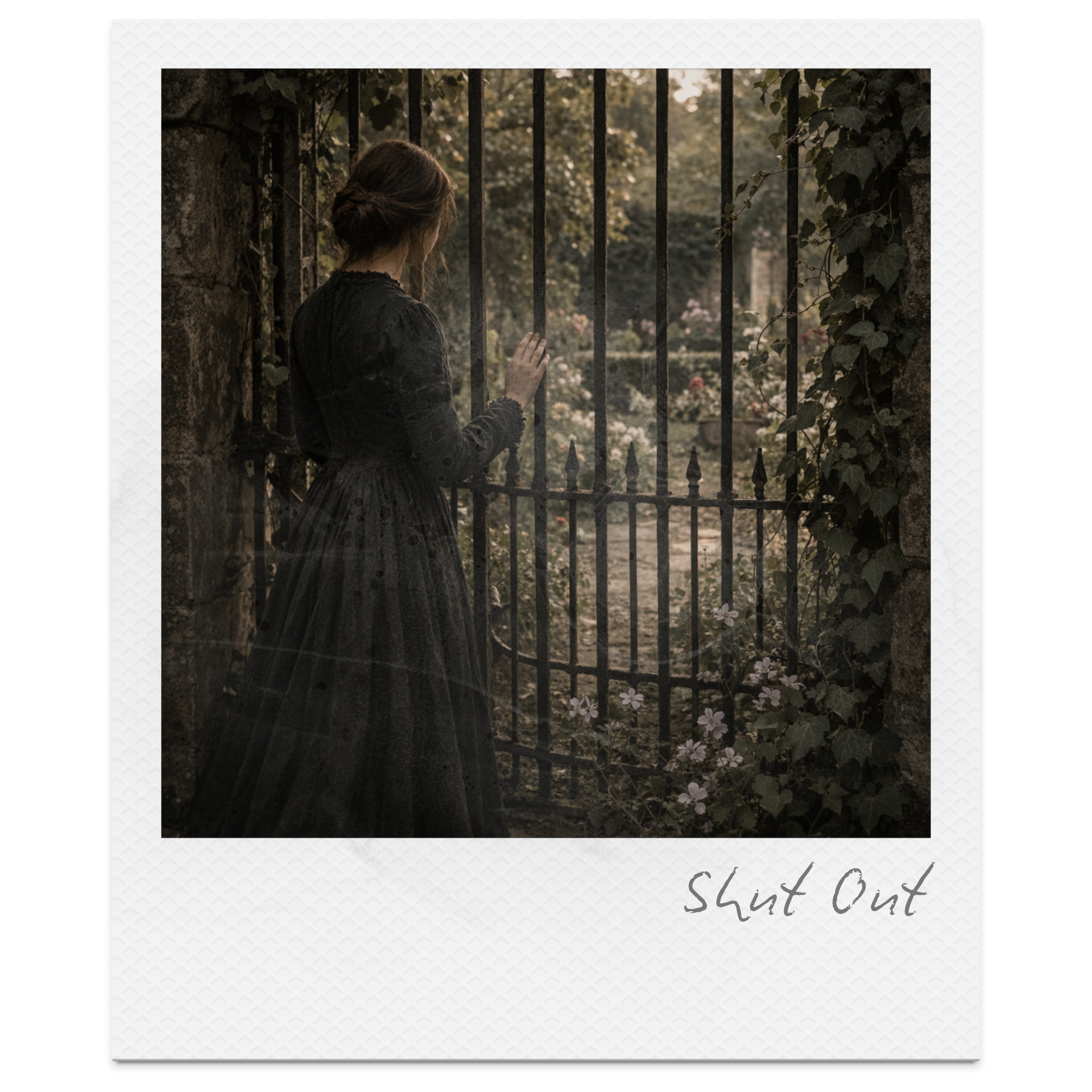
Shut Out by Christina Rossetti: Summary, Themes, Symbolism & Analysis
Shut Out explores the painful experience of being separated from something that once brought joy and belonging. The speaker stands outside a garden that was once their own, looking through iron bars at a place filled with flowers, birds, and life. As the poem unfolds, the speaker’s attempts to regain even the smallest connection to this lost space are denied, and the barrier between the speaker and the garden becomes permanent. Through the powerful symbolism of the closed garden, Rossetti reflects on themes of exclusion, loss of innocence, spiritual exile, and longing for the past. Even when new beauty appears nearby, it cannot replace what has been lost, revealing how memory can make the present world feel diminished in comparison to a cherished past.
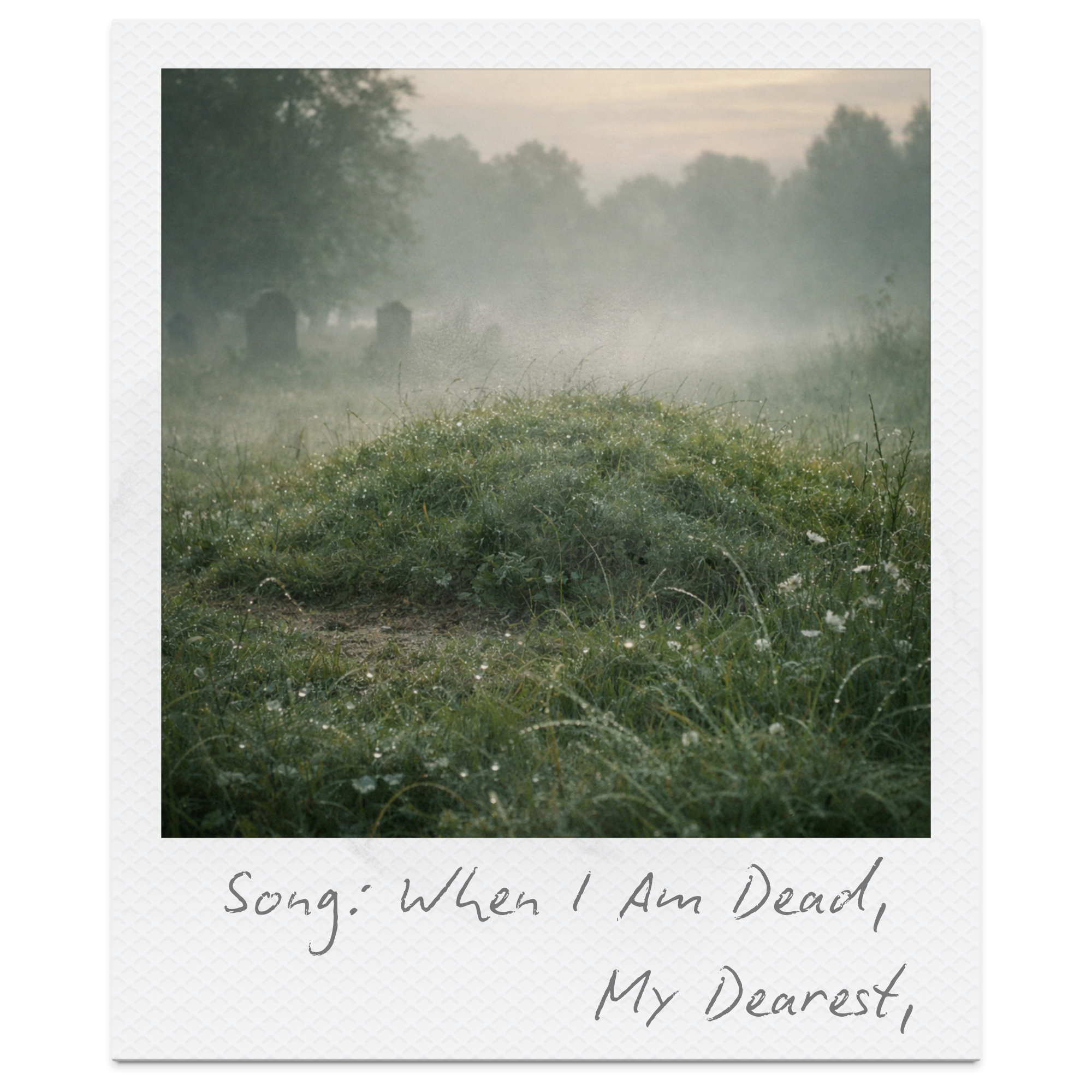
Song: When I Am Dead, My Dearest by Christina Rossetti: Meaning, Themes & Analysis
This guide offers a clear analysis of Song: When I Am Dead, My Dearest by Christina Rossetti, exploring the poem’s themes, structure, imagery, and tone. The article provides a detailed summary alongside stanza-by-stanza analysis, helping readers understand how Rossetti presents death with calm acceptance while questioning the importance of remembrance. You’ll also find explanations of key quotations, literary techniques, and alternative interpretations of the poem, making this guide useful for GCSE and A Level literature study. The analysis explores Rossetti’s ideas about memory, emotional detachment, and the limits of mourning, while linking the poem to wider themes in her poetry.

A Dream Within a Dream by Edgar Allan Poe: Summary, Themes, Meaning & Analysis
Explore a clear and accessible analysis of A Dream Within a Dream by Edgar Allan Poe, including a summary, themes, symbolism, and key quotations. This guide explains the poem’s central ideas about reality vs illusion, the passage of time, loss, existential uncertainty, and the limits of human control, showing how Poe uses imagery and symbolism to express the fragility of human experience. This resource includes stanza-by-stanza analysis, key techniques, discussion questions, and creative writing ideas, making it useful for secondary literature students and teachers worldwide. It is particularly suitable for middle and high school poetry study and for readers exploring Poe’s philosophical and gothic poetry.

After Death by Christina Rossetti: Summary, Themes, Symbolism & Analysis
Christina Rossetti’s After Death explores the painful irony of love recognised too late. In this haunting sonnet, the speaker observes her own deathbed while the man she loved finally expresses tenderness and regret. Through quiet imagery, dramatic irony, and restrained emotion, the poem examines unreturned love, emotional blindness, and posthumous recognition. This analysis explores the poem’s themes, symbolism, structure, and key quotations, offering a detailed interpretation of Rossetti’s meditation on regret and delayed understanding. It also compares the poem to other Rossetti works to deepen insight into her recurring exploration of love, memory, and mortality.

Who Shall Deliver Me? Poem Analysis: Themes, Symbolism, Structure & Meaning
Christina Rossetti’s Who Shall Deliver Me? explores the experience of inner conflict, self-division, and spiritual struggle. In this intense devotional lyric, the speaker presents the self as both burden and adversary, describing the exhausting task of living with one’s own weaknesses and moral failures. Through imagery of weight, confinement, and betrayal, Rossetti reveals how the greatest obstacles to peace may arise from within the self. This analysis explores the poem’s themes, symbolism, structure, and key techniques, with detailed stanza-by-stanza commentary and multiple interpretations. It examines how Rossetti presents the divided self, the demands of moral discipline, and the possibility of redemption through divine intervention.
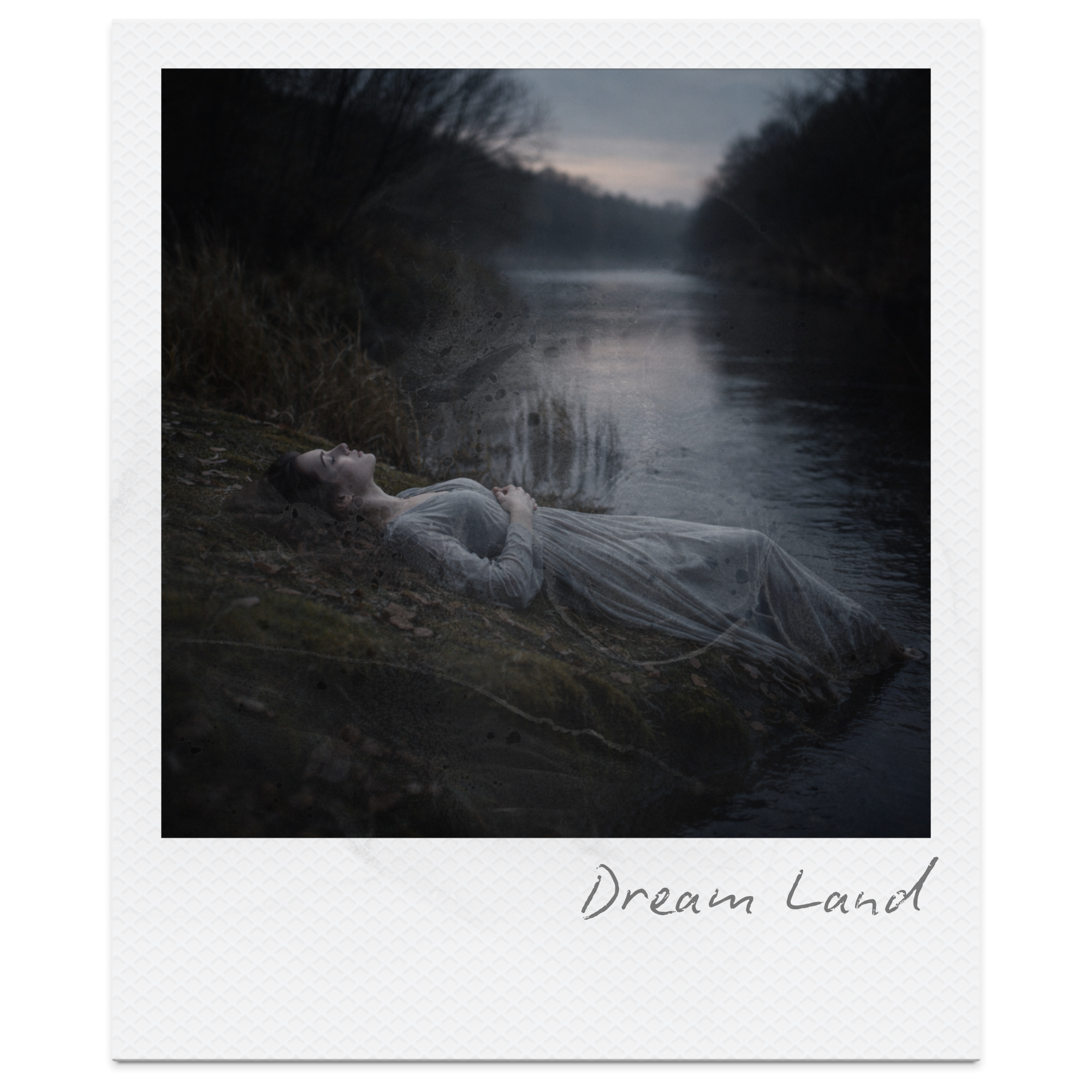
Dream Land by Christina Rossetti: Summary, Meaning & Critical Analysis
Christina Rossetti’s Dream Land is a poem of rest, withdrawal, and emotional stillness, where calm conceals a deeply unsettling vision of peace. Through controlled imagery, repetition, and restrained language, Rossetti presents a female figure who turns away from life, growth, and sensation, entering a state of charmed sleep that resists clear distinction between sleep, death, and chosen retreat. This analysis of Dream Land explores Rossetti’s use of form, imagery, and silence to construct peace as something achieved through absence rather than fulfilment. By examining language, structure, and alternative interpretations, the post invites readers to consider when rest becomes refuge — and when it becomes erasure — situating the poem within Rossetti’s wider preoccupation with restraint, renunciation, and emotional control.

Christina Rossetti: Context, Themes, and Literary Significance
Christina Rossetti’s poetry is shaped by religious discipline, emotional restraint, and sustained psychological conflict. Writing within the pressures of Victorian gender norms and devotional expectation, Rossetti explores what happens when desire must be suppressed, faith demands self-surveillance, and feeling is carefully managed rather than released. Her poems rarely offer resolution, instead lingering in states of waiting, silence, and endurance, where emotional tension is contained beneath deceptively simple forms. Reading Rossetti in context reveals how her work engages with mental health, spiritual doubt, and the governance of emotion in nineteenth-century literature. Through repetition, restraint, and withheld voice, Rossetti constructs lyric speakers who negotiate authority internally, making her poetry particularly rich for close reading and thematic interpretation. This contextual overview provides a foundation for exploring Rossetti’s enduring significance across Victorian poetry, psychological realism, and modern critical debate.