Notes from the Inkpot
Writing, teaching, creating - one ink-stained idea at a time.



Anthem for Doomed Youth by Wilfred Owen: Summary, Themes & Analysis
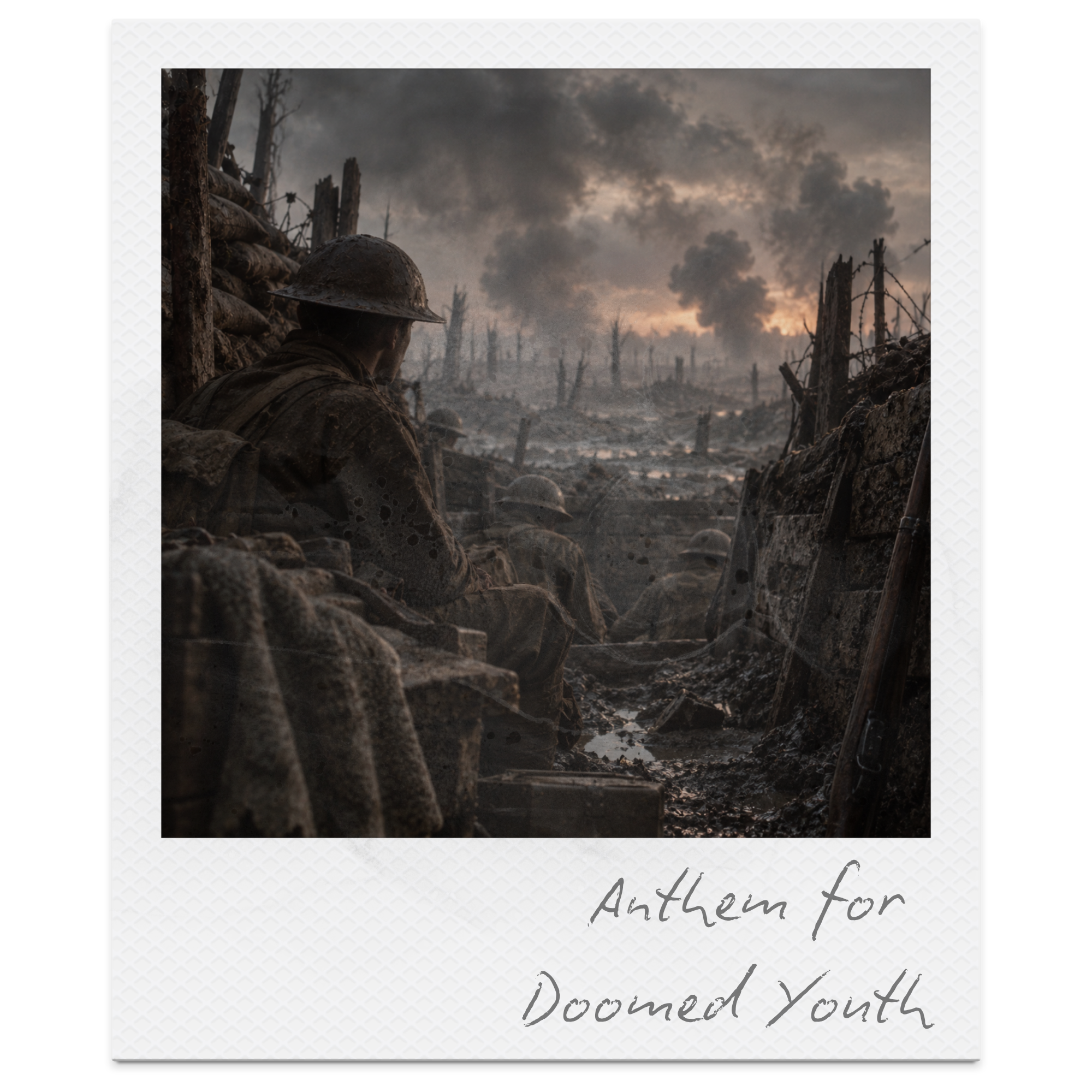
Explore Anthem for Doomed Youth by Wilfred Owen with detailed analysis of its meaning, themes, form, structure, metre, symbolism, imagery and poetic techniques. Discover how Owen contrasts the brutal sounds of the battlefield with funeral rituals, private grief and remembrance to expose the human cost of the First World War.

For the Fallen by Laurence Binyon: Summary, Themes & Analysis
Explore Laurence Binyon’s For the Fallen with a detailed guide to its meaning, context, themes, symbolism, key quotes, poetic techniques, structure and alternative interpretations. Discover how Binyon transforms grief and wartime loss into an enduring meditation on youth, sacrifice, remembrance, national identity and memory.

Captain of the Lighthouse by Togara Muzanenhamo: Summary, Themes & Analysis
Explore Togara Muzanenhamo’s Captain of the Lighthouse with a detailed summary and analysis of its themes, imagery, structure, extended metaphor and poetic techniques. Discover how Muzanenhamo transforms a childhood game into a moving exploration of brotherhood, imagination, memory, grief, loss and the enduring power of love after death.
The Widower in the Country by Les Murray: Summary, Themes & Analysis
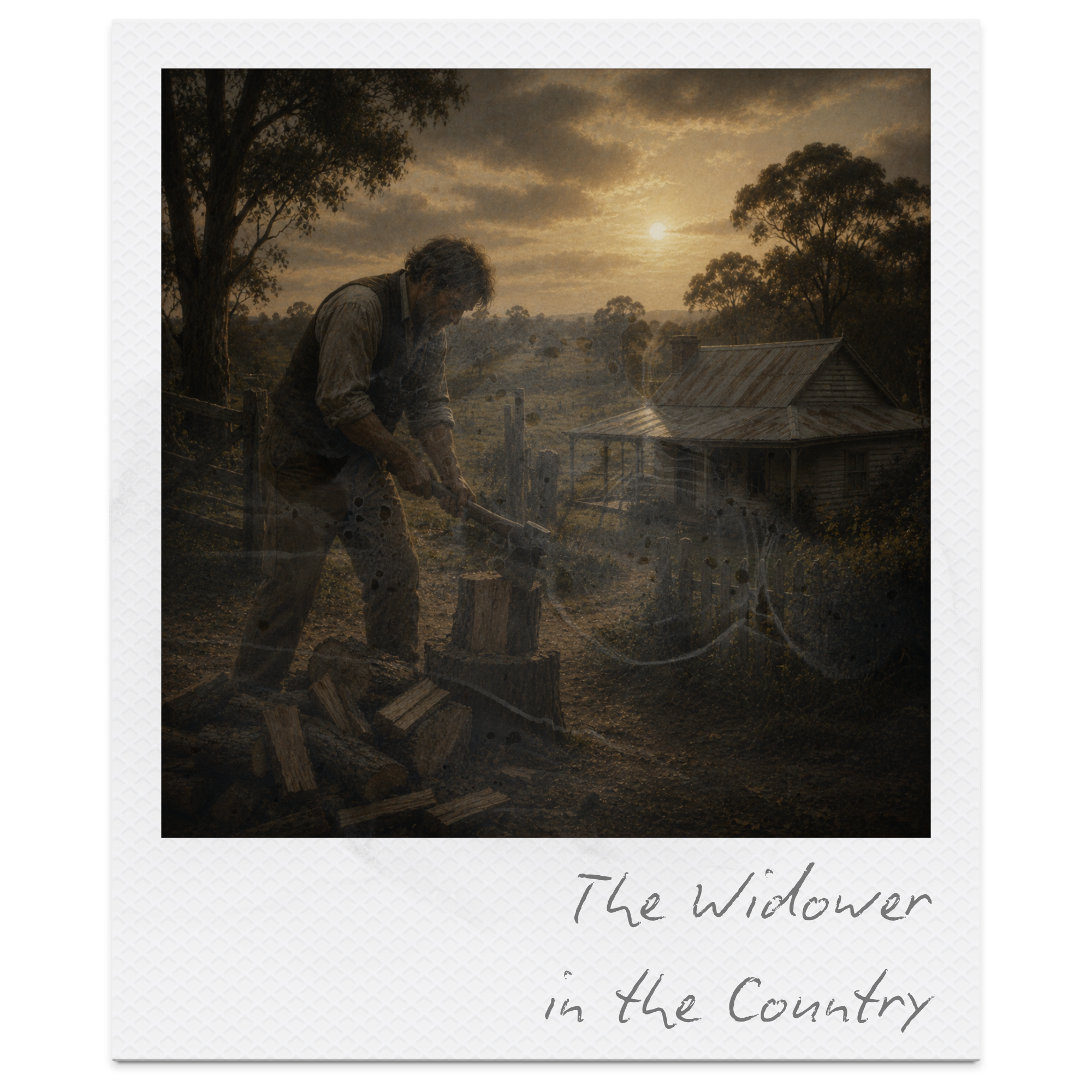
The Widower in the Country by Les Murray is a poignant exploration of grief, loneliness, memory, and the quiet routines that sustain life after loss. Through understated narration, vivid Australian rural imagery, and powerful symbolism, Murray reveals how bereavement quietly transforms everyday existence without ever needing dramatic expressions of emotion. This analysis explores the poem's summary, themes, stanza-by-stanza analysis, key quotations, literary techniques, and form and structure, showing how Murray uses ordinary moments to create an enduring meditation on resilience, isolation, time, and the lasting presence of absence.
Song by Alun Lewis: Summary, Themes & Analysis
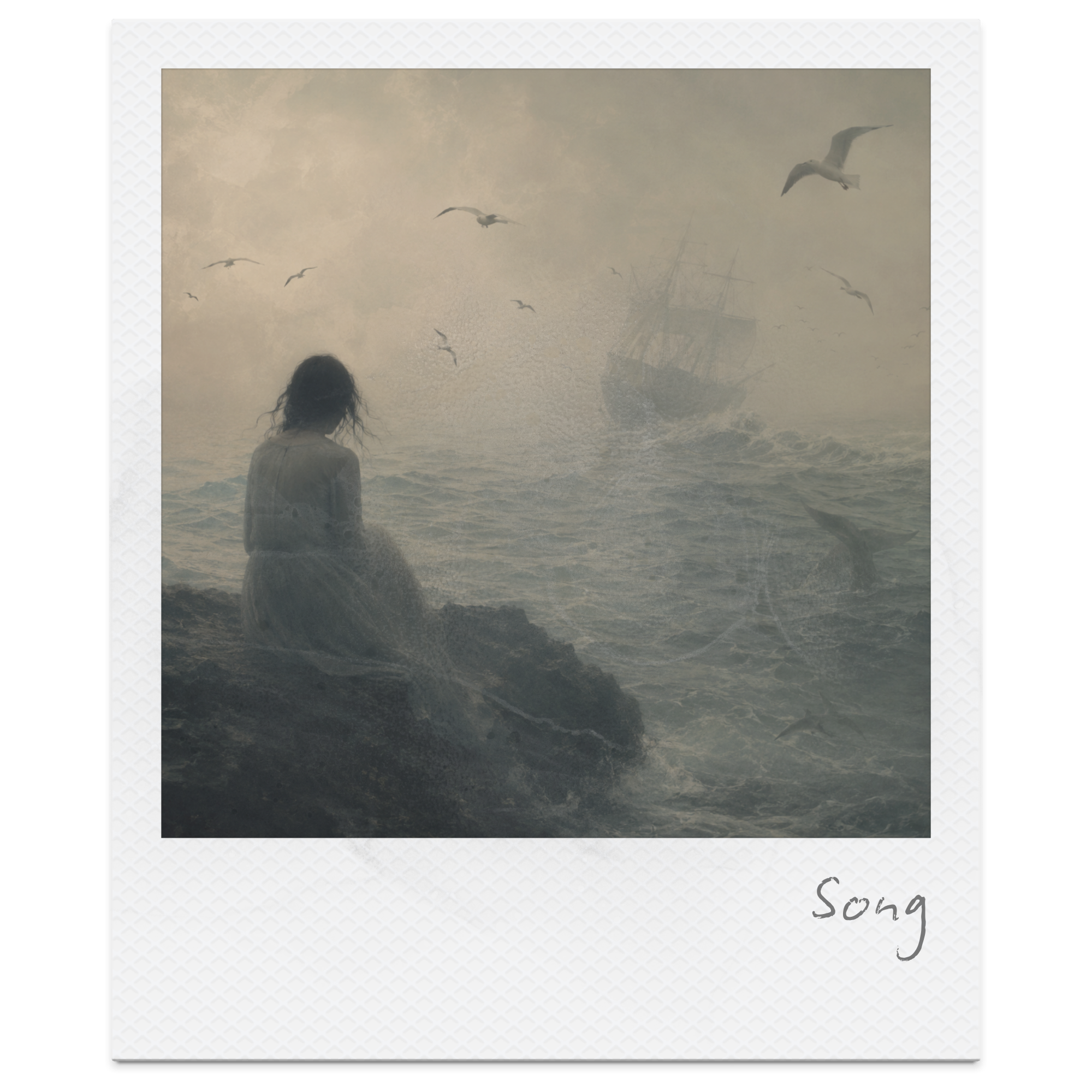
Alun Lewis's Song is a moving elegy that explores grief, love, absence, and the lasting psychological effects of loss. Written from the perspective of a woman mourning a lover lost at sea, the poem traces the gradual progression of bereavement through vivid maritime imagery, natural symbolism, and haunting reflections on memory. In this analysis, we explore the poem's themes, structure, symbolism, key quotations, and deeper meanings while examining how Lewis presents mourning as a force that reshapes both identity and the relationship between the living and the dead.
The Exequy by Henry King: Love, Loss, and the Hope of Reunion
The Exequy by Henry King is a powerful seventeenth-century elegy that explores grief, love, mortality, and the hope of reunion after death. Written following the loss of King's wife, the poem combines deeply personal mourning with Christian beliefs about resurrection and eternal life. Through rich symbolism, metaphysical conceits, celestial imagery, and reflections on memory and devotion, King transforms bereavement into a moving meditation on enduring love and spiritual consolation. This analysis explores the poem's themes, structure, imagery, symbolism, and emotional impact for students studying Songs of Ourselves Volume 2.

For Heidi With Blue Hair by Fleur Adcock: Summary, Themes & Analysis
Fleur Adcock’s For Heidi With Blue Hair explores individuality, authority, and conformity through a seemingly minor conflict that reveals deeper tensions between self-expression and institutional control. Through a conversational voice, irony, and narrative progression, the poem presents the school’s response as rigid and inconsistent, exposing how rules are interpreted to enforce conformity rather than fairness. The detailed imagery of Heidi’s hair emphasises deliberate self-expression, while the use of dialogue allows competing perspectives to emerge. As the poem develops, a subtle shift introduces emotional depth, as the reference to the mother’s death “shimmer[s] behind the arguments,” suggesting that the conflict is shaped by unspoken grief as well as institutional pressure. The resolution, marked by an act of solidarity, reframes the situation as one where authority is quietly undermined rather than directly confronted. This movement from surface conflict to deeper meaning reveals how identity, emotion, and power interact, giving the poem its lasting impact.

One Art by Elizabeth Bishop: Summary, Themes & Analysis
Elizabeth Bishop’s One Art explores loss and emotional control through a tightly structured villanelle, presenting the idea that losing can be learned and mastered. Through repetition and an authoritative, instructional voice, the poem initially suggests that loss is manageable, using everyday examples to create a sense of calm and control. However, as the poem progresses, the scale of loss becomes more personal and emotionally significant, revealing cracks in this composure. Subtle shifts in tone and structure expose the tension between the speaker’s claims and her true feelings, ultimately suggesting that loss cannot be fully mastered, no matter how carefully it is framed.

The Raven by Edgar Allan Poe: Summary, Themes, Meaning & Analysis
The Raven is one of the most famous and haunting poems in English literature, exploring grief, memory, and psychological decline through its hypnotic rhythm and Gothic atmosphere. Following a lone speaker on a bleak December night, Poe constructs a narrative where sound, repetition, and symbolism mirror the mind’s descent into obsession, as the mysterious raven becomes a voice for inescapable loss and unanswered questions. This analysis explores the poem’s structure, key themes, and layered meanings, from its intricate use of metre and refrain to its deeper exploration of death, the afterlife, and the limits of human understanding. Through close analysis and creative teaching ideas, it reveals how The Raven remains a powerful study of how the mind processes grief—and how it can become trapped within it.
Ulalume by Edgar Allan Poe: Summary, Themes, Meaning & Analysis
Edgar Allan Poe’s Ulalume is a haunting exploration of grief, memory, and the unconscious mind, unfolding through a dreamlike journey into a desolate, symbolic landscape. Following a speaker who unknowingly retraces his steps to the tomb of his lost love, the poem reveals how repressed memory continues to shape perception and behaviour, even when consciously denied. Through its hypnotic rhythm, repetition, and rich Gothic imagery, Poe creates a psychological experience that blurs the boundary between reality and illusion. At its core, Ulalume examines the tension between denial and recognition, as the speaker projects hope onto a mysterious celestial light, only to be led back to the very truth he seeks to avoid. The poem’s cyclical structure and layered symbolism reveal grief as something inescapable and deeply embedded, offering a powerful meditation on how the mind responds to loss. This analysis explores the poem’s structure, key themes, and techniques, providing a clear and insightful guide for students and teachers alike.
Lenore by Edgar Allan Poe: Summary, Themes, Meaning, Death & Defiance Analysis
Lenore by Edgar Allan Poe is a powerful exploration of death, mourning, and the rejection of false grief, offering a striking contrast to more traditional elegies. Rather than presenting sorrow as the only response to loss, Poe introduces a speaker who challenges ritual mourning and social expectation, exposing the hypocrisy of those who claim to grieve while having wronged the dead in life. Through its dramatic structure and shifting voices, the poem becomes both a lament and a moral confrontation, questioning what it truly means to honour the dead. At the same time, Lenore redefines death as a form of spiritual transcendence, where loss is transformed into elevation. The speaker’s refusal to mourn suggests a deeper tension between grief and denial, leaving readers to question whether his response represents devotion or emotional resistance. Rich in religious imagery, symbolism, and sound, the poem invites multiple interpretations while maintaining a powerful focus on love, loss, and the afterlife, making it an ideal text for both classroom analysis and deeper literary study.

At Home by Christina Rossetti: Summary, Themes, Symbolism & Analysis
Christina Rossetti’s At Home presents a haunting meditation on death, memory, and emotional detachment, exploring what it means to be present yet entirely excluded. Through the perspective of a speaker who returns after death to observe her former life, the poem reveals the unsettling reality that the world continues unchanged. Rossetti contrasts the vitality and connection of the living with the speaker’s growing awareness of her own absence, creating a quiet but devastating sense of separation. As the poem unfolds, the speaker realises she has not only died, but been erased from memory and belonging. The living focus on “to-day” and “to-morrow,” while she becomes something entirely of the past—“yesterday.” Through imagery, structure, and perspective, Rossetti suggests that identity depends on recognition, participation, and shared experience, all of which fade with time. The result is a powerful reflection on the fragility of human connection and the unsettling possibility of being forgotten

Echo by Christina Rossetti: Summary, Themes, Symbolism & Analysis
Christina Rossetti’s Echo is a haunting exploration of love, memory, and longing beyond death, where dreams become the only space for reunion. Through repetition, paradox, and lyrical imagery, the poem captures the tension between emotional closeness and physical absence, revealing how memory both sustains and intensifies grief. This analysis of Echo explores themes, structure, symbolism, and alternative interpretations, offering clear, in-depth insight into Rossetti’s presentation of desire, loss, and spiritual tension. Ideal for students and teachers, this guide breaks down the poem in a way that is both accessible and analytically rigorous.

Memory by Christina Rossetti: Summary, Themes, Symbolism & Analysis
Christina Rossetti’s Memory explores the tension between emotional attachment and deliberate self-denial, presenting a speaker who consciously rejects a past love while continuing to feel its lasting impact. Through controlled language and reflective tone, the poem reveals how memory cannot be fully erased, but instead becomes internalised and preserved, shaping the speaker’s identity and emotional life over time. Divided into two distinct parts, the poem moves from decisive renunciation to quiet reflection, highlighting the contrast between outward control and inward persistence. While the speaker suppresses her feelings in the present, she ultimately finds meaning through spiritual hope, suggesting that what is denied in life may be restored beyond it.

Heart’s Chill Between by Christina Rossetti: Analysis, Summary, Themes & Meaning
lost love, revealing how grief, memory, and emotional repression continue to shape the speaker’s inner life long after a relationship has ended. Through restrained language and reflective imagery, the poem shows how outward composure can conceal deeper psychological suffering. This analysis examines the poem’s themes, symbolism, structure, and key quotations, offering a detailed exploration of Rossetti’s portrayal of emotional restraint and unresolved grief. Ideal for GCSE and A Level literature study, the guide also includes teaching ideas and comparisons with other Rossetti poems.

Song: When I Am Dead, My Dearest by Christina Rossetti: Meaning, Themes & Analysis
This guide offers a clear analysis of Song: When I Am Dead, My Dearest by Christina Rossetti, exploring the poem’s themes, structure, imagery, and tone. The article provides a detailed summary alongside stanza-by-stanza analysis, helping readers understand how Rossetti presents death with calm acceptance while questioning the importance of remembrance. You’ll also find explanations of key quotations, literary techniques, and alternative interpretations of the poem, making this guide useful for GCSE and A Level literature study. The analysis explores Rossetti’s ideas about memory, emotional detachment, and the limits of mourning, while linking the poem to wider themes in her poetry.

Annabel Lee by Edgar Allan Poe: Summary, Themes, Meaning & Analysis
Explore a clear and engaging analysis of Annabel Lee by Edgar Allan Poe, including summary, themes, symbolism, and key quotes. This guide explains the poem’s ideas about love and devotion beyond death, grief and mourning, romantic idealisation, and the persistence of memory, showing how Poe uses repetition, imagery, and ballad form to create one of his most haunting poems. This resource includes stanza-by-stanza analysis, key techniques, discussion ideas, and teaching activities, making it useful for middle and high school literature students and teachers worldwide. It is ideal for studying Poe’s gothic poetry and exploring how the poem presents love, loss, and emotional attachment.

Death’s Chill Between by Christina Rossetti: Summary, Themes, Symbolism & Analysis
Christina Rossetti’s “Death’s Chill Between” explores the psychological complexity of grief, tracing a speaker’s journey from emotional restraint to imagined reunion and painful recognition of loss. Through vivid imagery, shifting tone, and carefully structured sestets, the poem examines how mourning can blur the boundary between memory, illusion, and reality. This analysis explores the poem’s themes, symbolism, structure, metre, and key techniques, alongside a stanza-by-stanza breakdown and classroom teaching ideas. The guide also situates the poem within Rossetti’s wider work, helping readers explore connections across her poetry and the Victorian context of mourning.