Notes from the Inkpot
Writing, teaching, creating - one ink-stained idea at a time.



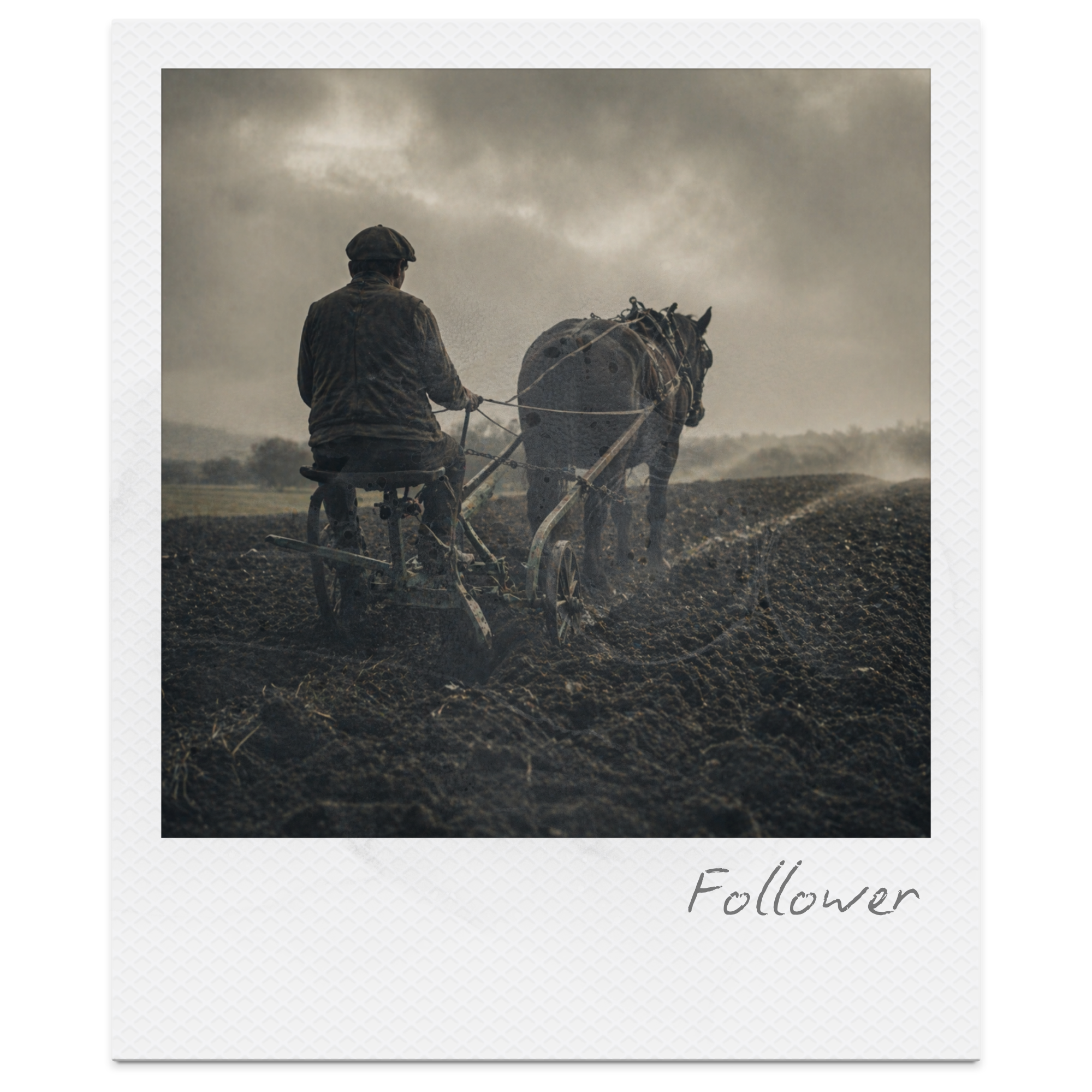
Follower by Seamus Heaney: Summary, Themes & Analysis
Seamus Heaney’s Follower explores admiration, identity, and the changing nature of family relationships through a reflective first-person voice. The poem presents the speaker’s father as a figure of strength, precision, and authority, using vivid imagery and controlled structure to elevate his skill as a ploughman. In contrast, the young speaker is portrayed as clumsy and dependent, creating a clear imbalance that reflects childhood hero-worship and the desire to imitate a parent. However, the poem’s meaning shifts in the final stanza, where Heaney introduces a subtle but powerful role reversal, revealing the father as the one who now “stumbles” behind the speaker. This transformation turns the poem into a reflection on time, ageing, and emotional complexity, as admiration gives way to a more unsettled awareness of changing roles. Through this contrast, Follower captures the tension between inheritance and independence, leaving the reader with a lasting sense of how relationships evolve over time.

The Other Foot by Ray Bradbury: Summary, Themes, Symbolism & Analysis
The Other Foot by Ray Bradbury is a powerful work of speculative fiction that explores racism, revenge, and the possibility of moral transformation through a striking reversal of power. Set on a Martian colony built by Black settlers who fled Earth, the story imagines what happens when the oppressed are given the chance to become the oppressors. As news spreads of a white survivor arriving from a devastated Earth, long-buried memories of violence and segregation resurface, pushing the community toward retaliation. However, Bradbury complicates this desire for revenge by revealing the complete destruction of Earth and the collapse of the very systems the characters seek to punish. In doing so, the story shifts from anger to reflection, asking whether true justice lies in reversal or in breaking the cycle altogether. Through its tense narrative and powerful moral turning point, The Other Foot challenges readers to reconsider what equality, responsibility, and humanity really mean.
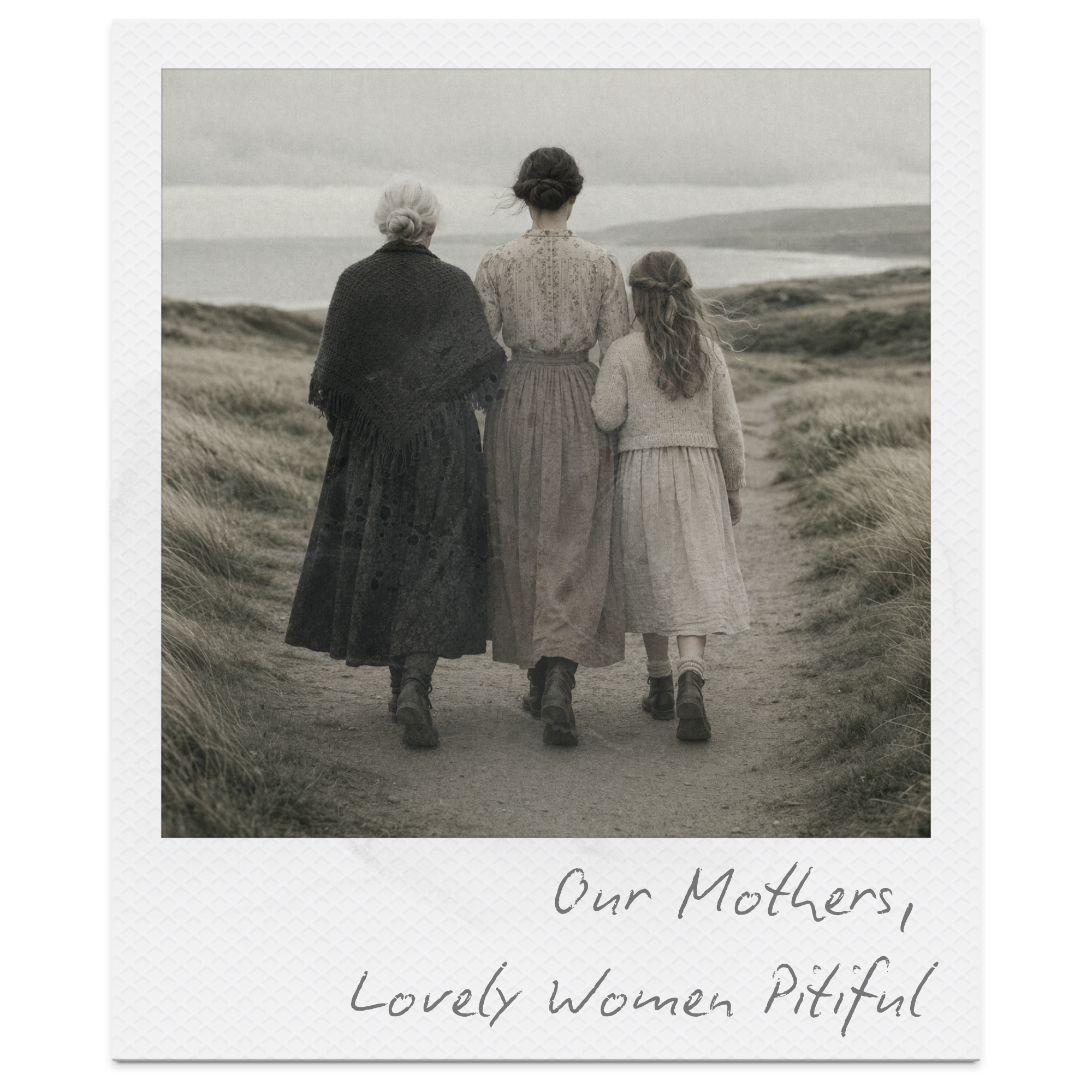
Our Mothers, Lovely Women Pitiful by Christina Rossetti: Summary, Themes, Symbolism & Analysis
Christina Rossetti’s Our Mothers, Lovely Women Pitiful explores themes of memory, faith, and moral inheritance, presenting past generations as guiding figures whose lives continue to shape the present. Through its reflective tone and collective voice, the poem emphasises the importance of learning from experience and enduring with patience and belief. This analysis examines how Rossetti uses structure, language, and symbolism to balance reverence with uncertainty. As the poem shifts from shared instruction to personal doubt, it raises deeper questions about spiritual continuity, responsibility, and whether the past can truly offer reassurance in the present.