Notes from the Inkpot
Writing, teaching, creating - one ink-stained idea at a time.


Praise Song for My Mother by Grace Nichols: Summary, Themes & Analysis
Praise Song for My Mother by Grace Nichols explores motherhood, nurture, and identity through a sequence of extended metaphors, repetition, and sensory imagery, presenting the mother as a sustaining, life-giving force. The poem moves through images of water, the moon, and sunrise, each representing different forms of care, while the repeated structure “You were” creates a rhythmic, cumulative pattern that mirrors the ongoing nature of maternal influence. As the poem develops, the imagery shifts from elemental and universal to more specific, culturally grounded detail, particularly in the final stanza, where references to food and environment highlight the importance of heritage and lived experience. The repetition of “replenishing” reinforces the idea of continuous nourishment, suggesting that the mother’s influence does not end, but remains present in shaping identity. Through its controlled voice and patterned structure, the poem presents nurture as both foundational and enduring.
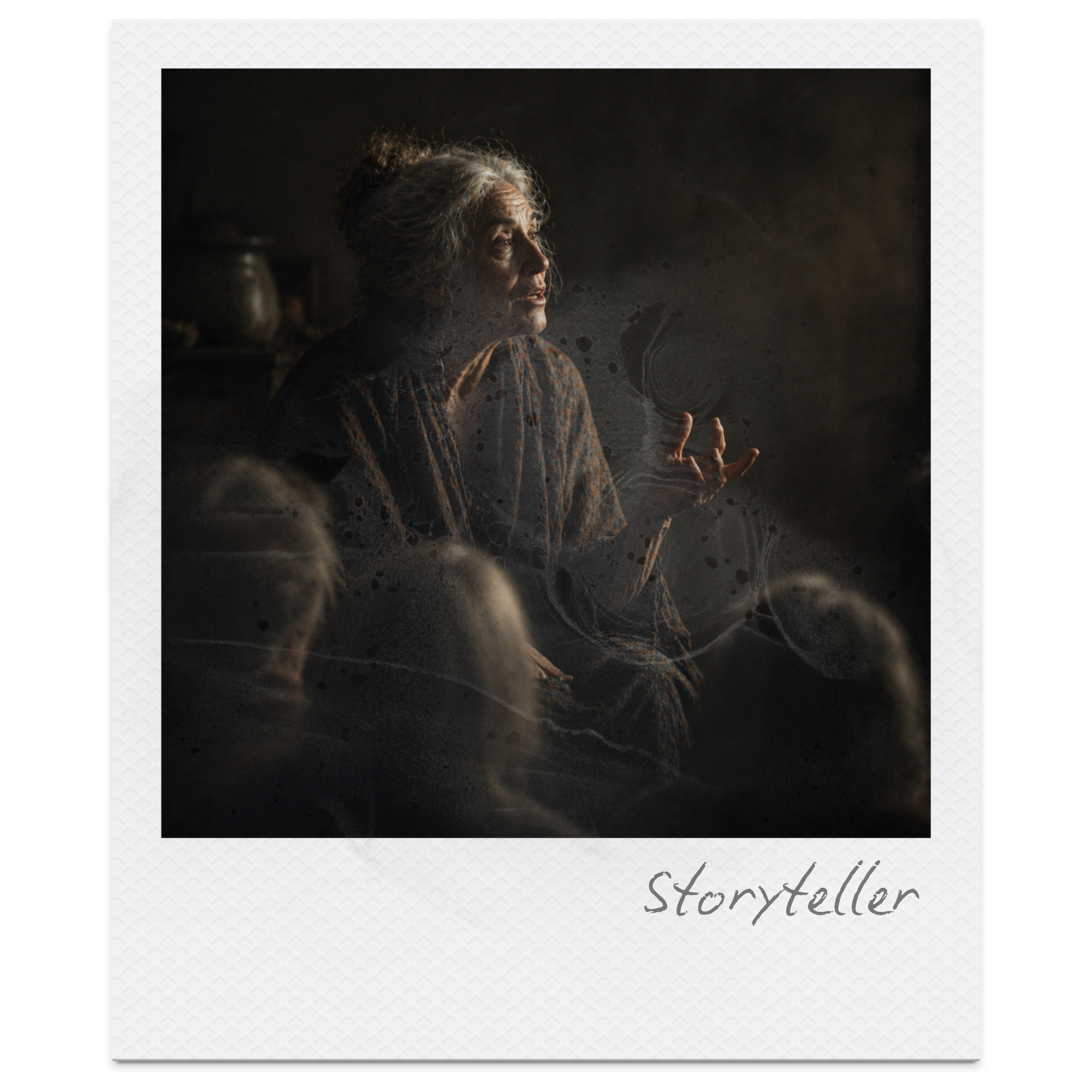
Storyteller by Liz Lochhead: Summary, Meaning, Themes & Analysis
Liz Lochhead’s Storyteller explores the power of oral storytelling, showing how stories are shaped through voice, memory, and everyday labour. Set within a domestic, communal environment, the poem presents storytelling as both practical work and a form of creative expression, revealing how stories are created, shared, and carried forward across generations. This analysis breaks down key themes, methods, and structural shifts, focusing on how Lochhead uses imagery, metaphor, and voice to create meaning. Ideal for IGCSE Literature, it helps students develop clear, method-focused responses, build confident interpretations, and prepare for high-level exam answers.
A Different History by Sujata Bhatt: Summary, Themes & Analysis
Sujata Bhatt’s A Different History explores language as power, examining how it can be both respected and used for control. Through contrast, repetition, and rhetorical questions, the poem highlights the tension between cultural identity and the lasting effects of colonial influence. This analysis breaks down key themes, methods, and structural shifts, helping students understand how meaning is created. Ideal for IGCSE Literature, it supports clear, method-focused responses and strong exam preparation.
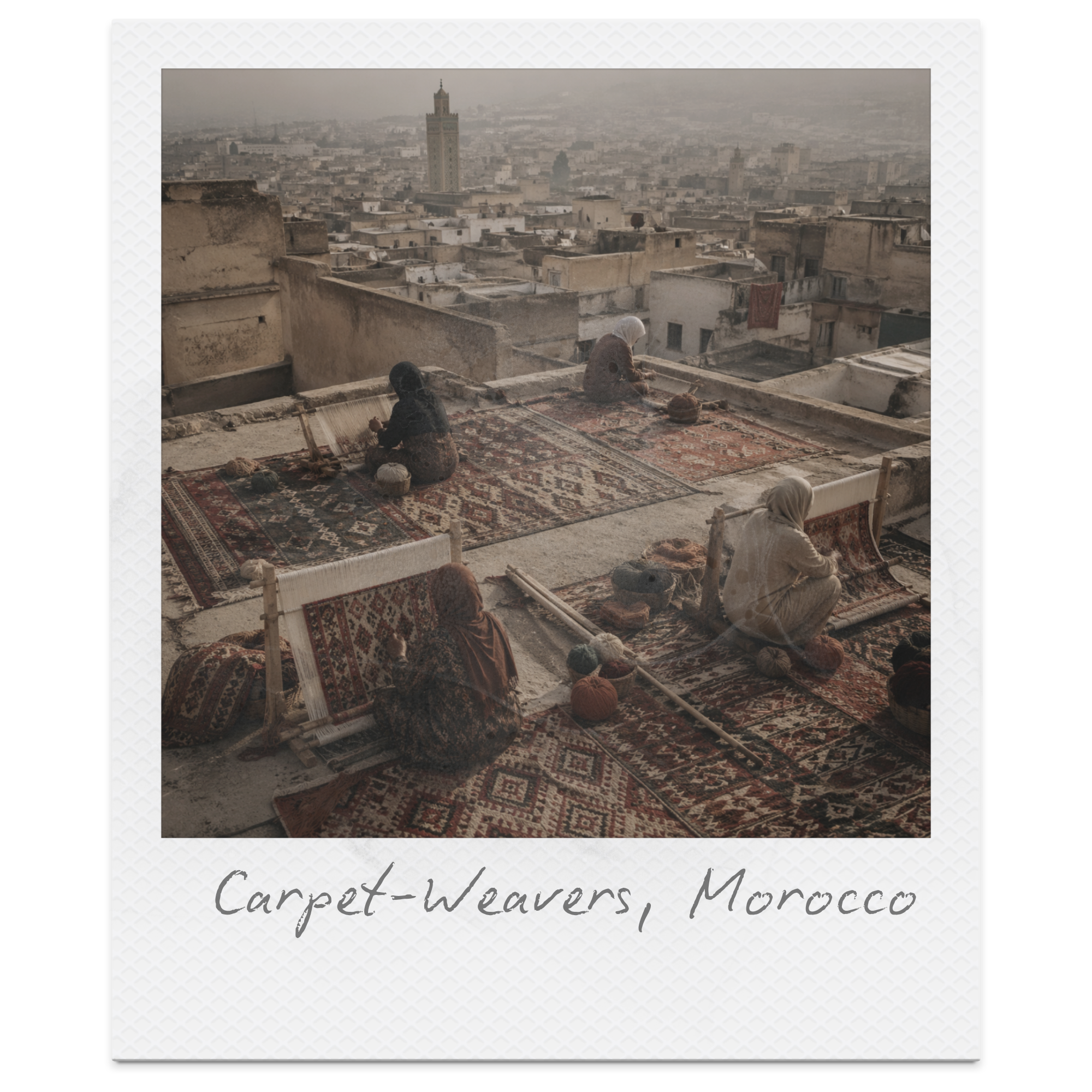
Carpet-Weavers, Morocco by Carol Rumens: Summary, Themes & Analysis
Carpet-Weavers, Morocco by Carol Rumens explores the tension between beauty and labour, presenting children at work through vivid imagery and controlled structure. The poem moves from admiration of their skill to a more reflective awareness of constraint, showing how something culturally valuable is created through repetitive, limited experience. Through metaphor, contrast, and shifts in perspective, Rumens highlights the gap between the luxury of the finished carpet and the lives of those who produce it. This makes the poem a powerful exploration of identity, inequality, and artistic creation, ideal for IGCSE Literature analysis.
The Concrete Mixer by Ray Bradbury: Summary, Themes, Meaning & Analysis
The Concrete Mixer by Ray Bradbury is a darkly satirical science fiction story that explores the dangers of consumerism, mass culture, and the quiet power of assimilation. When the Martian Ettil arrives on Earth expecting war, he instead finds a world of overwhelming friendliness, entertainment, and excess. Beneath the surface of this hospitality, however, lies something far more unsettling—a society that conquers not through violence, but through distraction, comfort, and the erosion of individuality. As Ettil moves through this strange new world, he begins to realise that the Martians are not being defeated—they are being absorbed. Bradbury uses irony, exaggeration, and symbolic imagery to critique modern life, suggesting that the greatest threat to identity is not destruction, but transformation. In this analysis, we explore the story’s themes, symbolism, and deeper meaning, revealing why The Concrete Mixer remains one of Bradbury’s most thought-provoking and relevant works.
The Highway by Ray Bradbury: Summary, Themes, Symbolism & Analysis
Ray Bradbury’s The Highway is a striking piece of speculative fiction that explores isolation, perspective, and the fragility of civilisation. Set in a quiet rural valley, the story follows Hernando, a farmer whose life is largely untouched by the modern world—until a sudden, frantic stream of cars on the nearby highway signals that something catastrophic has happened beyond his understanding. As news of “the atom war, the end of the world!” rushes past him, Hernando’s response challenges everything we assume about global events and their impact. Bradbury uses this powerful contrast between panic and stillness to question whether such events are truly universal, revealing that meaning is shaped by experience, distance, and perspective.