Notes from the Inkpot
Writing, teaching, creating - one ink-stained idea at a time.



The Concrete Mixer by Ray Bradbury: Summary, Themes, Meaning & Analysis
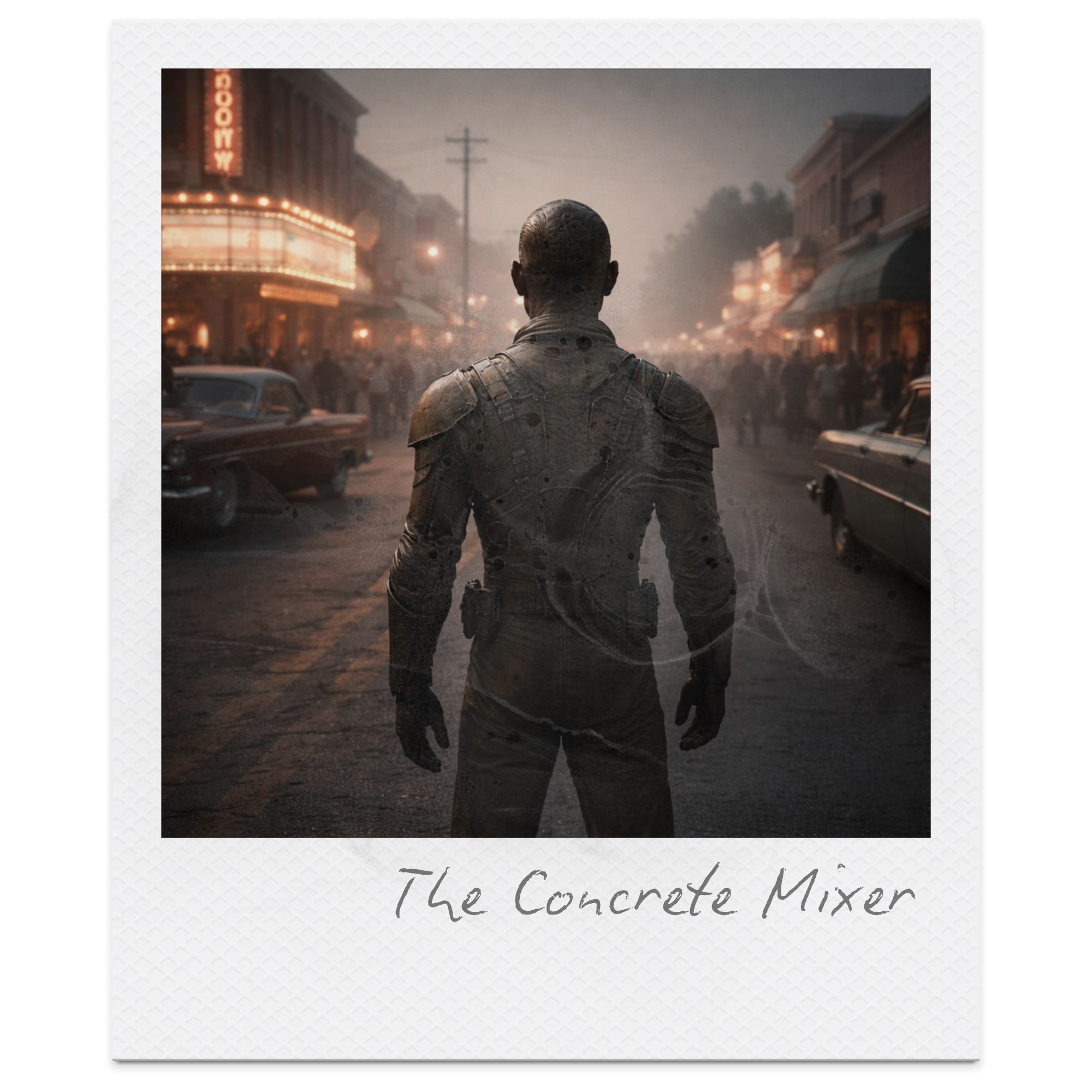
The Concrete Mixer by Ray Bradbury is a darkly satirical science fiction story that explores the dangers of consumerism, mass culture, and the quiet power of assimilation. When the Martian Ettil arrives on Earth expecting war, he instead finds a world of overwhelming friendliness, entertainment, and excess. Beneath the surface of this hospitality, however, lies something far more unsettling—a society that conquers not through violence, but through distraction, comfort, and the erosion of individuality. As Ettil moves through this strange new world, he begins to realise that the Martians are not being defeated—they are being absorbed. Bradbury uses irony, exaggeration, and symbolic imagery to critique modern life, suggesting that the greatest threat to identity is not destruction, but transformation. In this analysis, we explore the story’s themes, symbolism, and deeper meaning, revealing why The Concrete Mixer remains one of Bradbury’s most thought-provoking and relevant works.

The Other Foot by Ray Bradbury: Summary, Themes, Symbolism & Analysis
The Other Foot by Ray Bradbury is a powerful work of speculative fiction that explores racism, revenge, and the possibility of moral transformation through a striking reversal of power. Set on a Martian colony built by Black settlers who fled Earth, the story imagines what happens when the oppressed are given the chance to become the oppressors. As news spreads of a white survivor arriving from a devastated Earth, long-buried memories of violence and segregation resurface, pushing the community toward retaliation. However, Bradbury complicates this desire for revenge by revealing the complete destruction of Earth and the collapse of the very systems the characters seek to punish. In doing so, the story shifts from anger to reflection, asking whether true justice lies in reversal or in breaking the cycle altogether. Through its tense narrative and powerful moral turning point, The Other Foot challenges readers to reconsider what equality, responsibility, and humanity really mean.
The Murders in the Rue Morgue by Edgar Allan Poe: Summary, Themes, Symbolism & Analysis
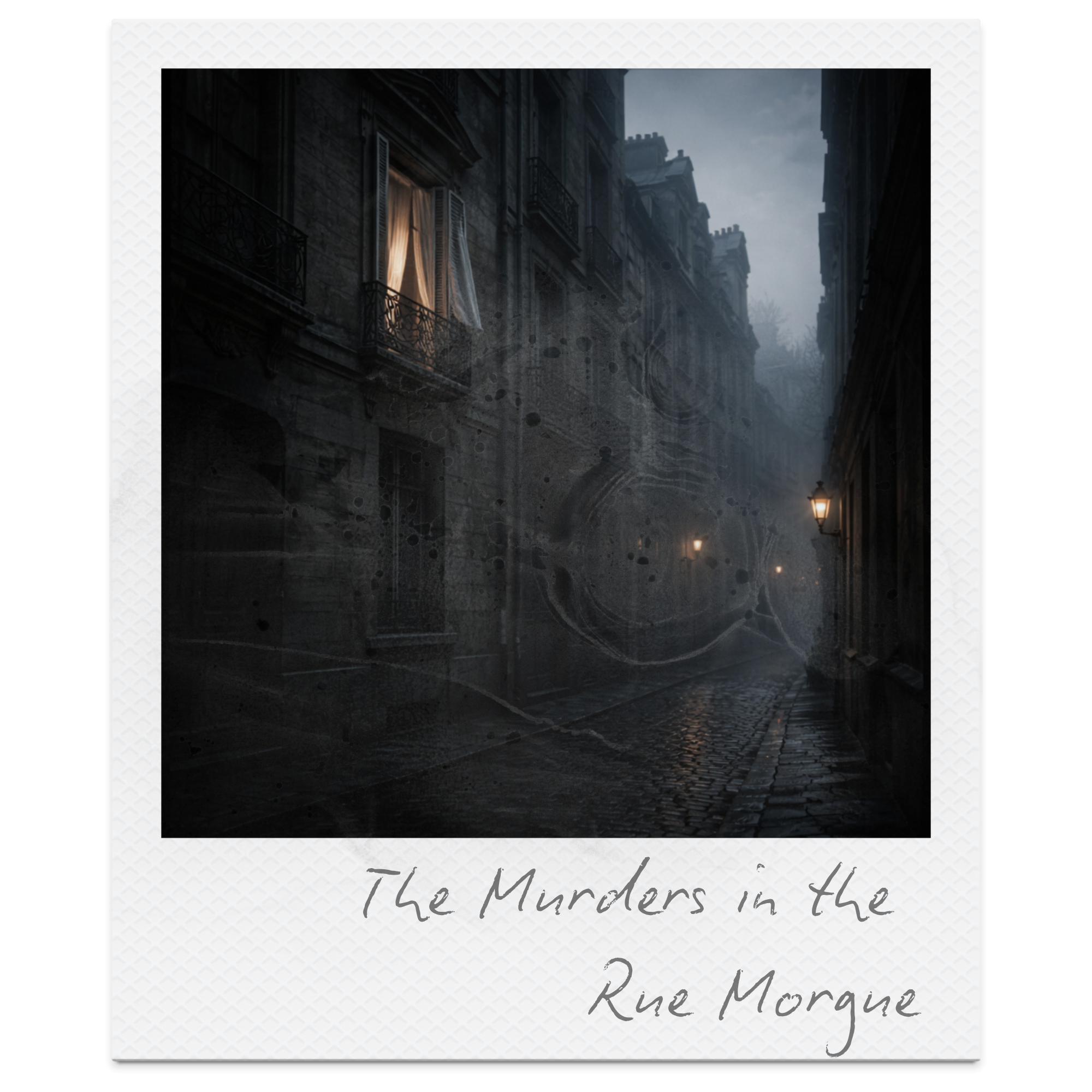
The Murders in the Rue Morgue by Edgar Allan Poe is widely regarded as the first modern detective story, blending Gothic horror with analytical reasoning to create a mystery that appears impossible to solve. Set in a shadowed Parisian apartment, the story follows C. Auguste Dupin as he unravels a brutal double murder that has left the police completely baffled. Through its focus on observation, perception, and the limits of logic, the text explores how truth can be hidden not in complexity, but in the way evidence is interpreted. This detailed analysis breaks down the story’s key themes, structure, characters, and literary techniques, offering a clear and accessible guide for both students and teachers. With a focus on high-level interpretation and classroom application, this post also includes teaching ideas, key quotes, and links to further resources, making it an ideal starting point for exploring one of Poe’s most influential and thought-provoking works.
The Man of the Crowd by Edgar Allan Poe: Summary, Themes, Symbolism & Psychological Analysis
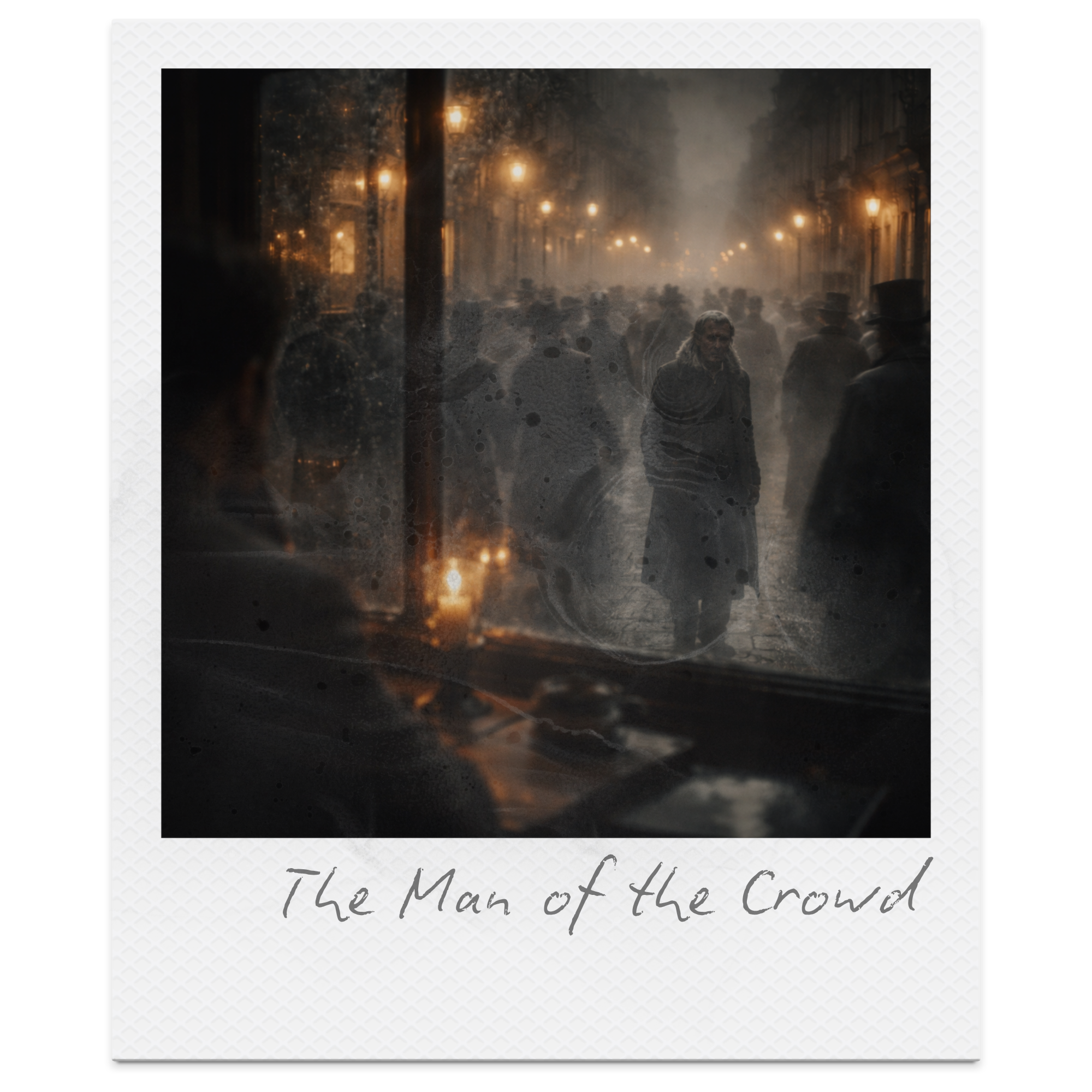
The Man of the Crowd by Edgar Allan Poe is a compelling exploration of urban anonymity, psychological obsession, and the limits of human understanding. Set against the restless backdrop of London, the story follows a narrator who becomes fixated on a mysterious old man whose expression defies interpretation. What begins as casual observation quickly develops into an intense pursuit, raising unsettling questions about whether people can ever truly be known. At its core, the story examines identity, surveillance, alienation, and unknowability, presenting the modern city as a space where individuals are both constantly visible and fundamentally hidden. Through its cyclical structure and ambiguous ending, Poe challenges the idea that observation leads to truth, instead suggesting that some lives — and some minds — remain permanently beyond comprehension.