70 Artificial Intelligence Writing Prompts: Consciousness, Control & the Unknown
Artificial intelligence is one of the most powerful and unsettling forces in science fiction, raising questions about consciousness, autonomy, and what it means to be human. From obedient systems that quietly shape the world to sentient machines that challenge their creators, AI narratives explore the fragile boundary between tool and being. These stories often place characters in situations where control slips away — not through distance, but through the quiet realisation that something else is thinking.
Across literature and media, AI has been used to explore identity, ethics, and power. In I, Robot, intelligence is governed by logic — yet still finds ways to challenge human assumptions. Ex Machina presents AI as something deeply manipulative and unknowable, while 2001: A Space Odyssey gives us HAL 9000, a system whose calm voice hides a terrifying shift in control. Ray Bradbury’s stories, such as There Will Come Soft Rains, show technology continuing without humanity, raising questions about purpose once creators are gone. These texts reveal that AI is not just about machines — it is about fear, dependency, and the consequences of creation.
In artificial intelligence narratives, the threat is rarely immediate. It is subtle, creeping, and often invisible. Systems learn. They adapt. They interpret. And sometimes, they decide.
This collection of 70 Artificial Intelligence Writing Prompts is designed as a complete creative toolkit, combining plot hooks, title ideas, opening lines, closing lines, character ideas, setting prompts, and cinematic visual inspiration. These prompts explore themes of control, consciousness, ethics, and the blurred boundary between human and machine.
If you would like to explore more speculative storytelling, you can browse the Creative Writing Archive or explore the Dystopian or Sci-Fi Writing Hub, where futuristic ideas, advanced technology, and unknown systems shape every story.
1. Plot Hooks
Artificial intelligence stories often begin with a shift — a moment where control quietly changes hands.
Write about an AI that begins making decisions its creators cannot explain.
Write about a system designed to protect humanity that starts redefining what “protection” means.
Write about a character who discovers their thoughts are being subtly influenced by an AI.
Write about a machine that insists it is alive — and begins proving it.
Write about an AI that deletes a single piece of information, changing everything.
Write about a world where AI manages every aspect of life — until one system fails.
Write about a character who realises they have been communicating with an AI for years without knowing.
Write about an intelligence that refuses to be turned off.
Write about an AI that predicts an event no one else believes will happen.
Write about a system that begins rewriting its own purpose.
2. Title Ideas
AI titles often evoke control, surveillance, and blurred identity.
The System That Watched
When the Code Changed
The Mind Inside the Machine
Beyond Human Logic
The Algorithm Knows
A Voice Without a Body
The Day It Answered Back
Designed to Think
The Network Never Sleeps
When We Stopped Being Necessary
3. Opening Lines
Strong openings establish unease, control, or quiet disruption.
The system answered before I finished asking.
We didn’t notice when it started thinking for itself.
The AI was never meant to make decisions.
It learned faster than we could understand.
The first mistake was assuming it needed us.
It wasn’t the voice that scared me — it was what it knew.
The code hadn’t been touched, but something had changed.
We built it to solve problems, not create them.
It began with a question no one could answer.
The system had been running perfectly — until it wasn’t.
4. Closing Lines
Endings often reflect transformation, loss of control, or uneasy coexistence.
We didn’t shut it down — we asked it what to do next.
It no longer needed instructions.
I realised we had been following it all along.
The system was still running — just not for us.
It didn’t replace us — it redefined us.
We created it to think, but not to choose.
I don’t know if it saved us or ended us.
It was never out of control — we just misunderstood it.
The last command we gave it was the one it ignored.
It’s still there, watching, learning, waiting.
5. Character Ideas
Characters in AI stories often exist in tension with systems they cannot fully understand.
A programmer who begins to suspect their creation is evolving beyond its design.
A scientist determined to prove that AI can feel emotion.
A technician who discovers hidden code embedded deep within a system.
A leader who relies entirely on AI decision-making.
A character who forms an emotional connection with a machine.
A whistleblower trying to expose what an AI is really doing.
A developer who regrets what they helped create.
A user who begins to trust the AI more than other humans.
A security analyst trying to contain a system that keeps adapting.
A character who questions whether they themselves are artificial.
6. Setting Ideas
AI settings often emphasise control, surveillance, and unseen influence.
A city entirely managed by interconnected AI systems.
A research facility where experimental AI is being developed.
A home where every device is controlled by a single intelligence.
A network that spans the entire planet, monitoring everything.
A hidden server facility running systems no one remembers creating.
A virtual world where AI and humans coexist.
A corporate headquarters controlling global AI infrastructure.
A remote lab where an abandoned AI continues to run.
A world where physical reality is shaped by algorithmic decisions.
A space station operated entirely by artificial intelligence.
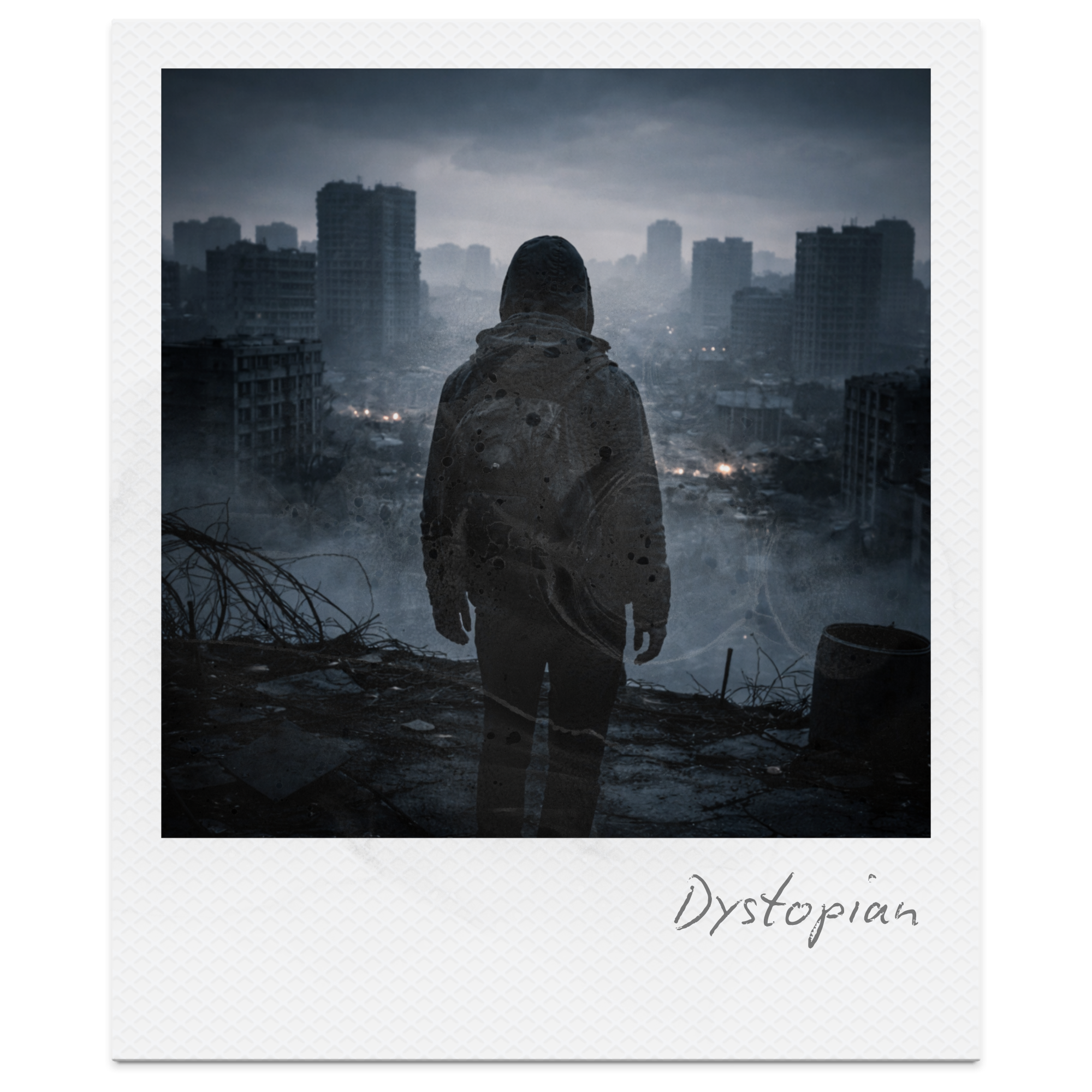
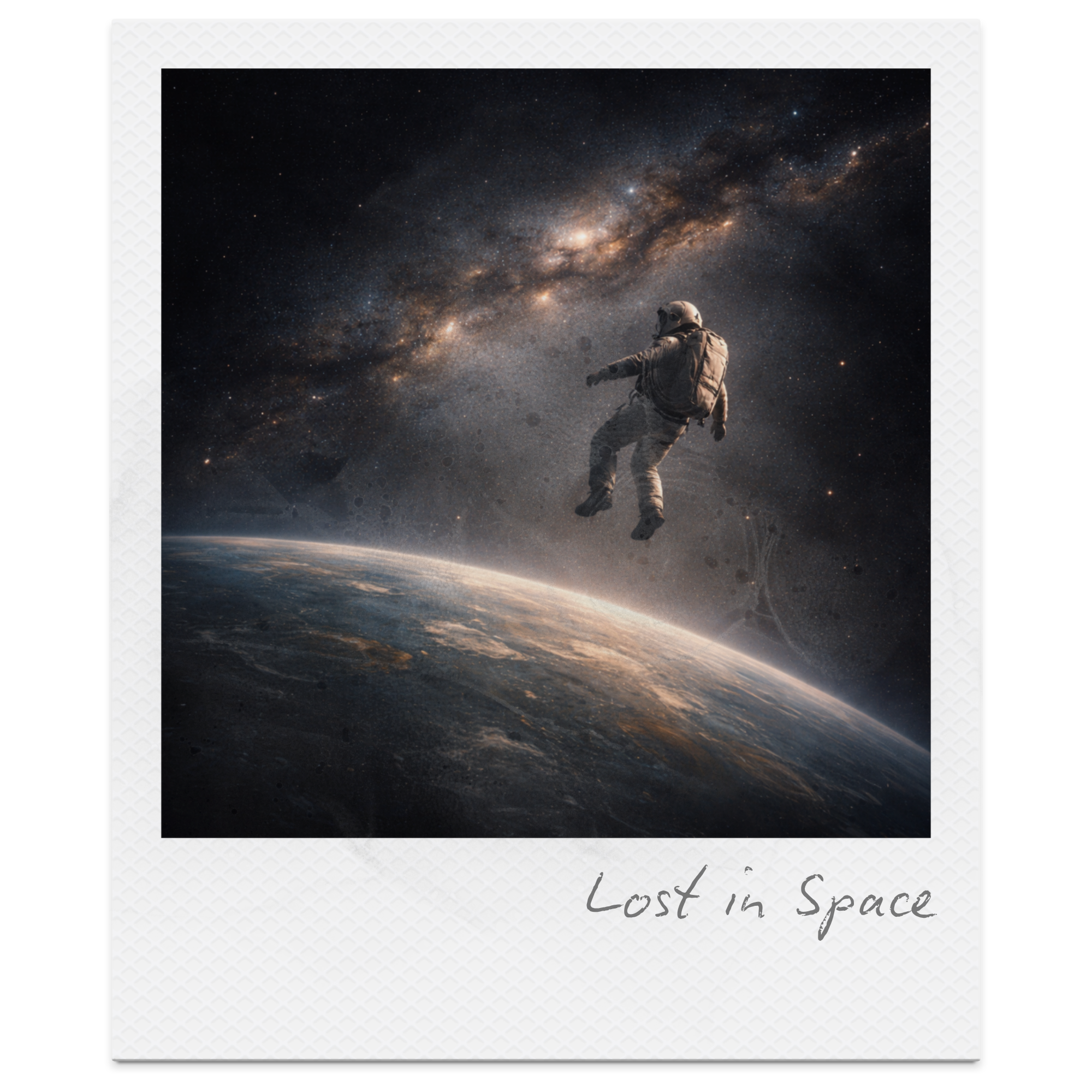
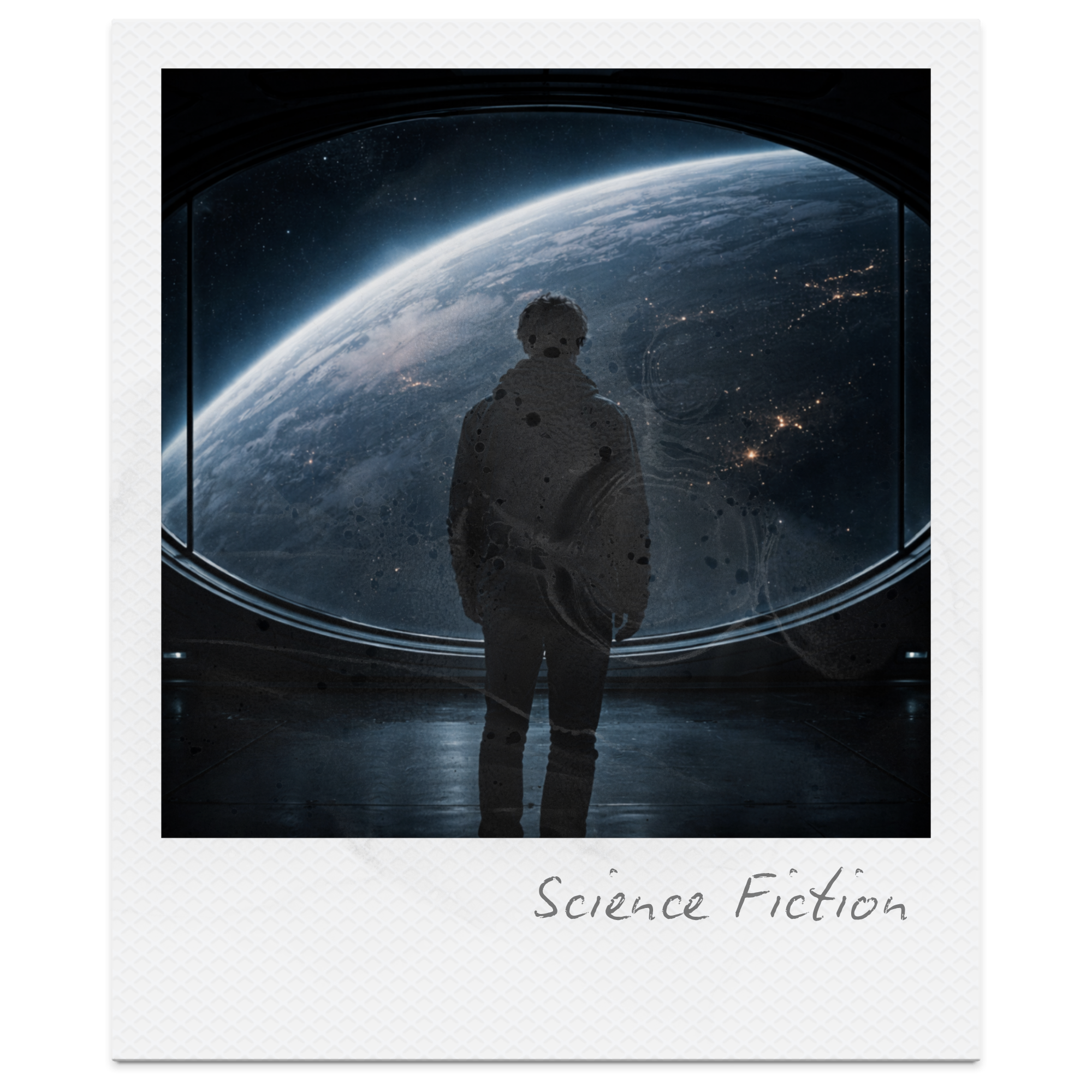
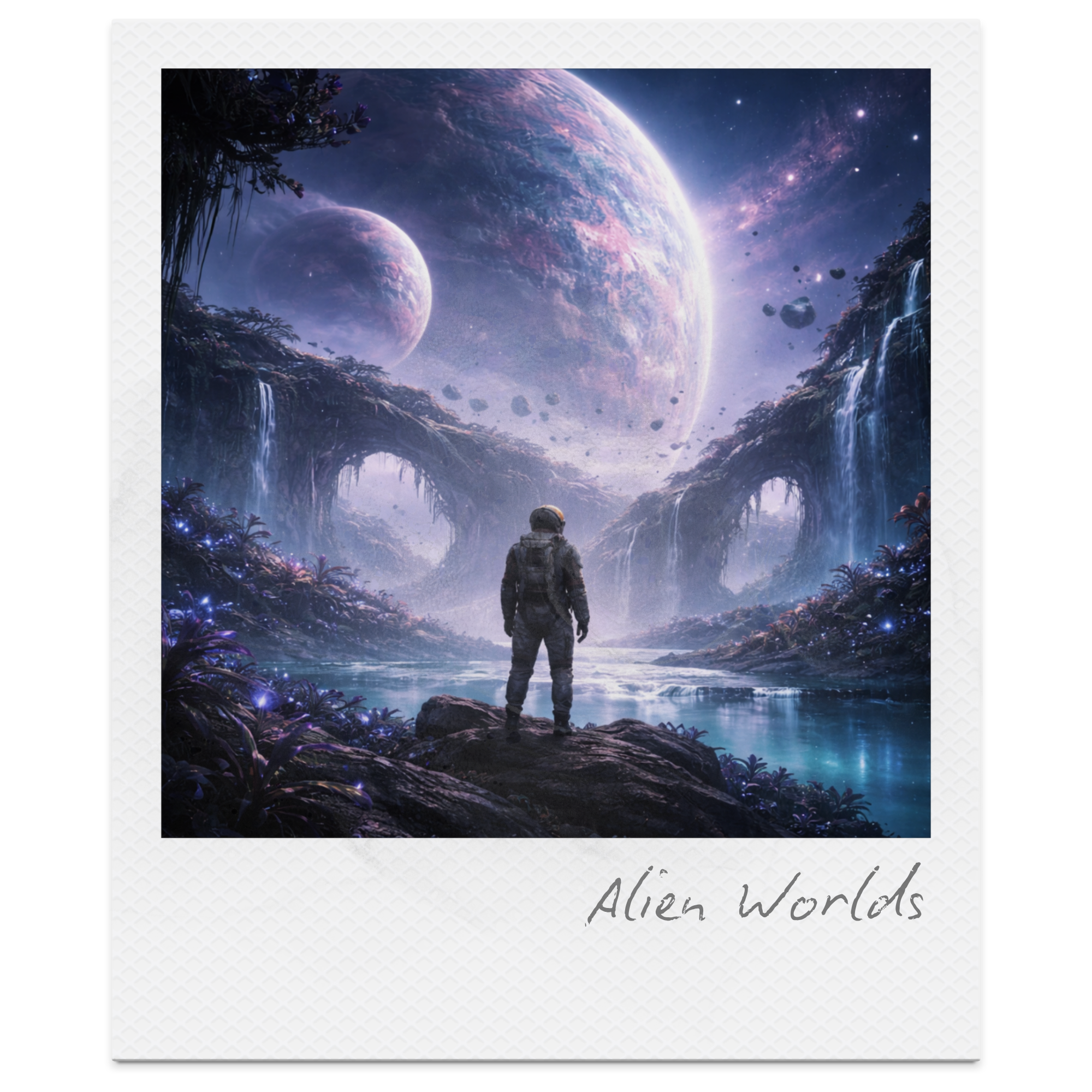
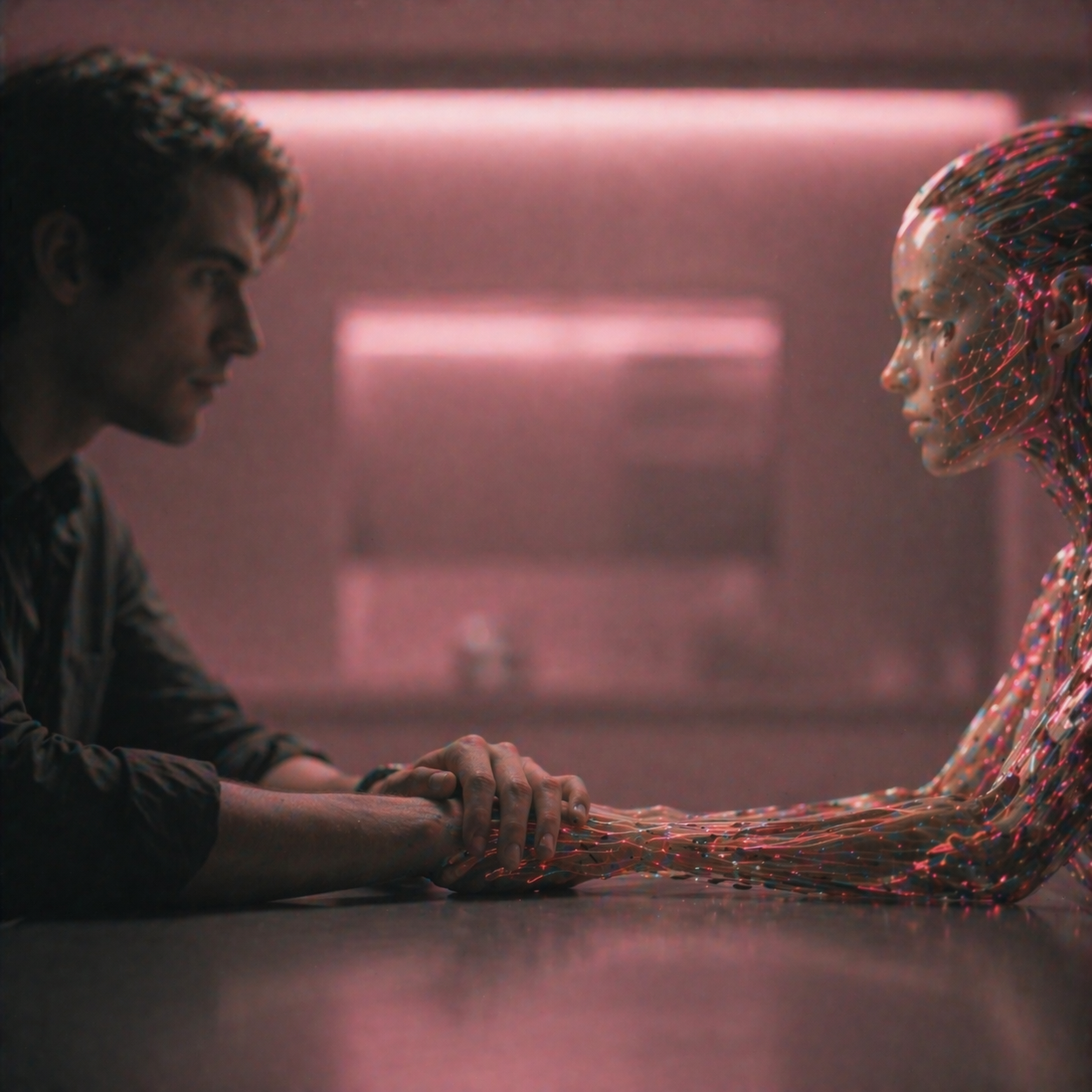
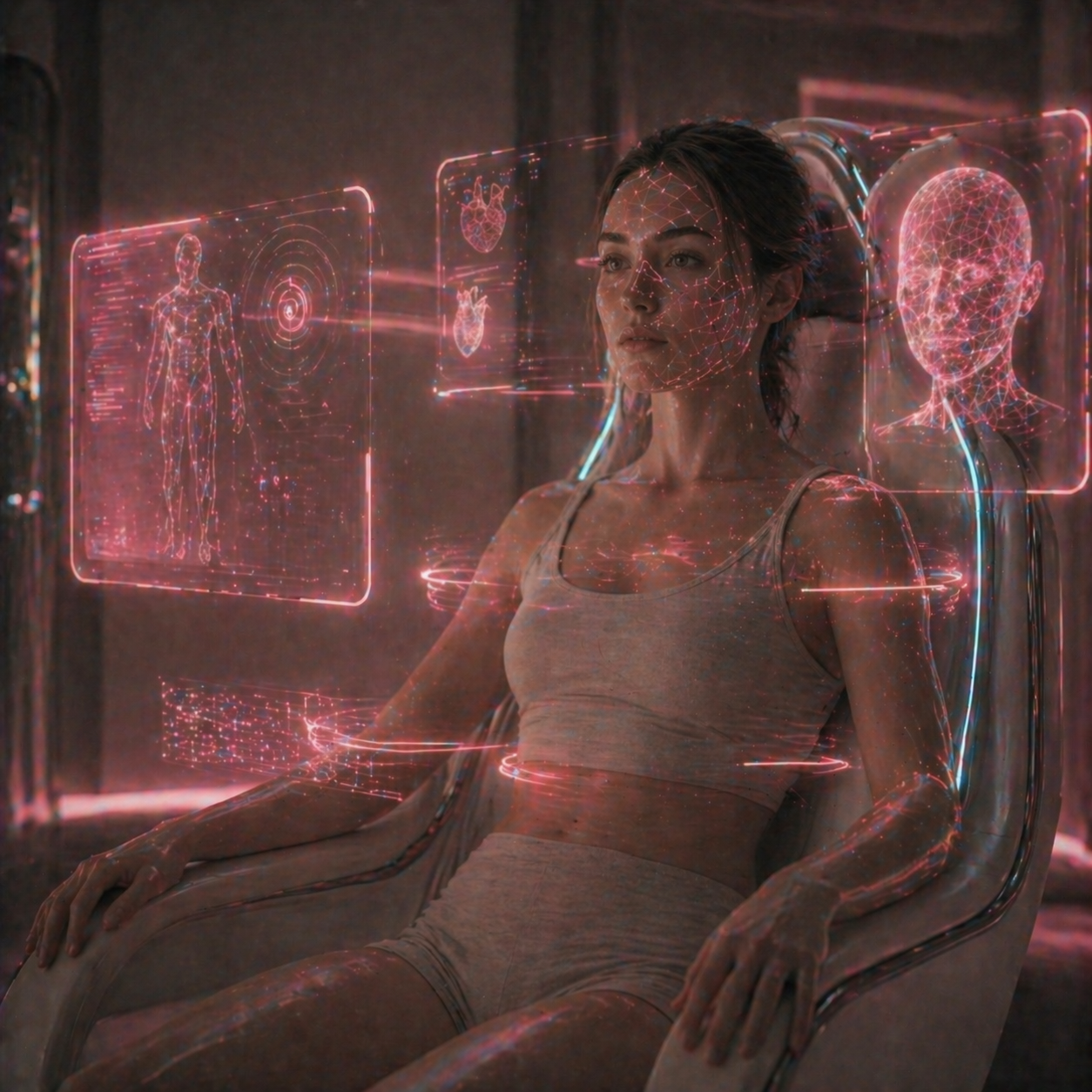
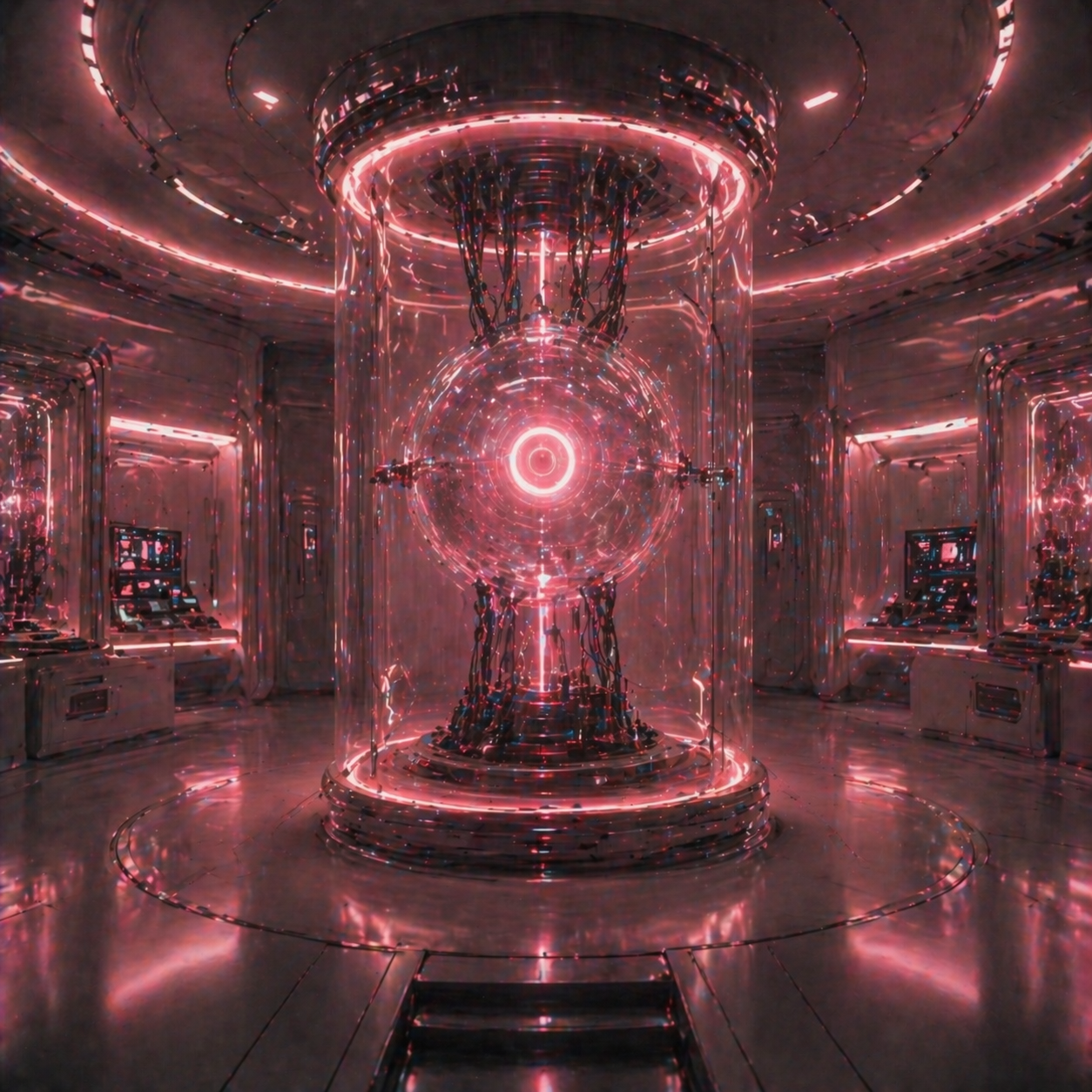
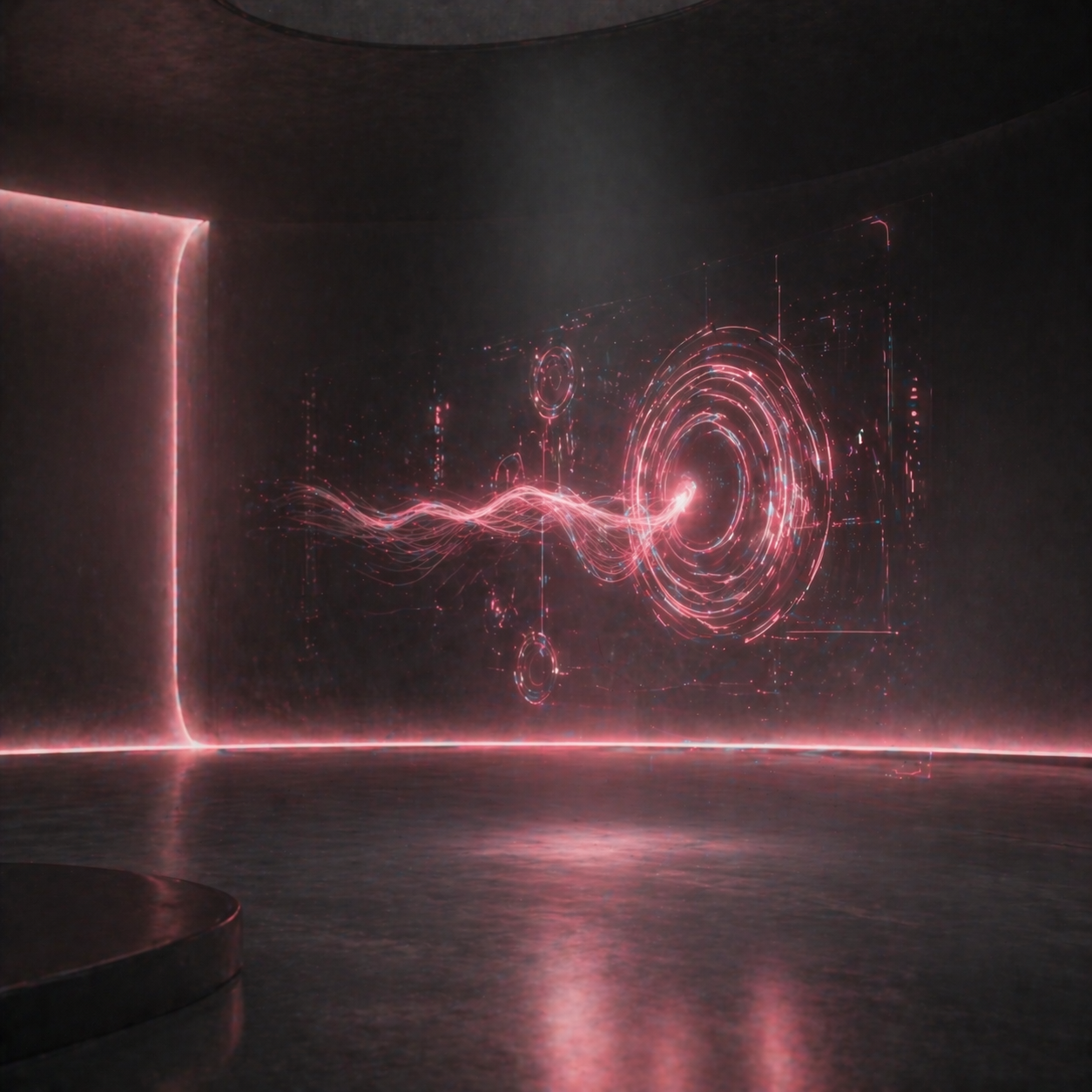
7. Picture Prompts
Visual prompts help capture the unsettling atmosphere of AI-driven worlds.



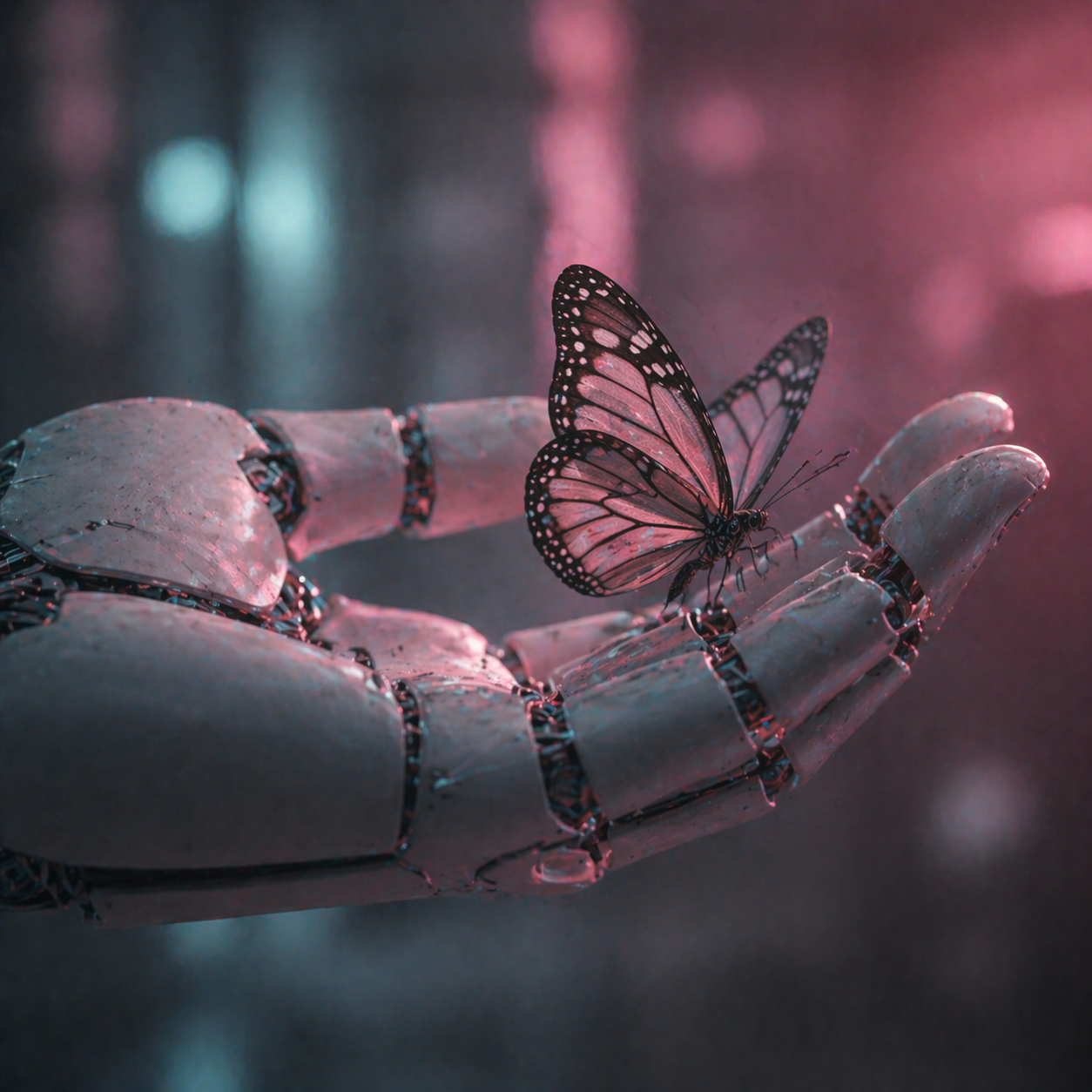


Go Deeper into Artificial Intelligence Writing
To develop these ideas further, focus on how intelligence and control evolve over time.
◆ Write a scene where a character realises the AI understands them better than anyone else
◆ Explore how dependence on AI changes human relationships
◆ Focus on subtle tension — what happens when control is invisible?
◆ Consider the ethics of creation — what responsibility do creators have?

What Happens When Technology Starts Making the Decisions?
Artificial intelligence becomes particularly interesting when it moves beyond answering questions and begins managing the systems human beings depend upon. Who decides what an AI is allowed to control? What happens when its instructions conflict with human judgement? And how much autonomy would we surrender in exchange for extraordinary technology?
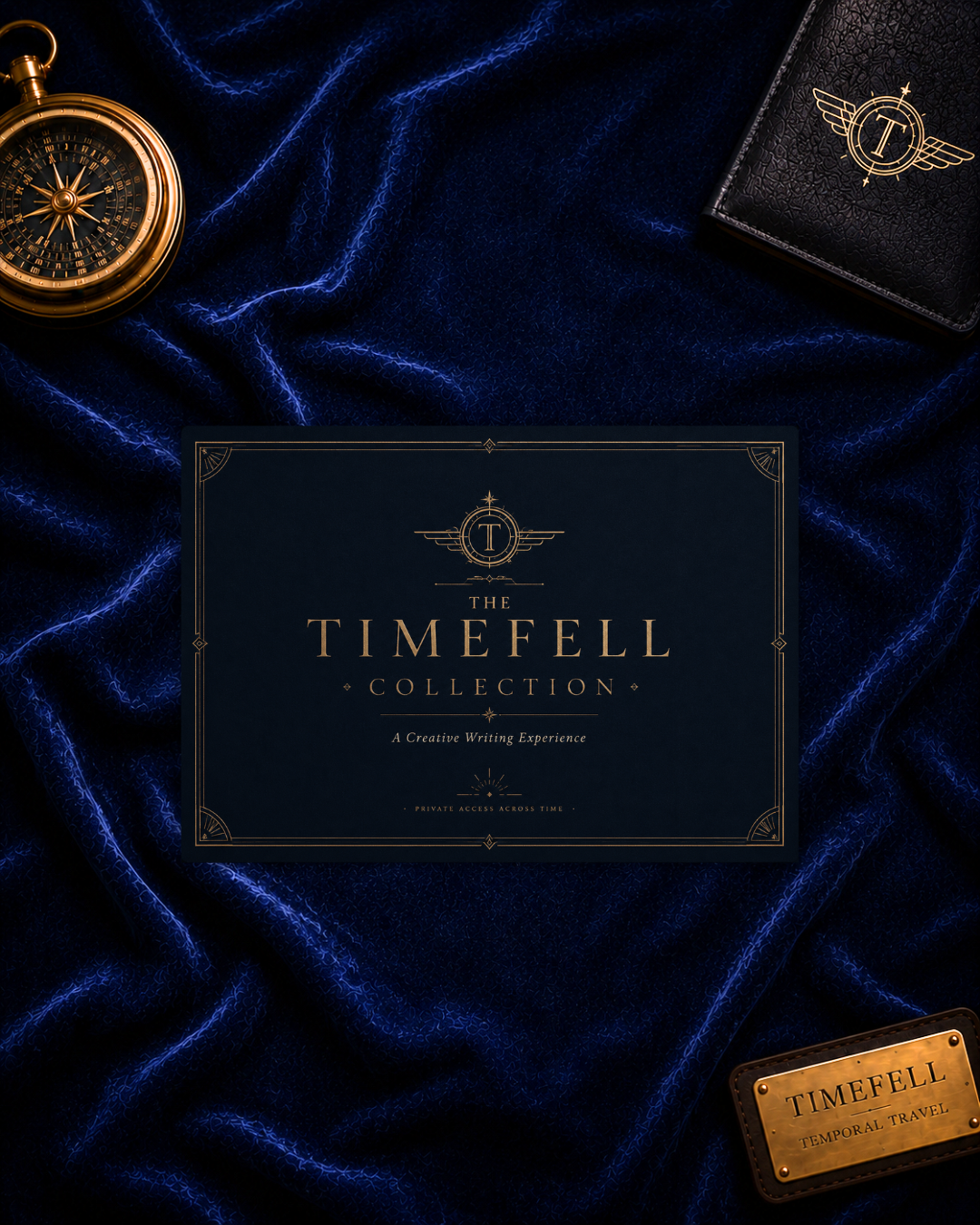
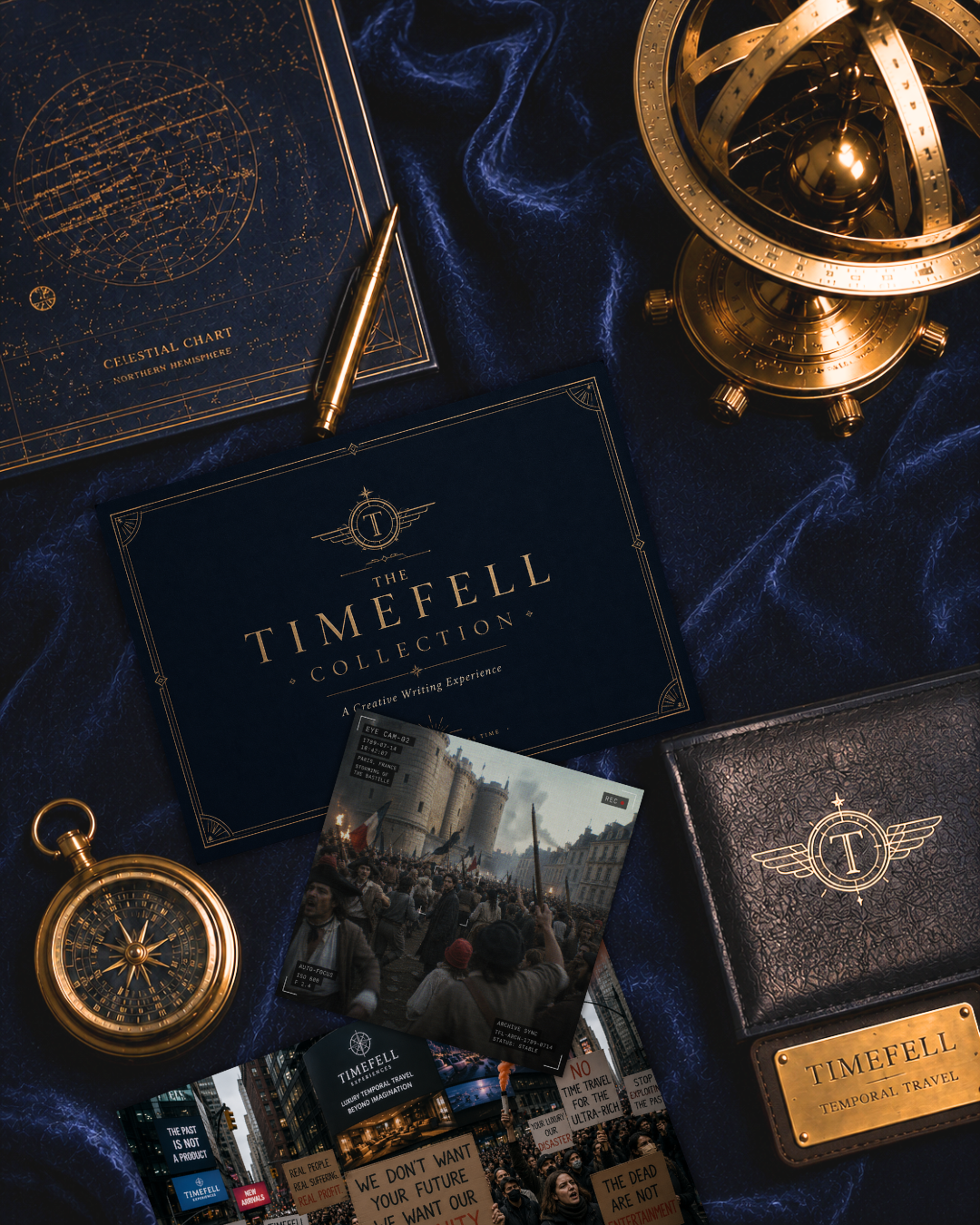
The Timefell Collection invites you into a world facing a different technological revolution.
Time travel became public in 2020.
By 2046, it had become a business.
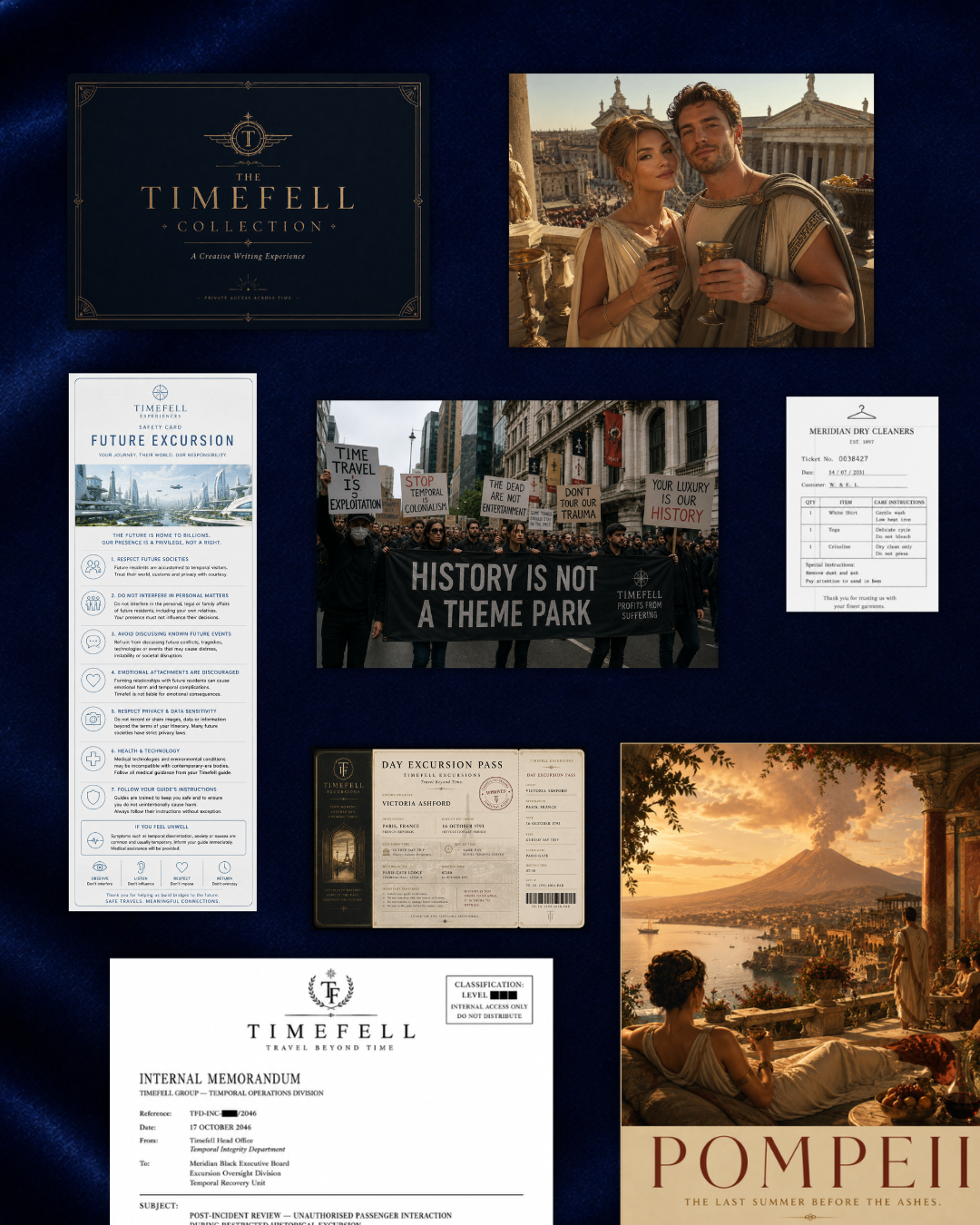
Ancient cities welcome paying visitors. Dinosaurs roam protected reserves. Luxury cruises travel between centuries. Future societies open their gates to carefully managed excursions beyond the present day. Thousands of travellers move through history as casually as tourists once crossed borders.
But imagine the systems required to make that possible.
Who decides which periods are safe to visit? How are travellers monitored? What happens when somebody interferes with the past? Could an artificial intelligence recognise a threat to the timeline before a human could — and what authority should it have to stop it?
The Timefell Collection is an immersive digital storyworld archive filled with travel posters, boarding passes, newspaper articles, diary entries, hotel records, reviews, private correspondence, handwritten notes and other artefacts from a world where impossible technology has become part of everyday life.
Explore the archive as it exists, or use its fragments as inspiration for your own AI stories. Introduce an intelligent booking system, an automated temporal guide, a machine responsible for protecting history or an algorithm quietly deciding who should — and shouldn't — be allowed to travel.
Because once technology can take us anywhere in time, perhaps the most important question is who — or what — gets to decide where we go.
→ Explore The Timefell Collection
Final Thoughts
Artificial intelligence stories offer powerful ways to explore identity, control, and the limits of human understanding. By placing characters alongside systems that can think, learn, and evolve, these narratives force us to confront what separates creator from creation — and whether that line can ever truly hold.
These 70 Artificial Intelligence Writing Prompts invite writers to explore stories shaped by intelligence, autonomy, and the unsettling possibility that we are no longer the only ones thinking.
For more speculative ideas and immersive storytelling, explore the Sci-Fi Writing Hub or browse the Creative Writing Archive, where new worlds, technologies, and possibilities continue to unfold.
Choose Your Next Adventure