70 Lost in Space Writing Prompts: Survival, Isolation & the Unknown
Lost in space is one of the most compelling and enduring tropes in science fiction, placing characters in vast, unforgiving environments where survival is uncertain and rescue is never guaranteed. Stripped of familiar structures, characters must navigate isolation, limited resources, and the psychological weight of being completely cut off from Earth. These stories explore not just physical survival, but emotional endurance and the limits of human resilience.
Across literature and media, the idea of being lost in space has been used to explore fear, identity, and the fragility of control. In The Martian, survival depends on ingenuity and adaptability in an environment that is actively hostile. Ray Bradbury’s Kaleidoscope captures the terror of drifting endlessly through space, where isolation becomes both physical and existential. Similarly, The Long Rain presents a relentless environment that erodes the mind as much as the body, highlighting how survival is shaped by both setting and psychology. These stories show how being “lost” is not just about location, but about disconnection from certainty, safety, and meaning.
In lost in space narratives, the environment becomes an active force. Empty space, distant stars, failing technology, and unfamiliar planets create tension at every level. The unknown is not simply a backdrop — it is something that shapes every decision, every relationship, and every moment of survival.
This collection of 70 Lost in Space Writing Prompts is designed as a complete creative toolkit, combining plot hooks, title ideas, opening lines, closing lines, character ideas, setting prompts, and cinematic visual inspiration. These prompts explore themes of isolation, survival, endurance, and the psychological impact of being truly alone.
If you would like to explore more speculative storytelling, you can browse the Creative Writing Archive or explore the Sci-Fi Writing Hub, where futuristic ideas, advanced technology, and unknown worlds shape every story.
1. Plot Hooks
Lost in space stories often begin with separation — a moment where connection is broken and survival becomes uncertain.
Write about a crew who realise their distress signal is being received — but no one is responding.
Write about a character drifting alone after their ship is destroyed, unsure if rescue is possible.
Write about a mission that goes off course, leaving the crew unable to locate Earth.
Write about a stranded astronaut who begins receiving messages from an unknown source.
Write about a crew who discover their navigation system has been altered by something unseen.
Write about a character who wakes from stasis to find everyone else gone.
Write about a ship slowly running out of oxygen, forcing impossible decisions.
Write about a group who land on a planet, only to realise they cannot leave.
Write about a signal that leads survivors deeper into danger instead of safety.
Write about a character who begins to question whether they were ever meant to return home.
2. Title Ideas
Lost in space titles often evoke isolation, distance, and the unknown.
Where the Signal Ends
No Way Back to Earth
The Silence Beyond Orbit
Drifting Without Direction
The Last Transmission Home
Alone Among the Stars
The Distance Between Us
When the Ship Went Dark
Beyond the Reach of Rescue
The Orbit That Never Ends
3. Opening Lines
Strong openings establish disorientation, urgency, and isolation immediately.
The signal stopped before we could answer it.
There was no sound in space, but I could still feel the silence.
We knew we were lost long before the system confirmed it.
The stars looked the same, but nothing else did.
I wasn’t supposed to wake up alone.
The last message from Earth came hours too late.
We kept moving, even though we didn’t know where we were going.
Something had changed the coordinates, and it wasn’t us.
The ship was still intact — everything else was gone.
We thought the worst part would be the distance.
4. Closing Lines
Endings often reflect transformation, loss, or acceptance.
We never made it back — but we stopped trying to.
I don’t think Earth would recognise us anymore.
The stars feel closer now, but home feels further away.
We survived — just not as the people we were.
The signal is still playing, even though no one is there.
I realised we were never meant to be found.
The silence doesn’t scare me anymore.
We didn’t lose our way — we lost where we belonged.
Something out here knows we’re still alive.
I stopped counting the days when I stopped hoping.
5. Character Ideas
Characters in lost in space stories are defined by resilience, fear, and the need to adapt.
A pilot trying to maintain control despite failing systems.
A scientist obsessed with finding a logical explanation for their situation.
A crew member hiding a secret that could change their chances of survival.
A leader struggling to keep morale intact.
A character who begins to prefer isolation over rescue.
A survivor convinced they are not alone.
A mechanic trying to repair a ship beyond saving.
A character who refuses to accept that Earth is unreachable.
A navigator who no longer trusts their own calculations.
A crew member who begins to change after prolonged exposure to space.
6. Setting Ideas
Lost in space settings should emphasise scale, danger, and uncertainty.
A drifting spacecraft with failing life support systems.
A silent orbital station with no signs of life.
A distant planet with no visible way off its surface.
A debris field from a destroyed fleet.
A ship caught in an endless orbit around a dying star.
A region of space where signals cannot escape.
A frozen moon with limited resources and no communication.
A damaged ship slowly breaking apart over time.
A space station overtaken by unknown forces.
A location where time appears to move differently.
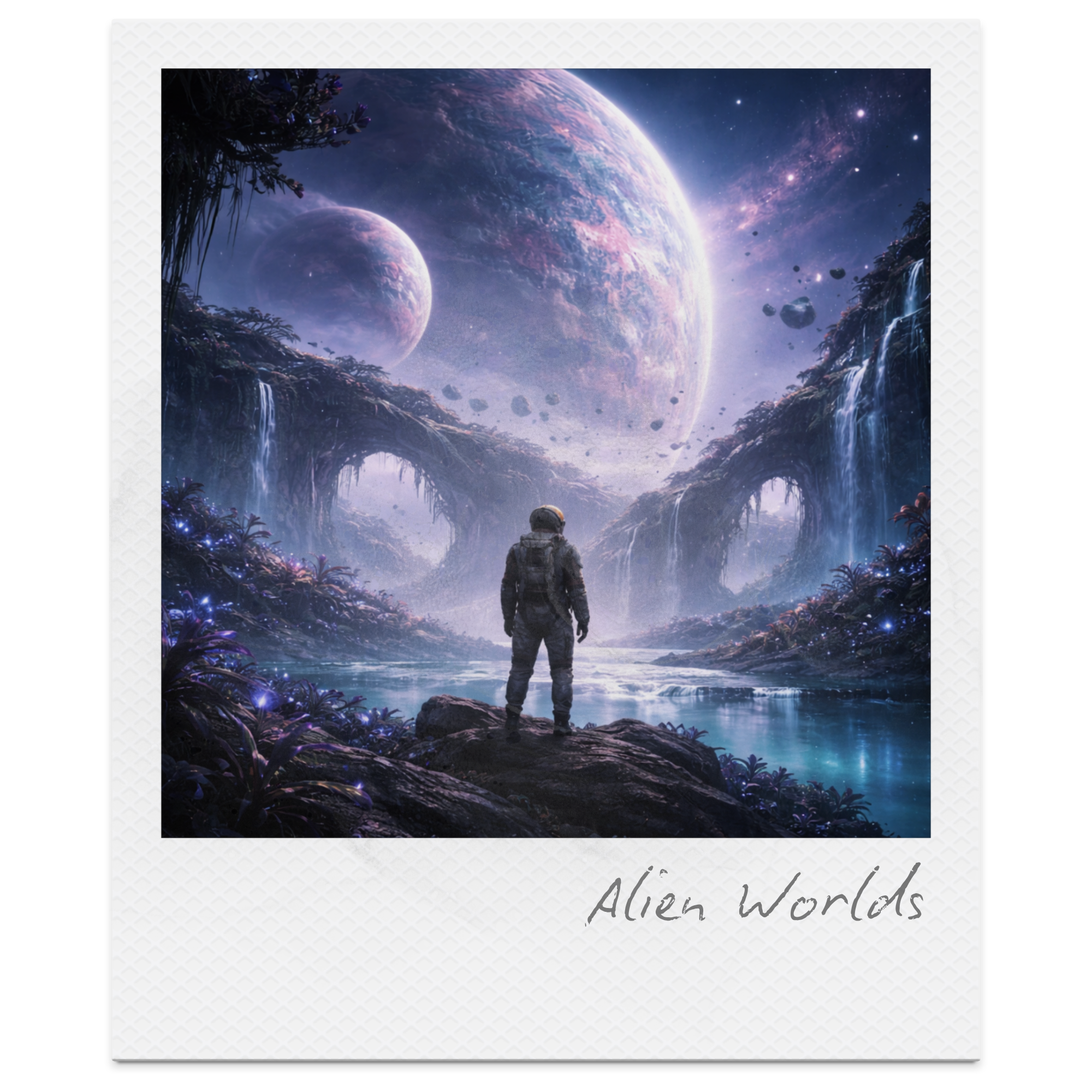
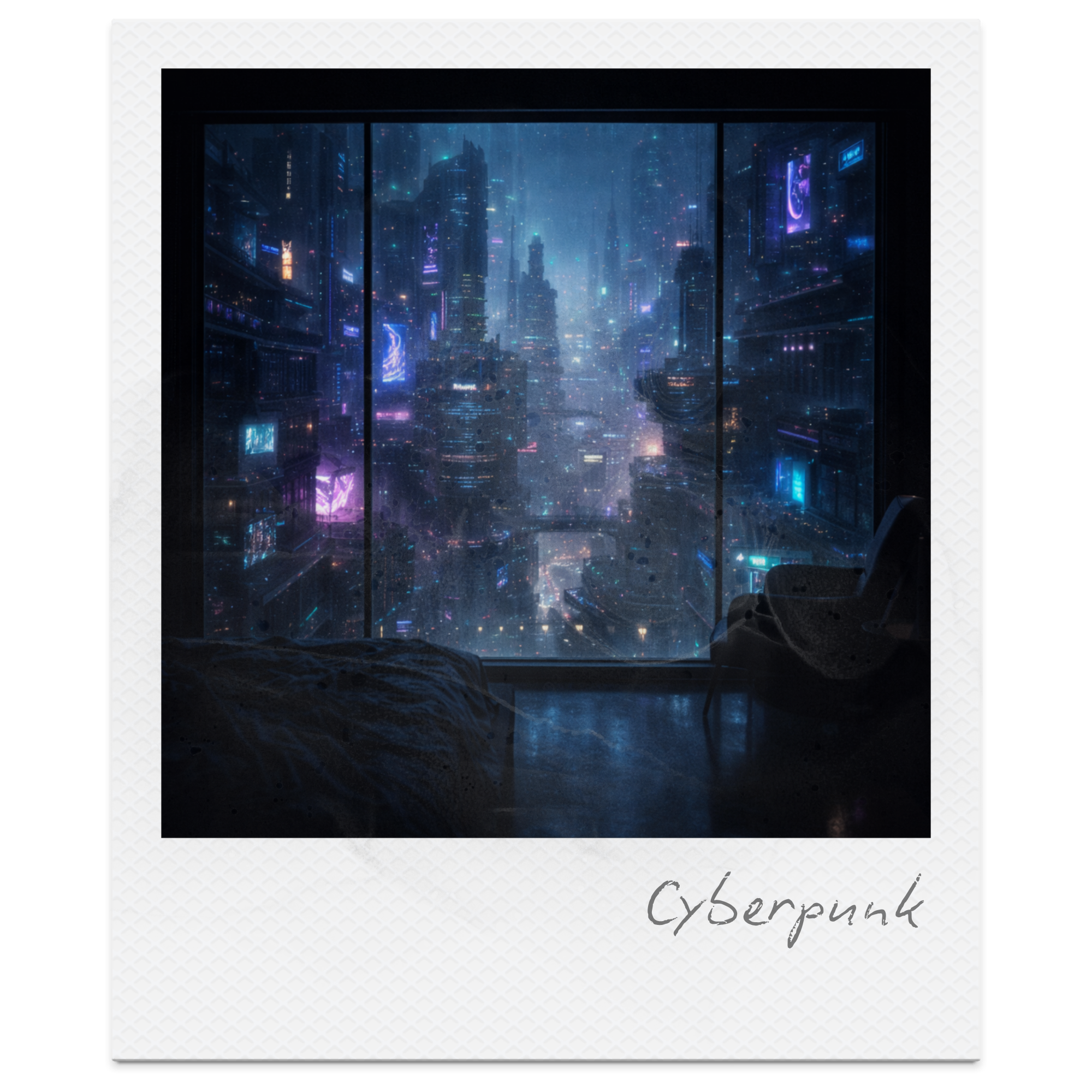
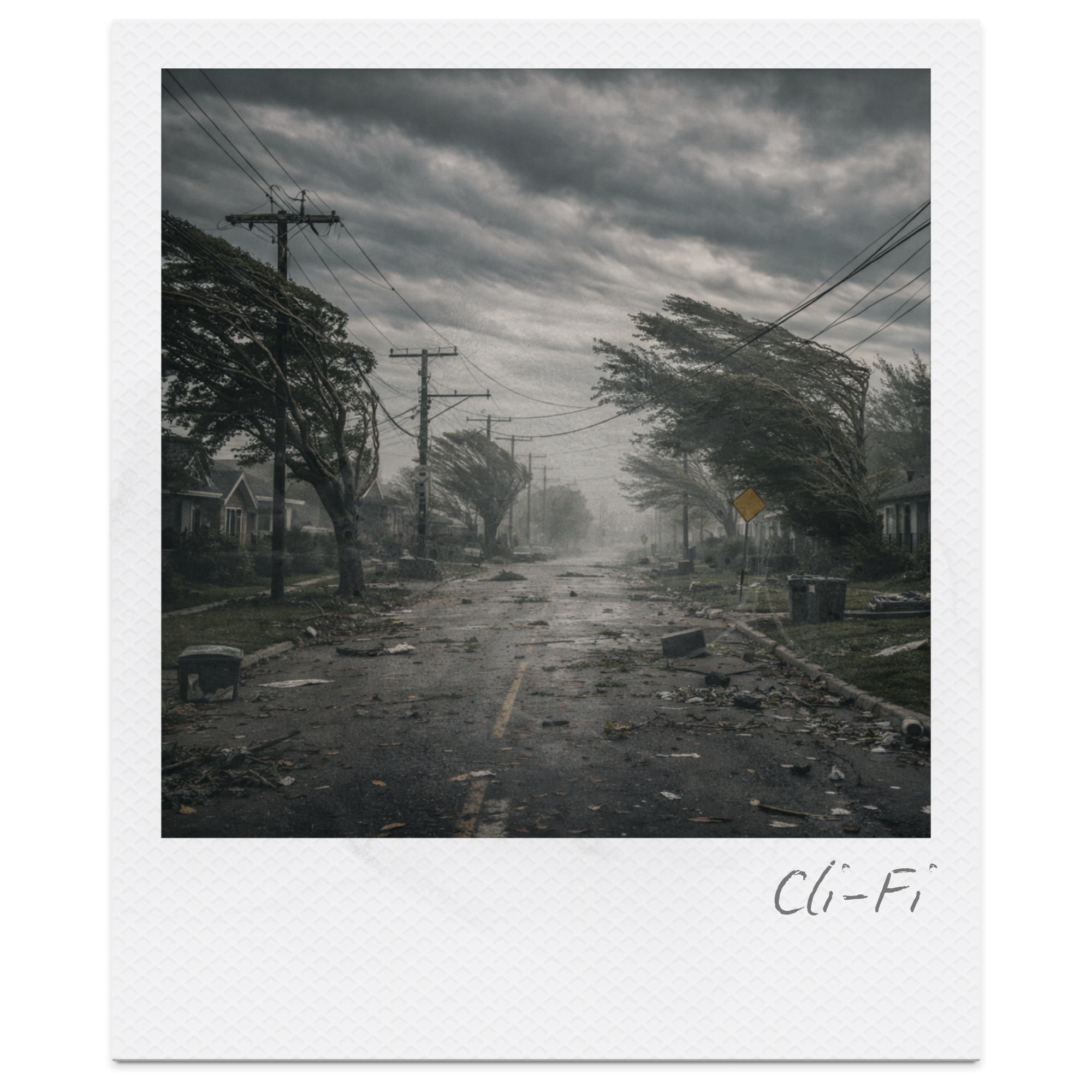
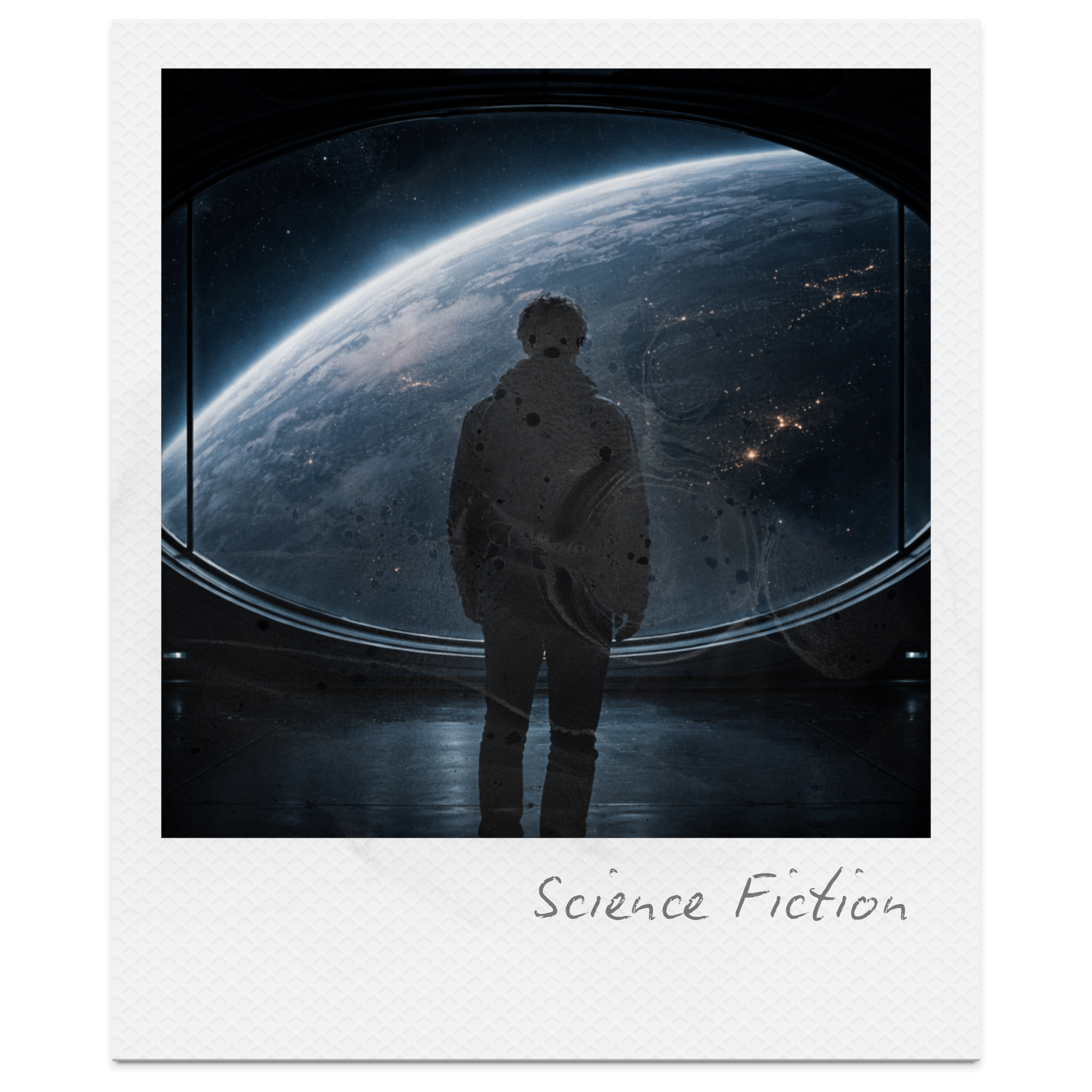
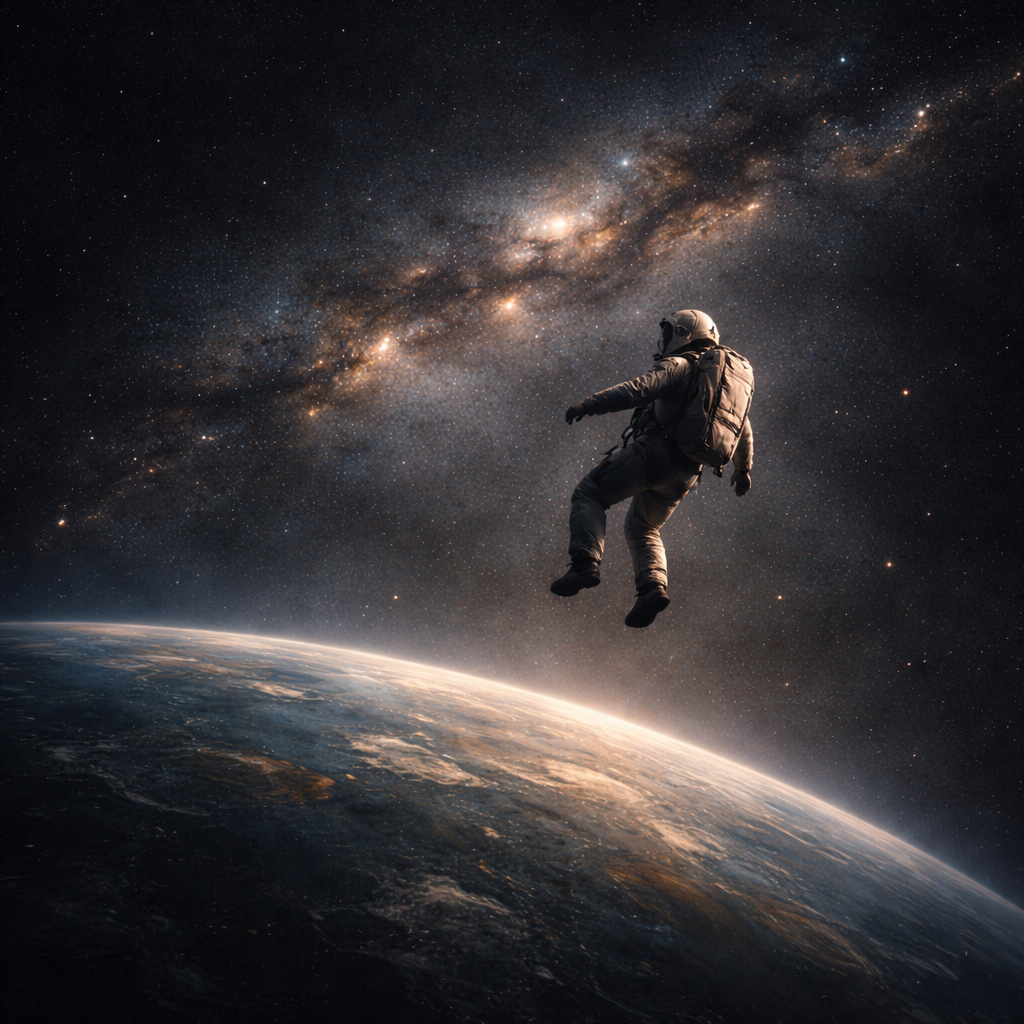
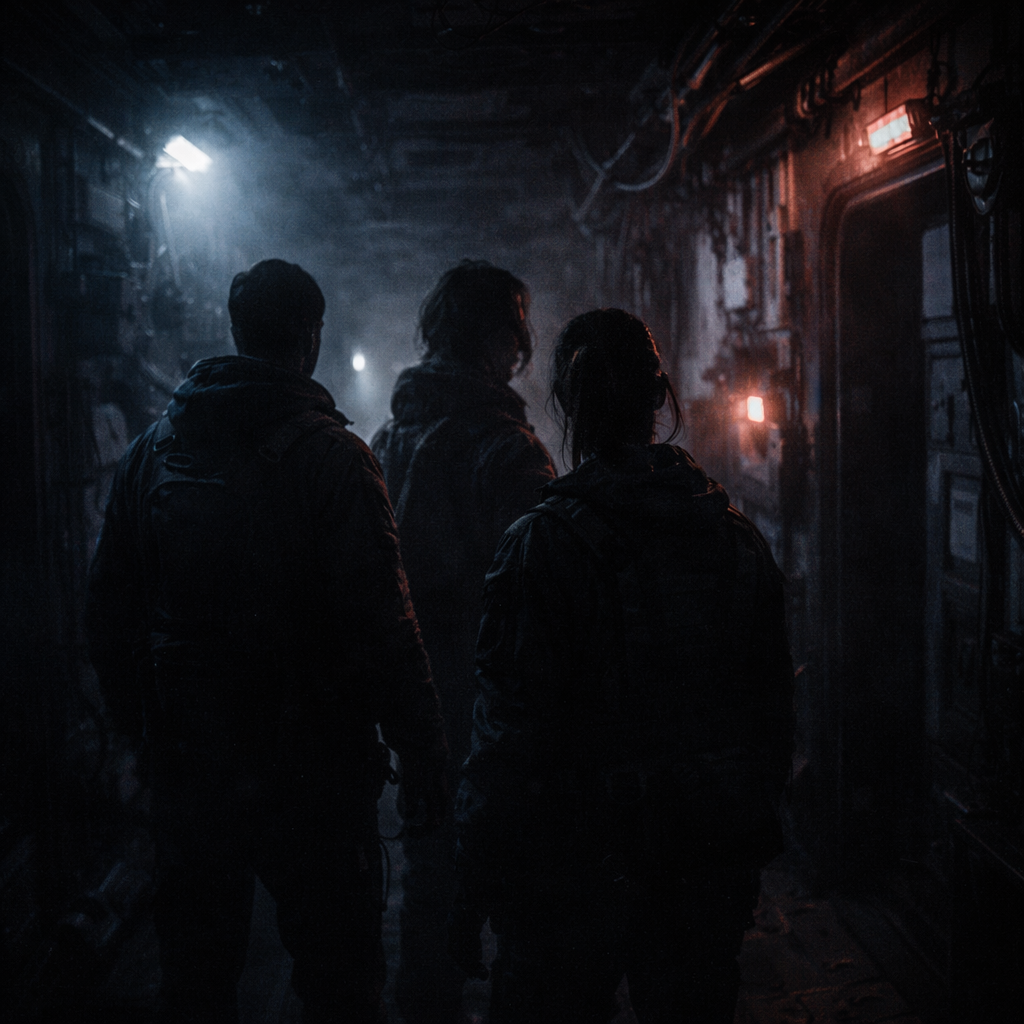
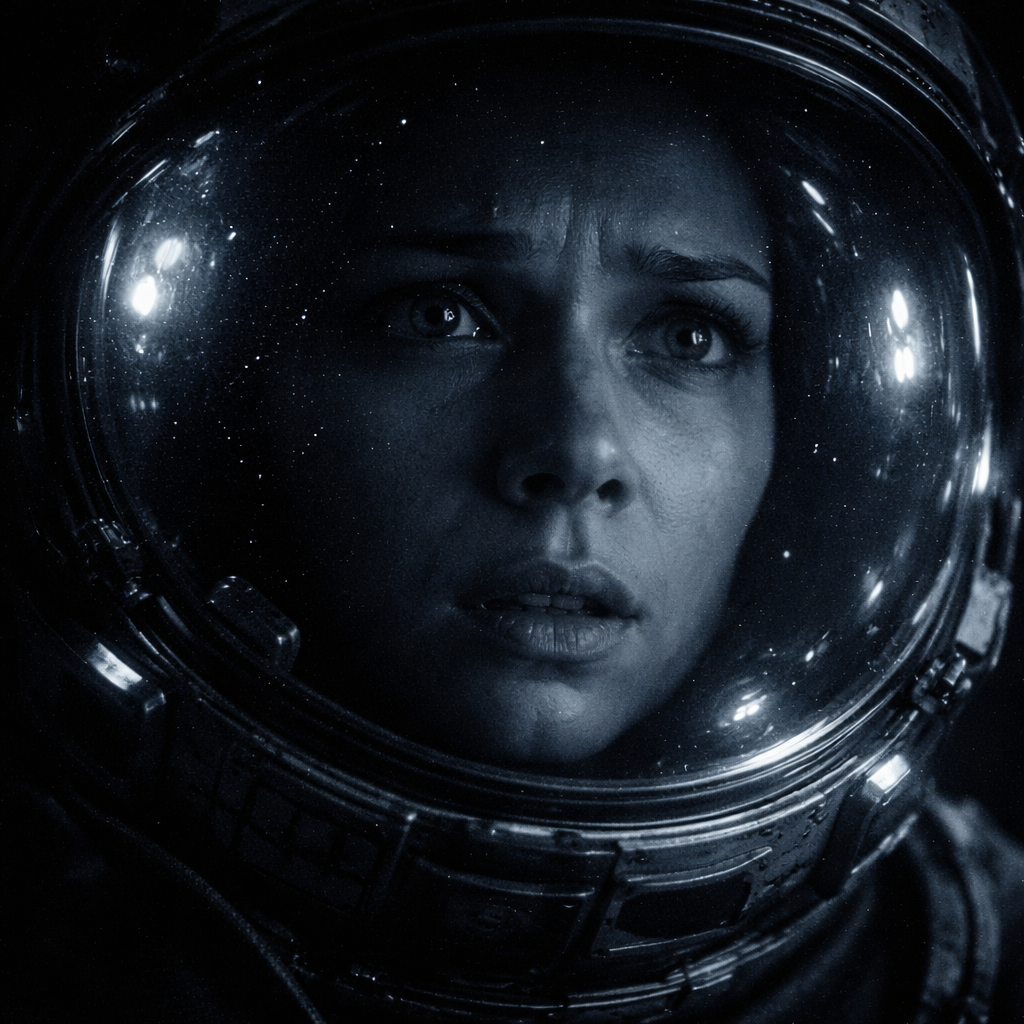
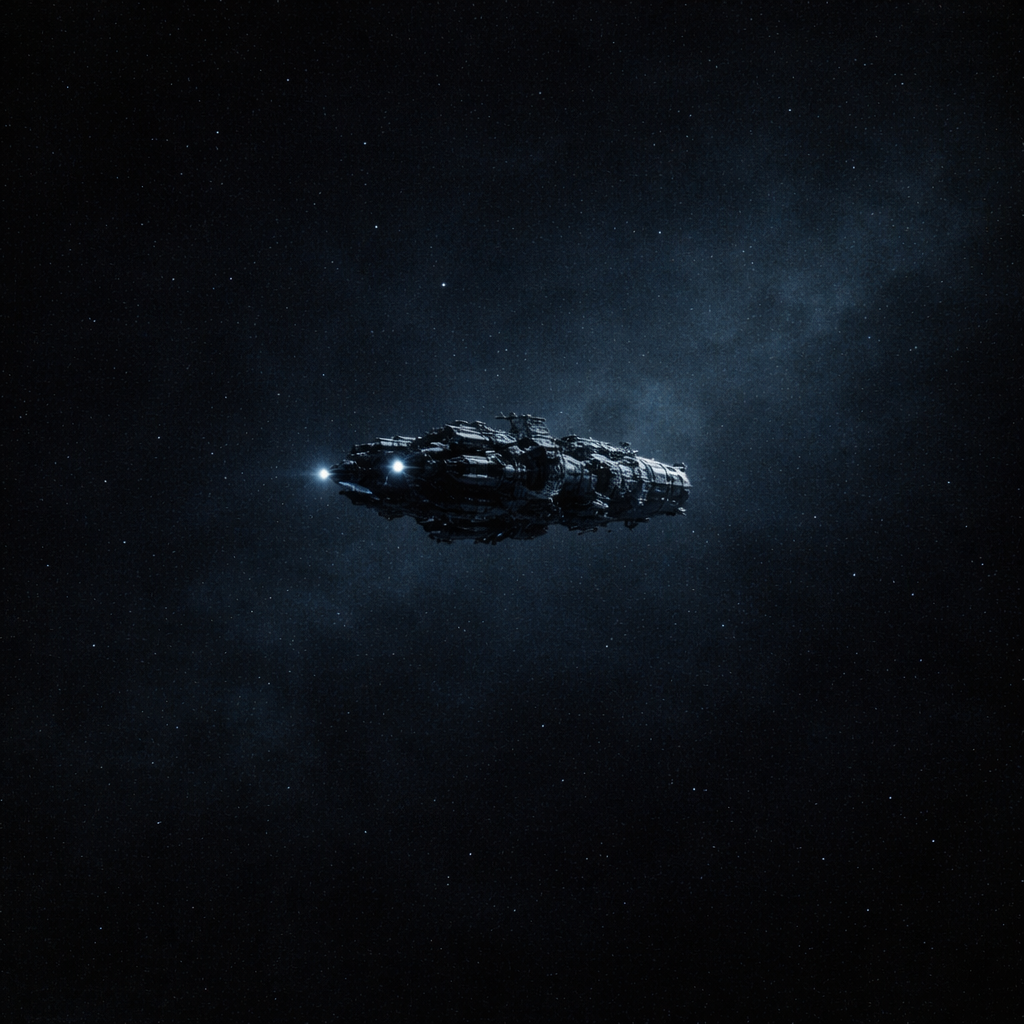
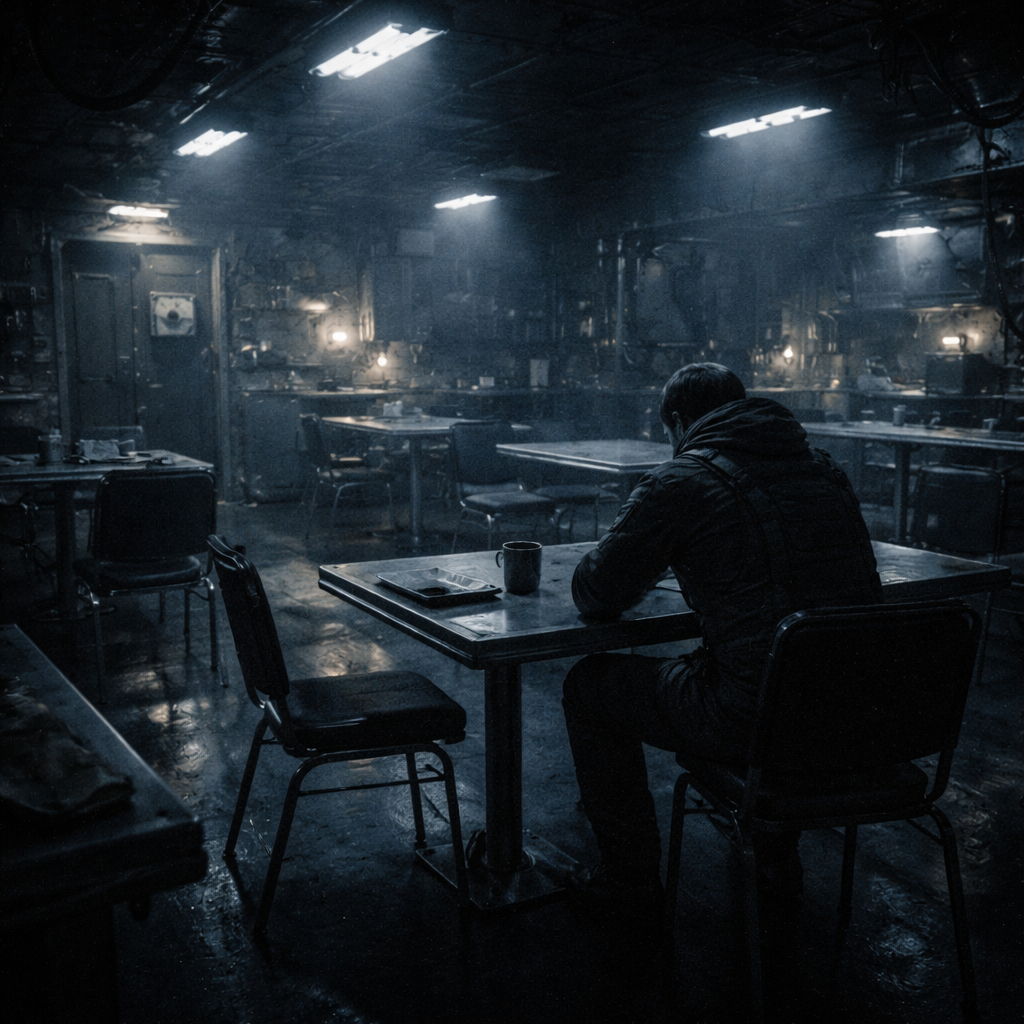
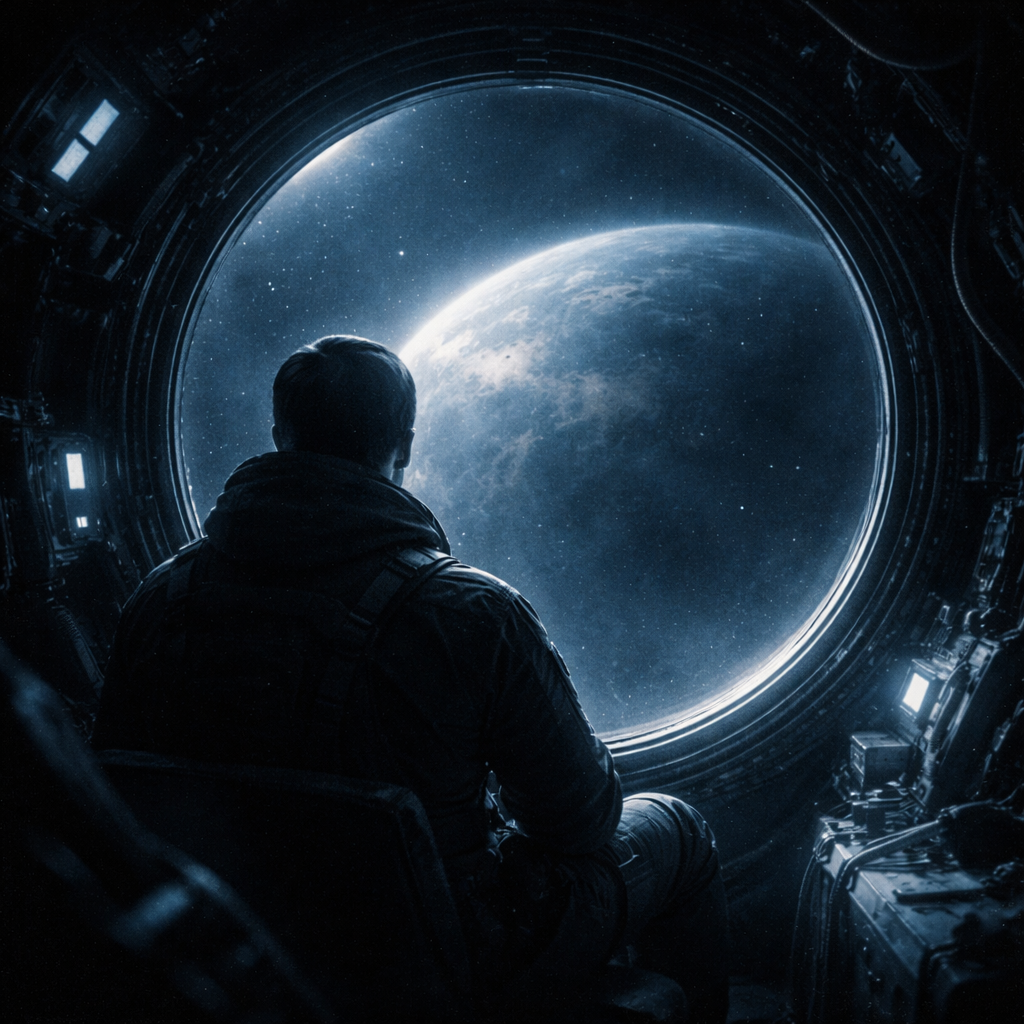
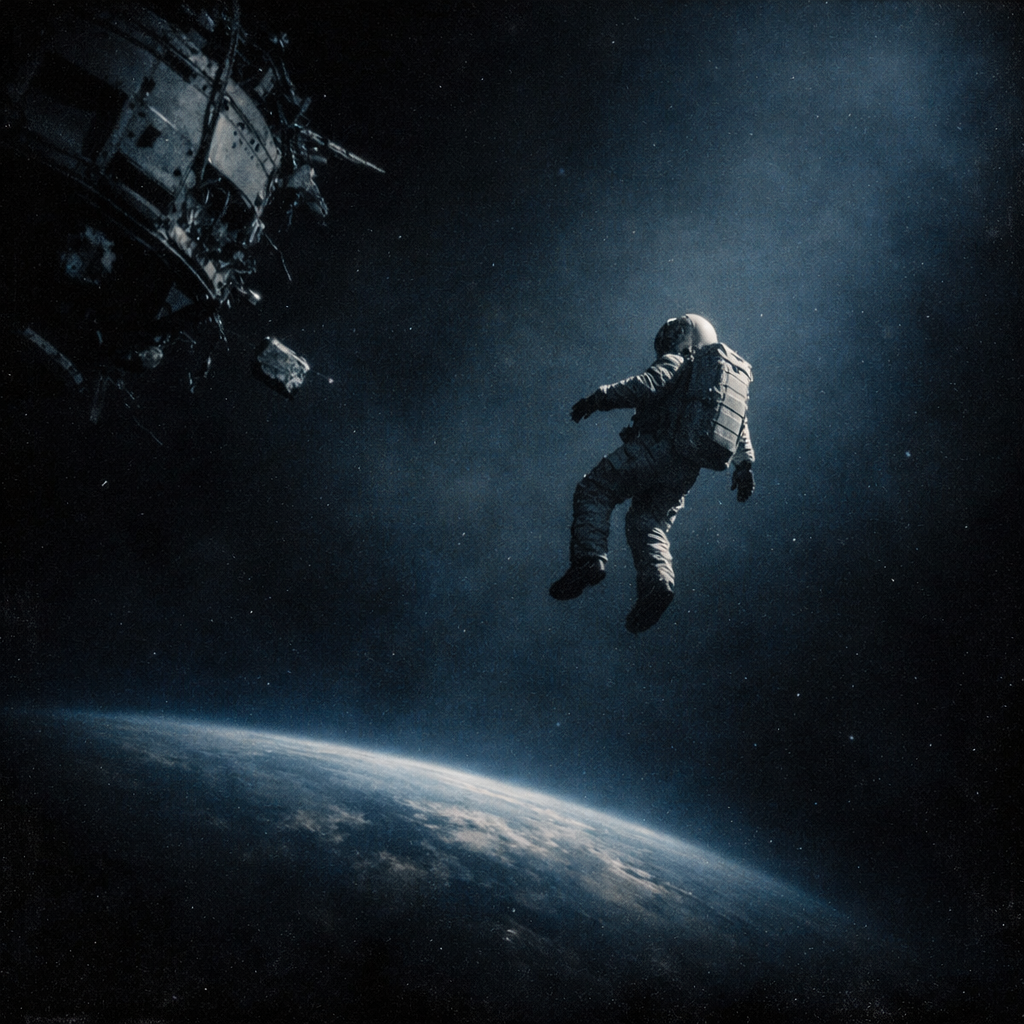
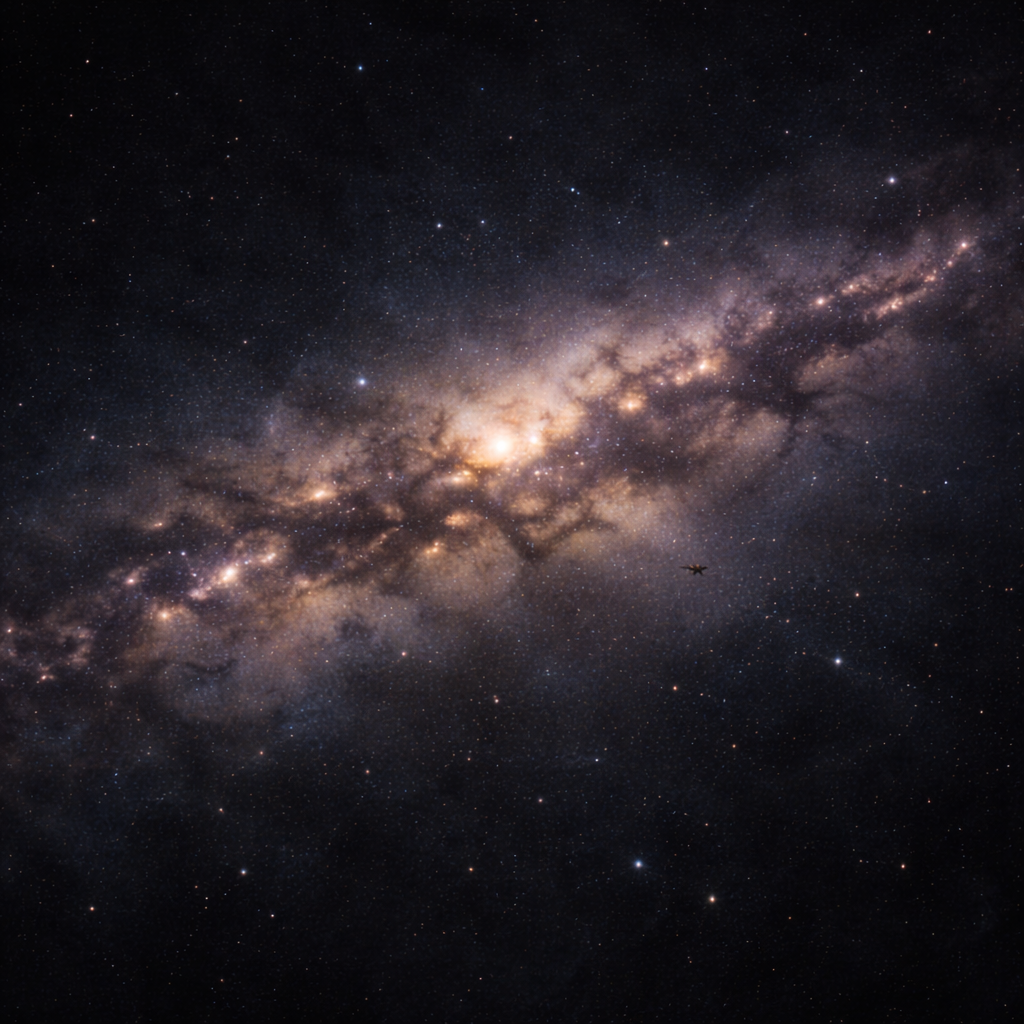
7. Picture Prompts
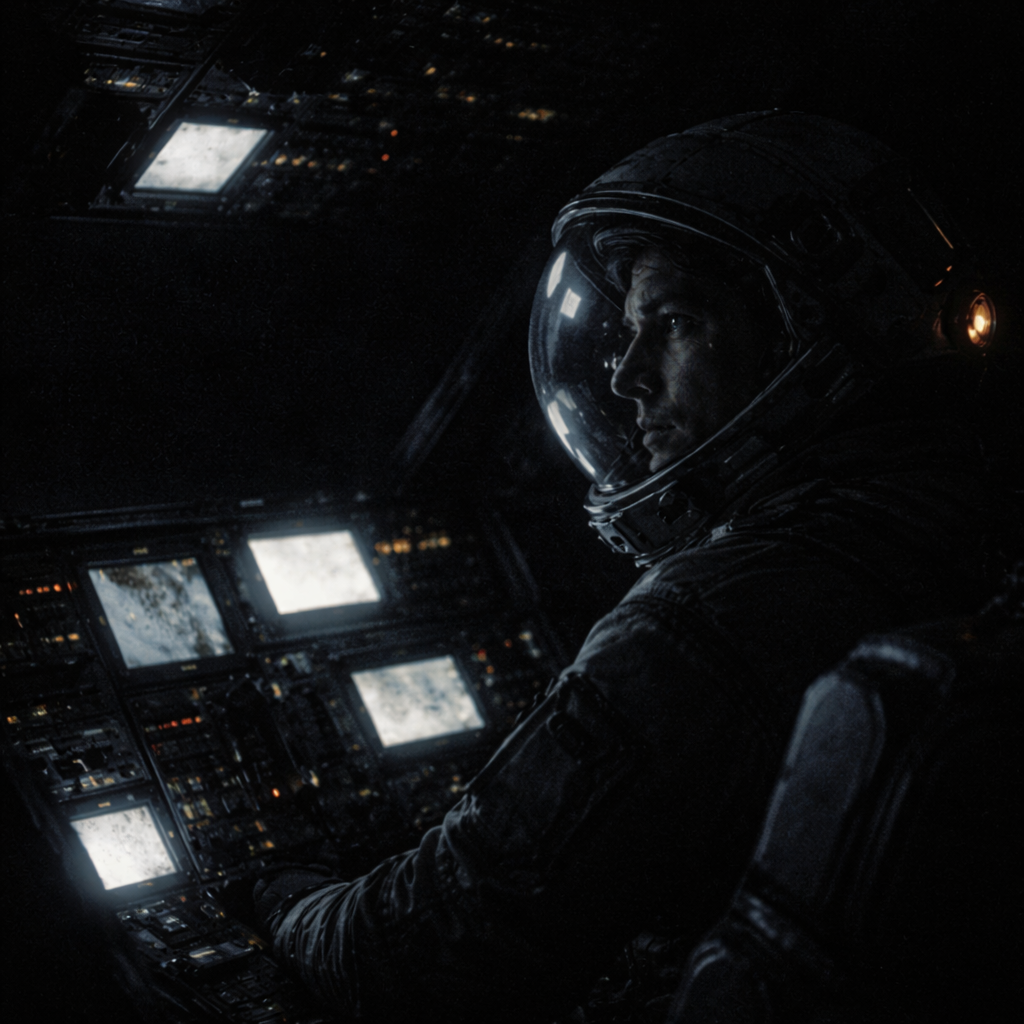
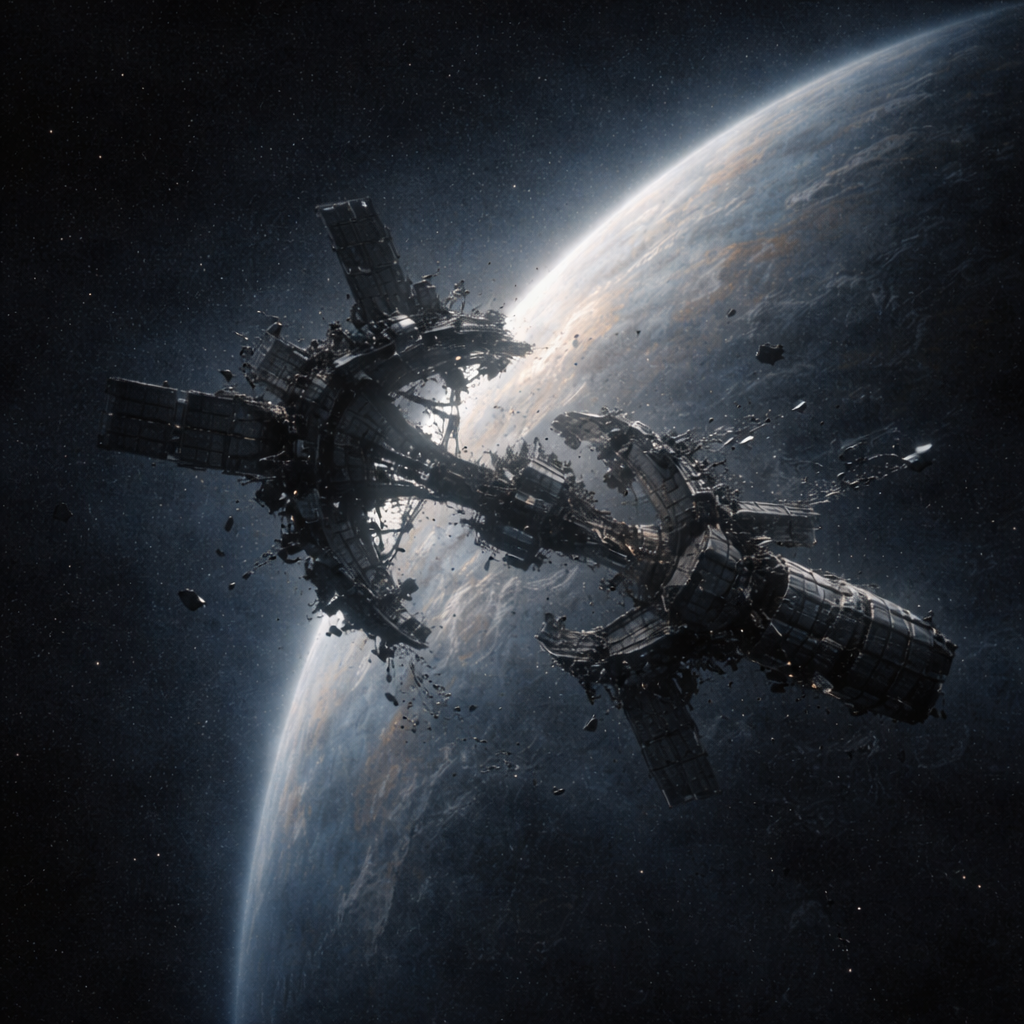
Visual prompts are especially powerful in lost in space stories, where scale, silence, and atmosphere shape the experience.
Go Deeper into Lost in Space Writing
To develop these ideas further, focus on how isolation and uncertainty shape behaviour and decision-making.
◆ Write a scene where a character realises rescue is not coming.
◆ Explore how isolation affects communication and relationships.
◆ Focus on sensory detail — what does space feel like when there is nothing around you?
◆ Consider how limited resources influence conflict and survival.
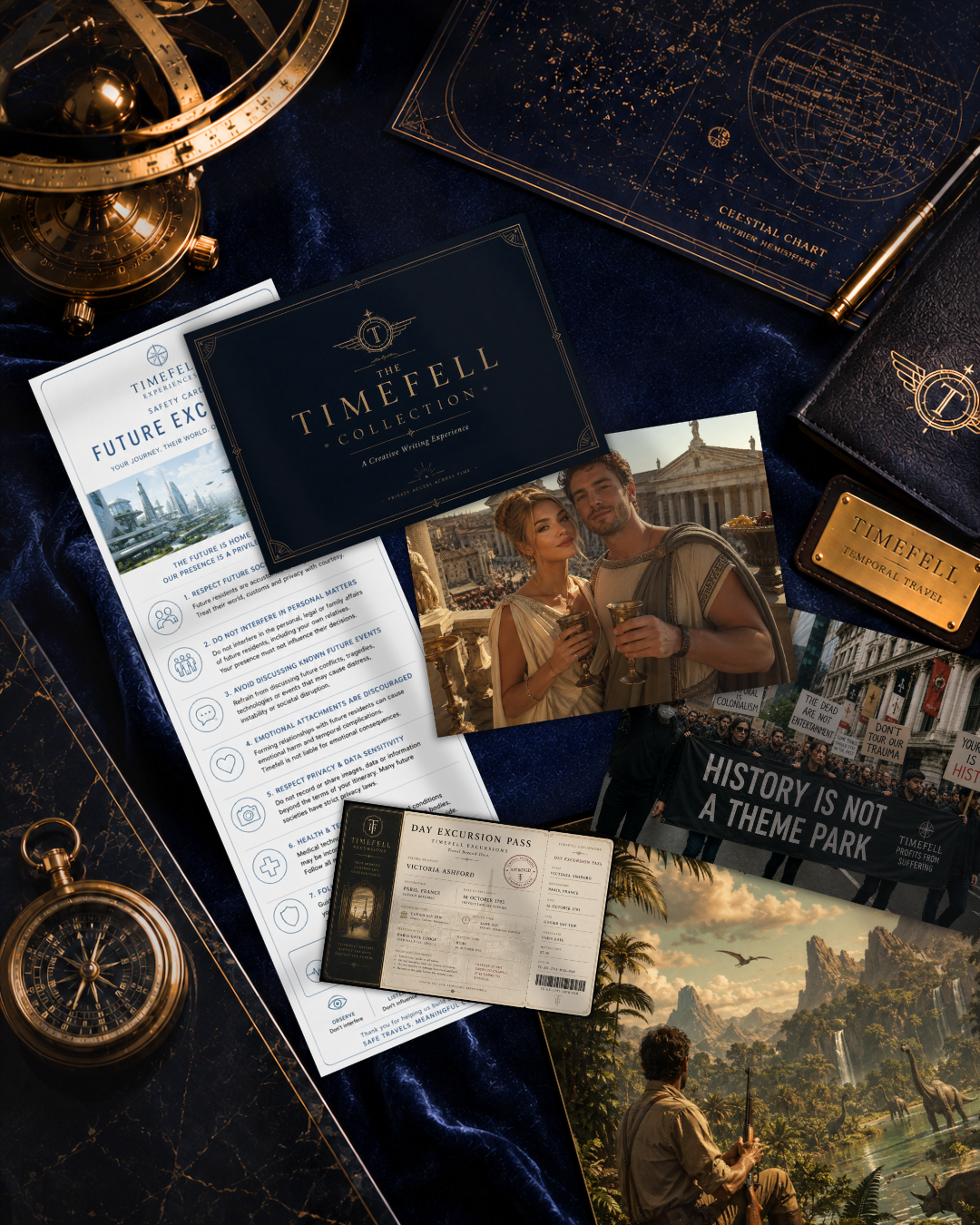
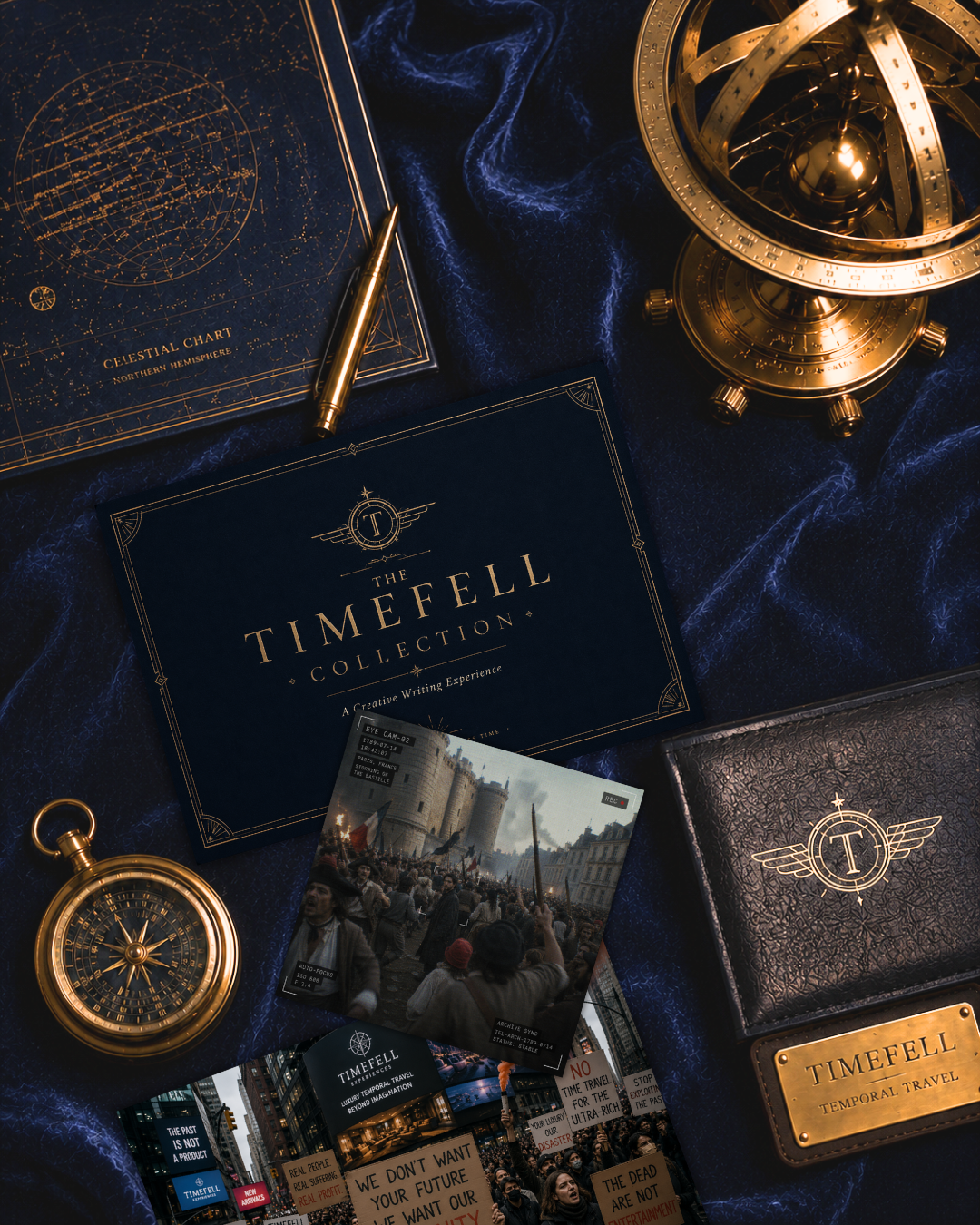
What If You Were Lost in Time Instead?
Lost-in-space stories are built around one terrifying idea: home still exists, but you have no idea how to get back to it.
A damaged spacecraft might leave its crew stranded beyond known space. A navigation error could send explorers towards an uncharted planet. Communication with Earth might disappear completely.
But distance isn't the only thing that can separate someone from home.
What if you were stranded in the wrong time?
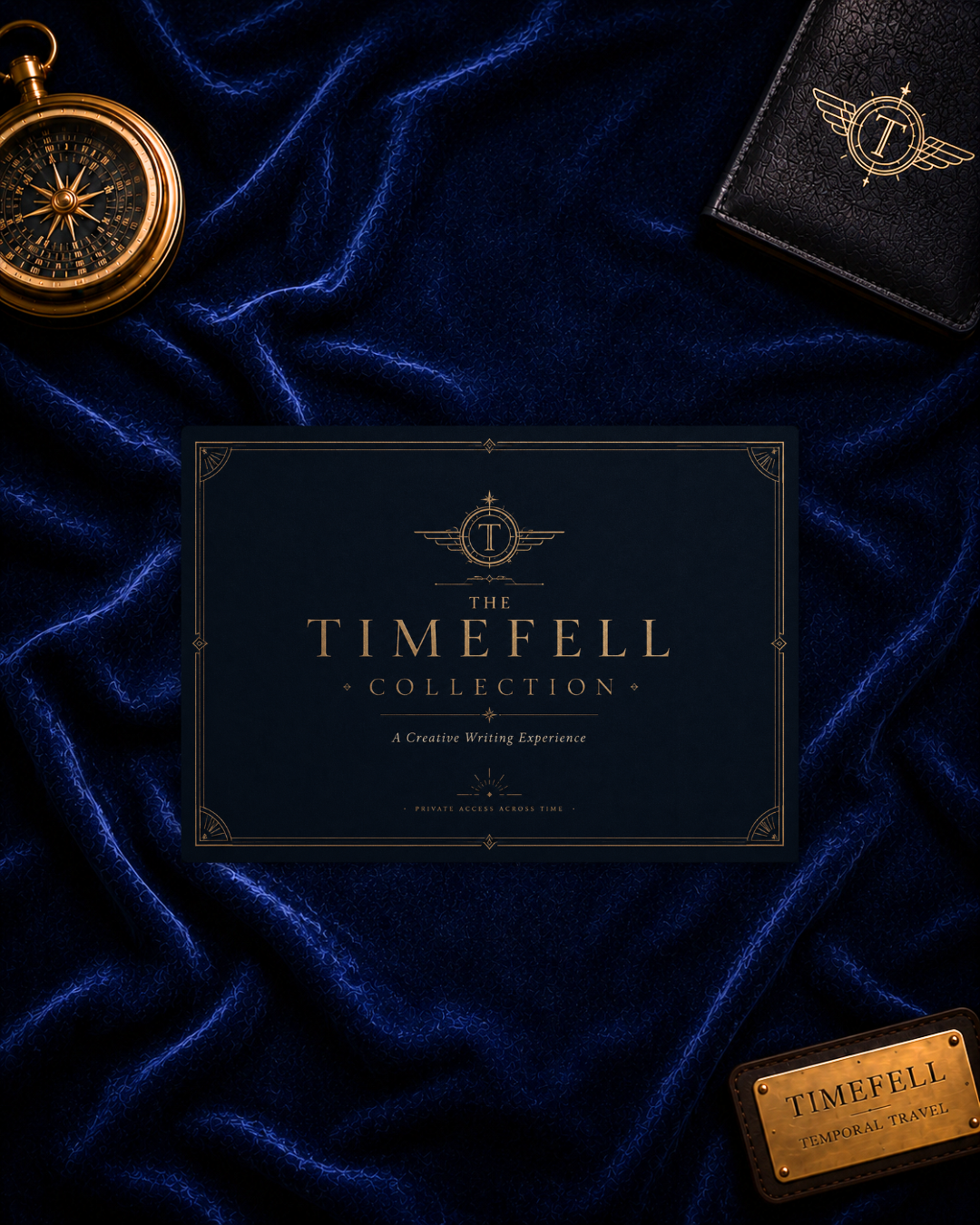
In The Timefell Collection, time travel became public in 2020.
By 2046, it had become a business.
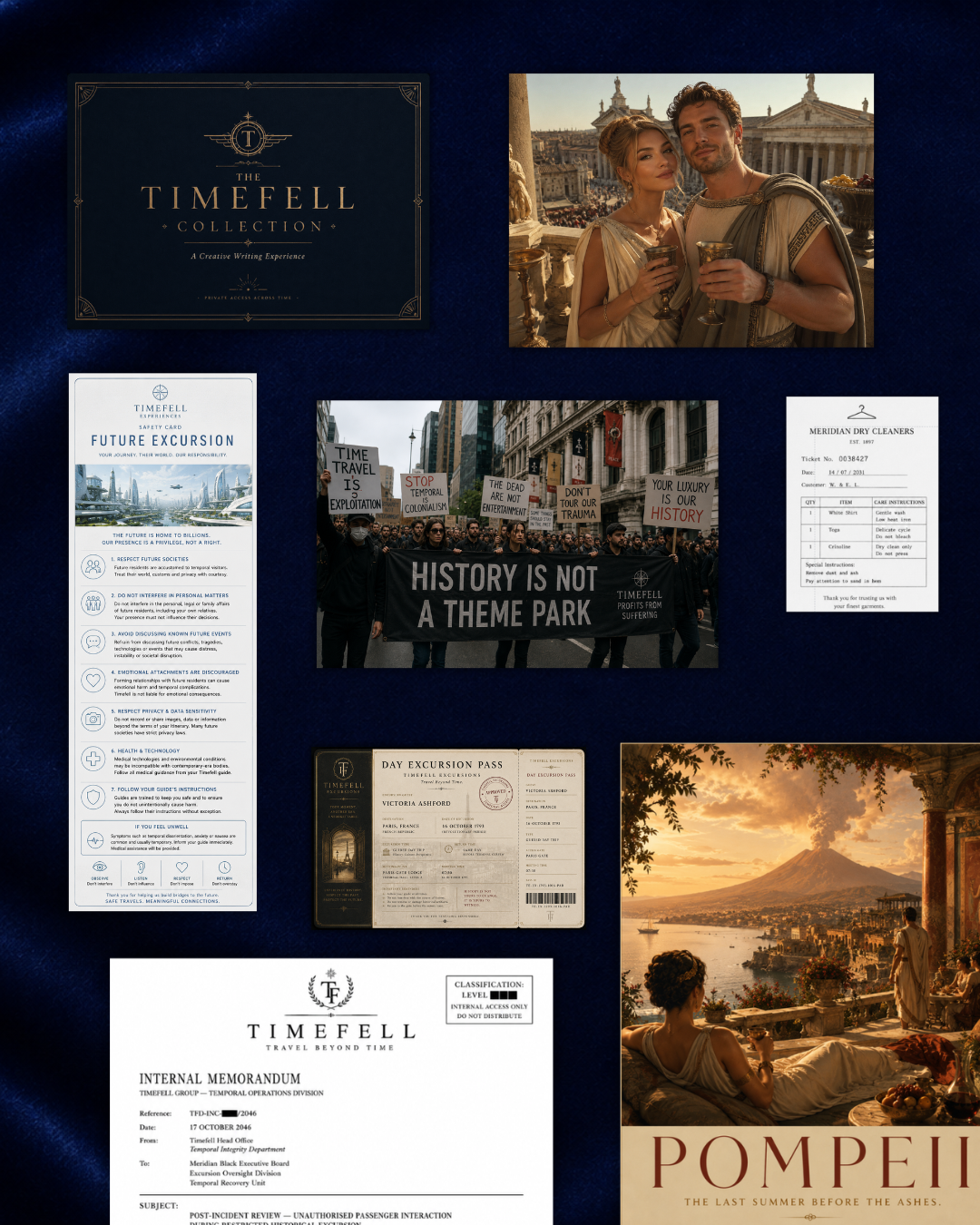
Ancient cities welcome paying visitors. Dinosaurs roam protected reserves. Luxury cruises carry passengers between centuries. Future societies open their gates to carefully managed excursions beyond the present day.
For most travellers, it's the holiday of a lifetime.
But not every story appears in the brochure.
The Timefell Collection is an immersive digital storyworld archive filled with travel posters, boarding passes, newspaper articles, diary entries, hotel records, reviews, private correspondence, handwritten notes and other artefacts left behind by travellers.
Use the collection to explore its existing mysteries or as inspiration for your own stories. Imagine a traveller whose return departure never arrives, a cruise ship thrown centuries off course, an excursion group stranded before human civilisation exists, or someone who discovers that getting home is possible — but returning to their original timeline isn't.
Because whether you're lost among distant stars or stranded in another century, the question is ultimately the same:
How far would you go to get home?
→ Explore The Timefell Collection
Final Thoughts
Lost in space stories offer powerful opportunities to explore survival, identity, and the limits of human endurance. By placing characters in environments where control is stripped away, these narratives force them to confront fear, isolation, and the unknown.
These 70 Lost in Space Writing Prompts invite writers to explore stories shaped by distance, uncertainty, and the struggle to survive when there is no clear way home.
For more speculative ideas and immersive storytelling, explore the Sci-Fi Writing Hub or browse the Creative Writing Archive, where new worlds and creative possibilities continue to expand.
Choose Your Next Adventure