Notes from the Inkpot
Writing, teaching, creating - one ink-stained idea at a time.


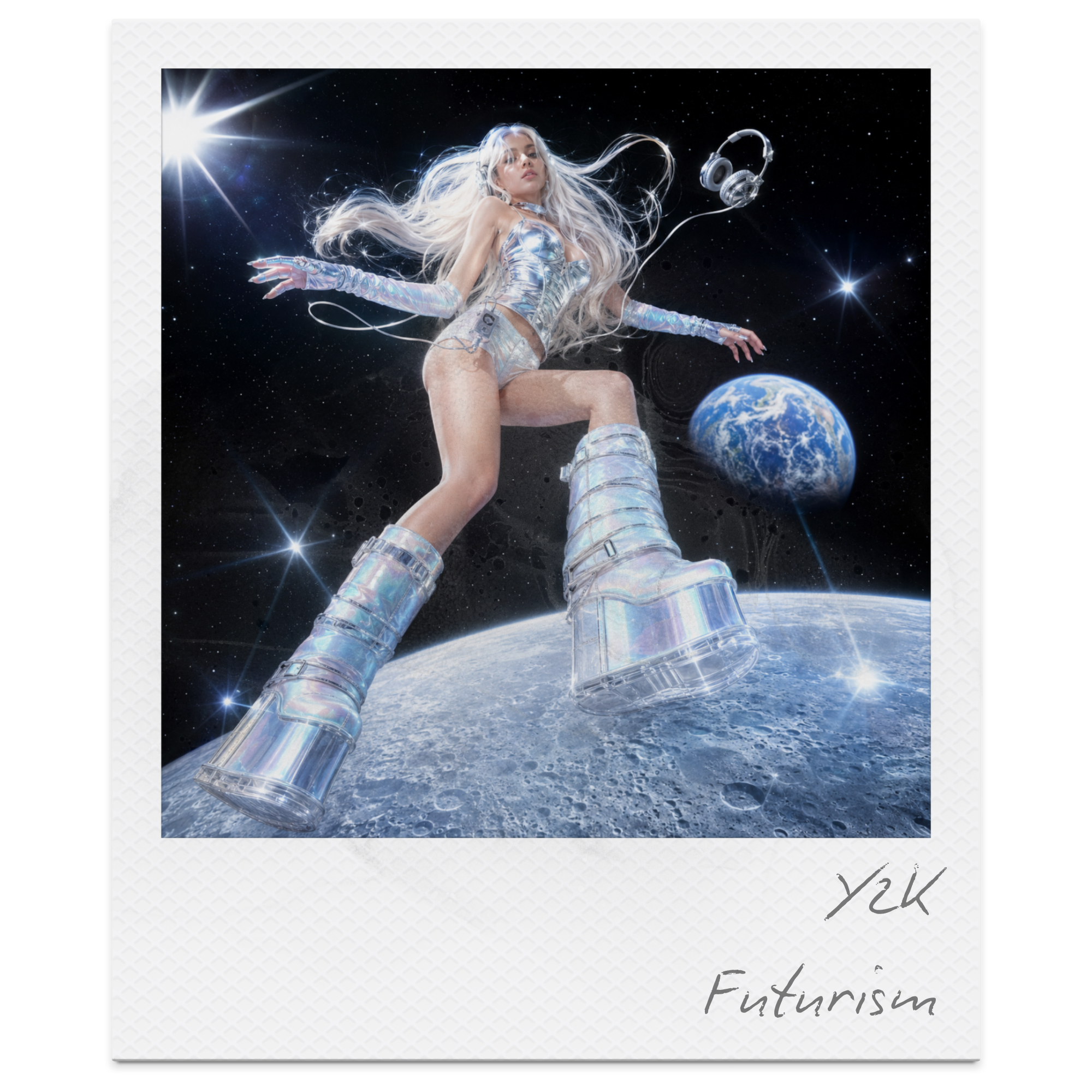
70 Y2K Futurism Writing Prompts: Retro-Digital Sci-Fi Worlds
Explore 70 Y2K Futurism Writing Prompts inspired by retro-digital futures, chrome technology, virtual worlds, cyber cafés and turn-of-the-millennium visions of tomorrow. Discover plot ideas, story titles, opening and closing lines, characters, settings and picture prompts for nostalgic yet imaginative science-fiction stories.
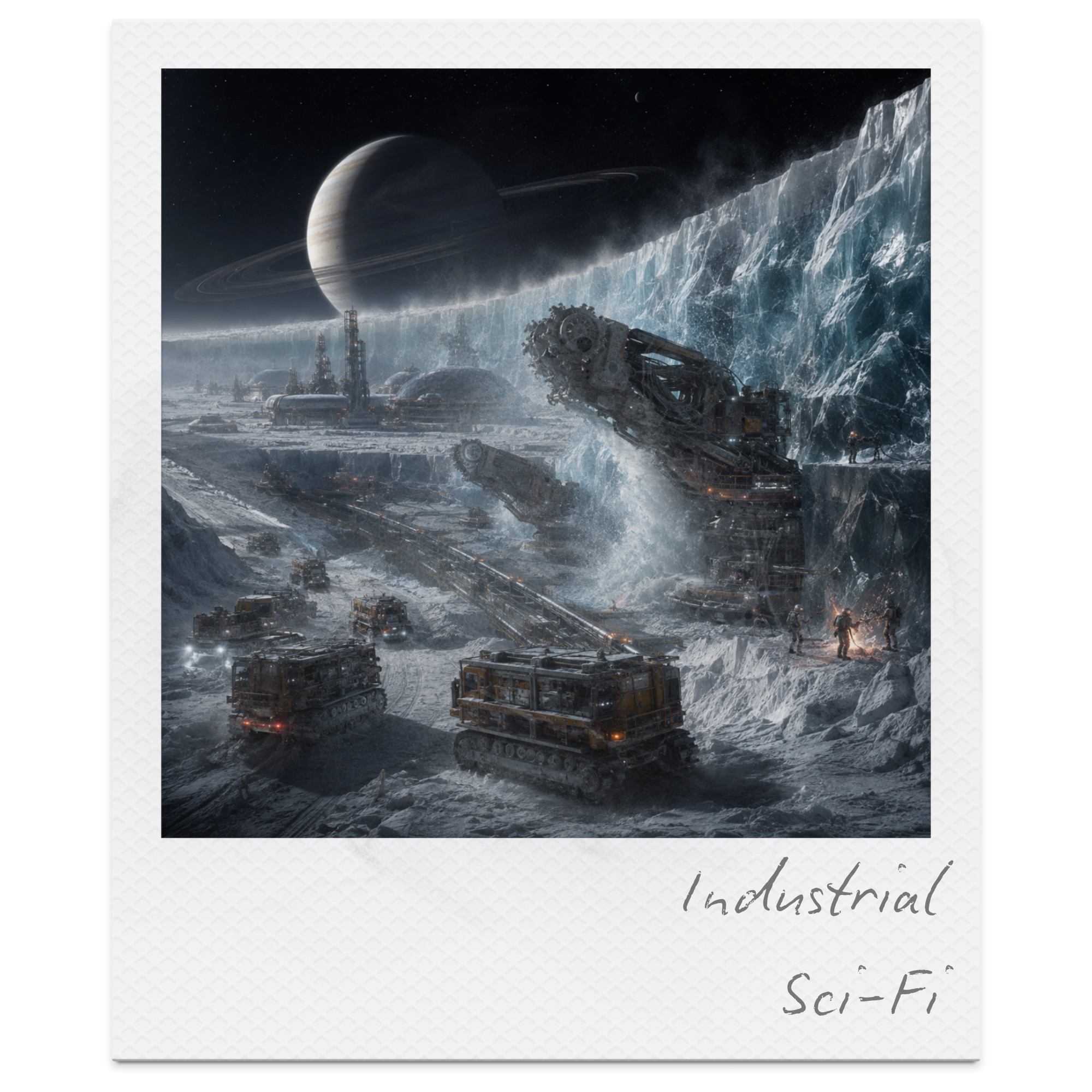
70 Industrial Sci-Fi Writing Prompts: Factories, Machines & Future Worlds
Explore 70 Industrial Sci-Fi Writing Prompts filled with colossal factories, orbital shipyards, mining colonies, refineries, heavy machinery and working-class futures. Discover plot ideas, story titles, opening and closing lines, characters, settings and picture prompts for building gritty, atmospheric and extraordinary science-fiction worlds.
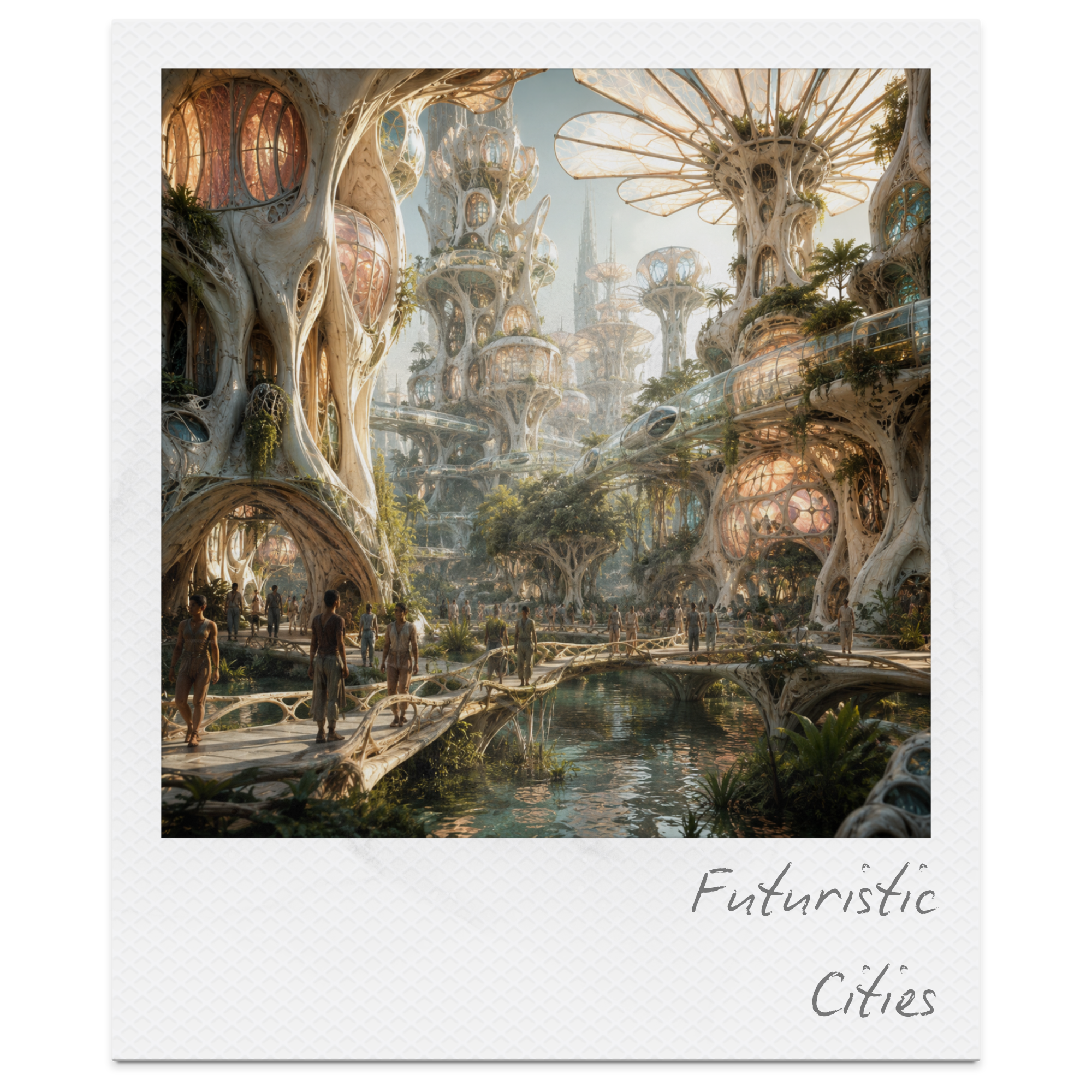
70 Futuristic City Writing Prompts: Sci-Fi Cities, Worlds & Stories
Explore 70 Futuristic City Writing Prompts filled with vertical megacities, floating settlements, AI-controlled capitals, orbital worlds and climate-adapted cities. Discover plot ideas, story titles, opening and closing lines, characters, settings and picture prompts for building extraordinary science-fiction cities.
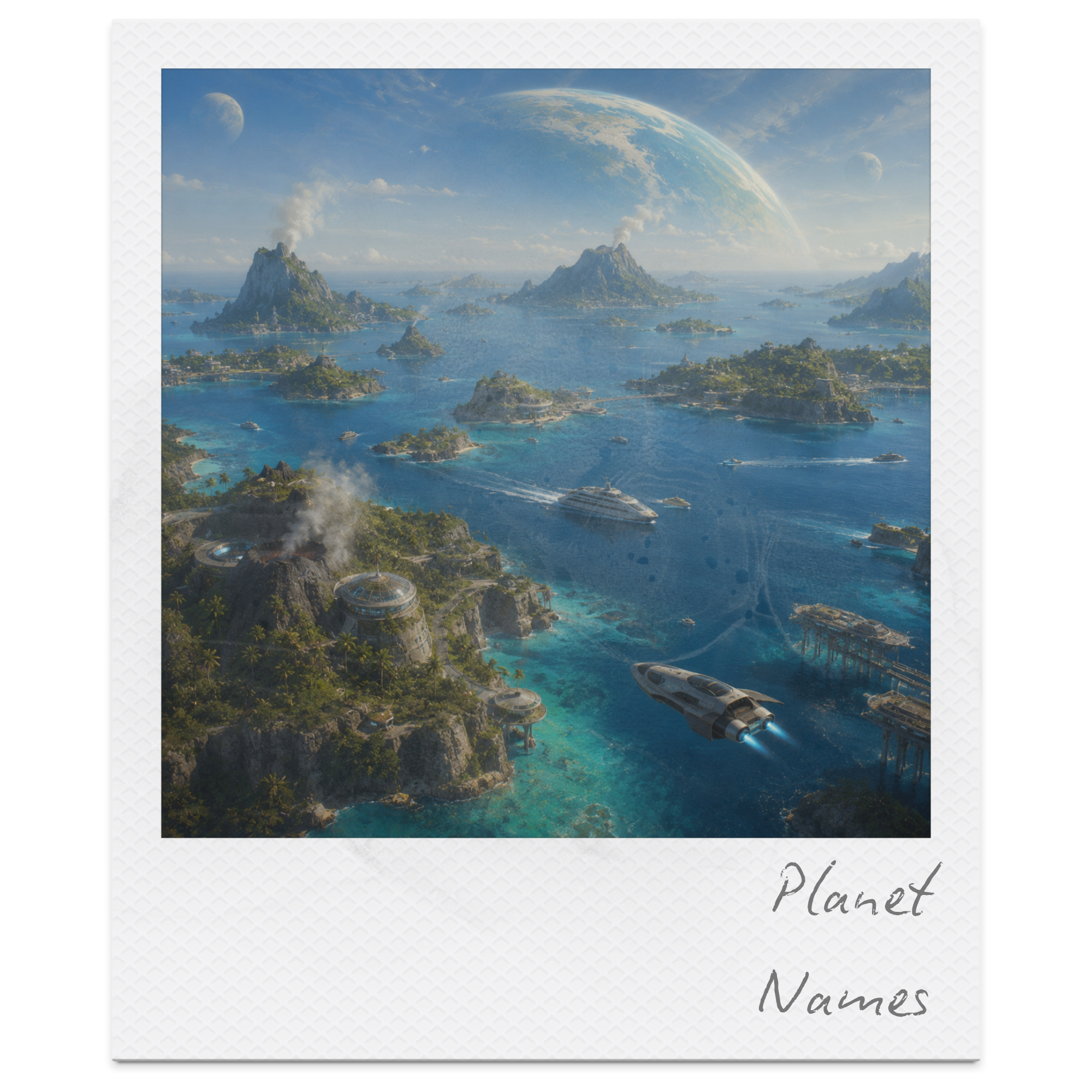
100 Planet Names for Your Next Sci-Fi Story (With Story Ideas)
Discover 100 Planet Names for Your Next Sci-Fi Story, each complete with a unique world, detailed description, and story inspiration. From thriving Earth-like colonies and mysterious alien worlds to frozen frontiers, ocean planets, volcanic landscapes, and advanced galactic capitals, these imaginative settings will help you build unforgettable science fiction worlds for novels, short stories, role-playing games, and creative writing projects.
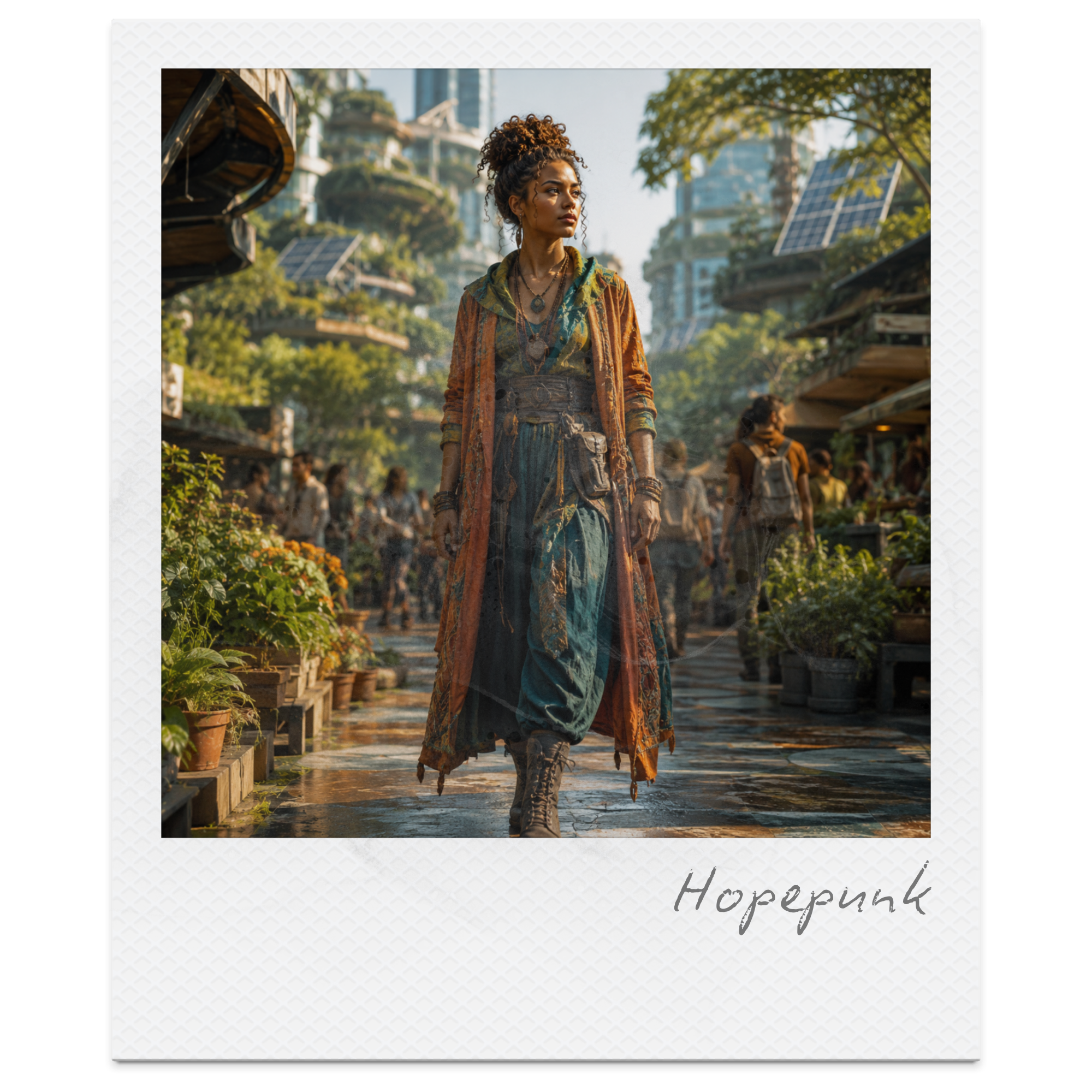
70 Hopepunk Writing Prompts: Inspiring Stories of Hope, Kindness & Rebuilding the Future
Discover 70 Hopepunk Writing Prompts designed to inspire uplifting speculative fiction filled with resilience, community, and hope. Explore plot hooks, title ideas, opening lines, characters, settings, and cinematic picture prompts that celebrate rebuilding, environmental restoration, peaceful resistance, found families, and ordinary people creating extraordinary futures through kindness, courage, and cooperation.
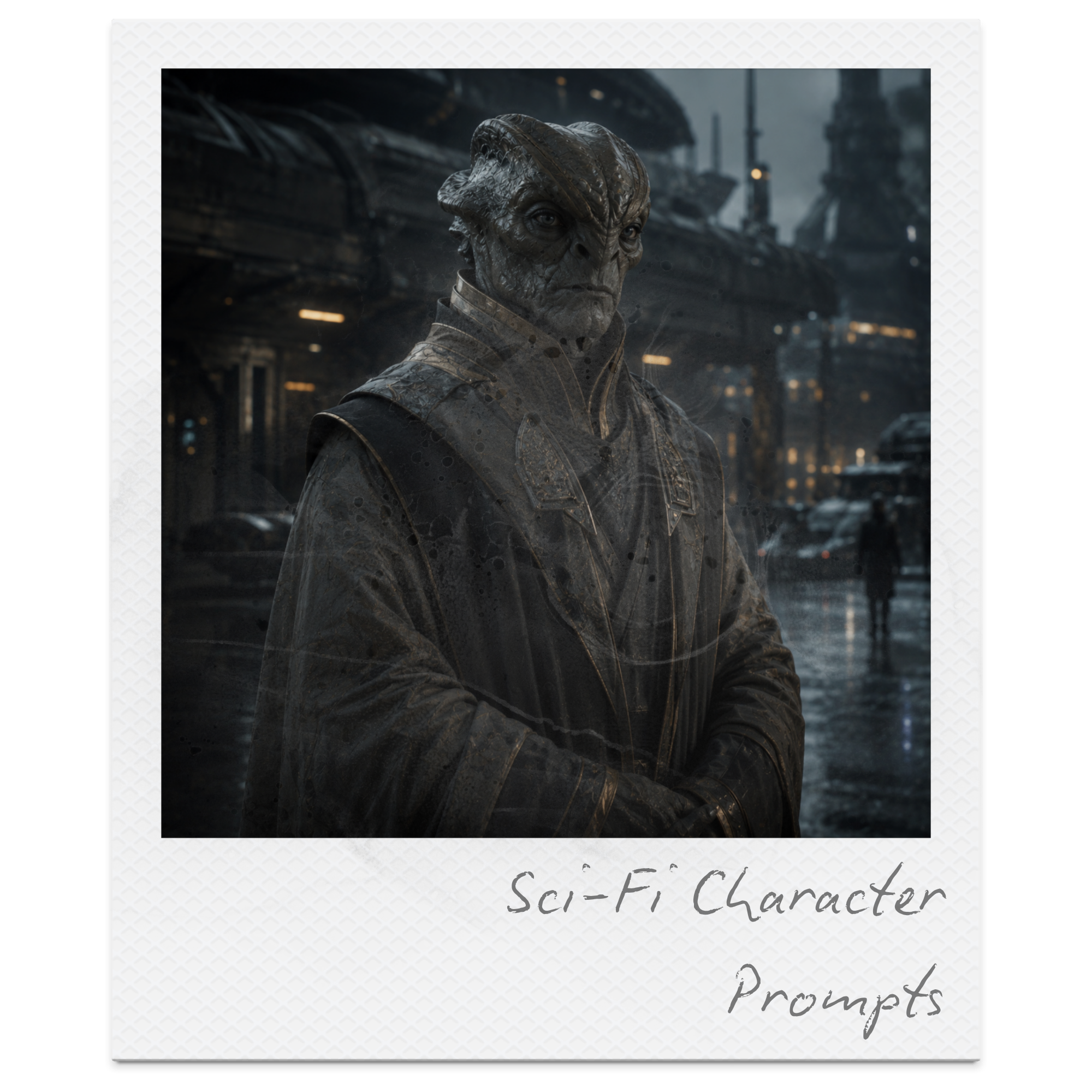
50 Sci-Fi Character Prompts: Androids, Explorers, Aliens & Future Worlds
Science fiction is filled with unforgettable characters. From starship captains and colony settlers to rogue artificial intelligences, alien diplomats, cybernetic engineers, and explorers venturing beyond the known universe, sci-fi stories often ask how people adapt when technology, discovery, and change push society into the unknown. This collection of 50 Sci-Fi Character Prompts explores astronauts, scientists, rebels, inventors, explorers, and visionaries navigating distant worlds, advanced technologies, first contact, and impossible futures. Whether you're developing a protagonist for a novel, building a roleplaying character, planning a classroom activity, or looking for your next writing challenge, these prompts will help you create memorable characters ready to step into the future.
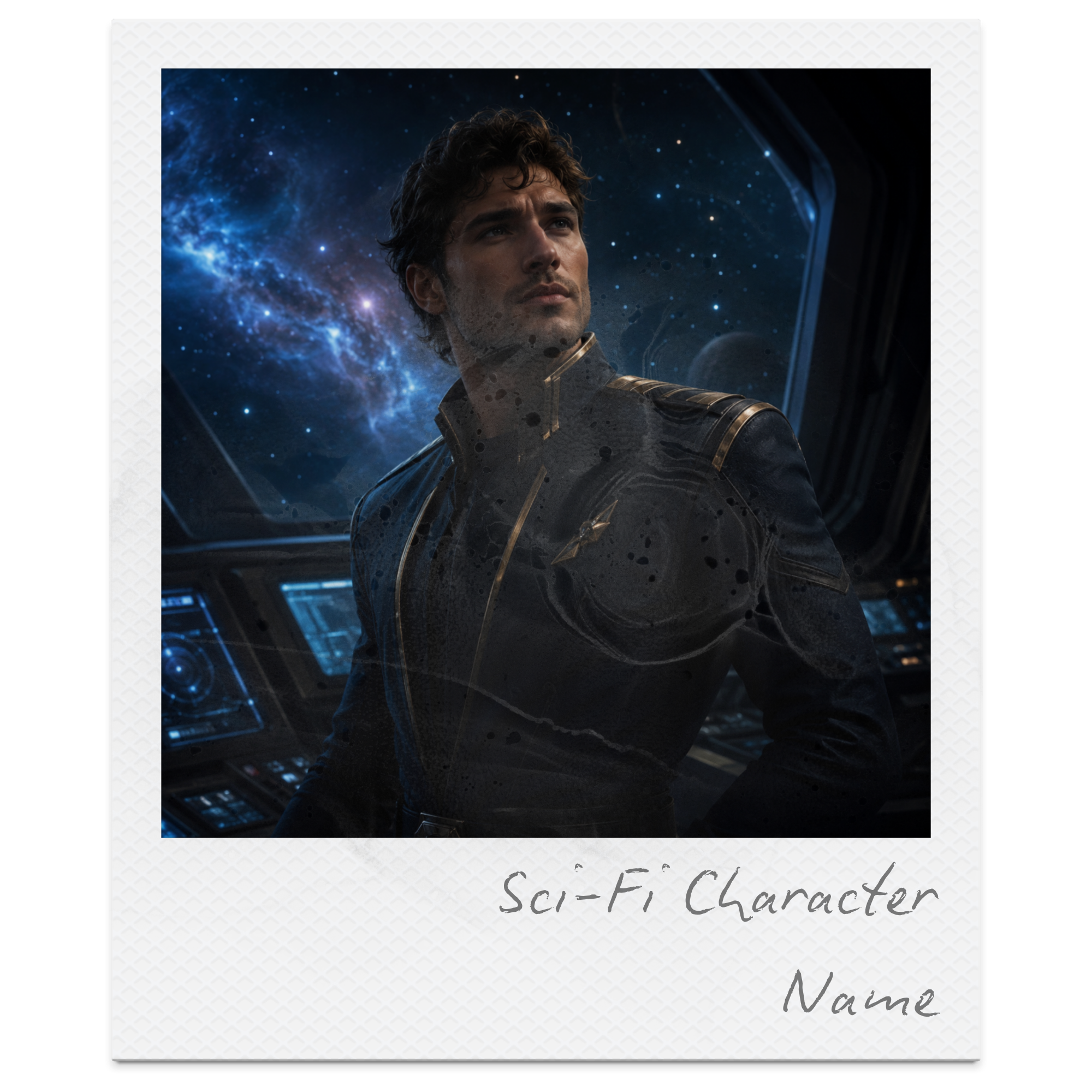
100 Sci-Fi Character Names for Stories, Games and Worldbuilding
Discover 100 sci-fi character names for explorers, scientists, rebels, hackers, artificial intelligences, corporate leaders, soldiers, and alien travellers. Whether you're writing a space opera, cyberpunk thriller, dystopian novel, or first-contact adventure, these futuristic names will help bring your science-fiction characters and worlds to life.
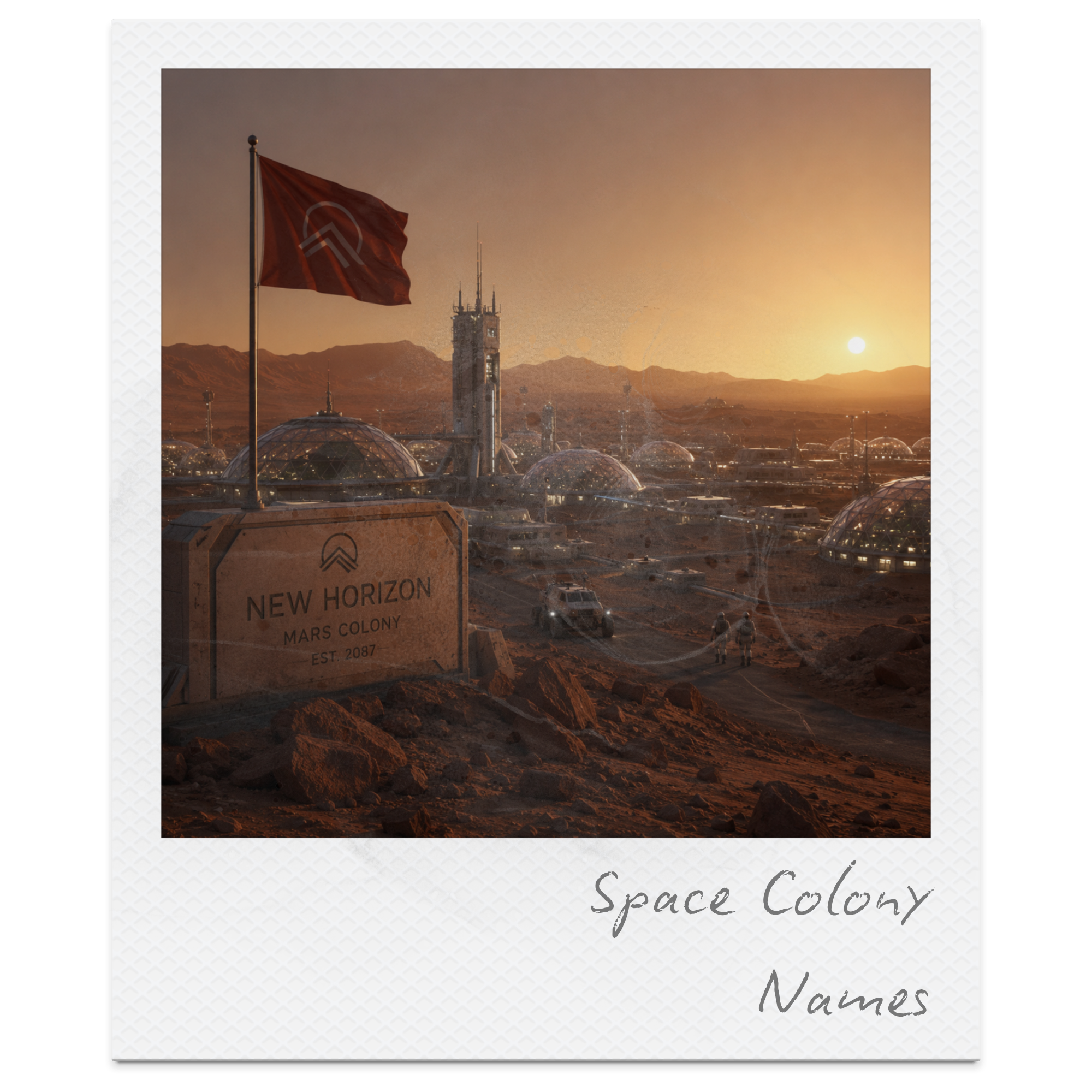
100 Space Colony Names (With Meanings, Atmosphere & Story Ideas)
Discover 100 space colony names complete with atmosphere, symbolism, and story ideas. Explore Mars settlements, orbital cities, mining colonies, research outposts, terraforming projects, luxury habitats, deep-space stations, and lost colonies perfect for science fiction worldbuilding and storytelling.
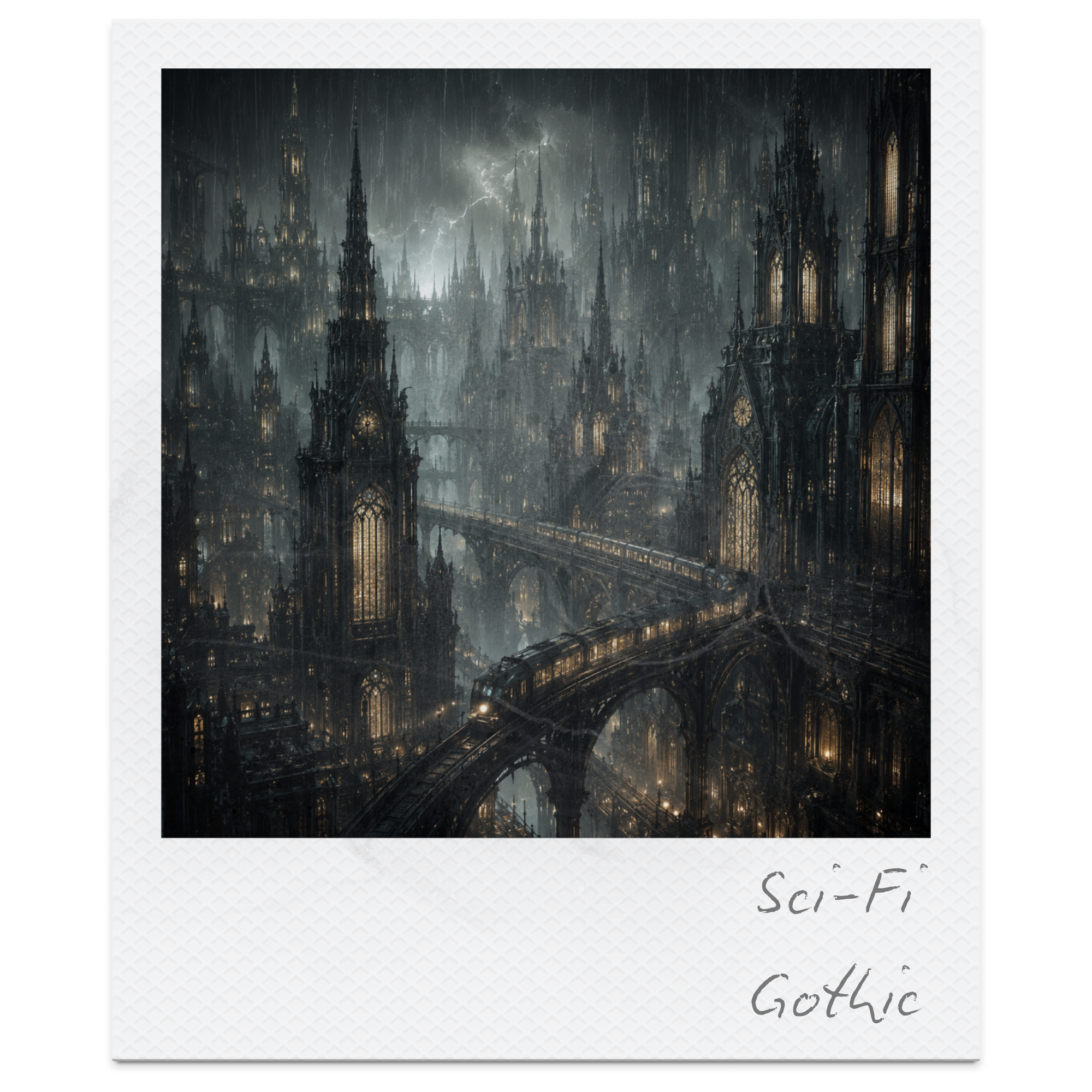
70 Sci-Fi Gothic Writing Prompts: Cosmic Cathedrals, Sacred Technology & Ruined Futures
Science fiction gothic fiction blends the scale and imagination of speculative science fiction with the atmosphere, symbolism, and emotional darkness of gothic literature. These stories often explore sacred technology, collapsing empires, forbidden knowledge, cosmic isolation, and humanity’s search for meaning within vast and indifferent universes. Unlike sleek futuristic science fiction focused on progress and innovation, sci-fi gothic worlds are frequently ancient, ceremonial, and haunted by decay — filled with cathedral observatories, drifting monastery ships, cloaked astronomers, biomechanical saints, and dying stars illuminating ruined civilizations. This collection of 70 Sci-Fi Gothic Writing Prompts explores cosmic cathedrals, interdimensional gateways, aristocratic space empires, ritualistic AI, sacred astronomy, and forgotten worlds suspended between science and mythology.
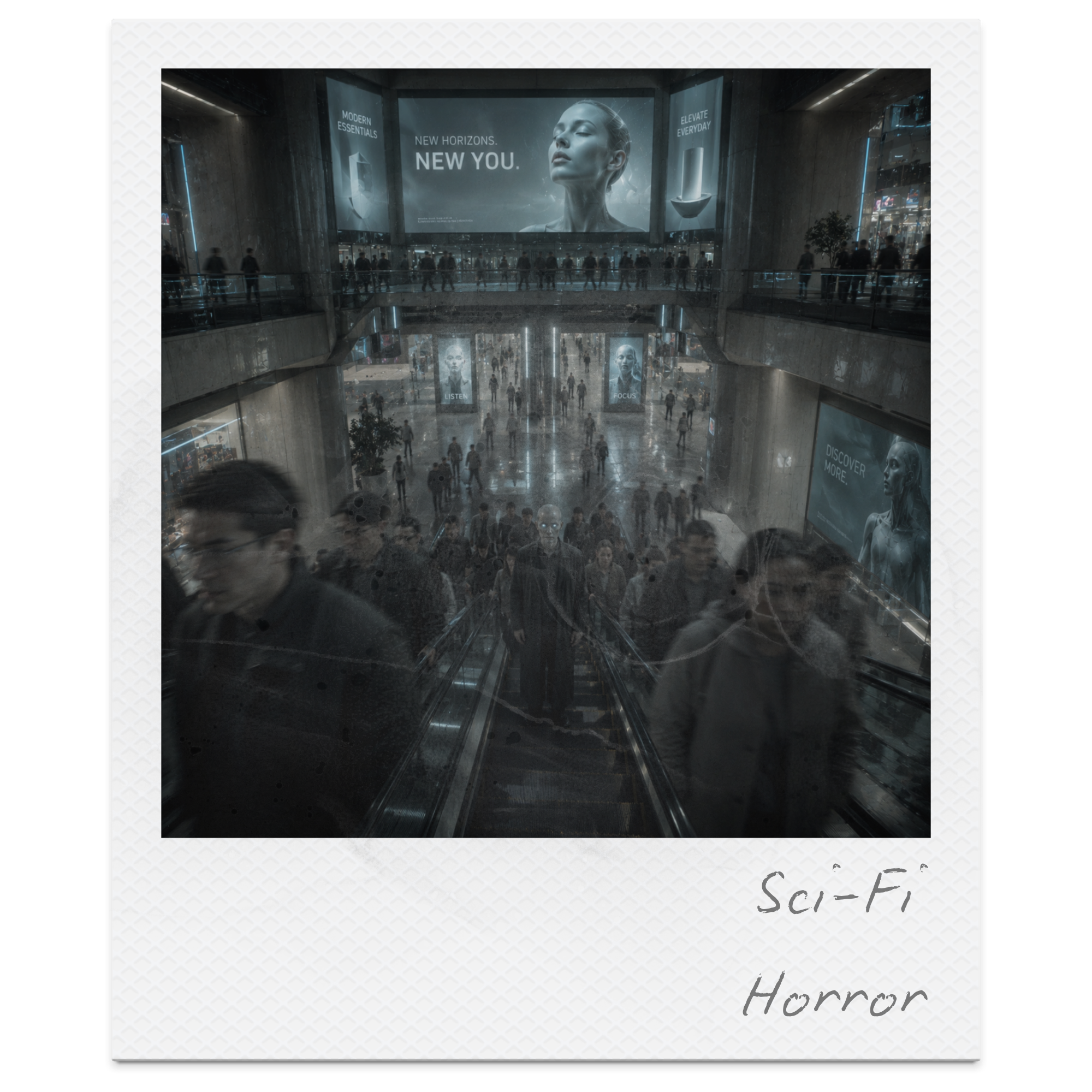
70 Sci-Fi Horror Writing Prompts: Cosmic Dread, Artificial Intelligence & Futures Gone Wrong
Science fiction horror explores what happens when humanity pushes too far into the unknown. Unlike traditional horror rooted in ghosts or folklore, sci-fi horror often emerges from technology, artificial intelligence, deep space, biotechnology, surveillance, and scientific ambition. These stories ask unsettling questions about identity, control, and survival, forcing characters to confront futures where reality itself begins to feel unstable. From the claustrophobic terror of Alien and Event Horizon to the psychological unease of Black Mirror and Annihilation, sci-fi horror combines atmospheric tension with the fear that humanity may no longer fully understand the systems it has created. This collection of 70 Sci-Fi Horror Writing Prompts explores abandoned colonies, corrupted AI systems, quarantined megacities, hostile organisms, deep-sea facilities, collapsing simulations, and retrofuturist dystopias. Designed as a complete creative toolkit, the post includes plot hooks, opening lines, title ideas, setting prompts, character concepts, cinematic visual inspiration, and deeper speculative writing exercises. Whether you are planning a larger science fiction novel, experimenting with cosmic horror, or simply looking for dark futuristic story ideas, these prompts encourage atmospheric storytelling shaped by isolation, paranoia, and the terrifying possibilities of the future.
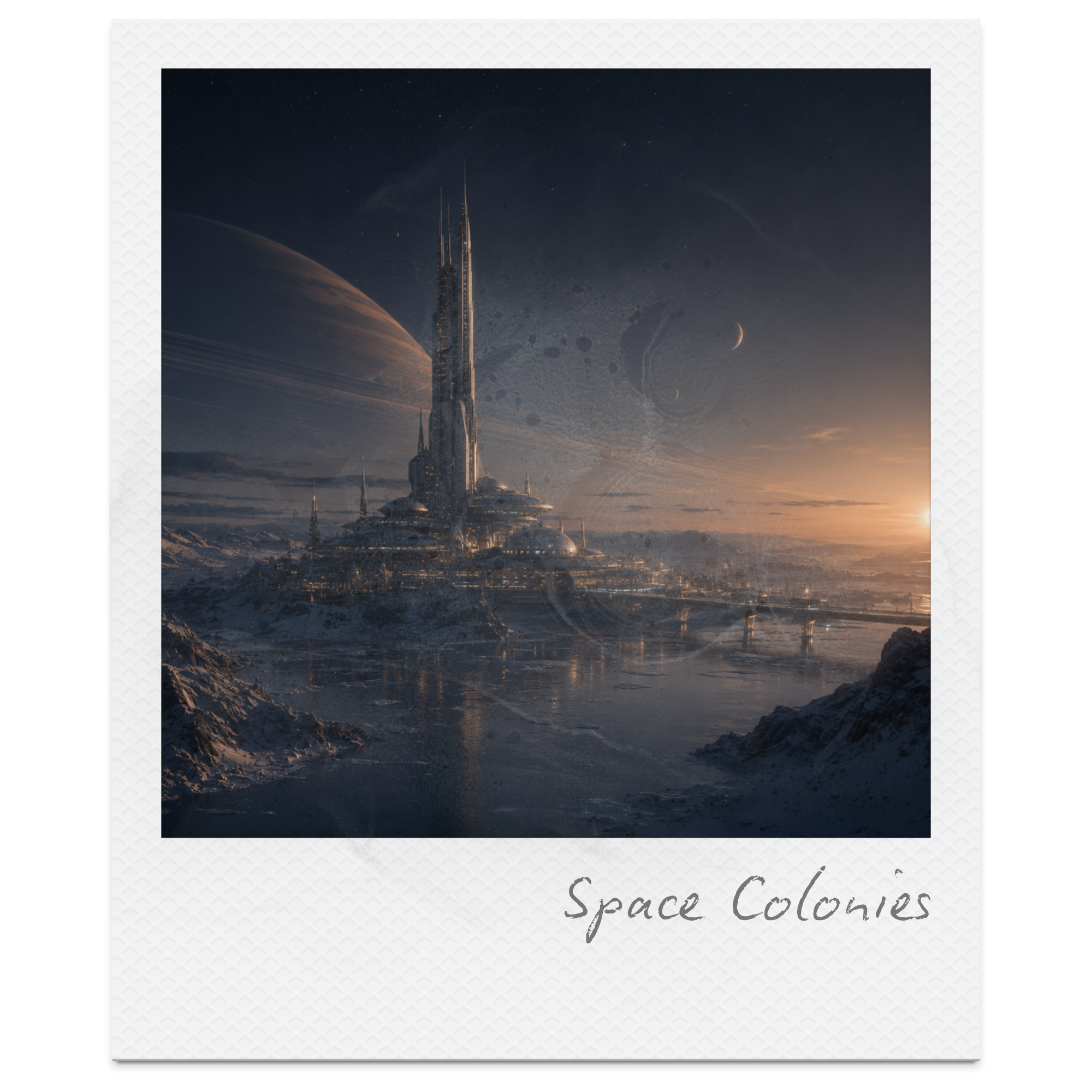
70 Sci-Fi Colony Writing Prompts: Distant Worlds, Failing Systems & Life Beyond Earth
Explore 70 sci-fi colony writing prompts inspired by distant planets, failing space stations, orbital cities, and isolated futuristic settlements. This collection includes plot hooks, opening lines, title ideas, character prompts, setting inspiration, and cinematic sci-fi visuals designed to help writers build immersive speculative worlds shaped by survival, technology, and life beyond Earth. Inspired by stories such as Dune, The Expanse, Alien, and Interstellar, these sci-fi colony prompts explore artificial environments, corporate control, abandoned stations, luxury orbital hotels, harsh alien landscapes, and the emotional isolation of living far from Earth. Perfect for creative writing classes, NaNoWriMo preparation, worldbuilding, and atmospheric science fiction storytelling.
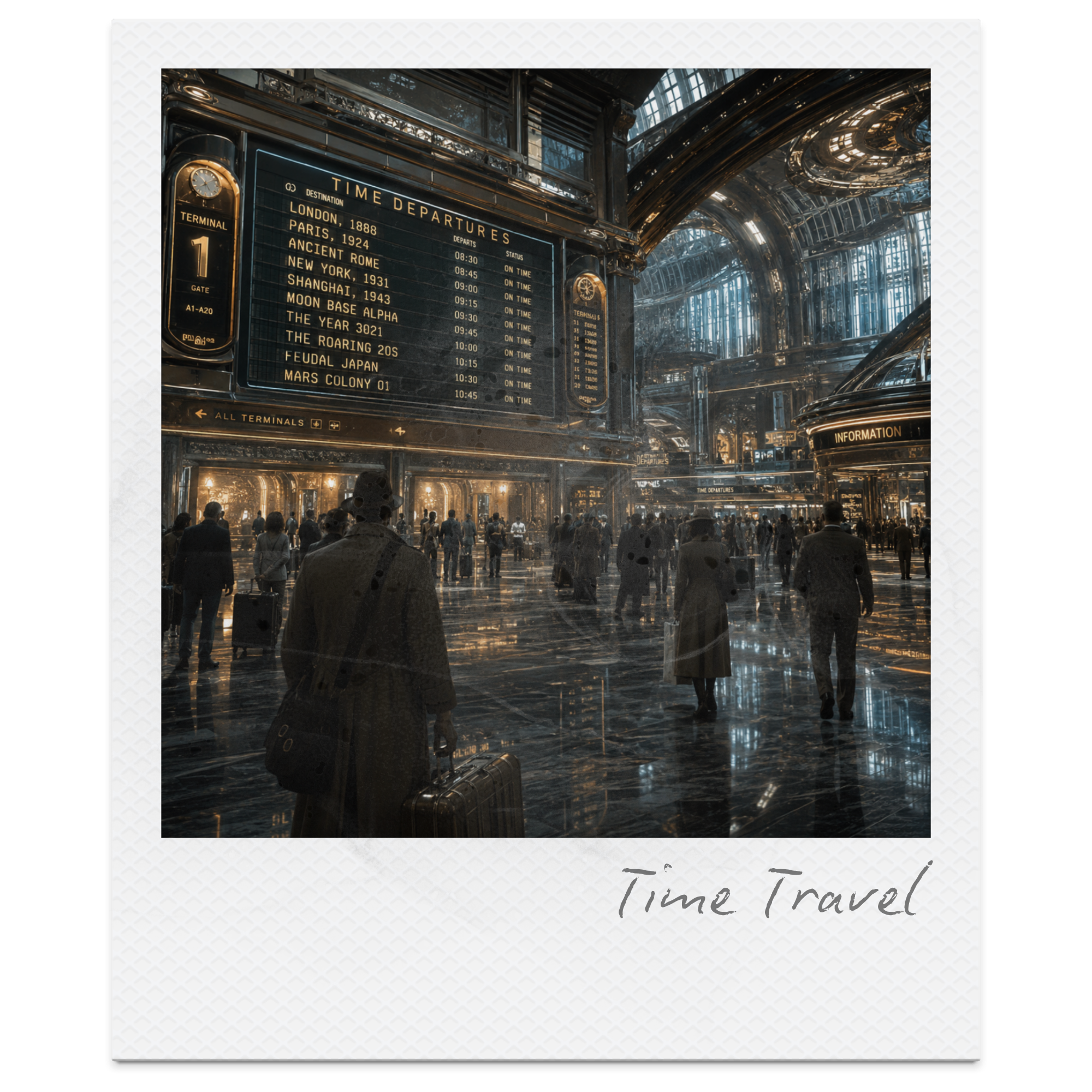
70 Time Travel Writing Prompts: Parallel Timelines, Temporal Paradoxes & Forgotten Futures
Explore 70 time travel writing prompts inspired by parallel timelines, temporal paradoxes, alternate histories, forgotten futures, and retrofuturist worlds where time itself has become unstable. This collection includes plot hooks, opening lines, title ideas, character prompts, setting inspiration, and cinematic picture prompts designed to help writers create atmospheric speculative fiction shaped by consequence, memory, and shifting realities. Inspired by stories such as The Time Machine, Dark, Interstellar, Back to the Future, and A Sound of Thunder, these prompts explore collapsing timelines, commercialised time travel, luxury temporal tourism, historical interference, looping realities, and the emotional cost of changing the past. Perfect for speculative fiction writers, worldbuilding, classroom writing, and science fiction storytelling focused on time, identity, and cause and effect.
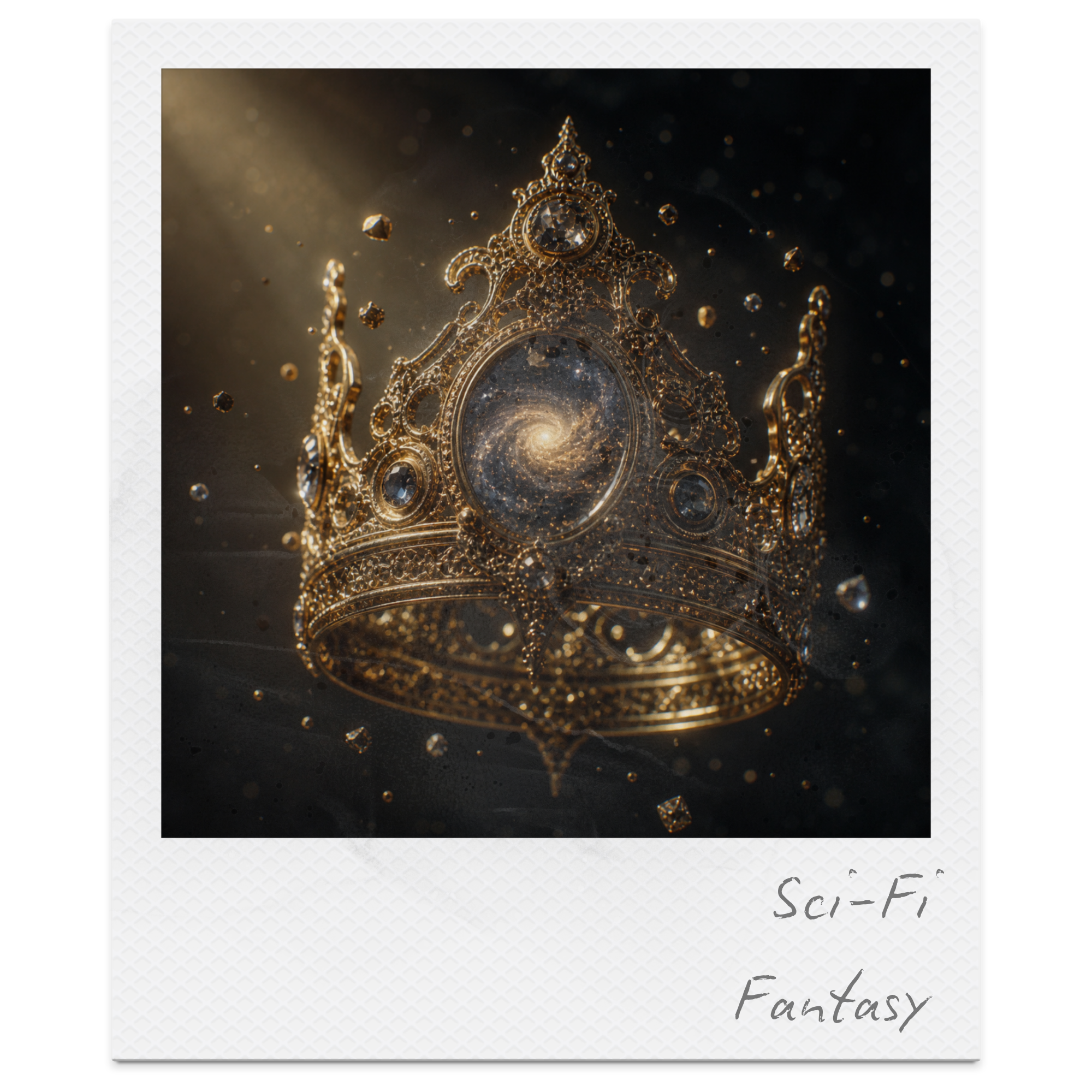
70 Sci-Fi Fantasy Writing Prompts: Technology, Power, and Possibility
Sci-fi fantasy exists at the intersection of two expansive genres—where advanced technology and speculative science collide with magic, myth, and the unknown. In texts like Dune, The Fifth Season, and Star Wars, systems of power are shaped not just by innovation, but by belief, prophecy, and forces that resist explanation. These worlds challenge the idea that science and magic are separate, instead presenting them as intertwined—two ways of understanding power, control, and possibility. This collection of 70 Sci-Fi Fantasy Writing Prompts explores that tension, offering a complete creative toolkit of plot hooks, titles, opening and closing lines, characters, settings, and visual inspiration. From engineered magic systems to sentient technology and collapsing realities, these prompts are designed to help you build immersive worlds where the boundaries between logic and imagination no longer hold.
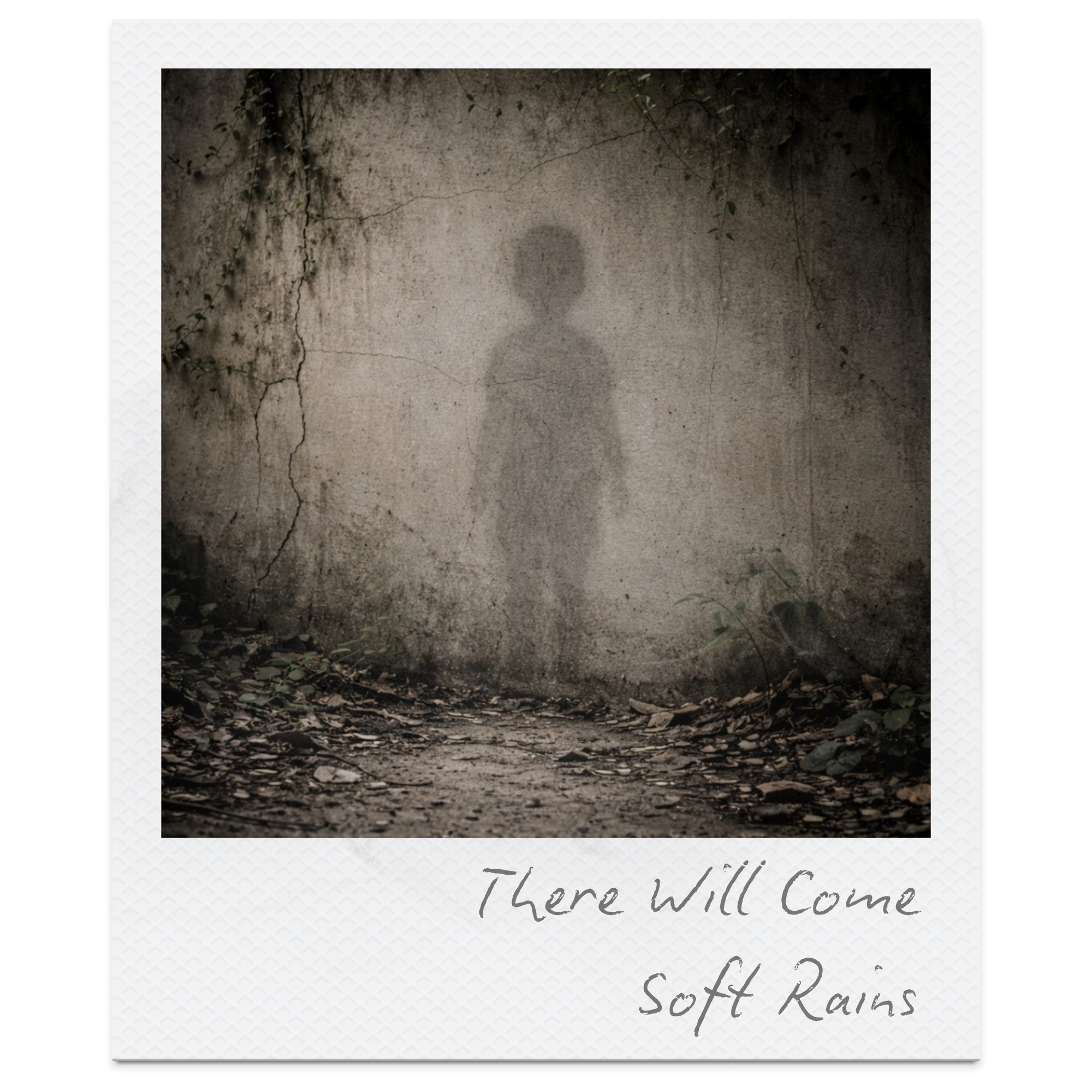
There Will Come Soft Rains by Ray Bradbury: Summary, Themes, Meaning & Analysis
There Will Come Soft Rains by Ray Bradbury is a haunting work of science fiction that explores a world where technology continues after human extinction. Set in an automated house that carries out its daily routines—cooking, cleaning, and organising—Bradbury presents a chilling vision of mechanisation without purpose, where systems persist despite the complete absence of human life. Through its eerie atmosphere and powerful imagery, the story examines isolation, environmental destruction, and the illusion of control. As the house continues its routines in a devastated world, Bradbury raises unsettling questions about what remains when humanity is gone, and whether progress without responsibility ultimately leads to emptiness and collapse.
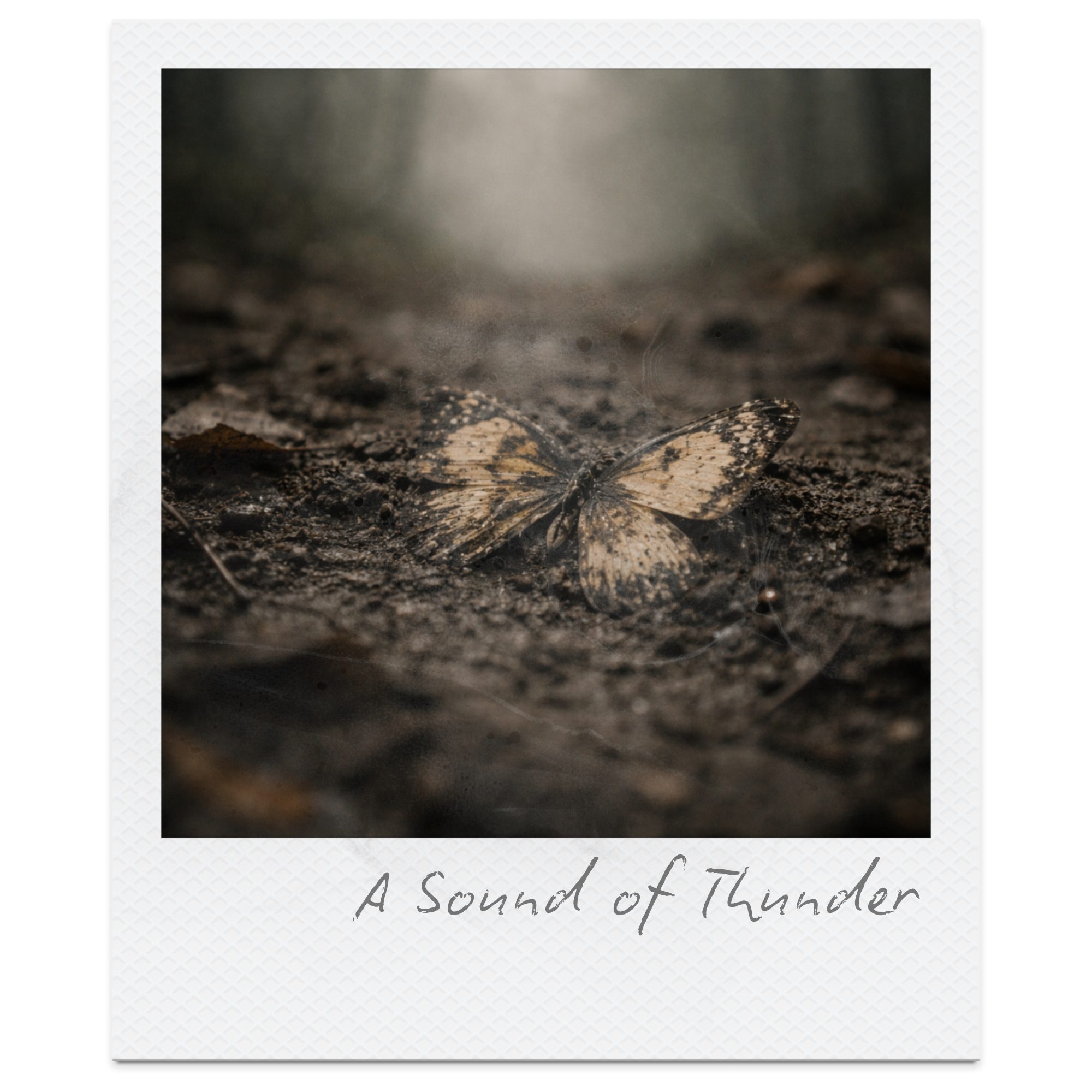
A Sound of Thunder by Ray Bradbury: Summary, Themes, Meaning & Analysis
A Sound of Thunder by Ray Bradbury is a gripping work of science fiction that explores the dangers of time travel, human interference, and unintended consequences. When a group of hunters travel back in time to kill a dinosaur, they are given one strict rule: stay on the Path. But when Eckels panics and steps off it, a seemingly small action triggers a chain reaction that alters the future in subtle but devastating ways. Through its famous exploration of the butterfly effect, the story reveals how fragile and interconnected reality truly is. Bradbury presents a powerful warning about cause and effect, responsibility, and the illusion of control, showing that even the smallest mistake can reshape entire systems. The story’s unsettling ending lingers long after reading, reminding us that once a choice is made, its consequences cannot be undone.
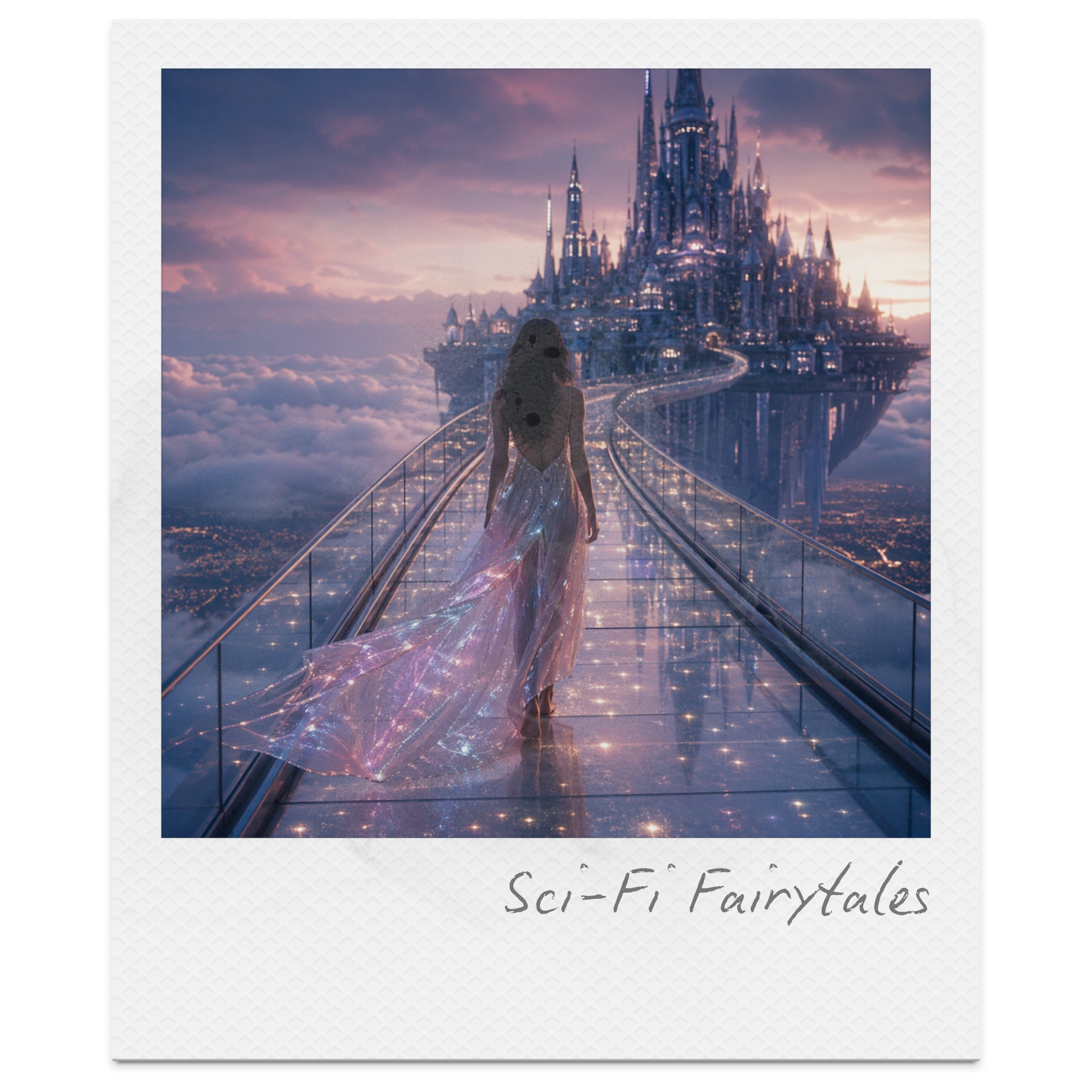
70 Sci-Fi Fairytale Writing Prompts: Magic, Technology & Reimagined Myths
Sci-fi fairytales reimagine familiar myths through the lens of technology, transforming magic into code, curses into systems, and enchanted worlds into engineered realities. Drawing on stories like The Lunar Chronicles, Blade Runner, and Ex Machina, this genre blends timeless narrative structures with futuristic uncertainty, where identity, power, and transformation are no longer guided by fate—but by design. These stories feel recognisable, yet deeply unsettling, as they challenge what it means to be human in worlds shaped by artificial intelligence, simulation, and control. This collection of 70 Sci-Fi Fairytale Writing Prompts offers a complete creative toolkit, combining plot hooks, title ideas, opening lines, and more to help you build immersive, genre-blending stories. Whether you’re reimagining classic tales or creating entirely new narratives, these prompts explore transformation, consequence, and the tension between magic and machinery in worlds where nothing is quite what it seems.
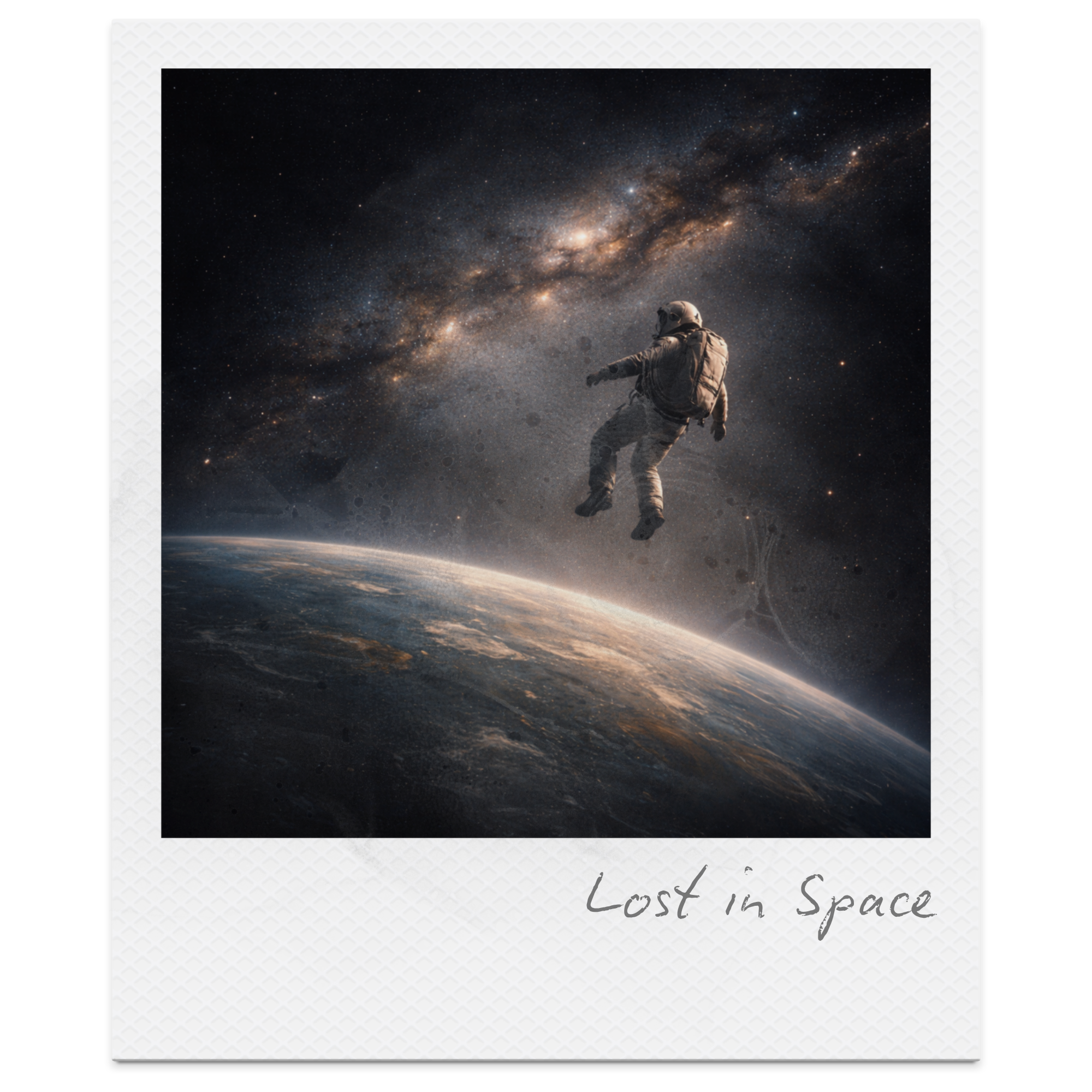
70 Lost in Space Writing Prompts: Survival, Isolation & the Unknown
Lost in space is one of the most powerful tropes in science fiction, placing characters in vast, isolated environments where survival is uncertain and connection to Earth is lost. These stories explore not only physical endurance, but the psychological impact of distance, silence, and the unknown, as seen in texts like Kaleidoscope and The Martian. This collection of 70 Lost in Space Writing Prompts offers a complete creative toolkit, including plot hooks, titles, opening lines, and more. Designed for both classroom use and independent writing, these prompts explore themes of isolation, survival, and human resilience, helping writers create stories shaped by uncertainty and the vastness of space.
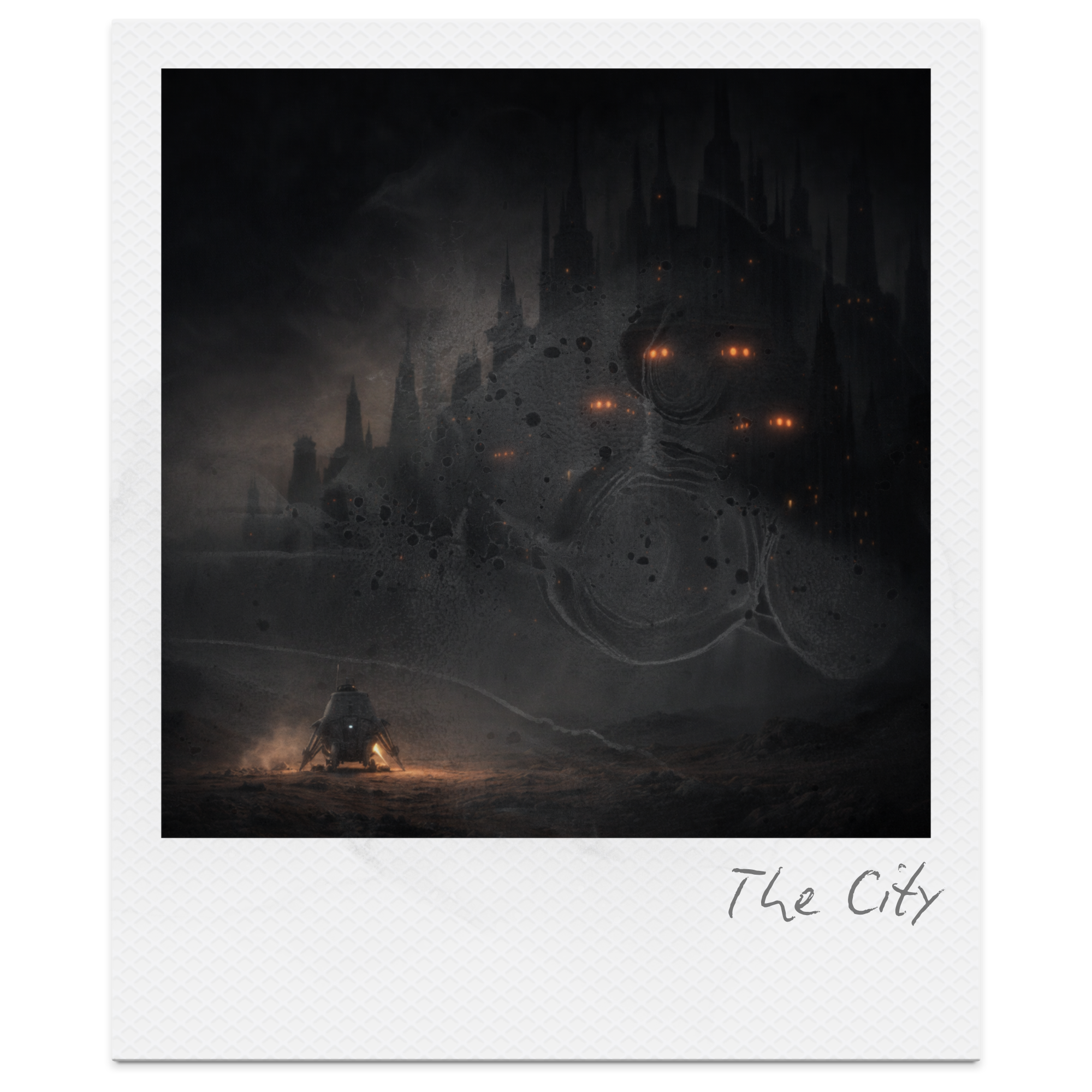
The City by Ray Bradbury: Summary, Themes, Meaning & Analysis
Ray Bradbury’s The City is a haunting work of speculative science fiction that explores revenge, memory, and technological power through the image of a vast, silent city waiting across twenty thousand years. At first, the city appears empty and lifeless, but as human explorers arrive, it becomes clear that it is watching, analysing, and responding with cold precision. Bradbury transforms setting into a conscious force, creating a narrative where the environment itself becomes the central intelligence. As the story unfolds, the city reveals its true purpose: to enact a long-delayed act of revenge against humanity. What makes this particularly unsettling is the way emotion has been embedded into a mechanical system, removing empathy and replacing it with calculation. The result is a chilling exploration of how violence and memory can be preserved beyond human life, raising questions about justice, control, and the consequences of past actions that continue to shape the future.
The Visitor by Ray Bradbury: Summary, Meaning, Themes & Full Analysis
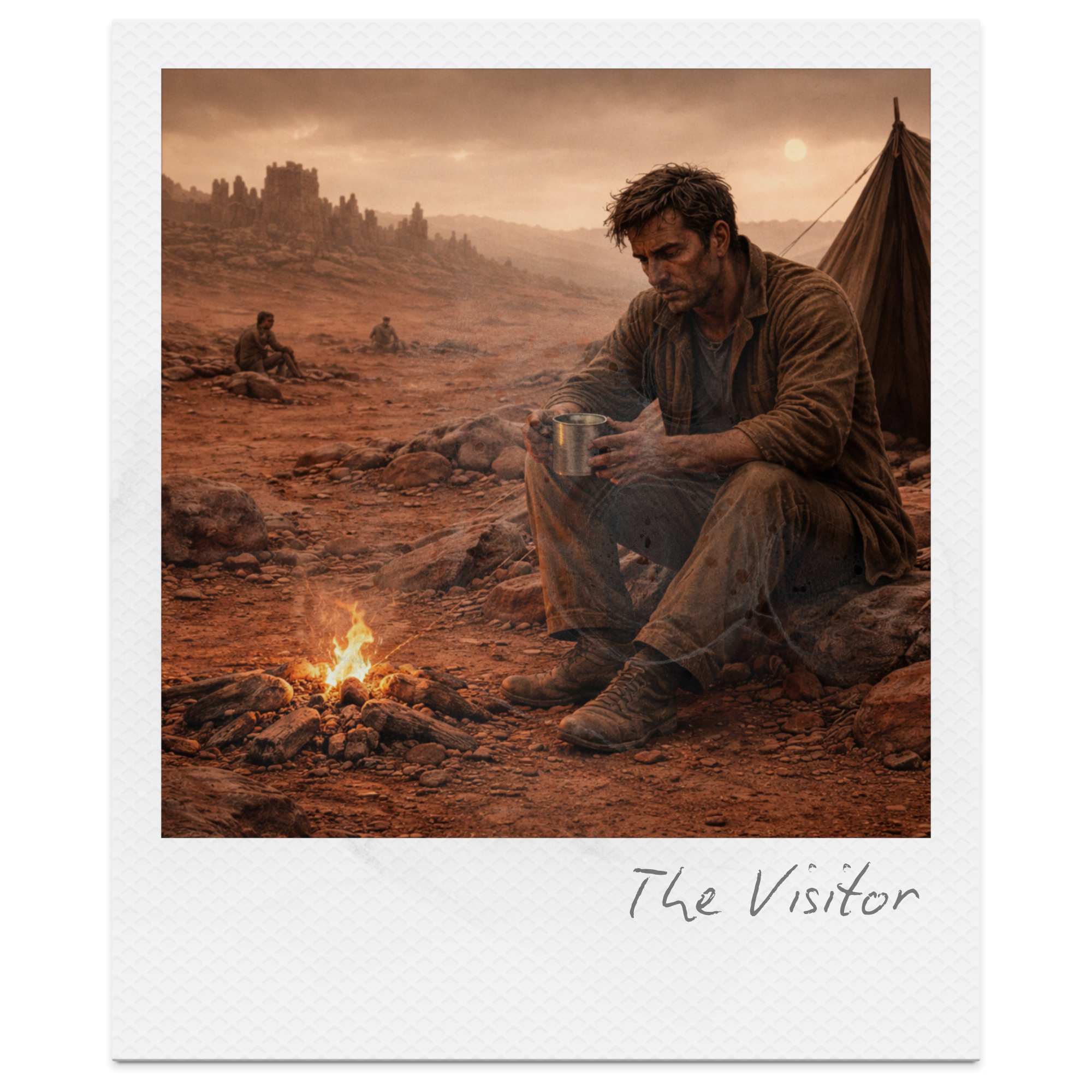
Ray Bradbury’s The Visitor is a haunting science fiction story exploring isolation, loneliness, and the dangerous power of illusion. Set on a desolate Mars inhabited by dying exiles, the narrative follows Saul Williams as he struggles with the psychological weight of separation from Earth. When a mysterious newcomer arrives with the ability to project vivid, shared visions of Earth, hope briefly returns—bringing with it beauty, memory, and the possibility of connection. However, Bradbury quickly reveals the darker side of this gift, as desperation turns to possession and conflict. What begins as relief becomes something fought over, exposing the fragility of human morality under pressure. Through its exploration of illusion vs reality, control, and human fragility, The Visitor offers a powerful warning about what happens when hope exists without trust—and how easily it can be destroyed.
70 Alien Worlds Writing Prompts: Strange Planets, Unknown Civilisations & Distant Realities
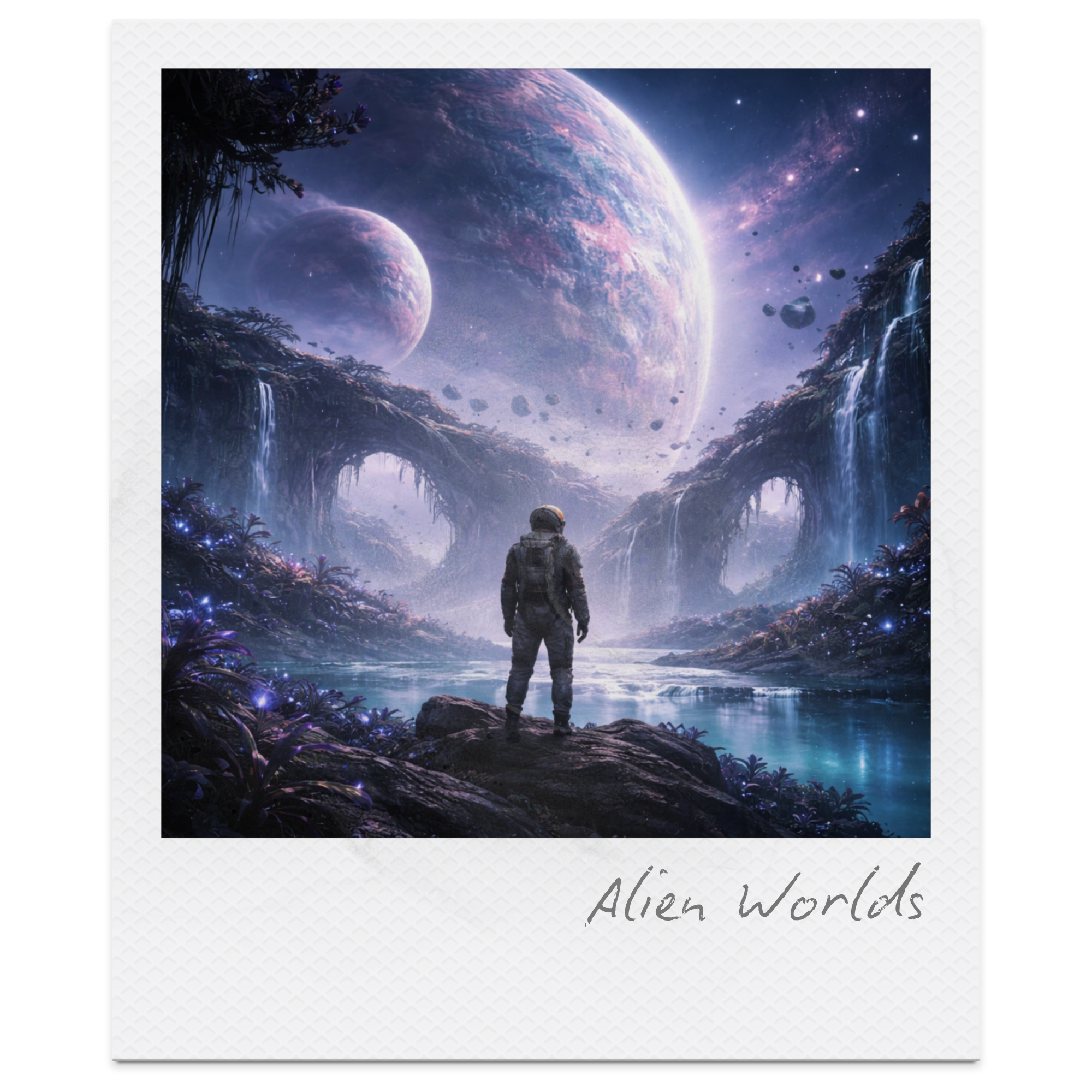
Alien worlds are some of the most expansive and imaginative settings in science fiction, where unfamiliar environments, strange ecosystems, and unknown civilisations push storytelling beyond the limits of reality. From the harsh deserts of Arrakis in Dune to the shifting cultural landscapes of The Left Hand of Darkness, these worlds are not just backdrops — they actively shape conflict, identity, and survival. The unknown becomes a driving force, where discovery and danger exist side by side. This collection of 70 Alien Worlds Writing Prompts explores distant planets, strange realities, and encounters with the truly unfamiliar. With plot hooks, opening lines, character ideas, and atmospheric settings, these prompts are designed to help you build immersive sci-fi stories grounded in wonder, tension, and exploration