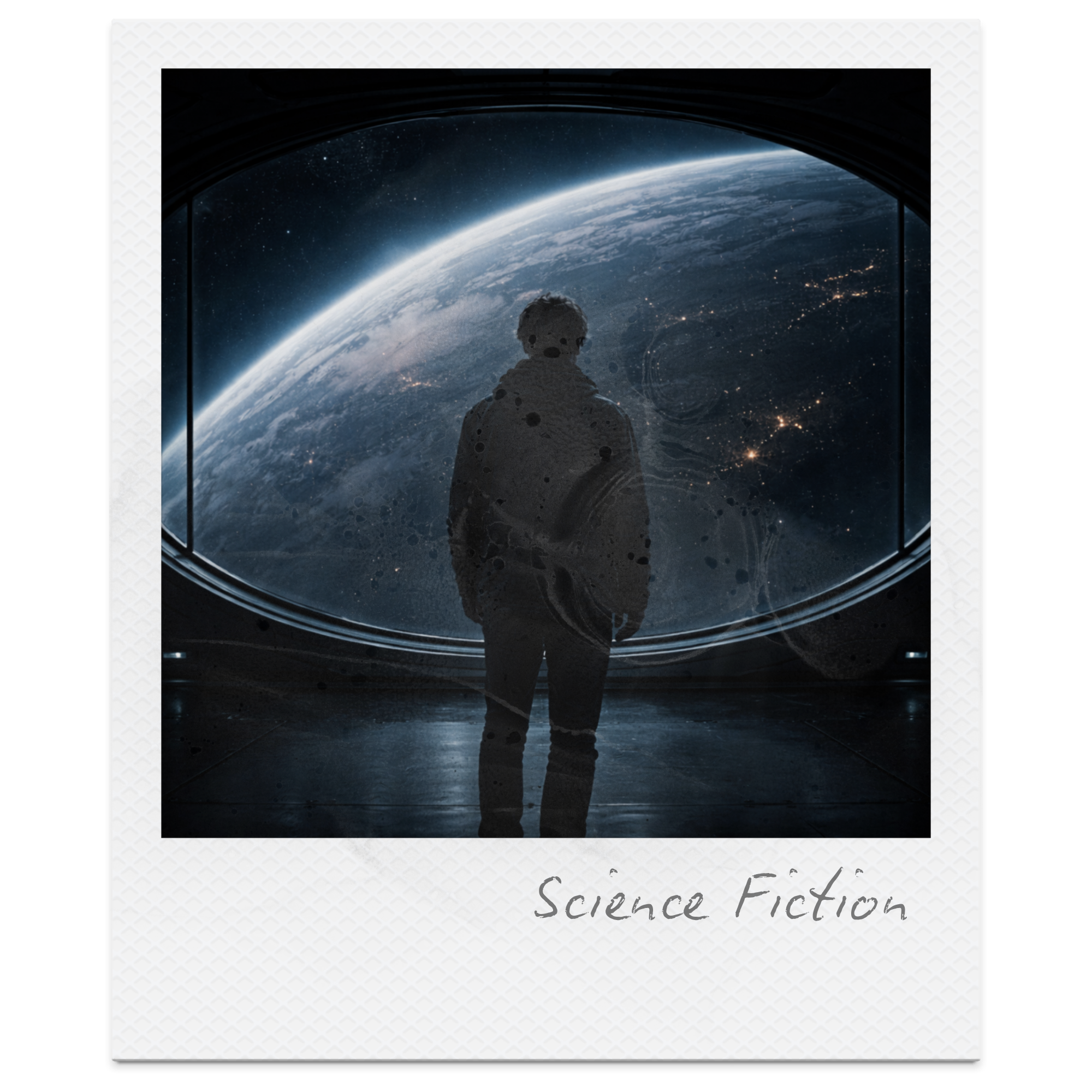
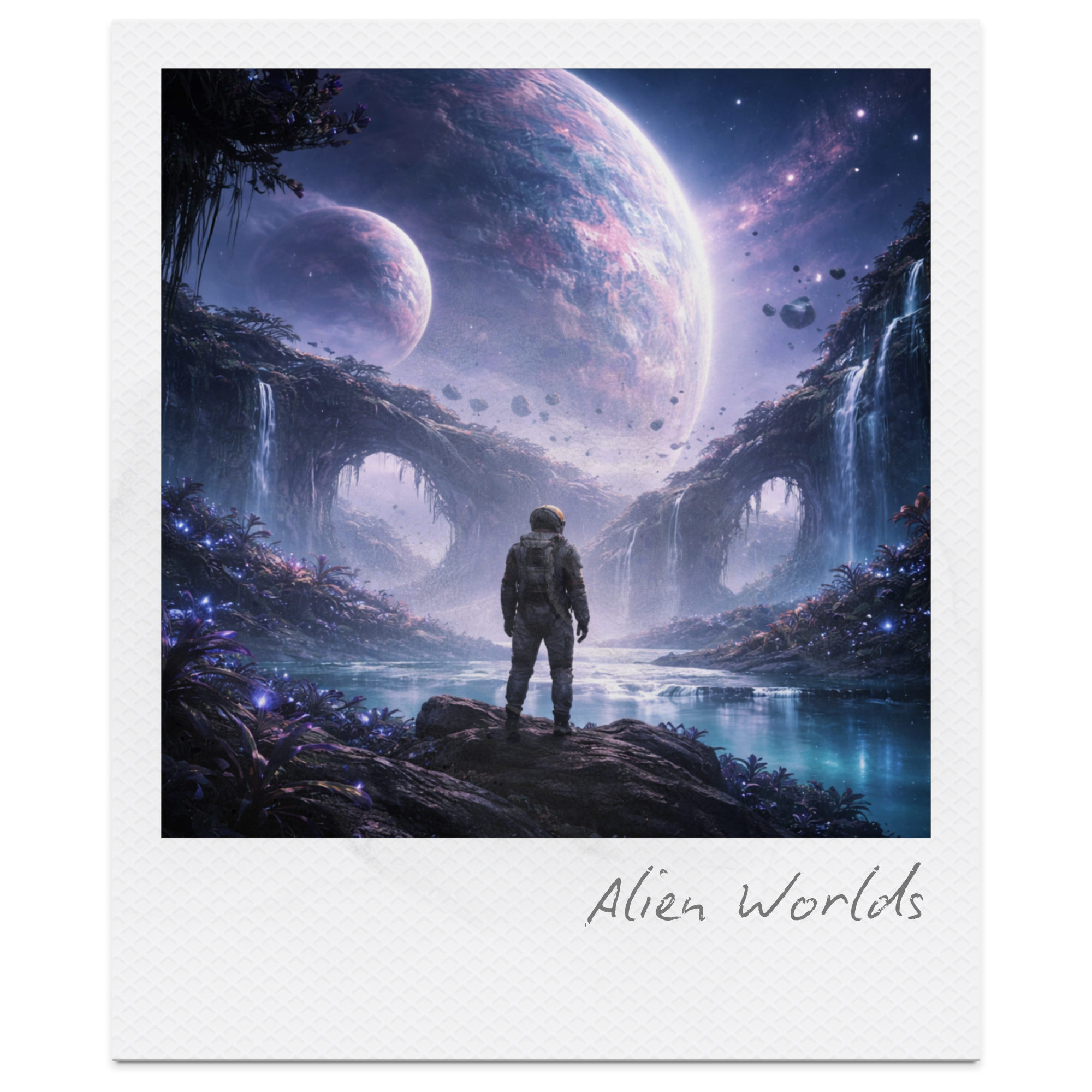
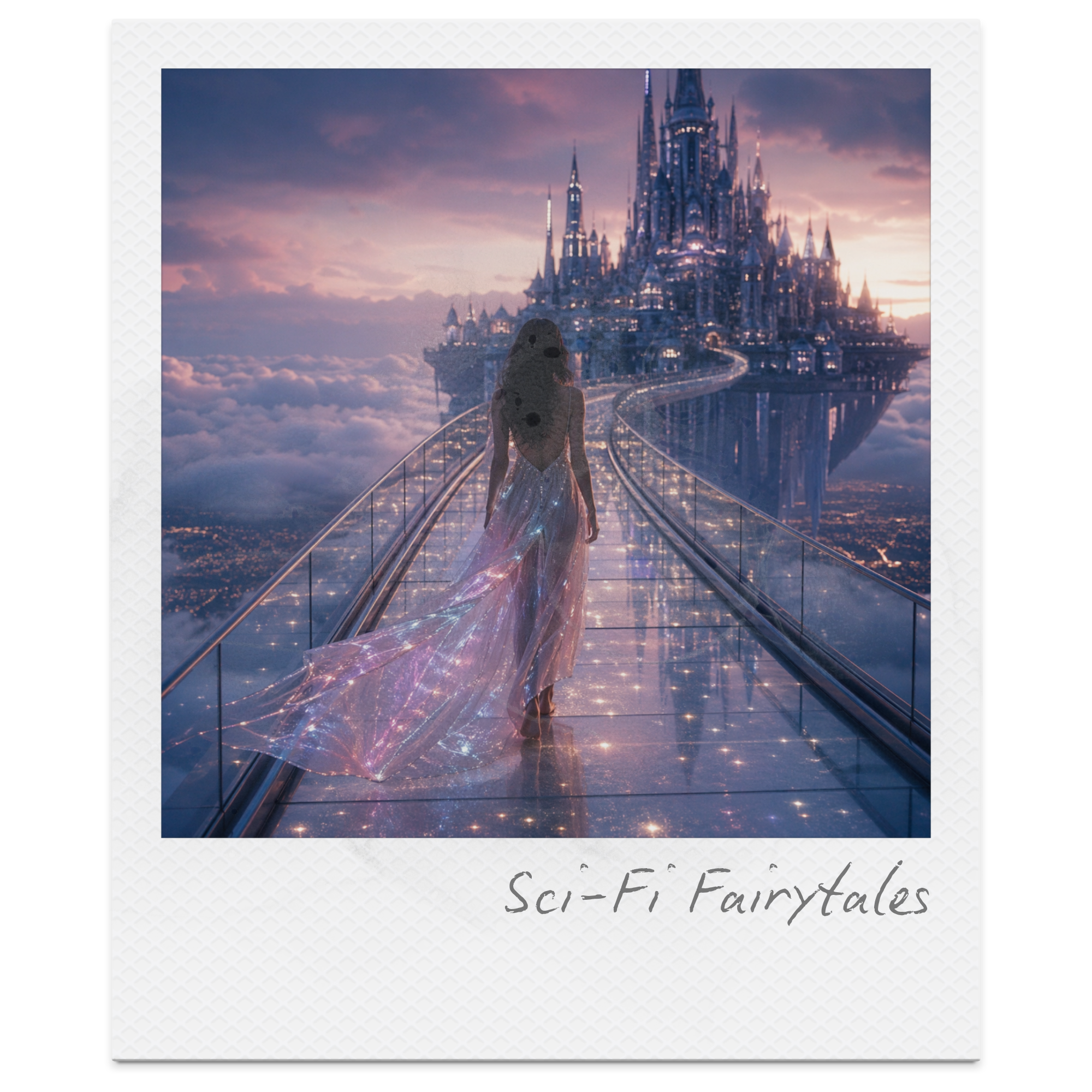
70 Sci-Fi Colony Writing Prompts: Distant Worlds, Failing Systems & Life Beyond Earth
Science fiction has long been fascinated by the idea of human colonies beyond Earth because colonies represent both hope and fragility. In many sci-fi stories, colonies are created to solve humanity’s problems — overcrowding, environmental collapse, war, or resource shortages — yet they often recreate the same political tensions, inequalities, and fears that existed on Earth itself. Far from civilisation, isolated settlements become ideal settings for stories about survival, control, identity, and the psychological cost of living in unfamiliar worlds.
Some of the most influential science fiction texts use colonies to explore these tensions directly. Films such as Alien and Blade Runner 2049 present industrial futures shaped by exploitation and corporate power, while The Expanse examines class conflict between Earth, Mars, and the Belt. In Dune, entire planetary systems depend on trade, ecology, and political control, while Interstellar explores the desperation driving humanity to seek survival elsewhere. Even quieter science fiction stories often focus on loneliness and routine within isolated stations, ships, and settlements far from home.
Unlike space opera, which often centres on grand intergalactic conflict, sci-fi colony fiction frequently focuses on daily life within unstable systems. Colonists may struggle with failing technology, limited supplies, harsh environments, corrupt governments, or the emotional strain of living beneath artificial skies. Entire communities can become dependent on a single corporation, oxygen source, or transport route. In these stories, survival is rarely guaranteed, and even ordinary routines can become dangerous when systems begin to fail.
This collection of 70 Sci-Fi Colony Writing Prompts is designed as a complete creative toolkit, combining plot hooks, title ideas, opening lines, closing lines, character ideas, setting prompts, and cinematic visual inspiration. These prompts explore isolated colonies, orbital cities, distant mining settlements, retrofuturist hotels, abandoned stations, artificial ecosystems, political unrest, and the strange loneliness of life beyond Earth.
If you would like to explore more imaginative science fiction worlds, futuristic storytelling ideas, and genre-based prompt collections, you can also browse the Creative Writing Archive and explore the wider Sci-Fi Writing Hub, where distant worlds and speculative futures continue to expand.
Plot Hooks
Sci-fi colony stories often begin with system failures, political tension, unexplained discoveries, or the growing fear that isolation has made escape impossible.
Write about a colony where the artificial sun fails for one hour every night.
Write about a maintenance worker who discovers an abandoned sector hidden beneath the colony.
Write about a luxury orbital hotel slowly losing contact with Earth.
Write about a mining settlement built above an enormous frozen alien ocean.
Write about a colony ship whose passengers realise they were never told the true destination.
Write about a scientist who discovers the colony’s atmosphere processors are hiding something alive.
Write about a settlement where citizens are forbidden from looking outside after dark.
Write about a transport pilot hired to deliver supplies to a colony officially listed as destroyed decades ago.
Write about a teenager raised on Mars who secretly dreams of seeing Earth for the first time.
Write about a distant colony where every resident begins receiving identical dreams.
Title Ideas
Sci-fi colony titles often suggest isolation, distance, technology, decay, and humanity’s attempt to survive beyond familiar worlds.
Beneath Artificial Stars
The Last Colony Beyond Saturn
Neon Lights Over Meridian Station
Where Earth Became a Memory
The Hotel at the Edge of Orbit
Dust Between the Moons
The Colony Beneath Red Skies
Echoes from Hollow Station
A City Built for the End of the World
Beyond the Last Departure Gate
Opening Lines
Sci-fi colony openings often establish unease immediately through failing systems, unfamiliar environments, or the growing sense that something is wrong inside the colony itself.
The oxygen alarms began during breakfast.
Nobody on Meridian Station had seen natural sunlight in thirty-two years.
The first thing visitors noticed about the colony was the silence.
We were never supposed to survive the landing.
The departure board still displayed flights to Earth, even though Earth no longer answered.
Outside the glass dome, the storm swallowed another row of buildings.
Every child born on the station was taught never to ask about Sector Nine.
The hotel lights glowed against the darkness of space like a stranded ocean liner.
Something moved beneath the ice long before the drills reached it.
By the time the colony realised the supply ships had stopped coming, it was already too late.
Closing Lines
Sci-fi colony endings often leave behind uncertainty, isolation, or the unsettling feeling that survival has only delayed a larger problem.
Somewhere beyond the station windows, Earth continued without us.
The colony lights disappeared one by one into the storm.
Even after we escaped, I still dreamed of the red desert outside the dome.
The final shuttle departed without looking back.
We had survived the planet, but not what it had turned us into.
The transmission continued long after the colony went silent.
Behind us, the artificial sunrise flickered and failed again.
The stars looked colder once we understood how alone we really were.
Nobody ever returned to Meridian Hotel after that night.
Far beyond the colony walls, something ancient was still waiting beneath the ice.
Character Ideas
Characters in sci-fi colony stories are often shaped by isolation, survival, corporate control, migration, and the psychological strain of living far from Earth.
A hotel receptionist working aboard a luxury orbital resort during an evacuation.
A colony governor secretly preparing to abandon the settlement.
A mechanic who repairs systems nobody else is allowed to access.
A smuggler transporting illegal Earth artefacts between colonies.
A botanist responsible for the colony’s final surviving crops.
A child born aboard a generation ship who has never experienced gravity.
A security officer investigating disappearances within the colony tunnels.
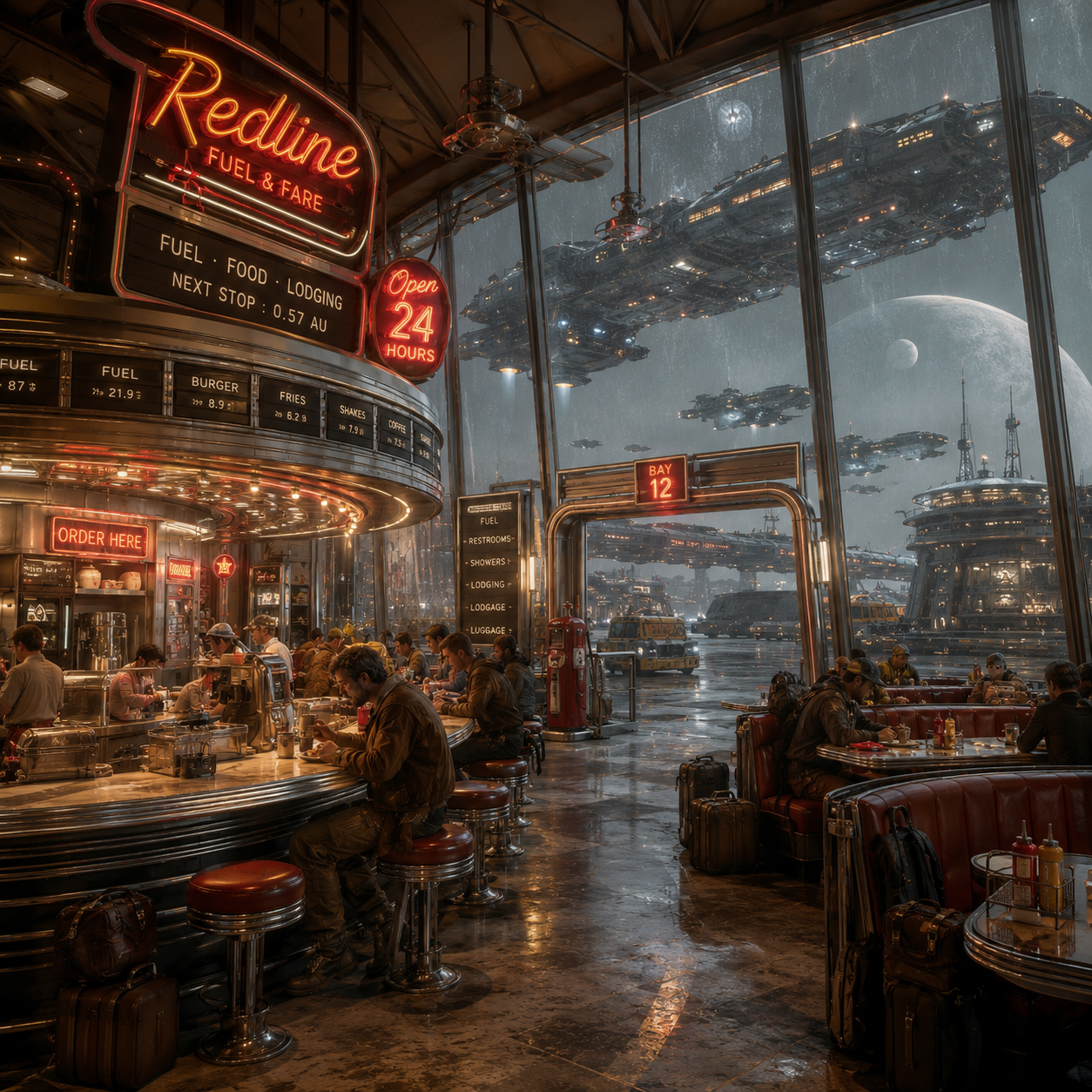
A retired astronaut running a tiny diner inside a transport station.
A scientist convinced the planet itself is communicating with the settlers.
A shuttle pilot addicted to travelling between worlds because they no longer feel connected to any of them.
Setting Ideas
Sci-fi colony settings are often defined by artificial environments, hostile landscapes, technological dependence, and the tension between isolation and overcrowding.
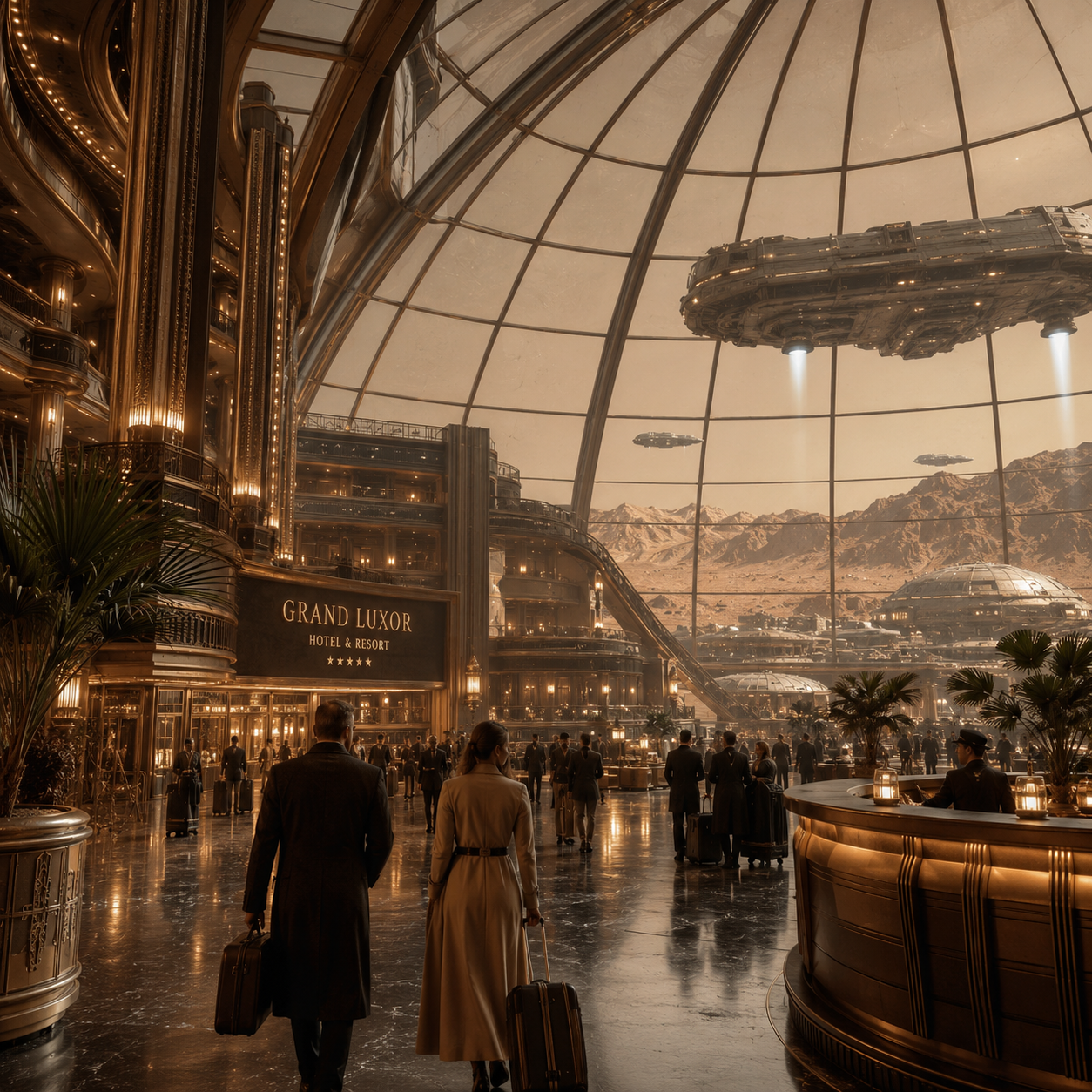
A retrofuturist hotel suspended above the clouds of a gas giant.
A mining colony carved directly into an asteroid.
A sprawling desert settlement beneath permanent orange skies.
An underwater research colony hidden beneath frozen oceans.
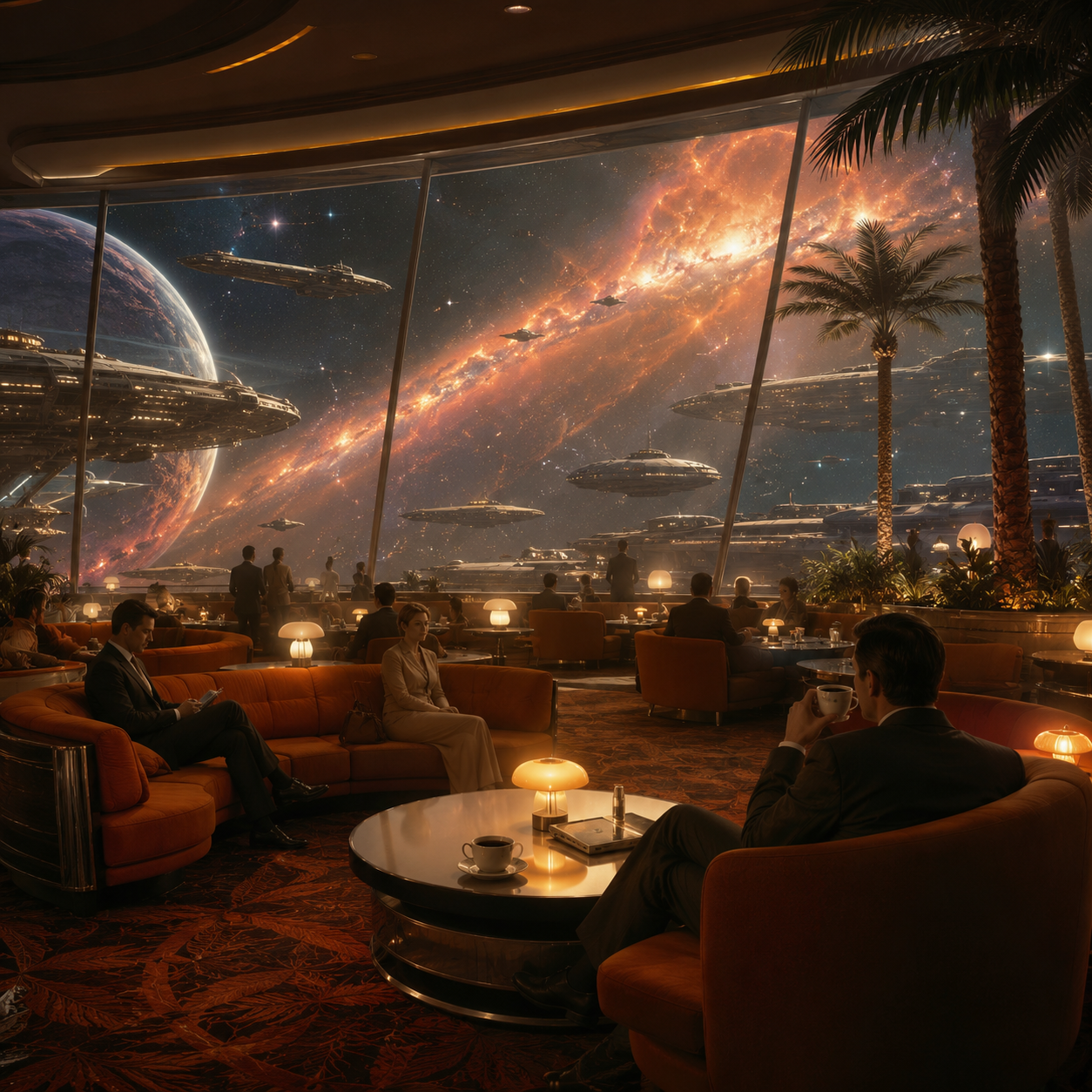
A luxury orbital promenade filled with restaurants, gardens, and departing travellers.
A decaying station where entire sectors have lost power permanently.
A colony built inside the ruins of an ancient alien structure.
A frozen moon settlement connected by glass tunnels above deep ice ravines.
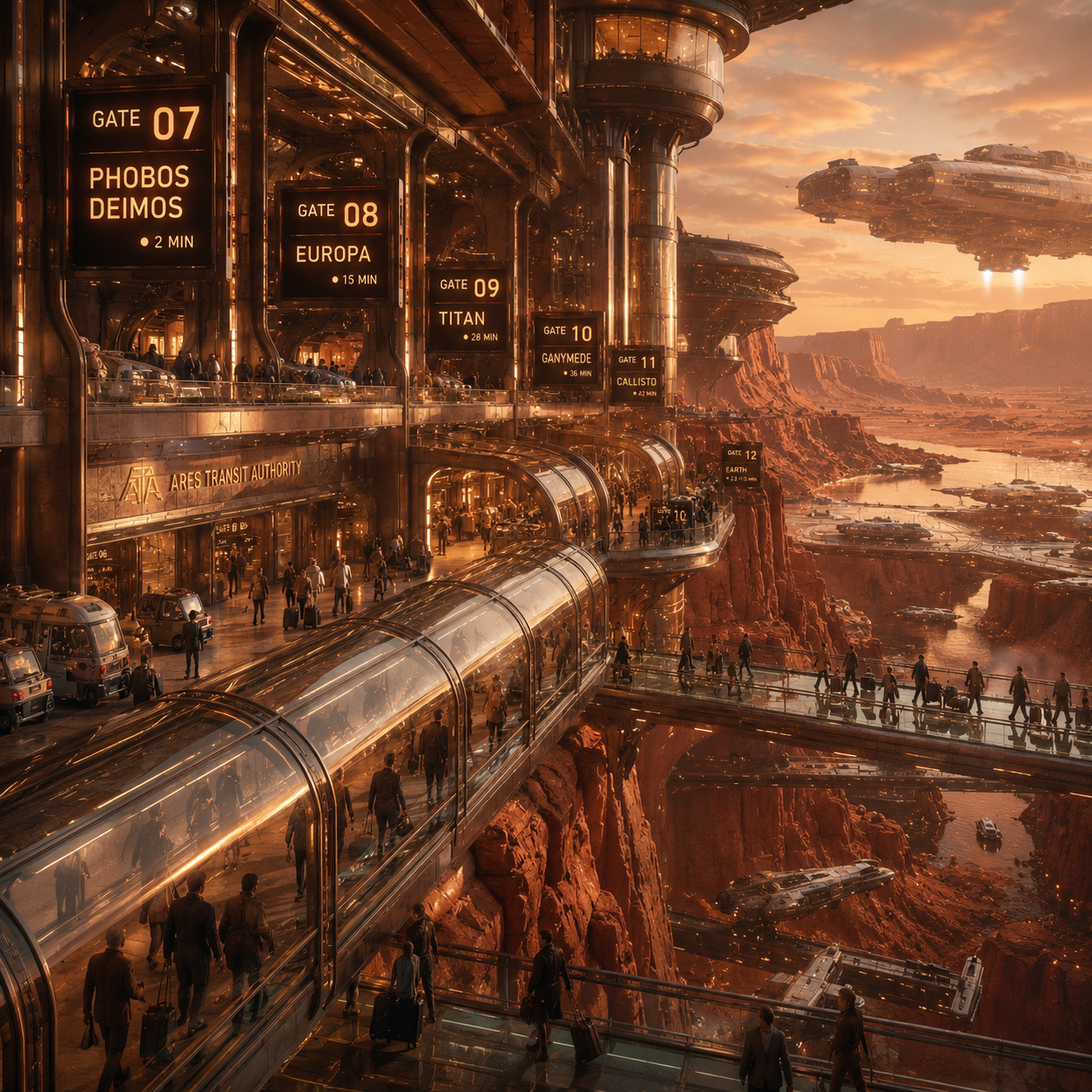
A transport hub where ships travel between distant systems and forgotten colonies.
A remote agricultural dome where crops have begun mutating overnight.
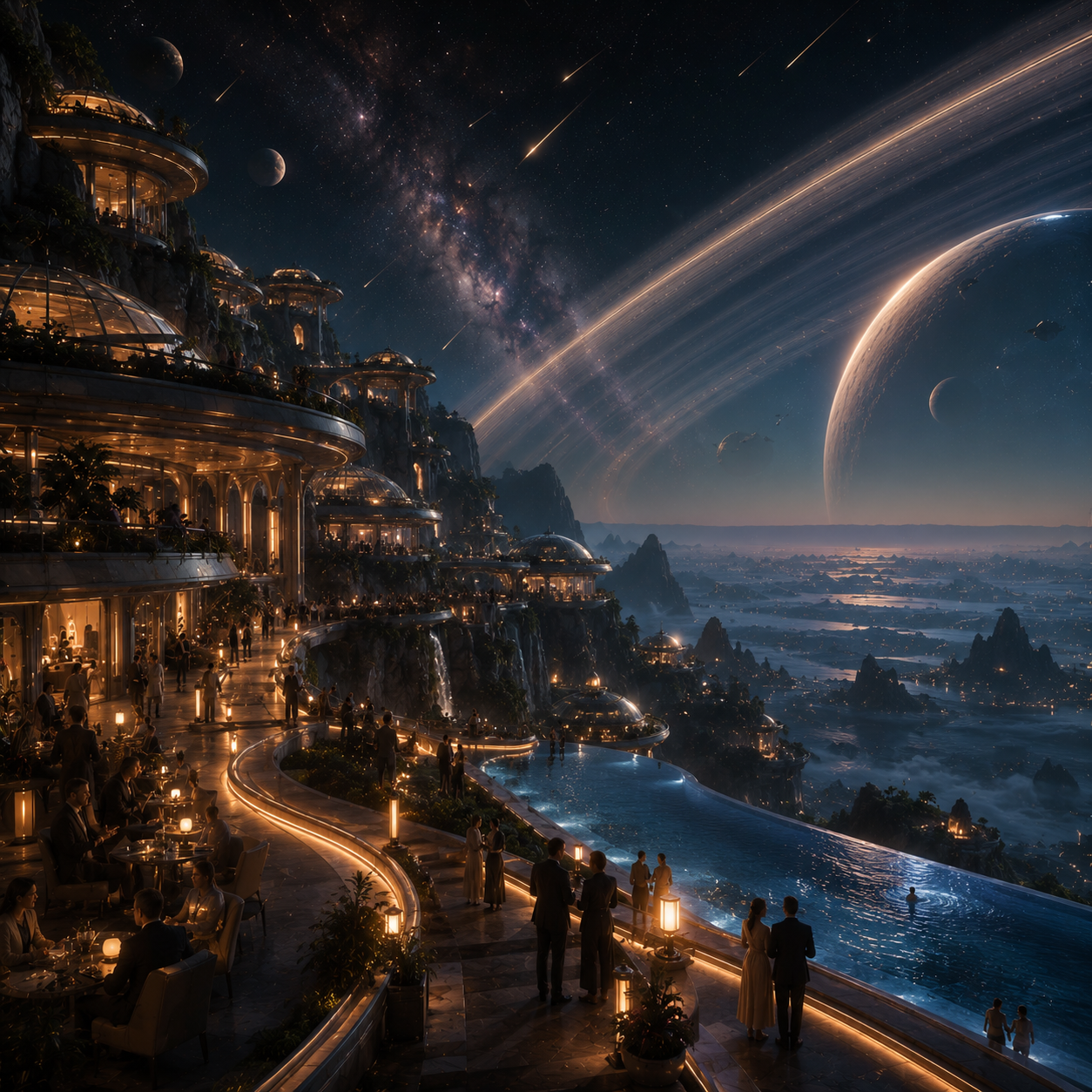
Picture Prompts
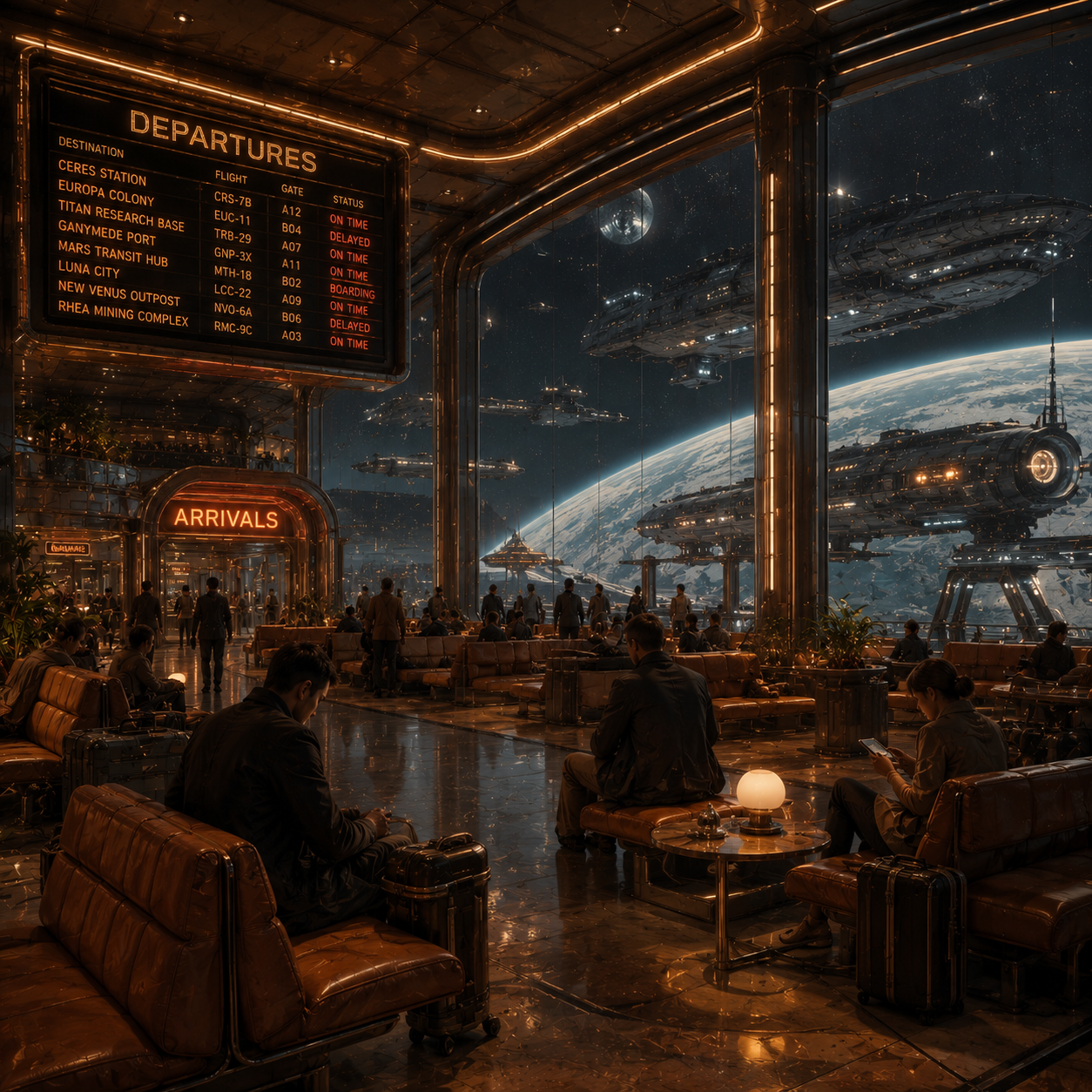
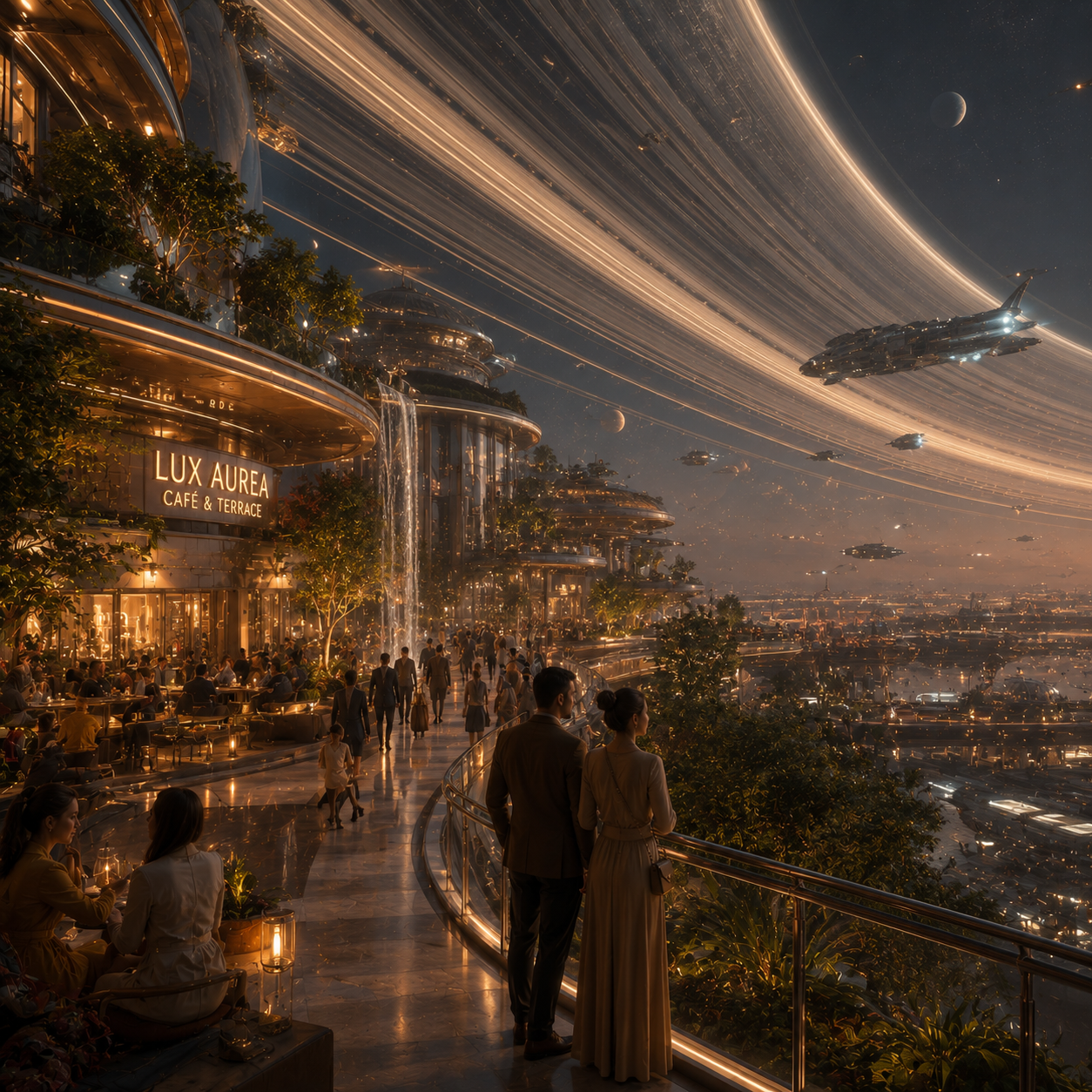
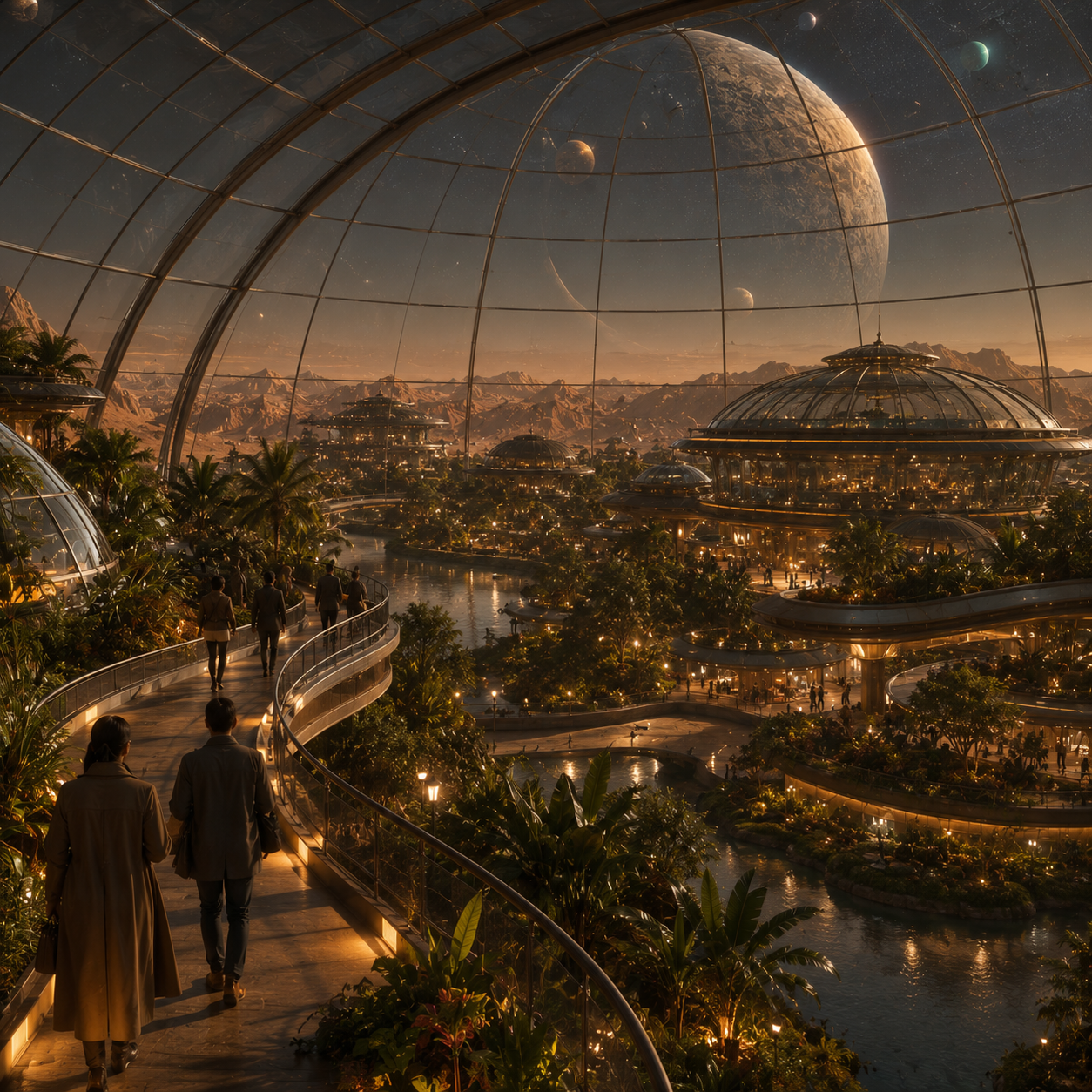
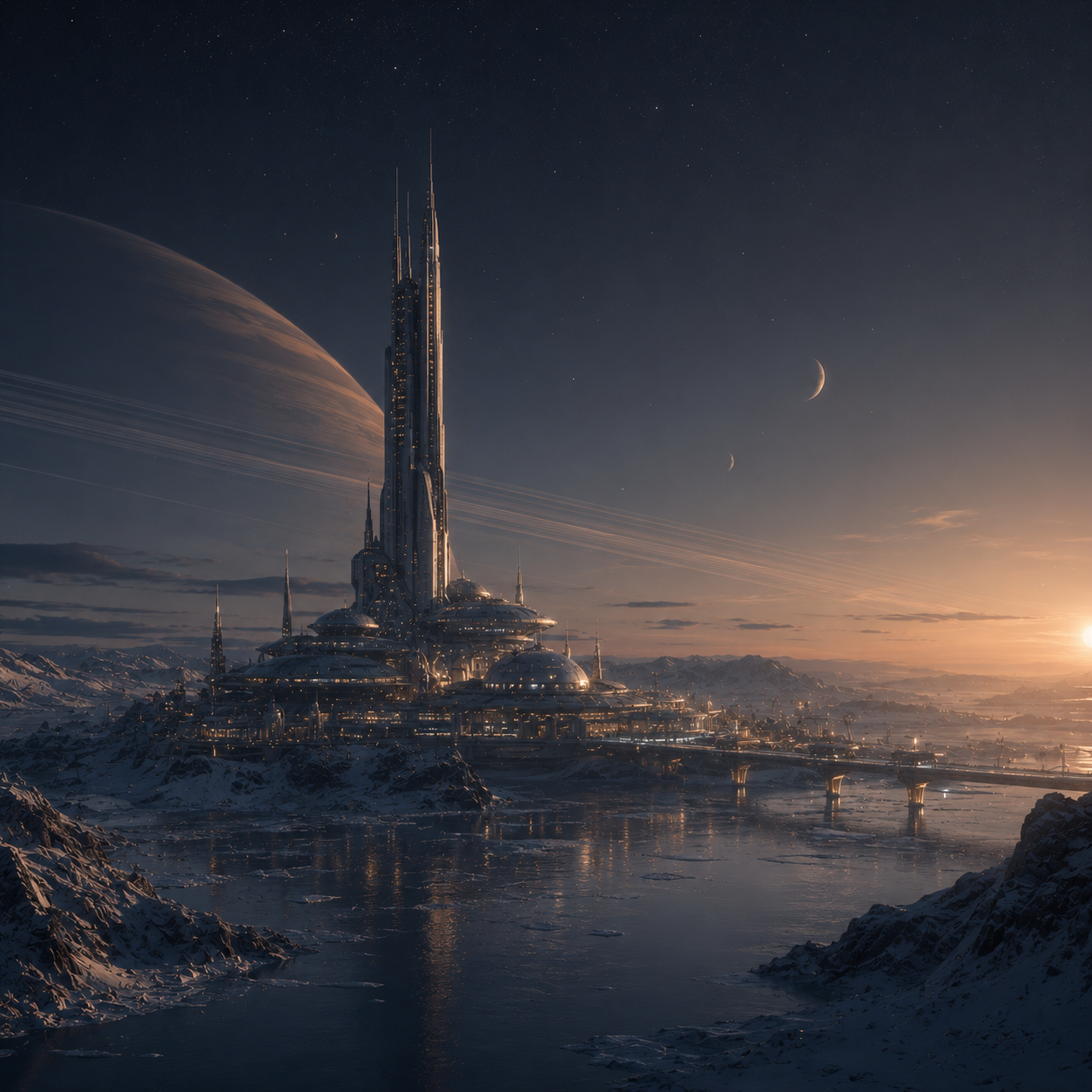
Visual prompts work especially well for sci-fi colony stories because atmosphere, architecture, lighting, and scale shape the emotional tone of futuristic worlds. Neon-lit corridors, distant planets, artificial skylines, lonely stations, and crowded transport hubs can all inspire stories about survival, ambition, isolation, and the human need for connection.

Go Deeper into Sci-Fi Colony Stories
Sci-fi colony fiction becomes more immersive when writers think carefully about how technology, isolation, labour, politics, and environment shape everyday life within their worlds.
◆ Write a scene where colonists realise rescue ships are no longer coming.
◆ Explore how artificial environments affect religion, culture, or traditions within the colony.
◆ Describe how wealth and class divisions operate inside a futuristic settlement.
◆ Write about a character seeing a natural ocean, forest, or sky for the first time after living in artificial environments their entire life.

What Would Humanity's Future Colonies Look Like to Us?
Sci-fi colonies invite us to imagine humanity building new societies beyond the familiar world. Some begin as scientific outposts or mining settlements. Others grow into cities with their own governments, cultures, industries and identities.
But imagine being able to visit one after centuries of development.
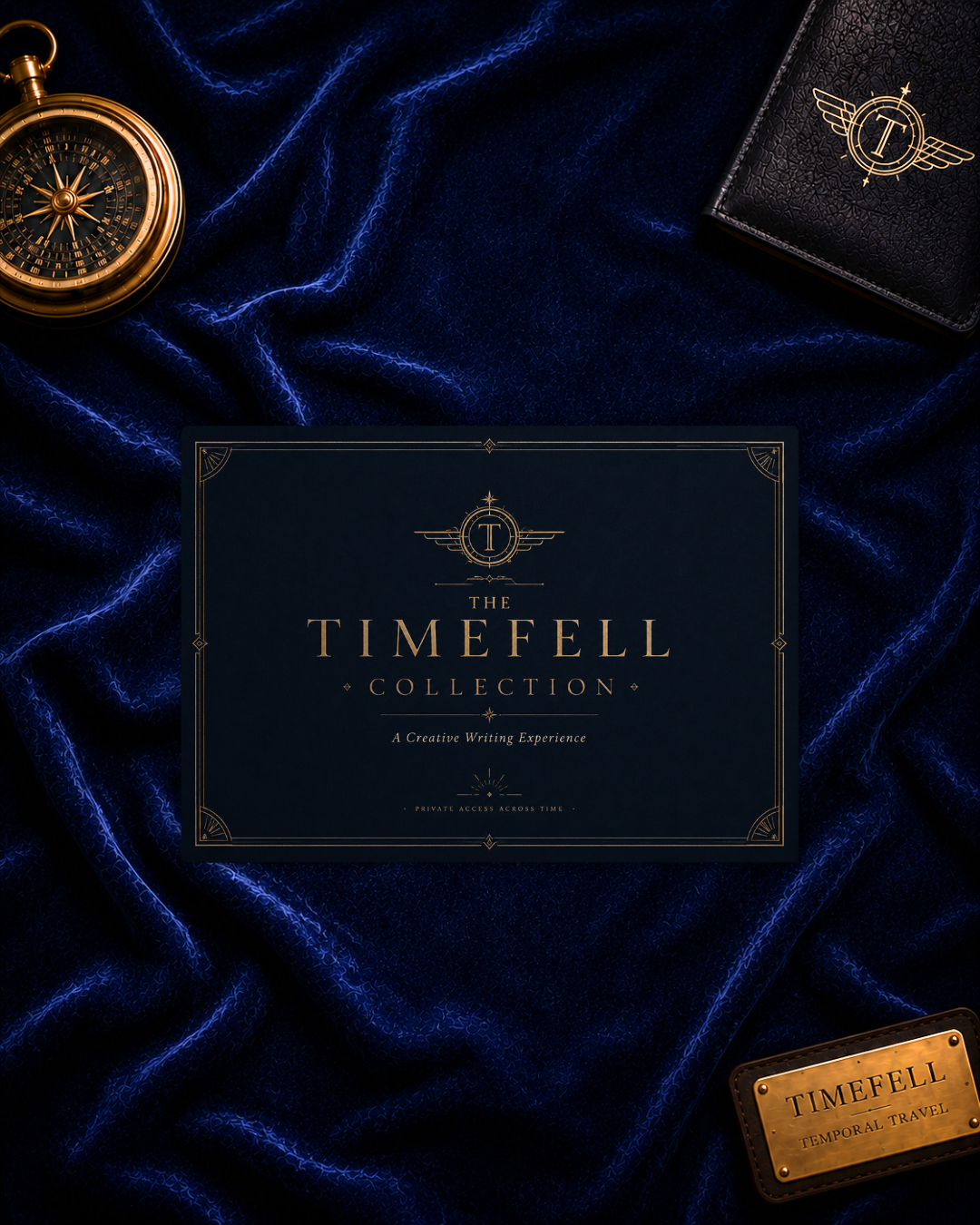
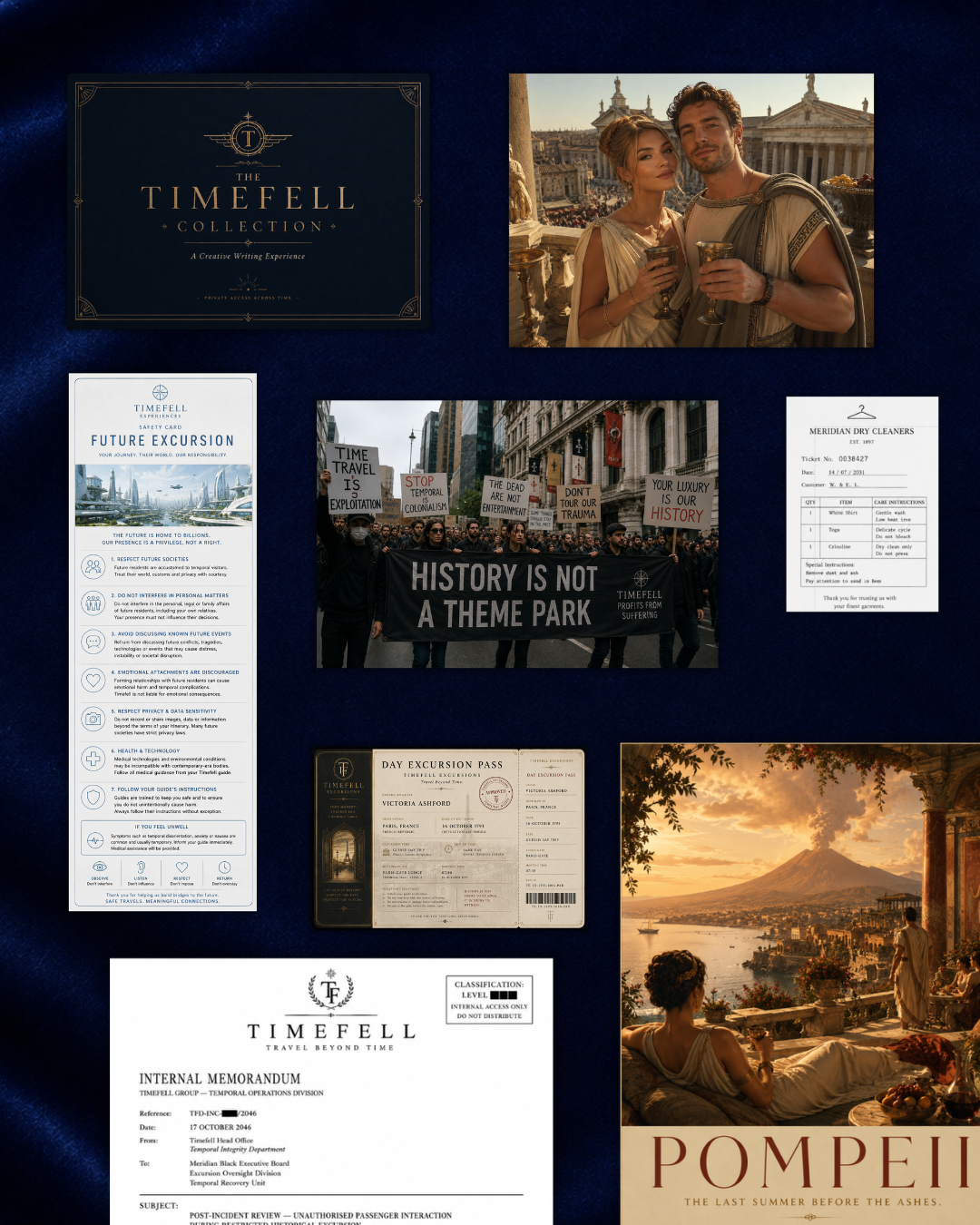
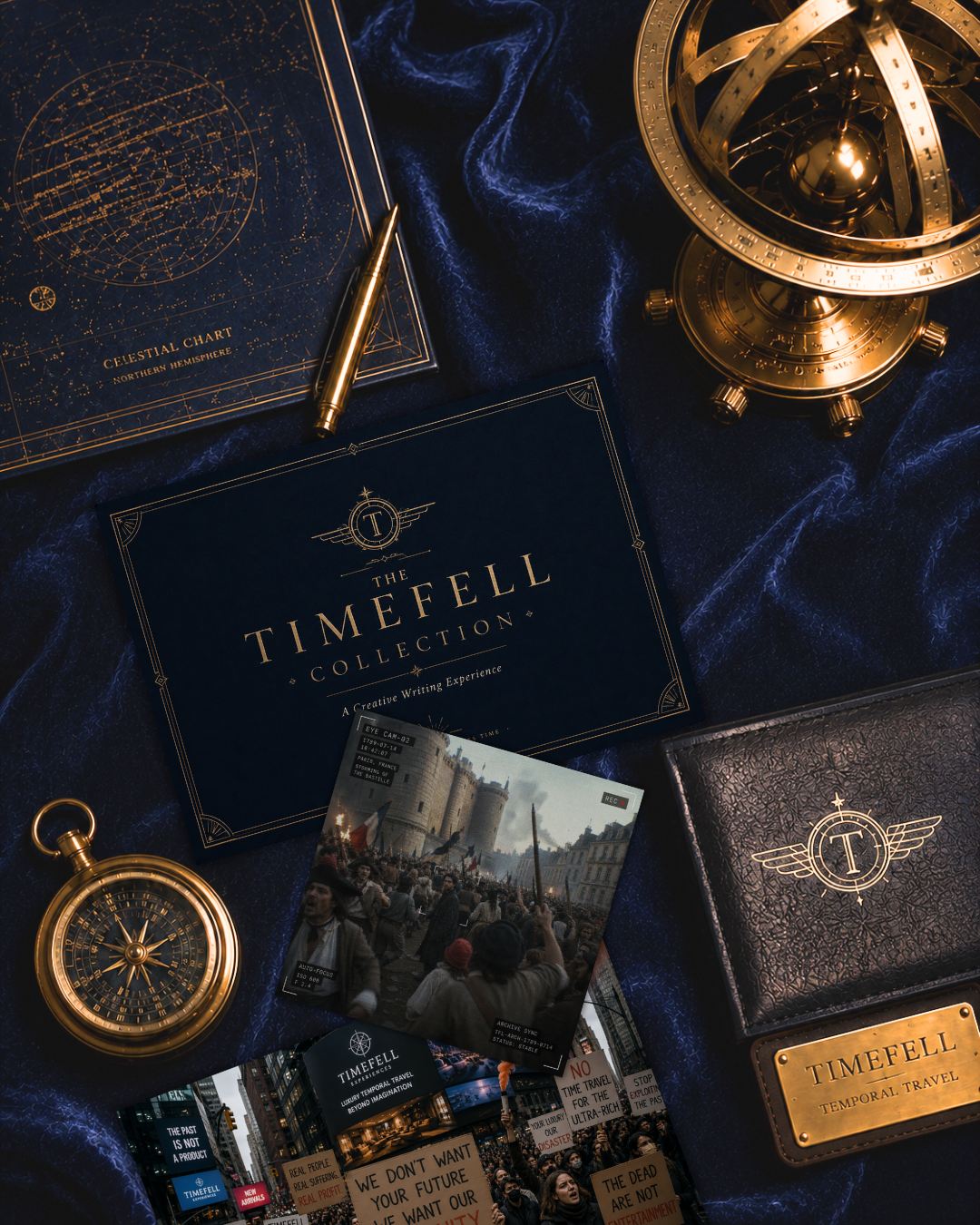
In The Timefell Collection, time travel became public in 2020.
By 2046, it had become a business.
Ancient cities welcome paying visitors. Dinosaurs roam protected reserves. Luxury cruises travel between centuries. And future societies open their gates to carefully managed excursions from the past.
For those who can afford it, every era is a destination.
The Timefell Collection is an immersive digital storyworld archive filled with travel posters, boarding passes, newspaper articles, diary entries, hotel records, reviews, private correspondence, handwritten notes and other artefacts left behind by travellers.
Use the archive to explore a world where visiting the future has become possible, or take the idea further in your own writing. What happens when tourists arrive in a colony founded centuries after they were born? How would its inhabitants view people from the past? What parts of the settlement would visitors be allowed to see — and what might be deliberately kept away from them?
Perhaps the glossy excursion brochure shows a thriving colony beneath an alien sky.
Perhaps the people who actually live there tell a very different story.
→ Explore The Timefell Collection
Final Thoughts
Sci-fi colony fiction combines survival, technology, political tension, and psychological isolation within settings that feel both futuristic and deeply human. Colonies often exist on the edge of collapse, dependent on fragile systems that can fail at any moment. Beneath the futuristic architecture and advanced technology, these stories frequently ask timeless questions about power, identity, loneliness, ambition, and what humanity becomes when removed from Earth itself.
These 70 Sci-Fi Colony Writing Prompts invite writers to explore orbital hotels, failing stations, distant settlements, artificial worlds, and isolated communities struggling to survive beneath unfamiliar skies. Whether used for classroom writing, creative exercises, NaNoWriMo planning, or larger speculative fiction projects, these prompts encourage atmospheric storytelling where technology and humanity remain in constant tension.
If you would like to explore more futuristic storytelling ideas, imaginative settings, and genre-based prompt collections, you can browse the Creative Writing Archive or visit the Sci-Fi Writing Hub, where new speculative worlds and science fiction ideas continue to expand.
Choose Your Next Adventure