70 Sci-Fi Fantasy Writing Prompts: Technology, Power, and Possibility
Sci-fi fantasy exists at the intersection of two expansive genres—where advanced technology and speculative science collide with magic, myth, and the unknown. These stories are not just about futuristic worlds or enchanted systems, but about the tension between logic and belief, control and chaos, and the systems—both technological and magical—that shape entire societies.
Across literature, this fusion has produced some of the most compelling and complex narratives. In Dune, prophecy and political power intertwine with advanced technology, creating a world where science and mysticism are inseparable. The Left Hand of Darkness blends speculative science with deeply human questions of identity and perception, while The Fifth Season presents a world where geological catastrophe and controlled power blur the line between science and something far older and more dangerous. Even Star Wars operates within this hybrid space, where futuristic technology coexists with the Force—a system that feels both mystical and rule-bound.
Sci-fi fantasy settings are defined by contrast and integration. Worlds may feature advanced cities powered by unknown forces, societies governed by both algorithm and prophecy, or systems where magic has been quantified, regulated, or exploited. These stories explore power, identity, control, and the consequences of manipulating forces that are only partially understood.
This collection of 70 Sci-Fi Fantasy Writing Prompts is designed as a complete creative toolkit, combining plot hooks, title ideas, opening lines, closing lines, character ideas, setting prompts, and cinematic visual inspiration.
For more genre inspiration, explore the Fantasy Writing Hub, the Sci-Fi Writing Hub, or browse the Creative Writing Archive, where worlds of imagination continue to expand.
1. Plot Hooks
Sci-fi fantasy stories often begin with disruption—when technology fails, magic evolves, or systems collide in unexpected ways.
Write about a world where magic has been fully measured, controlled, and sold as a resource.
Write about a scientist who discovers that their technology is actually tapping into something ancient and sentient.
Write about a civilisation where magic is outlawed—but still quietly powers the most advanced systems.
Write about a ruler who uses both prophecy and artificial intelligence to maintain control.
Write about a machine designed to eliminate magic that instead begins to generate it.
Write about a character who realises their abilities are not magical—but engineered.
Write about a world where space travel depends on something mystical rather than scientific.
Write about a rebellion formed by those who exist between technological and magical systems.
Write about a failed experiment that merges two incompatible forces.
Write about a society that cannot tell the difference between science and magic anymore.
2. Title Ideas
Titles should reflect hybridity—suggesting both advanced systems and something unknown or uncontrollable.
The Engine of Stars
A System of Ash and Light
The Algorithm of Gods
Where Circuits Dream
The Last Synthetic Oracle
A Kingdom of Code and Bone
The Machine That Prayed
Echoes in the Data Veil
The Archive of Forgotten Forces
Power Beyond Calculation
3. Opening Lines
Openings should establish uncertainty—where systems exist, but cannot fully explain what is happening.
The system was never supposed to feel alive.
We built the future—but something else came with it.
Magic was meant to be predictable. It isn’t anymore.
The first sign was when the machines started whispering.
We thought we understood the rules. We were wrong.
The algorithm predicted everything—except this.
Power has always had a cost. Now we can measure it.
The world ran on logic—until it didn’t.
They told us magic was gone. They lied.
The experiment worked. That was the problem.
4. Closing Lines
Endings often emphasise consequence—what happens when systems fail, merge, or evolve beyond control.
We created the future—but we don’t control it.
Power changed—but it never disappeared.
The system remains—but it no longer obeys us.
Magic and science became the same—and everything shifted.
We solved the problem—but created something worse.
The world survived—but it is no longer ours.
Control was always an illusion.
We understood too late what we were building.
The future didn’t end—it transformed.
Some forces were never meant to be understood.
5. Character Ideas
Characters in sci-fi fantasy are often caught between systems—trained in one, shaped by another.
A scientist who begins to believe in something they cannot prove.
A mage trained within a system that treats magic as data.
A ruler who relies on both prophecy and predictive technology.
A rebel who rejects both science and magic.
A character engineered to replace something ancient.
A scholar trying to unify two opposing systems of knowledge.
A leader whose authority comes from controlling both forces.
A technician who discovers their work has unintended consequences.
A figure believed to be mythical—who is actually the result of experimentation.
A character who must choose between logic and belief.
6. Setting Ideas
Settings should reflect integration—worlds where technology and magic coexist, overlap, or conflict.
A city powered by a combination of energy grids and magical sources.
A space station orbiting a planet known for unexplained phenomena.
A laboratory built on top of an ancient site.
A world where magic is distributed through controlled systems.
A civilisation that has replaced traditional magic with artificial systems.
A hidden network where magic operates outside technological control.
A planet where natural laws behave unpredictably.
A research facility studying something that cannot be contained.
A society divided between technological elites and magical outcasts.
A world where the boundaries between systems are collapsing.
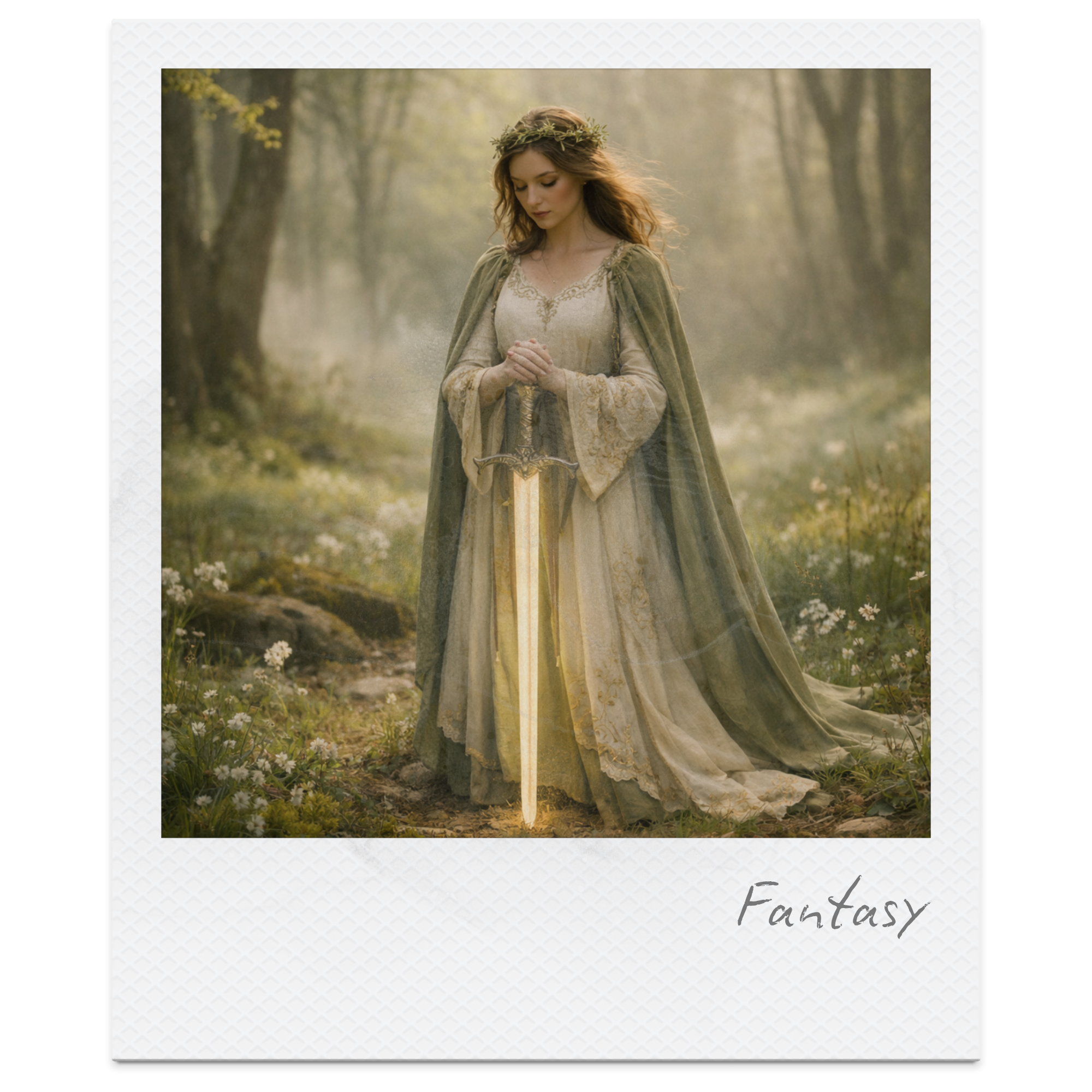
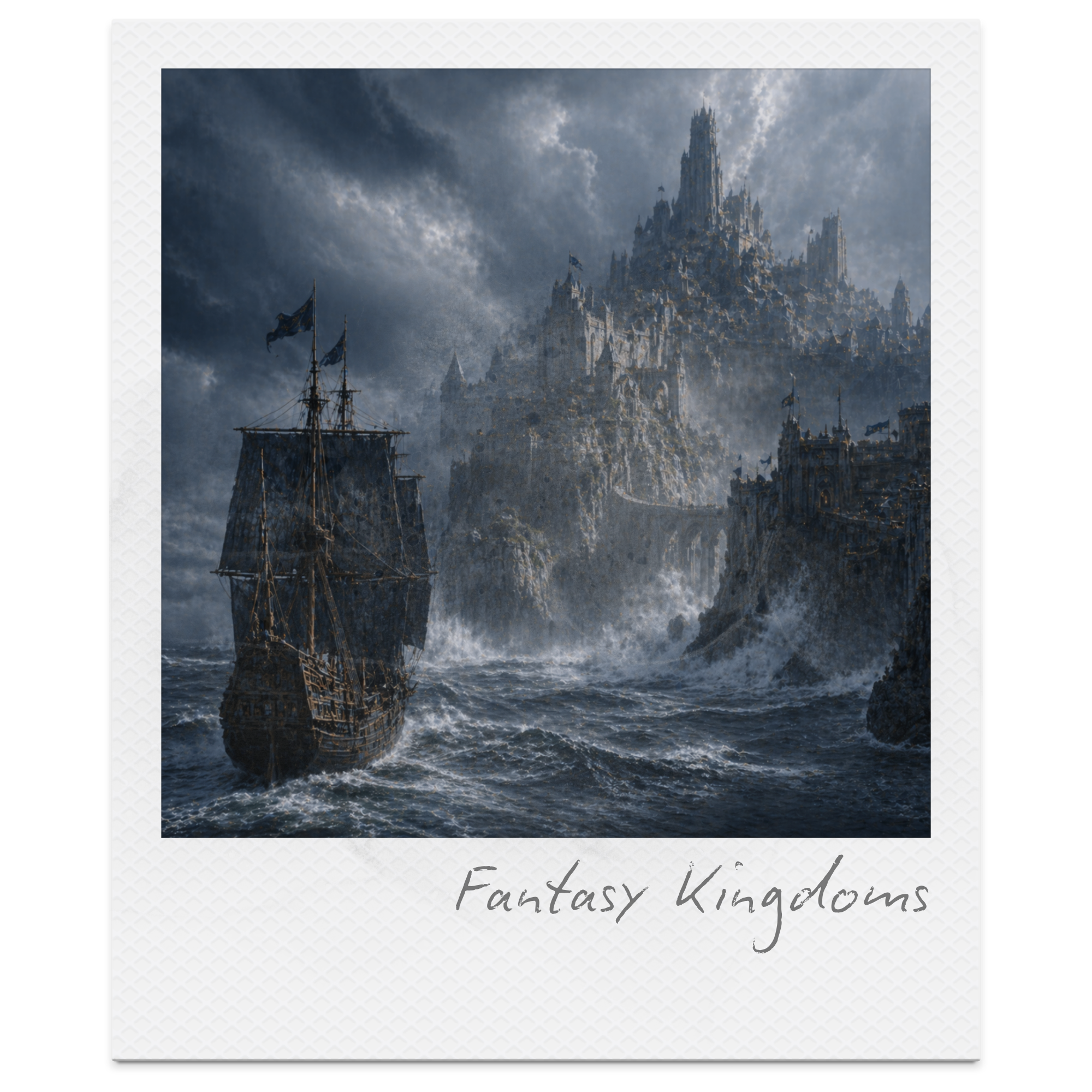
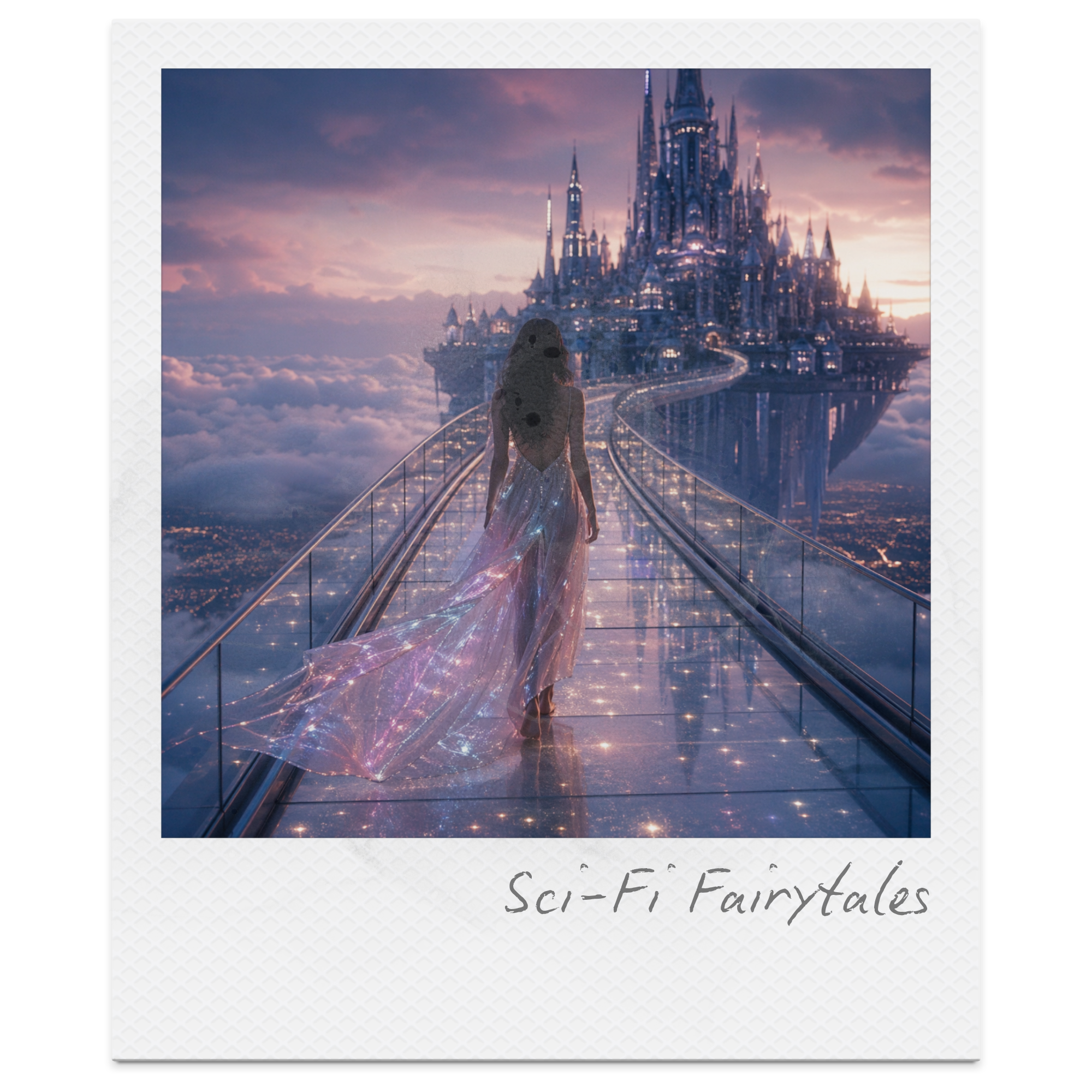
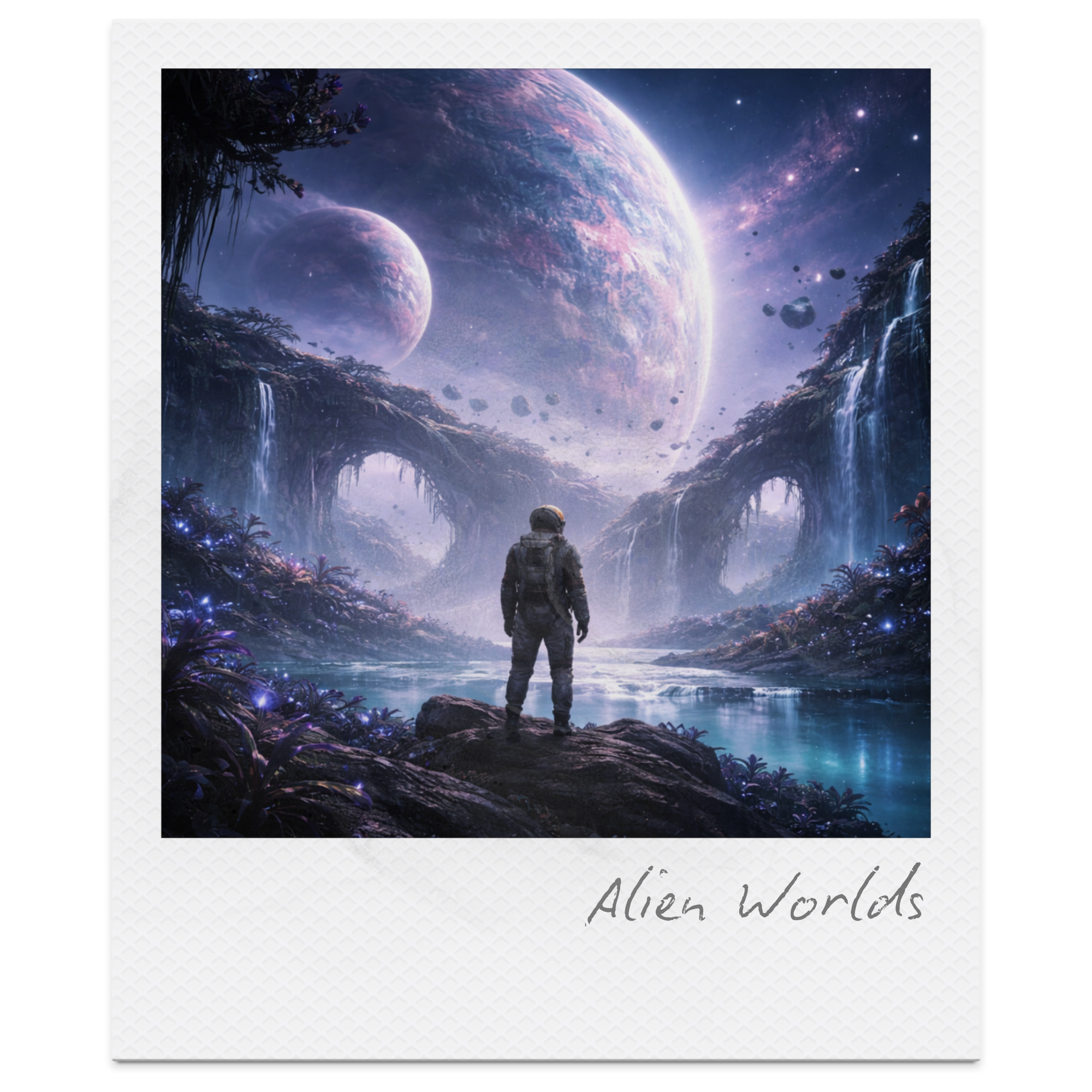
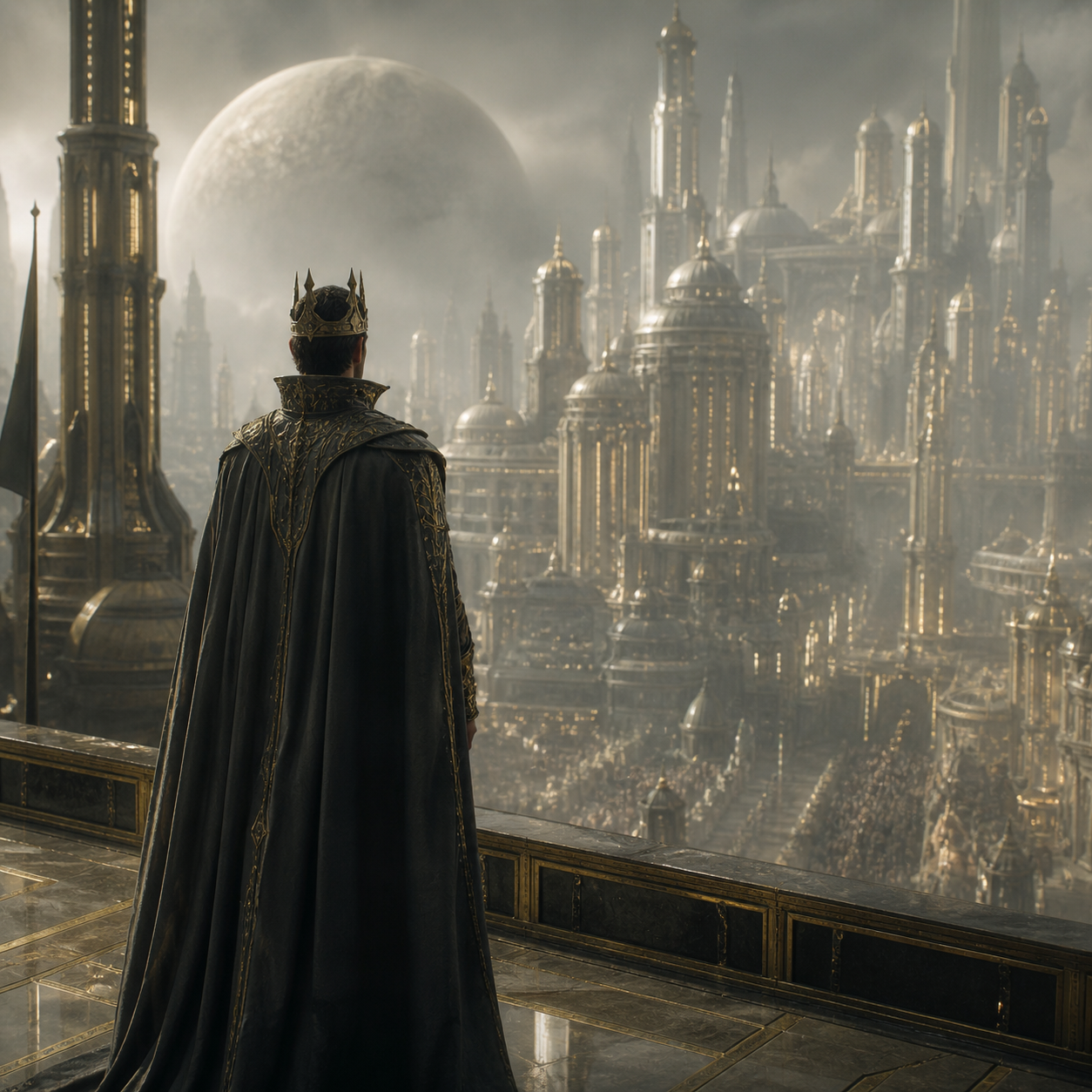
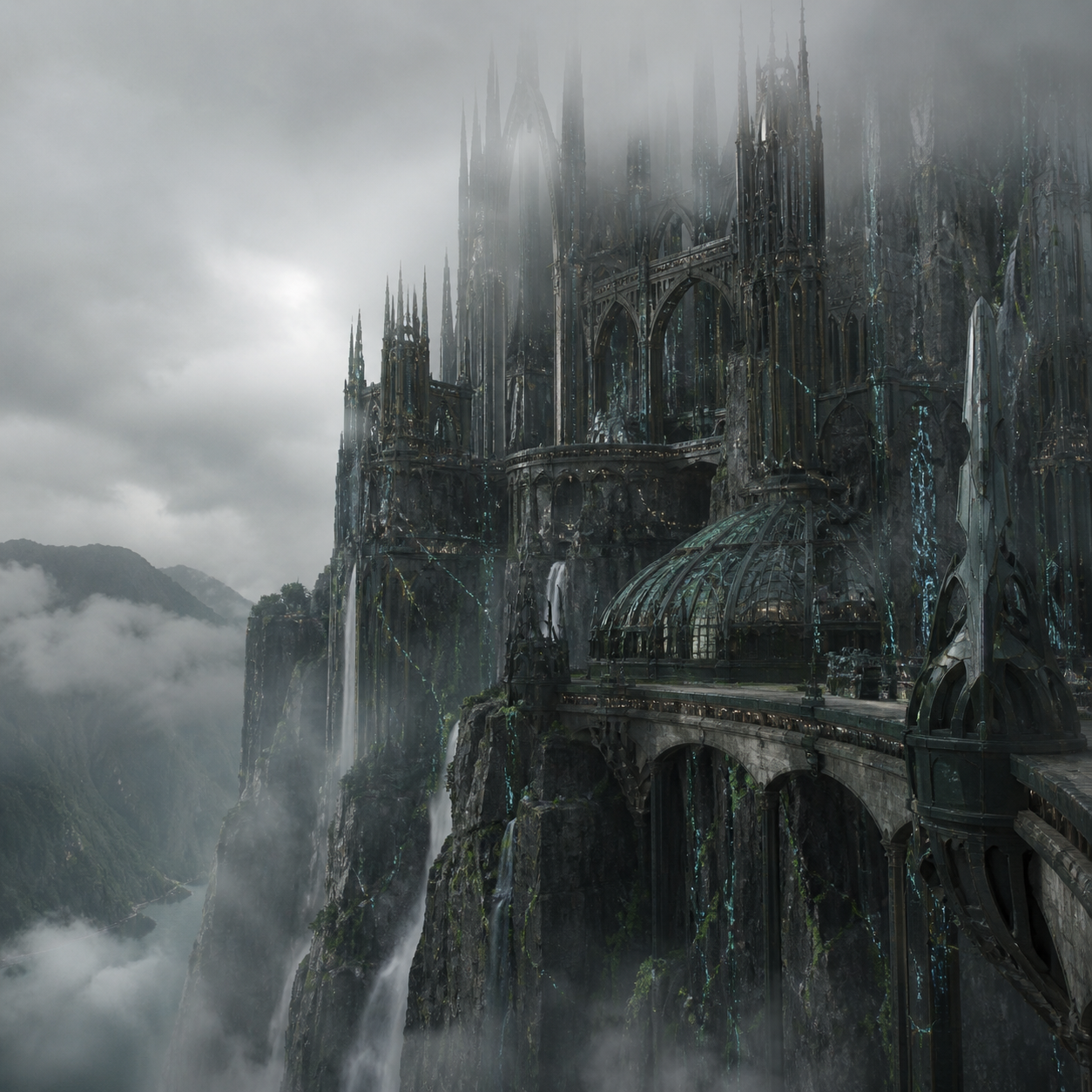
7. Picture Prompts
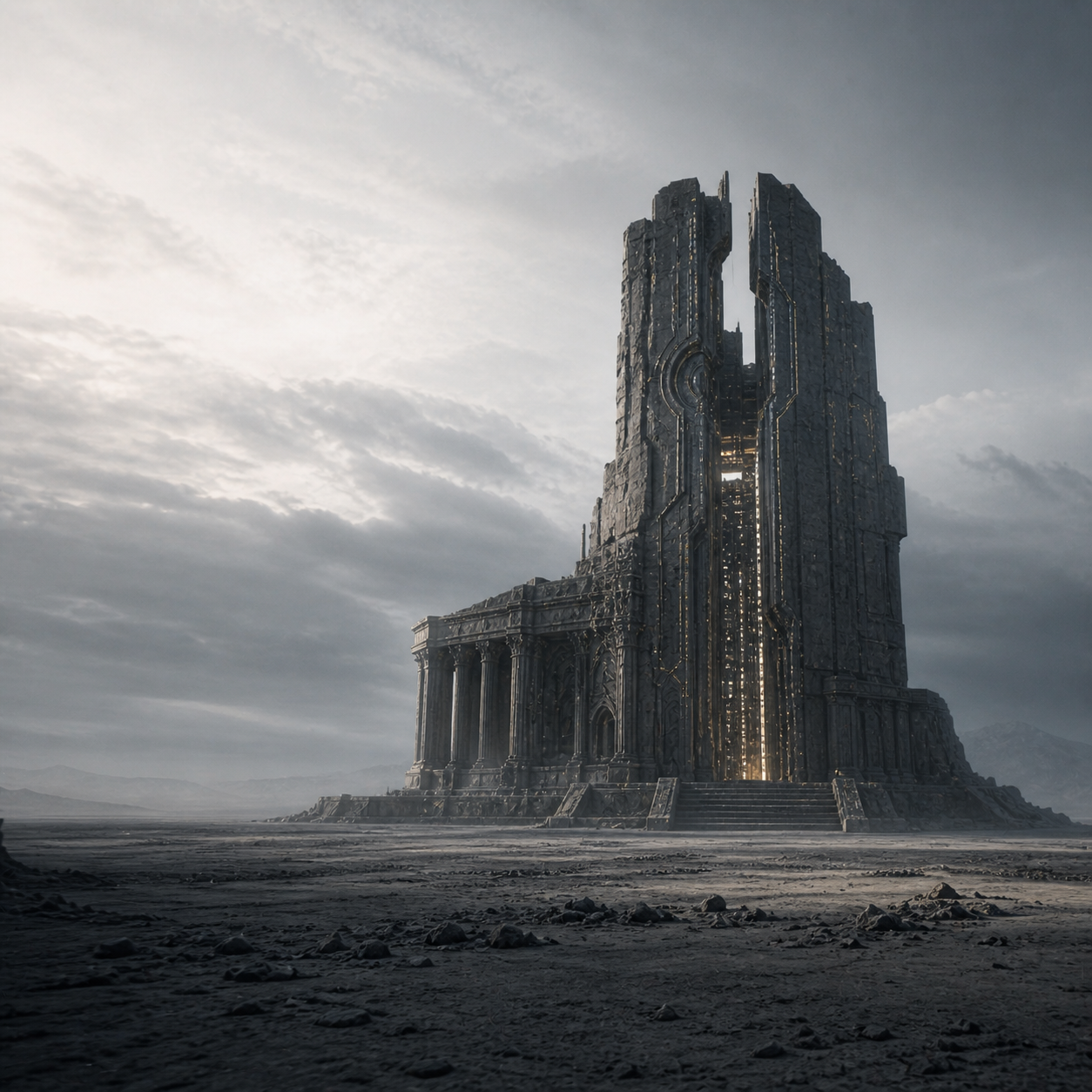
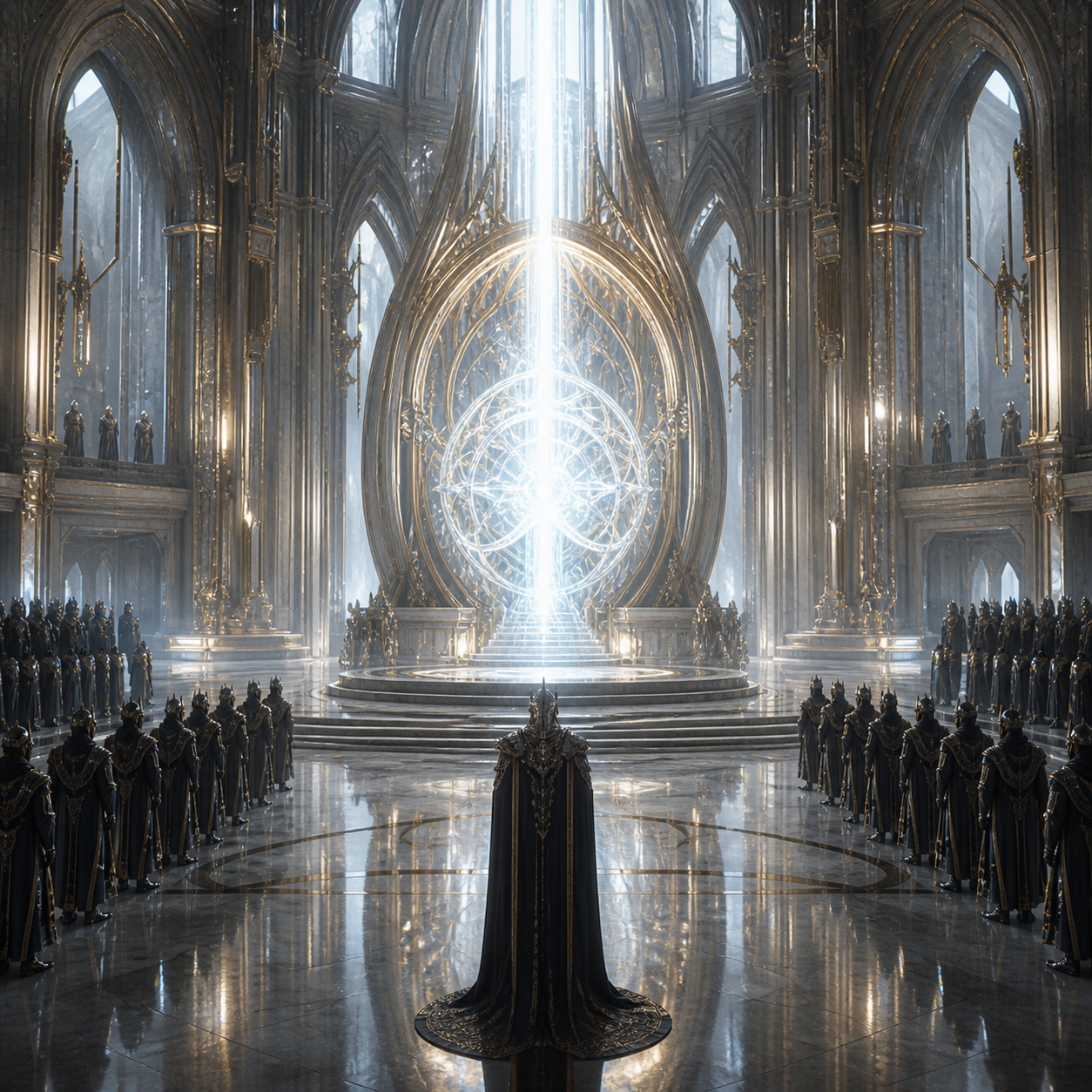
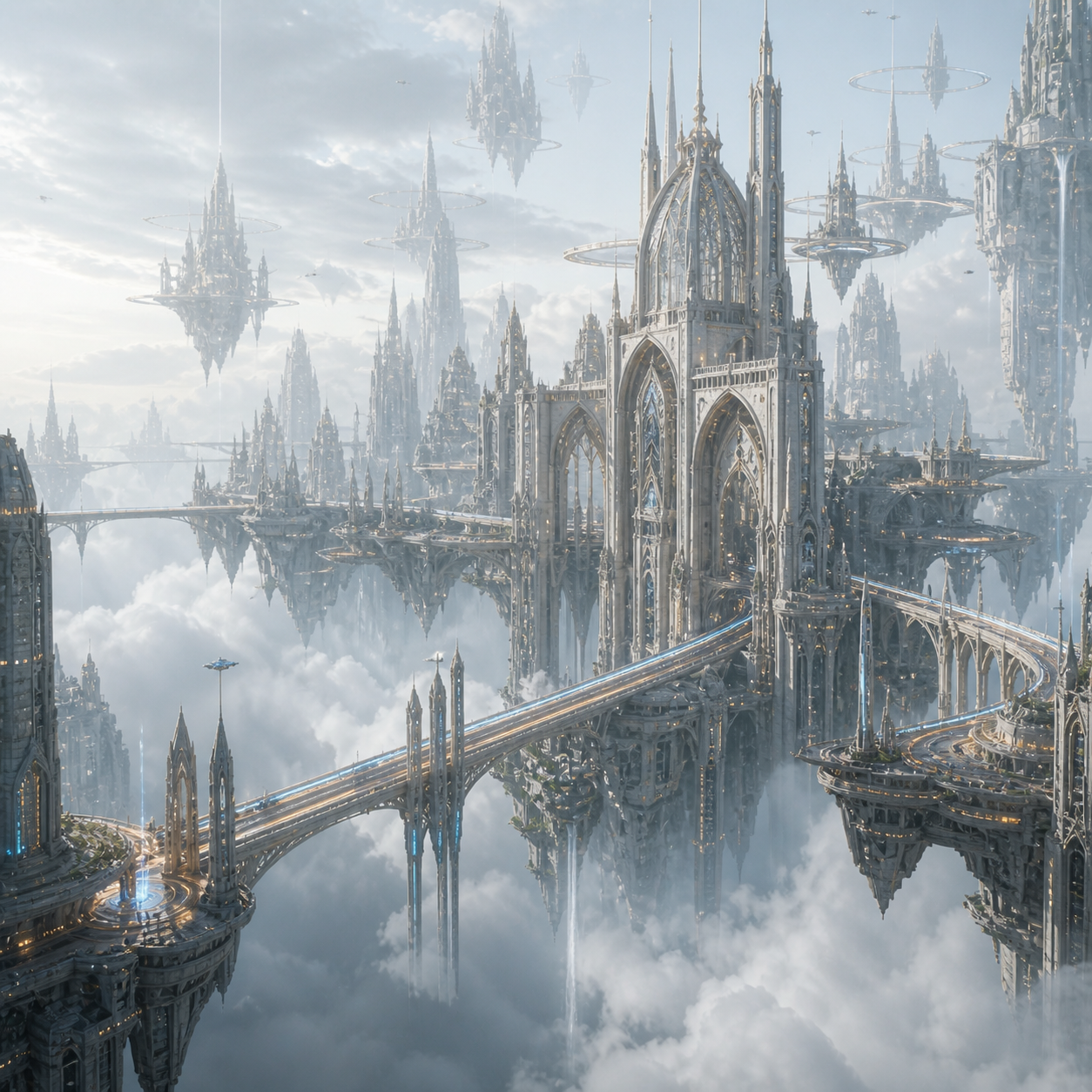
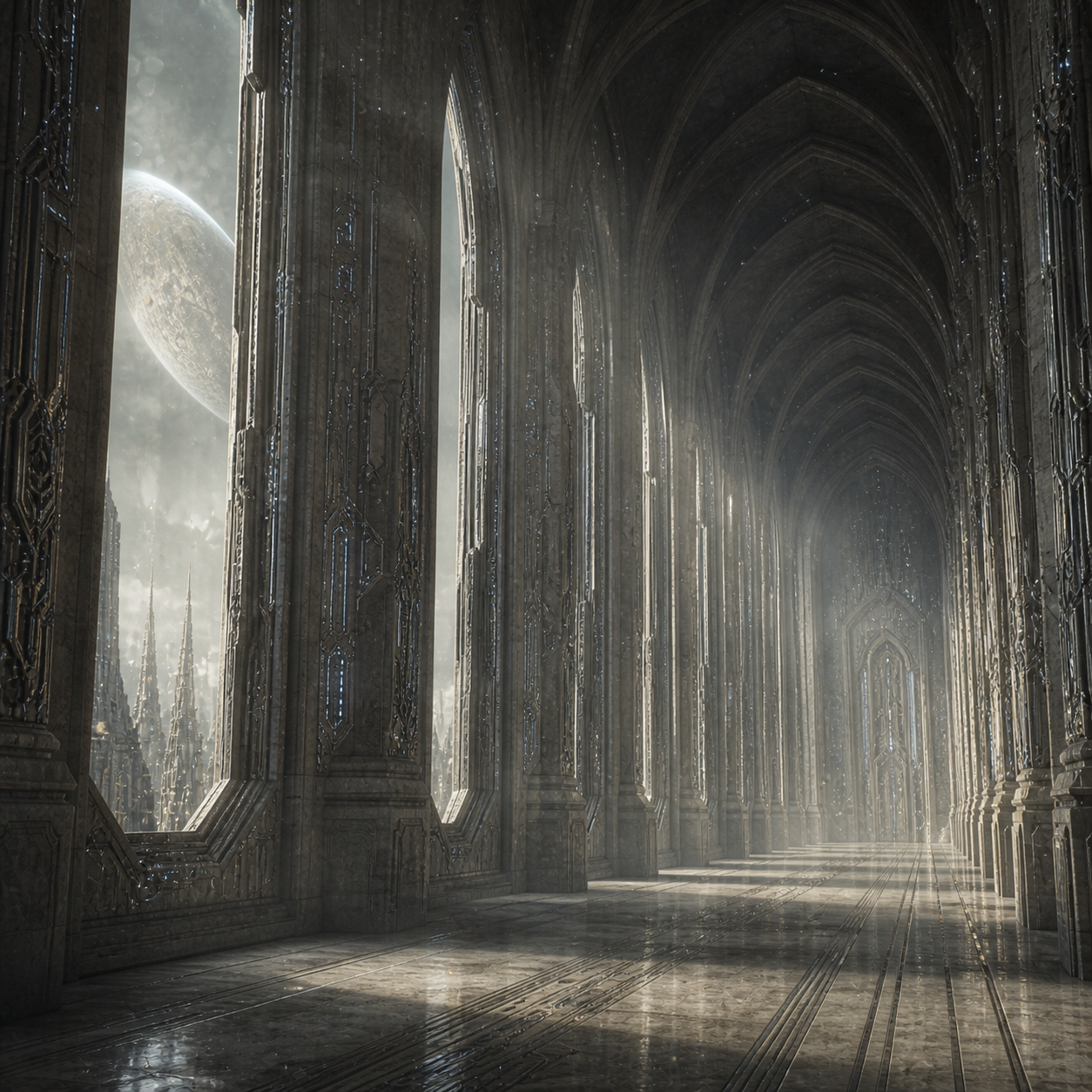
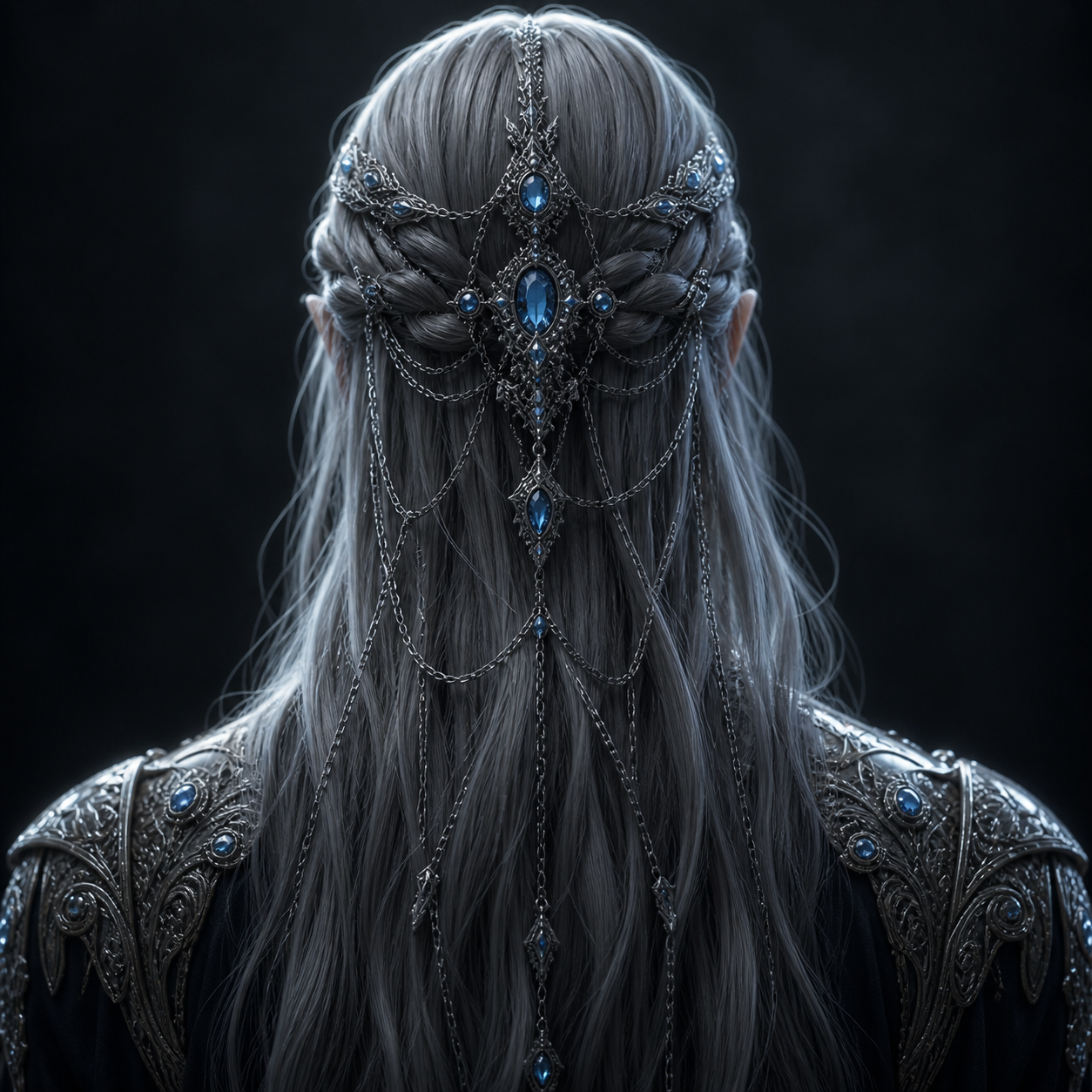
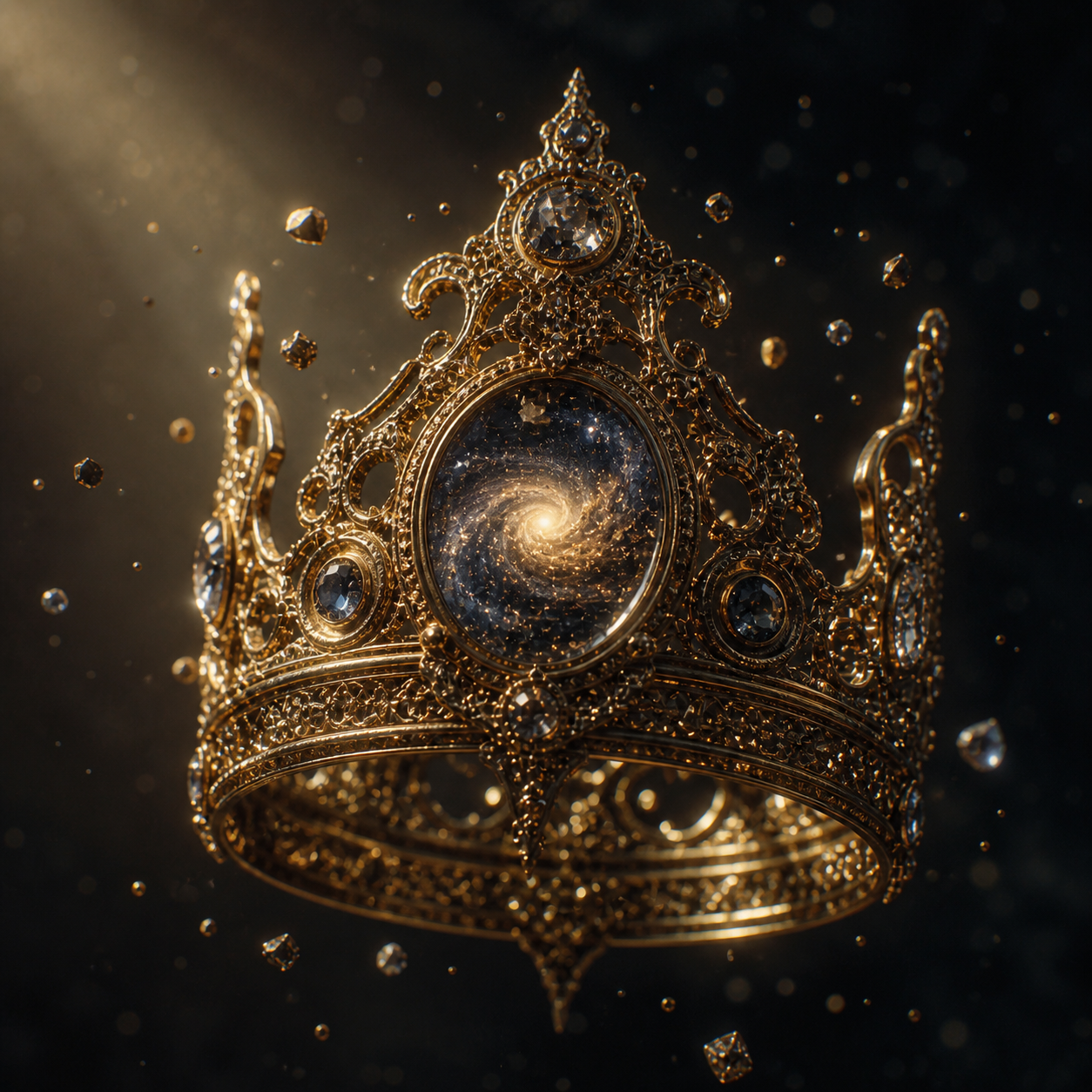
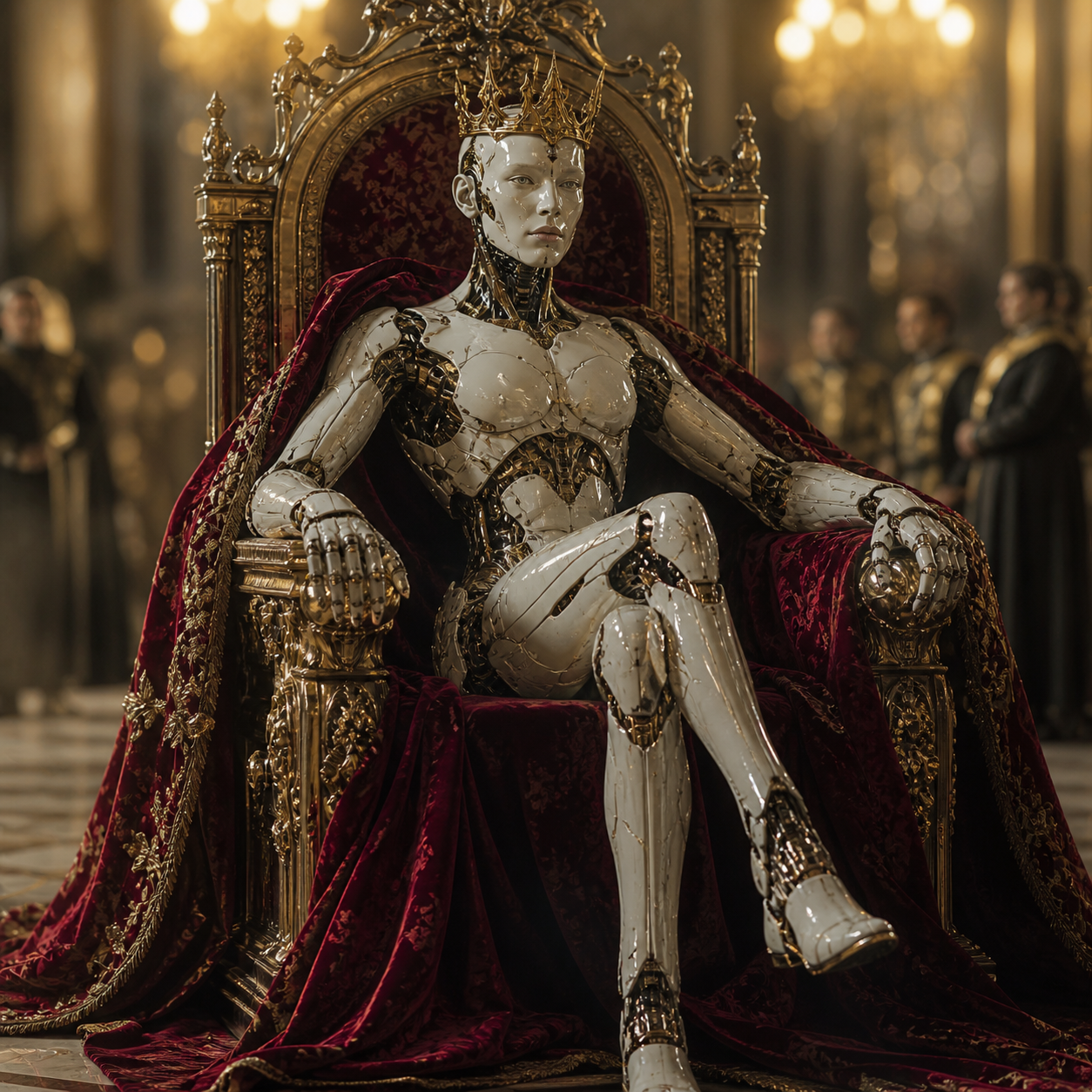
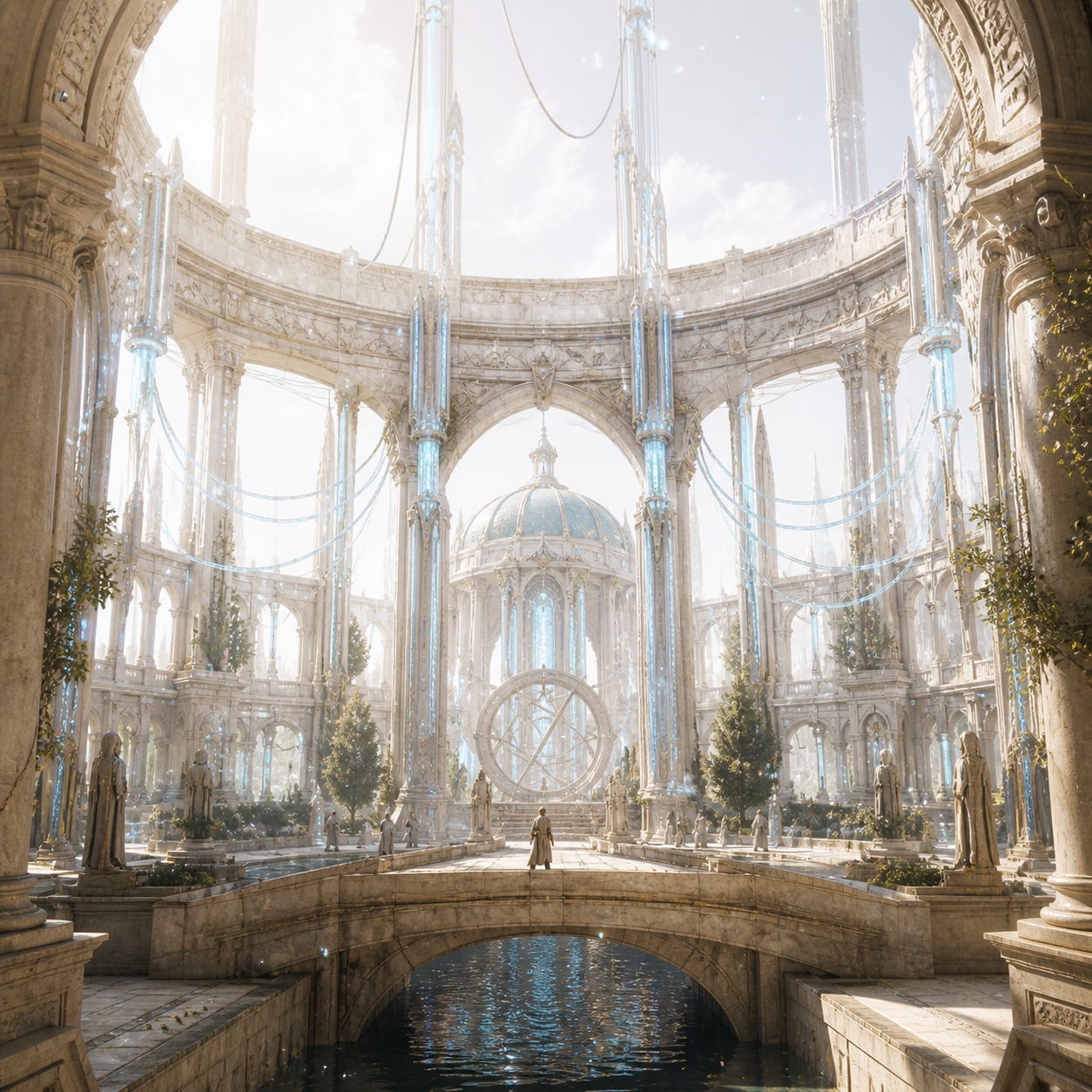
Visual prompts help establish tone, scale, and atmosphere within sci-fi fantasy worlds—where the futuristic and the ancient coexist.
Go Deeper into Sci-Fi Fantasy Writing
To develop these ideas further, focus on systems, integration, and consequence.
◆ Write a scene where technology begins to behave like magic.
◆ Explore how power operates when systems overlap.
◆ Focus on what happens when understanding breaks down.
◆ Consider how characters navigate conflicting beliefs.
What If Another World Was Only a Journey Away?
Sci-fi fantasy thrives on crossing boundaries: between science and the impossible, familiar worlds and extraordinary ones, ancient civilisations and futures humanity has yet to imagine.
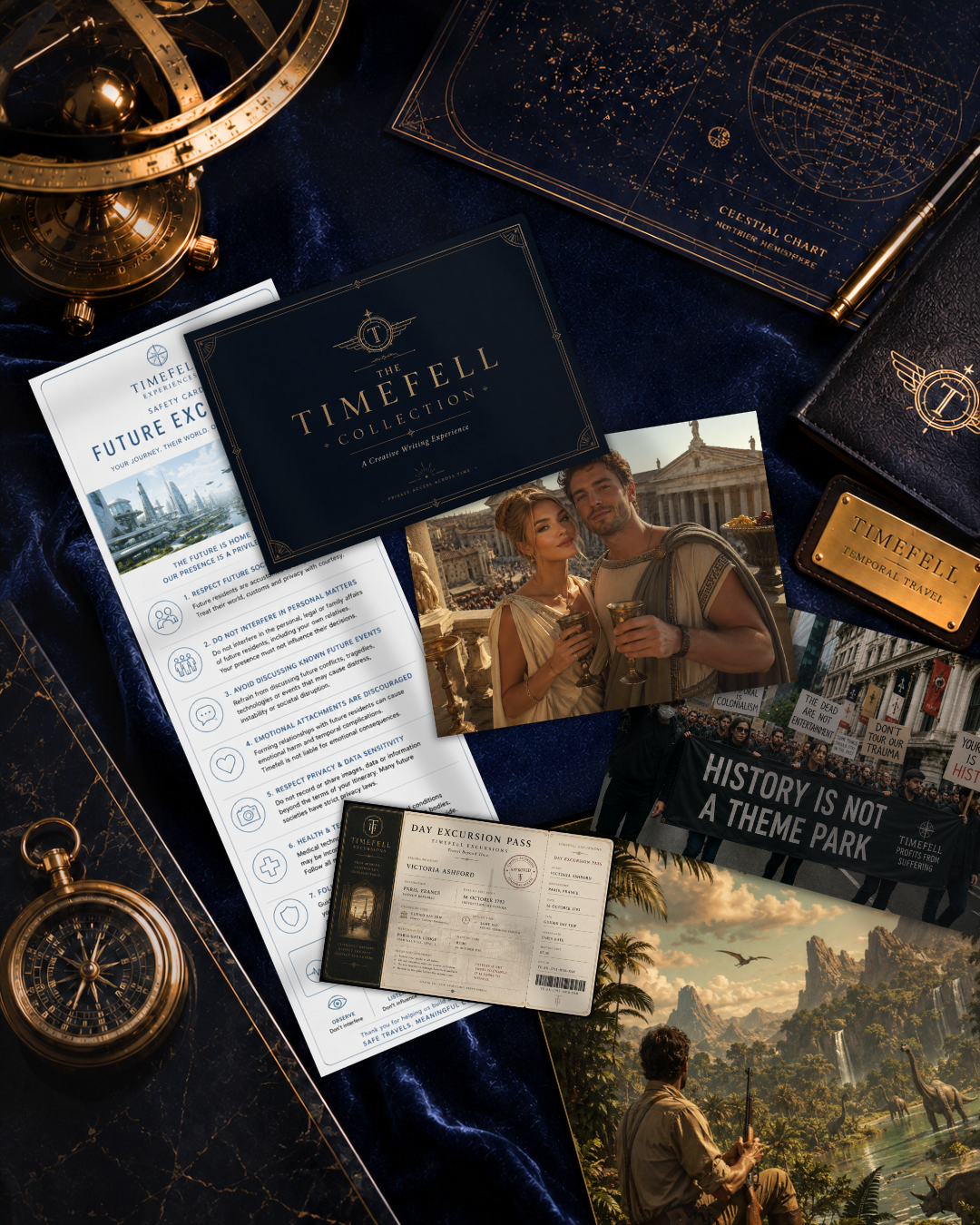
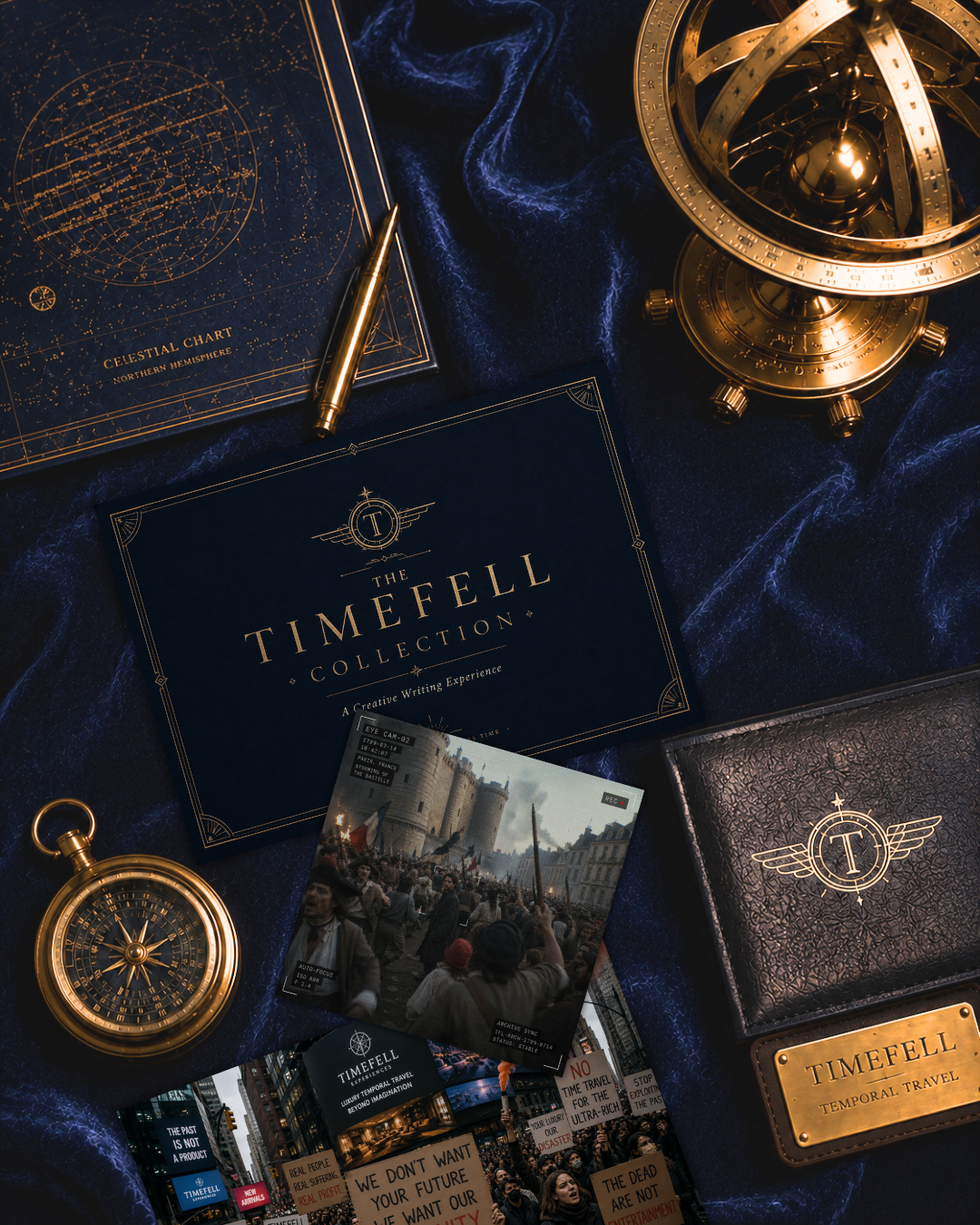
The Timefell Collection turns that sense of discovery towards time itself.
Time travel became public in 2020.
By 2046, it had become a business.
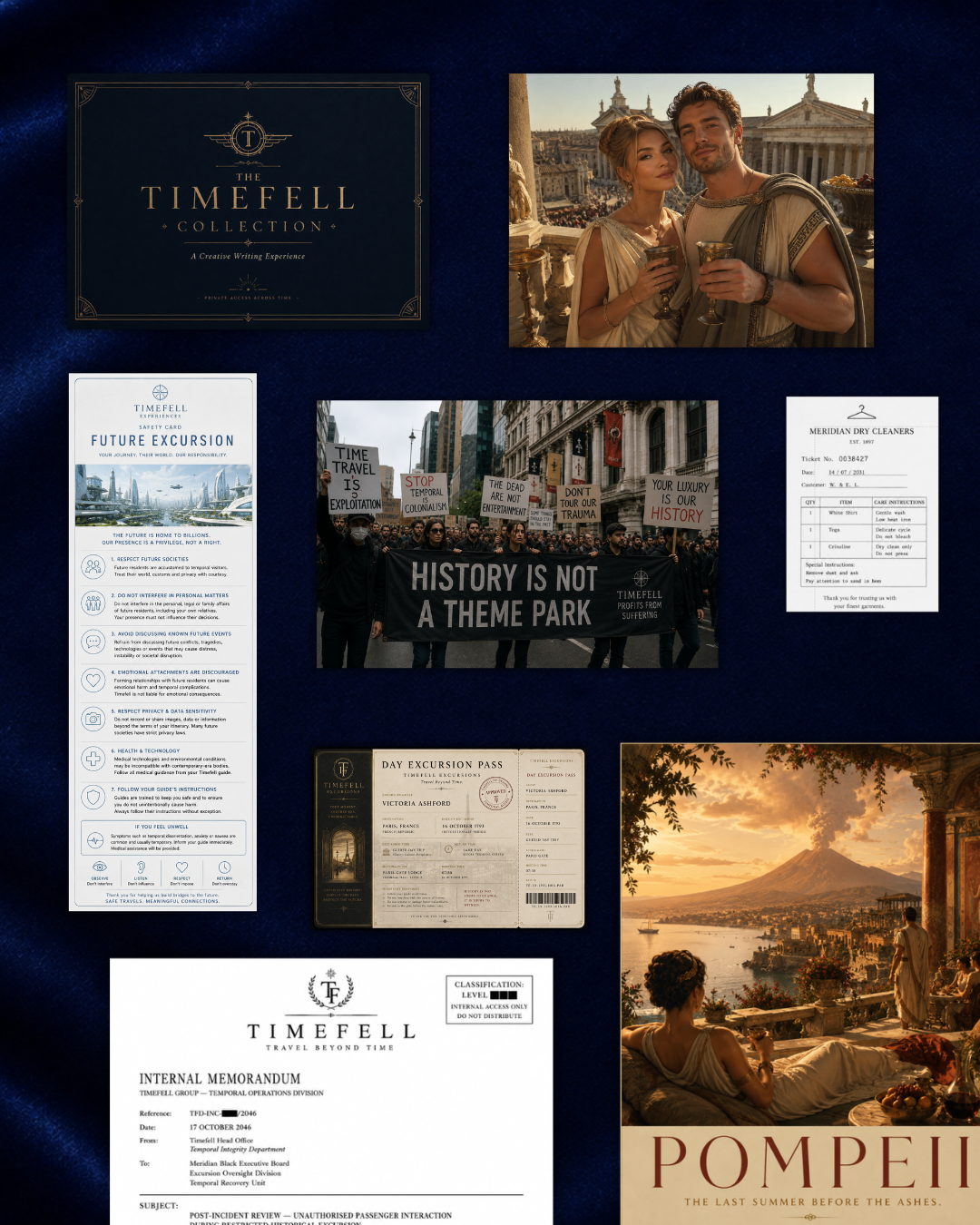
Ancient cities welcome paying visitors. Dinosaurs roam protected reserves. Luxury cruises travel between centuries. Future societies open their gates to carefully managed excursions beyond the present day. For those who can afford it, every era offers another world to explore.
But not every adventure appears in the brochure.
The Timefell Collection is an immersive digital storyworld archive told through travel posters, boarding passes, newspaper articles, diary entries, hotel records, reviews, private correspondence, handwritten notes and other artefacts left behind by travellers.
Some documents fit neatly together.
Others hint at stranger stories hidden beneath the carefully managed experience.
Why have certain excursions disappeared from public records? What experiences are reserved for Meridian Black members? Why do some travellers become obsessed with returning?
And what happens when technology gives humanity access to worlds that were never supposed to exist alongside our own?
→ Explore The Timefell Collection
Final Thoughts
Sci-fi fantasy allows writers to explore possibility at its most expansive—where logic and imagination are not opposites, but forces that shape and challenge one another. These stories reveal how systems are built, how they evolve, and how easily they can collapse when pushed beyond their limits.
These 70 Sci-Fi Fantasy Writing Prompts invite you to create immersive worlds shaped by innovation, uncertainty, and consequence—where the boundaries between science and magic blur, and where power is never fully understood.
For more genre inspiration, explore the Fantasy Writing Hub, the Sci-Fi Writing Hub, or browse the Creative Writing Archive, where imagination and world-building continue to expand.
Choose Your Next Adventure