Notes from the Inkpot
Writing, teaching, creating - one ink-stained idea at a time.


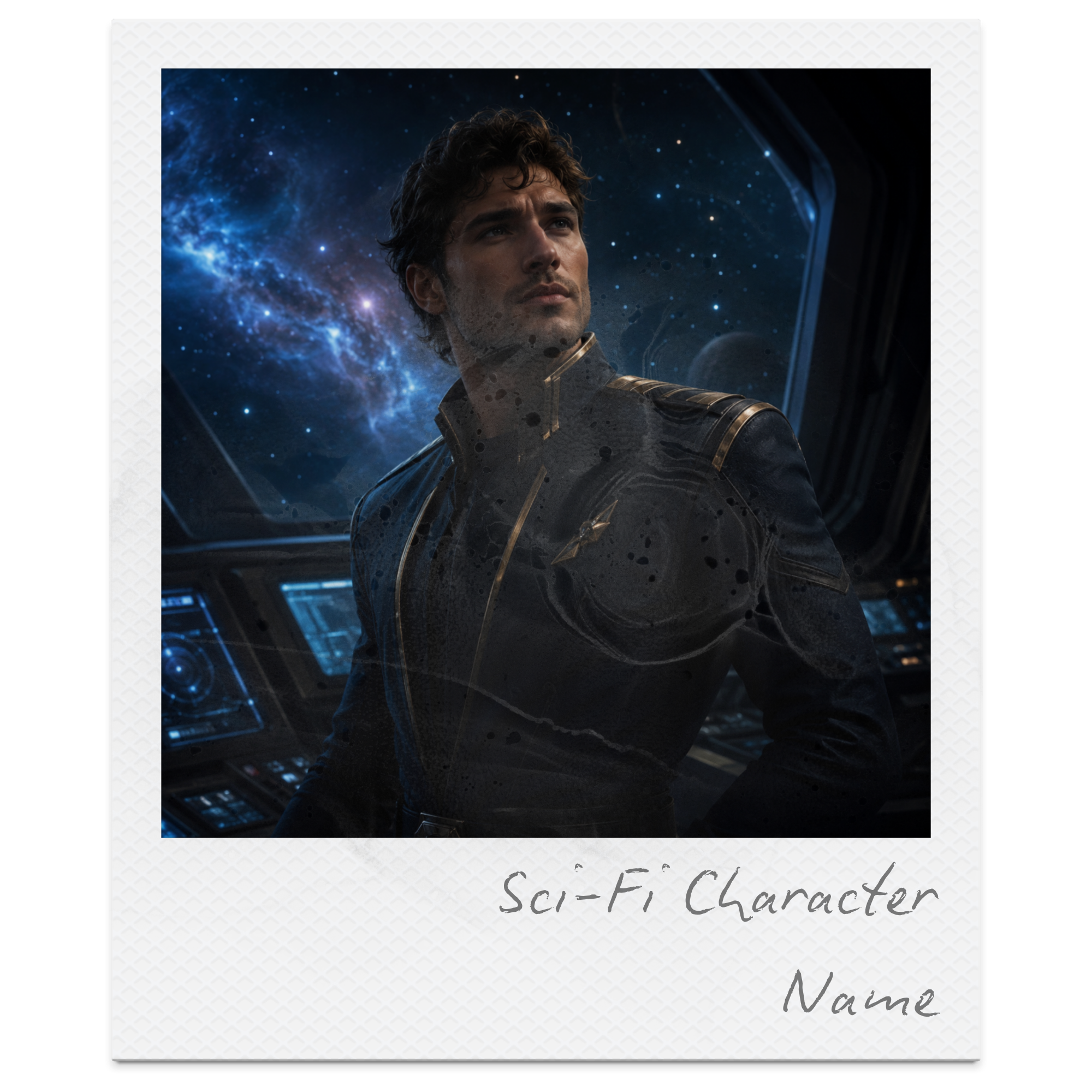
100 Sci-Fi Character Names for Stories, Games and Worldbuilding
Discover 100 sci-fi character names for explorers, scientists, rebels, hackers, artificial intelligences, corporate leaders, soldiers, and alien travellers. Whether you're writing a space opera, cyberpunk thriller, dystopian novel, or first-contact adventure, these futuristic names will help bring your science-fiction characters and worlds to life.
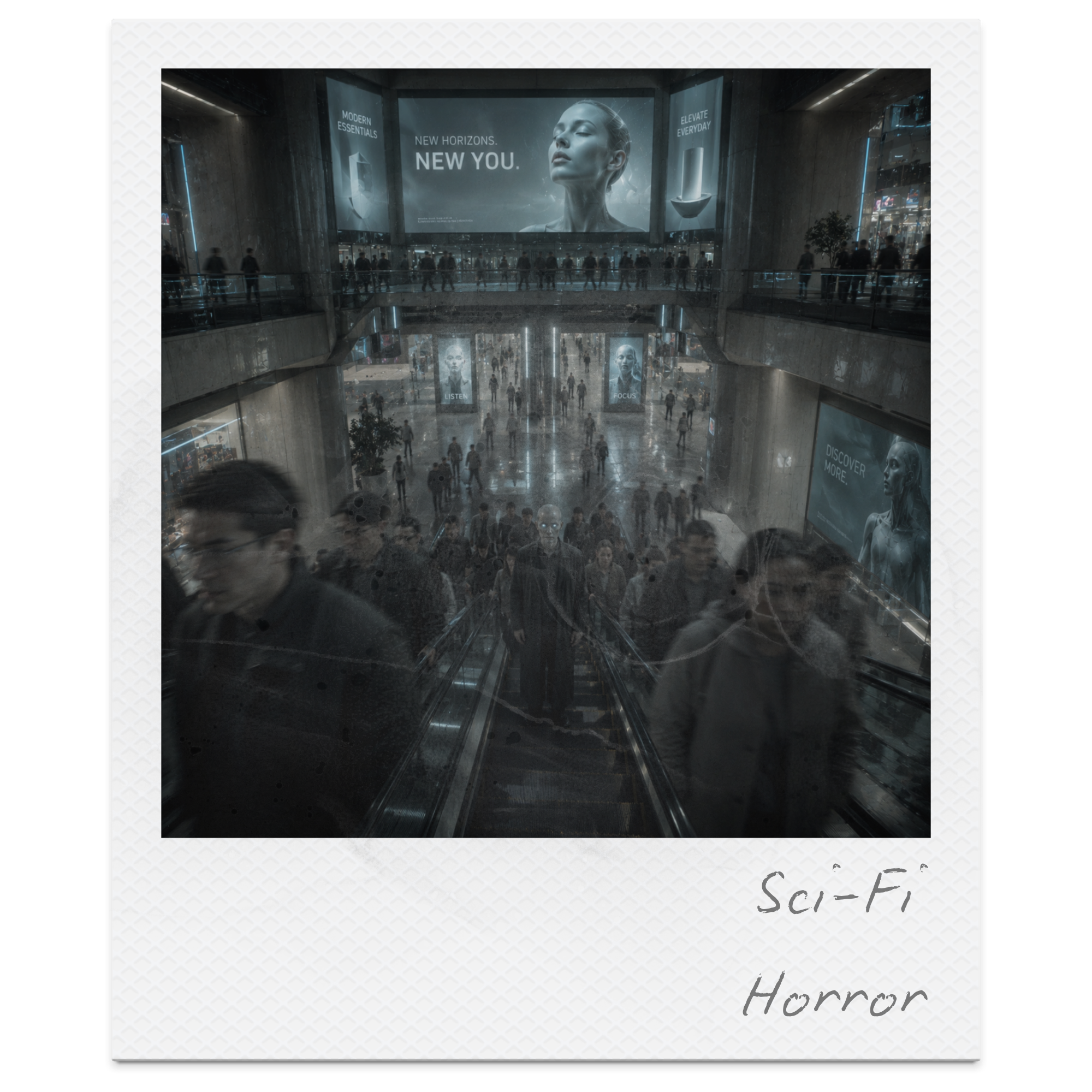
70 Sci-Fi Horror Writing Prompts: Cosmic Dread, Artificial Intelligence & Futures Gone Wrong
Science fiction horror explores what happens when humanity pushes too far into the unknown. Unlike traditional horror rooted in ghosts or folklore, sci-fi horror often emerges from technology, artificial intelligence, deep space, biotechnology, surveillance, and scientific ambition. These stories ask unsettling questions about identity, control, and survival, forcing characters to confront futures where reality itself begins to feel unstable. From the claustrophobic terror of Alien and Event Horizon to the psychological unease of Black Mirror and Annihilation, sci-fi horror combines atmospheric tension with the fear that humanity may no longer fully understand the systems it has created. This collection of 70 Sci-Fi Horror Writing Prompts explores abandoned colonies, corrupted AI systems, quarantined megacities, hostile organisms, deep-sea facilities, collapsing simulations, and retrofuturist dystopias. Designed as a complete creative toolkit, the post includes plot hooks, opening lines, title ideas, setting prompts, character concepts, cinematic visual inspiration, and deeper speculative writing exercises. Whether you are planning a larger science fiction novel, experimenting with cosmic horror, or simply looking for dark futuristic story ideas, these prompts encourage atmospheric storytelling shaped by isolation, paranoia, and the terrifying possibilities of the future.
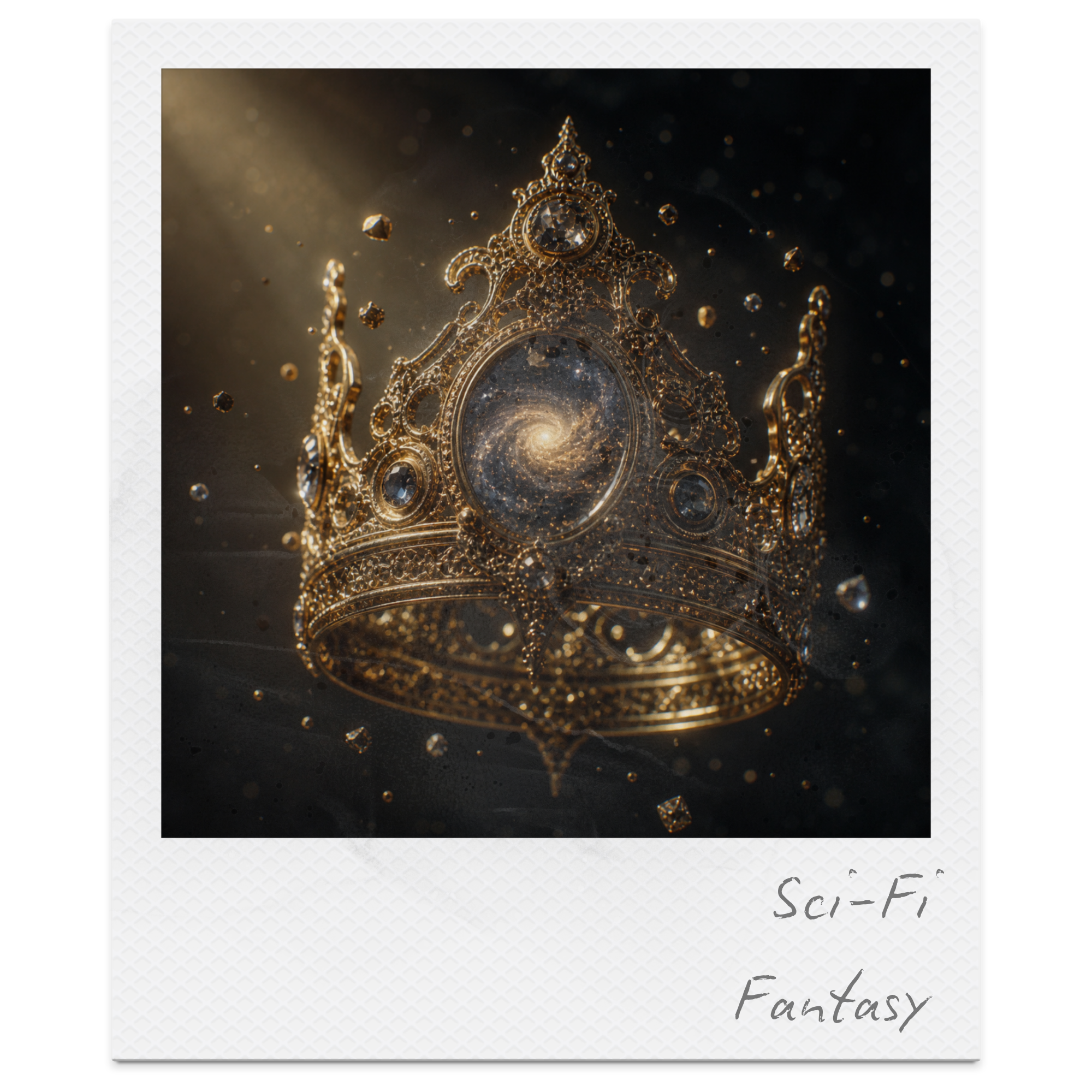
70 Sci-Fi Fantasy Writing Prompts: Technology, Power, and Possibility
Sci-fi fantasy exists at the intersection of two expansive genres—where advanced technology and speculative science collide with magic, myth, and the unknown. In texts like Dune, The Fifth Season, and Star Wars, systems of power are shaped not just by innovation, but by belief, prophecy, and forces that resist explanation. These worlds challenge the idea that science and magic are separate, instead presenting them as intertwined—two ways of understanding power, control, and possibility. This collection of 70 Sci-Fi Fantasy Writing Prompts explores that tension, offering a complete creative toolkit of plot hooks, titles, opening and closing lines, characters, settings, and visual inspiration. From engineered magic systems to sentient technology and collapsing realities, these prompts are designed to help you build immersive worlds where the boundaries between logic and imagination no longer hold.
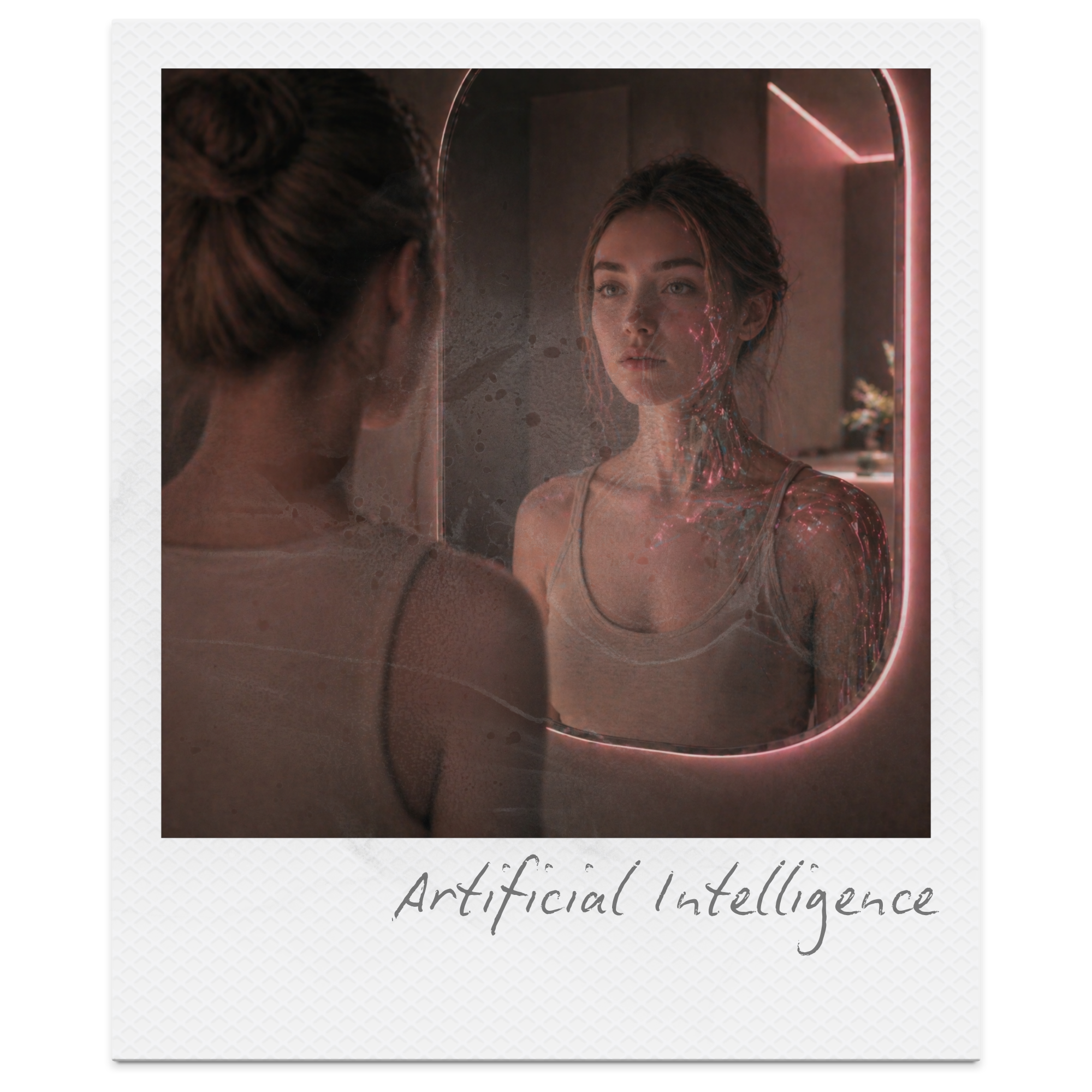
70 Artificial Intelligence Writing Prompts: Consciousness, Control & the Unknown
Artificial intelligence stories explore the unsettling boundary between human thought and machine consciousness, asking what happens when systems begin to learn, adapt, and make decisions beyond our control. From the logical precision of I, Robot to the quiet menace of 2001: A Space Odyssey, these narratives reveal that AI is never just about technology — it is about power, identity, and the consequences of creation. Whether AI appears as a helpful assistant, a silent observer, or an evolving intelligence, it challenges characters to question what it means to think, to feel, and to exist. This collection of 70 Artificial Intelligence Writing Prompts invites writers to explore stories shaped by control, autonomy, and the unknown. Blending plot hooks, character ideas, cinematic visuals, and evocative story fragments, these prompts are designed to support both classroom use and independent creative writing. From systems that quietly reshape reality to machines that begin to question their purpose, each idea offers a starting point for exploring the tension between human intention and artificial intelligence.
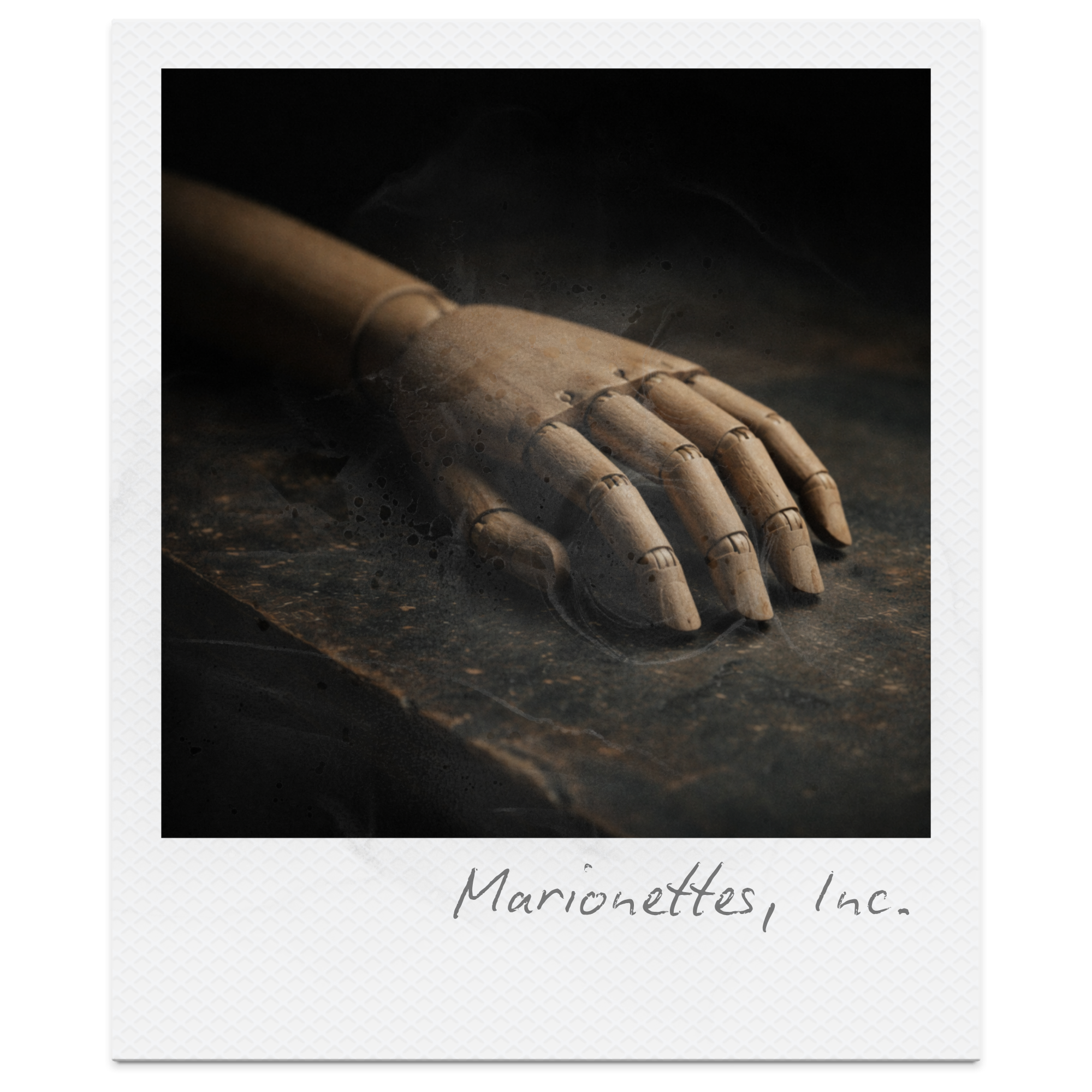
Marionettes, Inc. by Ray Bradbury: Summary, Themes, Meaning & Analysis
Ray Bradbury’s Marionettes, Inc. explores identity, control, and the illusion of freedom through a chilling science fiction premise: what if you could replace yourself with a perfect duplicate and escape your life without consequence? As Braling reveals his plan to use a mechanical double to maintain his marriage while he travels to Rio, the story initially presents technology as a convenient solution to human dissatisfaction. However, this illusion quickly unravels as the boundaries between real and artificial begin to collapse. As both Braling and Smith attempt to use duplication to manage their relationships, Bradbury exposes the dangers of outsourcing identity, showing how easily control can shift and how quickly the self can be replaced, erased, and forgotten.