70 Cli-Fi Writing Prompts for Teens: Story Starters, Characters, Settings & Visual Ideas
Climate Fiction (Cli-Fi) explores how climate change, environmental collapse, and human choices shape the world — not in distant fantasy realms, but in futures that feel uncomfortably possible. For teen writers, Cli-Fi offers a powerful way to explore responsibility, resilience, inequality, science, ethics, and hope.
This collection of 70 Cli-Fi writing prompts for teens gives students a full creative toolkit: plot hooks, title ideas, opening and closing lines, character concepts, settings, and picture prompts. These prompts work well for English lessons, cross-curricular projects, creative writing clubs, homework tasks, or extended independent writing.
If you’re looking for more genres, tropes, or seasonal collections, you can browse the full master list of 2000+ creative writing prompts here.
1. Plot Hooks
Cli-Fi plot hooks often focus on ordinary people navigating extraordinary environmental change. These ideas encourage students to explore cause and consequence, moral dilemmas, and survival without relying on zombies, aliens, or magic.
Write about a town where water is rationed by age.
Write about a teenager whose job is to monitor rising sea levels in their hometown.
Write about a school that relocates every year because of flooding.
Write about a family forced to abandon their home due to wildfires.
Write about a city where air masks are mandatory outdoors.
Write about a teen who discovers their town’s climate data has been falsified.
Write about a community living under a permanent heat dome.
Write about a student whose family profits from environmental damage.
Write about a future where food labels include carbon scores.
Write about a coastal town preparing for its final evacuation.
2. Title Ideas
These titles suit short stories, coursework pieces, or longer Cli-Fi projects. They lean on atmosphere, symbolism, and tension rather than spectacle.
The Last Safe Year
Under the Heat Warning
What the Water Took
The Day the Sirens Stayed On
After the Shoreline Moved
Breathing Hours
The Map We Used to Trust
Before the Blackouts
The Quiet Storm
No One Left to Evacuate
3. Opening Lines
Strong Cli-Fi openings place readers inside a changed world immediately, using small details to signal something is wrong.
“The evacuation notice arrived before breakfast.”
“They said the air quality was acceptable, but my throat burned anyway.”
“The sea wall held—until it didn’t.”
“We stopped calling it summer after the third heatwave.”
“School was cancelled again, not for snow but for smoke.”
“The river hadn’t flooded yet, but everyone packed anyway.”
“We measured time by power outages now.”
“My mum said this used to be a beach.”
“The warning sirens became background noise.”
“They told us not to panic, which meant it was already too late.”
4. Closing Lines
Cli-Fi endings often balance realism with reflection, leaving space for uncertainty, responsibility, or quiet resistance.
“We didn’t fix the world, but we didn’t give up on it either.”
“The water reached the doorstep by morning.”
“We stayed, even when leaving would have been easier.”
“The city lights came back on, one by one.”
“We learned how to live differently.”
“The map was useless, but we kept walking.”
“The storm passed, but nothing felt the same.”
“Hope looked smaller than I imagined—but it was still there.”
“We planted anyway.”
“This was only the beginning.”
5. Character Ideas
These characters allow students to explore different perspectives within environmental crises, encouraging empathy and ethical thinking.
A teen whose family works in renewable energy.
A student climate activist facing community backlash.
A young carer during a prolonged heat emergency.
A family living in temporary climate housing.
A scientist tracking local environmental changes.
A fisherman watching stocks disappear.
A teen tasked with caring for animals during evacuations.
A student translator for displaced families.
A conspiracy theorist who documents climate events online.
An engineer designing small-scale survival solutions.
6. Settings
Cli-Fi settings often reflect altered versions of familiar places, helping students imagine change without overwhelming them.
A flooded high street navigated by walkways.
A school operating on emergency power.
A coastal town behind reinforced sea walls.
A drought-stricken farming community.
A city under constant smog alerts.
A relocation centre in an abandoned shopping mall.
A train station used as a temporary shelter.
A heat-resistant housing estate.
A research station monitoring local collapse.
A former tourist beach now closed indefinitely.
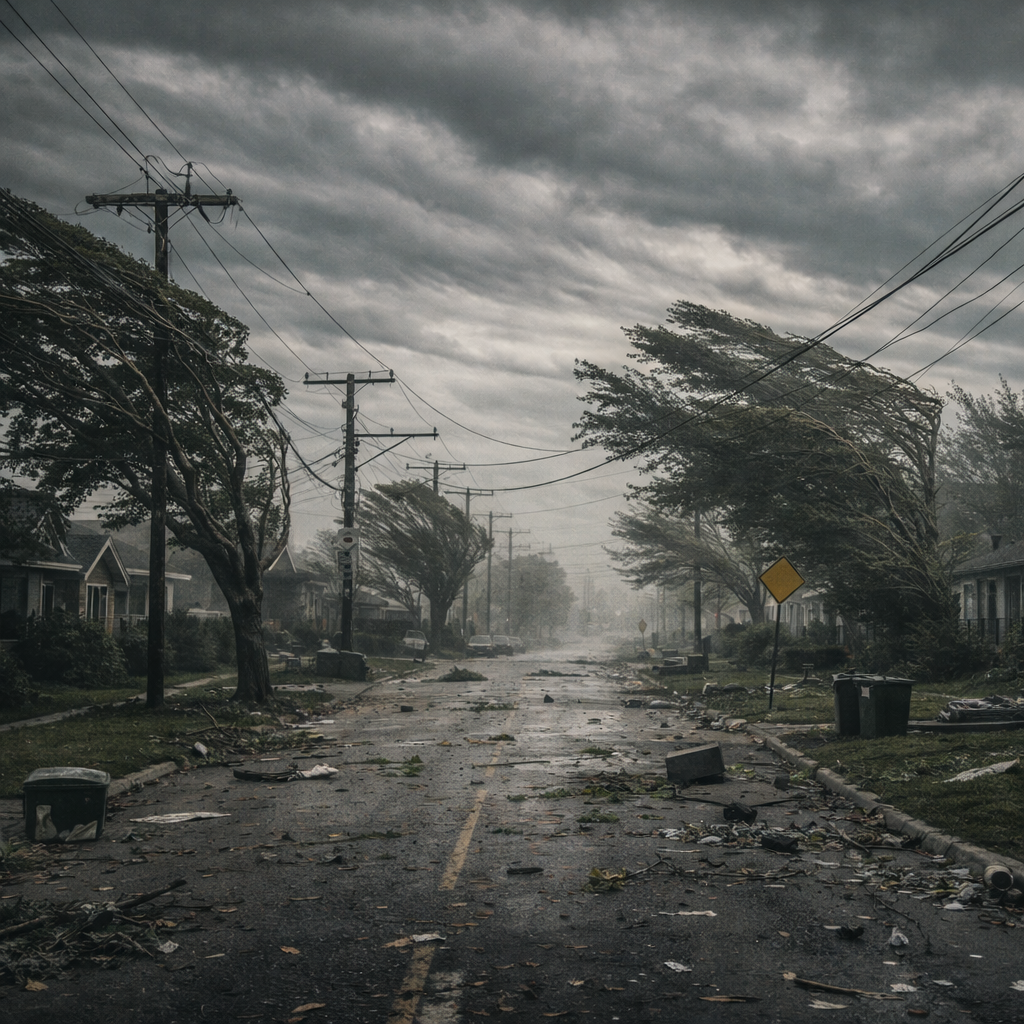
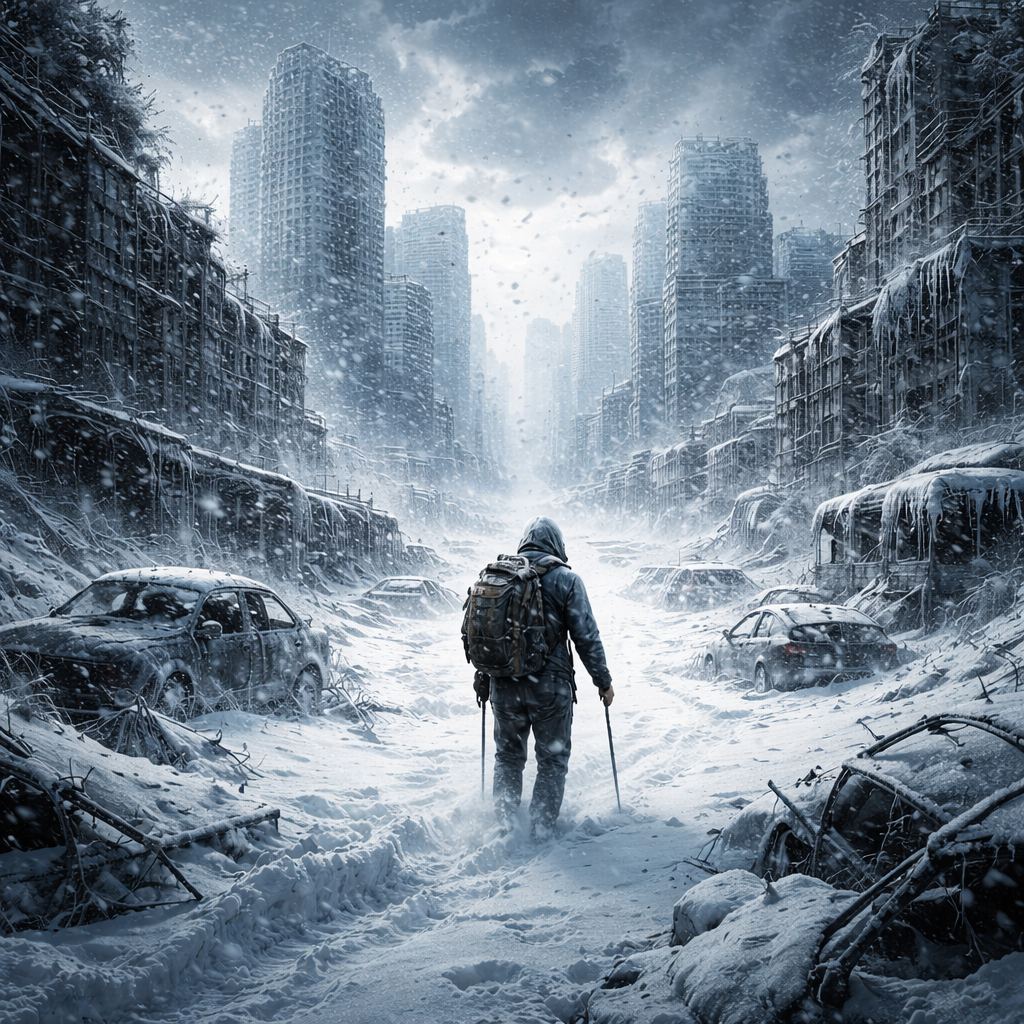
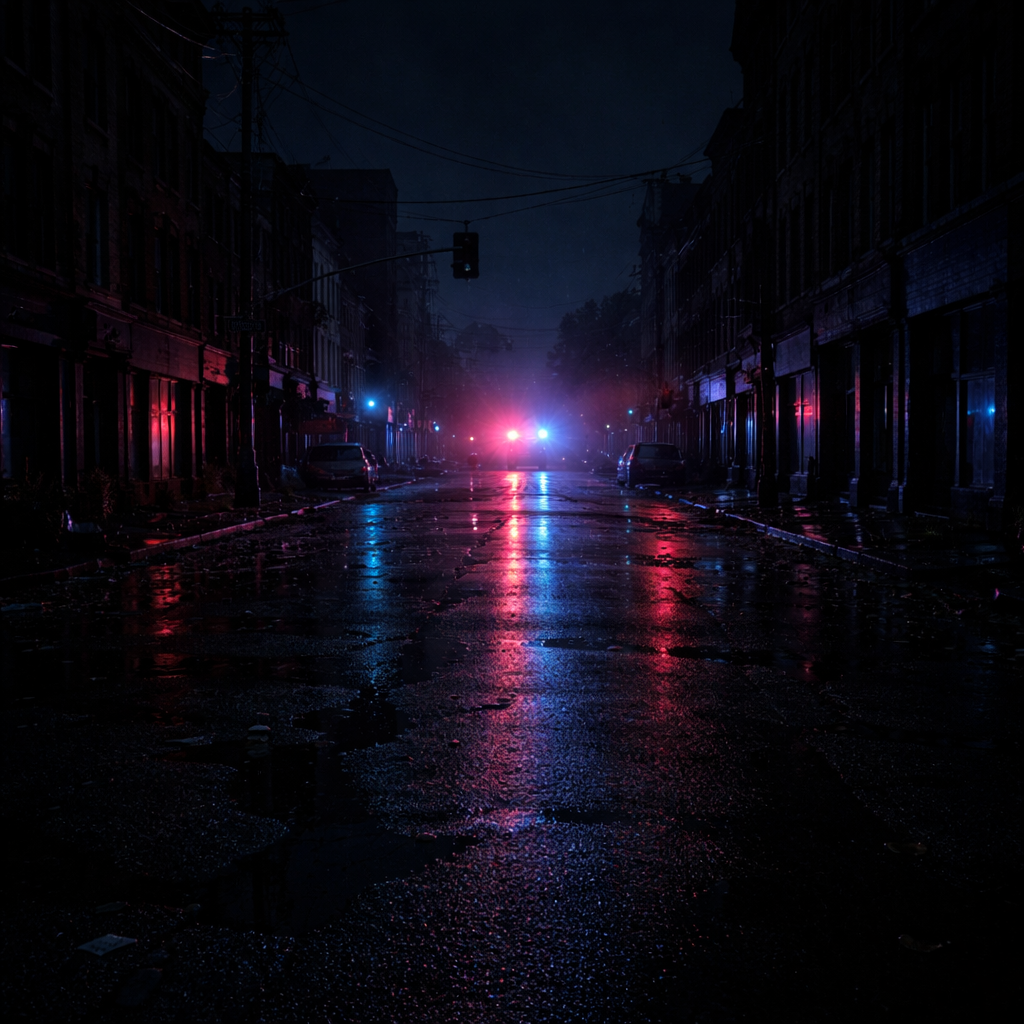
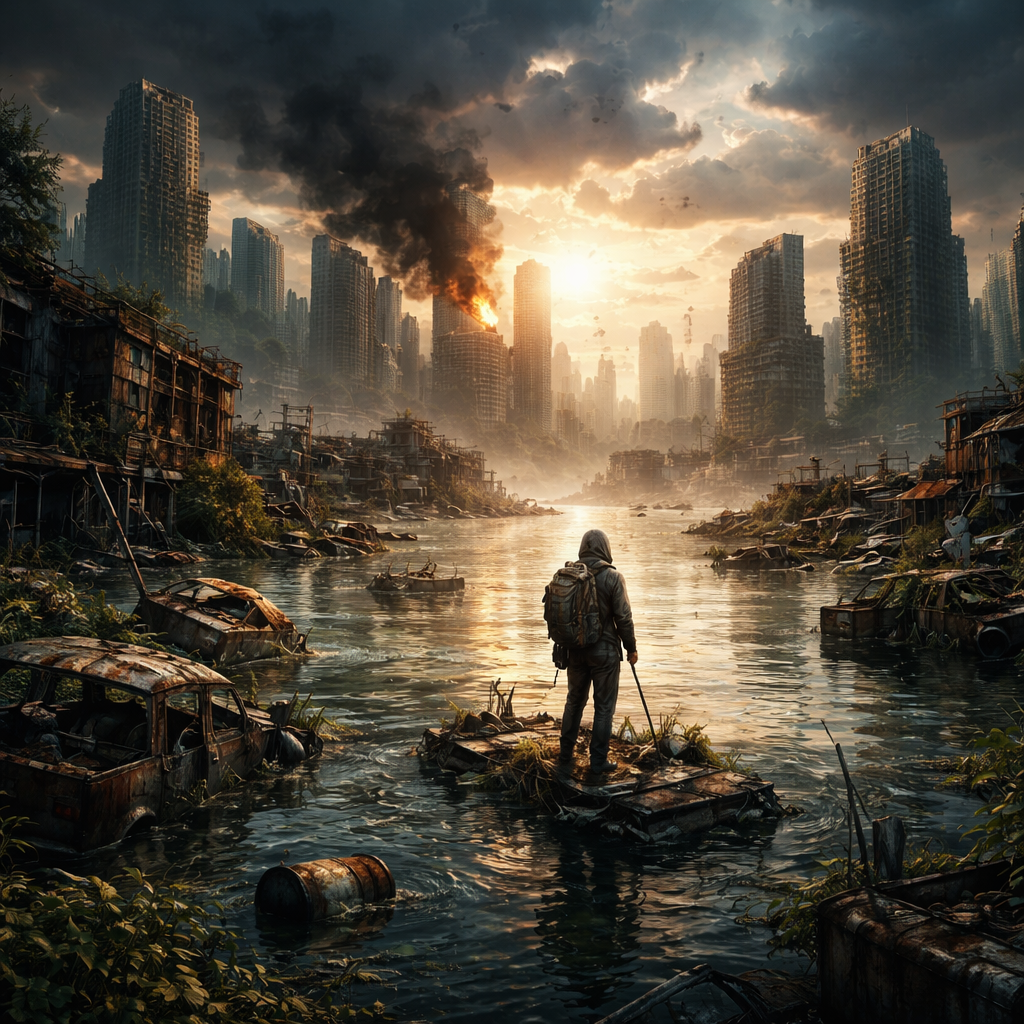
7. Picture Prompts
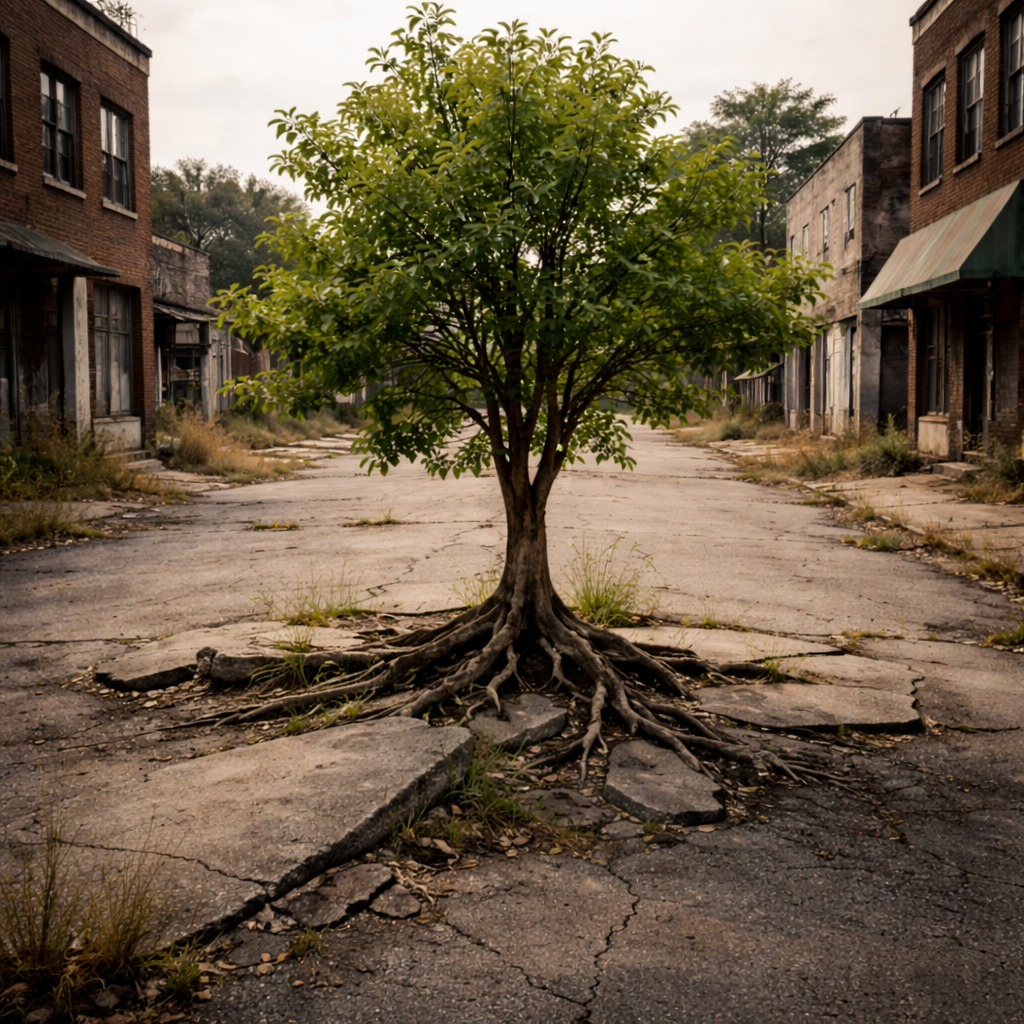
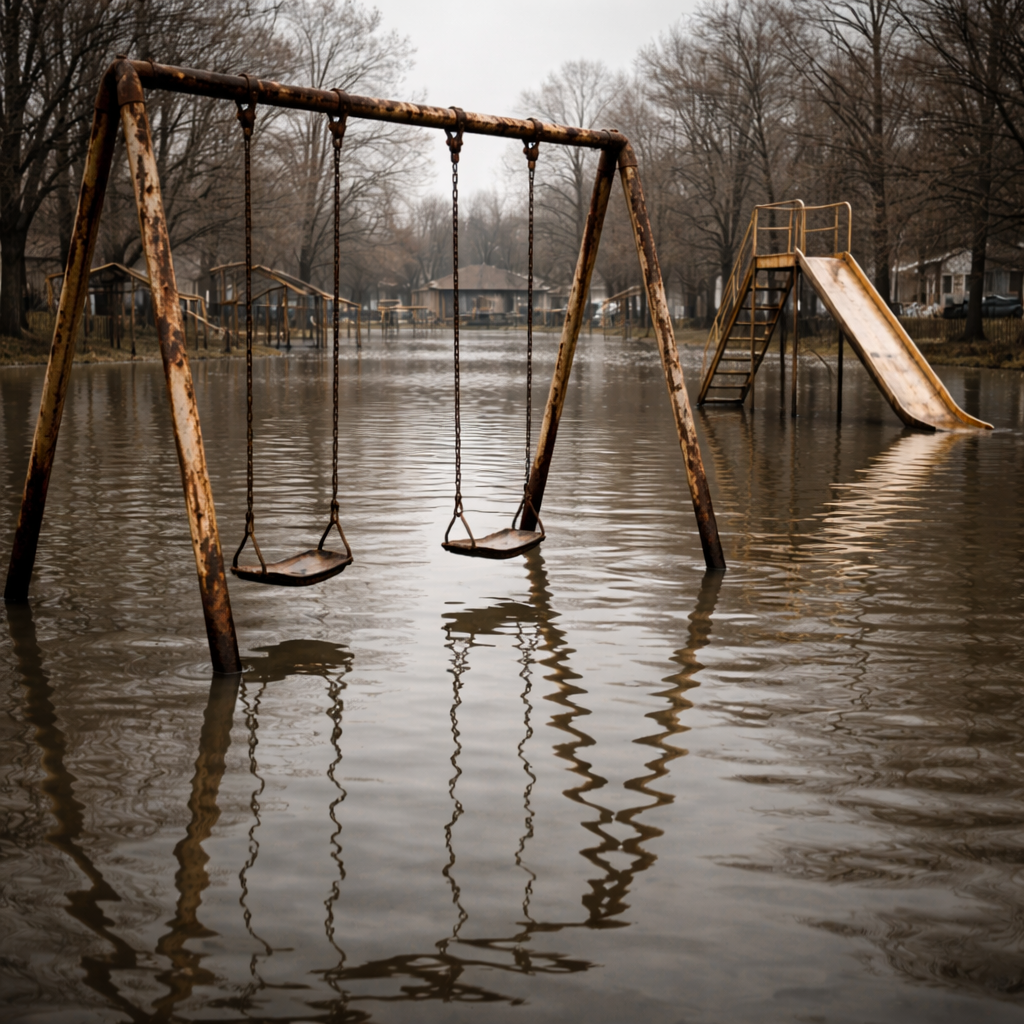
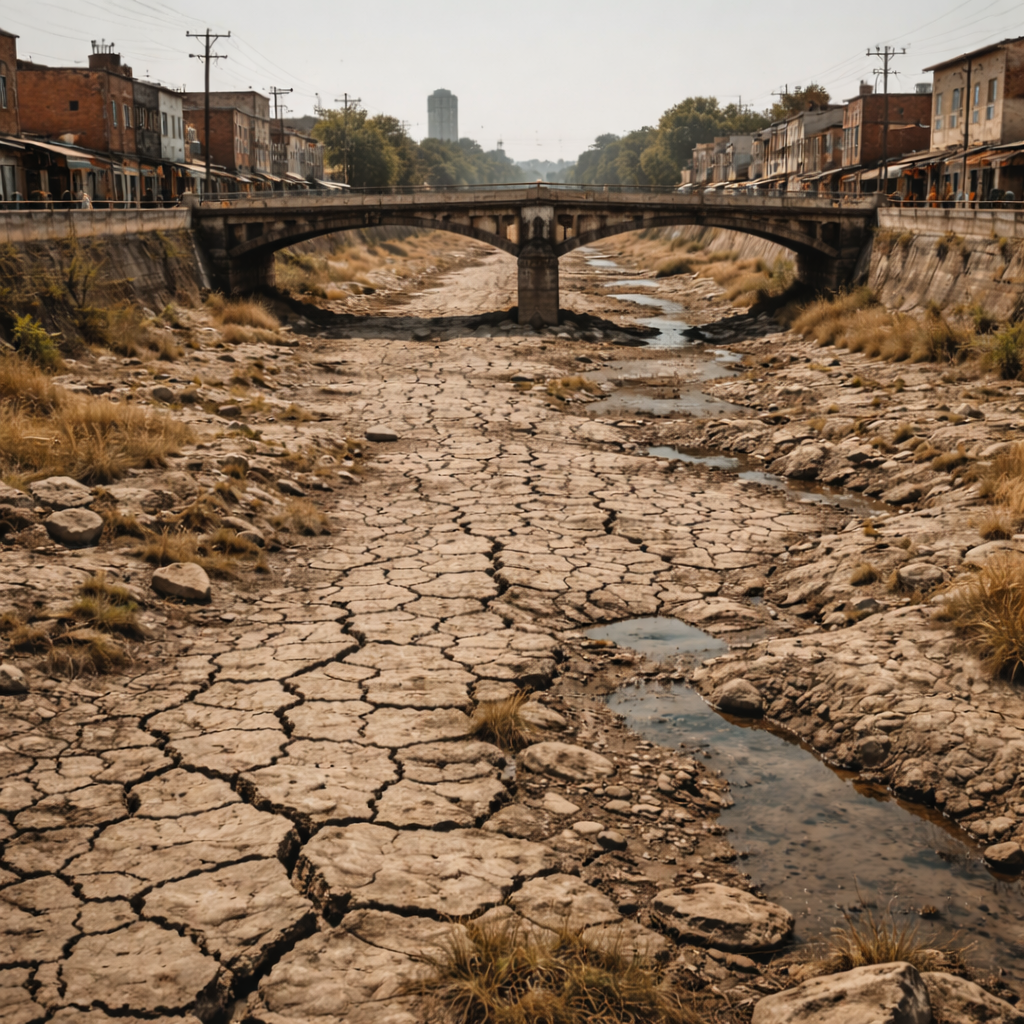
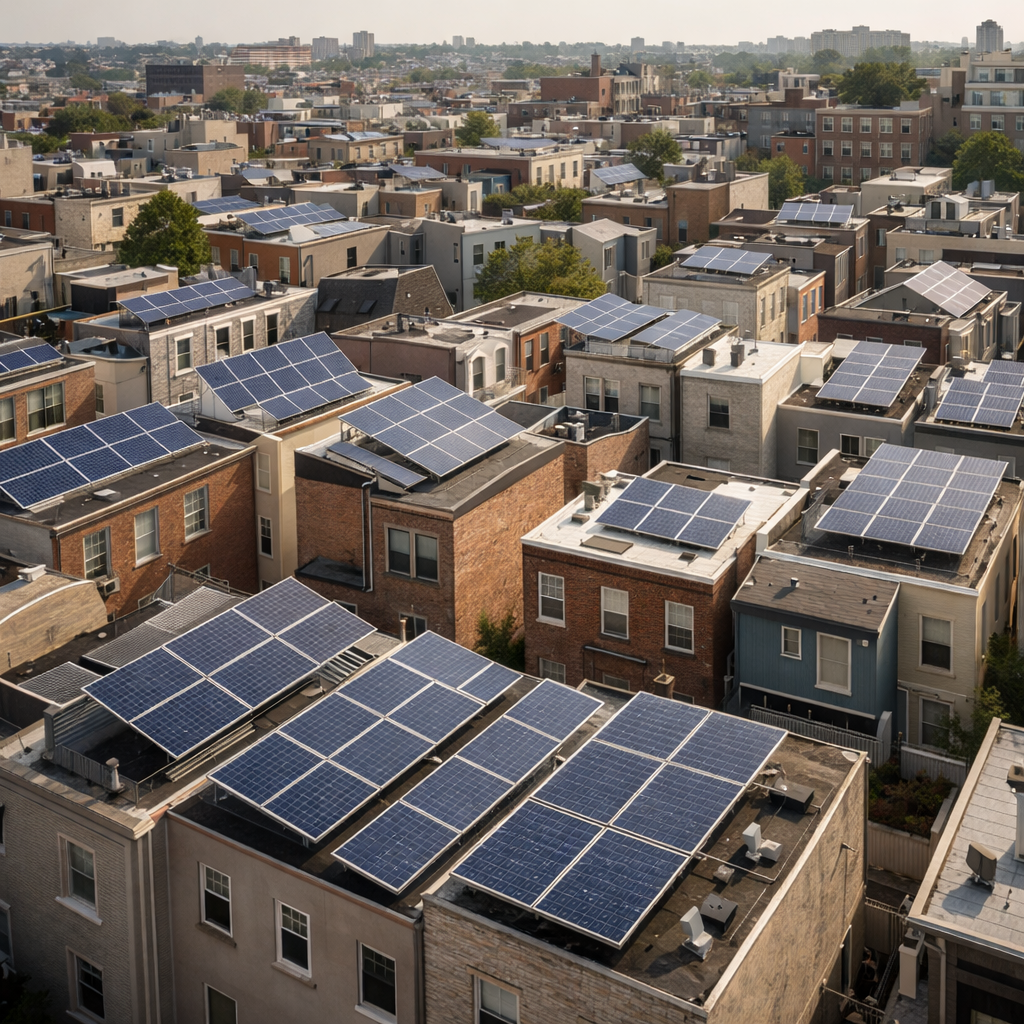
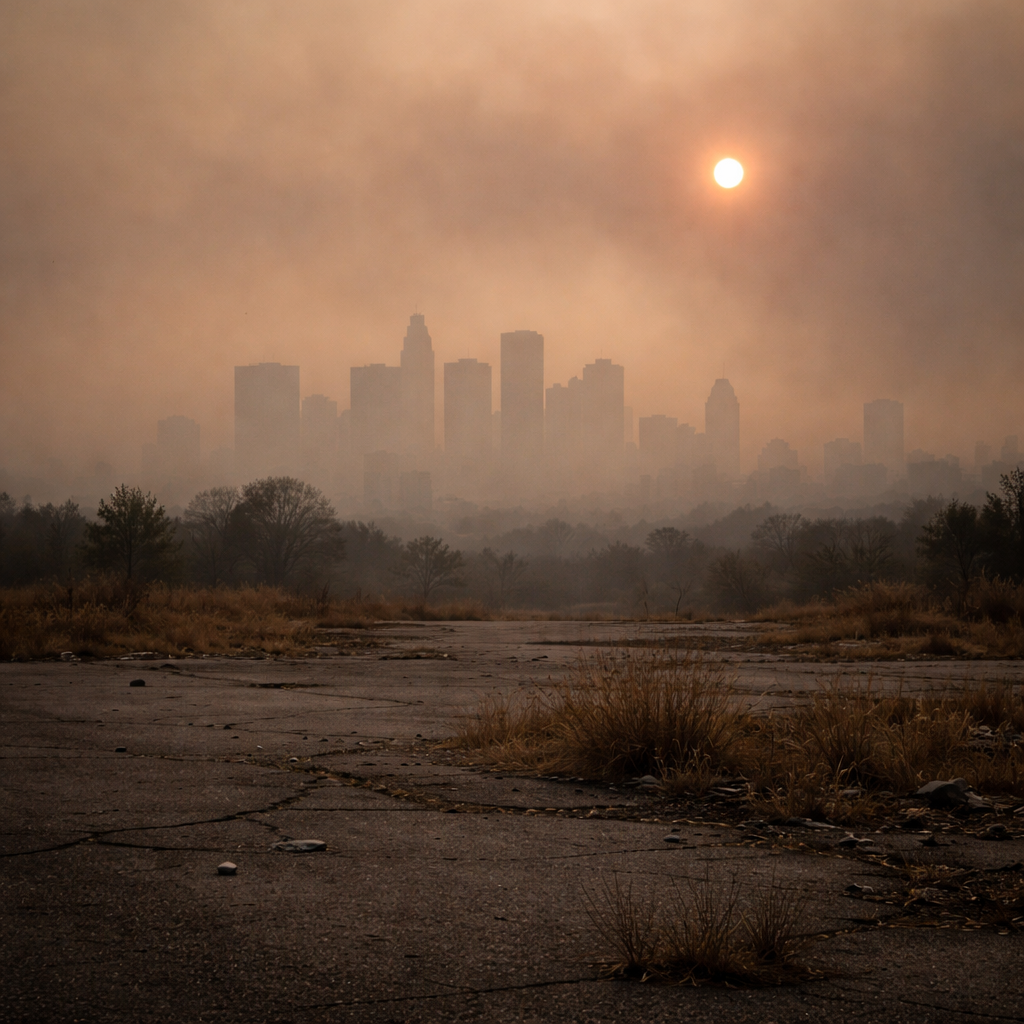
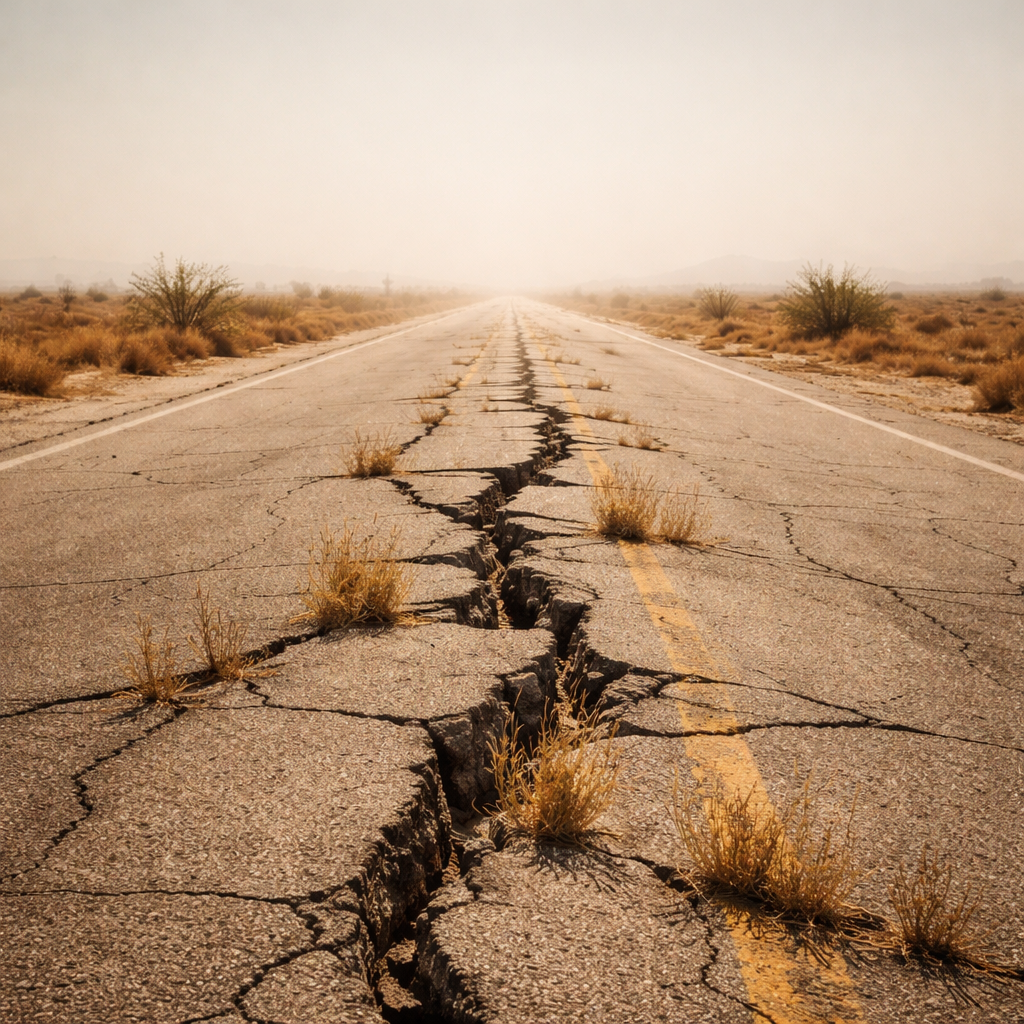
Visual prompts help students build atmosphere and detail, grounding Cli-Fi stories in sensory realism rather than spectacle.
Final Thoughts
Cli-Fi encourages teen writers to think critically about the future while staying rooted in human experience. These 70 Cli-Fi writing prompts for teens invite students to explore climate change through character, choice, and consequence — without needing dystopian extremes or fantasy elements.
If you’re looking for more genres, tropes, or seasonal collections, you can browse the full master list of 2000+ creative writing prompts here.
For ongoing inspiration, structure, and classroom-ready materials, you can also explore our Daily Writing Prompts, which offer a new prompt every day — complete with images, discussion questions, and optional teacher slides.
