Notes from the Inkpot
Writing, teaching, creating - one ink-stained idea at a time.
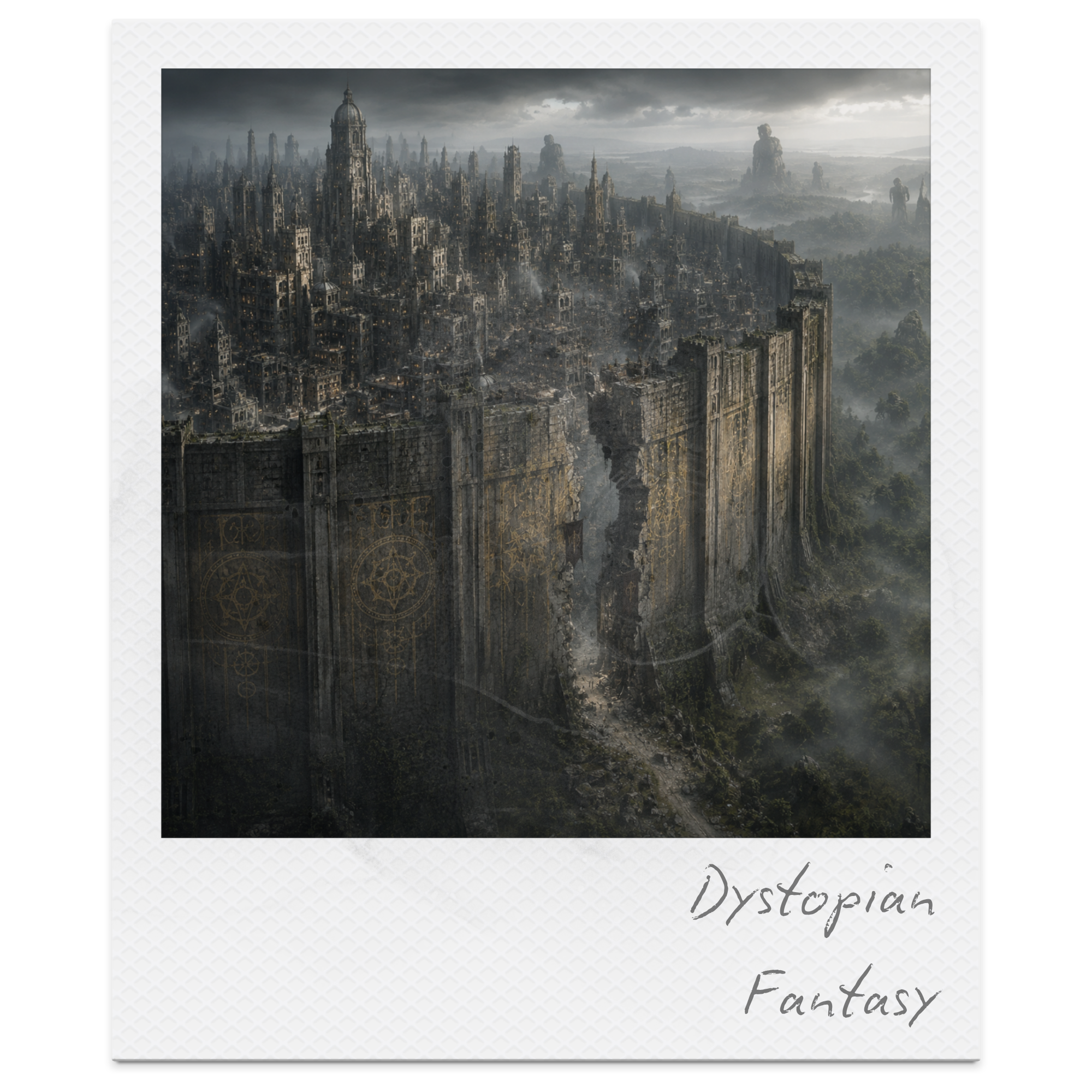
70 Dystopian Fantasy Writing Prompts: Dark Worlds, Forbidden Magic & Rebellion
Explore 70 dystopian fantasy writing prompts blending oppressive societies with forbidden magic, immortal rulers, controlled prophecies, magical surveillance, dragons, witches and rebellion. Discover plot prompts, titles, opening and closing lines, characters, settings and picture prompts designed to inspire dark and imaginative fantasy worlds. From kingdoms where magic must be registered to societies where dragons are imprisoned and dreams are harvested by the state, these prompts are perfect for writers looking to combine fantasy worldbuilding with the unsettling ideas and systems of dystopian fiction.
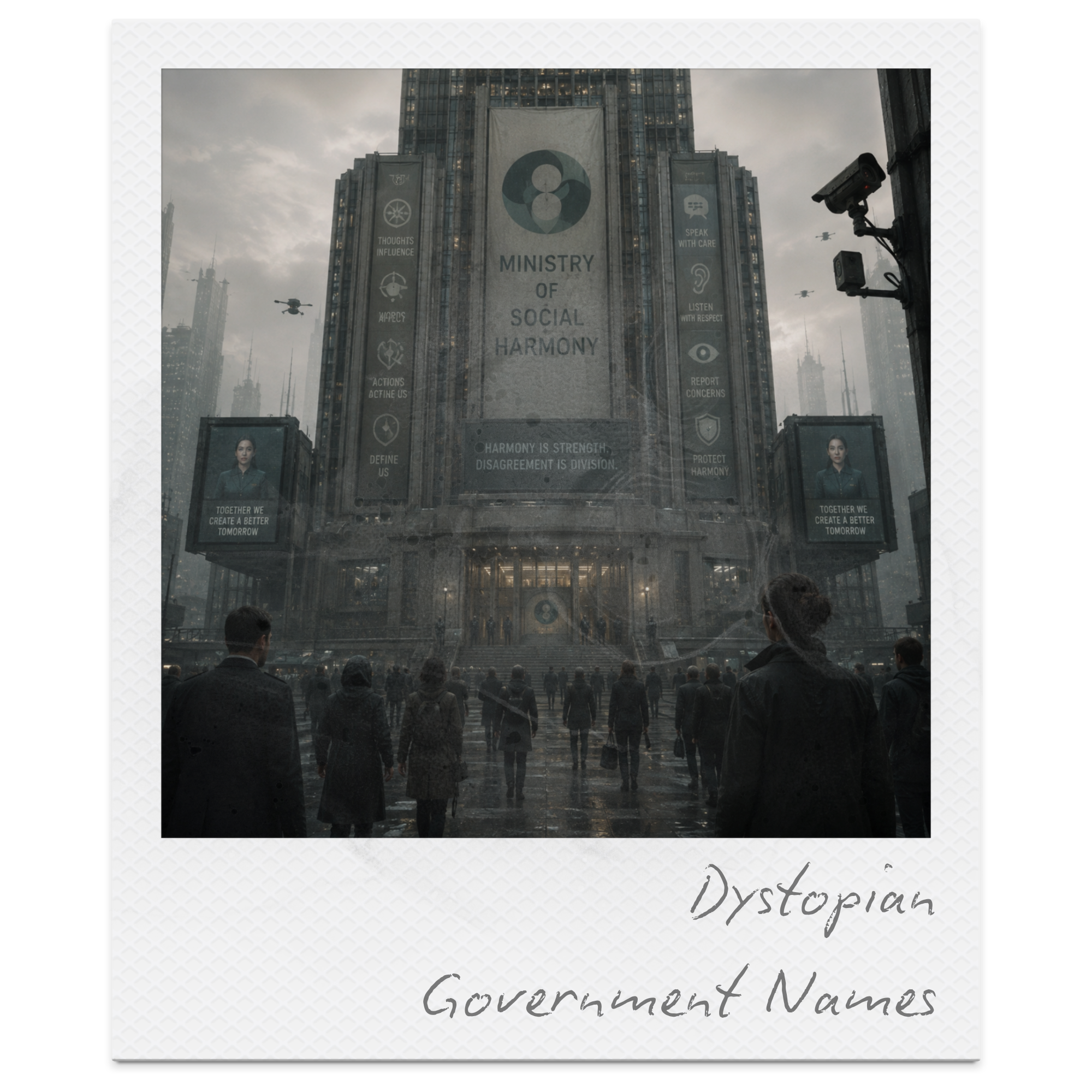
100 Dystopian Government & Regime Names for Writers
Explore 100 dystopian government and regime names for authoritarian states, surveillance societies, corporate governments, AI administrations, military regimes, environmental authorities and deceptively benevolent systems of control. Each name comes with worldbuilding inspiration and original story ideas to help you imagine how the regime operates. From governments promising harmony, equality and protection to post-collapse authorities, algorithmic councils and unsettling regimes built around obedience and control, these ideas are designed to inspire dystopian fiction, speculative worlds and complex societies where power is rarely as simple as it first appears.
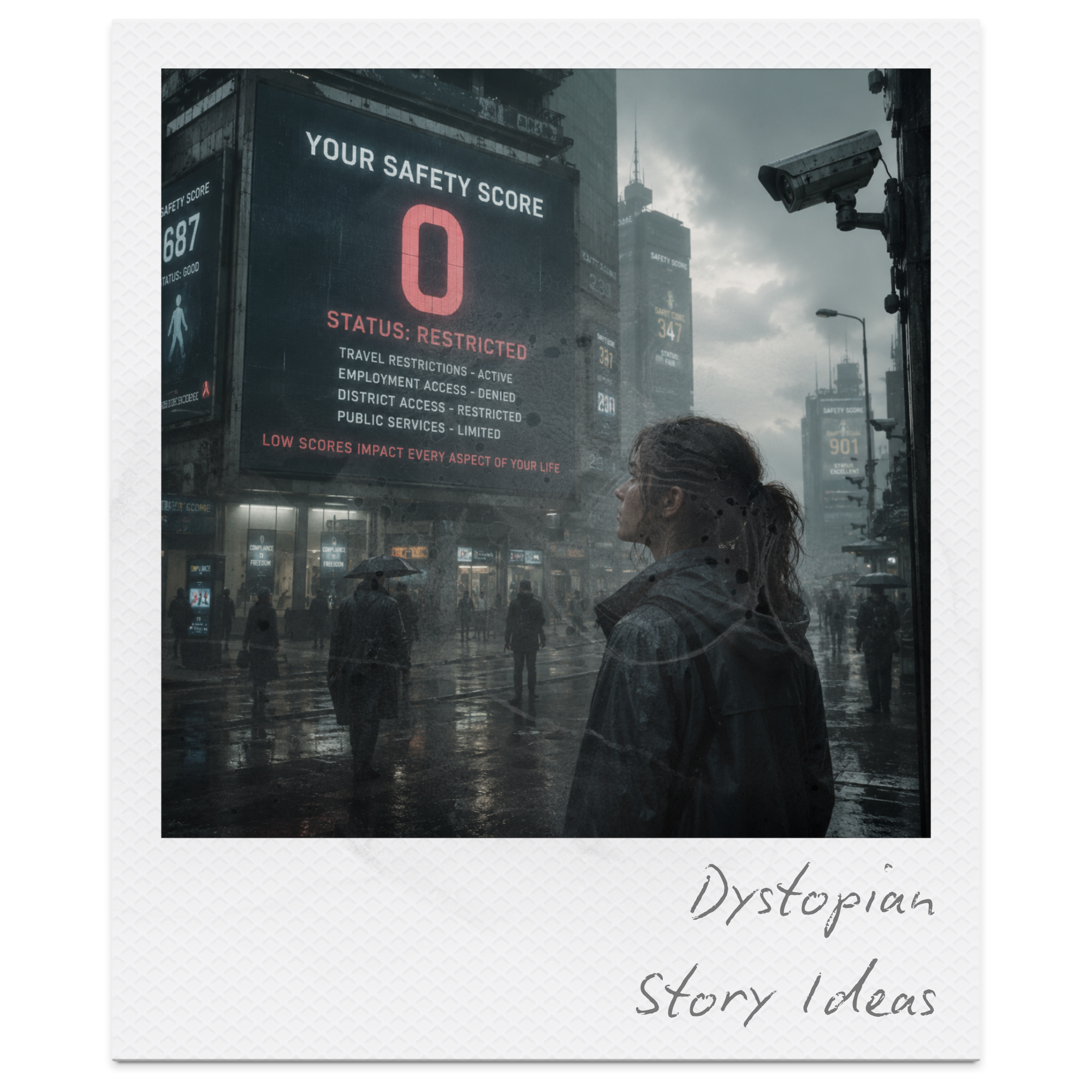
100 Dystopian Story Ideas: Dark Futures, Broken Societies & Rebellion Writing Prompts
Explore 100 dystopian story ideas filled with surveillance, authoritarian governments, artificial intelligence, environmental collapse, inequality, censorship, social control and rebellion. Each prompt takes a different element of society and pushes it into an unsettling future where safety, progress and perfection often come with an unexpected cost. From citizens whose lives are controlled by algorithms to perfect communities hiding uncomfortable truths, these dystopian writing prompts are designed to inspire original stories, complex societies and speculative worlds that ask difficult questions about power, freedom, identity and what we might sacrifice for a better future.
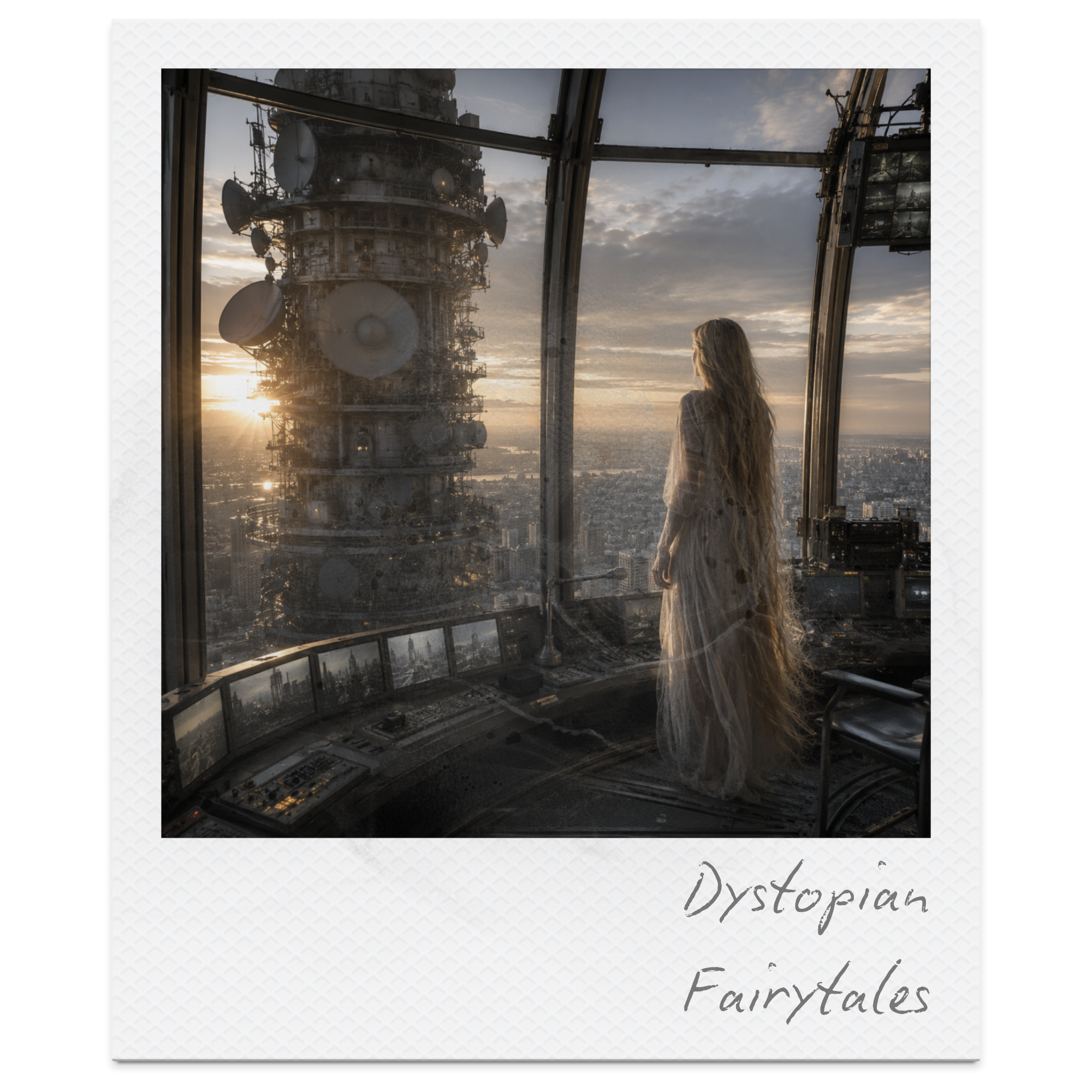
70 Dystopian Fairytale Writing Prompts: Twisted Tales of Oppression, Survival & Rebellion
Discover 70 Dystopian Fairytale Writing Prompts that reimagine classic tales through the lens of authoritarian governments, surveillance, environmental collapse, and rebellion. Explore plot hooks, title ideas, opening and closing lines, memorable characters, atmospheric settings, and cinematic picture prompts inspired by twisted versions of Snow White, Cinderella, Rapunzel, Hansel and Gretel, and other beloved fairytales. Perfect for writers looking to blend folklore with speculative fiction.
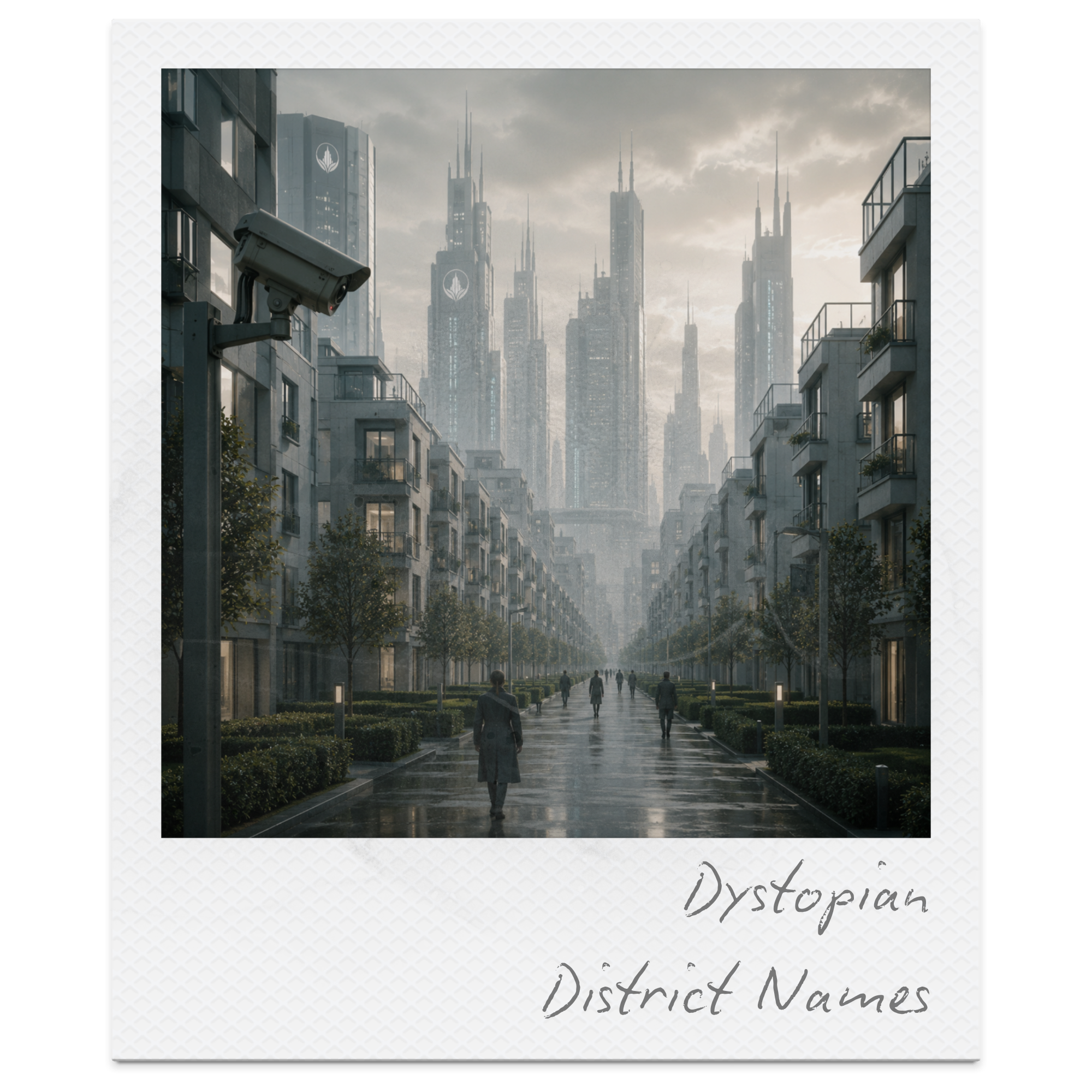
100 Dystopian District & Sector Names (With Meanings and Story Ideas)
From government headquarters and corporate zones to underground resistance sectors and abandoned quarantine districts, these 100 dystopian district and sector names are designed to bring your fictional cities to life. Each name includes its meaning and a story idea to help you create immersive settings filled with surveillance, propaganda, inequality, rebellion, and the hidden histories that define unforgettable dystopian worlds.
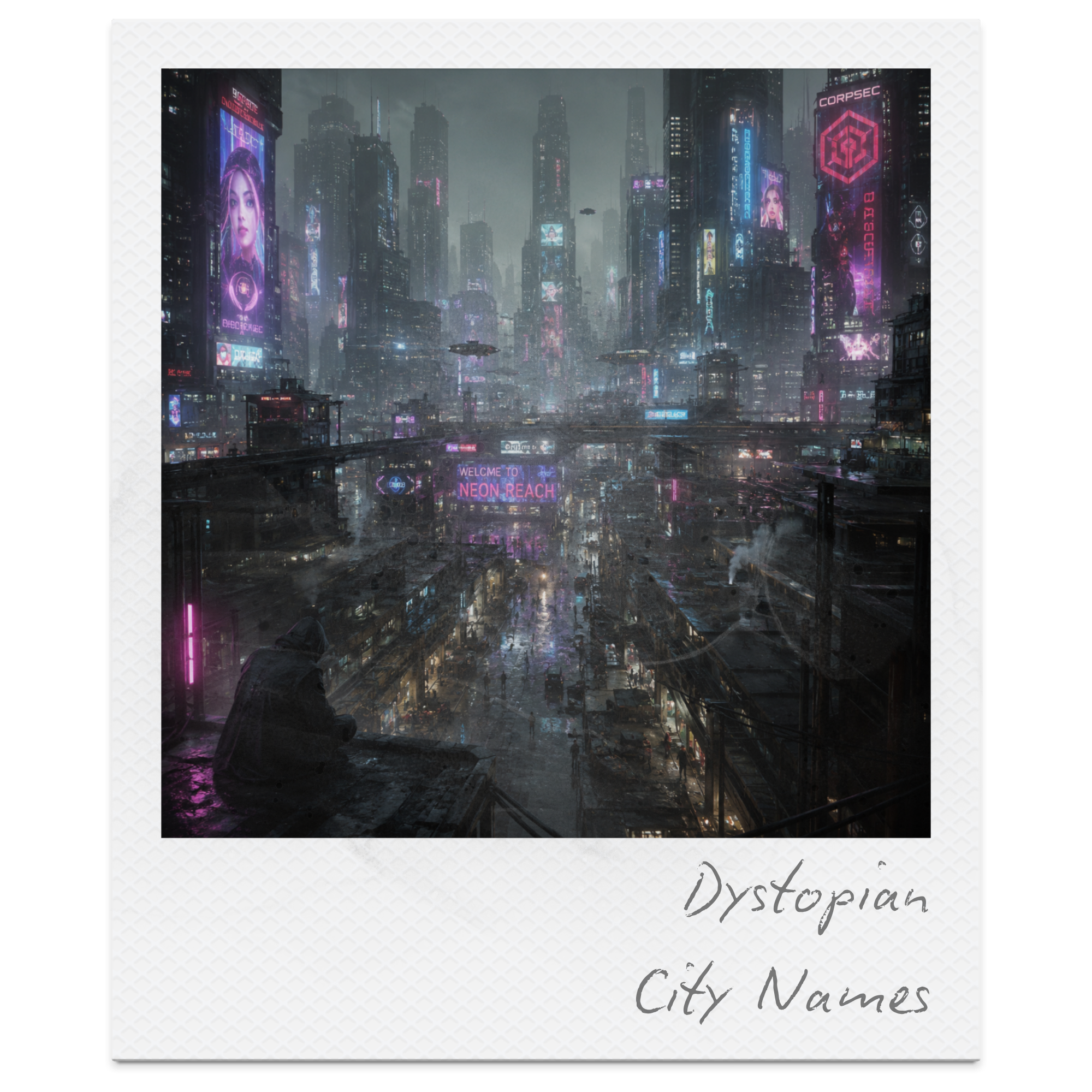
100 Dystopian City Names (With Meanings and Story Ideas)
Whether you're designing an authoritarian capital, a neon-lit cyberpunk metropolis, a fortified city hidden behind towering walls, or the last surviving settlement after civilisation has fallen, the right city name can instantly establish the tone of your world. These 100 dystopian city names are designed to inspire immersive settings across speculative fiction, with meanings and story ideas to help you create memorable locations that feel rich with history, conflict, and possibility.

10 Dystopian Texts to Teach Beyond 1984 (Classroom Ideas & Creative Writing)
Every time dystopian fiction comes up in the classroom, 1984 takes centre stage. And for good reason — it’s chilling, essential, and one of those texts I’ll always defend teaching. But Orwell isn’t the whole story. Dystopia is also about fear, climate collapse, isolation, memory, love, and the choices people make when systems fall apart. This post shares ten powerful texts that go beyond Orwell, each with themes, classroom ideas, and creative writing extensions you can use straight away.
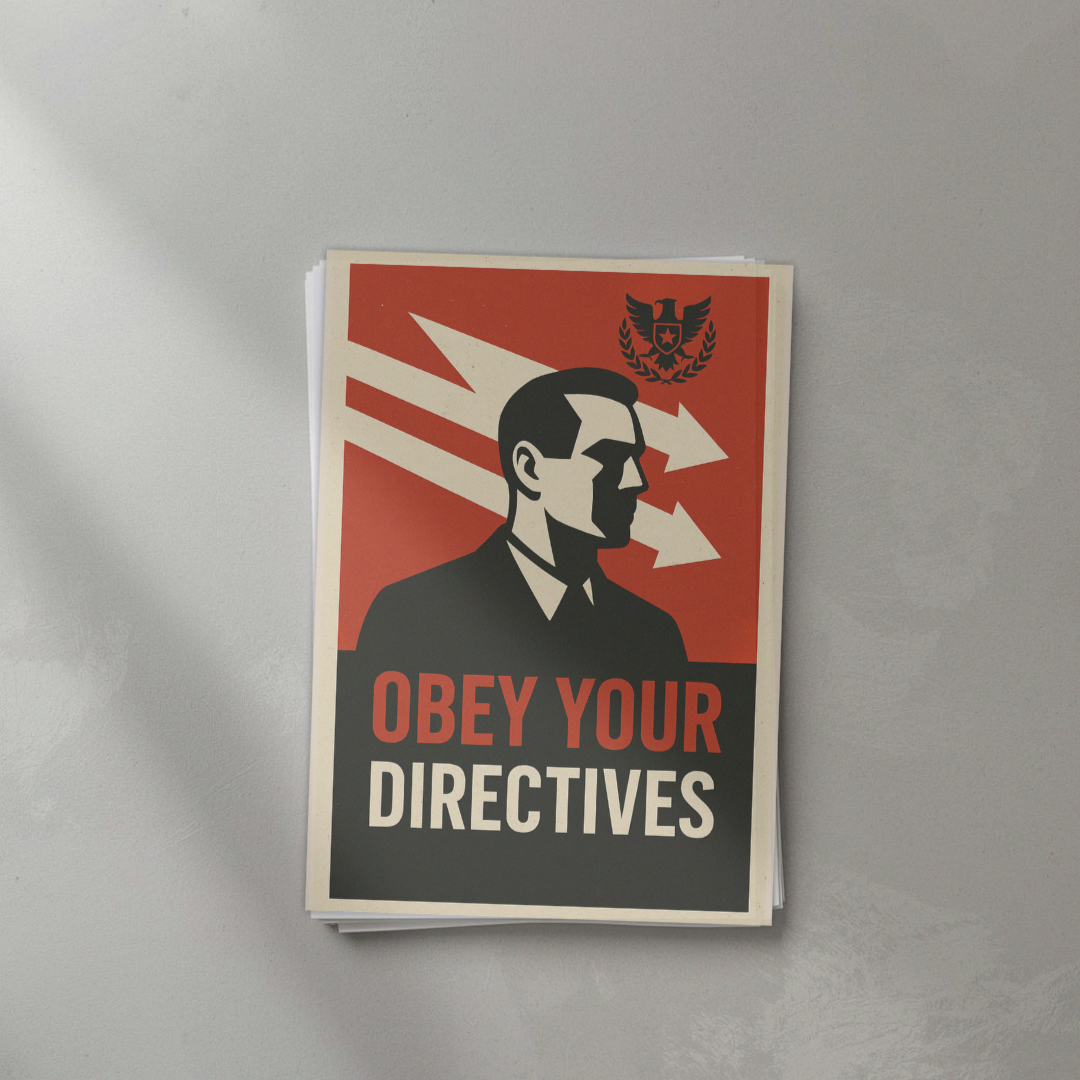
The Silent Directive: A Creative Writing Box Inspired by a World Without Sound
What if silence wasn’t a choice, but the law? In our latest writing boxThe Silent Directive, citizens live under a regime where sound itself is treason. Broadcasts, memos, detention registers, and propaganda leaflets reveal a world where silence is loyalty, silence is safety, and silence is survival. Unlike my other writing boxes, this one doesn’t whisper secrets — it issues orders in plain sight.
70 Dystopian Writing Prompts for Teen Writers
Dystopian writing prompts give teen writers a powerful way to explore control, resistance, survival, and imagined futures shaped by fear or authority. This collection of 70 dystopian story ideas includes picture prompts, opening lines, titles, and speculative scenarios designed to support creative writing lessons, independent writing, and classroom discussion. Ideal for students studying dystopian fiction or learning how to write a dystopian story, these prompts encourage critical thinking, worldbuilding, and meaningful storytelling.

Famous First Lines as Writing Prompts: How to Spark Creativity Without Reinventing the Wheel
First lines are where everything begins -and for writers, they’re often the hardest part. That pressure to hook the reader immediately can be overwhelming. That’s exactly why I started collecting real first lines from published novels.
I use these with students to take the pressure off. Instead of staring at a blank screen, they start with something brilliant and build from there. It gives them structure and freedom all at once. It’s a reminder that writing isn’t about perfection. It’s about momentum.
Some lines are eerie. Some are emotional. Some are bold, jarring, or just weird enough to make you lean in. But the best ones all do the same thing: they open a door.
And that’s what these prompts are about. Opening the door, so the story can step through.