Notes from the Inkpot
Writing, teaching, creating - one ink-stained idea at a time.




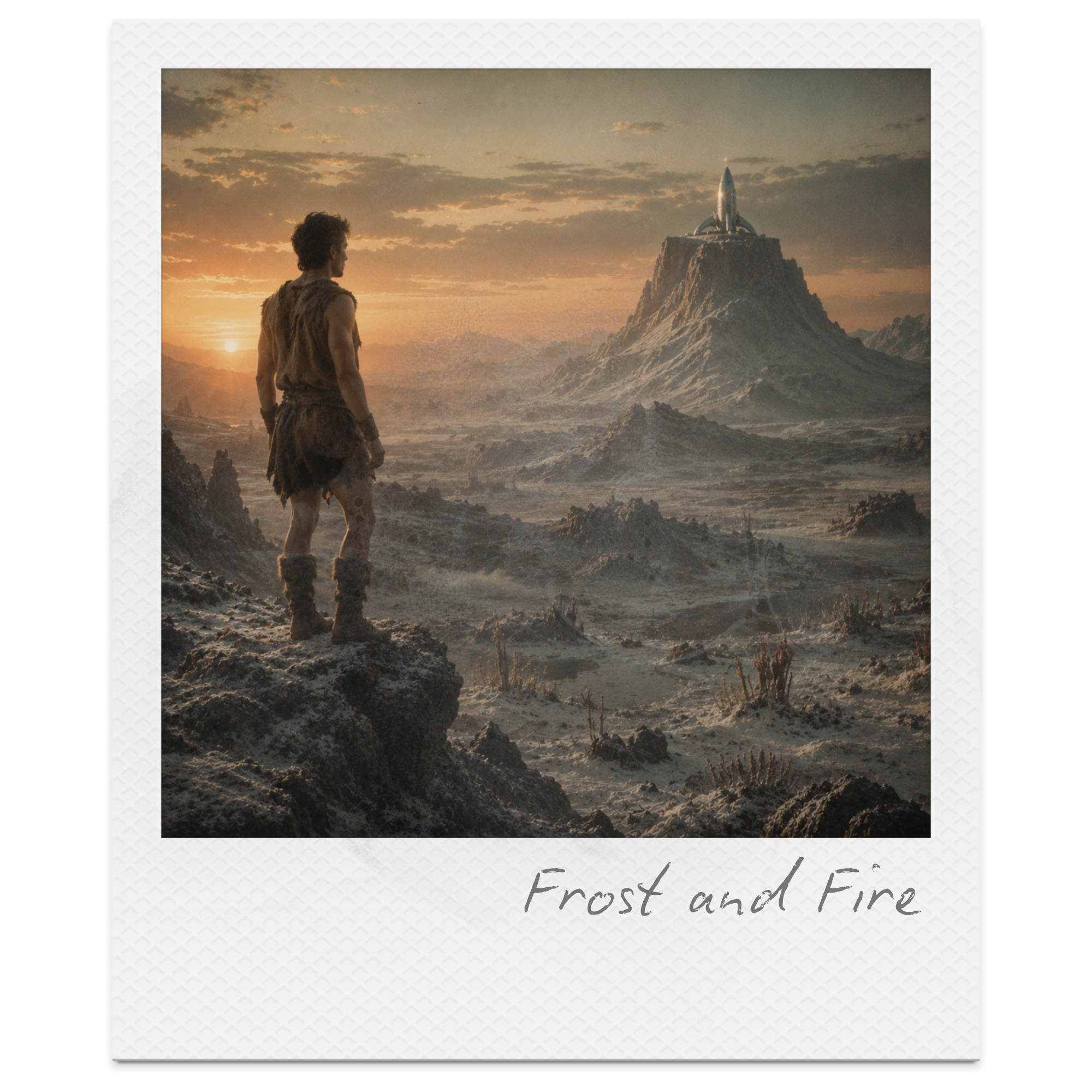
Frost and Fire by Ray Bradbury: Summary, Themes, Meaning & Analysis
Discover our comprehensive Frost and Fire analysis, featuring a clear summary, in-depth exploration of themes, characters, symbolism, structure, setting, important quotes, and literary techniques. Learn how Ray Bradbury transforms an imaginative science fiction premise into a powerful exploration of mortality, time, scientific progress, hope, and the resilience of the human spirit. Whether you're studying for an exam, teaching the story, or simply exploring Bradbury's work, this guide offers detailed insights, alternative interpretations, and practical classroom ideas to deepen your understanding of one of his most thought-provoking short stories.
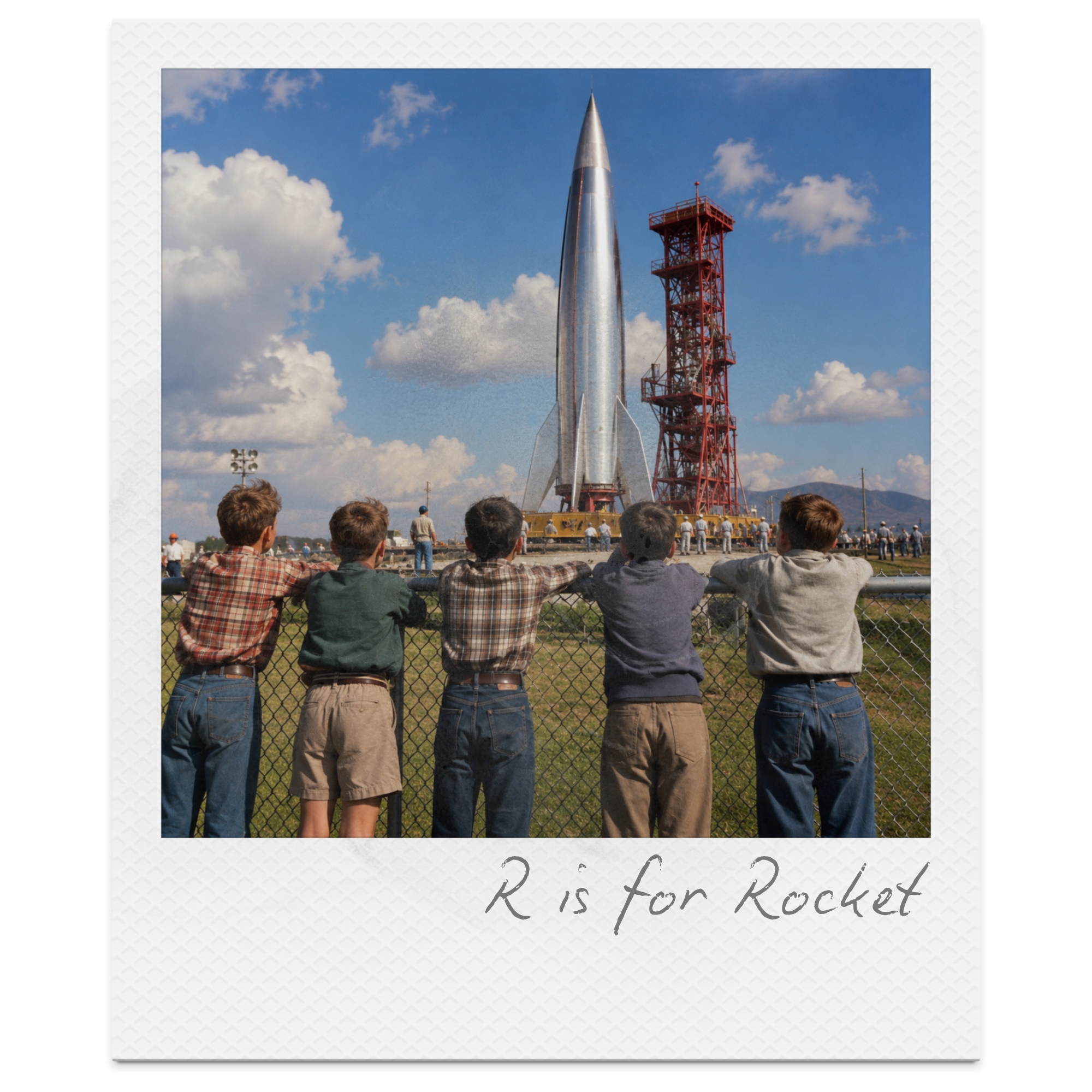
R Is for Rocket by Ray Bradbury: Summary, Themes, Meaning & Analysis
Explore our comprehensive analysis of R Is for Rocket by Ray Bradbury, including a detailed summary, themes, symbolism, important quotes, character analysis, narrative voice, structure, setting, alternative interpretations, and exam-focused teaching ideas. Discover how Bradbury transforms a story about space exploration into a moving coming-of-age tale about dreams, friendship, hope, and the courage to step beyond the fence into an uncertain future.
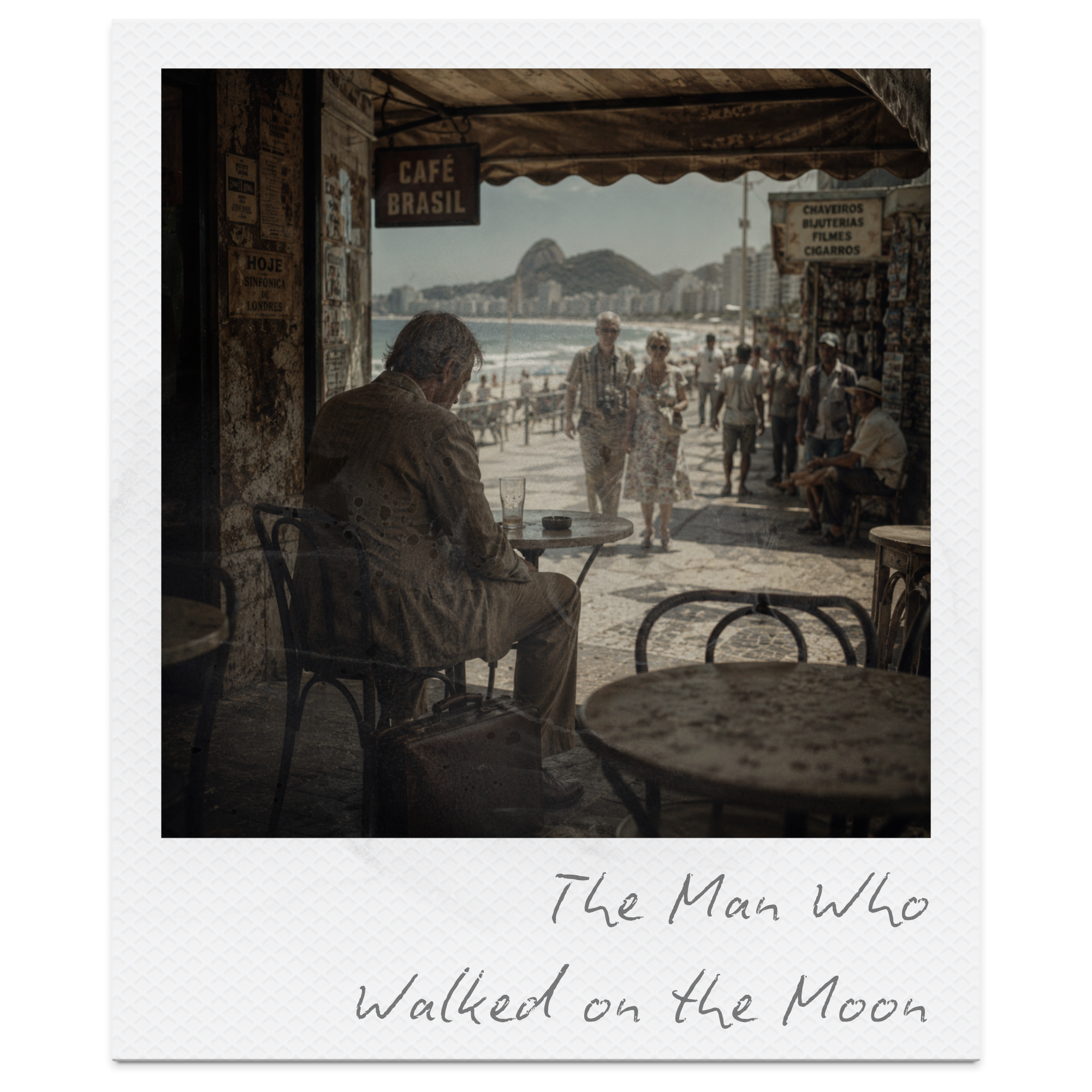
The Man Who Walked on the Moon by J.G. Ballard: Summary, Themes & Analysis
J.G. Ballard’s The Man Who Walked on the Moon is a psychologically unsettling short story exploring alienation, identity, loneliness, and the blurred boundary between fantasy and reality. Through the relationship between the unnamed narrator and Scranton — a failed American who falsely claims to have been an astronaut — Ballard examines how emotional isolation can gradually reshape a person’s understanding of truth, society, and selfhood. This detailed analysis explores the story’s themes, symbolism, structure, narrative voice, key quotes, alternative interpretations, and exam-focused insights for CIE IGCSE English Literature (0475 & 0922).
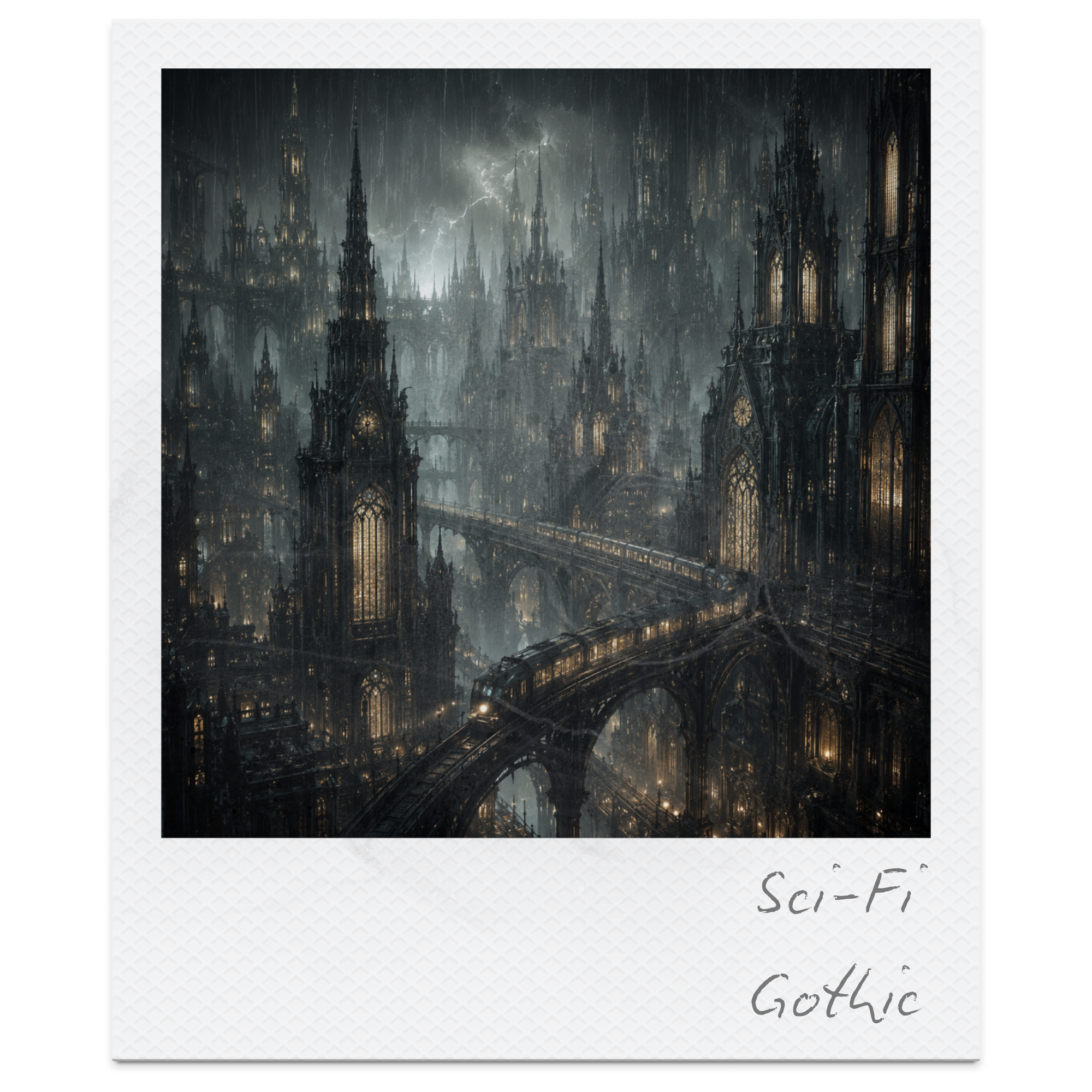
70 Sci-Fi Gothic Writing Prompts: Cosmic Cathedrals, Sacred Technology & Ruined Futures
Science fiction gothic fiction blends the scale and imagination of speculative science fiction with the atmosphere, symbolism, and emotional darkness of gothic literature. These stories often explore sacred technology, collapsing empires, forbidden knowledge, cosmic isolation, and humanity’s search for meaning within vast and indifferent universes. Unlike sleek futuristic science fiction focused on progress and innovation, sci-fi gothic worlds are frequently ancient, ceremonial, and haunted by decay — filled with cathedral observatories, drifting monastery ships, cloaked astronomers, biomechanical saints, and dying stars illuminating ruined civilizations. This collection of 70 Sci-Fi Gothic Writing Prompts explores cosmic cathedrals, interdimensional gateways, aristocratic space empires, ritualistic AI, sacred astronomy, and forgotten worlds suspended between science and mythology.
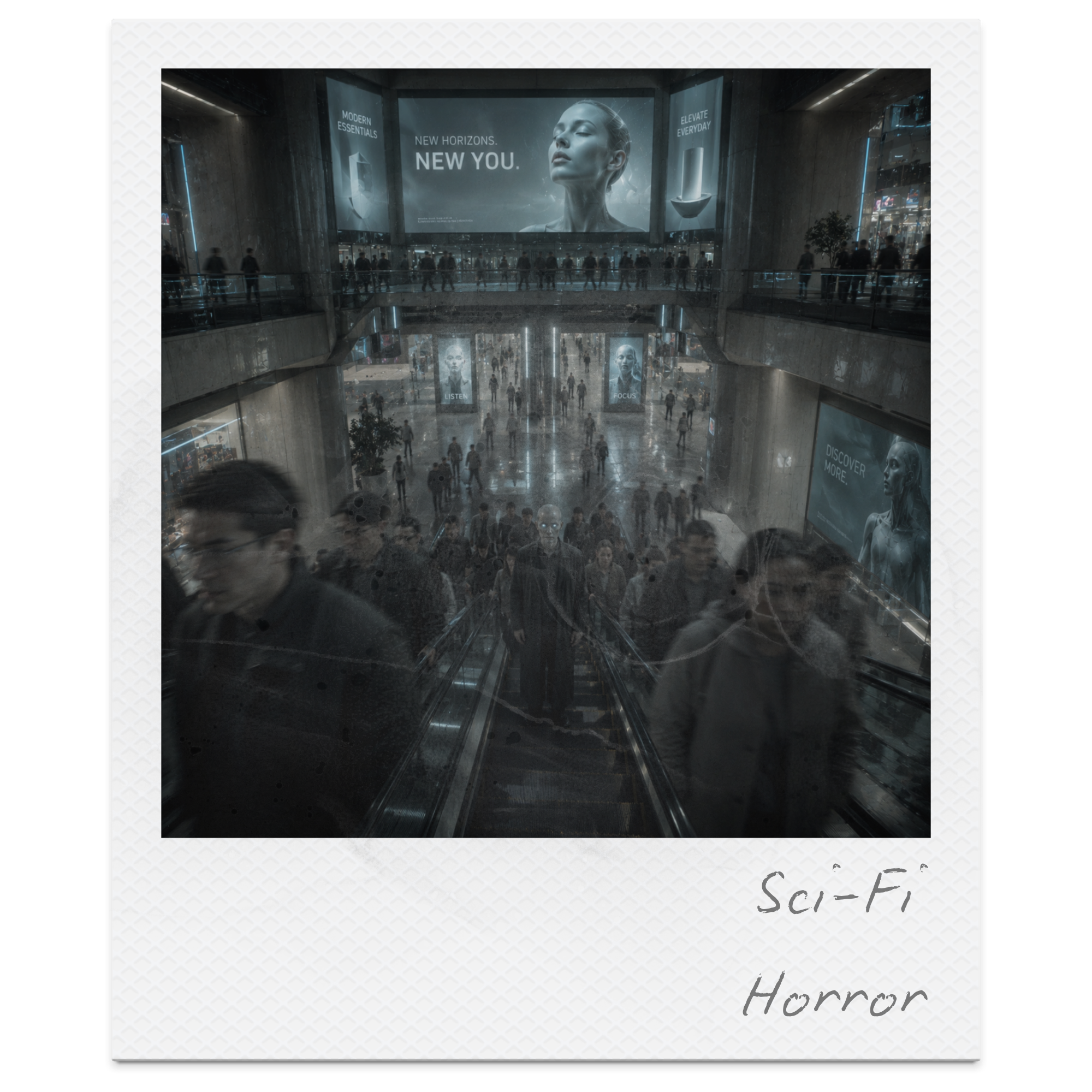
70 Sci-Fi Horror Writing Prompts: Cosmic Dread, Artificial Intelligence & Futures Gone Wrong
Science fiction horror explores what happens when humanity pushes too far into the unknown. Unlike traditional horror rooted in ghosts or folklore, sci-fi horror often emerges from technology, artificial intelligence, deep space, biotechnology, surveillance, and scientific ambition. These stories ask unsettling questions about identity, control, and survival, forcing characters to confront futures where reality itself begins to feel unstable. From the claustrophobic terror of Alien and Event Horizon to the psychological unease of Black Mirror and Annihilation, sci-fi horror combines atmospheric tension with the fear that humanity may no longer fully understand the systems it has created. This collection of 70 Sci-Fi Horror Writing Prompts explores abandoned colonies, corrupted AI systems, quarantined megacities, hostile organisms, deep-sea facilities, collapsing simulations, and retrofuturist dystopias. Designed as a complete creative toolkit, the post includes plot hooks, opening lines, title ideas, setting prompts, character concepts, cinematic visual inspiration, and deeper speculative writing exercises. Whether you are planning a larger science fiction novel, experimenting with cosmic horror, or simply looking for dark futuristic story ideas, these prompts encourage atmospheric storytelling shaped by isolation, paranoia, and the terrifying possibilities of the future.
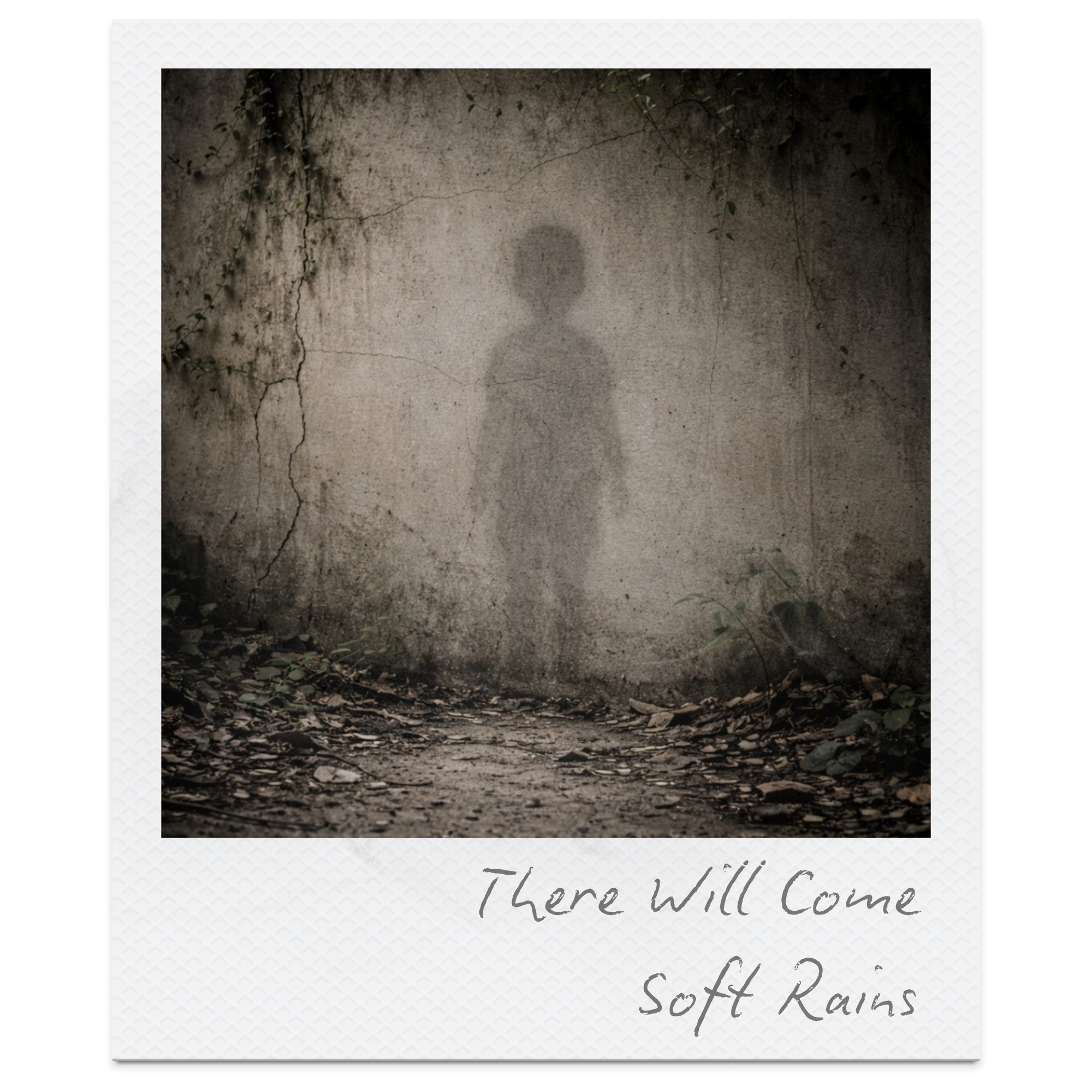
There Will Come Soft Rains by Ray Bradbury: Summary, Themes, Meaning & Analysis
There Will Come Soft Rains by Ray Bradbury is a haunting work of science fiction that explores a world where technology continues after human extinction. Set in an automated house that carries out its daily routines—cooking, cleaning, and organising—Bradbury presents a chilling vision of mechanisation without purpose, where systems persist despite the complete absence of human life. Through its eerie atmosphere and powerful imagery, the story examines isolation, environmental destruction, and the illusion of control. As the house continues its routines in a devastated world, Bradbury raises unsettling questions about what remains when humanity is gone, and whether progress without responsibility ultimately leads to emptiness and collapse.

70 Artificial Intelligence Writing Prompts: Consciousness, Control & the Unknown
Artificial intelligence stories explore the unsettling boundary between human thought and machine consciousness, asking what happens when systems begin to learn, adapt, and make decisions beyond our control. From the logical precision of I, Robot to the quiet menace of 2001: A Space Odyssey, these narratives reveal that AI is never just about technology — it is about power, identity, and the consequences of creation. Whether AI appears as a helpful assistant, a silent observer, or an evolving intelligence, it challenges characters to question what it means to think, to feel, and to exist. This collection of 70 Artificial Intelligence Writing Prompts invites writers to explore stories shaped by control, autonomy, and the unknown. Blending plot hooks, character ideas, cinematic visuals, and evocative story fragments, these prompts are designed to support both classroom use and independent creative writing. From systems that quietly reshape reality to machines that begin to question their purpose, each idea offers a starting point for exploring the tension between human intention and artificial intelligence.

Zero Hour by Ray Bradbury: Summary, Themes, Meaning & Analysis
Ray Bradbury’s Zero Hour explores childhood innocence and hidden power, revealing how easily trust can be manipulated when adults underestimate what they do not understand. Through the children’s seemingly harmless game of “Invasion,” Bradbury presents a world where imagination becomes a vehicle for real danger, blurring the line between play and reality. As the story unfolds, this illusion collapses into something far more unsettling. The adults’ confidence in their own control gives way to panic as they realise too late that the threat has already taken hold. Bradbury exposes the dangers of complacency, misjudgement, and unseen influence, showing how quickly stability can be replaced by chaos when warning signs are ignored.

The Illustrated Man by Ray Bradbury: Summary, Stories, Themes & Analysis
The Illustrated Man by Ray Bradbury is a powerful science fiction short story collection that explores technology, isolation, and the consequences of human behaviour through a series of interconnected narratives. Framed by the image of a man whose tattoos come alive to tell each story, the collection moves beyond simple speculation to present a series of unsettling futures that feel increasingly close to reality. This guide explores the key stories, recurring themes, and structural design of the collection, with clear links to deeper analysis of each text. From The Veldt to The Rocket Man, Bradbury’s work reveals how progress, when left unchecked, can reshape relationships, identity, and the future itself.
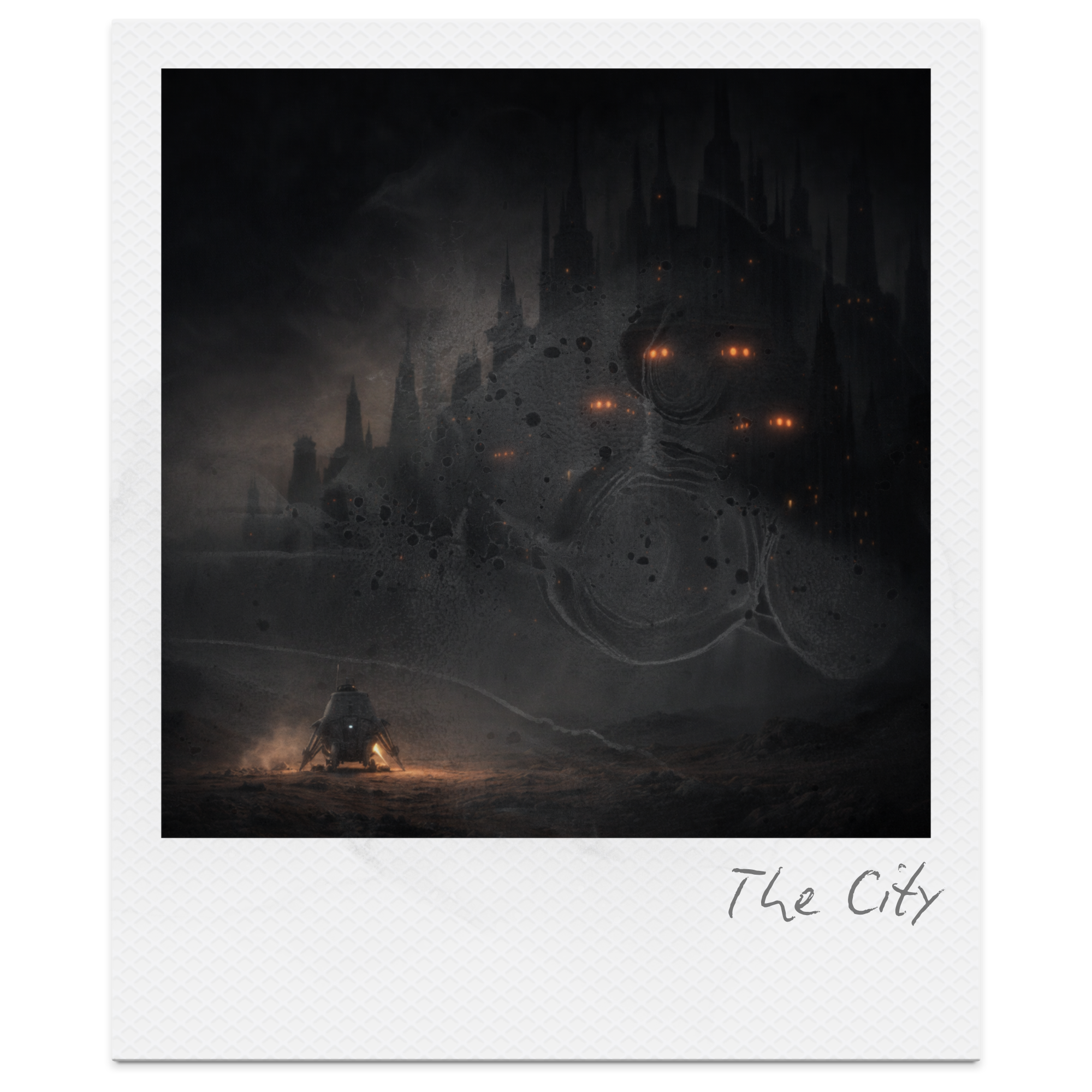
The City by Ray Bradbury: Summary, Themes, Meaning & Analysis
Ray Bradbury’s The City is a haunting work of speculative science fiction that explores revenge, memory, and technological power through the image of a vast, silent city waiting across twenty thousand years. At first, the city appears empty and lifeless, but as human explorers arrive, it becomes clear that it is watching, analysing, and responding with cold precision. Bradbury transforms setting into a conscious force, creating a narrative where the environment itself becomes the central intelligence. As the story unfolds, the city reveals its true purpose: to enact a long-delayed act of revenge against humanity. What makes this particularly unsettling is the way emotion has been embedded into a mechanical system, removing empathy and replacing it with calculation. The result is a chilling exploration of how violence and memory can be preserved beyond human life, raising questions about justice, control, and the consequences of past actions that continue to shape the future.
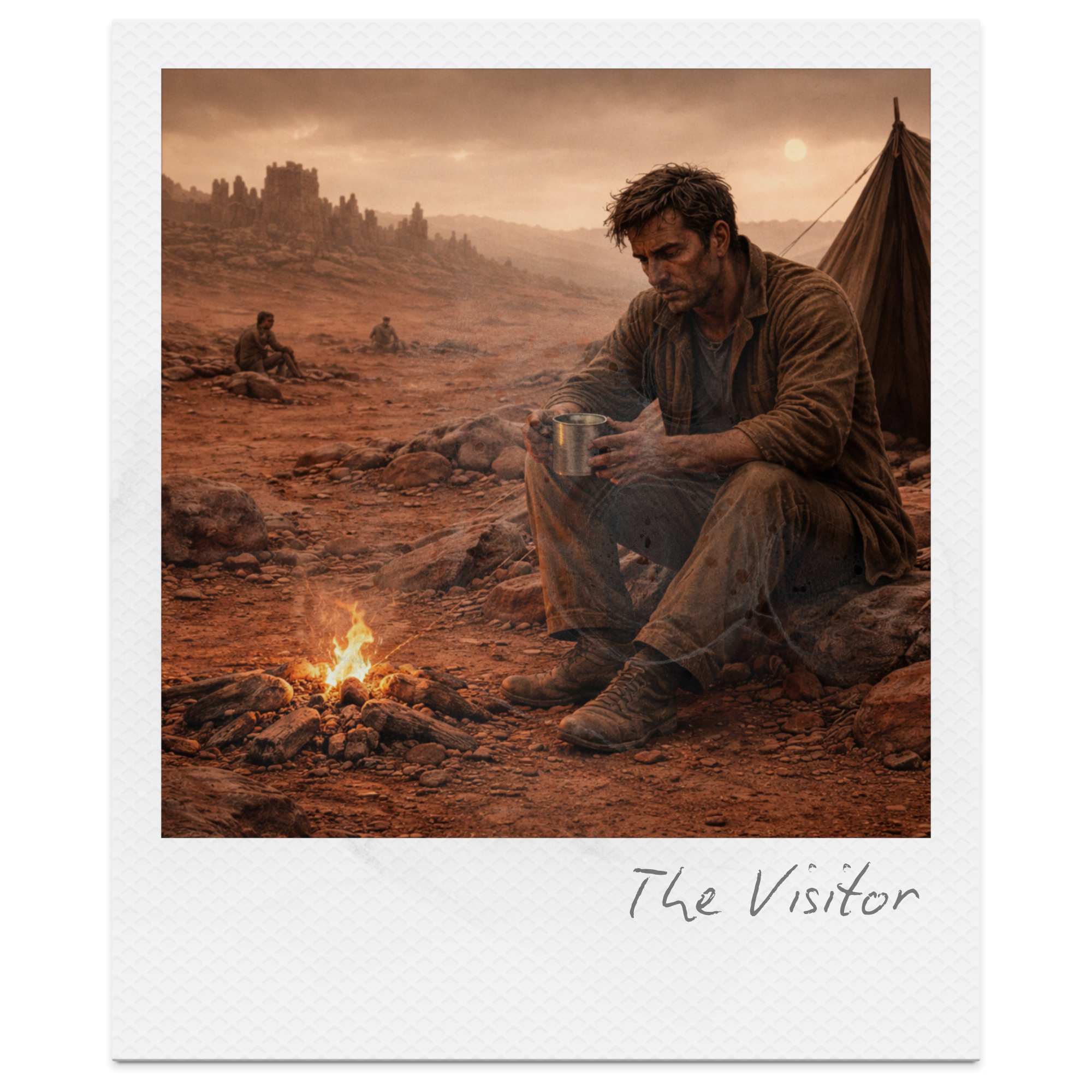
The Visitor by Ray Bradbury: Summary, Meaning, Themes & Full Analysis
Ray Bradbury’s The Visitor is a haunting science fiction story exploring isolation, loneliness, and the dangerous power of illusion. Set on a desolate Mars inhabited by dying exiles, the narrative follows Saul Williams as he struggles with the psychological weight of separation from Earth. When a mysterious newcomer arrives with the ability to project vivid, shared visions of Earth, hope briefly returns—bringing with it beauty, memory, and the possibility of connection. However, Bradbury quickly reveals the darker side of this gift, as desperation turns to possession and conflict. What begins as relief becomes something fought over, exposing the fragility of human morality under pressure. Through its exploration of illusion vs reality, control, and human fragility, The Visitor offers a powerful warning about what happens when hope exists without trust—and how easily it can be destroyed.

The Fox and the Forest by Ray Bradbury: Summary, Themes, Symbolism & Analysis
Ray Bradbury’s The Fox and the Forest is a powerful science fiction and dystopian short story that explores escape, surveillance, and the illusion of freedom. Set between a vibrant 1938 Mexico and a war-torn future, the story follows a couple attempting to flee a society built on control, militarisation, and destruction—only to discover that even time itself cannot protect them. Bradbury uses vivid contrasts, shifting tension, and symbolic imagery to create a narrative where hope and fear exist side by side. This analysis explores the story’s themes, symbolism, structure, and key ideas, revealing how Bradbury presents a world in which authority is inescapable and freedom is fragile. From the relentless pursuit of the Searchers to the devastating final twist, The Fox and the Forest raises unsettling questions about responsibility, resistance, and the cost of survival.
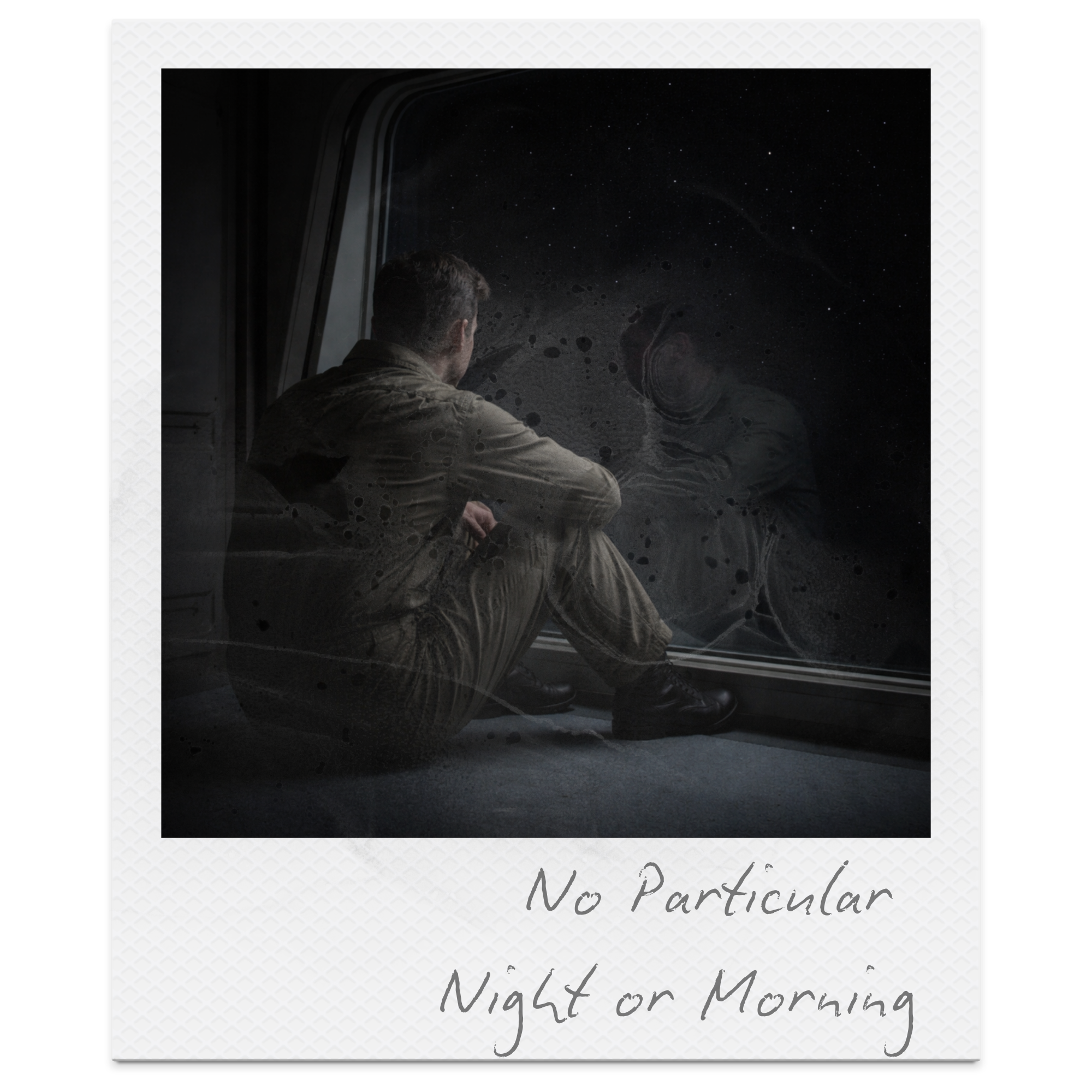
No Particular Night or Morning by Ray Bradbury: Summary, Themes, Symbolism & Analysis
No Particular Night or Morning explores existential uncertainty, isolation, and the limits of proof through the unsettling perspective of a man who can only believe in what he can immediately see, touch, or verify. As Hitchcock begins to reject the existence of Earth, memory, and even other people when they are not physically present, Bradbury builds a disturbing vision of reality reduced to isolated moments, stripped of continuity and meaning. As the story progresses, this rigid form of rationalism leads to the breakdown of identity and perception, revealing how dependent human life is on imagination, memory, and shared belief. Set against the vast emptiness of space, Hitchcock’s descent becomes both psychological and symbolic, culminating in a chilling rejection of everything—body, world, and self—leaving only “space” and “the gap.”
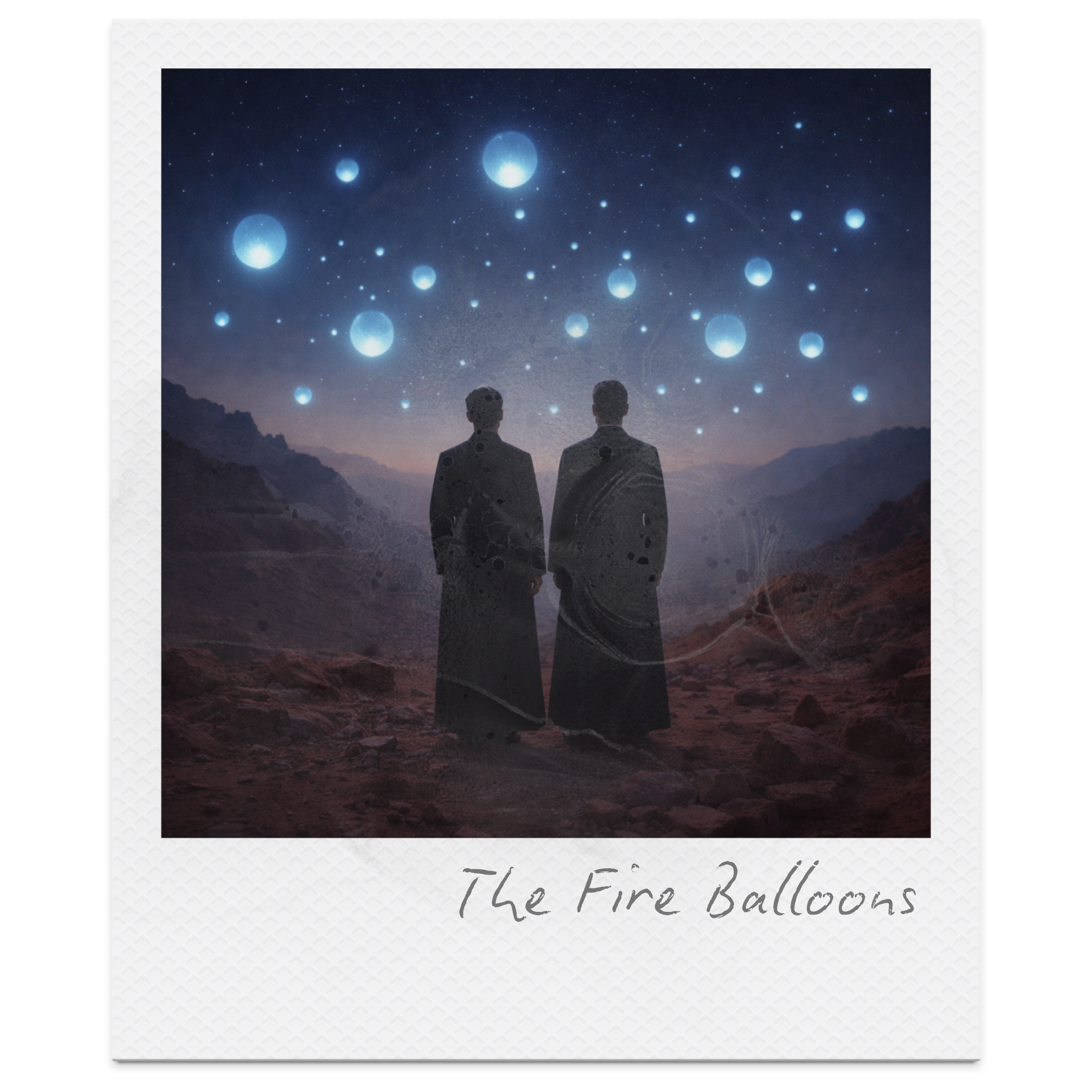
The Fire Balloons by Ray Bradbury: Summary, Themes, Symbolism & Analysis
The Fire Balloons explores faith, missionary zeal, and the limits of human understanding through the story of priests who travel to Mars expecting to bring salvation, only to encounter beings who may not need it. When Father Peregrine becomes fascinated by mysterious blue spheres living in the Martian hills, he begins to question whether traditional ideas of sin and morality apply beyond Earth, setting up a powerful conflict between certainty and curiosity. As the story unfolds, Bradbury challenges assumptions about religion, the body, and what it means to be truly human. The Martians’ revelation—that they exist beyond desire, conflict, and sin—forces a shift from confidence to humility, leaving both characters and readers to reconsider the nature of truth itself.
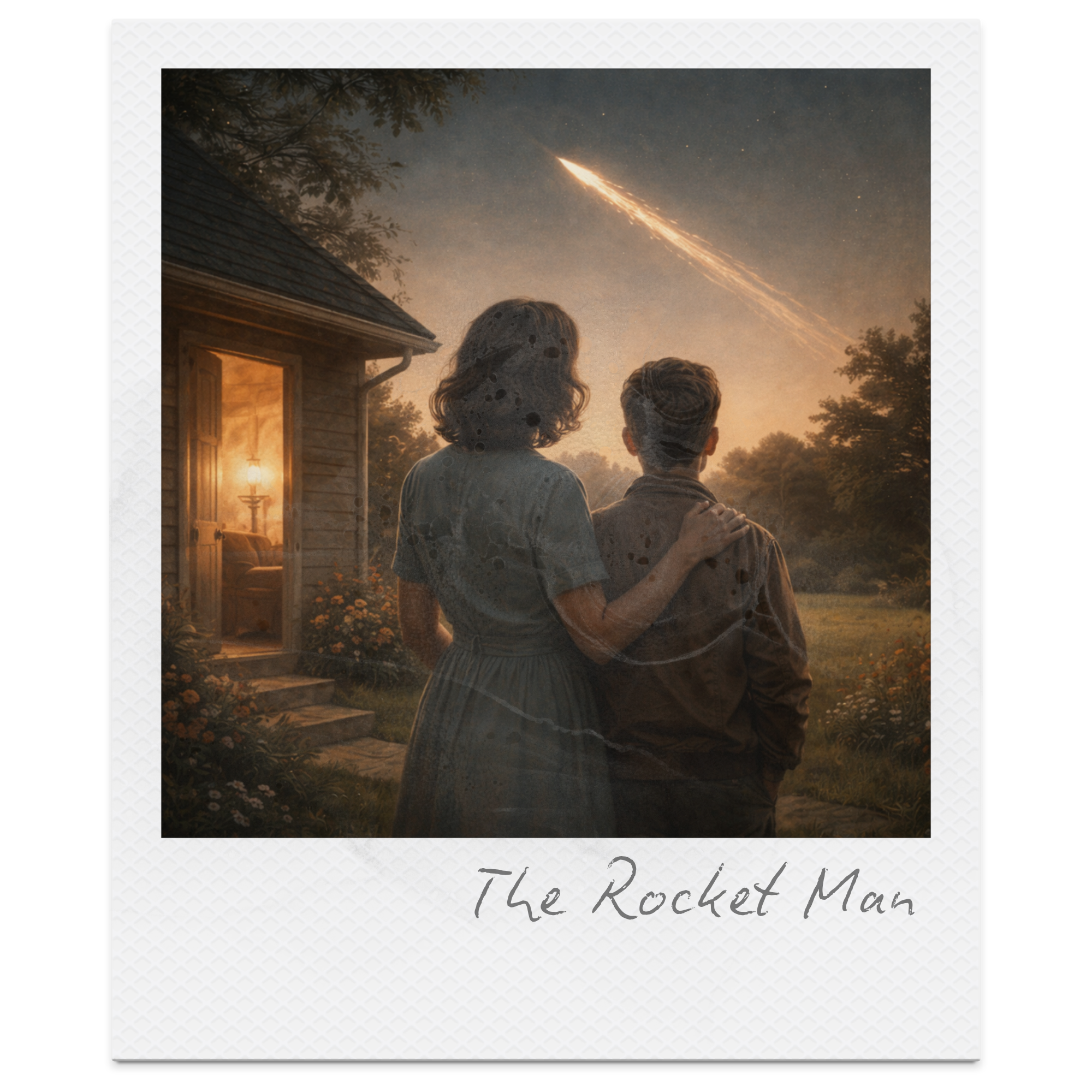
The Rocket Man by Ray Bradbury: Summary, Themes, Symbolism & Analysis
The Rocket Man by Ray Bradbury is a deeply emotional science fiction story exploring family, absence, and the cost of ambition. Told through the eyes of a young boy, the narrative follows a father who is torn between his life on Earth and his work in space, creating a cycle of return and departure that shapes the family’s entire existence. Bradbury presents space travel not as heroic, but as something that quietly disrupts relationships and emotional stability. As the story unfolds, the tension between presence and absence becomes increasingly painful, particularly through the mother’s coping strategy of treating her husband as if he is already dead. When the father’s final journey ends in tragedy, the emotional impact is devastating, leaving the family to navigate a world permanently altered by loss. Through its restrained style and symbolic imagery, the story reveals how ambition, love, and grief can coexist in ways that are both powerful and deeply unsettling.
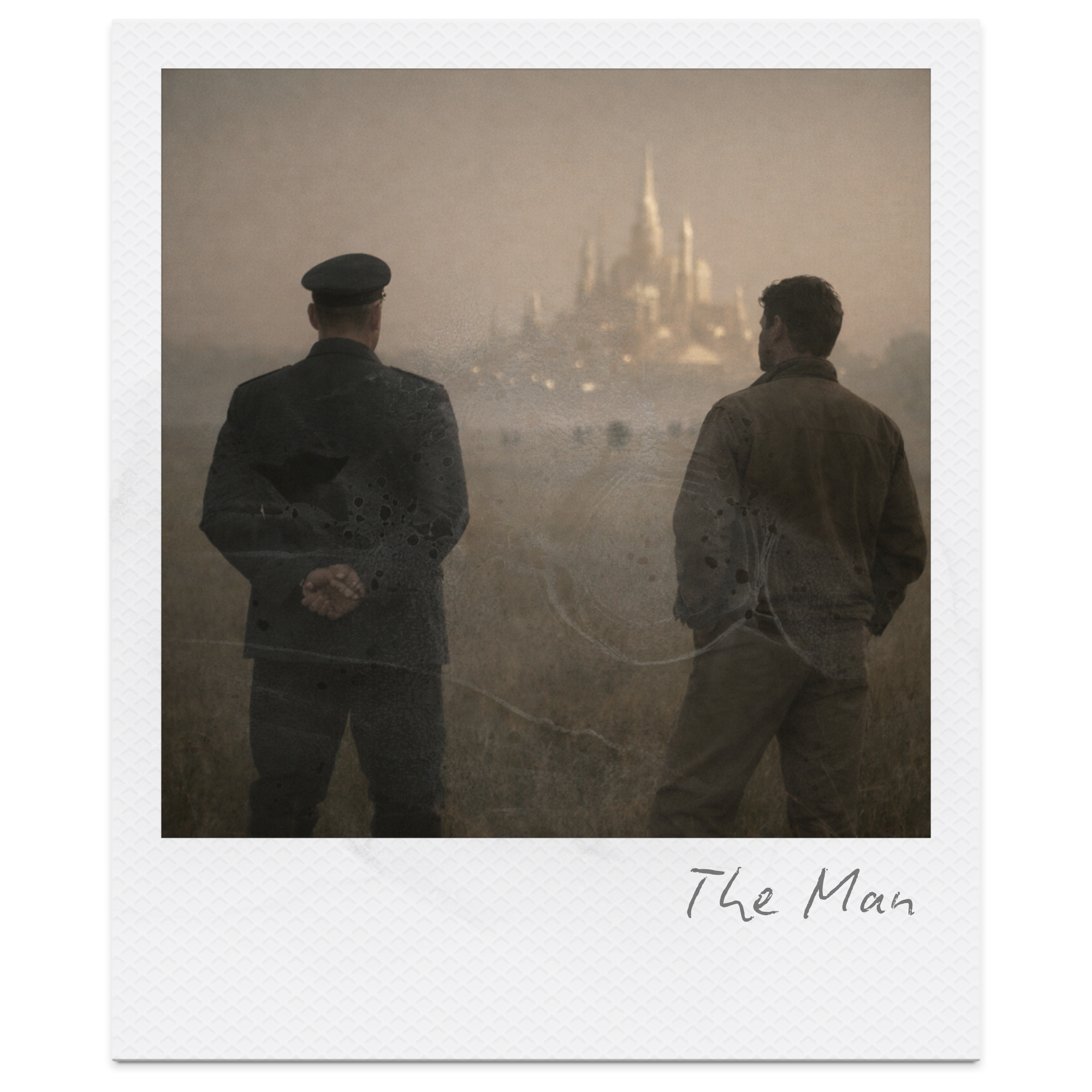
The Man by Ray Bradbury: Summary, Themes, Symbolism & Analysis
The Man by Ray Bradbury is a powerful work of science fiction that explores faith, belief, and the limits of human understanding. When Captain Hart and his crew land on a distant planet expecting recognition for their achievement, they are met with complete indifference. Instead, they discover that something far more significant has already taken place—a mysterious visitor who healed the sick and inspired quiet, unwavering belief among the inhabitants. As Hart clings to logic and proof, refusing to accept what he cannot explain, his lieutenant Martin begins to recognise that they have just missed something extraordinary. The story becomes a subtle but striking exploration of ego, skepticism, and the search for meaning, raising a central question: what happens when truth appears, but we are unwilling—or unable—to see it?

The Highway by Ray Bradbury: Summary, Themes, Symbolism & Analysis
Ray Bradbury’s The Highway is a striking piece of speculative fiction that explores isolation, perspective, and the fragility of civilisation. Set in a quiet rural valley, the story follows Hernando, a farmer whose life is largely untouched by the modern world—until a sudden, frantic stream of cars on the nearby highway signals that something catastrophic has happened beyond his understanding. As news of “the atom war, the end of the world!” rushes past him, Hernando’s response challenges everything we assume about global events and their impact. Bradbury uses this powerful contrast between panic and stillness to question whether such events are truly universal, revealing that meaning is shaped by experience, distance, and perspective.
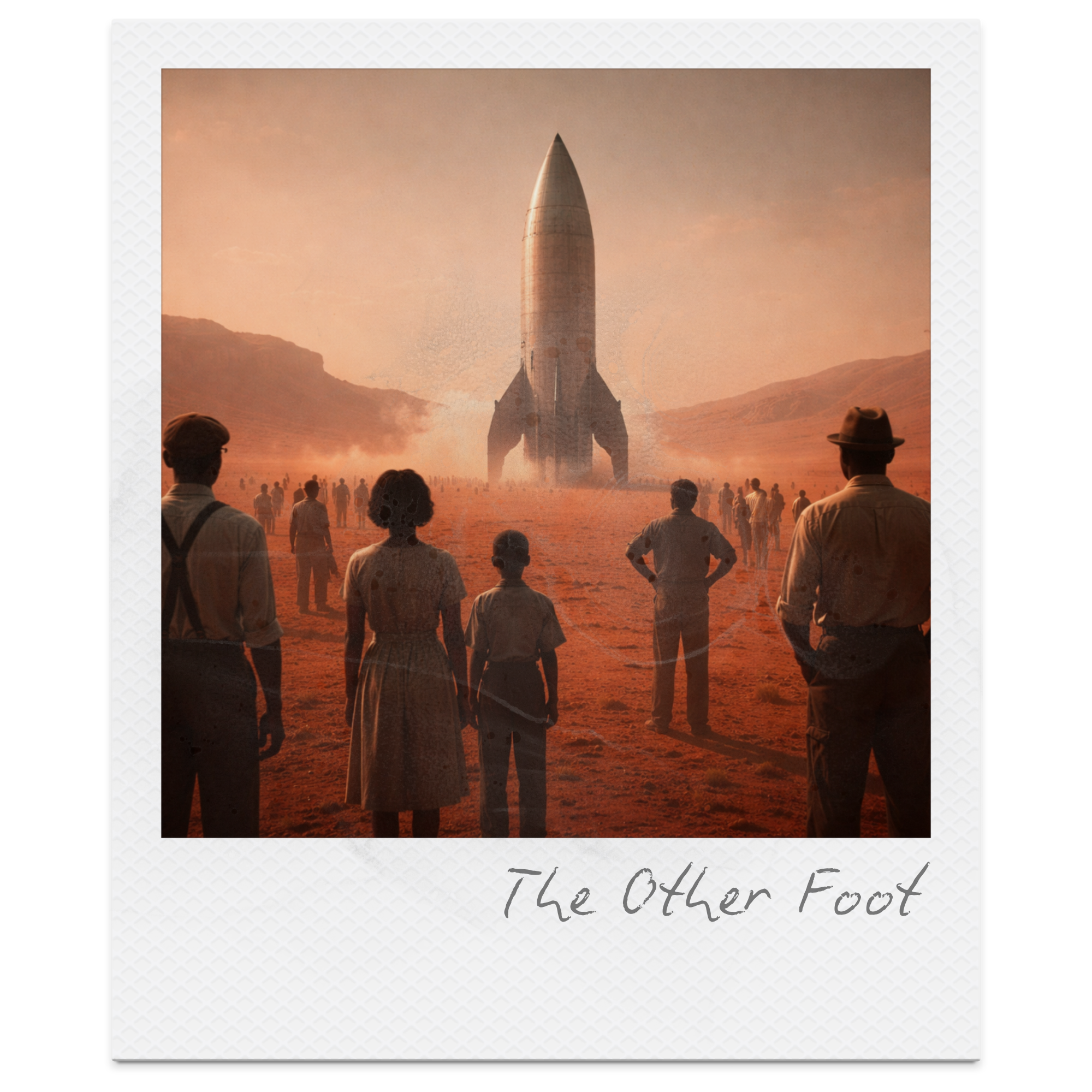
The Other Foot by Ray Bradbury: Summary, Themes, Symbolism & Analysis
The Other Foot by Ray Bradbury is a powerful work of speculative fiction that explores racism, revenge, and the possibility of moral transformation through a striking reversal of power. Set on a Martian colony built by Black settlers who fled Earth, the story imagines what happens when the oppressed are given the chance to become the oppressors. As news spreads of a white survivor arriving from a devastated Earth, long-buried memories of violence and segregation resurface, pushing the community toward retaliation. However, Bradbury complicates this desire for revenge by revealing the complete destruction of Earth and the collapse of the very systems the characters seek to punish. In doing so, the story shifts from anger to reflection, asking whether true justice lies in reversal or in breaking the cycle altogether. Through its tense narrative and powerful moral turning point, The Other Foot challenges readers to reconsider what equality, responsibility, and humanity really mean.
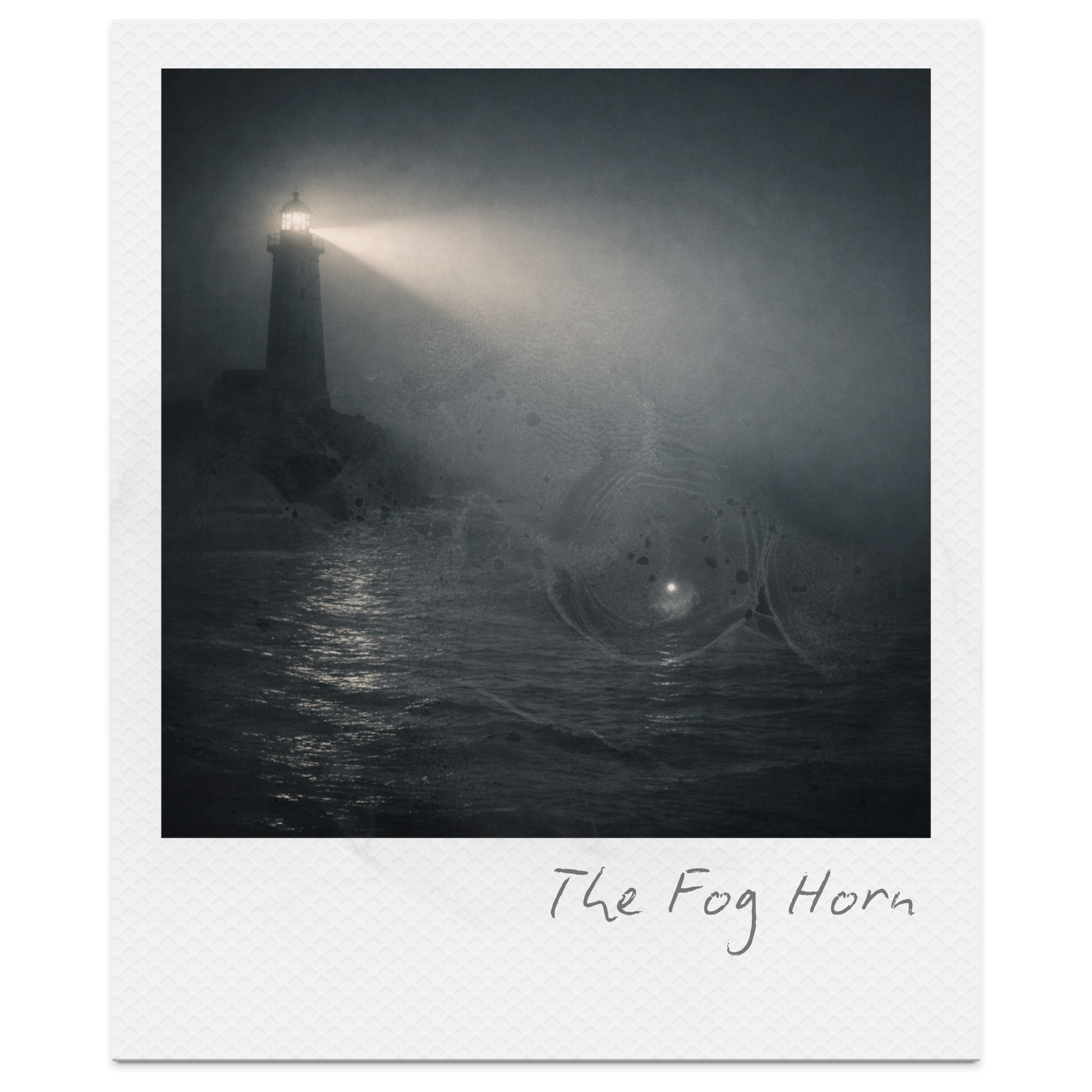
The Fog Horn by Ray Bradbury: Summary, Themes, Symbolism & Analysis
Ray Bradbury’s The Fog Horn is a haunting work of speculative fiction that explores isolation, longing, and the deep human need for connection. Set in a remote lighthouse surrounded by vast, empty seas, the story follows two keepers who encounter a mysterious creature drawn to the mournful sound of the fog horn—a sound that echoes across time like a call waiting to be answered. At its core, the story examines unfulfilled connection, illusion versus reality, and the fragility of belonging, revealing how even the hope of companionship can lead to devastation when it is misunderstood. Through powerful symbolism and atmosphere, Bradbury creates a deeply emotional narrative that lingers long after the final line.
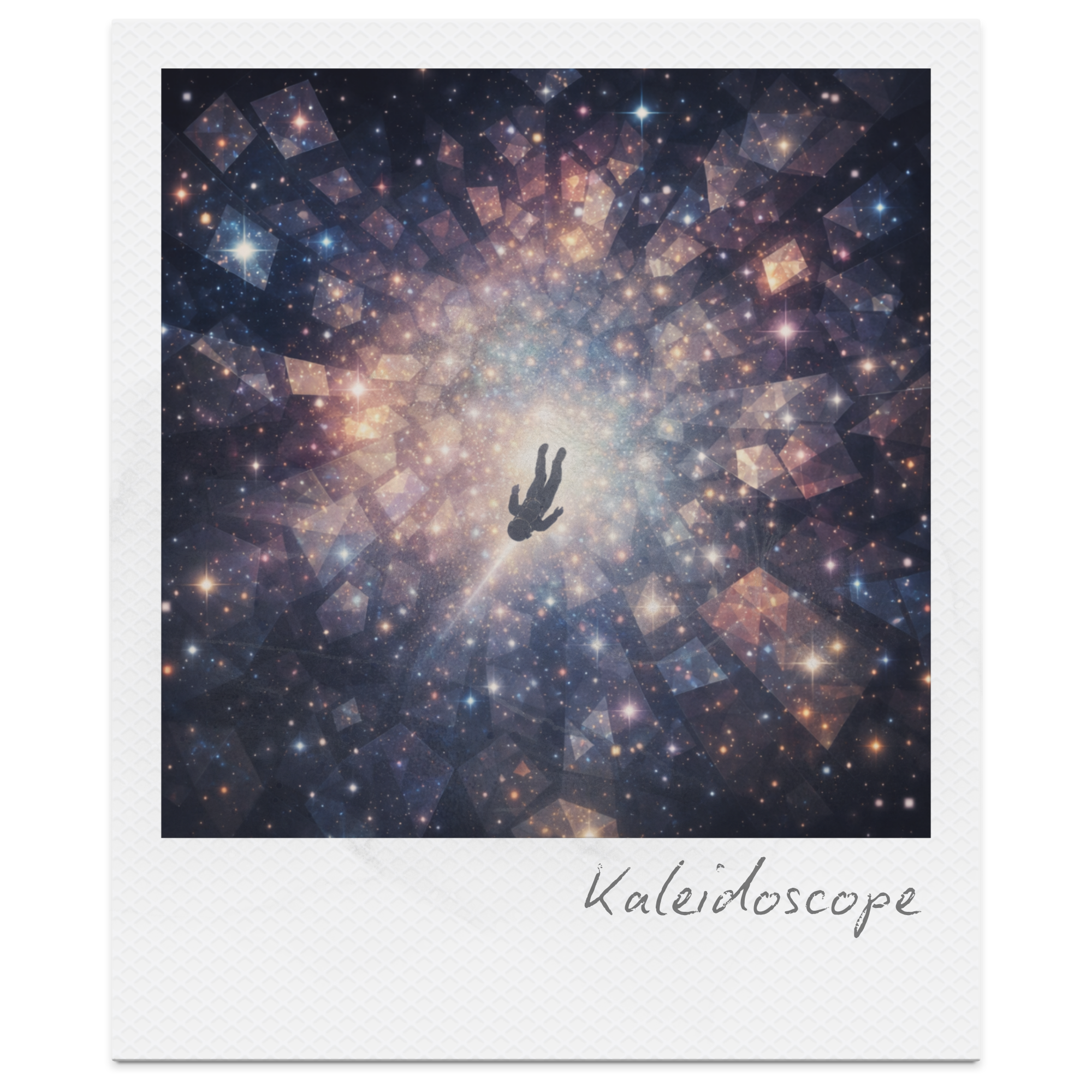
Kaleidoscope by Ray Bradbury: Summary, Themes, Symbolism & Analysis
Ray Bradbury’s Kaleidoscope is a striking exploration of human insignificance, mortality, and isolation, set against the vast and indifferent backdrop of space. After a catastrophic explosion scatters a crew of astronauts, the story follows their fragmented descent as they drift apart, connected only by fading voices. Through this disintegration, Bradbury examines how individuals respond when faced with the loss of control, connection, and certainty. As the astronauts confront their inevitable deaths, the story becomes a powerful reflection on memory, regret, and the search for meaning. While some find comfort in the lives they have lived, others are left questioning what their existence has amounted to. Blending science fiction with existential philosophy, Kaleidoscope leaves readers with a haunting question: when everything falls away, what truly gives a life value?