R Is for Rocket by Ray Bradbury: Summary, Themes, Meaning & Analysis
R Is for Rocket is one of Ray Bradbury’s most uplifting and emotionally resonant science fiction stories, exploring the exhilarating pull of space exploration, the painful transition from childhood to adulthood, and the sacrifices required to pursue extraordinary dreams. Rather than focusing on alien threats or futuristic technology alone, Bradbury examines the deeply human emotions behind scientific progress, showing how ambition, wonder, friendship, and hope shape the lives of those who long to reach the stars. At its heart, the story asks what happens when a lifelong dream finally becomes reality—and what must be left behind in order to achieve it.
Through Christopher’s journey from excited schoolboy to chosen astronaut, Bradbury celebrates both the possibilities of the future and the emotional cost of growing beyond the familiar. The fence separating the children from the rockets becomes a powerful symbol of aspiration, while Christopher’s selection forces him to cross a far more significant boundary between innocence and responsibility. The result is a story that explores identity, belonging, friendship, sacrifice, and the pursuit of a purpose greater than oneself. If you're exploring more of Bradbury's work, be sure to visit the Ray Bradbury Hub, or browse the Literature Library for more detailed analyses of classic short stories and literary texts.

Context of R Is for Rocket
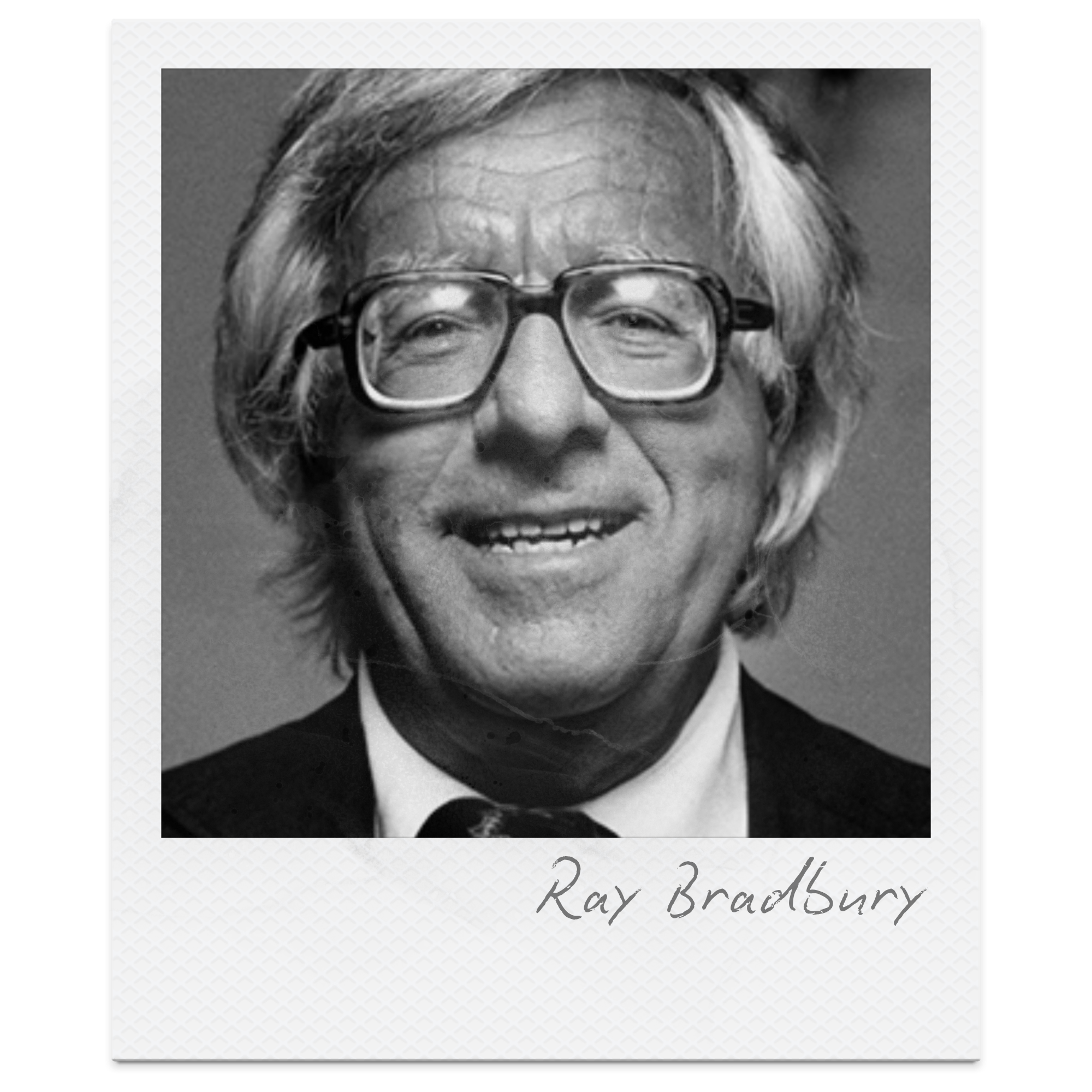
Written by Ray Bradbury, R Is for Rocket was first published in 1943 under the title "King of the Gray Spaces." The story was later revised and chosen as the title piece for Bradbury's influential 1962 young adult collection, R Is for Rocket, reflecting how central its themes were to his vision of science fiction. Although the story imagines an advanced future filled with routine space travel, its real focus is not futuristic technology but the timeless emotions that accompany dreams, ambition, and the desire to explore the unknown. Its enduring appeal was recognised decades later when it received the 2019 Retro Hugo Award, highlighting its lasting influence on the genre.
Bradbury wrote during a period when space exploration existed largely as imagination rather than reality, allowing him to capture the optimism, curiosity, and excitement that surrounded humanity's dreams of reaching the stars. Rather than presenting astronauts simply as scientists or adventurers, he portrays them as figures of almost spiritual significance whose selection demands dedication, sacrifice, and emotional resilience. Christopher's journey therefore becomes both a coming-of-age story and a celebration of human aspiration, suggesting that the greatest discoveries begin long before a rocket leaves the launch pad. For a broader look at Bradbury's life, recurring themes, writing style, and historical influences, explore the Ray Bradbury Context Post before diving deeper into this story.
R Is for Rocket: At a Glance
Form: Science fiction short story
Mood: Hopeful, nostalgic, inspiring, and quietly bittersweet
Central tension: Christopher longs to become an astronaut, but achieving his dream means leaving behind his childhood, his closest friend, and the life he has always known.
Core themes: Dreams and ambition, space exploration, coming of age, friendship, sacrifice, identity, hope, the future, human curiosity, and the transition from childhood to adulthood.
One-sentence meaning: Bradbury suggests that the pursuit of extraordinary dreams demands sacrifice, but those willing to embrace change can help shape humanity's future while carrying the people and memories that inspired them.
Quick Summary of R Is for Rocket
Christopher is a fifteen-year-old boy living in a future where space travel has become part of everyday life, yet becoming an astronaut remains the greatest dream imaginable. Every Saturday, he and his friends gather at the observation fence to watch rockets launch, imagining the day they might be chosen to join the Astronaut Board. While the other boys enjoy the spectacle, Christopher and his closest friend, Ralph Priory, feel a much deeper longing to reach the stars.
After a rocket launch leaves Christopher unable to concentrate at school, his teachers notice his overwhelming obsession with space. Soon afterwards, a representative from the Astronaut Board arrives at his home and secretly informs him that he has been selected to begin years of specialist astronaut training. Christopher must keep the news hidden from everyone except his mother and teachers, knowing that many chosen candidates will never complete the programme. At the same time, he worries about leaving Ralph behind and hopes his friend will one day receive the same opportunity.
Before departing, Christopher spends one final Saturday reliving the ordinary pleasures of childhood with his friends instead of visiting the rocket port. He says goodbye to Ralph and his mother without revealing the truth about his destination before travelling alone to begin his training. As he walks through the fence that had always separated him from the rockets he admired, Christopher leaves childhood behind and takes his first step towards the future he has dreamed of for so long.
Title of R Is for Rocket
Ray Bradbury's titles rarely function as simple labels. Instead, they establish tone, introduce central symbols, and hint at the emotional or thematic journey that follows. In R Is for Rocket, the title initially appears playful, echoing the format of a children's alphabet book, but by the story's conclusion it carries a much deeper significance. What begins as a simple association between a letter and an object becomes a symbol of an entire way of life, representing dreams, ambition, and humanity's desire to reach beyond its limitations.
At first, "R is for Rocket" evokes childhood excitement. The phrase feels familiar and educational, suggesting the innocent enthusiasm of young boys fascinated by rockets and the promise of space exploration. Christopher and his friends gather every Saturday to watch launches, and for them rockets represent adventure, possibility, and the future. The title therefore reflects the youthful optimism that dominates the opening of the story.
As the narrative develops, however, the meaning of the title changes. The rocket is no longer simply a spectacular machine to admire from behind a fence. Instead, it becomes the destination of Christopher's hopes and the force that transforms his life. Being chosen by the Astronaut Board means that the rocket shifts from an object of fascination to the vehicle that will carry him away from his childhood, his mother, and his closest friend. The title therefore mirrors Christopher's own transition from dreamer to participant.
The rocket also functions as a powerful symbol of aspiration. Throughout the story it represents humanity's endless curiosity and the willingness to sacrifice comfort in pursuit of discovery. Bradbury repeatedly presents rockets with almost religious reverence, suggesting they embody the highest ideals of courage, exploration, and hope rather than merely technological achievement. Christopher does not simply want to ride a rocket; he wants to devote his life to what it represents.
There is also a subtle irony within the title. It sounds as though it belongs to a story about exciting space adventures, yet much of the narrative takes place on Earth and focuses on waiting rather than travelling. Bradbury is less interested in the mechanics of spaceflight than in the emotional journey that precedes it. The most significant crossing is not into outer space but beyond the observation fence, where Christopher finally leaves behind the life he has always known.
Ultimately, the title captures the story's central message: dreams begin long before they are realised. What starts as a simple childhood fascination grows into a defining purpose, making the rocket both a literal spacecraft and a lasting symbol of hope, ambition, and the courage required to embrace an uncertain future.
Structure of R Is for Rocket
Bradbury carefully structures R Is for Rocket as both a coming-of-age story and a story of aspiration. Rather than relying on action or external conflict, the narrative builds emotional tension through anticipation, waiting, and gradual revelation. Each section moves Christopher closer to achieving his dream while simultaneously pulling him further away from the childhood life he treasures. The result is a structure that mirrors the emotional experience of growing up: exciting, uncertain, and quietly heartbreaking.
Opening (Exposition)
The story opens by introducing the observation fence and the boys who gather there to watch rockets launch. Bradbury immediately establishes the fence as both a physical boundary and a symbolic one, separating ordinary life from the limitless possibilities beyond. Christopher's fascination with the rockets is contrasted with the ordinary routines of school, family, and friendship, showing that although he enjoys his childhood, his imagination is always drawn towards something greater. This balance between contentment and longing establishes the central conflict before the main plot even begins.
Rising Action
The tension steadily increases after Christopher becomes unable to concentrate following the rocket launch. His obsession begins affecting his education, prompting concern from his teachers and hinting that something significant is about to happen. Bradbury deliberately withholds crucial information, using mysterious conversations, secret telephone calls, and Christopher's growing anxiety to create suspense. The uncertainty surrounding the Astronaut Board keeps both Christopher and the reader waiting for answers, reinforcing the story's recurring motif of anticipation.
Turning Point / Climax
The arrival of the blue helicopter marks the story's emotional and narrative climax. Christopher learns that he has been secretly selected for astronaut training, fulfilling the dream that has shaped his entire life. However, Bradbury immediately complicates this apparent triumph by revealing that Christopher must keep the selection confidential and leave behind both his mother and Ralph. The climax therefore combines joy, responsibility, and loss, showing that achieving a dream often demands profound personal sacrifice.
Falling Action
Instead of rushing towards Christopher's departure, Bradbury deliberately slows the pace. Christopher chooses to spend one final Saturday with his friends, revisiting childhood games, walks through the woods, and familiar routines instead of watching rockets launch. This quieter section creates emotional contrast with the excitement of the climax, allowing both Christopher and the reader to appreciate everything that will soon be left behind. The ordinary moments become unexpectedly significant because they can never be repeated in quite the same way.
Ending (Resolution)
The story concludes with Christopher travelling alone to the Rocket Port and finally walking through the fence that has symbolised his dreams since the opening pages. This ending creates a satisfying cyclical structure by returning to the image introduced at the beginning, but its meaning has completely changed. Christopher is no longer a boy imagining the future from the outside; he has become part of the future itself. Bradbury leaves the actual adventures in space untold, ending instead at the precise moment of transformation. This restrained conclusion emphasises that the most important journey is not the voyage into space but Christopher's passage from childhood into adulthood, ensuring the story finishes with hope while retaining a lingering sense of nostalgia.
Setting of R Is for Rocket
Bradbury uses the setting of R Is for Rocket to do far more than establish a futuristic world. Every location reflects Christopher's emotional journey, creating symbolic landscapes that represent hope, belonging, transition, and possibility. Although the story is set in an advanced technological society, Bradbury fills it with familiar places—homes, schools, neighbourhoods, and fields—to remind readers that human dreams remain unchanged even as civilisation evolves. The contrast between ordinary spaces and extraordinary destinations reinforces the story's central idea that the greatest adventures begin in everyday life.
The Observation Fence
The observation fence is the story's most important setting because it represents the boundary between childhood dreams and adult achievement. Christopher and the other boys repeatedly gather here to watch rockets launch, physically separated from the future they desperately long to enter.
Bradbury immediately establishes its symbolic importance when Christopher recalls, "There was this fence where we pressed our faces", describing how the boys "dreamed of who we might be and where we might go." The fence therefore becomes more than a safety barrier—it is a metaphor for waiting, aspiration, and unrealised potential.
By the conclusion, the meaning of the setting has completely transformed. Christopher finally walks "beyond the fence," crossing the line that had separated imagination from reality throughout his childhood. Bradbury's repetition of the opening imagery creates a powerful cyclical structure, while the physical act of crossing the fence symbolises Christopher leaving childhood behind forever.
Rocket Port
The Rocket Port is presented almost like a place of worship, where technology inspires awe rather than fear. Bradbury describes the rocket emerging "like a great interstellar circus tent", while the enormous gantry resembles "prehistoric reptile birds" guiding the spacecraft towards launch. These vivid comparisons transform industrial machinery into something mythical and alive, elevating the launch into an event of almost religious significance.
The atmosphere becomes increasingly intense as the launch approaches. The mechanics resemble "praying-mantis mechanics", while the rocket itself is described as "the Dream" that "woke up and gave a yell and jumped into the sky." Through this personification, Bradbury presents the Rocket Port as the birthplace of humanity's ambitions, where imagination is transformed into reality. The setting therefore reflects Christopher's emotional excitement and reinforces the story's celebration of exploration and scientific progress.
Christopher's Home
Christopher's home provides a deliberate contrast to the grandeur of the Rocket Port. It is a place of love, security, and emotional warmth, particularly through his relationship with his mother, Jhene. Within this domestic setting, the futuristic world feels surprisingly ordinary, reminding readers that even those destined for greatness begin life surrounded by family and familiar routines.
Many of the story's most emotionally significant moments occur here. Christopher learns of his selection, shares quiet conversations with his mother, and spends his final evening with Ralph before leaving. When Jhene tells him, "You're so awfully young," the setting emphasises the painful reality that achieving his dream also means leaving the safety of childhood behind. Later, her recorded farewell—"When I see you again—you'll be a man"—transforms the home into the final space Christopher inhabits as a child.
Formula School
Although relatively little time is spent at formula-school, it highlights the conflict between Christopher's responsibilities and his overwhelming ambition. Instead of concentrating on his studies, he finds himself consumed by thoughts of rockets, admitting that his problem is simply "it's rockets." The classroom therefore represents the structured expectations of society, while Christopher's imagination continually reaches beyond them.
The school also introduces the formal selection process that governs astronaut recruitment. Rather than encouraging Christopher to suppress his dreams, his teachers quietly recognise his exceptional potential. As a result, the setting becomes the bridge between childhood education and the demanding future that awaits him.
The Woods and Childhood Landscapes
One of the story's most touching settings appears during Christopher's final Saturday with his friends. Instead of visiting the Rocket Port, they revisit ordinary childhood places, "walked in a small woods outside town," played games, swam together, and enjoyed simple moments they had almost outgrown.
These peaceful landscapes contrast sharply with the futuristic imagery that dominates the rest of the story. Bradbury reminds readers that Christopher's greatest sacrifice is not simply leaving Earth but leaving behind the ordinary experiences that shaped his identity. The woods therefore symbolise innocence, friendship, and the final moments before adulthood replaces carefree childhood forever.
Across the story, Bradbury transforms every setting into a reflection of Christopher's emotional development. The fence symbolises aspiration, the Rocket Port represents humanity's future, the home embodies love and belonging, the school reflects preparation and responsibility, and the woods preserve the innocence Christopher must eventually leave behind. Together, these settings create a symbolic landscape in which every place contributes to the story's exploration of dreams, growth, and the courage to step into the unknown.
Narrative Voice in R Is for Rocket
Bradbury tells R Is for Rocket through a first-person narrative, allowing readers to experience Christopher's thoughts, emotions, and dreams directly. This perspective creates an intimate connection between narrator and reader, ensuring that the story's greatest conflicts are emotional rather than physical. Although rockets, advanced technology, and space travel fill the world around Christopher, the narrative voice keeps the focus firmly on what it feels like to long for something that seems almost impossibly out of reach.
First-Person Perspective
Because Christopher narrates the story himself, readers experience events through the eyes of a teenager caught between childhood and adulthood. His narration captures both youthful excitement and surprising emotional maturity, making his dreams feel immediate and authentic.
When he admits, "I want to grow up quick so I can take that rocket," the first-person perspective allows readers to hear his impatience without any narrative distance. Rather than simply observing his ambition, we experience it alongside him, making his longing feel intensely personal.
A Limited but Honest Viewpoint
Christopher's narration is limited to what he knows, creating suspense throughout the story. Readers are never given information before he receives it, meaning the mysterious conversations between his teacher, his mother, and the Astronaut Board remain just as uncertain for us as they are for him.
This limited perspective is especially effective when Christopher notices his teacher looking at him with "envy and admiration and pity all in one." He observes the expression but cannot fully understand its meaning, encouraging readers to speculate alongside him until the truth is finally revealed. Bradbury therefore uses narrative limitation to build anticipation without relying on dramatic action.
An Emotional and Reflective Tone
Christopher's voice frequently shifts from excitement to quiet reflection, revealing that his greatest conflict takes place within himself. He openly analyses his own feelings, recognising that his obsession with space cannot simply be dismissed as childish enthusiasm.
He explains to Ralph that "I got a war on between a mind that wants things my body can't give it." This metaphor transforms his desire into an internal battle, demonstrating remarkable self-awareness for someone so young. The reflective narration allows Bradbury to explore ambition as a psychological experience rather than simply an external goal.
Positioning the Reader
Because readers experience Christopher's hopes so intimately, they naturally share both his excitement and his anxiety. When the blue helicopter finally arrives, the emotional payoff feels earned because readers have endured the same uncertainty, waiting alongside Christopher for the Astronaut Board's decision.
Similarly, Bradbury never allows readers to know more than Christopher about Ralph's future. This shared uncertainty makes Ralph's final promise—"I'll wait"—particularly poignant, leaving both Christopher and the reader wondering whether his friend will ever receive the same opportunity. The first-person narration therefore strengthens the story's emotional impact by ensuring readers remain fully invested in both characters until the closing pages.
Ultimately, Bradbury's first-person narrative voice transforms R Is for Rocket from a story about futuristic technology into an intimate exploration of hope, friendship, and growing up. By allowing readers to see the world entirely through Christopher's perspective, Bradbury ensures that the journey beyond the fence feels as emotional as it is extraordinary.
The Purpose and Impact of R Is for Rocket
Bradbury's purpose in R Is for Rocket is not simply to celebrate space exploration, but to explore the emotional qualities that make humanity worthy of exploring the universe in the first place. While the story is set in a technologically advanced future, its real concern is hope, curiosity, dedication, and the willingness to sacrifice comfort for a dream. Bradbury suggests that progress is driven not by machines but by ordinary people whose imaginations refuse to accept the limits of the present. Christopher's longing to become an astronaut represents humanity's instinct to keep searching, learning, and reaching beyond what is already known.
The story also examines the often-overlooked cost of achieving extraordinary ambitions. Christopher spends much of the narrative dreaming about joining the Astronaut Board, yet once he is selected, his excitement is accompanied by silence, secrecy, and separation from those he loves. Bradbury reminds readers that fulfilling a lifelong dream rarely means gaining everything; it often requires leaving something equally precious behind. Christopher's final day with Ralph and his mother transforms what could have been a triumphant departure into an emotionally complex farewell, showing that personal growth inevitably involves loss as well as opportunity.
Bradbury also presents a quiet warning about purpose and motivation. When Trent explains that successful candidates must pursue space "because you can't help being in it and have to be in it" rather than for status or recognition, the story argues that genuine achievement comes from passion rather than vanity. The selection process therefore becomes a test of character as much as intelligence, suggesting that the greatest explorers are driven by curiosity rather than personal glory.
Emotionally, the story leaves readers with a mixture of optimism and melancholy. Christopher achieves the future he has always imagined, making the ending deeply hopeful, yet Bradbury deliberately focuses on the people left behind rather than the adventures ahead. Ralph's promise that "I'll wait" and Christopher's final thoughts of his mother and friend ensure that the triumph never feels uncomplicated. Instead, the ending celebrates achievement while acknowledging the loneliness that can accompany it.
Intellectually, R Is for Rocket encourages readers to think about what society values and how exceptional people are recognised. Bradbury imagines a future where talent, curiosity, resilience, and imagination are treated as humanity's most important resources, challenging readers to consider whether modern society nurtures those qualities with the same care. The story therefore becomes both a celebration of scientific progress and a reflection on the values needed to achieve it.
One of the story's greatest strengths is its ambiguity. Bradbury never tells readers whether Christopher will successfully complete his training, whether Ralph will ever be selected, or what Christopher's future among the stars will look like. By ending at the moment Christopher walks "beyond the fence," Bradbury leaves the future unwritten, allowing readers to imagine the possibilities for themselves.
Ultimately, R Is for Rocket lingers because it recognises a universal truth: every generation has its own "fence" separating ordinary life from extraordinary possibility. Whether that dream is space exploration, artistic success, scientific discovery, or personal achievement, Bradbury reminds readers that crossing the boundary requires courage, perseverance, and a willingness to leave the familiar behind. Long after the final page, readers remember not the rocket itself, but the emotional journey of the boy brave enough to step beyond the fence.
Characters in R Is for Rocket
Bradbury's characters are more than individuals; they function as symbolic embodiments of the story's central ideas. Through Christopher, Ralph, Jhene, and Trent, he explores the relationship between ambition, friendship, sacrifice, and human potential. Each character represents a different response to the dream of space exploration, demonstrating that reaching the stars is not simply a technological achievement but an emotional and moral journey.
Christopher
Christopher is both the narrator and the emotional heart of the story. His overwhelming desire to become an astronaut symbolises human curiosity and the instinct to push beyond familiar boundaries. Although he enjoys his everyday life, admitting that he and the other boys "liked being boys", he also recognises that they "liked the rockets more," revealing that his imagination constantly reaches beyond the ordinary.
His ambition is portrayed as something deeper than simple excitement. After witnessing the rocket launch, Christopher admits, "I want to grow up quick so I can take that rocket," expressing impatience not merely to become older but to fulfil the purpose he feels destined for. Bradbury presents this longing as almost physical, showing that Christopher's dreams affect every aspect of his life, from his studies to his emotional wellbeing.
Christopher also demonstrates considerable emotional maturity. He understands that his obsession creates "a war... between a mind that wants things my body can't give it," acknowledging that his greatest struggle lies within himself rather than with any external enemy. This self-awareness transforms him from a stereotypical adventurous teenager into a thoughtful protagonist wrestling with the tension between present limitations and future possibilities.
By the conclusion, Christopher has evolved from a boy standing behind a fence into someone prepared to cross it. His final journey symbolises both personal growth and humanity's continuing desire to explore the unknown, making him a powerful representation of hope, determination, and the transition into adulthood.
Ralph Priory
Ralph serves as Christopher's closest friend and emotional mirror. Like Christopher, he dreams of becoming an astronaut, yet his role highlights the uncertainty that accompanies ambition. While both boys share the same hopes, Bradbury constantly reminds readers that only one has been chosen—for now.
Ralph openly acknowledges the painful reality of the selection process, imagining years spent waiting for the blue helicopter that may never arrive. His fear that he could reach adulthood without ever being chosen reveals the emotional vulnerability hidden beneath his excitement. Unlike Christopher, Ralph represents those whose dreams remain uncertain, making him a symbol of patience, resilience, and quiet perseverance.
Despite this uncertainty, Ralph never allows jealousy to overshadow his friendship. When Christopher leaves, he simply promises, "I'll wait," a brief but deeply moving statement that captures both loyalty and enduring hope. Rather than resenting Christopher's success, Ralph accepts it with dignity, demonstrating that genuine friendship is built on support rather than competition.
Through Ralph, Bradbury reminds readers that not every dream is fulfilled immediately, but hope itself remains valuable. His character embodies the courage required to continue believing even when the future is unknown.
Jhene
Jhene, Christopher's mother, represents love, wisdom, and selfless sacrifice. She understands that her son's future lies beyond their home and chooses to support his ambitions despite the loneliness they will bring.
Her quiet observation that Christopher is "so awfully young" highlights the emotional cost of his selection. Rather than focusing on her own loss, however, she encourages him to embrace his opportunity, recognising that his future belongs to something greater than herself.
Bradbury also presents Jhene as someone who understands the almost sacred nature of Christopher's calling. She compares astronaut training to entering a "greater priesthood," suggesting that exploring space requires dedication, humility, and service to humanity rather than personal glory. Through this comparison, she elevates Christopher's journey from a career choice to a moral vocation.
Her decision to welcome Ralph into her home after Christopher leaves further reinforces her compassion. By caring for both boys, Jhene demonstrates that family is defined not only by blood but also by love, loyalty, and shared purpose.
Trent
Trent represents the values of the Astronaut Board and the ideals that Bradbury believes should guide humanity's future. Calm, disciplined, and deeply thoughtful, he treats astronaut selection as a profound responsibility rather than a reward.
His explanation that candidates must pursue space "because you can't help being in it and have to be in it" reveals the ethical foundation of the selection process. Bradbury suggests that the greatest explorers are driven not by prestige but by an irresistible desire to discover and contribute.
Trent's insistence on secrecy also reflects his understanding of human psychology. By preventing successful candidates from boasting about their achievements, he ensures that only those motivated by genuine passion continue their training. He therefore functions as a guardian of Bradbury's central message: true greatness comes from commitment rather than recognition.
The Boys
Christopher's wider group of friends represents the ordinary joys of childhood. They laugh, race to the Rocket Port, play games, and enjoy one another's company, reminding readers that Christopher's ambition exists alongside a happy and fulfilling everyday life rather than as an escape from misery.
Their willingness to abandon the rocket launch simply because Christopher suggests spending the day together demonstrates the strength of their friendship. They unknowingly give Christopher the perfect farewell by revisiting the simple pleasures of childhood, unaware that it will be his final ordinary Saturday before crossing into adulthood.
Collectively, the boys also symbolise humanity's shared fascination with discovery. While most may eventually move on to ordinary lives, Bradbury suggests that every generation begins with the same sense of wonder, even if only a few ultimately travel beyond the fence.
Key Themes in R Is for Rocket
Bradbury explores a range of interconnected themes in R Is for Rocket, using Christopher's journey to examine not only the excitement of space exploration but also the emotional realities of growing up, pursuing ambitious dreams, and leaving familiar comforts behind. While the story imagines an advanced future, its themes remain deeply human, making it as much a coming-of-age story as it is a work of science fiction.
Dreams and Ambition
The most significant theme is the power of dreams and ambition. Christopher's desire to become an astronaut is not presented as a passing childhood fascination but as the defining purpose of his life. Watching the rockets leaves him with "the special sickness of longing and envy and grief for lack of accomplishment," showing that his ambition is so powerful it becomes an emotional necessity rather than a simple wish.
Bradbury suggests that meaningful dreams require complete commitment. Christopher's inability to focus on school demonstrates that his ambition shapes every aspect of his identity, while the Astronaut Board later confirms that only those completely devoted to exploration deserve to succeed. Dreams therefore become both a source of inspiration and a demanding responsibility.
Space Exploration
Although rockets dominate the story's imagery, space exploration represents far more than technological progress. Bradbury portrays it as humanity's greatest expression of curiosity, courage, and hope.
The rocket is repeatedly described in almost mythical language, becoming "the Dream" that "woke up and gave a yell and jumped into the sky." This personification transforms the spacecraft into a living symbol of human aspiration, suggesting that every launch carries not only astronauts but generations of dreams into the unknown.
Rather than celebrating technology itself, Bradbury celebrates the people willing to dedicate their lives to expanding humanity's understanding of the universe.
Coming of Age
Christopher's selection by the Astronaut Board marks his transition from adolescence towards adulthood. While he begins the story enjoying childhood adventures with his friends, he gradually learns that achieving his dream requires emotional maturity and personal responsibility.
His mother captures this transformation when she tells him, "When I see you again—you'll be a man." The statement reminds readers that Christopher's greatest journey is not simply travelling into space but growing into the person capable of undertaking that responsibility.
Bradbury therefore presents adulthood not as a matter of age but as accepting responsibility, sacrifice, and commitment to something greater than oneself.
Friendship
Friendship provides the emotional foundation of the story through Christopher's relationship with Ralph Priory. Unlike many stories centred on competition, Bradbury presents friendship as something strengthened rather than weakened by ambition.
Even after Christopher is selected, Ralph responds not with resentment but quiet loyalty, promising simply, "I'll wait." The brevity of the statement highlights both his disappointment and his unwavering support, demonstrating that genuine friendship survives even when two people follow different paths.
Bradbury suggests that although Christopher must leave his childhood behind, the friendships formed during it remain an essential part of his identity.
Sacrifice
The story repeatedly shows that extraordinary achievements demand sacrifice. Christopher gains the opportunity he has always wanted, yet doing so requires him to leave behind his mother, his best friend, and the ordinary life he has always known.
Bradbury reinforces this idea through the Astronaut Board's demand for secrecy. Christopher cannot even celebrate his success openly, revealing that genuine achievement often involves quiet personal sacrifice rather than public recognition. His final Saturday spent revisiting childhood memories emphasises that every new beginning also requires an ending.
Identity
Christopher's identity is shaped by his dream long before he officially becomes an astronaut. He does not simply want to explore space—it defines who he is.
This internal struggle becomes clear when he describes "a war... between a mind that wants things my body can't give it." The metaphor illustrates that his identity is already reaching beyond the limitations of his current life, making the story an exploration of becoming the person one feels destined to be.
Bradbury suggests that true identity comes from recognising one's deepest passions rather than conforming to ordinary expectations.
Hope
Despite its emotional farewells, R Is for Rocket remains fundamentally hopeful. Every rocket launch represents the possibility of a better future, while Christopher's selection proves that dreams can eventually become reality.
Even Ralph, who remains behind, refuses to surrender hope. His promise to continue waiting reflects Bradbury's belief that hope itself possesses value, regardless of whether success comes immediately. Through both boys, the story argues that optimism allows humanity to continue reaching towards seemingly impossible goals.
The Future
Bradbury imagines the future not as a frightening or dystopian place but as one filled with opportunity. Everyday life includes monorails, weather-control machines, and routine Moon missions, yet these technological advances never overshadow the importance of human emotion.
The future therefore becomes a continuation of humanity rather than a replacement for it. Families still love one another, friends still dream together, and young people still search for purpose. Bradbury suggests that although society changes dramatically, the qualities that define humanity remain remarkably constant.
Human Curiosity
Curiosity drives every major event in the story. Christopher and Ralph are fascinated not simply by rockets but by the unknown worlds beyond Earth.
The Astronaut Board values "Perception A-1, curiosity Triple-A," making curiosity one of the most important qualities required for exploration. Bradbury therefore presents curiosity as an intellectual and moral strength, suggesting that civilisation advances because some individuals refuse to stop asking questions or imagining new possibilities.
The Transition from Childhood to Adulthood
The final theme brings together all the others. Christopher's journey beyond the fence symbolises his movement from the familiar world of games, family, and Saturday mornings into one defined by responsibility and purpose.
Bradbury deliberately echoes the opening paragraphs when Christopher finally walks "beyond the fence," transforming a place that once represented distant dreams into the gateway to his future. The circular structure emphasises that adulthood does not erase childhood but grows directly from it. Christopher leaves behind the boy who watched rockets from afar and becomes the young man who will one day travel among them.
Symbolism in R Is for Rocket
Bradbury fills R Is for Rocket with symbols that transform an exciting story about space exploration into a deeper meditation on ambition, identity, and growing up. Rather than functioning as simple objects or locations, these recurring images carry emotional and thematic significance, revealing Christopher's internal journey as he moves from childhood towards adulthood. Together, they show that the greatest voyage in the story is not simply into space but into a new stage of life.
The Fence
The observation fence is the story's central symbol, representing the boundary between dreams and reality. Throughout most of the narrative, Christopher and the other boys stand behind it, pressing their faces against the barrier as they imagine the future waiting beyond.
Bradbury introduces the fence by describing how the boys "dreamed of who we might be and where we might go," transforming an ordinary physical barrier into a symbol of aspiration and possibility. It separates those who can only imagine greatness from those who have achieved it.
When Christopher finally walks "beyond the fence," the symbol is completely transformed. The barrier no longer represents distance but achievement, marking the moment he crosses from childhood into adulthood and from dreaming about the future to actively shaping it.
The Rockets
The rockets symbolise far more than technological achievement. They embody hope, human ambition, and the belief that humanity should always strive to explore beyond its current limits.
Bradbury repeatedly describes the rocket in almost mythical terms, referring to it as "the Dream" that "woke up and gave a yell and jumped into the sky." By personifying the spacecraft, he suggests that it carries generations of hopes and aspirations rather than simply passengers and machinery.
For Christopher, the rockets also symbolise purpose. They are not objects of entertainment but reminders of the future he desperately wants to reach, making them a constant source of inspiration throughout the story.
The Blue Helicopter
The blue helicopter represents opportunity, recognition, and the moment when potential becomes reality. Throughout the story, Christopher and Ralph imagine the day an Astronaut Board helicopter might arrive at their homes, turning an impossible dream into a genuine possibility.
When the helicopter finally lands outside Christopher's house, years of anticipation are fulfilled in a single moment. Its arrival symbolises the transition from waiting to acting, proving that dedication and talent can eventually be recognised. Yet because only Christopher is chosen, it also symbolises the uncertainty that accompanies success, reminding readers that opportunity is never guaranteed.
Space
Space itself functions as a symbol of the unknown, possibility, and humanity's limitless future. Bradbury deliberately reveals almost nothing about Christopher's eventual life among the stars because the destination matters less than what it represents.
For Christopher, space symbolises the fulfilment of his deepest identity. It is the place where curiosity, courage, and ambition can be fully realised. By leaving its mysteries unexplored, Bradbury allows space to remain an enduring symbol of infinite possibility rather than a fixed destination.
Saturday
The recurring Saturday setting symbolises both childhood freedom and the routines that shape Christopher's early life. Every Saturday begins with excitement, friends gathering together, and a visit to watch the rockets.
However, Christopher's final Saturday breaks this familiar pattern. Instead of travelling to the Rocket Port, he spends the day playing games, walking through the woods, and enjoying ordinary moments with his friends. These simple activities become symbolic acts of farewell, allowing him to appreciate the life he is about to leave behind. The repeated Saturday structure therefore highlights the contrast between childhood routine and the irreversible changes of adulthood.
Ralph Priory
Ralph symbolises the dreamers who continue waiting. While Christopher's dreams are realised, Ralph remains behind, representing the many people whose ambitions have not yet been fulfilled.
His closing promise, "I'll wait," transforms him into a symbol of enduring hope. Rather than becoming bitter or resentful, Ralph continues believing in the future, suggesting that perseverance is itself a form of courage. Bradbury uses Ralph to remind readers that not every journey begins at the same time, but hope should never be abandoned.
Christopher's Journey Beyond the Fence
Christopher's final walk beyond the fence symbolises the universal transition from childhood to adulthood. The act is simple, yet Bradbury gives it enormous emotional weight by echoing the opening lines of the story.
At the beginning, Christopher dreams about "who we might be and where we might go." By the end, he is no longer imagining those possibilities—he is living them. The journey beyond the fence therefore becomes a symbolic crossing into a future defined by responsibility, sacrifice, and purpose, while also affirming Bradbury's belief that humanity progresses because individuals are willing to step beyond the boundaries of the familiar.
Key Techniques in R Is for Rocket
Bradbury combines vivid language with carefully controlled narrative techniques to transform R Is for Rocket into both an inspiring science fiction story and a powerful coming-of-age narrative. His methods consistently reinforce the themes of ambition, hope, friendship, and human curiosity, while creating an emotional journey that lingers long after the story ends.
◆ Extended Symbolism — The recurring fence symbolises the boundary between childhood and adulthood, dreams and reality, and waiting and achievement. Christopher's final decision to walk beyond it represents both personal growth and the fulfilment of lifelong ambition.
◆ Personification — Bradbury repeatedly gives the rockets human qualities, describing one as "the Dream" that "woke up and gave a yell and jumped into the sky." This transforms technology into a living embodiment of humanity's hopes and aspirations, making each launch feel emotionally significant rather than merely mechanical.
◆ Imagery — Rich visual imagery turns the Rocket Port into a place of wonder. Comparisons such as the rocket emerging "like a great interstellar circus tent" and mechanics resembling "praying-mantis mechanics" create an almost mythical atmosphere that reflects Christopher's awe.
◆ Metaphor — Christopher's description of "a war... between a mind that wants things my body can't give it" externalises his internal conflict. Bradbury uses metaphor to show that the greatest battles are often psychological rather than physical.
◆ Foreshadowing — Subtle clues, including Christopher's distracted behaviour, his teacher's concern, mysterious telephone calls, and his mother's unusual reactions, steadily build anticipation before the arrival of the Astronaut Board representative, creating suspense without revealing the outcome too early.
◆ Cyclical Structure — The story begins and ends with the image of the observation fence. By returning to the opening setting after Christopher has changed, Bradbury emphasises how his perspective—and his life—has fundamentally transformed while creating a satisfying structural resolution.
◆ Juxtaposition — Bradbury constantly contrasts ordinary childhood life with the extraordinary possibilities of space exploration. Everyday scenes involving school, family, and games sit alongside rockets and astronaut selection, highlighting how remarkable dreams emerge from ordinary beginnings.
◆ First-Person Narration — Christopher's first-person perspective allows readers to experience his excitement, uncertainty, and emotional growth directly. Because readers only know what Christopher knows, the mystery surrounding the Astronaut Board creates genuine suspense.
◆ Repetition — Repeated references to waiting, rockets, Saturday mornings, and the observation fence reinforce Christopher's lifelong obsession while reflecting the patience required to pursue extraordinary ambitions.
◆ Religious Imagery — Bradbury frequently presents astronauts as figures of almost sacred importance. Jhene compares astronaut training to joining "a greater priesthood," suggesting that exploration requires dedication, humility, and service rather than personal glory.
◆ Dialogue — Conversations between Christopher and Ralph reveal their shared hopes while exposing the emotional vulnerability hidden beneath their excitement. Their simple exchanges often communicate deep affection and mutual understanding without becoming overly sentimental.
◆ Pathetic Fallacy and Atmosphere — The recurring morning fog, the humming weather-control machines, and the changing light mirror Christopher's uncertainty before gradually giving way to clarity when his future is finally revealed.
◆ Emotive Language — Bradbury frequently uses emotionally charged vocabulary such as "longing,""envy,""grief," and "hope" to ensure the story remains focused on Christopher's inner experience rather than the mechanics of futuristic technology.
◆ Open Ending — Rather than describing Christopher's future in space, Bradbury ends with him walking beyond the fence. This deliberate ambiguity invites readers to imagine the adventures ahead while reinforcing that the story's true focus is the moment of transformation itself.
Important Quotes from R Is for Rocket
The following quotations reveal the key ideas at the heart of R Is for Rocket, showing how Bradbury explores dreams, space exploration, friendship, identity, and growing up through carefully crafted language and symbolism.
“...dreamed of who we might be and where we might go.”
◆ Analysis: Bradbury immediately establishes dreaming as central to the boys' identities. Their focus is not on who they are in the present but on who they could become, suggesting that imagination is the first step towards achievement.
◆ Method:Inclusive first-person narration and parallel structure unite the boys through a shared vision of the future, while the repeated interrogative ideas of "who" and "where" emphasise limitless possibility.
◆ Effect: Readers immediately understand that this is a story about aspiration rather than simply rockets or futuristic technology, creating an optimistic tone from the opening.
◆ Link to theme:Dreams and ambition, hope, human curiosity.
“...we liked the rockets more.”
◆ Analysis: Although Christopher enjoys the ordinary pleasures of childhood, the rockets symbolise a future that exerts an even stronger emotional pull. Bradbury suggests that extraordinary ambition can exist alongside everyday happiness.
◆ Method:Juxtaposition between ordinary childhood activities and the simple concluding statement creates emphasis, while the comparative adjective "more" highlights Christopher's longing.
◆ Effect: The quotation establishes the central conflict between remaining a child and pursuing a greater purpose.
◆ Link to theme:Dreams and ambition, space exploration, the transition from childhood to adulthood.
“The Dream woke up and gave a yell and jumped into the sky.”
◆ Analysis: Bradbury transforms the rocket into a living symbol of humanity's aspirations. It becomes more than a machine—it embodies generations of hope and exploration.
◆ Method:Personification and extended metaphor give the rocket human qualities, making the launch feel almost mythical.
◆ Effect: Readers experience the launch with the same awe as Christopher, reinforcing the emotional significance of space travel.
◆ Link to theme:Space exploration, hope, the future.
“...the special sickness of longing and envy and grief for lack of accomplishment.”
◆ Analysis: Christopher's ambition is portrayed as emotionally overwhelming. His dream is not simply something he wants but something he feels compelled to achieve.
◆ Method:Emotive language and a tricolon build the intensity of Christopher's emotional response.
◆ Effect: Readers sympathise with his frustration and understand why ordinary life no longer satisfies him.
◆ Link to theme:Dreams and ambition, identity, hope.
“I want to grow up quick so I can take that rocket.”
◆ Analysis: Christopher associates adulthood with opportunity rather than independence. Growing older represents the chance to fulfil his life's purpose.
◆ Method:Direct speech and simple declarative syntax capture the honesty and impatience of adolescence.
◆ Effect: The quotation highlights both Christopher's youthful innocence and the strength of his determination.
◆ Link to theme:Coming of age, dreams and ambition, space exploration.
“I got a war on between a mind that wants things my body can't give it.”
◆ Analysis: Christopher recognises that his greatest struggle is internal. His imagination has already outgrown the limitations of his age.
◆ Method: Bradbury uses an extended metaphor of war to represent psychological conflict.
◆ Effect: Readers appreciate that the story's real battles are emotional rather than physical.
◆ Link to theme:Identity, coming of age, dreams and ambition.
“...because you can't help being in it and have to be in it...”
◆ Analysis: Trent explains that true explorers are motivated by passion rather than prestige. Bradbury argues that genuine achievement comes from purpose, not ego.
◆ Method:Repetition reinforces the idea of an irresistible calling, while dialogue communicates Bradbury's central philosophy directly.
◆ Effect: Readers understand that astronaut selection is based on character as much as intelligence.
◆ Link to theme:Dreams and ambition, human curiosity, identity.
“When I see you again—you'll be a man.”
◆ Analysis: Jhene acknowledges that Christopher's journey is about more than space travel. It marks the end of his childhood and the beginning of adult responsibility.
◆ Method:Foreshadowing and symbolic dialogue prepare readers for Christopher's emotional transformation.
◆ Effect: The quotation adds emotional weight to Christopher's departure and reminds readers of what he must leave behind.
◆ Link to theme:Coming of age, sacrifice, the transition from childhood to adulthood.
“I'll wait.”
◆ Analysis: Ralph's brief response reveals extraordinary loyalty and resilience. Although Christopher's dream has come true, Ralph refuses to abandon hope for his own future.
◆ Method: Bradbury uses a short declarative sentence and understatement to convey profound emotion with remarkable restraint.
◆ Effect: Readers are left feeling both hopeful and heartbroken, recognising the uncertainty faced by those whose dreams remain unrealised.
◆ Link to theme:Friendship, hope, dreams and ambition.
“...walking, I went beyond the fence.”
◆ Analysis: Christopher finally crosses the barrier that has symbolised his dreams since the opening of the story. The physical action represents his transformation from dreamer to participant.
◆ Method:Symbolism and cyclical structure return readers to the opening image, giving the ending powerful emotional resonance.
◆ Effect: The conclusion feels satisfying while remaining bittersweet, emphasising that every new beginning requires leaving something behind.
◆ Link to theme:The transition from childhood to adulthood, dreams and ambition, the future, hope.
Alternative Interpretations of R Is for Rocket
Like much of Ray Bradbury's fiction, R Is for Rocket resists a single interpretation. Although it appears to be an optimistic story about space exploration, it can also be read as a psychological, philosophical, and even spiritual exploration of what it means to become fully human. These different interpretations demonstrate the richness of Bradbury's writing and encourage readers to look beyond the literal plot.
Psychological Interpretation: The struggle between desire and reality
From a psychological perspective, the story explores the conflict between human aspiration and the limitations of youth. Christopher's obsession with rockets reflects the frustration of possessing ambitions that cannot yet be fulfilled. His description of "a war... between a mind that wants things my body can't give it" suggests that the greatest conflict exists within the self rather than in the outside world. The journey beyond the fence therefore symbolises emotional maturation, as Christopher finally becomes capable of matching his inner desires with external reality.
Existential Interpretation: Creating purpose through choice
An existential reading suggests that Christopher's identity is not predetermined but shaped by the choices he makes. Although he is selected by the Astronaut Board, his real achievement lies in embracing the responsibility that accompanies the opportunity. Bradbury implies that meaning is created through commitment rather than circumstance. Space becomes less important than Christopher's decision to dedicate his life to something larger than himself, making the story an exploration of purpose, responsibility, and self-definition.
Symbolic Interpretation: Crossing the boundary into adulthood
The story can also be interpreted as an extended allegory for growing up. The observation fence represents the invisible boundary separating childhood from adulthood, while Christopher's final walk beyond it symbolises leaving behind innocence, security, and familiar relationships. Under this interpretation, the rockets themselves become secondary. The true journey is psychological, showing that adulthood begins when individuals accept sacrifice in pursuit of their future.
Humanist Interpretation: The best of humanity
Rather than celebrating technology, Bradbury celebrates the qualities that make technological progress meaningful. The Astronaut Board values curiosity, intelligence, humility, and perseverance above fame or personal glory, suggesting that civilisation advances because of human character rather than scientific invention alone. The story therefore becomes an optimistic statement about humanity's potential, arguing that compassion, friendship, and imagination remain as important as innovation.
Spiritual Interpretation: Exploration as a higher calling
The story can also be read as presenting space exploration as a modern form of spiritual vocation. Jhene's comparison of astronaut training to joining "a greater priesthood" suggests that explorers devote themselves to serving humanity rather than seeking personal success. Under this interpretation, Christopher's departure resembles a rite of passage or pilgrimage, requiring sacrifice, silence, discipline, and faith. Bradbury therefore elevates scientific discovery into something almost sacred, suggesting that exploring the universe is ultimately an expression of humanity's search for meaning.
Why R Is for Rocket Still Matters
Although R Is for Rocket was first published in 1943, its central ideas remain remarkably relevant. While modern readers live in a world where rockets regularly launch satellites, astronauts live aboard the International Space Station, and private companies are planning missions to the Moon and Mars, Bradbury reminds us that the technology itself is only part of the story. What truly drives progress is human curiosity, ambition, and the willingness to imagine a future that does not yet exist.
The story also resonates because it captures a universal experience: the difficult transition from childhood to adulthood. Christopher's journey reflects the moment every young person reaches a point where dreams must become decisions. Whether those ambitions involve science, art, sport, or another career entirely, Bradbury shows that pursuing a meaningful goal often requires leaving behind familiarity, comfort, and certainty. His story therefore speaks to anyone facing major life changes or stepping into an unknown future.
Bradbury's exploration of friendship also feels deeply modern. Christopher and Ralph refuse to let competition destroy their relationship, even when only one of them achieves the opportunity they both desired. In an age where success is often measured publicly through grades, careers, or social media, the story offers a powerful reminder that genuine friendship is built on encouragement rather than rivalry. Ralph's quiet promise to continue waiting demonstrates resilience, generosity, and hope instead of jealousy.
The story also raises important questions about how society identifies and develops talent. The Astronaut Board looks beyond academic achievement alone, valuing qualities such as curiosity, resilience, emotional maturity, and intrinsic motivation. These ideas continue to influence modern discussions about education, leadership, giftedness, and the characteristics needed to solve complex global challenges. Bradbury suggests that intelligence without passion is not enough; lasting progress depends on people who are driven by genuine purpose.
Perhaps most importantly, R Is for Rocket reminds readers that every generation has its own "fence" to cross. For Christopher, that fence leads towards space exploration. For modern readers, it may represent scientific discovery, creative achievement, entrepreneurship, environmental innovation, or personal growth. Bradbury's message remains timeless because it celebrates the courage required to move beyond the familiar and embrace uncertainty in pursuit of something meaningful.
For students, the story continues to provide rich opportunities to explore symbolism, coming-of-age narratives, science fiction, and the relationship between technological progress and human values. More broadly, it encourages readers to ask an enduring question: What dream is worth stepping beyond the fence for?
Teaching Ideas for R Is for Rocket
R Is for Rocket provides rich opportunities to explore science fiction, coming-of-age fiction, and symbolism while encouraging students to think about ambition, sacrifice, and what it means to pursue a dream. These activities are designed to develop close analysis alongside wider conceptual thinking.
1. Discussion Questions
Use these questions to encourage deeper discussion before moving into written analysis.
Why does Bradbury make the observation fence such an important image throughout the story?
Is Christopher's ending completely happy, or does Bradbury deliberately make his success bittersweet?
2. Model Paragraph Task (Analysis + Development)
Bradbury presents the observation fence as a powerful symbol of the boundary between childhood and adulthood. At the beginning of the story, Christopher explains that the boys "dreamed of who we might be and where we might go," establishing the fence as the line separating ordinary life from limitless possibility. The inclusive first-person narration suggests that these dreams belong not only to Christopher but to an entire generation of young people looking towards the future. As the story develops, the fence becomes increasingly symbolic because it represents the emotional distance between imagining success and earning it. This symbolism reaches its climax when Christopher finally walks "beyond the fence." Bradbury's cyclical structure deliberately returns readers to the opening image, but its meaning has changed completely. Christopher is no longer a child watching others achieve greatness; he has become one of the people he once admired. By transforming the fence from a barrier into a gateway, Bradbury suggests that growing up requires courage, sacrifice, and the willingness to leave behind familiar comforts in order to fulfil one's ambitions.
Exam questions this paragraph could answer:
How does Bradbury use symbolism in R Is for Rocket?
Explore how Bradbury presents Christopher's journey throughout the story.
Success criteria
Develops a clear conceptual argument from the opening sentence.
Integrates quotations naturally rather than dropping them into the paragraph.
Explains how Bradbury's methods create meaning rather than simply identifying techniques.
Links language and structure to the story's wider ideas.
Maintains a logical line of reasoning from beginning to end.
Finishes by returning to Bradbury's overall message rather than simply ending with the quotation.
Development task
Extend the paragraph by exploring one of the following:
Argue that the fence symbolises the separation between ordinary people and extraordinary opportunity, rather than simply childhood and adulthood.
Explain how Bradbury's cyclical ending makes Christopher's final journey feel both triumphant and emotionally bittersweet.
3. Essay Angles
These essay titles encourage students to build conceptual arguments rather than simply identifying techniques.
Explore how Bradbury presents ambition in R Is for Rocket.
How does Bradbury use symbolism to communicate the story's central ideas?
4. Symbolism Focus
Track the symbolism of the observation fence from the opening to the ending of the story. Explain how its meaning changes as Christopher develops and why Bradbury chooses to conclude the story with Christopher walking beyond it rather than showing his life in space.
5. Creative Writing Extension
Write a short story about a young person standing on the edge of an important life-changing opportunity. Focus on the emotions of anticipation, hope, uncertainty, and sacrifice rather than the event itself. Consider using a recurring symbol—like Bradbury's fence—to represent the boundary between the character's old life and their future.
If you're looking for creative writing prompts and resources across a wide range of genres, tropes, and themes, explore the Creative Writing Archive.
Go Deeper into R Is for Rocket
If you enjoyed R Is for Rocket, there are plenty of opportunities to explore Bradbury's recurring fascination with space exploration, human curiosity, and the emotional cost of pursuing extraordinary dreams. You may also enjoy reading Best Bradbury Stories for the Classroom for recommendations on where to go next, or discover how Bradbury's ideas continue to influence modern storytelling in Using Black Mirror to Teach Bradbury.
◆ The Rocket by Ray Bradbury — Both stories explore the irresistible pull of space, but while R Is for Rocket celebrates youthful ambition, The Rocket examines sacrifice and the power of imagination when dreams seem financially impossible.
◆ Kaleidoscope by Ray Bradbury — A powerful companion text that shifts from the excitement of reaching space to the existential realities of isolation, mortality, and what gives human life meaning.
◆ The Pedestrian by Ray Bradbury — Although set on Earth rather than in space, this story explores individuality, curiosity, and the courage to resist conformity, making it an excellent comparison for Christopher's determination to follow his own path.
◆ The Last Night of the World by Ray Bradbury — Both stories focus less on dramatic events than on ordinary human relationships, using quiet conversations to explore hope, acceptance, and what truly matters when facing the unknown.
◆ The Martian Chronicles by Ray Bradbury — This collection expands many of the ideas introduced in R Is for Rocket, examining humanity's desire to explore, colonise, and understand new worlds while questioning what people carry with them into the future.
◆ The Martian by Andy Weir — Like Bradbury's story, Weir celebrates scientific curiosity and perseverance, although his novel approaches space exploration through realistic engineering and problem-solving rather than poetic symbolism.
◆ Ender's Game by Orson Scott Card — Both works explore gifted young protagonists selected for extraordinary futures, raising questions about talent, responsibility, sacrifice, and the emotional consequences of exceptional ability.
Final Thoughts on R Is for Rocket
R Is for Rocket is much more than an early science fiction story about space travel. Through Christopher's journey, Ray Bradbury explores timeless ideas about dreams, ambition, friendship, hope, and the difficult transition from childhood to adulthood. By placing emotional growth at the centre of a futuristic setting, Bradbury reminds readers that technological progress means little without the curiosity, courage, and compassion that inspire it. The story's enduring image of the observation fence continues to resonate because it symbolises the moment every person must decide whether to remain where they are or step into an uncertain future.
Whether you are studying the story for an exam or reading it for enjoyment, R Is for Rocket offers far more than an exciting vision of the future. Its rich symbolism, memorable characters, and optimistic view of human potential make it one of Bradbury's most enduring short stories and an excellent introduction to his wider work. If you'd like to explore more, visit the Ray Bradbury Hub and browse the Literature Library.
Choose Your Next Text