Notes from the Inkpot
Writing, teaching, creating - one ink-stained idea at a time.



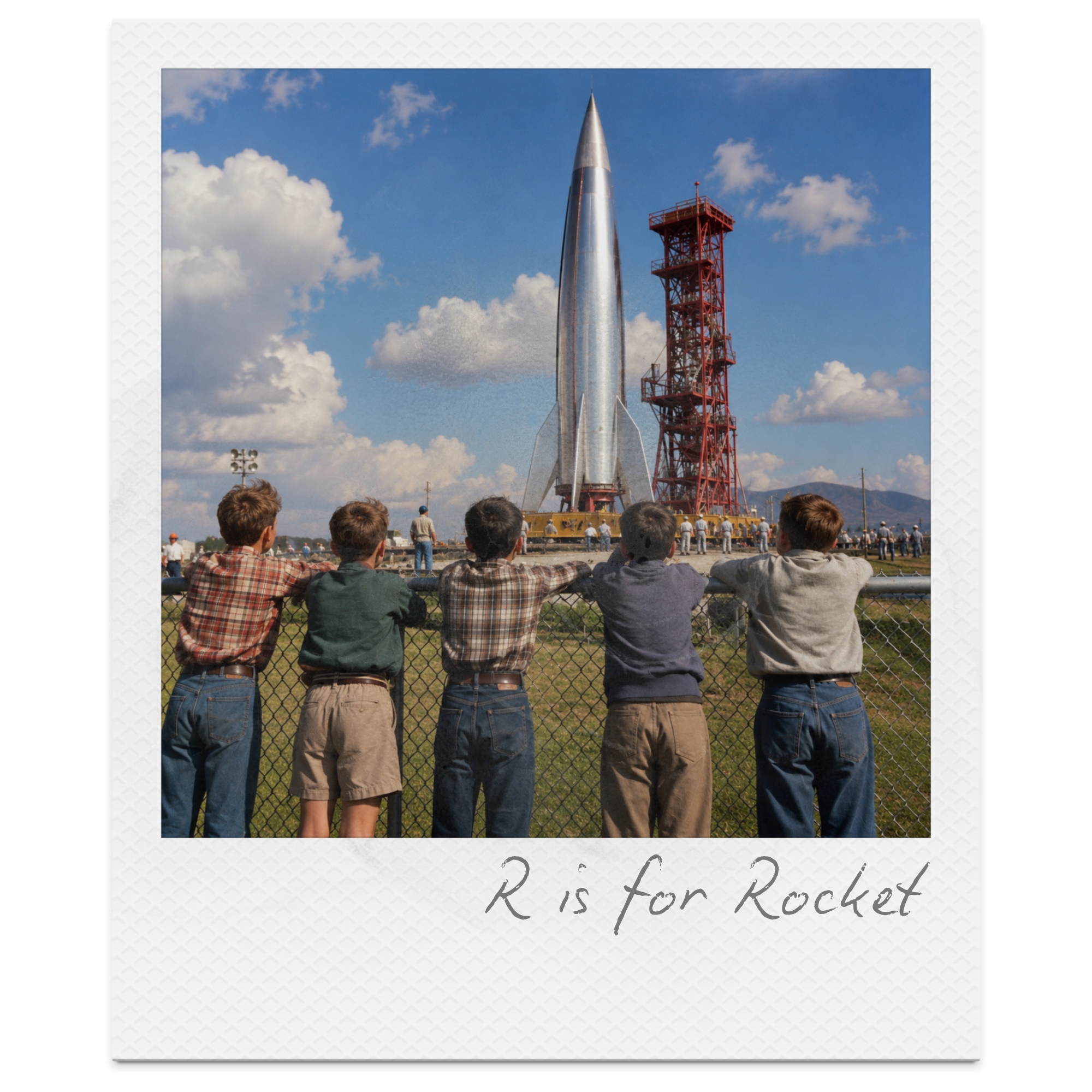
R Is for Rocket by Ray Bradbury: Summary, Themes, Meaning & Analysis
Explore our comprehensive analysis of R Is for Rocket by Ray Bradbury, including a detailed summary, themes, symbolism, important quotes, character analysis, narrative voice, structure, setting, alternative interpretations, and exam-focused teaching ideas. Discover how Bradbury transforms a story about space exploration into a moving coming-of-age tale about dreams, friendship, hope, and the courage to step beyond the fence into an uncertain future.

Fluke by Romesh Gunesekera: Summary, Themes & Analysis:::
Romesh Gunesekera’s Fluke is a darkly ironic and politically unsettling short story exploring memory, denial, capitalism, post-war identity, and collective amnesia in modern Sri Lanka. Through the reflective narration of Vasantha, a van driver transporting a motivational speaker to a luxury business seminar, Gunesekera gradually exposes the uneasy tension between commercial optimism and unresolved political violence. Although the story initially appears humorous and conversational, references to disappearances, war crimes, and forgetting slowly reveal a society attempting to bury trauma beneath tourism, branding, and economic growth. This detailed analysis explores the story’s symbolism, narrative voice, themes, structure, key quotes, and alternative interpretations while examining how Gunesekera uses irony, understatement, and reflective imagery to question whether genuine progress is possible without confronting the past.

The Man Who Walked on the Moon by J.G. Ballard: Summary, Themes & Analysis
J.G. Ballard’s The Man Who Walked on the Moon is a psychologically unsettling short story exploring alienation, identity, loneliness, and the blurred boundary between fantasy and reality. Through the relationship between the unnamed narrator and Scranton — a failed American who falsely claims to have been an astronaut — Ballard examines how emotional isolation can gradually reshape a person’s understanding of truth, society, and selfhood. This detailed analysis explores the story’s themes, symbolism, structure, narrative voice, key quotes, alternative interpretations, and exam-focused insights for CIE IGCSE English Literature (0475 & 0922).
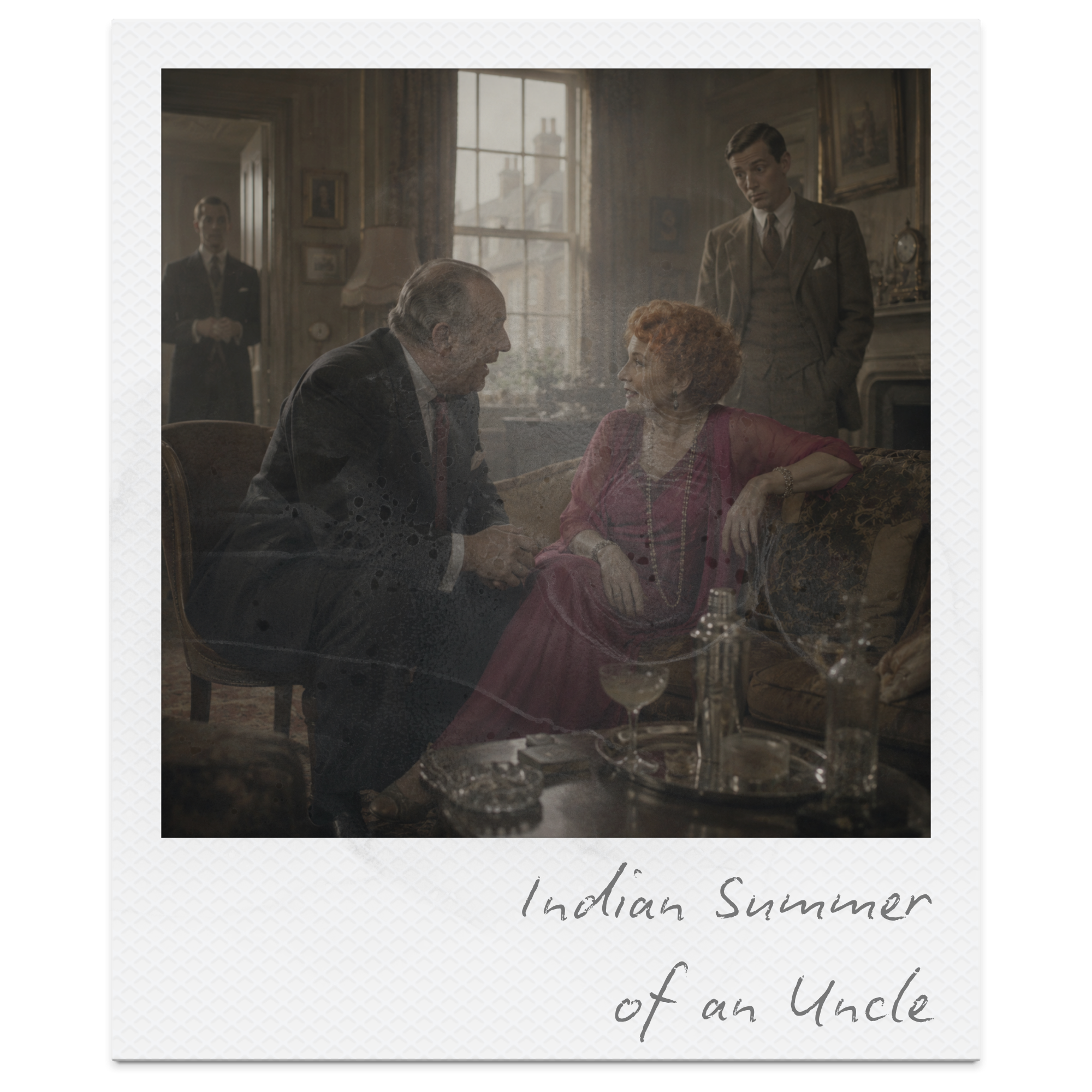
Indian Summer of an Uncle by P.G. Wodehouse: Summary, Themes & Analysis
P.G. Wodehouse’s Indian Summer of an Uncle is a comic short story exploring class, marriage, family pressure, romantic misunderstanding, and the absurdities of upper-class society through dramatic irony, exaggerated narration, and sharp social satire. Told through Bertie Wooster’s humorous first-person perspective, the story follows the chaos that erupts when the elderly Uncle George suddenly decides to marry a young waitress, horrifying his aristocratic family and forcing Bertie into a series of increasingly awkward situations. This detailed analysis for CIE IGCSE World Literature (0408) explores the story’s themes, symbolism, structure, narrative voice, and key quotations, while examining how Wodehouse creates humour through comic contrast, misunderstanding, and the gap between appearance and emotional reality. The guide also includes alternative interpretations, exam-ready insights, and classroom-focused teaching ideas designed to support deeper literary analysis and discussion.
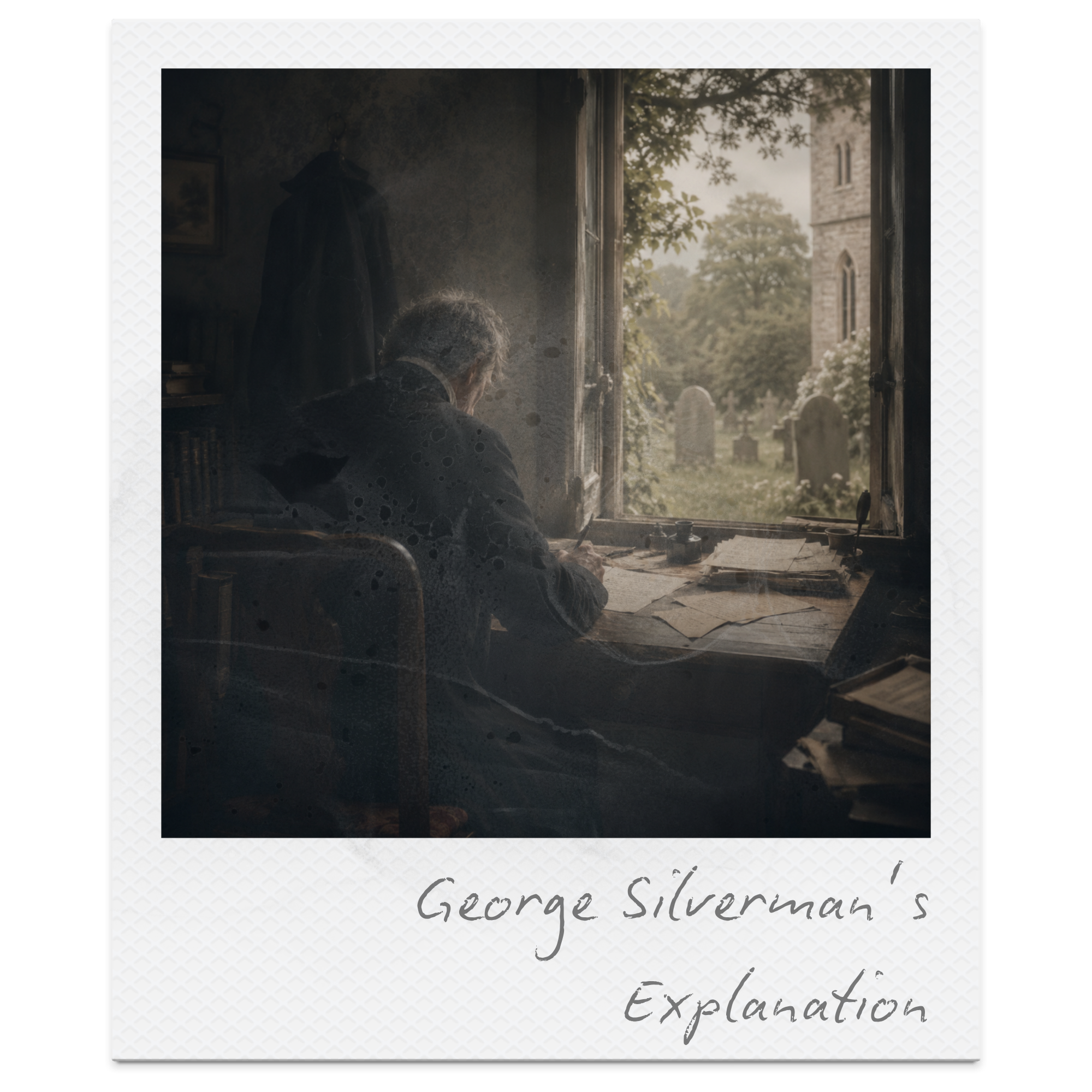
George Silverman’s Explanation by Charles Dickens: Summary, Themes & Analysis
George Silverman’s Explanation by Charles Dickens is a powerful Victorian short story exploring poverty, religious hypocrisy, class prejudice, self-sacrifice, and identity through the reflective narration of George Silverman, a deeply lonely and emotionally damaged protagonist. Written as a first-person “explanation,” the story traces George’s journey from a traumatic childhood in poverty to adulthood shaped by shame, misunderstanding, and quiet moral conflict. This analysis explores how Dickens uses narrative voice, structure, symbolism, and social criticism to create emotional impact and expose the psychological effects of neglect, guilt, and social judgement. Ideal for students studying Stories of Ourselves Volume 2 for CIE IGCSE World Literature (0408), this guide includes key themes, quotes, techniques, symbolism, alternative interpretations, and exam-focused insight.