Notes from the Inkpot
Writing, teaching, creating - one ink-stained idea at a time.

The Border Builder by Carol Rumens: Analysis of Borders, Identity and Division
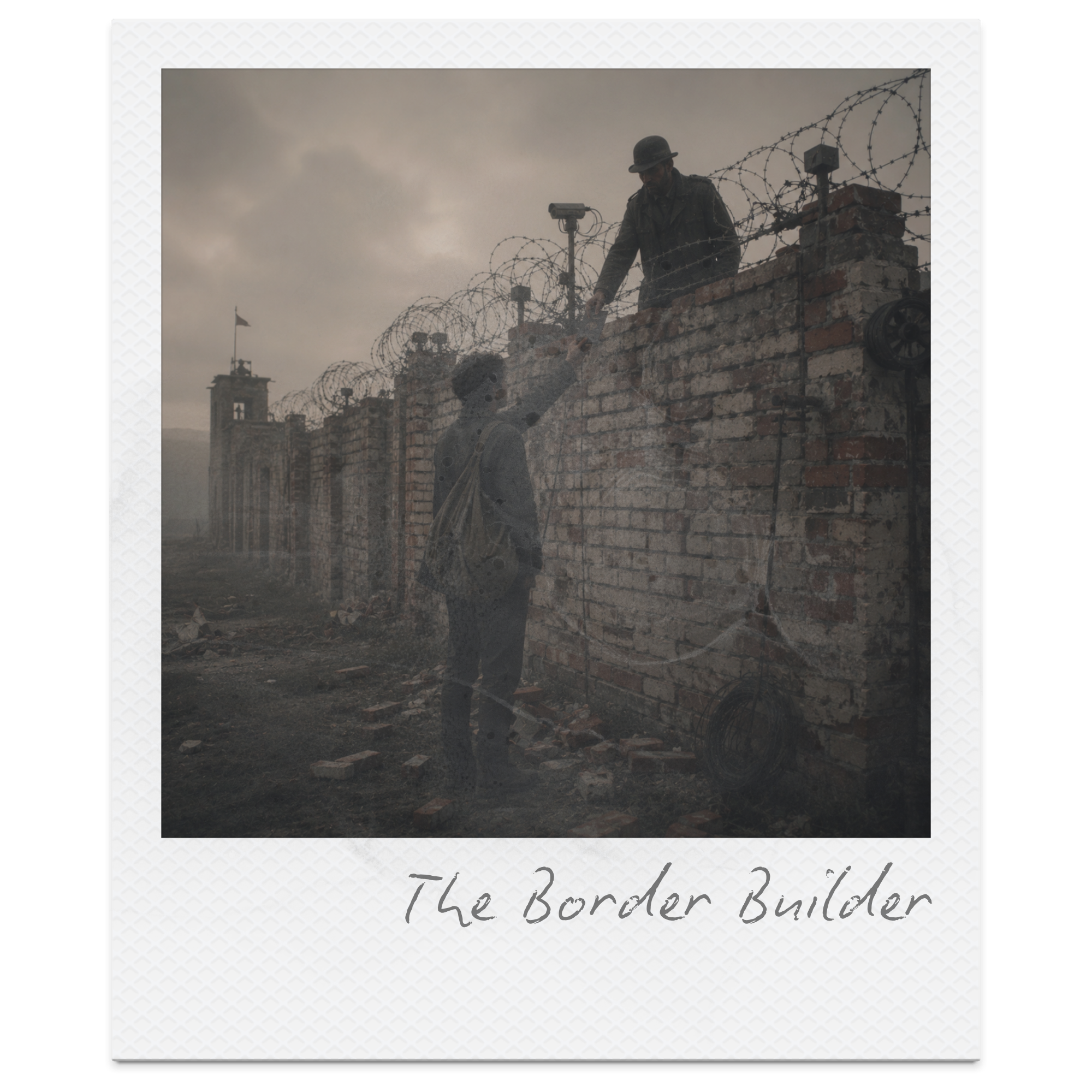
Carol Rumens' The Border Builder is a powerful poem about identity, belonging, power, and the dangers of reducing people to categories. Through the symbolic figure of a man obsessed with constructing borders, Rumens explores how societies create divisions based on nationality, race, politics, and other forms of classification, revealing the human cost of exclusion and surveillance. This analysis examines the poem's symbolism, political allegory, imagery, and use of bureaucratic language, exploring how Rumens critiques systems that define individuals through labels rather than humanity. Ideal for students and teachers studying Cambridge International AS & A Level Literature in English (9695), it includes line-by-line analysis, key quotes, themes, alternative interpretations, anthology comparisons, teaching ideas, and exam-focused insights.
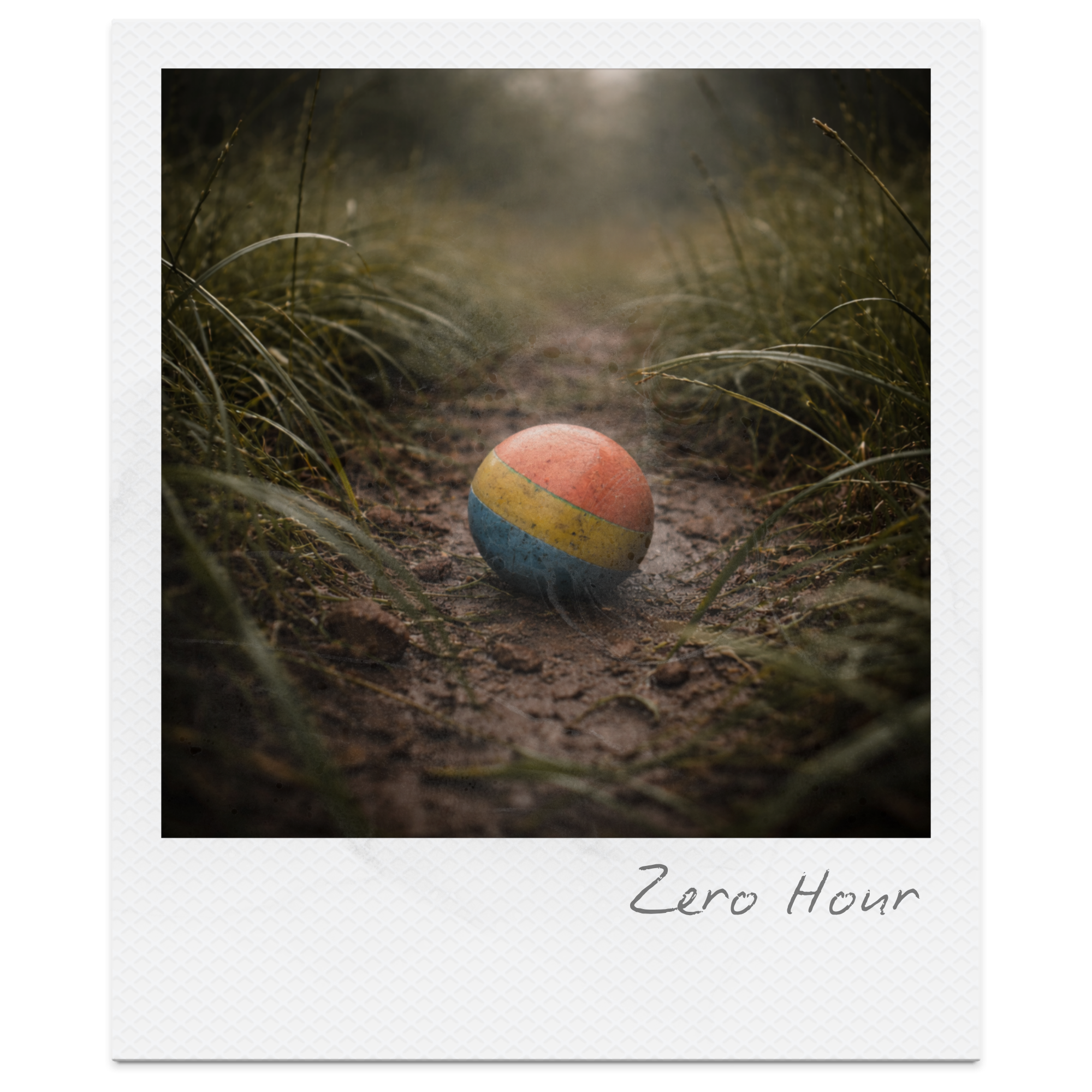
Zero Hour by Ray Bradbury: Summary, Themes, Meaning & Analysis
Ray Bradbury’s Zero Hour explores childhood innocence and hidden power, revealing how easily trust can be manipulated when adults underestimate what they do not understand. Through the children’s seemingly harmless game of “Invasion,” Bradbury presents a world where imagination becomes a vehicle for real danger, blurring the line between play and reality. As the story unfolds, this illusion collapses into something far more unsettling. The adults’ confidence in their own control gives way to panic as they realise too late that the threat has already taken hold. Bradbury exposes the dangers of complacency, misjudgement, and unseen influence, showing how quickly stability can be replaced by chaos when warning signs are ignored.
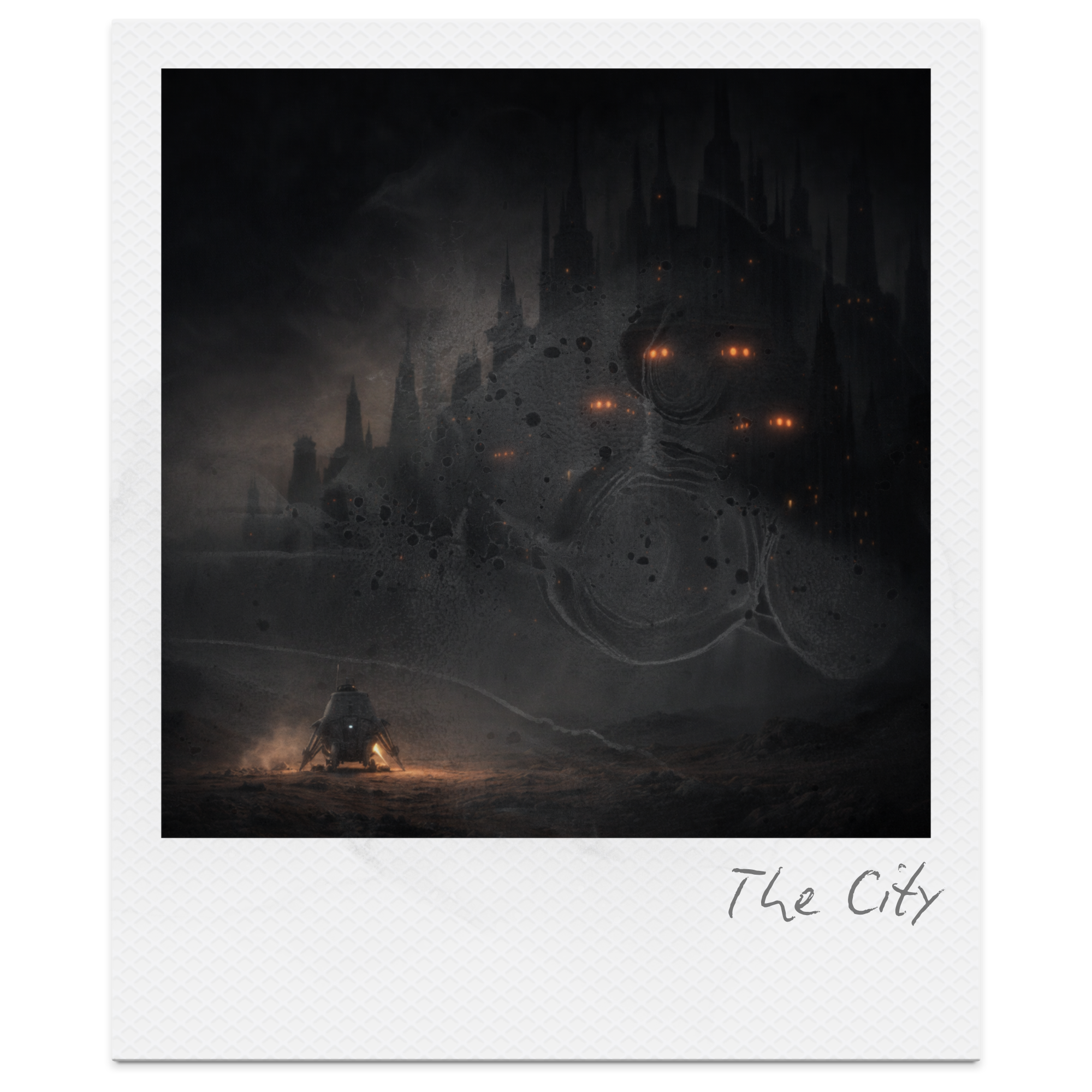
The City by Ray Bradbury: Summary, Themes, Meaning & Analysis
Ray Bradbury’s The City is a haunting work of speculative science fiction that explores revenge, memory, and technological power through the image of a vast, silent city waiting across twenty thousand years. At first, the city appears empty and lifeless, but as human explorers arrive, it becomes clear that it is watching, analysing, and responding with cold precision. Bradbury transforms setting into a conscious force, creating a narrative where the environment itself becomes the central intelligence. As the story unfolds, the city reveals its true purpose: to enact a long-delayed act of revenge against humanity. What makes this particularly unsettling is the way emotion has been embedded into a mechanical system, removing empathy and replacing it with calculation. The result is a chilling exploration of how violence and memory can be preserved beyond human life, raising questions about justice, control, and the consequences of past actions that continue to shape the future.
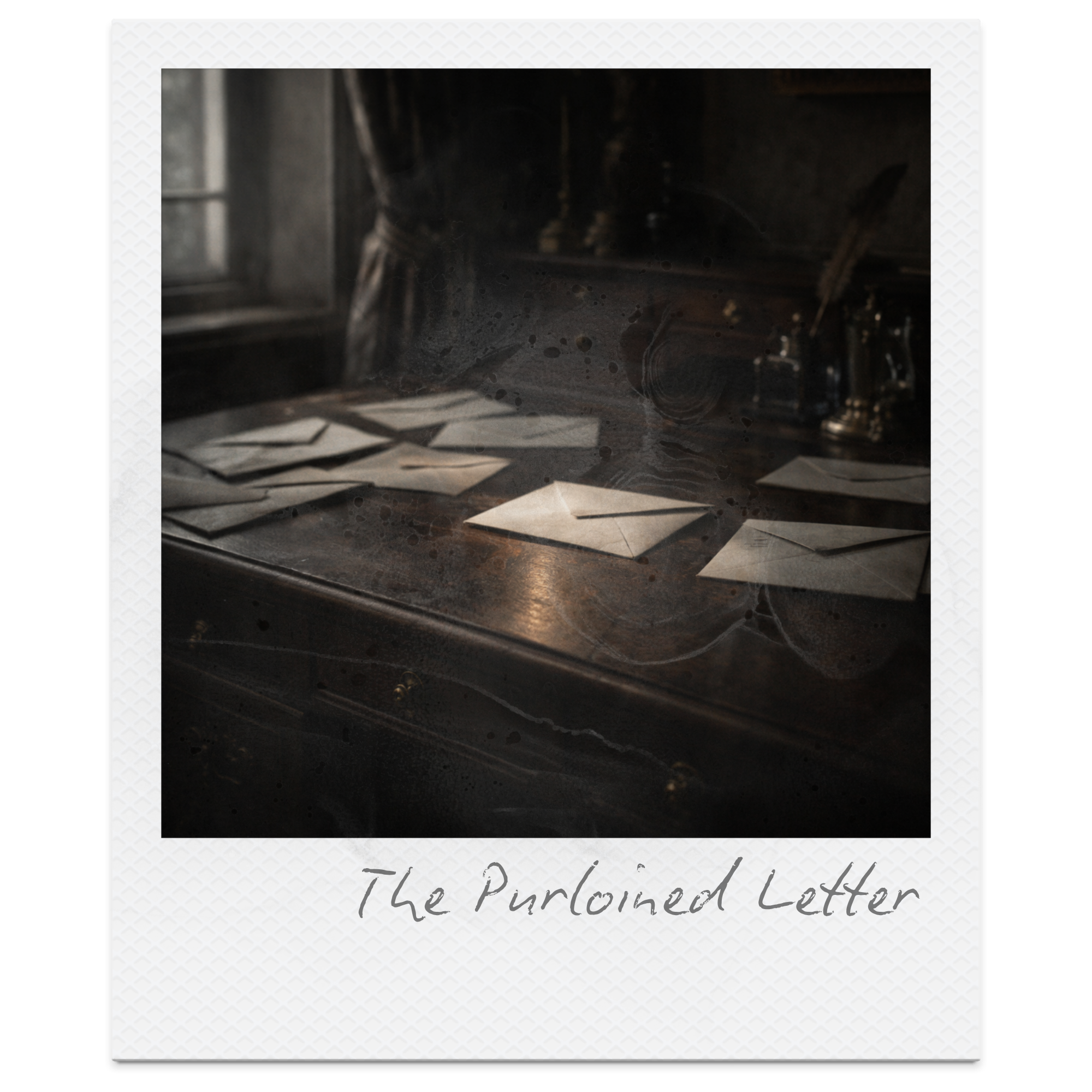
The Purloined Letter by Edgar Allan Poe: Summary, Themes, Symbolism & Analysis
The Purloined Letter is a clever and thought-provoking detective story that challenges the idea that mysteries are always complex. Instead, Edgar Allan Poe presents a case where the solution is hidden in plain sight, revealing how assumptions and rigid thinking can prevent us from seeing the obvious. Through the character of Dupin, Poe explores how true intelligence lies in understanding how others think, rather than simply relying on method or procedure. As the investigation unfolds, the story shifts from a traditional search for hidden clues to a deeper exploration of perception, power, and psychological strategy. The stolen letter becomes more than just an object—it represents control, secrecy, and vulnerability, showing how knowledge can be used as a form of influence. Ultimately, the story leaves readers questioning not just the mystery itself, but the way human reasoning shapes what we see—and what we miss.
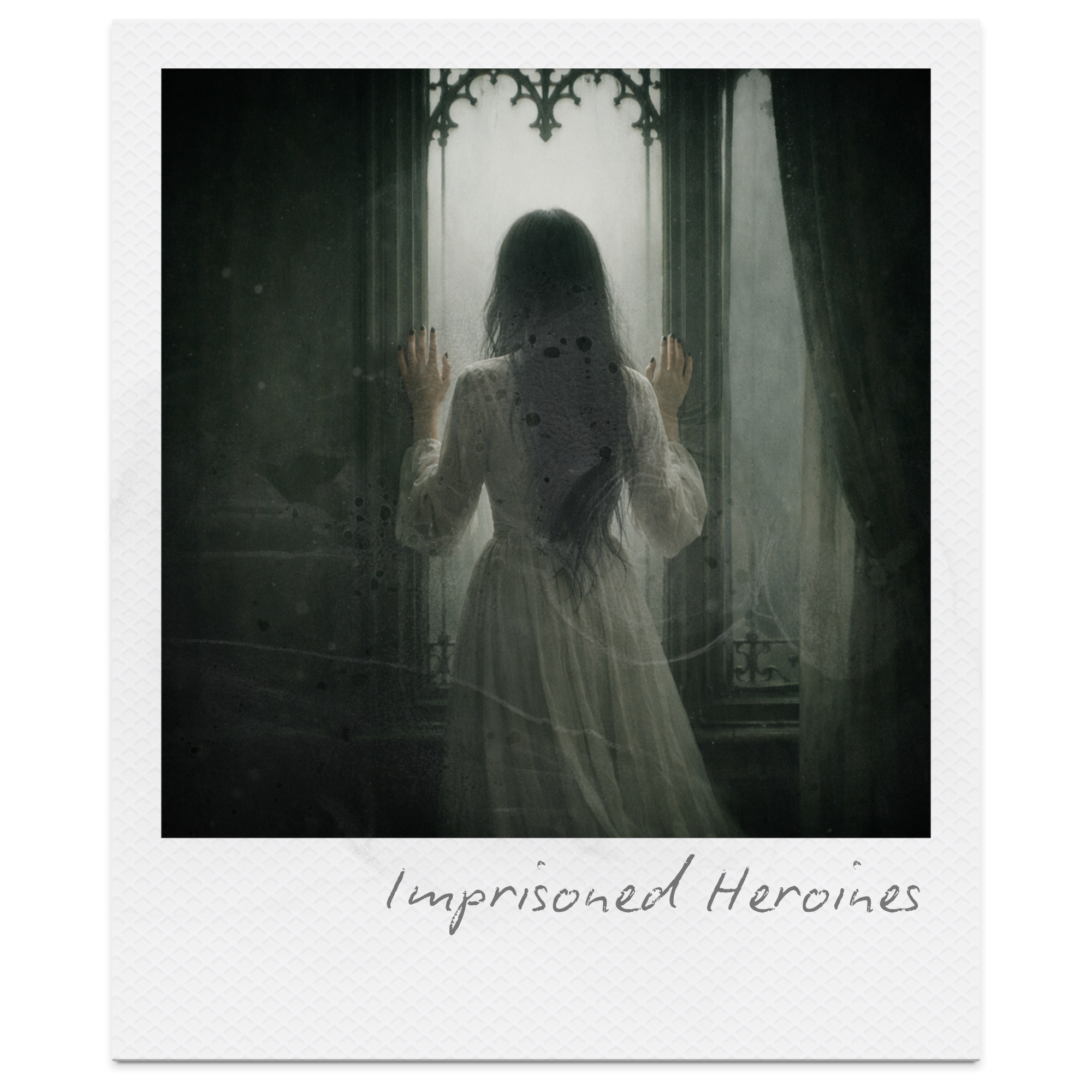
70 Gothic Imprisoned Heroines Writing Prompts: Locked Rooms, Silent Resistance & Story Starters
Imprisoned heroines have long defined some of the most haunting narratives in gothic fiction, where confinement is not only physical but deeply psychological. From locked rooms and isolated towers to marriages and expectations that quietly restrict freedom, these stories explore what it means to be watched, controlled, and silenced. Yet gothic heroines are rarely powerless. Within these enclosed spaces, they observe, resist, and begin to question the structures that hold them captive, transforming confinement into a site of tension, defiance, and discovery. This collection of 70 Gothic Imprisoned Heroines Writing Prompts invites writers to explore stories shaped by restriction, secrecy, and subtle rebellion. Through plot hooks, opening lines, character ideas, and atmospheric settings, these prompts encourage narratives where escape is not always straightforward — and where the greatest power may lie in perception, endurance, and reclaiming control. Ideal for classrooms, creative writing, or independent storytelling, this collection offers a structured way to develop gothic fiction that is rich in mood, meaning, and quiet resistance.
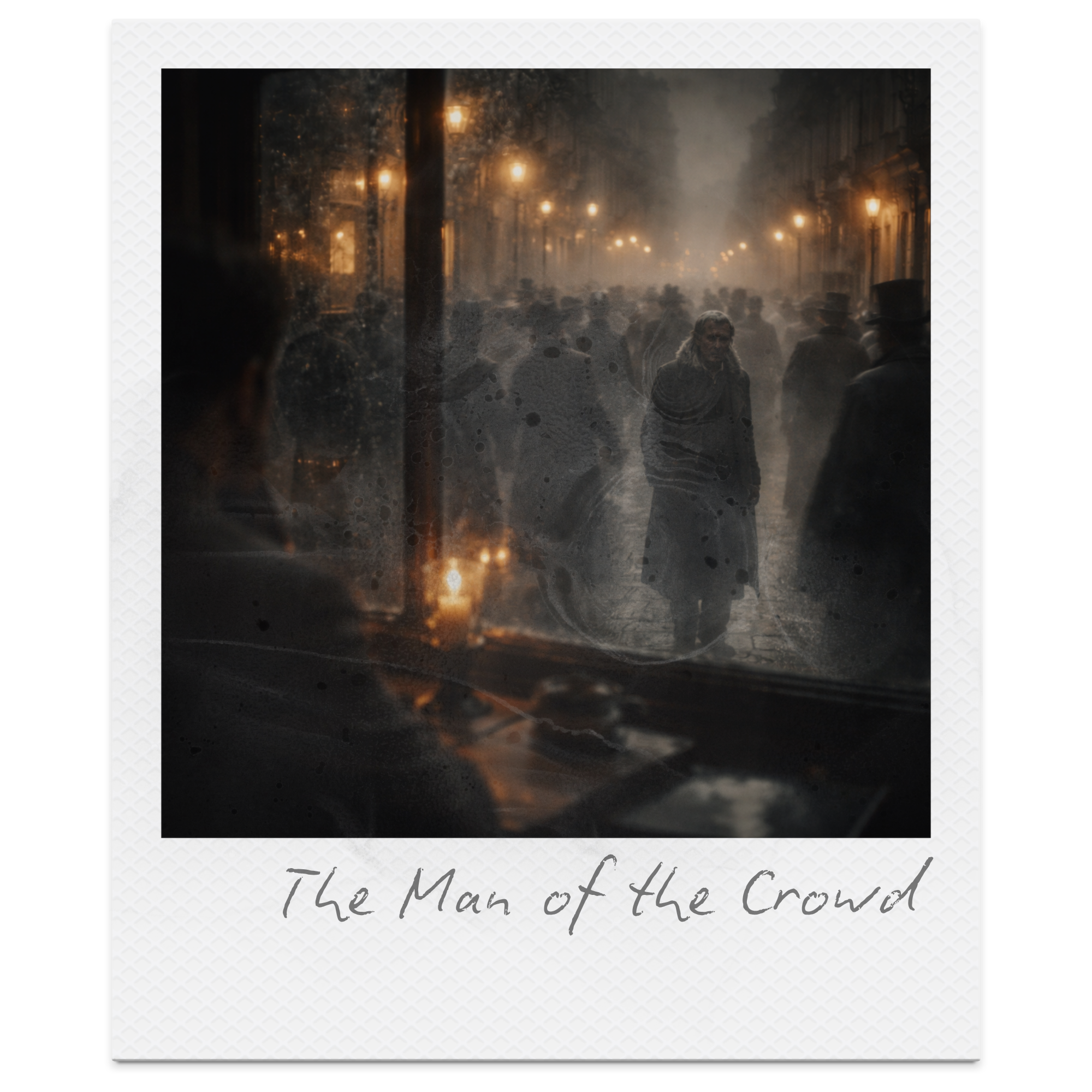
The Man of the Crowd by Edgar Allan Poe: Summary, Themes, Symbolism & Psychological Analysis
The Man of the Crowd by Edgar Allan Poe is a compelling exploration of urban anonymity, psychological obsession, and the limits of human understanding. Set against the restless backdrop of London, the story follows a narrator who becomes fixated on a mysterious old man whose expression defies interpretation. What begins as casual observation quickly develops into an intense pursuit, raising unsettling questions about whether people can ever truly be known. At its core, the story examines identity, surveillance, alienation, and unknowability, presenting the modern city as a space where individuals are both constantly visible and fundamentally hidden. Through its cyclical structure and ambiguous ending, Poe challenges the idea that observation leads to truth, instead suggesting that some lives — and some minds — remain permanently beyond comprehension.