Notes from the Inkpot
Writing, teaching, creating - one ink-stained idea at a time.





The Illustrated Man by Ray Bradbury: Summary, Stories, Themes & Analysis
The Illustrated Man by Ray Bradbury is a powerful science fiction short story collection that explores technology, isolation, and the consequences of human behaviour through a series of interconnected narratives. Framed by the image of a man whose tattoos come alive to tell each story, the collection moves beyond simple speculation to present a series of unsettling futures that feel increasingly close to reality. This guide explores the key stories, recurring themes, and structural design of the collection, with clear links to deeper analysis of each text. From The Veldt to The Rocket Man, Bradbury’s work reveals how progress, when left unchecked, can reshape relationships, identity, and the future itself.

The Long Rain by Ray Bradbury: Summary, Themes, Symbolism & Analysis
Ray Bradbury’s The Long Rain is a relentless exploration of survival, madness, and environmental hostility, set on a version of Venus where the rain never stops. As a group of men struggle through the jungle in search of a Sun Dome, the story shifts from a physical journey into a psychological one, where exhaustion, isolation, and constant sensory pressure begin to erode their sense of reality. Bradbury transforms the environment into a force that does not simply threaten the body, but steadily dismantles the mind. What makes the story so powerful is its focus on endurance rather than action. There is no single moment of catastrophe—only the slow, crushing weight of continuous exposure. Through this, Bradbury explores the fragile balance between hope and despair, showing how quickly control can slip away when relief is out of reach. The ambiguous ending leaves readers questioning whether survival has truly been achieved, or whether it exists only as a final illusion in a mind pushed beyond its limits.
My Favourite Ray Bradbury Texts (And How I Use Them in the Classroom)
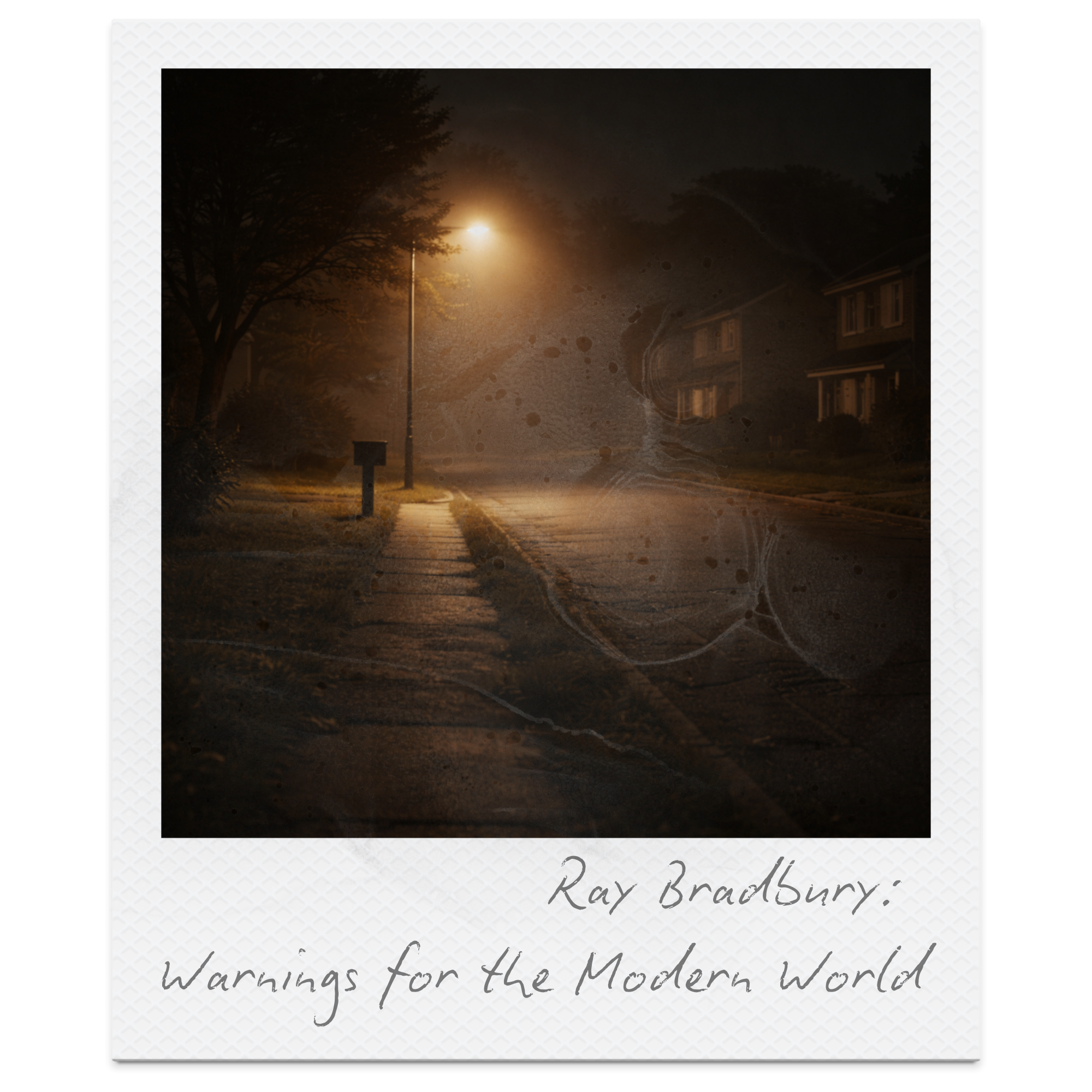
Ray Bradbury remains one of the most powerful and teachable voices in dystopian and speculative fiction. His texts explore technology, control, conformity, responsibility, and human behaviour in ways that feel unsettlingly familiar to modern students. From short stories like The Veldt and A Sound of Thunder to novels such as Fahrenheit 451 and Something Wicked This Way Comes, Bradbury’s writing invites discussion without overwhelming students with complexity or historical distance. This post brings together my favourite Ray Bradbury texts for the classroom, organised by theme and paired with practical teaching ideas. Rather than treating each story in isolation, it explores how Bradbury’s work functions as a connected body of warnings — about comfort, power, environment, and choice. If you’re looking for engaging ways to teach Ray Bradbury, build discussion-led lessons, or introduce dystopian fiction in a way that feels relevant and accessible, this is a strong place to start.