Notes from the Inkpot
Writing, teaching, creating - one ink-stained idea at a time.




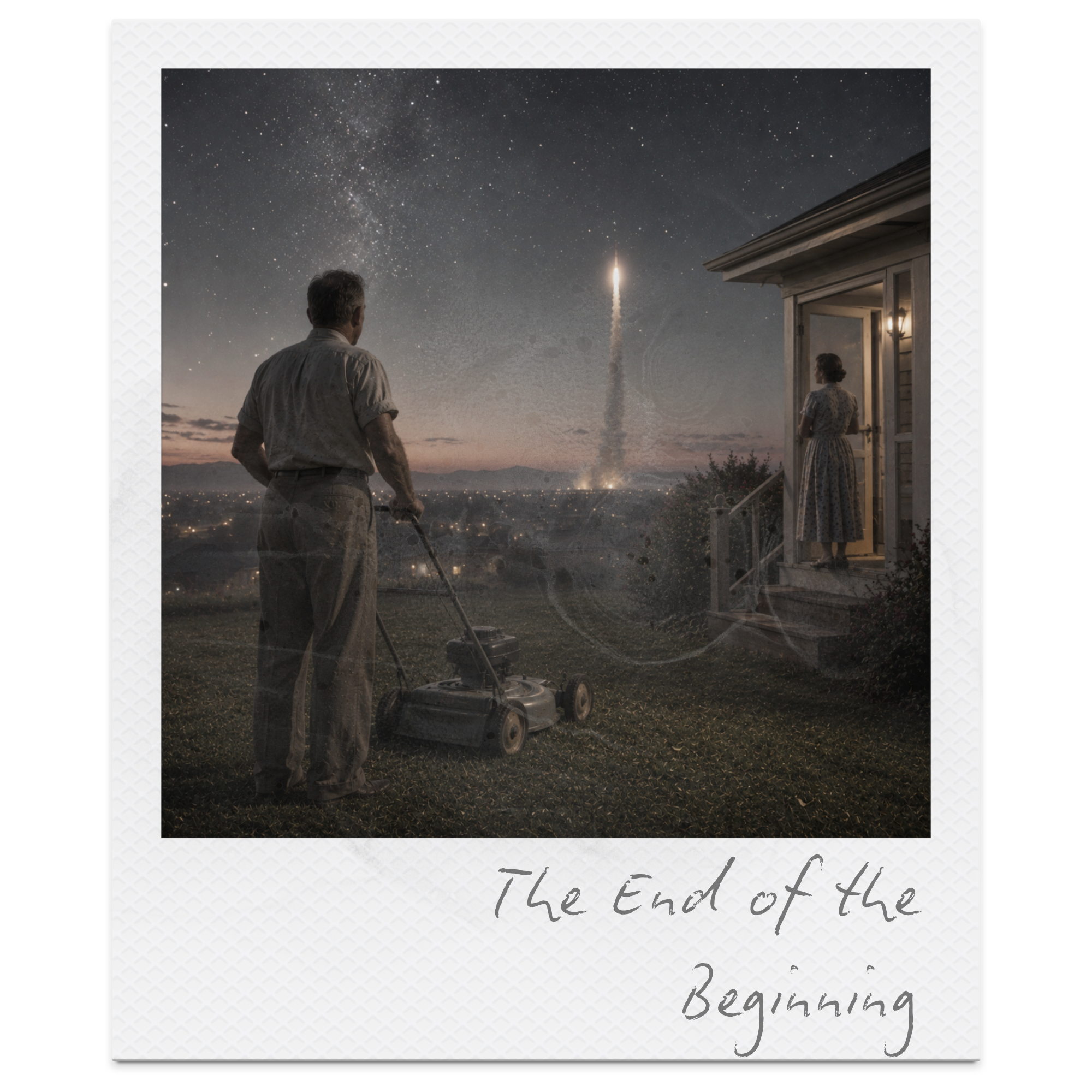
The End of the Beginning by Ray Bradbury: Summary, Themes, Meaning & Analysis
Explore our comprehensive analysis of The End of the Beginning by Ray Bradbury, including a detailed summary, themes, symbolism, important quotes, character analysis, narrative voice, structure, setting, alternative interpretations, and exam-focused teaching ideas. Discover how Bradbury transforms an ordinary evening into a profound reflection on space exploration, human progress, hope, and humanity's first steps towards an endless future among the stars.
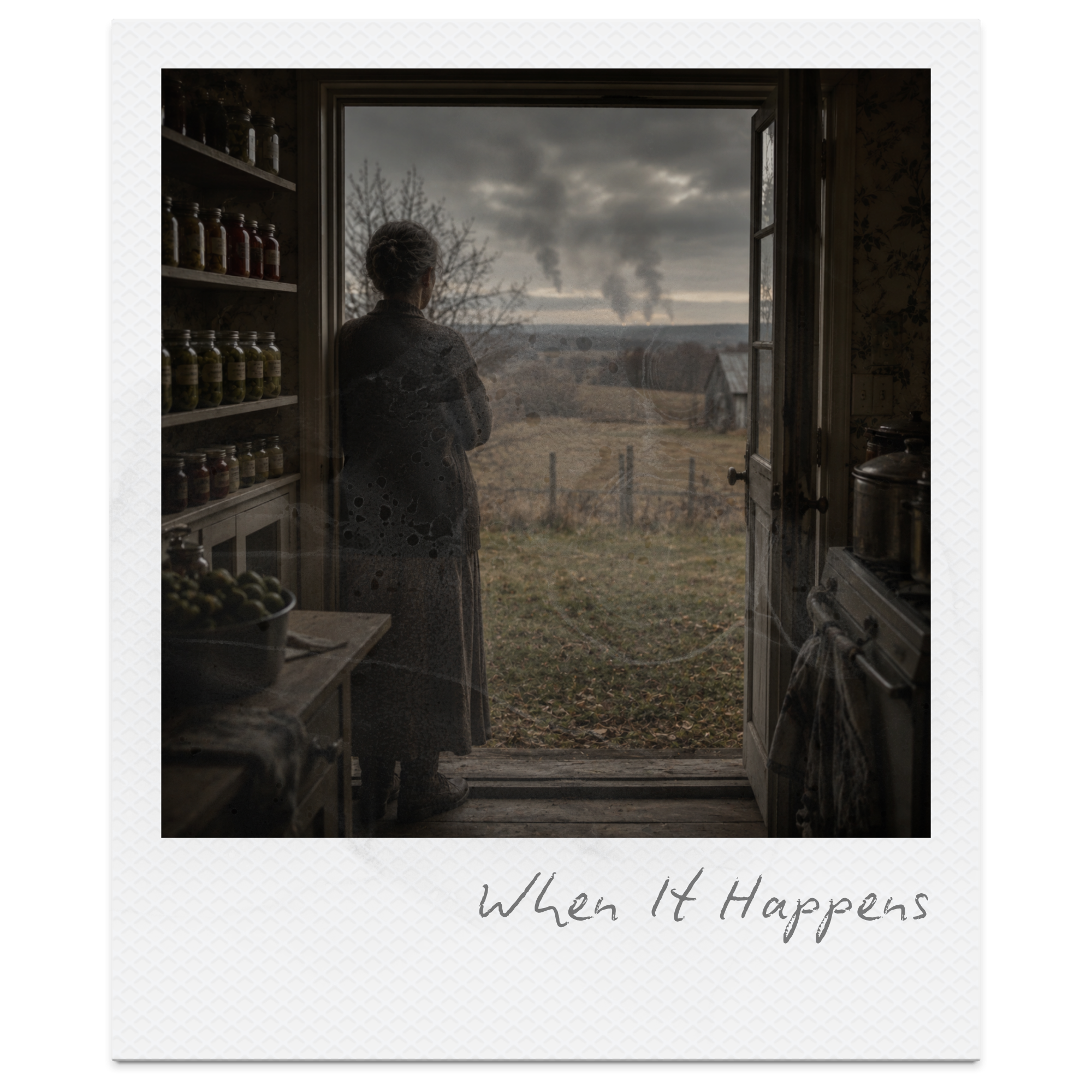
When It Happens by Margaret Atwood: Summary, Themes & Analysis
Margaret Atwood’s When It Happens is a haunting and psychologically tense short story exploring fear, survival, uncertainty, and the quiet collapse of ordinary life. Through the perspective of Mrs. Burridge, Atwood transforms domestic routines such as preserving food, writing shopping lists, and organising supplies into symbols of preparation and anxiety, gradually revealing a world overshadowed by the expectation of disaster. This detailed analysis explores the story’s themes, symbolism, structure, narrative voice, key quotes, and exam-focused interpretations for CIE IGCSE English Literature (0475 & 0922).

The Highway by Ray Bradbury: Summary, Themes, Symbolism & Analysis
Ray Bradbury’s The Highway is a striking piece of speculative fiction that explores isolation, perspective, and the fragility of civilisation. Set in a quiet rural valley, the story follows Hernando, a farmer whose life is largely untouched by the modern world—until a sudden, frantic stream of cars on the nearby highway signals that something catastrophic has happened beyond his understanding. As news of “the atom war, the end of the world!” rushes past him, Hernando’s response challenges everything we assume about global events and their impact. Bradbury uses this powerful contrast between panic and stillness to question whether such events are truly universal, revealing that meaning is shaped by experience, distance, and perspective.
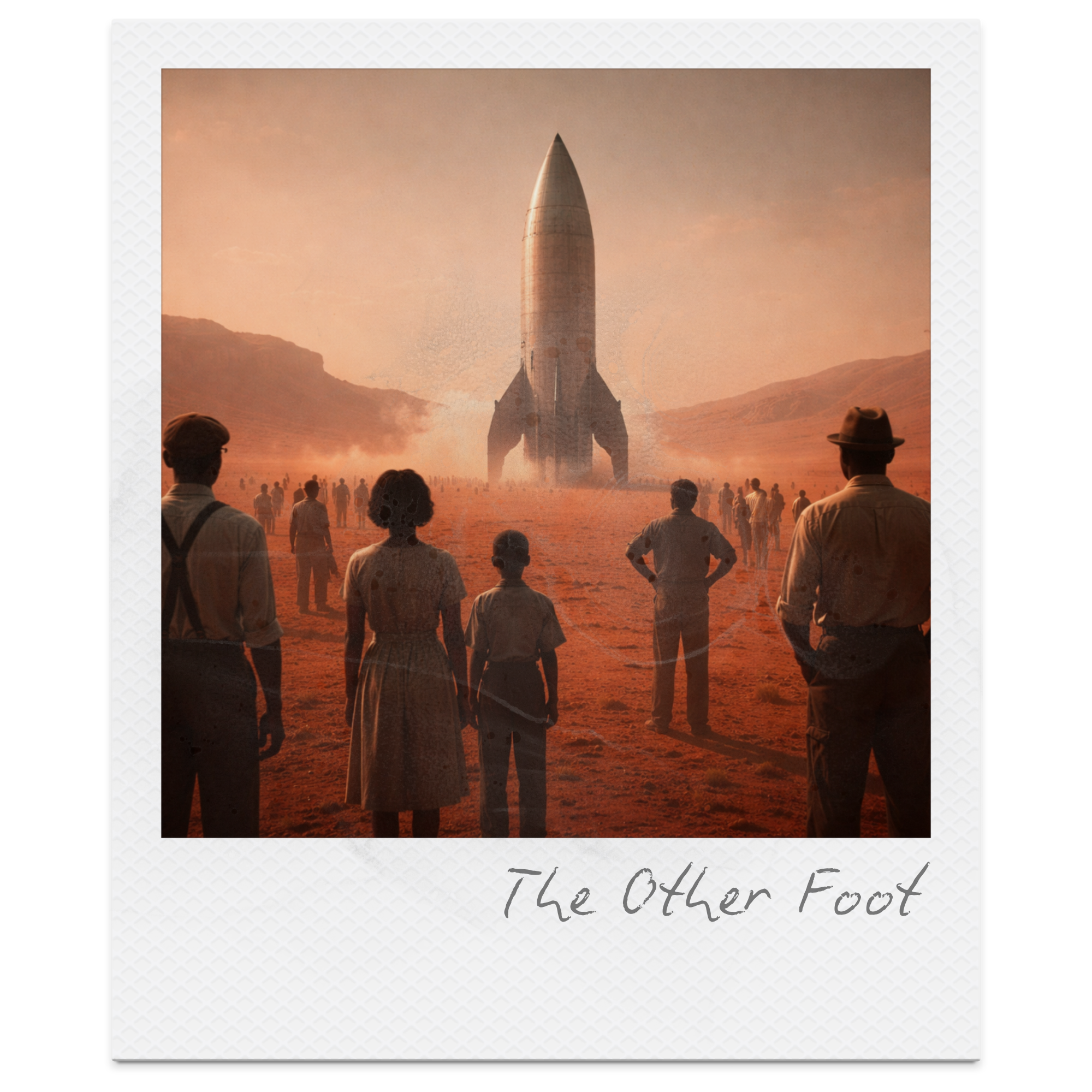
The Other Foot by Ray Bradbury: Summary, Themes, Symbolism & Analysis
The Other Foot by Ray Bradbury is a powerful work of speculative fiction that explores racism, revenge, and the possibility of moral transformation through a striking reversal of power. Set on a Martian colony built by Black settlers who fled Earth, the story imagines what happens when the oppressed are given the chance to become the oppressors. As news spreads of a white survivor arriving from a devastated Earth, long-buried memories of violence and segregation resurface, pushing the community toward retaliation. However, Bradbury complicates this desire for revenge by revealing the complete destruction of Earth and the collapse of the very systems the characters seek to punish. In doing so, the story shifts from anger to reflection, asking whether true justice lies in reversal or in breaking the cycle altogether. Through its tense narrative and powerful moral turning point, The Other Foot challenges readers to reconsider what equality, responsibility, and humanity really mean.
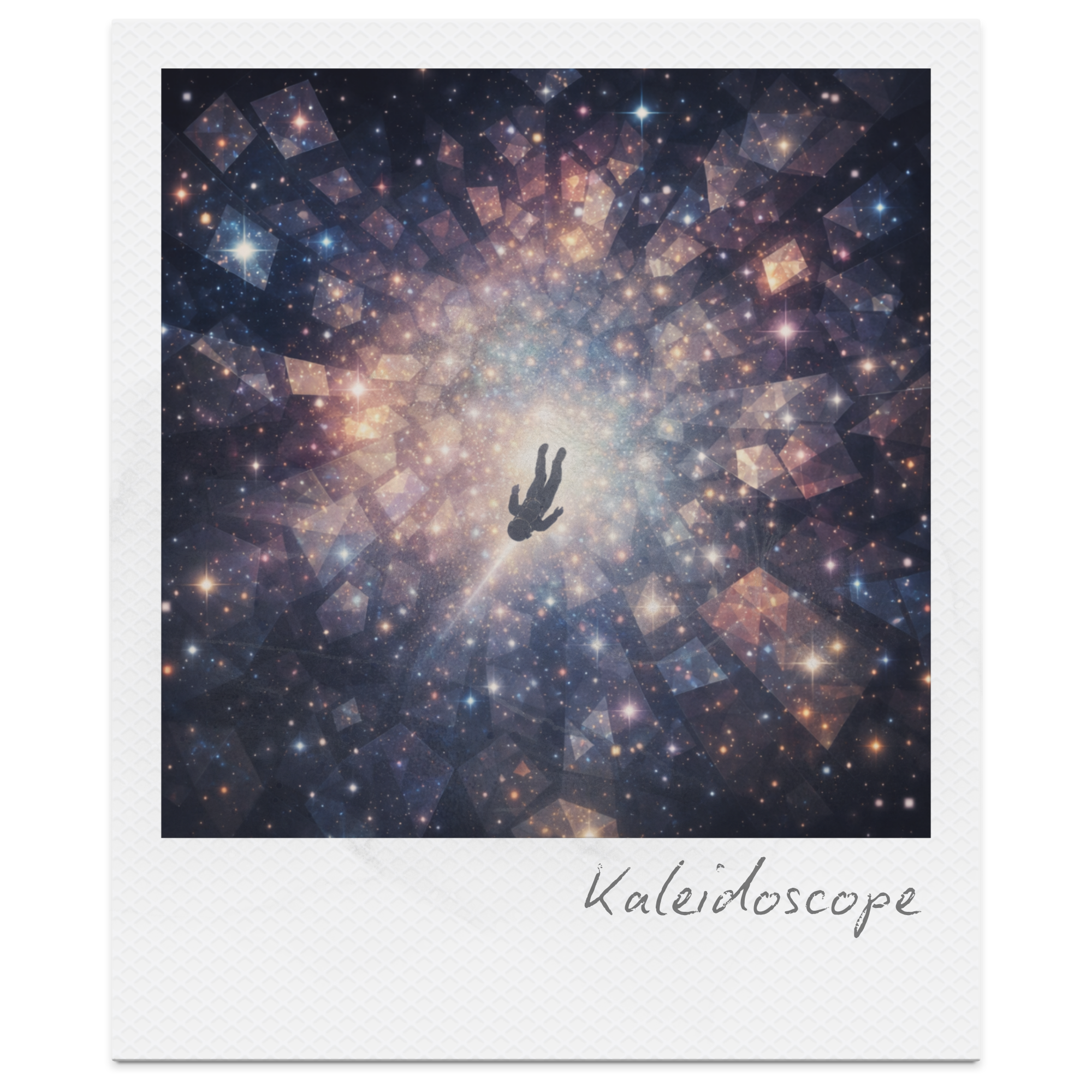
Kaleidoscope by Ray Bradbury: Summary, Themes, Symbolism & Analysis
Ray Bradbury’s Kaleidoscope is a striking exploration of human insignificance, mortality, and isolation, set against the vast and indifferent backdrop of space. After a catastrophic explosion scatters a crew of astronauts, the story follows their fragmented descent as they drift apart, connected only by fading voices. Through this disintegration, Bradbury examines how individuals respond when faced with the loss of control, connection, and certainty. As the astronauts confront their inevitable deaths, the story becomes a powerful reflection on memory, regret, and the search for meaning. While some find comfort in the lives they have lived, others are left questioning what their existence has amounted to. Blending science fiction with existential philosophy, Kaleidoscope leaves readers with a haunting question: when everything falls away, what truly gives a life value?
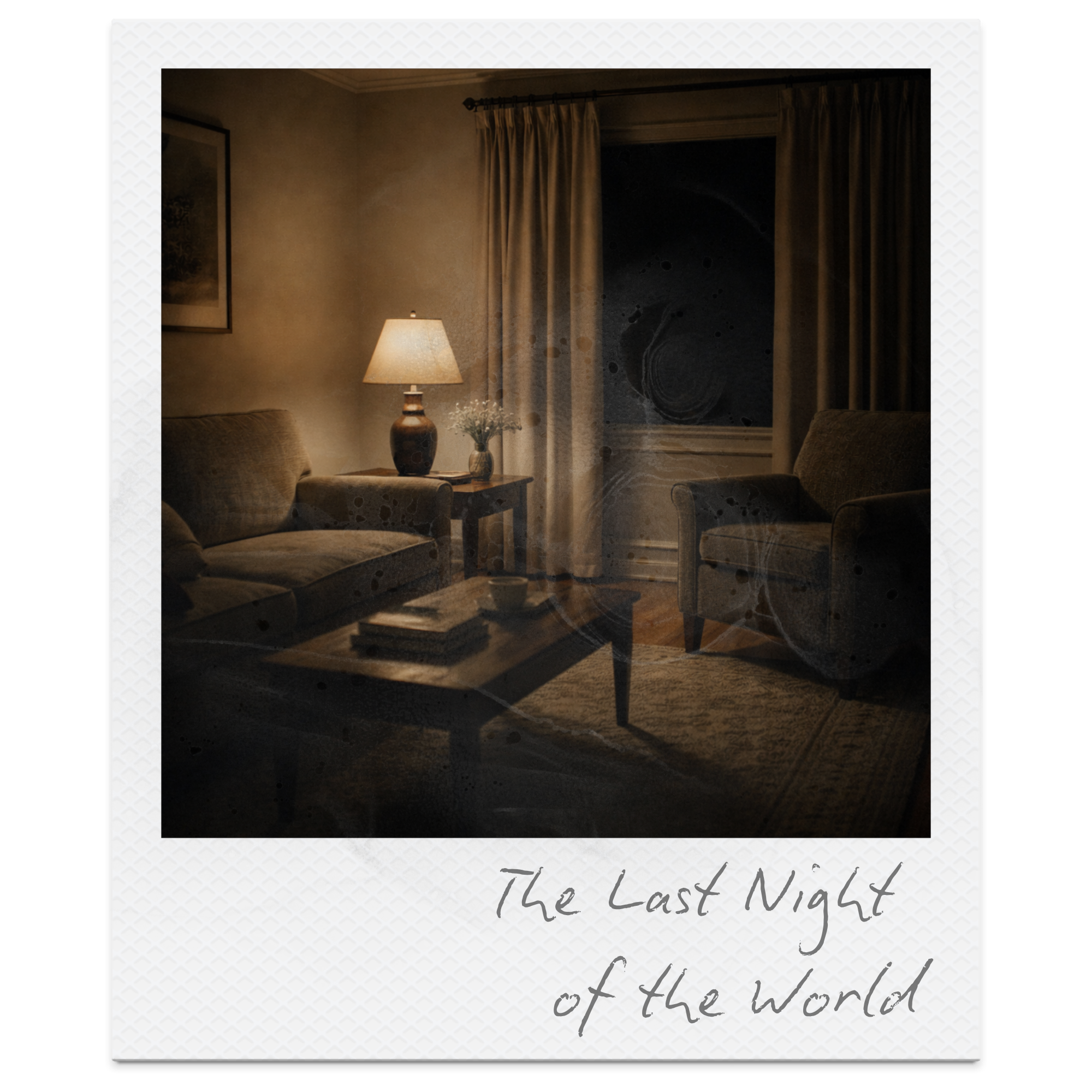
The Last Night of the World by Ray Bradbury: Summary, Themes, Symbolism & Analysis
Bradbury’s The Last Night of the World presents an unsettlingly calm vision of apocalypse, where the end does not arrive through chaos or destruction, but through quiet, shared certainty. As a husband and wife realise—through identical dreams experienced across the world—that existence will end that very night, their response is not panic, but routine. They drink coffee, put their children to bed, and carry on as usual, creating a striking contrast between the enormity of the event and the simplicity of their actions. This quiet acceptance lies at the heart of the story’s power. Rather than asking how the world ends, Bradbury asks how people respond when they know it will—and his answer is both comforting and deeply unsettling. Through its focus on inevitability, human nature, and routine, the story suggests that even in the face of extinction, what matters most is not survival, but connection, normality, and the small rituals that define everyday life.