Notes from the Inkpot
Writing, teaching, creating - one ink-stained idea at a time.




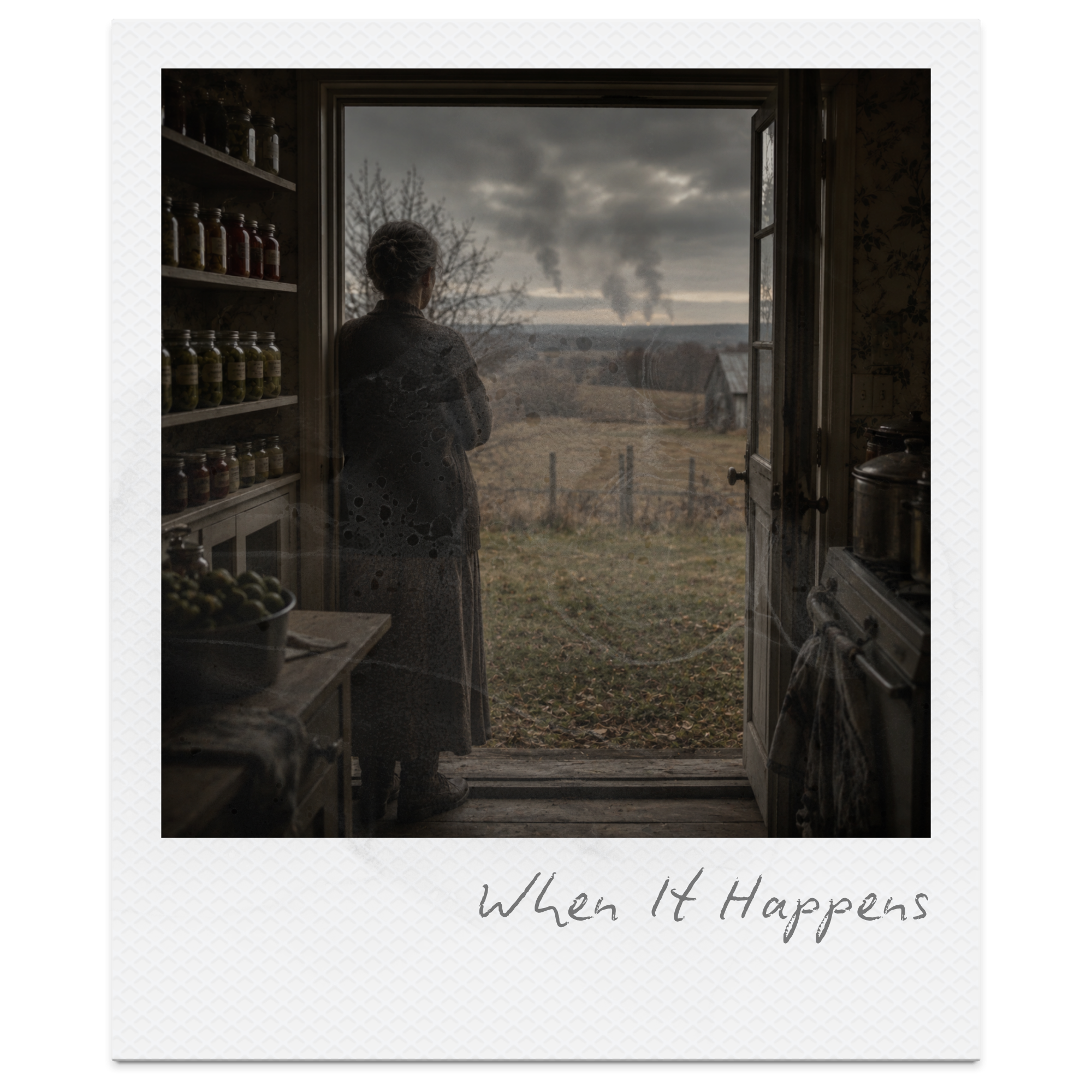
When It Happens by Margaret Atwood: Summary, Themes & Analysis
Margaret Atwood’s When It Happens is a haunting and psychologically tense short story exploring fear, survival, uncertainty, and the quiet collapse of ordinary life. Through the perspective of Mrs. Burridge, Atwood transforms domestic routines such as preserving food, writing shopping lists, and organising supplies into symbols of preparation and anxiety, gradually revealing a world overshadowed by the expectation of disaster. This detailed analysis explores the story’s themes, symbolism, structure, narrative voice, key quotes, and exam-focused interpretations for CIE IGCSE English Literature (0475 & 0922).
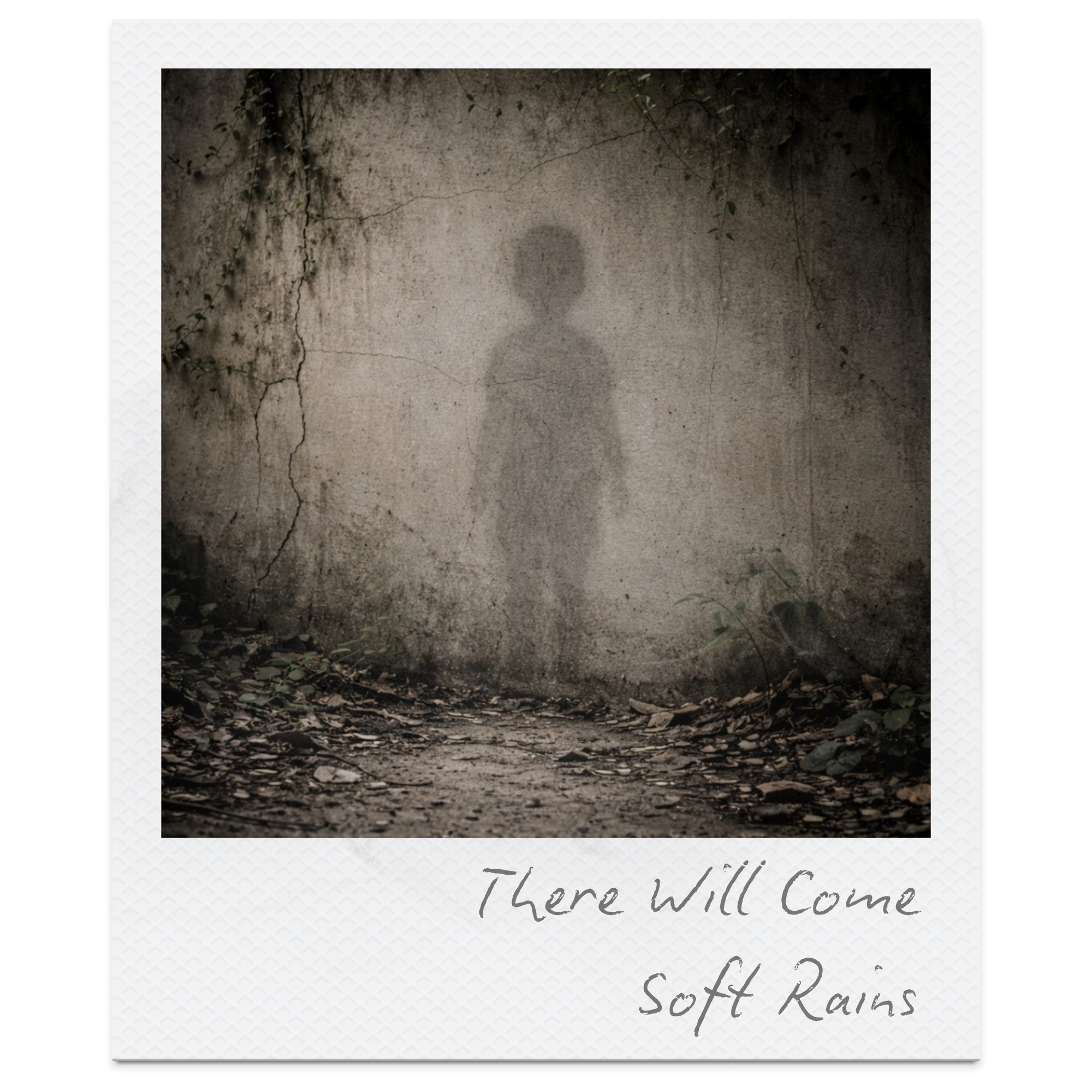
There Will Come Soft Rains by Ray Bradbury: Summary, Themes, Meaning & Analysis
There Will Come Soft Rains by Ray Bradbury is a haunting work of science fiction that explores a world where technology continues after human extinction. Set in an automated house that carries out its daily routines—cooking, cleaning, and organising—Bradbury presents a chilling vision of mechanisation without purpose, where systems persist despite the complete absence of human life. Through its eerie atmosphere and powerful imagery, the story examines isolation, environmental destruction, and the illusion of control. As the house continues its routines in a devastated world, Bradbury raises unsettling questions about what remains when humanity is gone, and whether progress without responsibility ultimately leads to emptiness and collapse.

Zero Hour by Ray Bradbury: Summary, Themes, Meaning & Analysis
Ray Bradbury’s Zero Hour explores childhood innocence and hidden power, revealing how easily trust can be manipulated when adults underestimate what they do not understand. Through the children’s seemingly harmless game of “Invasion,” Bradbury presents a world where imagination becomes a vehicle for real danger, blurring the line between play and reality. As the story unfolds, this illusion collapses into something far more unsettling. The adults’ confidence in their own control gives way to panic as they realise too late that the threat has already taken hold. Bradbury exposes the dangers of complacency, misjudgement, and unseen influence, showing how quickly stability can be replaced by chaos when warning signs are ignored.

The Highway by Ray Bradbury: Summary, Themes, Symbolism & Analysis
Ray Bradbury’s The Highway is a striking piece of speculative fiction that explores isolation, perspective, and the fragility of civilisation. Set in a quiet rural valley, the story follows Hernando, a farmer whose life is largely untouched by the modern world—until a sudden, frantic stream of cars on the nearby highway signals that something catastrophic has happened beyond his understanding. As news of “the atom war, the end of the world!” rushes past him, Hernando’s response challenges everything we assume about global events and their impact. Bradbury uses this powerful contrast between panic and stillness to question whether such events are truly universal, revealing that meaning is shaped by experience, distance, and perspective.
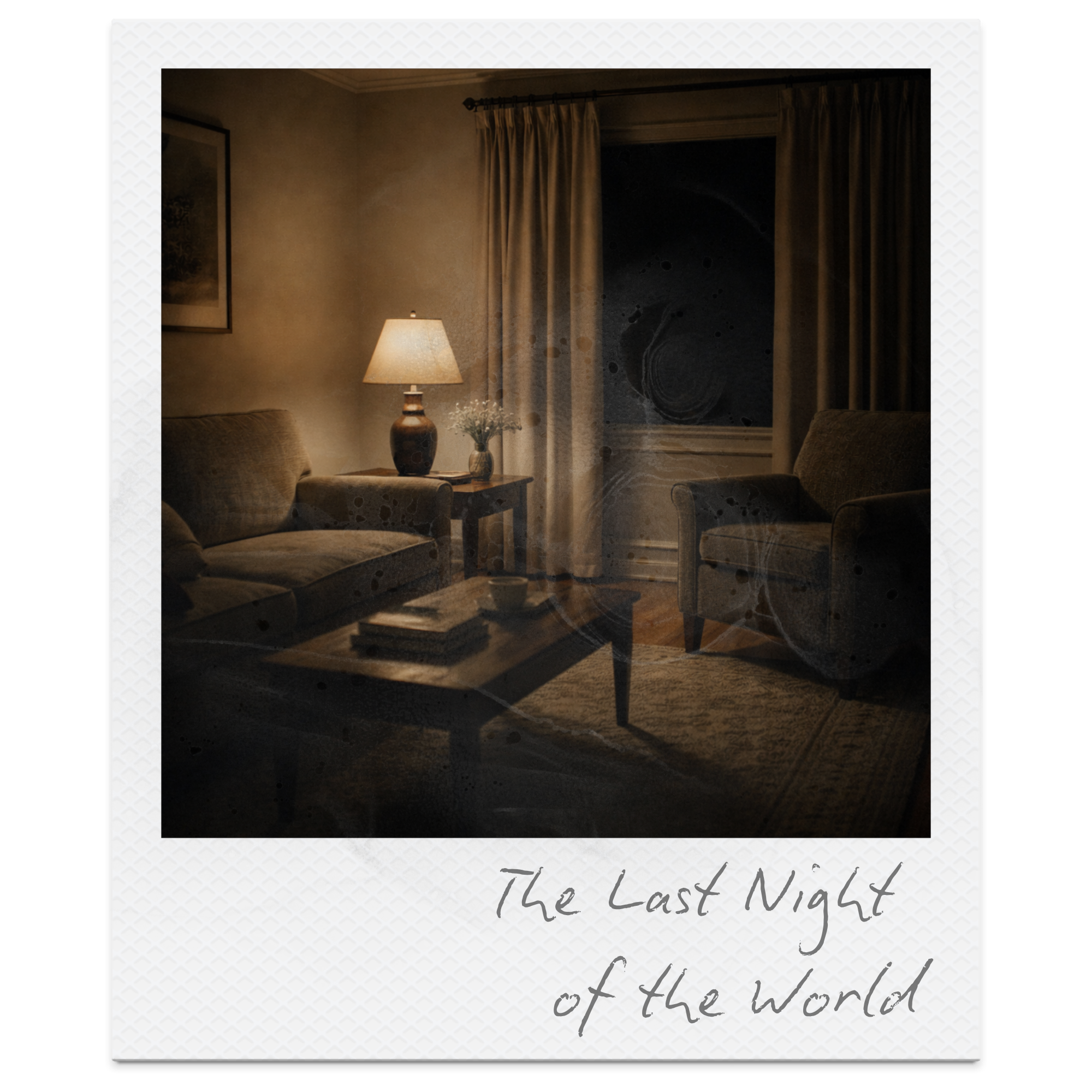
The Last Night of the World by Ray Bradbury: Summary, Themes, Symbolism & Analysis
Bradbury’s The Last Night of the World presents an unsettlingly calm vision of apocalypse, where the end does not arrive through chaos or destruction, but through quiet, shared certainty. As a husband and wife realise—through identical dreams experienced across the world—that existence will end that very night, their response is not panic, but routine. They drink coffee, put their children to bed, and carry on as usual, creating a striking contrast between the enormity of the event and the simplicity of their actions. This quiet acceptance lies at the heart of the story’s power. Rather than asking how the world ends, Bradbury asks how people respond when they know it will—and his answer is both comforting and deeply unsettling. Through its focus on inevitability, human nature, and routine, the story suggests that even in the face of extinction, what matters most is not survival, but connection, normality, and the small rituals that define everyday life.