Notes from the Inkpot
Writing, teaching, creating - one ink-stained idea at a time.


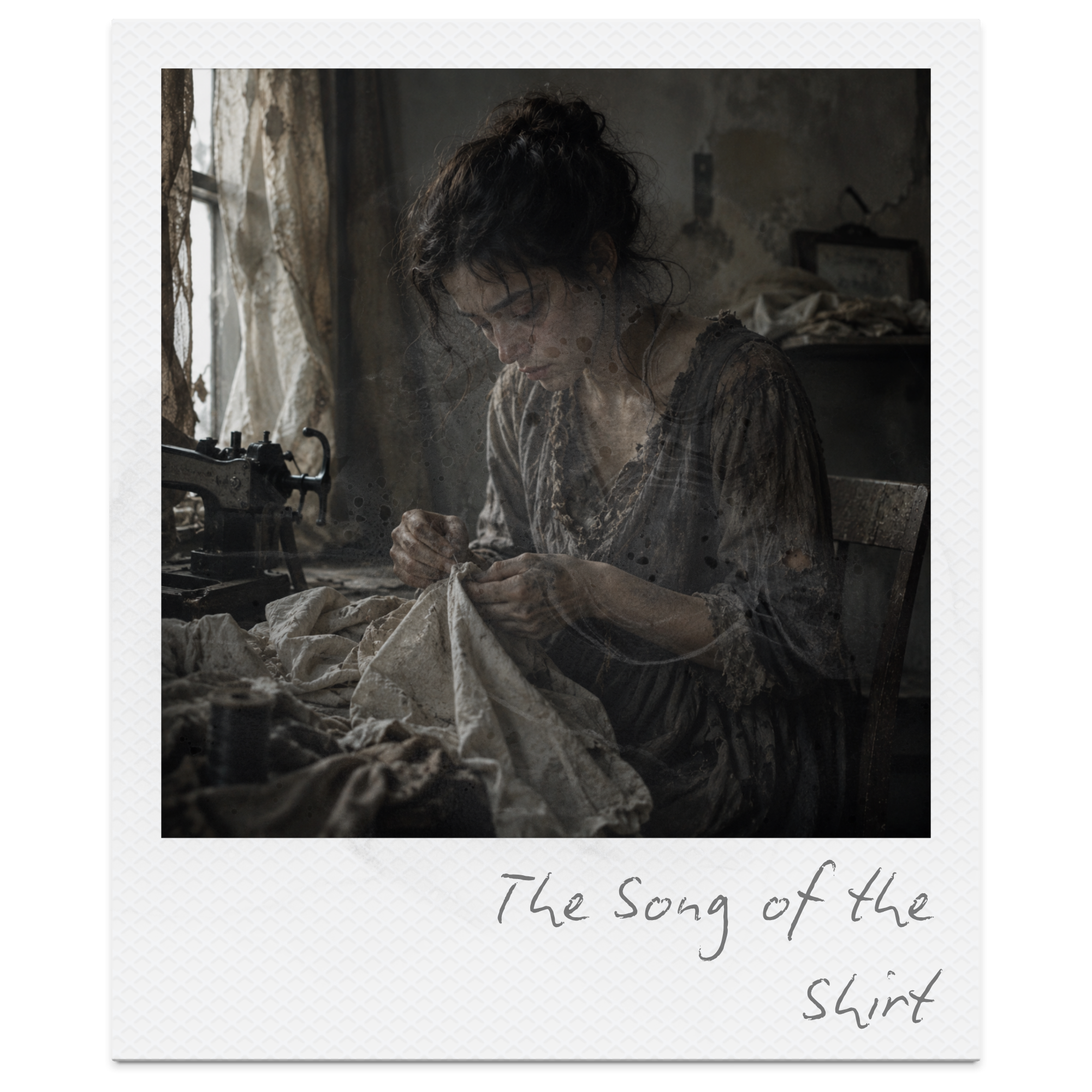
The Song of the Shirt by Thomas Hood: Analysis of Poverty, Labour and Social Criticism
The Song of the Shirt by Thomas Hood is a powerful Victorian social protest poem that exposes the realities of poverty, exploitation, and relentless labour. Through the voice of an exhausted seamstress, Hood reveals the physical, emotional, and psychological consequences of economic inequality while challenging readers to recognise the human cost hidden behind everyday goods. This analysis explores the poem's themes, structure, symbolism, key quotations, and social criticism, making it ideal for students studying Songs of Ourselves Volume 2.

Heart and Mind by Edith Sitwell: Analysis of Love, Mortality and the Conflict Between Heart and Mind
Edith Sitwell's Heart and Mind is a richly symbolic exploration of love, mortality, desire, and the enduring conflict between emotion and reason. Through a sequence of dramatic voices—including a Lion, a Skeleton, the Sun, and the Moon—Sitwell transforms an abstract philosophical debate into a vivid allegorical drama. Recurring images of fire, dust, gold, and celestial bodies create a poem that continually questions what gives human life meaning and whether passion or intellect ultimately holds greater power. This detailed analysis of Heart and Mind explores the poem's structure, symbolism, themes, literary techniques, and alternative interpretations. It includes stanza-by-stanza analysis, key quotations, anthology comparisons, and exam-focused insights, examining how Sitwell uses paradox, mythological imagery, and dramatic dialogue to present the heart and mind as powerful yet fundamentally irreconcilable forces.

Lion Heart by Amanda Chong: Analysis of Identity, Nationhood and Transformation
Amanda Chong's Lion Heart is a rich and ambitious exploration of national identity, cultural memory, and transformation. Drawing upon Singapore's founding myths, maritime history, and modern development, Chong presents the nation as a living being whose journey from sea to skyscraper reflects both remarkable progress and an enduring connection to its origins. Through powerful symbolism, vivid natural imagery, and an extended metaphor centred on the lion, the poem celebrates resilience, growth, and collective identity while questioning what must be preserved as a nation evolves. This detailed analysis of Lion Heart explores the poem's structure, voice, symbolism, themes, and literary techniques, alongside its treatment of history, belonging, and nationhood. It includes stanza-by-stanza analysis, key quotations, alternative interpretations, anthology comparisons, and exam-ready insights.
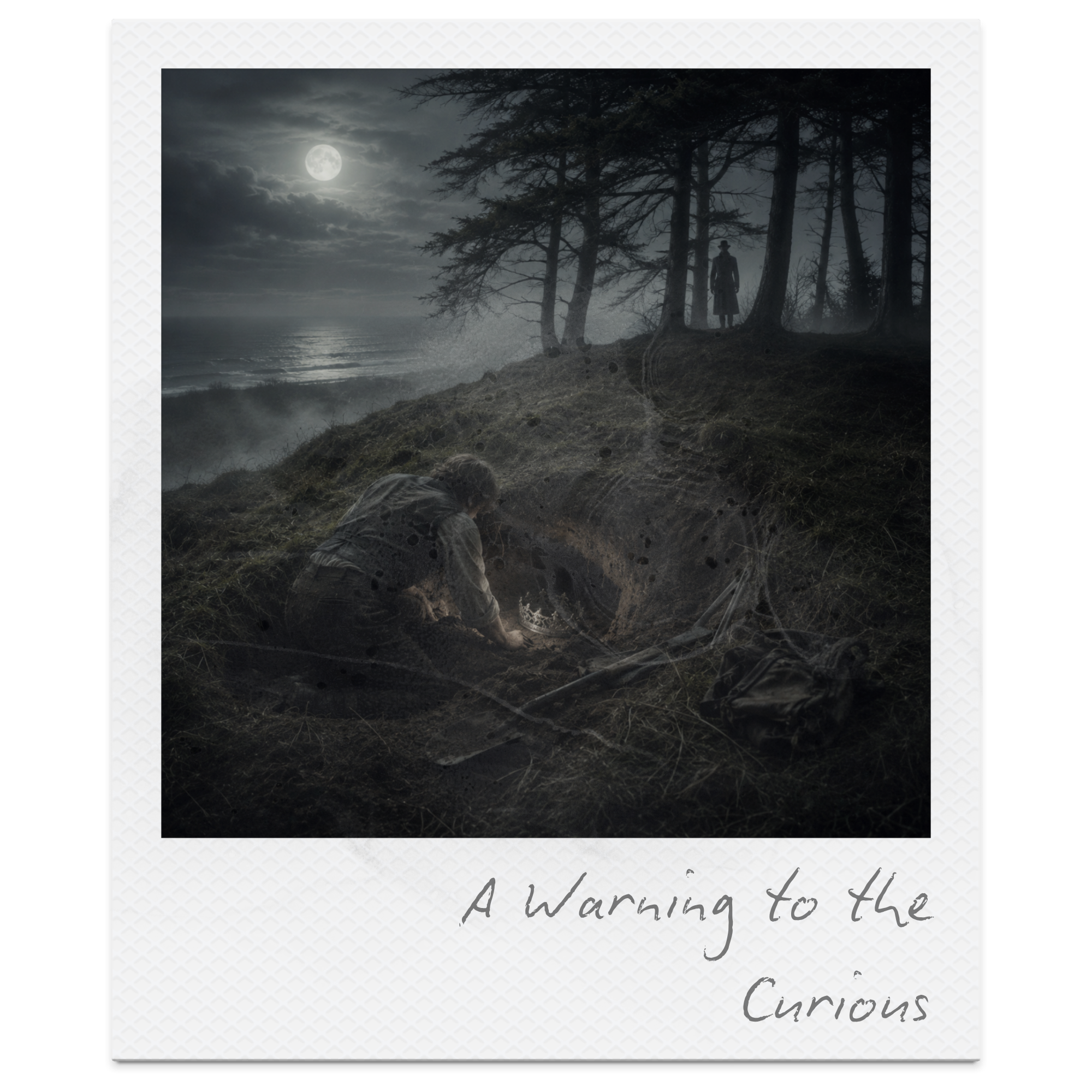
A Warning to the Curious by M.R. James: Summary, Themes & Analysis:::
M.R. James’s A Warning to the Curious is a chilling Gothic ghost story exploring curiosity, fear, historical memory, guilt, and the dangerous consequences of disturbing what should remain hidden. Through the isolated coastal setting of Seaburgh, the mysterious buried crown, and the increasingly terrified figure of Paxton, James gradually transforms scholarly curiosity into psychological horror and supernatural dread. This detailed analysis for CIE IGCSE World Literature (0408) explores the story’s themes, symbolism, structure, narrative voice, and key quotations, while examining how James creates fear through atmosphere, ambiguity, folklore, and Gothic tension. The guide also includes alternative interpretations, exam-ready insights, and classroom-focused teaching ideas designed to support deeper literary analysis and discussion.
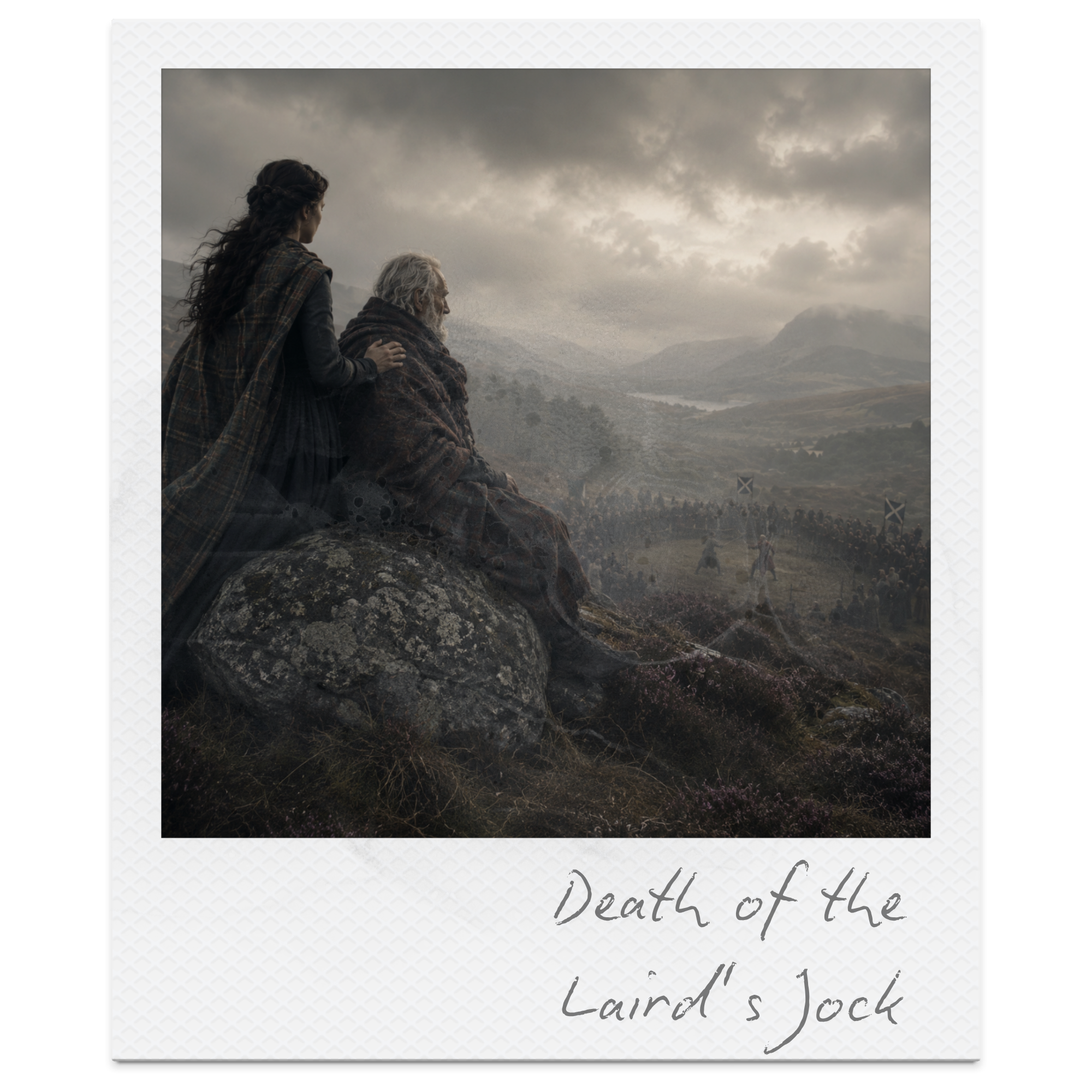
Death of the Laird’s Jock by Walter Scott: Summary, Themes & Analysis
Walter Scott’s Death of the Laird’s Jock is a dramatic historical short story from Stories of Ourselves Volume 2 which explores honour, masculinity, national identity, violence, and emotional collapse. Set in the Scottish Borders, the story follows the once-feared warrior known as the Laird’s Jock as he witnesses his son’s defeat in a public duel against an English champion. Through symbolism, dramatic imagery, and tragic contrast, Scott examines how identities built upon reputation and martial pride can become psychologically destructive. This analysis explores the story’s themes, symbolism, structure, narrative voice, and key quotations while focusing closely on Scott’s methods and their emotional impact. Designed for CIE IGCSE World Literature (0408) students and teachers, this guide offers revision-focused insights, analytical commentary, and classroom-ready interpretations to support deeper understanding of the text.

The Woman’s Rose by Olive Schreiner: Summary, Themes & Analysis
Olive Schreiner’s The Woman’s Rose is a deeply reflective short story exploring female solidarity, memory, identity, and the pressures created by patriarchal society. Through symbolic imagery, emotional restraint, and reflective first-person narration, Schreiner transforms a small personal memory into a powerful meditation on compassion, jealousy, emotional maturity, and women’s relationships with one another. This analysis explores the story’s themes, symbolism, narrative voice, key quotations, structure, and alternative interpretations for CIE IGCSE English Literature (0475 & 0922). It also examines how Schreiner uses the symbolic white rose to present emotional generosity and lasting faith in womanhood.
The Real Point of A Christmas Carol: Meaning, Context, and Why We’re Still Missing It in the Classroom
A Christmas Carol is often taught as a simple story of personal redemption, but Charles Dickens wrote it as a fierce critique of poverty, inequality, and social responsibility. Beneath the familiar ghosts and festive imagery lies a political text that challenges readers to confront the systems that allow suffering to persist. This post explores the real meaning of A Christmas Carol in the classroom, examining Dickens’ purpose, key ideas, and modern relevance. With clear analysis, teaching insights, and discussion extensions, it shows how the novella works not just as a set text, but as a demand for action — making it more powerful, relevant, and challenging for students today.
10 Best WWI Poems to Teach (And How to Teach Them)
World War One poetry is a powerful and enduring part of secondary English literature, offering students a direct literary response to war, trauma, memory, and loss. This post explores 10 of the best WWI poems to teach, with clear teaching focuses, classroom-ready ideas, and suggestions for discussion and creative response. The poems are grouped thematically to support comparative study and flexible unit planning. Designed for global classrooms, this guide supports close reading, empathy-building discussion, and analytical writing, while linking to deeper teaching resources and the wider Literature Library. Whether you’re planning a full World War One poetry unit or selecting individual poems to complement a wider literature course, this post offers practical guidance rooted in strong literary foundations.
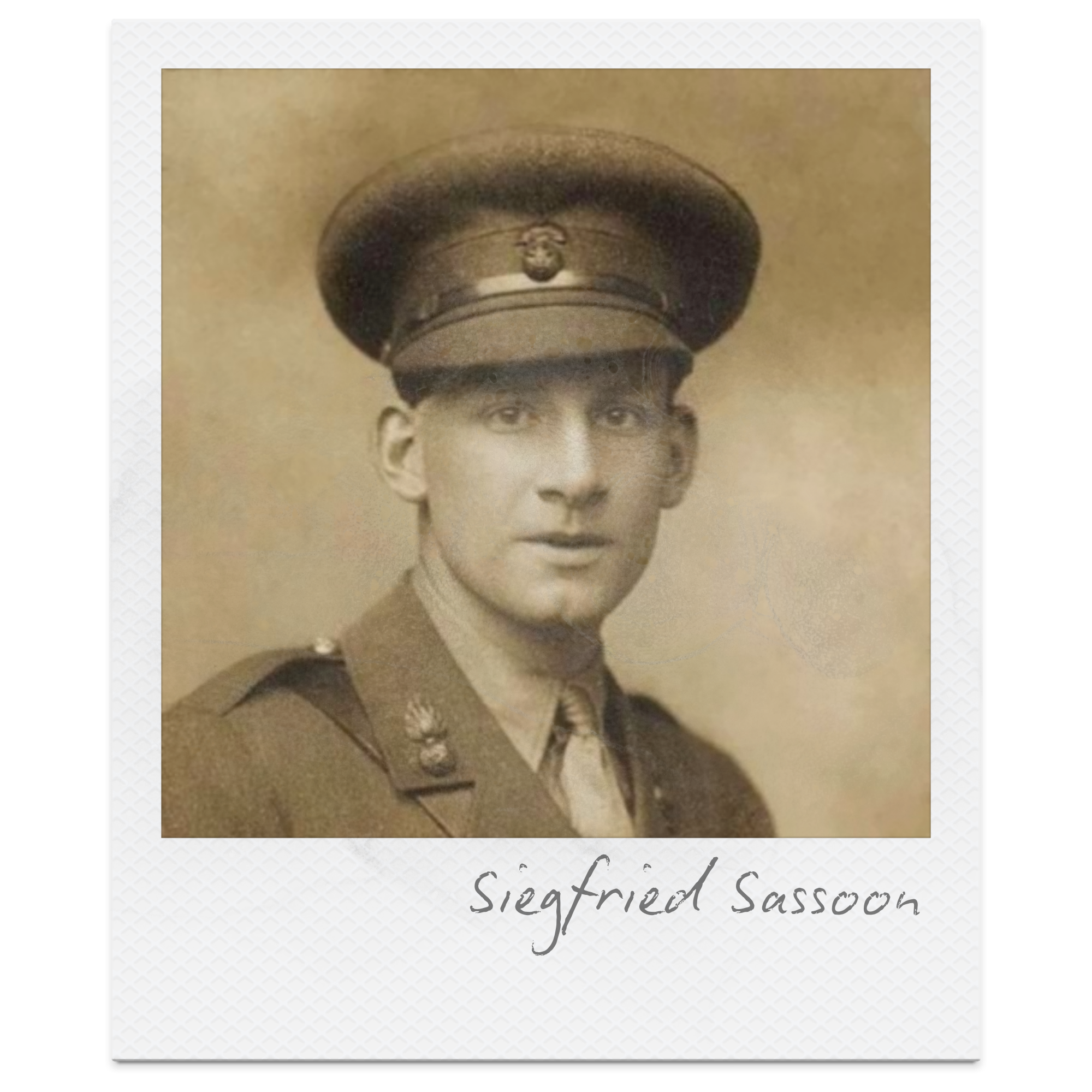
Siegfried Sassoon: Context, War Poetry, and Literary Significance
Siegfried Sassoon is one of the most important voices in First World War poetry, writing not from imagination but from direct experience of trench warfare. His poems expose the brutality, futility, and moral failure of modern war, challenging patriotic narratives that present suffering as noble or necessary. Through irony, anger, and controlled restraint, Sassoon forces readers to confront the gap between those who fight and those who authorise violence from a distance. Understanding Sassoon’s context is essential for reading poems such as “Suicide in the Trenches.” Shaped by frontline combat, public protest, and psychological trauma, his writing interrogates responsibility, authority, and the language used to justify mass death. Rather than offering comfort or heroic sacrifice, Sassoon’s war poetry demands ethical engagement, making it central to the study of WWI literature and modern protest writing.
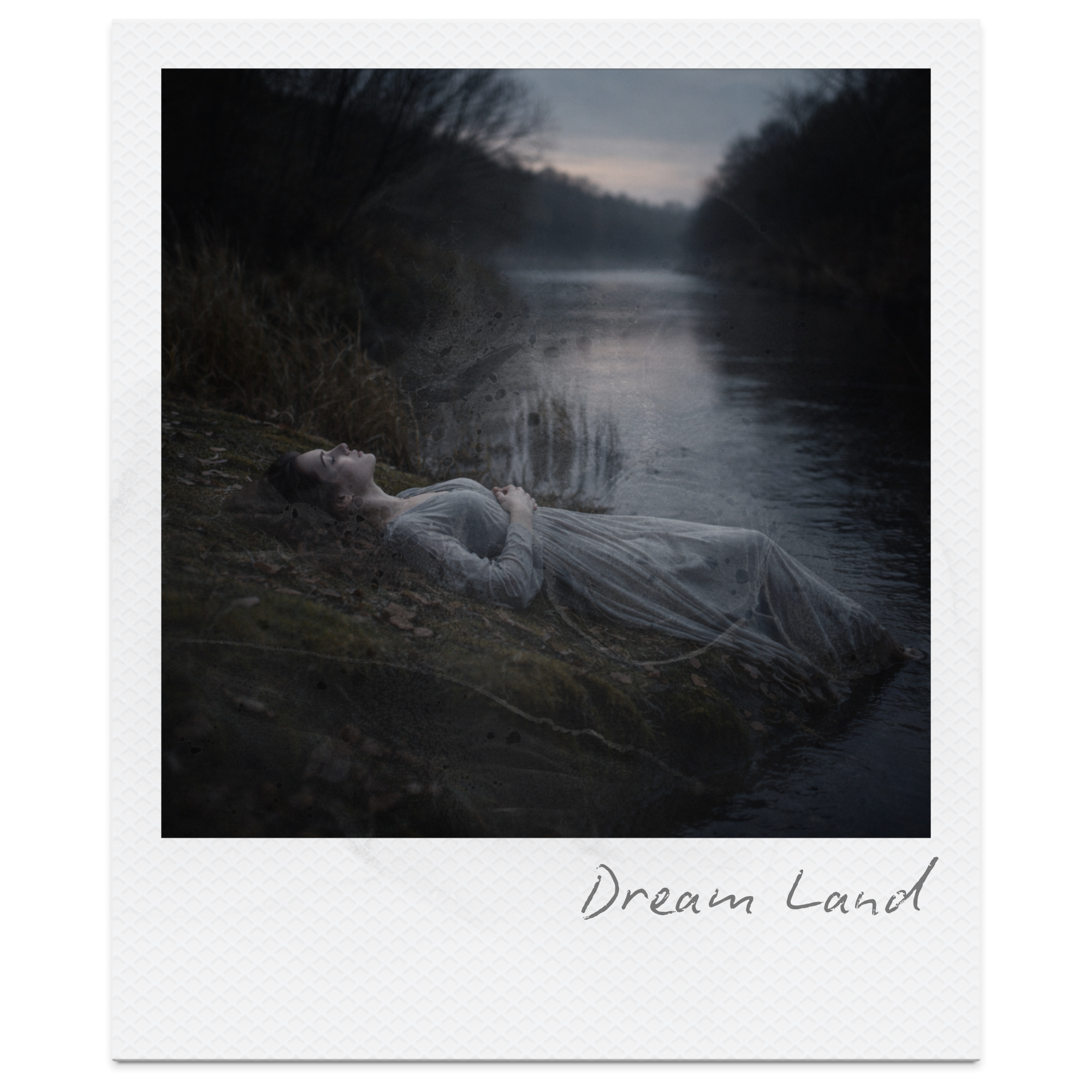
Dream Land by Christina Rossetti: Summary, Meaning & Critical Analysis
Christina Rossetti’s Dream Land is a poem of rest, withdrawal, and emotional stillness, where calm conceals a deeply unsettling vision of peace. Through controlled imagery, repetition, and restrained language, Rossetti presents a female figure who turns away from life, growth, and sensation, entering a state of charmed sleep that resists clear distinction between sleep, death, and chosen retreat. This analysis of Dream Land explores Rossetti’s use of form, imagery, and silence to construct peace as something achieved through absence rather than fulfilment. By examining language, structure, and alternative interpretations, the post invites readers to consider when rest becomes refuge — and when it becomes erasure — situating the poem within Rossetti’s wider preoccupation with restraint, renunciation, and emotional control.
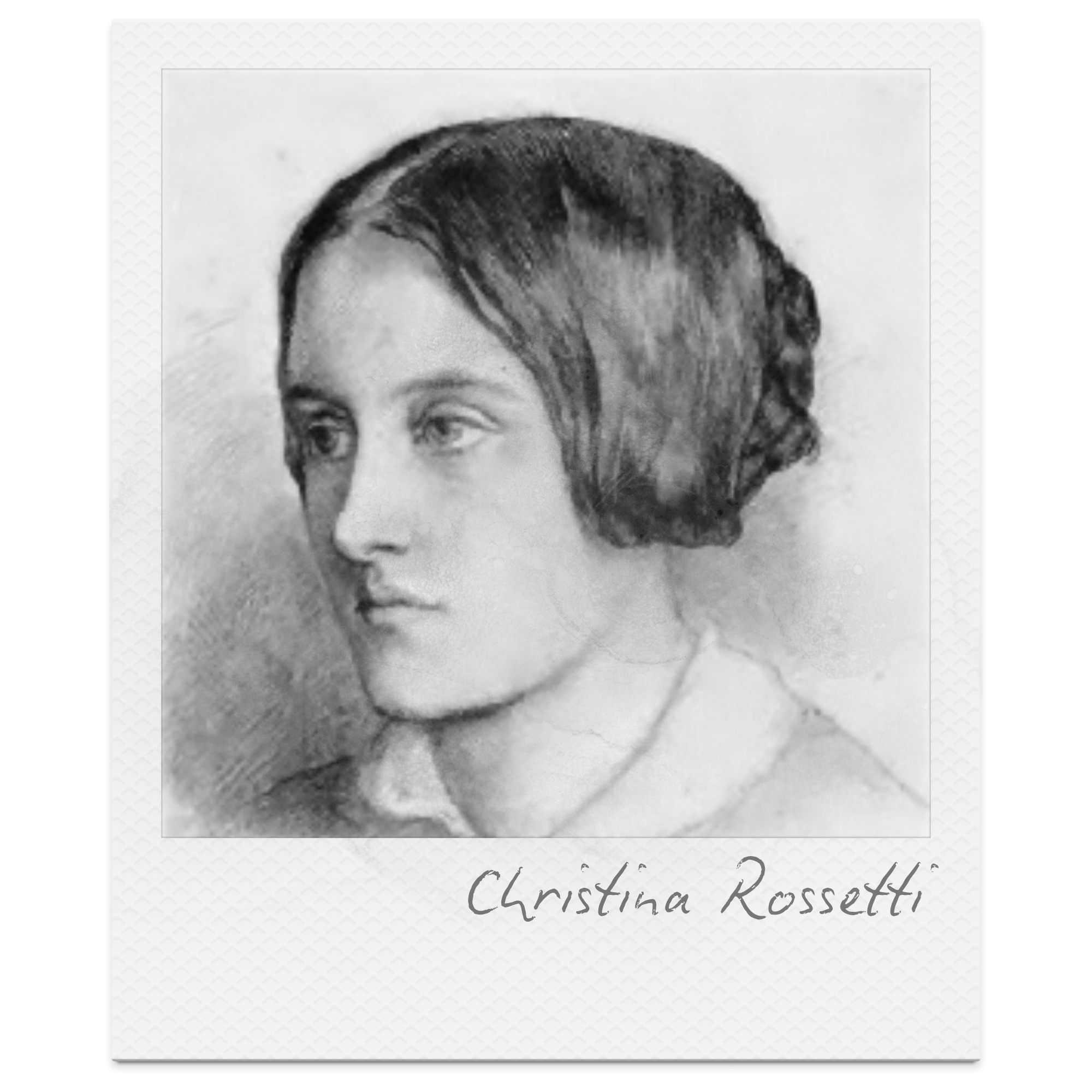
Christina Rossetti: Context, Themes, and Literary Significance
Christina Rossetti’s poetry is shaped by religious discipline, emotional restraint, and sustained psychological conflict. Writing within the pressures of Victorian gender norms and devotional expectation, Rossetti explores what happens when desire must be suppressed, faith demands self-surveillance, and feeling is carefully managed rather than released. Her poems rarely offer resolution, instead lingering in states of waiting, silence, and endurance, where emotional tension is contained beneath deceptively simple forms. Reading Rossetti in context reveals how her work engages with mental health, spiritual doubt, and the governance of emotion in nineteenth-century literature. Through repetition, restraint, and withheld voice, Rossetti constructs lyric speakers who negotiate authority internally, making her poetry particularly rich for close reading and thematic interpretation. This contextual overview provides a foundation for exploring Rossetti’s enduring significance across Victorian poetry, psychological realism, and modern critical debate.
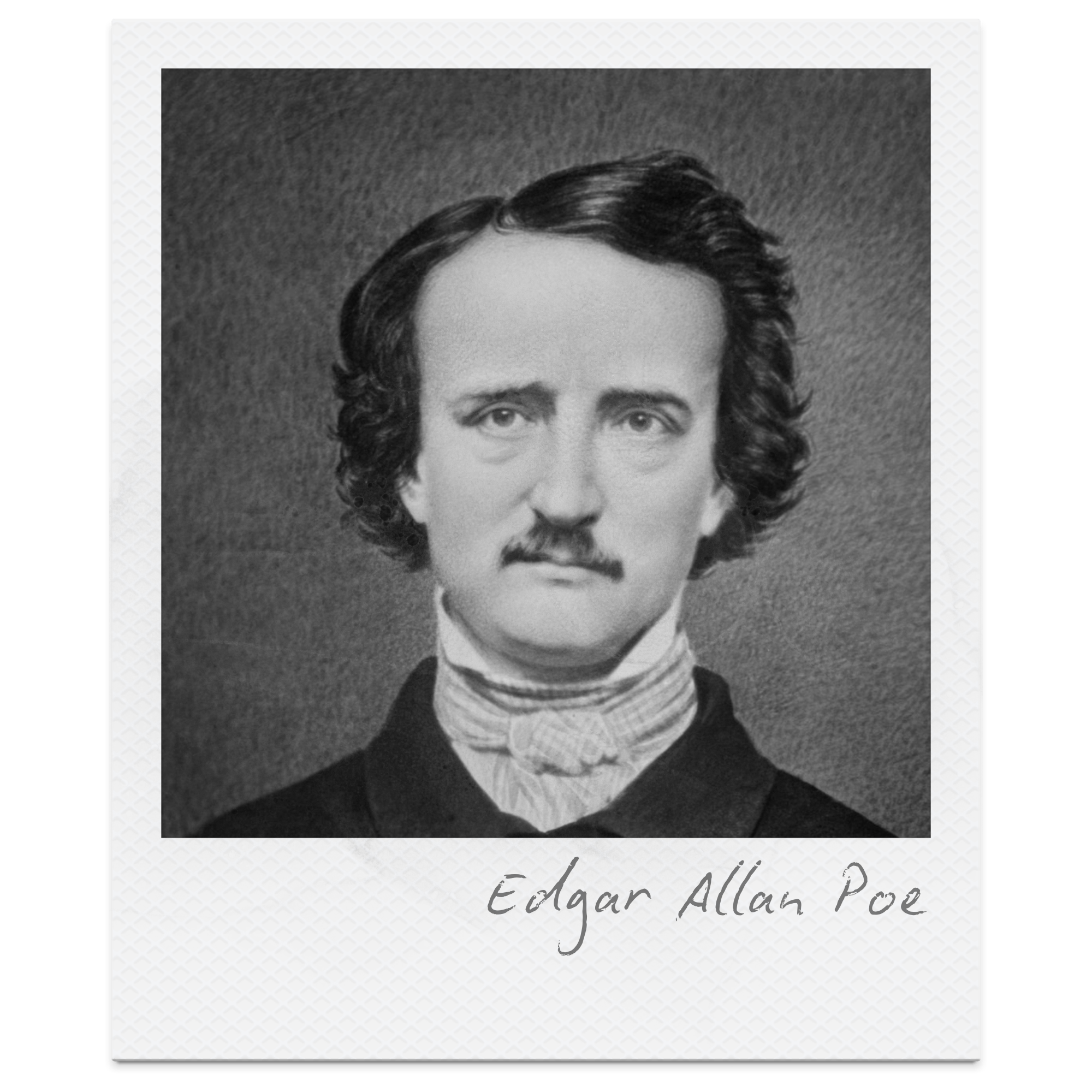
Edgar Allan Poe: Context, Themes, and Literary Significance
Edgar Allan Poe is one of the most widely taught American writers in the secondary English classroom, known for his Gothic fiction, psychological narratives, and influential detective stories. Writing in the early nineteenth century, Poe explored themes of unreliable narration, guilt, obsession, and moral ambiguity, using tightly controlled structure and atmosphere to shape reader interpretation. His work rewards close reading and discussion, making it particularly effective for developing analytical confidence. This guide explores Edgar Allan Poe’s historical context, recurring themes, and literary significance, offering a framework for understanding how his writing operates across poetry and short fiction. Rather than focusing on plot or biography, it examines how Poe uses voice, perspective, and implication to generate meaning, supporting discussion-led teaching and thematic study in the secondary English classroom.
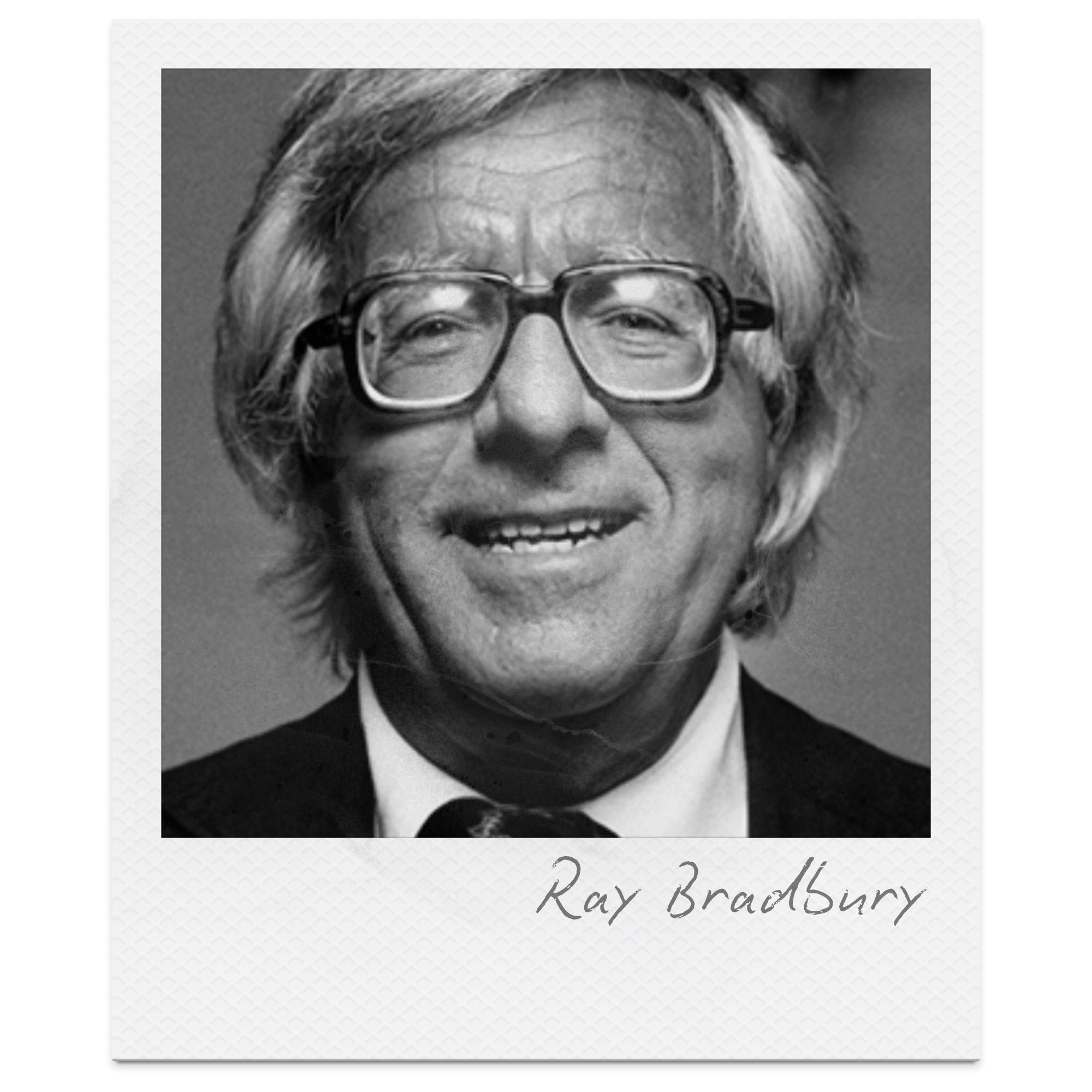
Ray Bradbury: Context, Themes, Works & Literary Significance
Ray Bradbury’s fiction is often associated with dystopian futures and speculative technologies, but his work is best understood through the historical and cultural context in which it was written. Emerging in mid-twentieth-century America, Bradbury wrote during a period shaped by war, Cold War paranoia, mass media expansion, and growing anxieties about conformity and control. His stories use speculative settings not to predict the future, but to expose how fear, censorship, and emotional detachment operate within ordinary domestic and social spaces. This context-focused overview explores the key themes that define Ray Bradbury’s work, including technology versus humanity, media and passive living, parental responsibility, childhood and power, and moral failure. Rather than offering close analysis of individual texts, it provides a broader framework for understanding how Bradbury uses speculative fiction to examine human behaviour, ethical responsibility, and the consequences of choosing comfort over connection.
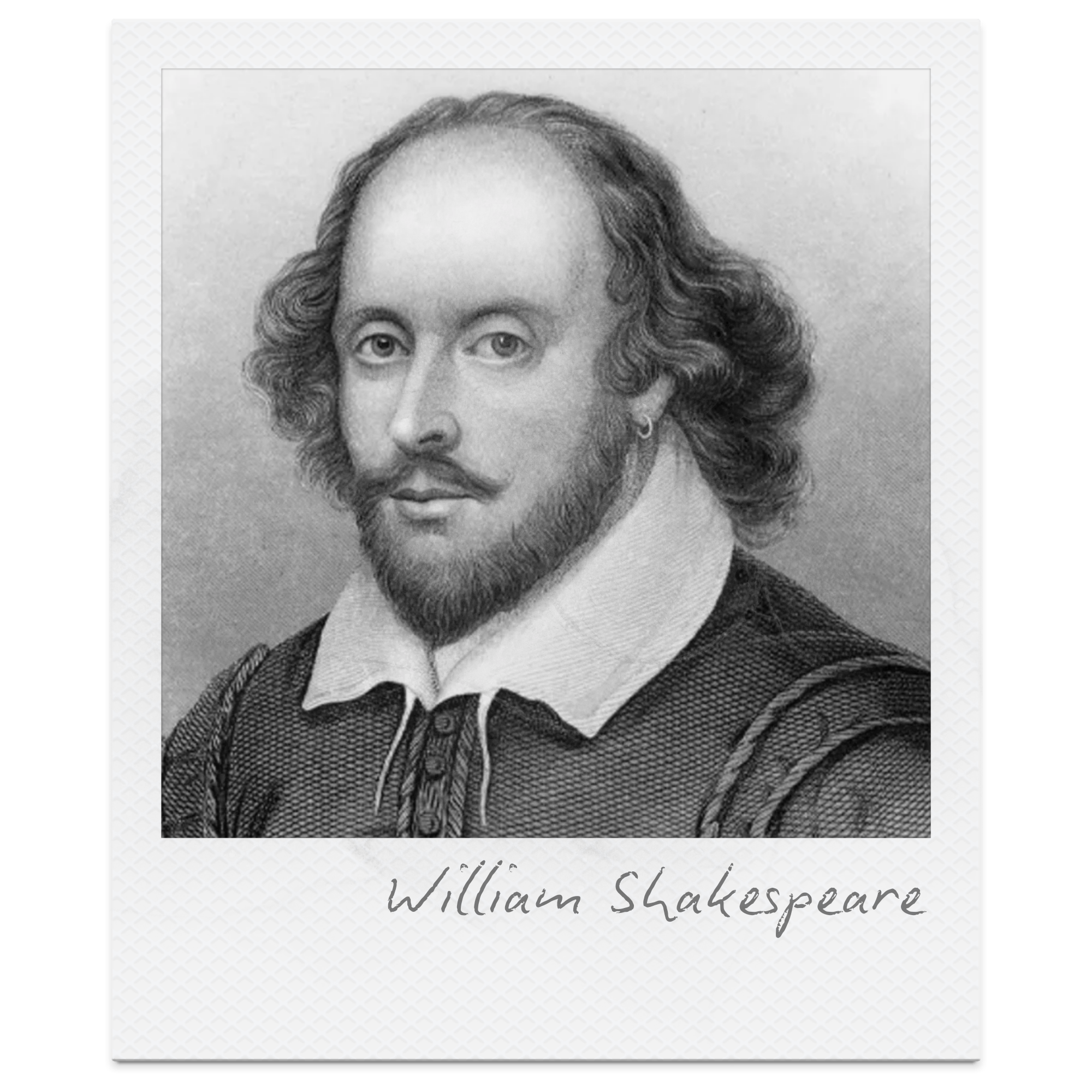
William Shakespeare: Context, Themes, Plays & Literary Significance
William Shakespeare is one of the most influential figures in English literature, yet his work is often approached without sufficient attention to historical and social context. Writing during the Elizabethan and Jacobean periods, Shakespeare explored enduring concerns around power, authority, identity, gender, violence, and moral responsibility, embedding these ideas within plays that continue to resist simple interpretation. This context post situates Shakespeare’s plays and poetry within the political, cultural, and theatrical conditions of early modern England, examining how genre, performance, and historical pressure shape meaning across his work. Rather than focusing on individual texts, it provides a framework for understanding Shakespeare’s literary significance, offering a foundation for deeper exploration of themes, genres, and plays across the wider Literature Library.