70 Gothic Creature Writing Prompts: Monsters, Myths & Unnatural Beings
Gothic creatures have haunted literature for centuries, long before they became modern horror tropes or fantasy archetypes. From the revenants and vampires of Dracula to the uncanny doubles of The Strange Case of Dr Jekyll and Mr Hyde and the decaying horrors of The Fall of the House of Usher, Gothic fiction has always been shaped by creatures that blur the line between human and inhuman. These beings are rarely just monsters — they are expressions of fear, grief, obsession, and the parts of ourselves we struggle to confront.
Gothic creature writing prompts invite teen writers to explore stories where the unnatural feels intimate and the familiar becomes unsettling. Drawing on Gothic literature, supernatural folklore, and psychological horror, these prompts focus on atmosphere, symbolism, and emotional tension rather than spectacle. Instead of clear heroes and villains, Gothic creatures often exist in moral grey spaces — shaped by memory, isolation, decay, and desire. Many of these narratives reflect classic Gothic themes: haunted spaces, fractured identities, forbidden knowledge, and the lingering presence of the past.
This collection of 70 Gothic Creature Writing Prompts is designed as a complete creative writing toolkit, combining plot hooks, title ideas, opening and closing lines, character concepts, setting prompts, and cinematic visual inspiration. The prompts work equally well for creative writing lessons, English classrooms, writing clubs, journaling, or longer Gothic and horror projects, offering a structured way to explore monsters, myths, and unnatural beings with depth and restraint.
If you’d like to explore more Gothic writing prompts, literature-inspired ideas, or genre-based collections, you can browse the full Creative Writing Archive or return to the Gothic hub or the Horror Writing Hub, to discover new ways to shape your next story.
1. Plot Hooks
Gothic creature plot hooks often centre on transformation, concealment, and the slow revelation of something unnatural beneath the surface. Drawing on Gothic literature, supernatural folklore, and psychological horror, these prompts explore creatures shaped by grief, obsession, decay, and memory — where the true danger is not always the creature itself, but what it reflects.
Write about a revenant who returns not for revenge, but to finish something they left undone — and refuses to explain what it is.
Write about a banshee whose cries are heard only by one person, long before anyone else begins to die.
Write about a vampire who has stopped feeding, and the unsettling changes that begin to happen as a result.
Write about a creature living within the walls of a house, mimicking voices perfectly — until it starts speaking in a voice no one recognises.
Write about a doppelgänger who begins replacing someone slowly, taking over parts of their life one interaction at a time.
Write about a wraith bound to a graveyard that cannot leave, and the one person who realises it is trying to warn them.
Write about a creature that feeds on secrets rather than flesh, growing stronger with every truth it is told.
Write about a changeling who realises they were never meant to stay in the human world, and something has come to take them back.
Write about a spectral bride who appears each year, waiting for a ceremony that never seems to end.
Write about a town that has learned to coexist with a creature, until it begins breaking the rules it once followed.
2. Title Ideas
Gothic creature story titles often draw on suggestion rather than explanation, using language shaped by decay, haunting, and transformation. These titles reflect the influence of Gothic literature and supernatural folklore, where meaning is implied through tone, symbolism, and unease rather than plot.
The Revenant’s Promise
Where the Banshee Waits
A Hunger That Does Not Fade
The Thing Behind the Walls
A Face That Was Not Mine
The Bride Who Never Left
What the Grave Refused
The Changeling’s Return
A Name the House Remembered
Something Wearing Her Face
3. Opening Lines
Strong Gothic opening lines establish atmosphere before explanation, allowing the presence of something unnatural to be felt rather than fully understood. Drawing on Gothic literature and psychological horror, these openings rely on voice, sensory detail, and unease to create tension from the first line.
The banshee started crying three nights before anyone died.
I knew the man at the door was a revenant, even before he spoke my name.
The vampire said he no longer fed, but something in the house was still being drained.
I heard my voice coming from inside the walls before I realised I hadn’t spoken.
The doppelgänger didn’t replace her all at once — only in the moments no one thought to question.
The grave should have stayed closed, but something inside it refused to accept that.
The changeling had always known the truth, but had never expected to be taken back.
I realised too late that the house remembered things I had tried to forget.
The spectral bride appeared at dusk, exactly where she had been the year before.
The creature didn’t look like a monster — until it smiled.
4. Closing Lines
Gothic creature stories rarely end with certainty. Drawing on Gothic literature and supernatural folklore, these endings suggest transformation, loss, or continuation rather than resolution. The creature may remain, even if it is no longer seen.
The banshee fell silent, and I understood what that meant for me.
The revenant left without explanation, but the unfinished thing remained.
The vampire never fed again, yet something in the town continued to disappear.
The house grew quiet once more, but I no longer trusted the silence.
The doppelgänger stayed, and no one noticed the difference.
The grave closed again, though I knew it would not stay that way.
The changeling did not resist when they were taken, only looked relieved.
The spectral bride faded with the light, leaving the ceremony incomplete.
The creature kept what it had been given, and I knew it would return for more.
Nothing followed me home, except the certainty that something had learned my name.
5. Character Ideas
Gothic creature characters are often defined by contradiction — between human and inhuman, control and instinct, memory and loss. Drawing on Gothic literature and folklore, these characters are shaped by emotional and moral tension rather than simple archetypes.
A vampire who preserves objects instead of lives, collecting memories rather than blood.
A banshee who cannot stop mourning, even for strangers.
A revenant who does not remember why they returned, only that they cannot leave.
A doppelgänger who begins to prefer the life they have taken.
A creature living within a house, bound to its structure and dependent on those inside it.
A changeling who has spent years pretending, only to realise they no longer know who they were meant to be.
A wraith tasked with guarding something it does not understand.
A spectral bride reliving the same moment, aware that something is wrong but unable to change it.
A creature that feeds on secrets, growing more human with every truth it consumes.
A being mistaken for a monster, when it is actually trying to prevent something worse.
6. Setting Ideas
Gothic creature settings are shaped by atmosphere, memory, and decay. These places often feel unstable or watchful, reflecting the presence of something unnatural.
A crumbling manor inhabited by a vampire who has outlived every generation that built it.
A fogbound coastline where a banshee’s cries echo across the water.
A graveyard where the dead do not remain buried, watched over by a wraith.
A forest known for replacing those who enter it with something almost identical.
A house where voices travel through the walls, regardless of who is speaking.
A village built around an ancient pact with a creature that lives beneath it.
A shoreline where a spectral bride appears at dusk, waiting for a ceremony that never ends.
A decaying estate where mirrors reflect people who are no longer there.
A hidden settlement where changelings are quietly raised among humans.
A ruin where something has been sealed away, and the structure itself is beginning to fail.
7. Picture Prompts
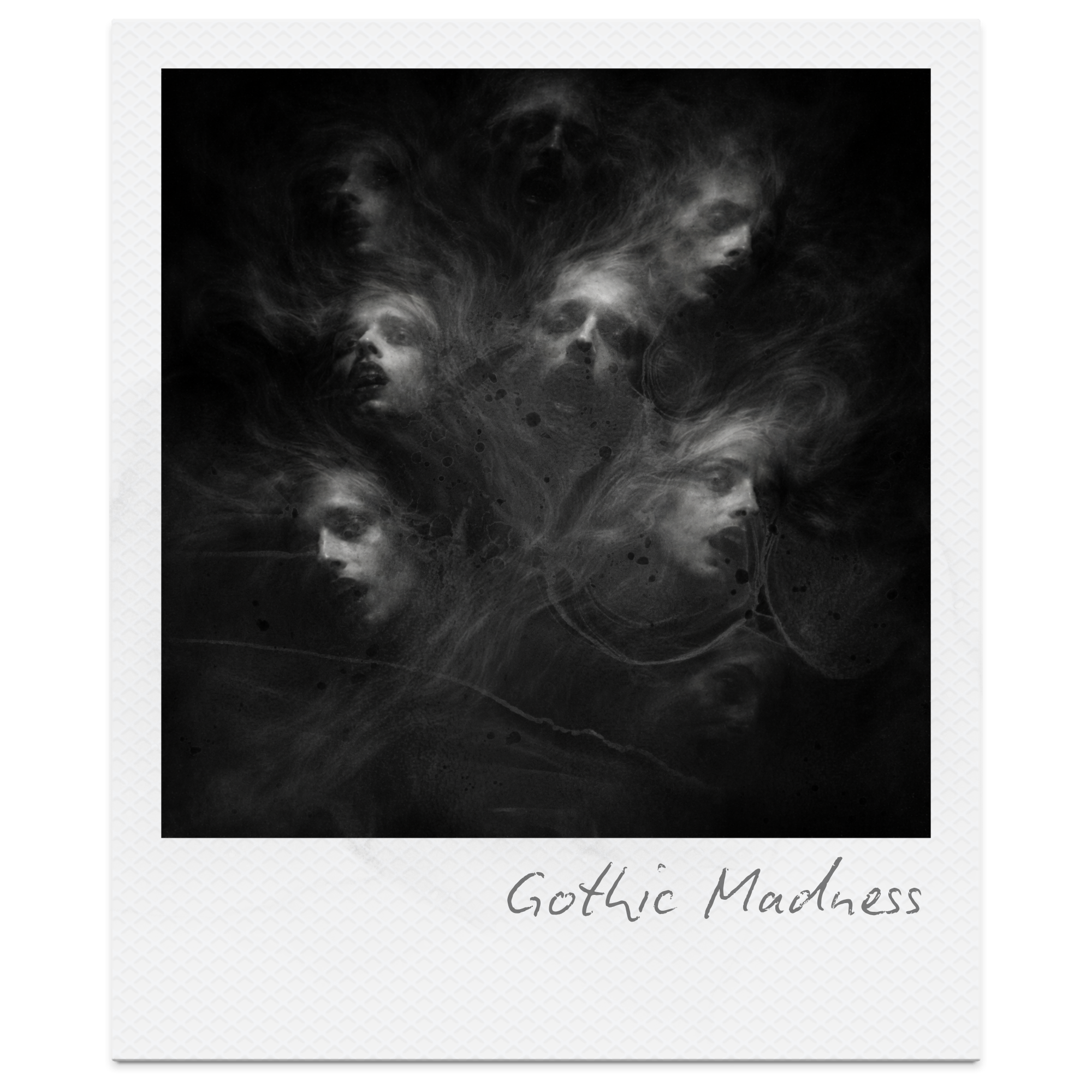
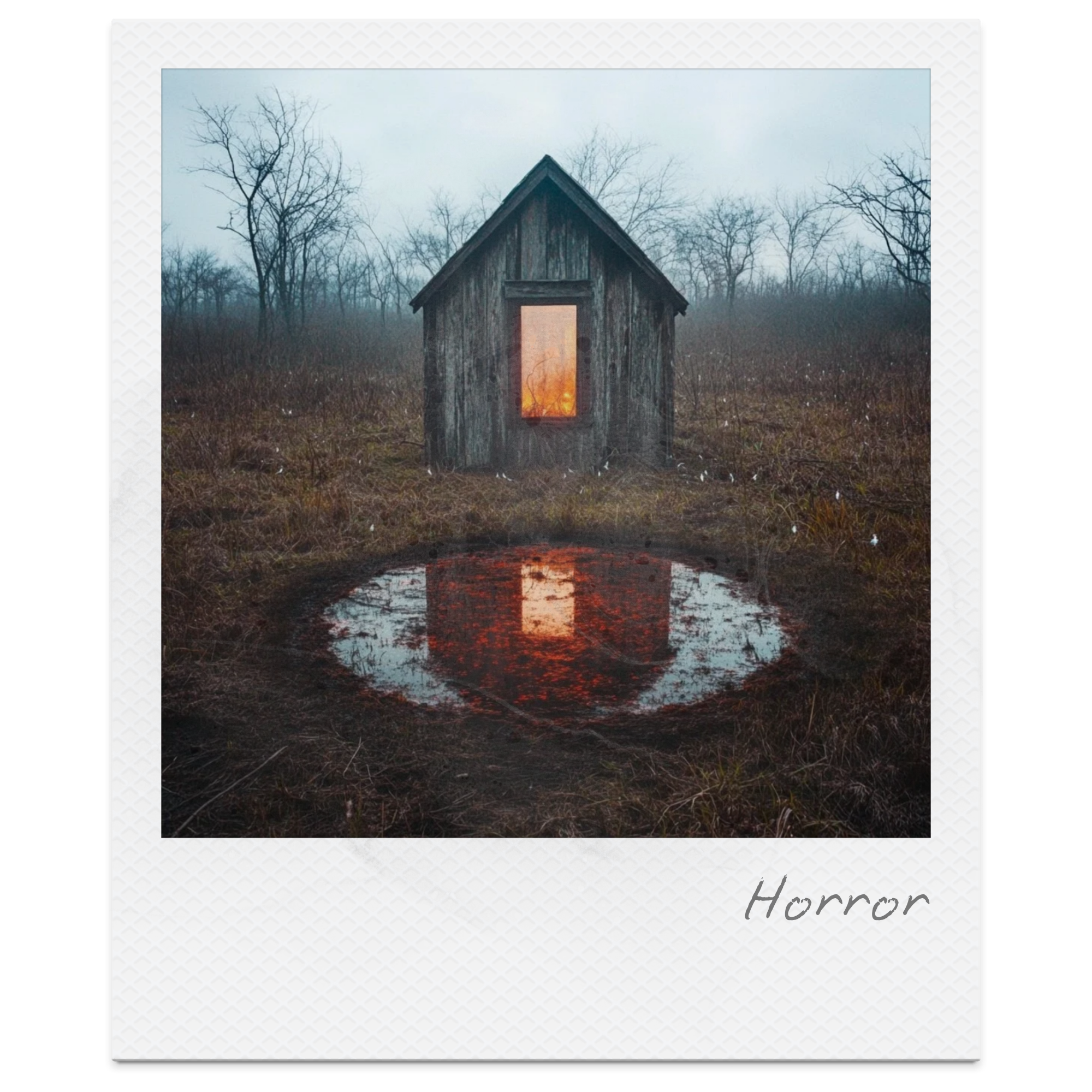
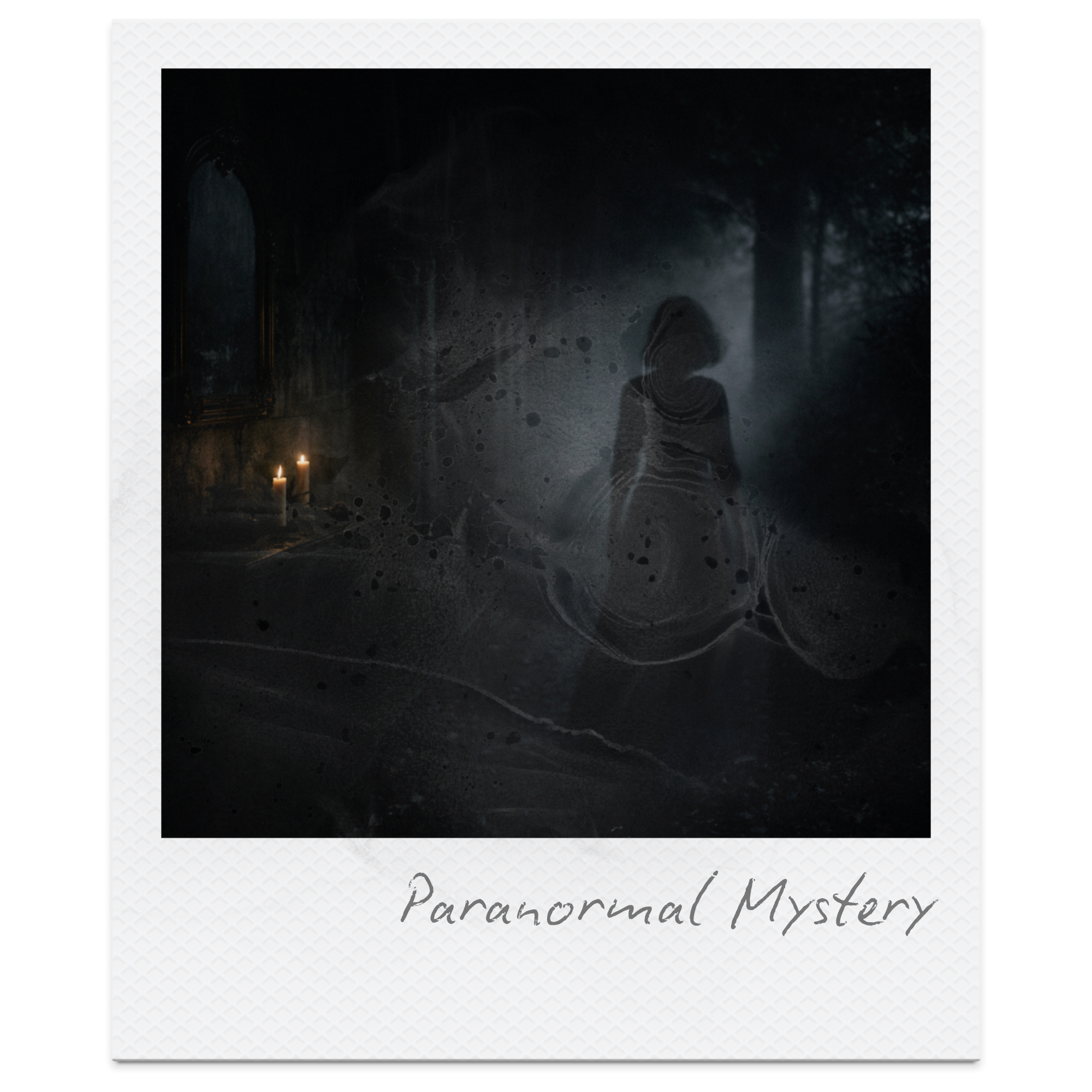
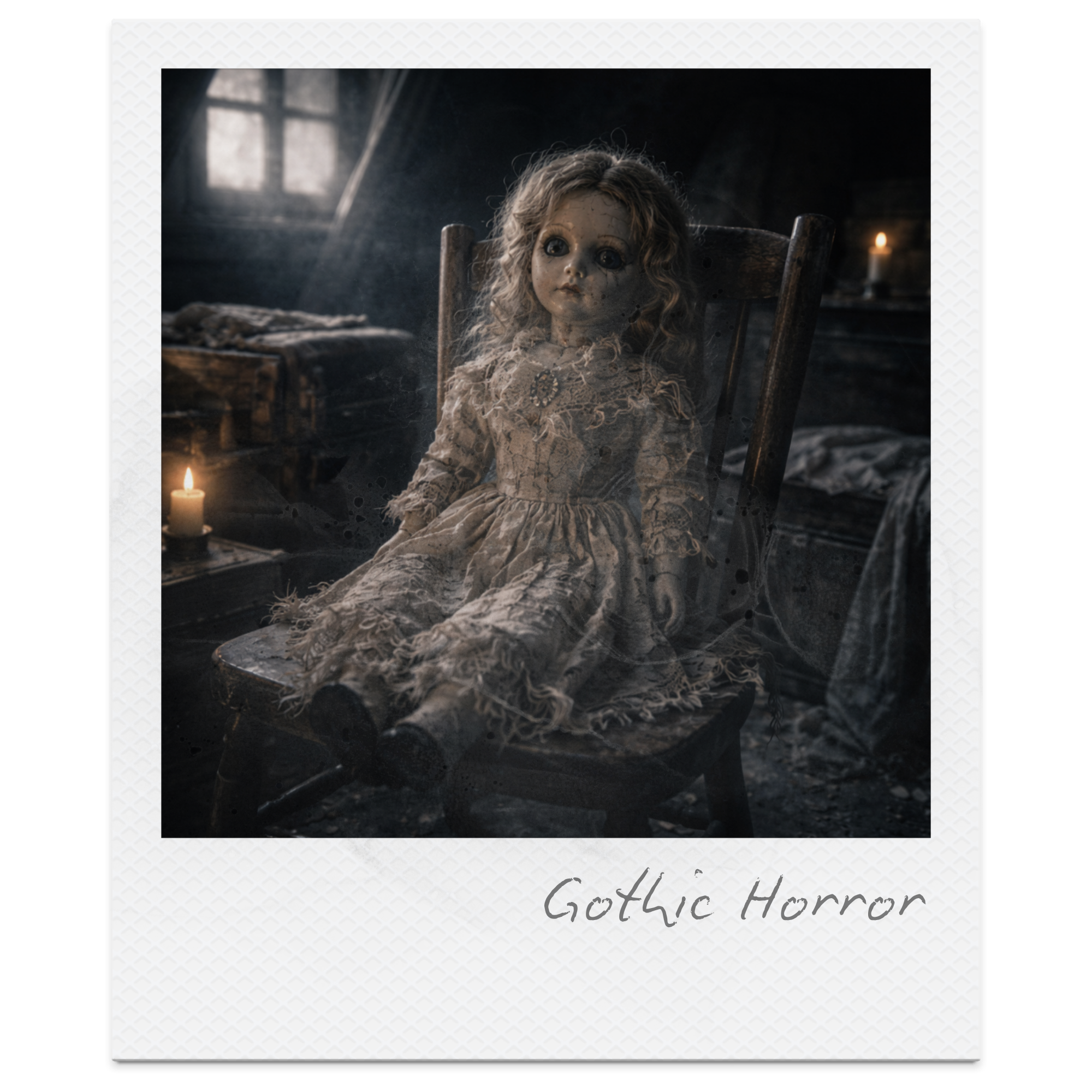
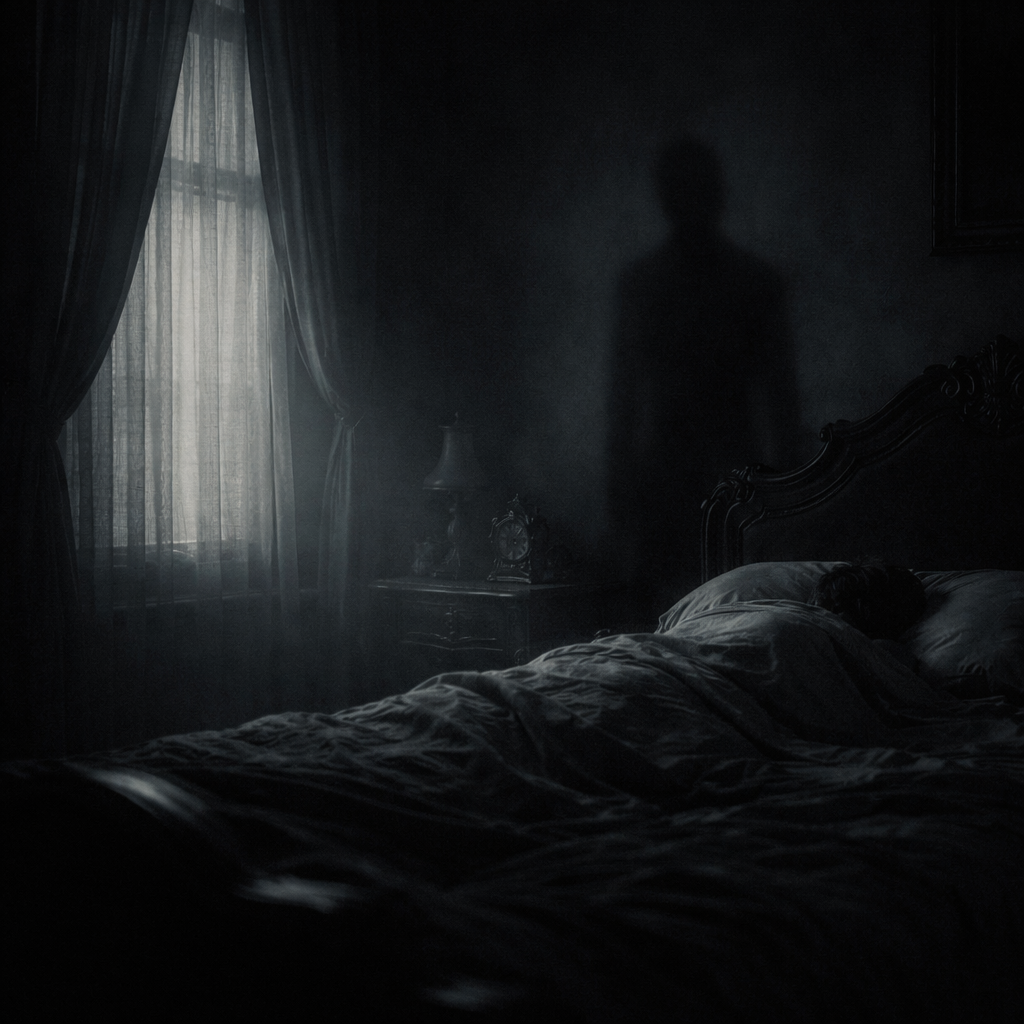
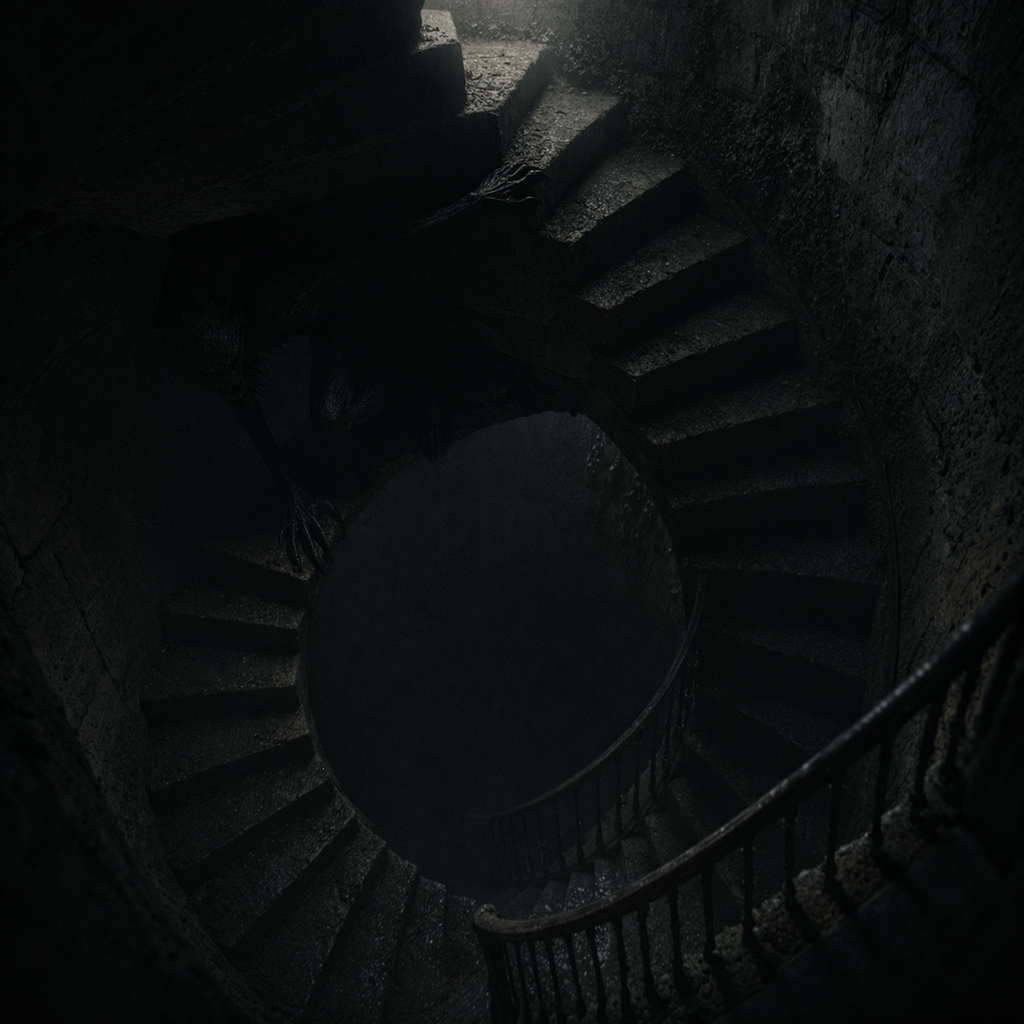
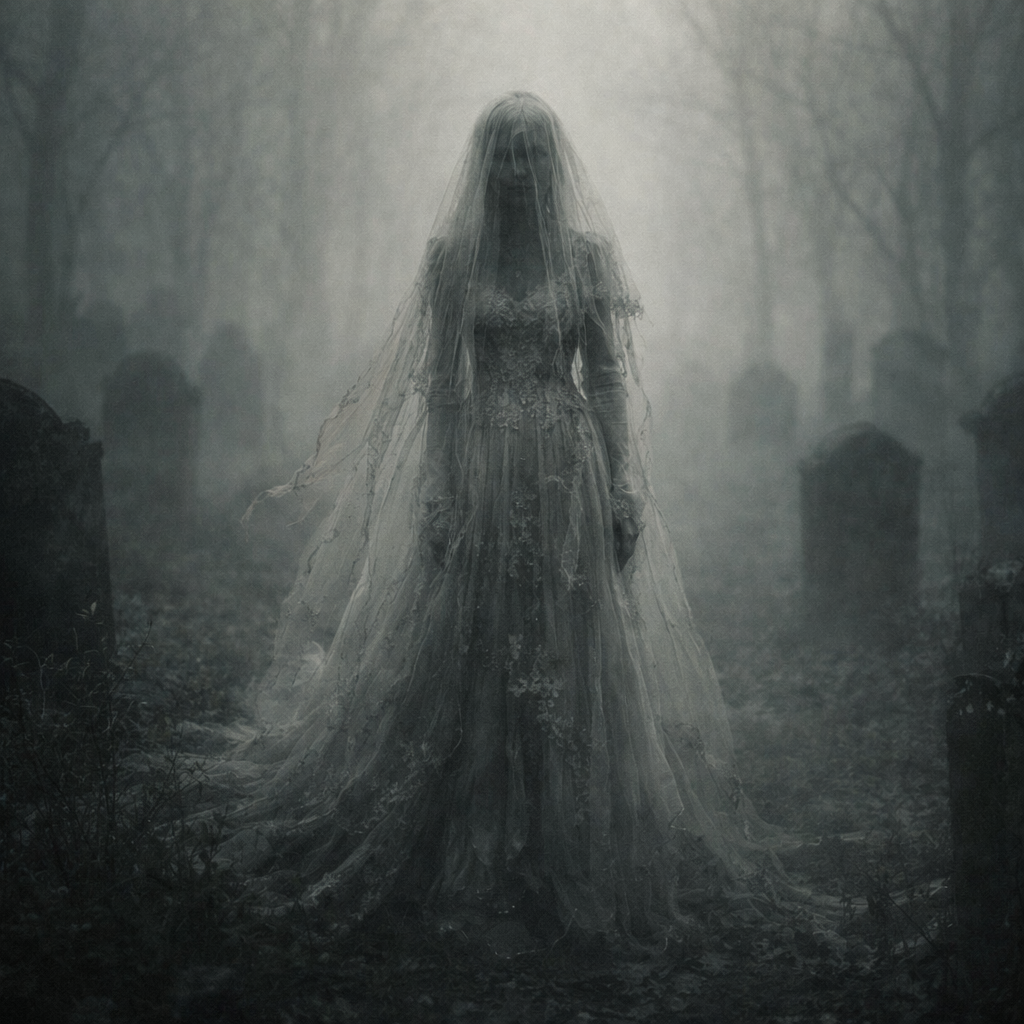
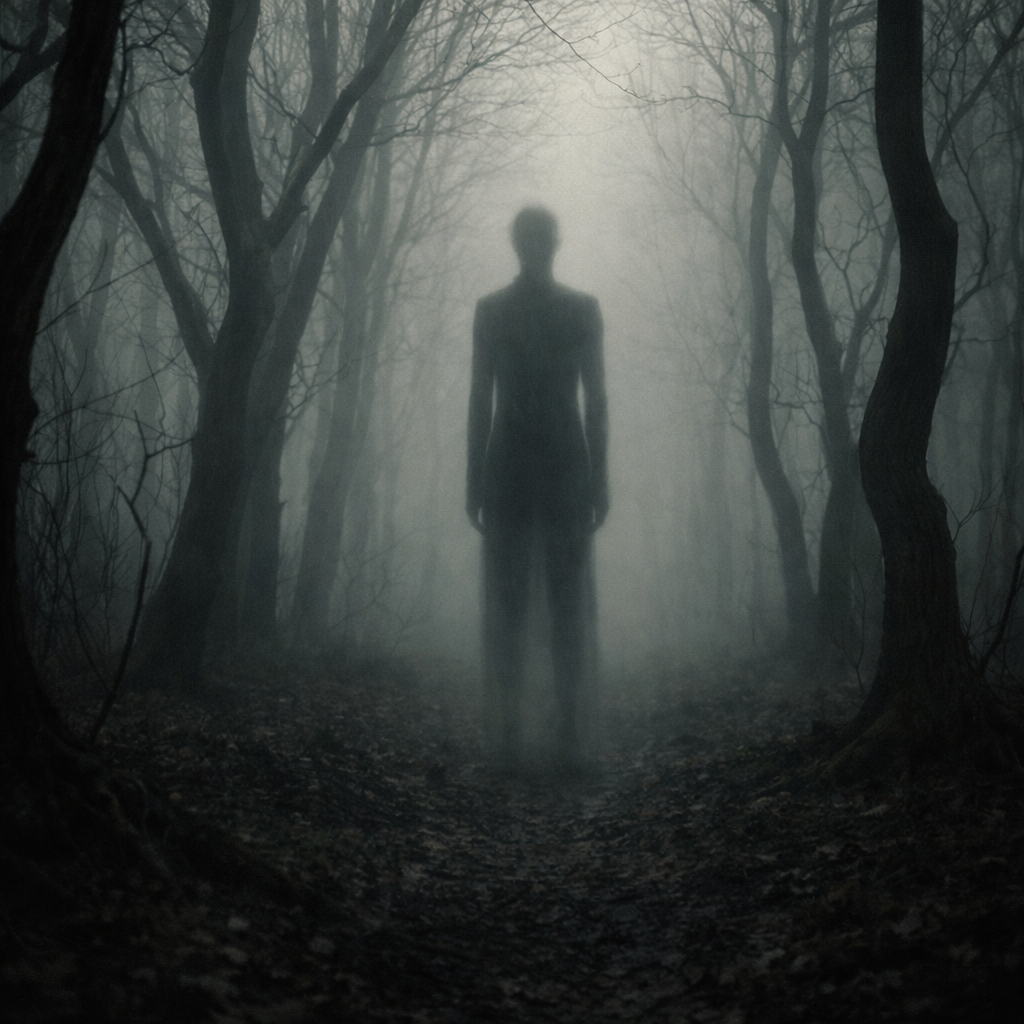
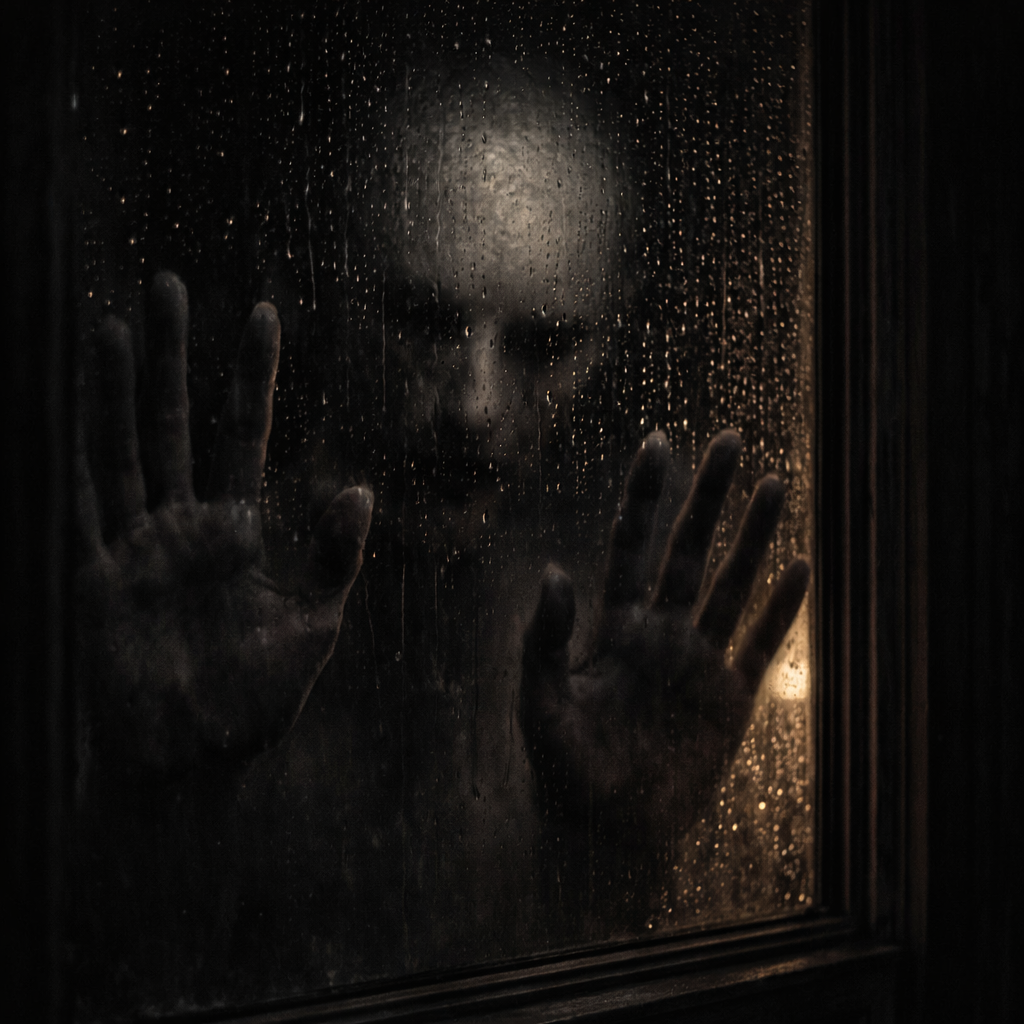
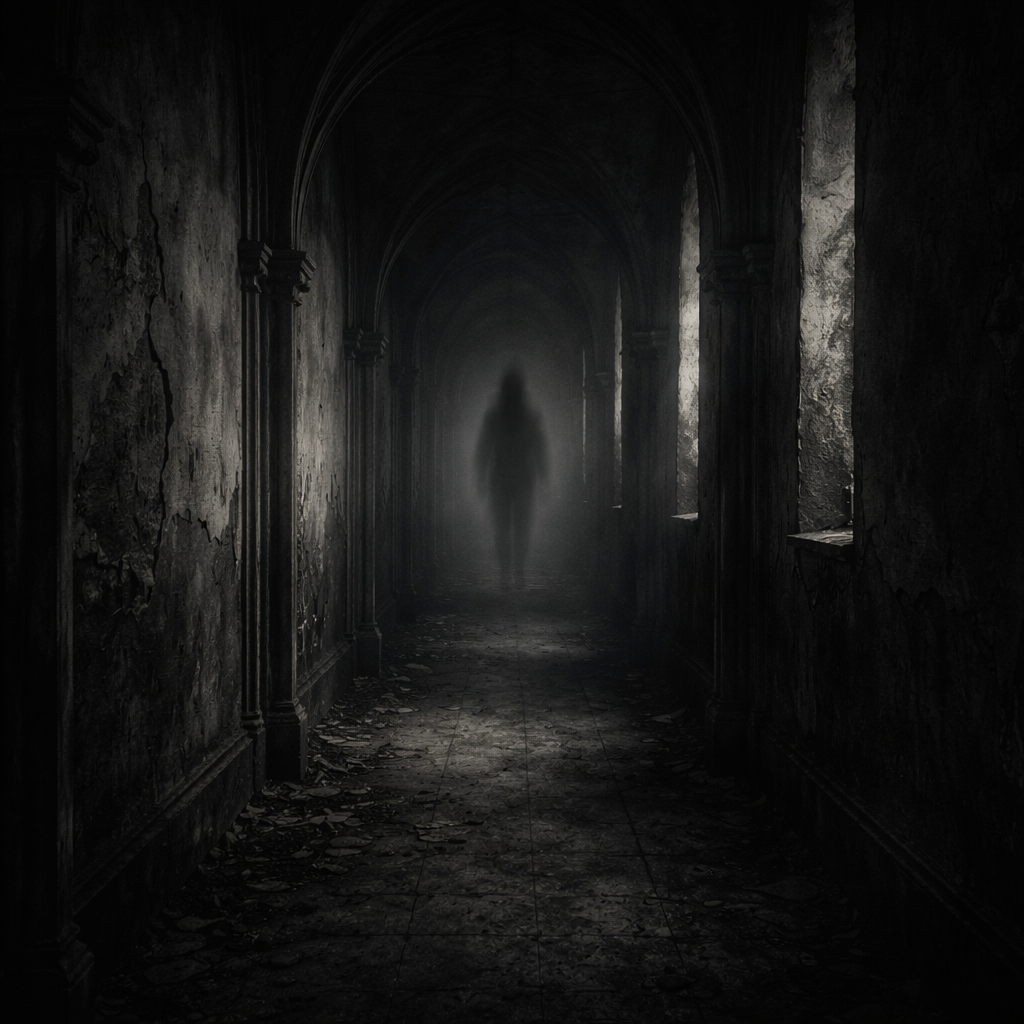
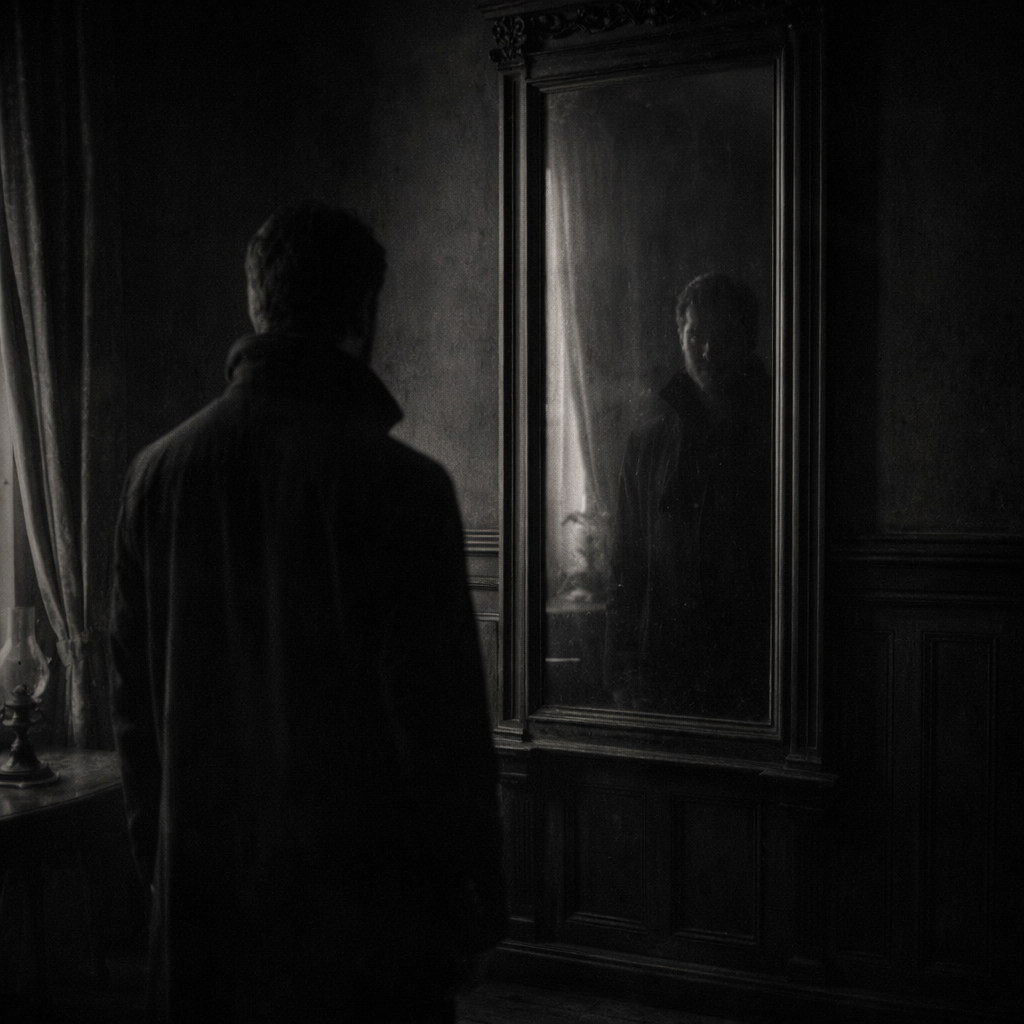
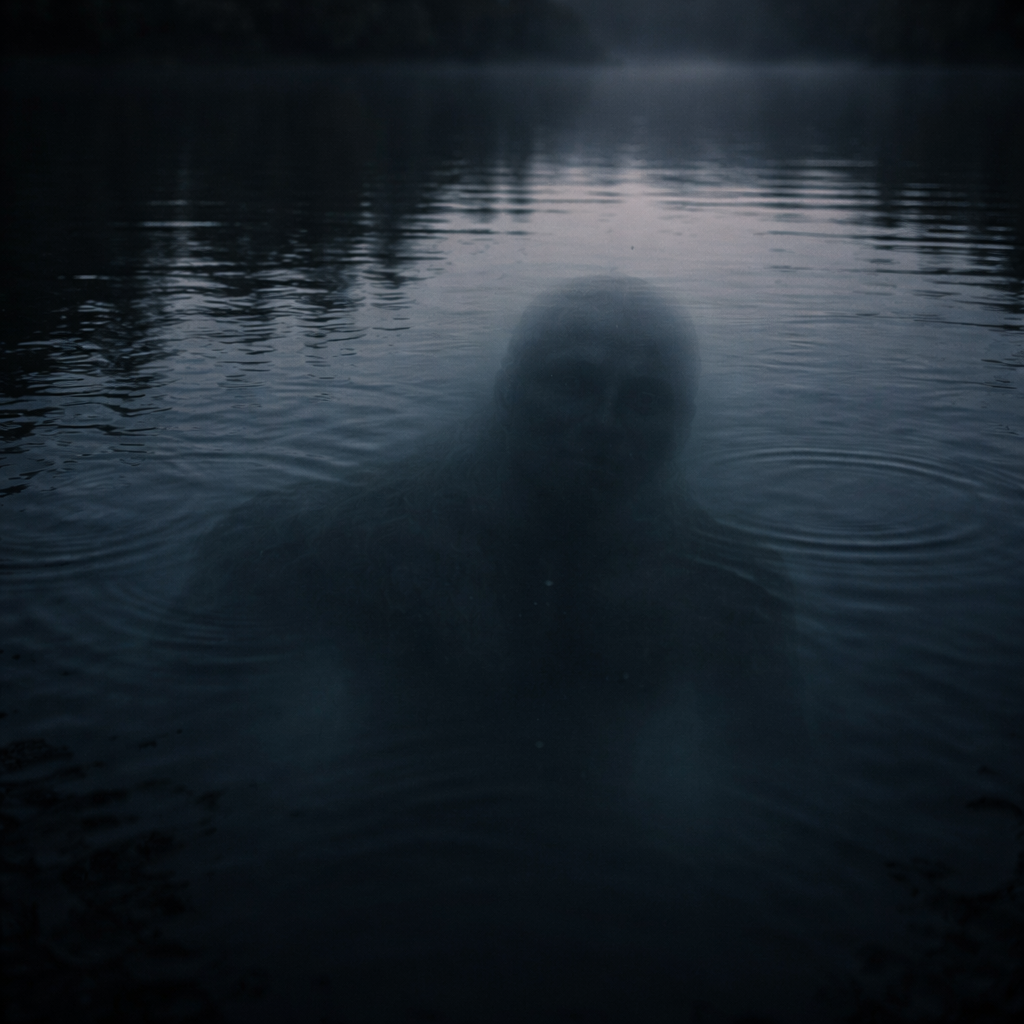
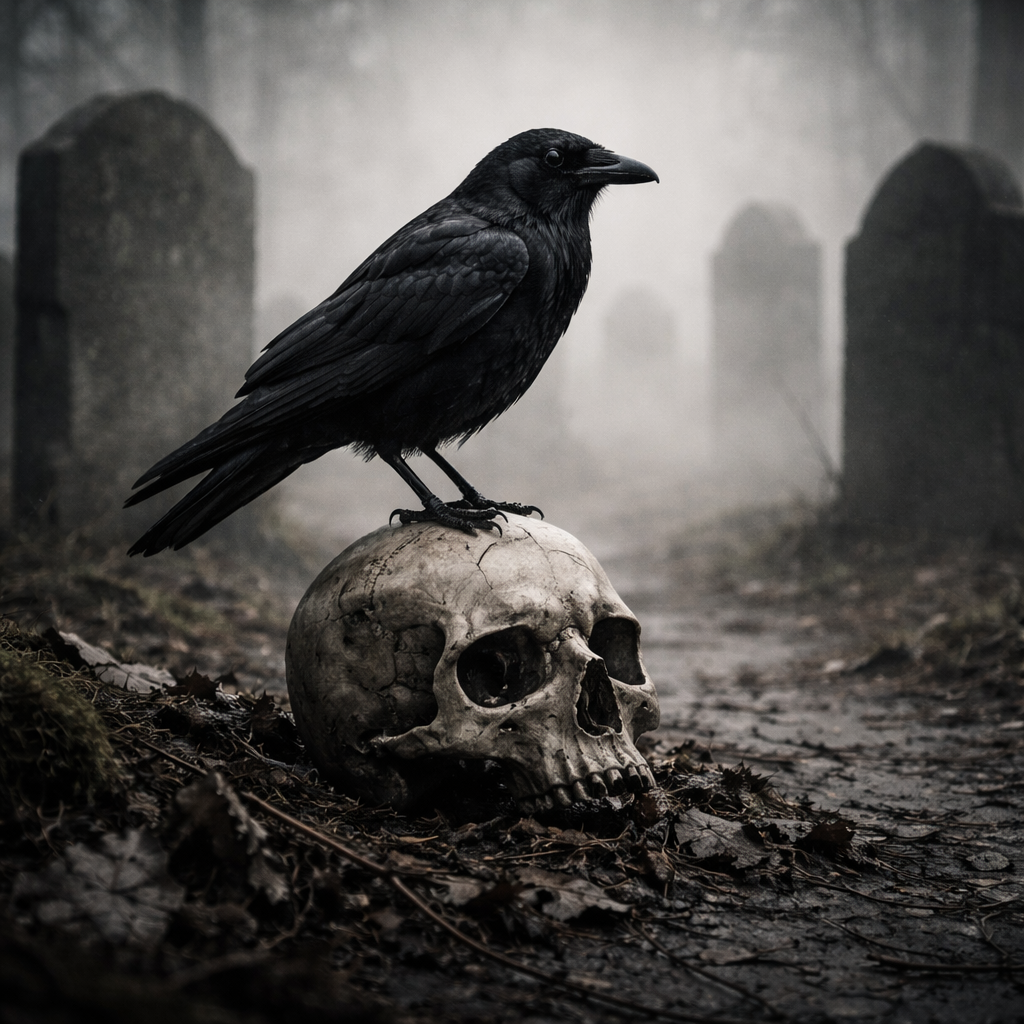
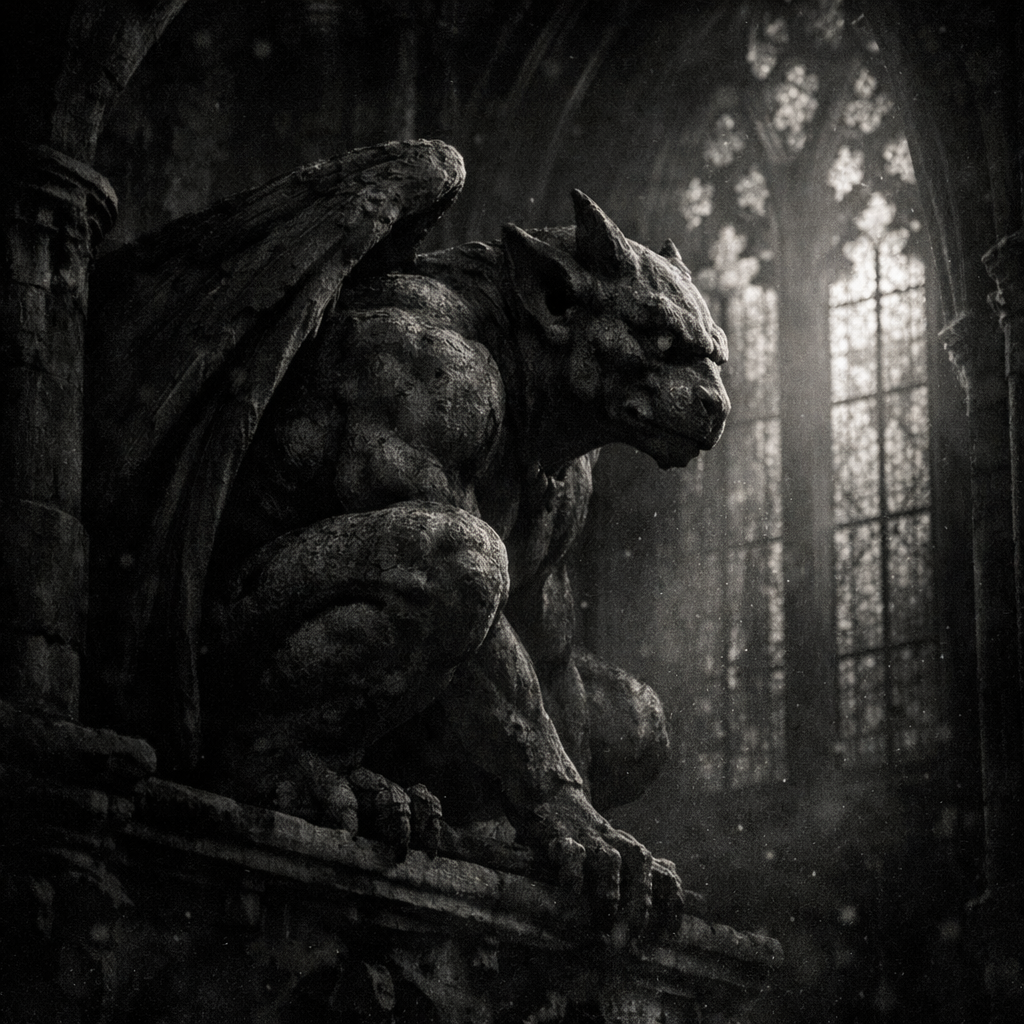
Visual prompts are especially powerful for Gothic creature storytelling, where atmosphere, texture, and implication carry more weight than explanation. Inspired by Gothic literature, supernatural folklore, and psychological horror, these images are designed to suggest presence rather than define it — allowing the creature to be felt even when it is not fully seen.
Each image reflects elements of Gothic aesthetics: shadowed interiors, decaying architecture, obscured figures, and environments shaped by memory and unease. Rather than illustrating a single narrative, the visuals invite interpretation — encouraging writers to consider what exists just beyond the frame, what has already happened, and what might emerge next.
Go Deeper into Gothic Creature Writing
To develop Gothic creature stories beyond surface-level horror, focus on atmosphere, implication, and emotional tension rather than spectacle. In Gothic writing, the creature is rarely just a threat — it is often a reflection of memory, grief, or something unresolved. The most effective stories leave space for ambiguity, allowing the unnatural to feel both external and deeply personal.
◆ Treat the creature as a symbol as well as a presence. Ask what it represents — grief, guilt, obsession, or something suppressed — and allow that meaning to shape its behaviour.
◆ Focus on what is not explained. Gothic tension often comes from absence: a missing detail, an unanswered question, or something glimpsed but never fully understood.
◆ Anchor the supernatural in the ordinary. A vampire in a crumbling manor is expected — a vampire in a quiet, modern home feels far more unsettling.
◆ Use setting as an extension of the creature. Let environments reflect its influence: walls that listen, mirrors that distort, landscapes that seem to remember.
◆ Prioritise slow revelation over sudden shock. Allow the truth about the creature to emerge gradually through small details rather than dramatic exposition.
◆ Explore moral ambiguity. The most compelling Gothic creatures are not purely evil — they may be bound, misunderstood, or acting according to rules that are not immediately clear.
◆ Write from the perspective of someone who is not fully reliable. Uncertainty about what is real can deepen tension and mirror the instability of the Gothic world.
◆ Let the ending remain unresolved or incomplete. Gothic stories rarely offer full closure — something should linger beyond the final line.
◆ Experiment with objects as evidence. Letters, photographs, fragments, and records can suggest the presence of a creature without ever showing it directly.
◆ Revisit the same scene from different perspectives — human, creature, or observer — and notice how meaning shifts depending on who is telling the story.
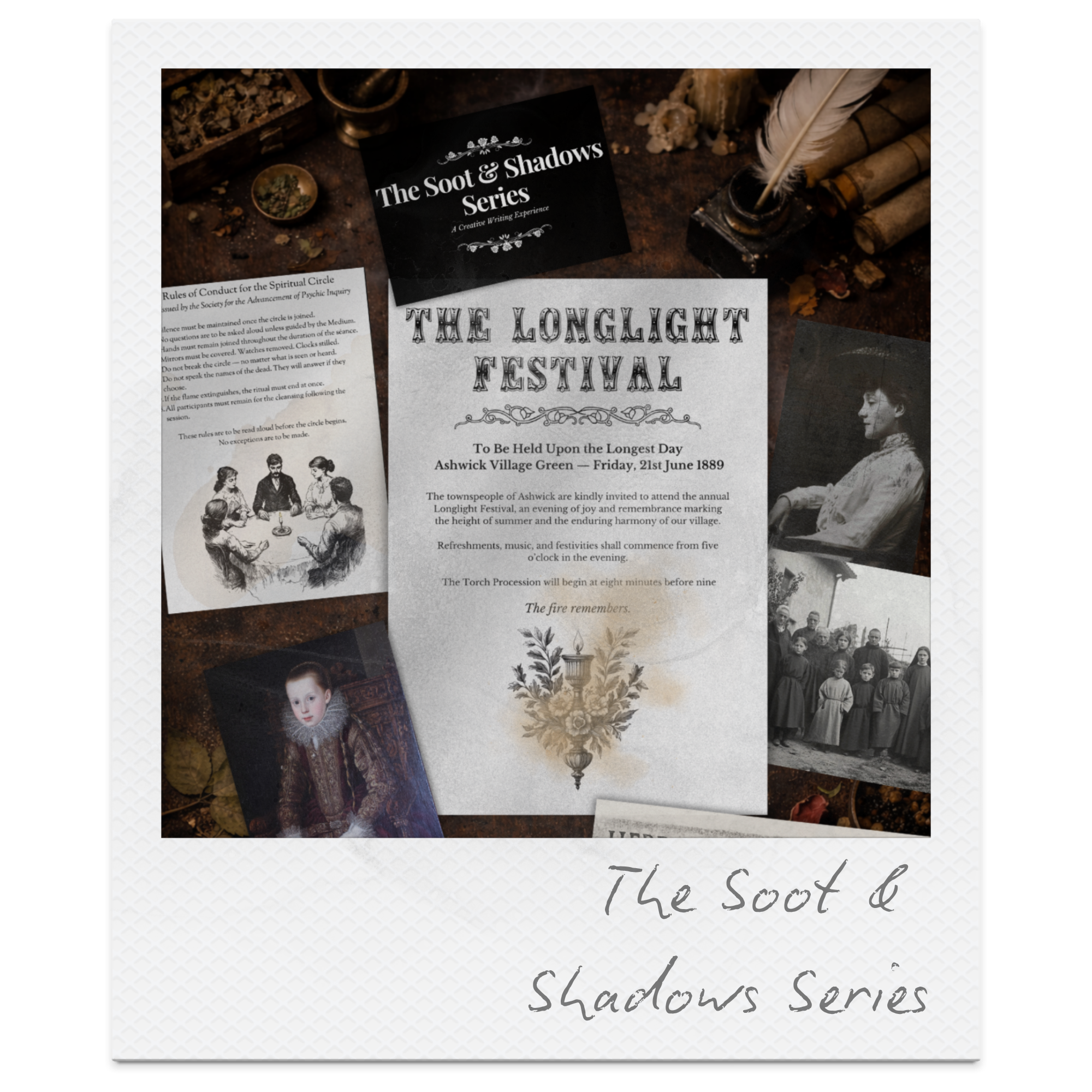
If you’re drawn to Gothic creatures, folklore, and stories shaped by fragments rather than answers, you might want to explore The Soot & Shadows Series. This trilogy of connected writing collections offers a different kind of creative starting point — not prompts, but evidence.
Across Victorian case files, rural folklore relics, and witch-trial archives, the series invites you to build your own narratives from what has been left behind. Each collection stands alone, yet echoes across the others, creating a wider Gothic world shaped by memory, mystery, and interpretation.
Rather than being told what happens, you are given pieces: reports, photographs, witness accounts, and objects that suggest stories without confirming them. It’s an approach that aligns closely with Gothic creature writing — where meaning is uncovered gradually, and the most unsettling truths are the ones that are never fully explained.
If you want to experiment with fragment-based storytelling, historical Gothic settings, and atmosphere-driven narrative, this collection offers a deeper way to explore the same themes introduced in these prompts.
Final Thoughts
Gothic creature stories endure because they give form to what is often difficult to name. Rooted in Gothic literature and supernatural folklore, these narratives explore the boundary between human and inhuman, memory and forgetting, control and surrender. The creature is rarely just something to fear — it is often something to understand, resist, or recognise.
These 70 Gothic Creature Writing Prompts are designed to support atmosphere-driven storytelling, where meaning is shaped through suggestion, symbolism, and emotional tension rather than explanation. Whether used for short creative exercises, classroom writing, or longer fiction projects, the prompts encourage a slower, more deliberate approach — one where the most unsettling elements are often the ones left unresolved.
If you’d like to continue exploring this genre, you can return to the Gothic Writing Hub or the Horror Writing Hub to find more writing prompts, themes, and text-inspired ideas connected to Gothic fiction and horror writing. You can also browse the Creative Writing Archive to discover a wider range of genres, styles, and prompt collections designed to support creative writing and classroom writing.
Wherever you choose to go next, the Gothic offers one constant: there is always more beneath the surface.
Choose Your Next Adventure