70 Creative Writing Prompts Inspired by The Secret Garden: Growth, Healing & Hidden Worlds
Some stories do not begin with action or conflict, but with absence — a space left behind, a silence that lingers, a place that feels forgotten. In The Secret Garden, transformation begins quietly, through small acts of attention, curiosity, and care.
Frances Hodgson Burnett’s novel endures because it captures the slow, often invisible process of healing and growth. Change does not arrive all at once; it unfolds through seasons, through relationships, and through moments of connection with the natural world. The garden itself becomes a powerful symbol of renewal, reflecting the emotional journeys of those who enter it.
This collection of 70 creative writing prompts inspired by The Secret Garden draws on the novel’s themes, imagery, and emotional atmosphere rather than its plot. These prompts invite writers to explore loneliness, friendship, transformation, nature, and emotional resilience, encouraging stories that prioritise mood, setting, and internal change.
Designed for classroom use, writing clubs, creative warm-ups, journaling, or longer projects, these prompts work across age groups and settings. They can be used as short starters or extended pieces, helping writers develop voice, atmosphere, and symbolic thinking.
If you’d like to explore more creative writing prompts inspired by literature, you can browse the full Creative Writing Archive, where ideas are organised by theme, genre, and aesthetic.
You can also explore the Literature-Inspired Creative Writing Prompts Collection to discover more prompts based on classic novels, poems, and short stories.
1. Plot Hooks
These plot hooks are inspired by the emotional core of The Secret Garden: isolation, discovery, and gradual transformation. Each prompt focuses on quiet change rather than dramatic action, inviting writers to explore how environments and relationships shape who we become.
Write about a child who discovers a locked place that no one else seems to remember.
Write about a character who is sent somewhere unfamiliar and begins to notice small, strange details others ignore.
Write about a hidden space that only becomes visible at certain times of day.
Write about a character who believes nothing can change — until something small proves them wrong.
Write about a neglected place that begins to respond when someone starts to care for it.
Write about a character who slowly realises that their emotions are affecting the world around them.
Write about a friendship that begins in silence and grows through shared routine rather than conversation.
Write about a place that seems to heal those who spend time within it.
Write about a character who is told not to ask questions — and immediately begins to search for answers.
Write about the moment a hidden door is opened for the first time in years.
2. Title Ideas
Titles inspired by The Secret Garden often evoke softness, secrecy, and transformation. They suggest something quiet but powerful, hinting at change without fully revealing it.
The Place No One Spoke Of
Where the Gate Was Hidden
The Garden That Remembered
What Grew Beneath the Silence
The Key I Was Not Meant to Find
The Season That Changed Everything
A Door Beneath the Ivy
The Shape of Something Healing
What the Earth Kept Safe
The Day the Garden Answered
3. Opening Lines
Opening lines inspired by The Secret Garden often begin with stillness or emotional distance, gradually revealing a shift in perspective or awareness.
I did not expect anything to grow there.
The house felt too large for the number of people inside it.
No one spoke about the place behind the wall.
At first, I thought the silence meant nothing was there.
I was told not to wander, which made wandering feel necessary.
The key appeared where no key should have been.
Nothing changed all at once — it began with noticing.
I had never cared for anything before, and I did not know how to start.
The garden did not welcome me, but it did not refuse me either.
Something in the air felt different, though I could not explain why.
4. Closing Lines
Closing lines inspired by The Secret Garden tend to suggest renewal, continuation, or quiet resolution rather than dramatic endings.
By spring, everything had changed — including me.
The door stayed open after that.
What had been hidden was no longer needed to be.
The garden grew, and so did we.
I understood then that nothing had ever truly been lost.
The silence no longer felt empty.
What I found there did not stay there — it came back with me.
The place no longer belonged to the past.
Something had begun, and it would not stop.
I finally knew how to take care of something — including myself.
5. Character Ideas
Characters inspired by The Secret Garden are often shaped by emotional isolation, curiosity, and gradual transformation. Their journeys are internal as much as external.
A character who has never been taught how to care for others — or themselves.
Someone who feels out of place everywhere until they find a single space that feels right.
A child who appears distant but is quietly observing everything around them.
A character who believes they are unchangeable until they begin to prove themselves wrong.
Someone who forms a deep connection with a place rather than with people.
A character who hides their vulnerability behind coldness or indifference.
Someone who begins to change simply by spending time in a particular environment.
A character who teaches others how to grow without realising it.
Someone who is physically confined but finds freedom through imagination or connection to nature.
A character who discovers that healing is something that must be chosen, not given.
6. Setting Ideas
Settings inspired by The Secret Garden are rich with symbolism, often reflecting emotional states through natural or enclosed spaces.
A walled garden that has been locked away for years, slowly being reclaimed by nature.
A large, quiet house filled with unused rooms and forgotten objects.
A hidden courtyard that changes subtly with each visit.
A landscape that seems dull at first but reveals unexpected beauty over time.
A place where seasons feel more intense and meaningful than usual.
A neglected outdoor space that begins to transform when someone tends to it.
A setting where light filters in differently depending on mood or perspective.
A forgotten path that only becomes visible when someone chooses to look for it.
A place that feels alive, responding to presence and attention.
A space where time feels slower, allowing change to happen gradually.
7. Picture Prompts
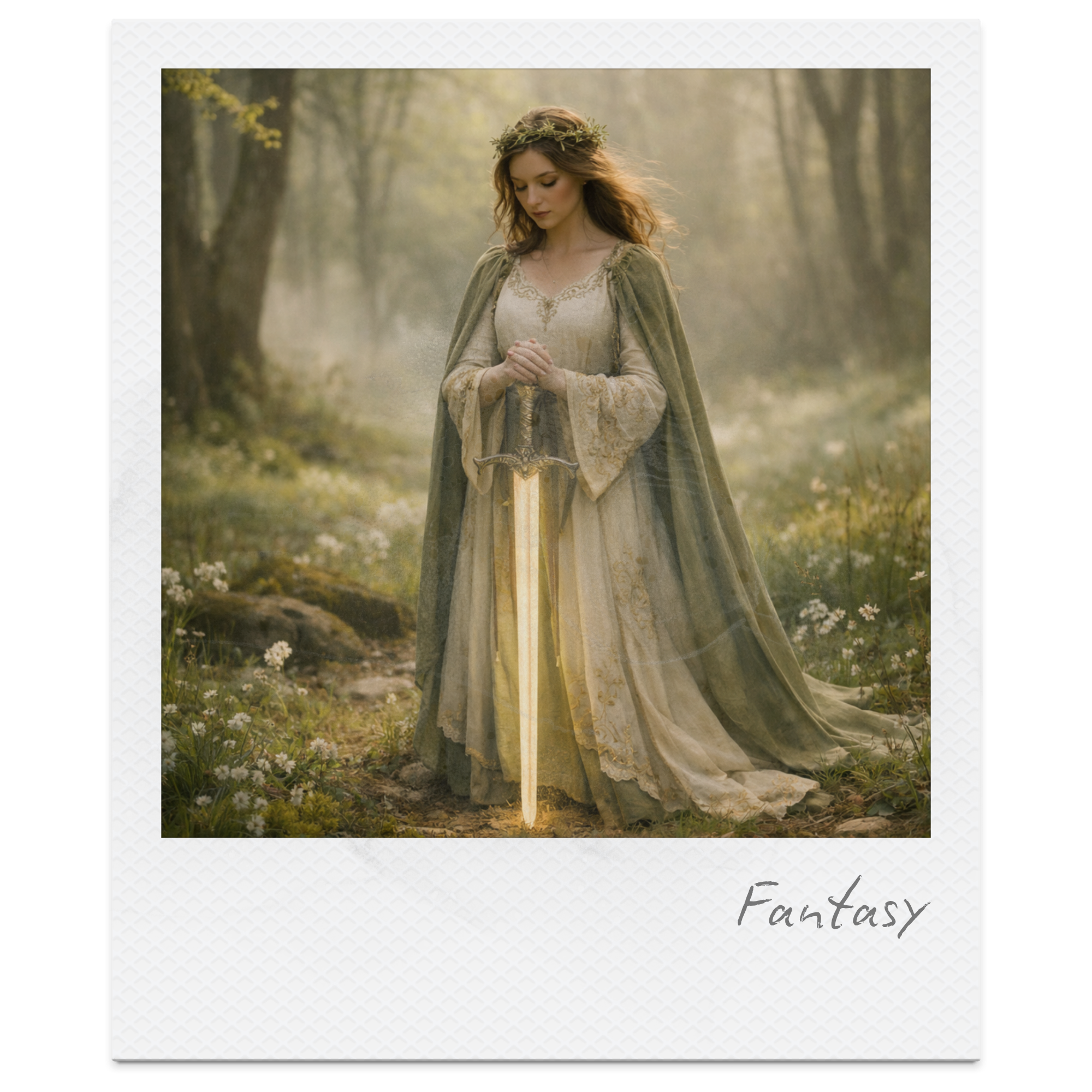
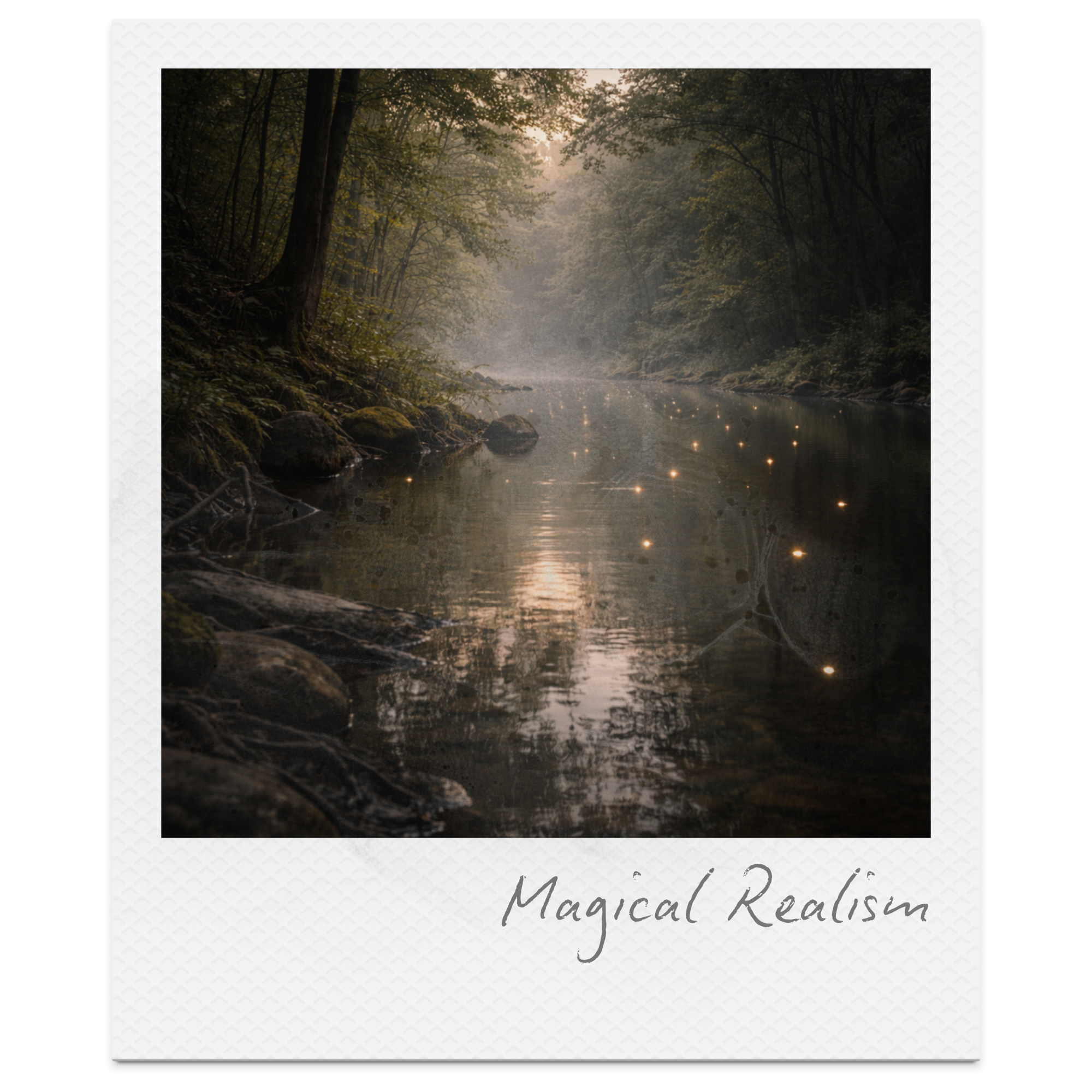
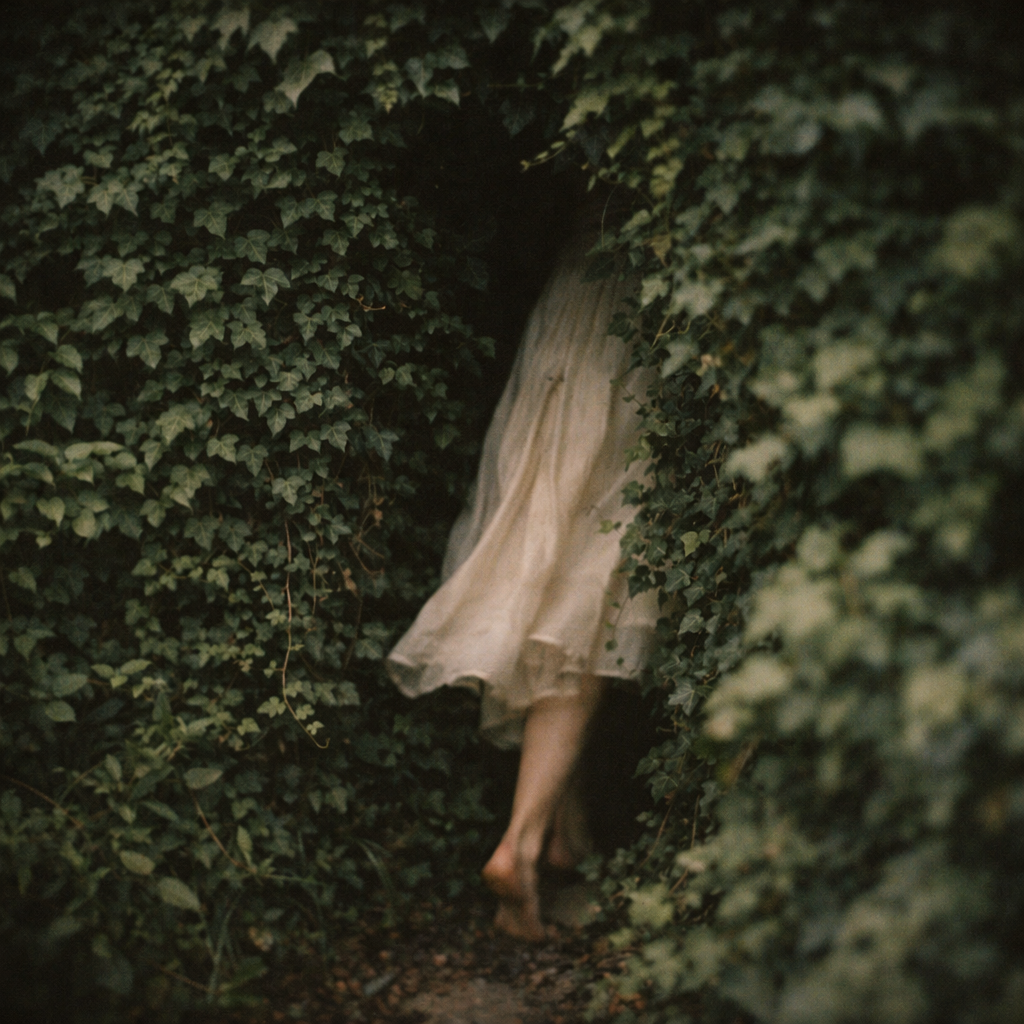
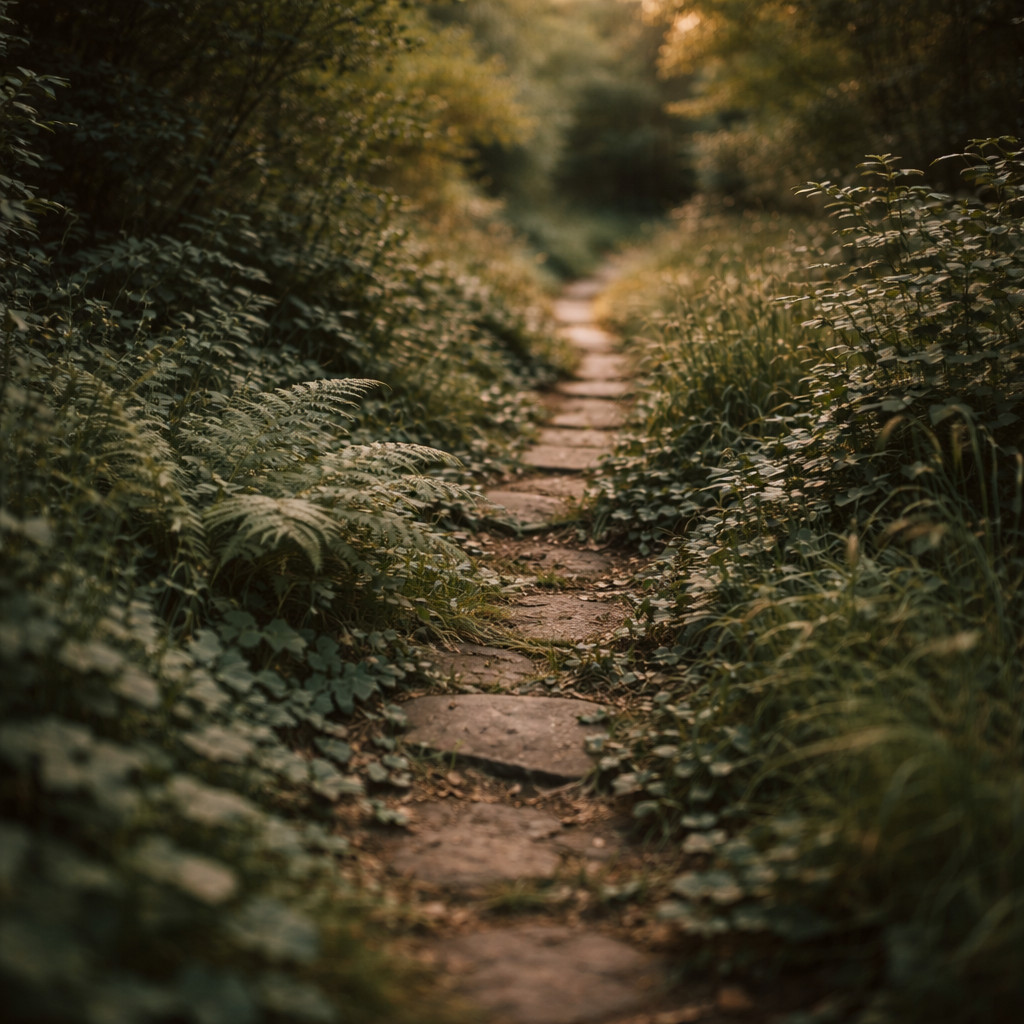
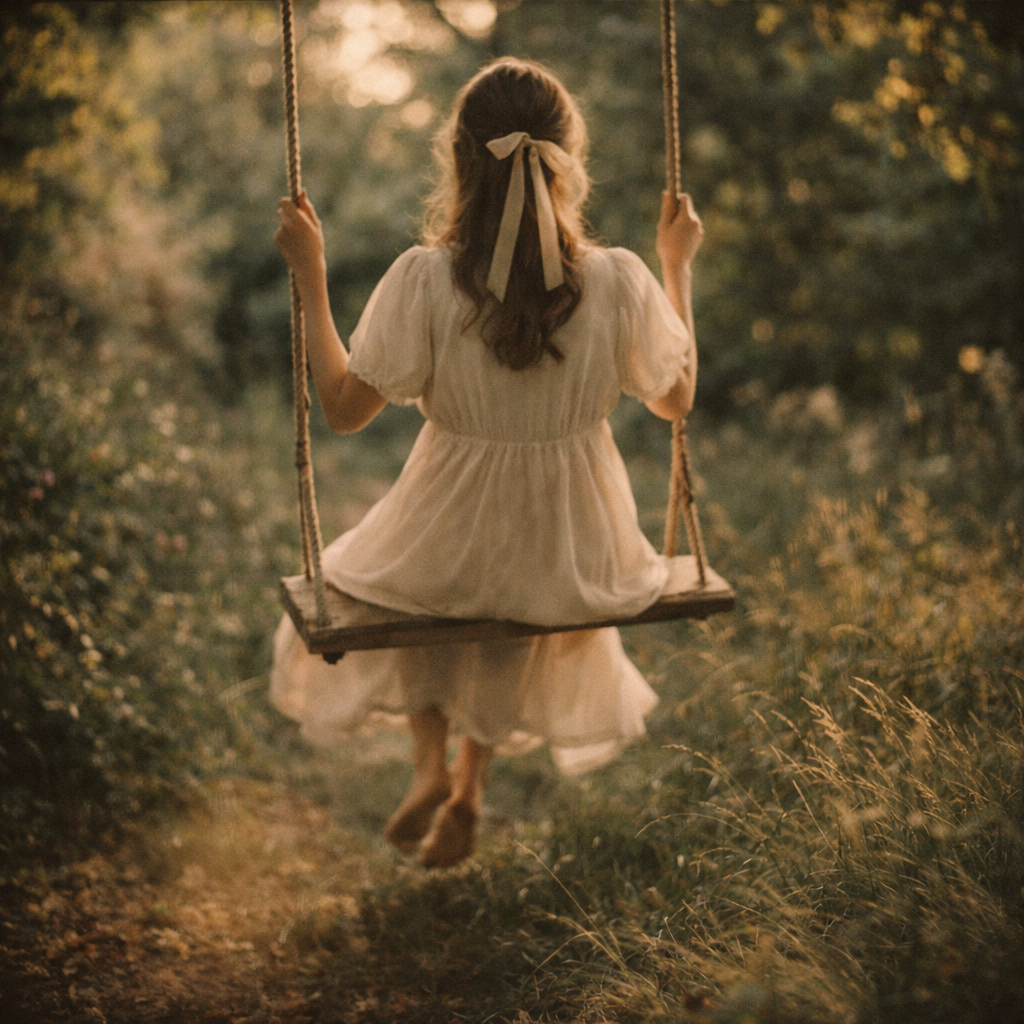
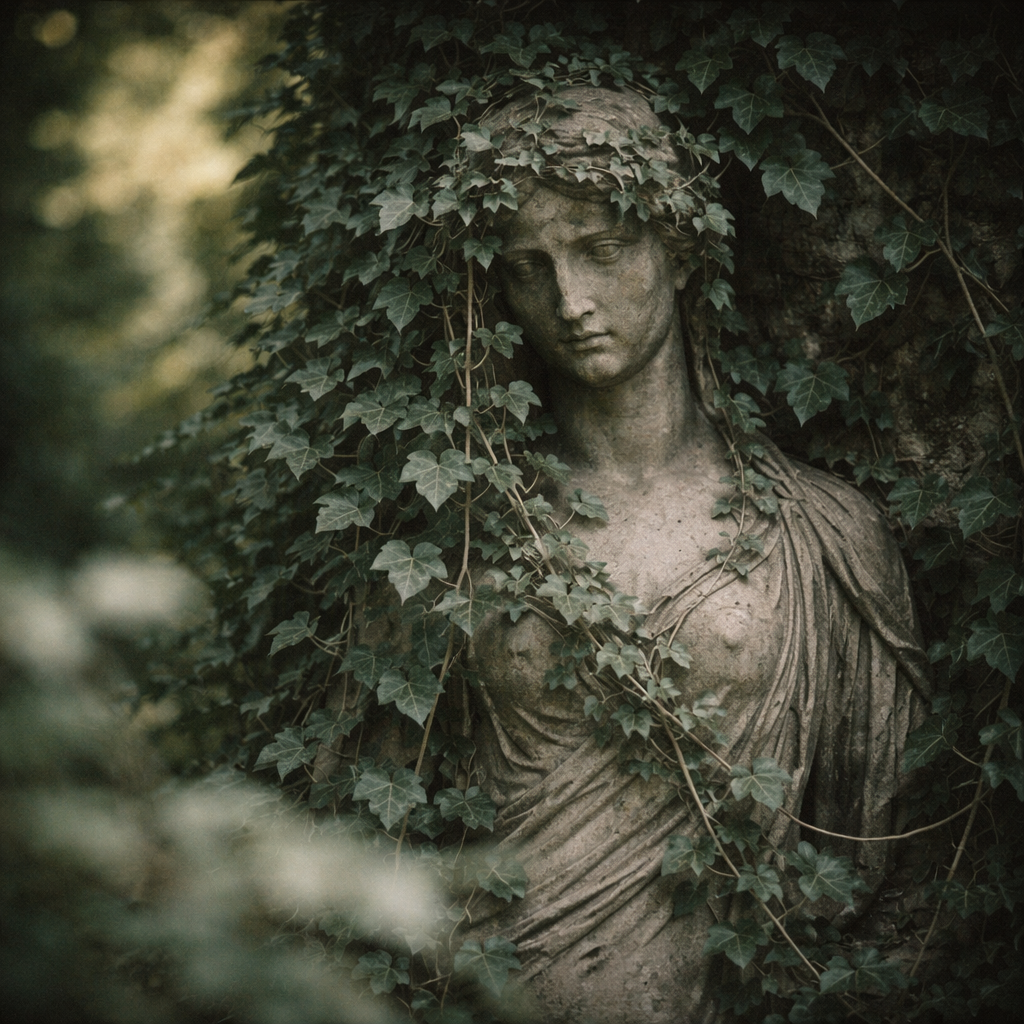
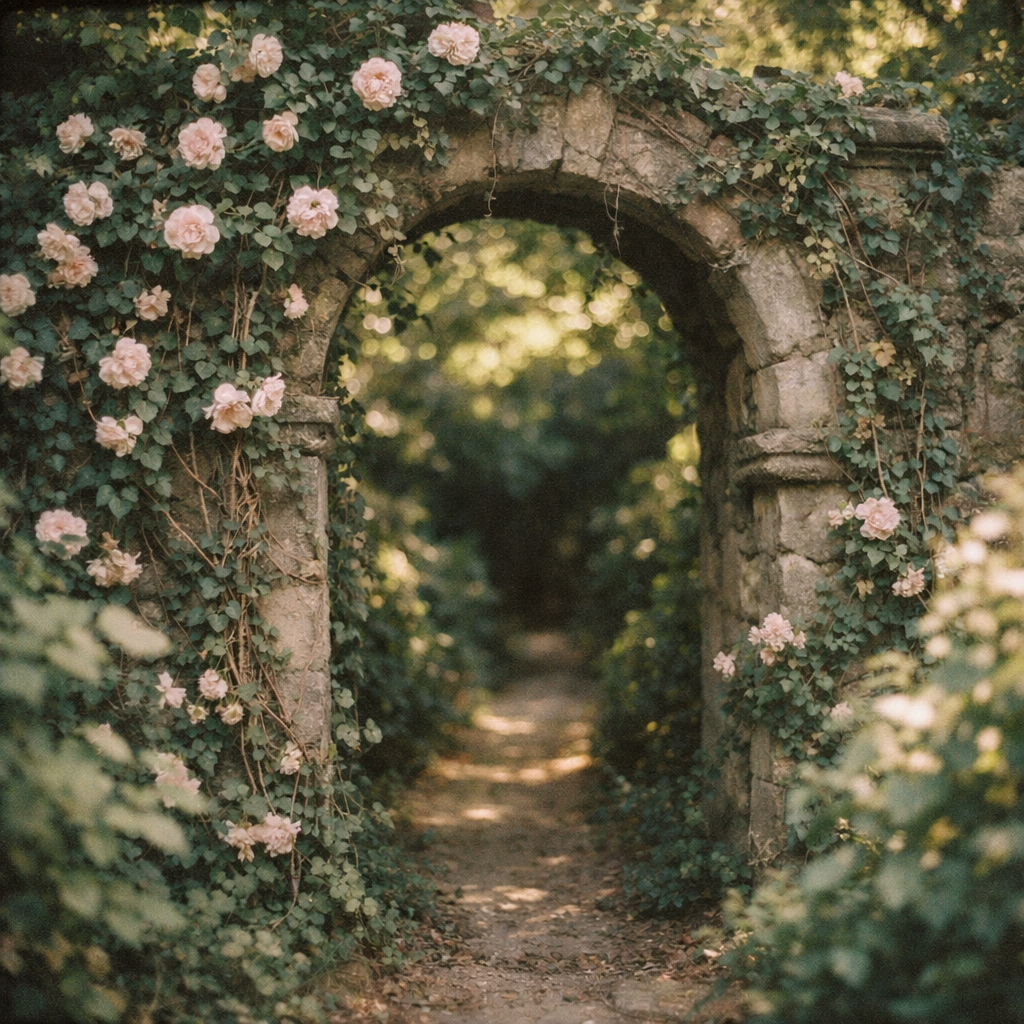
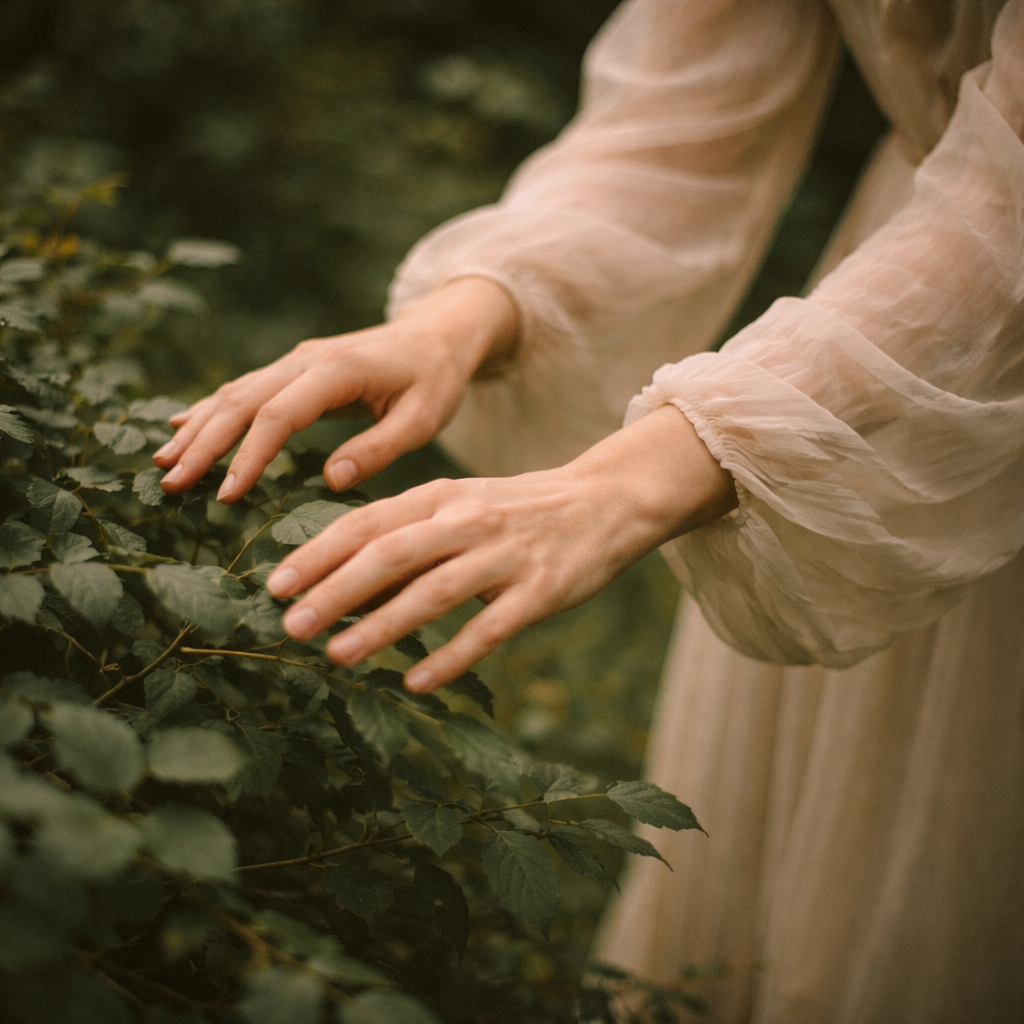
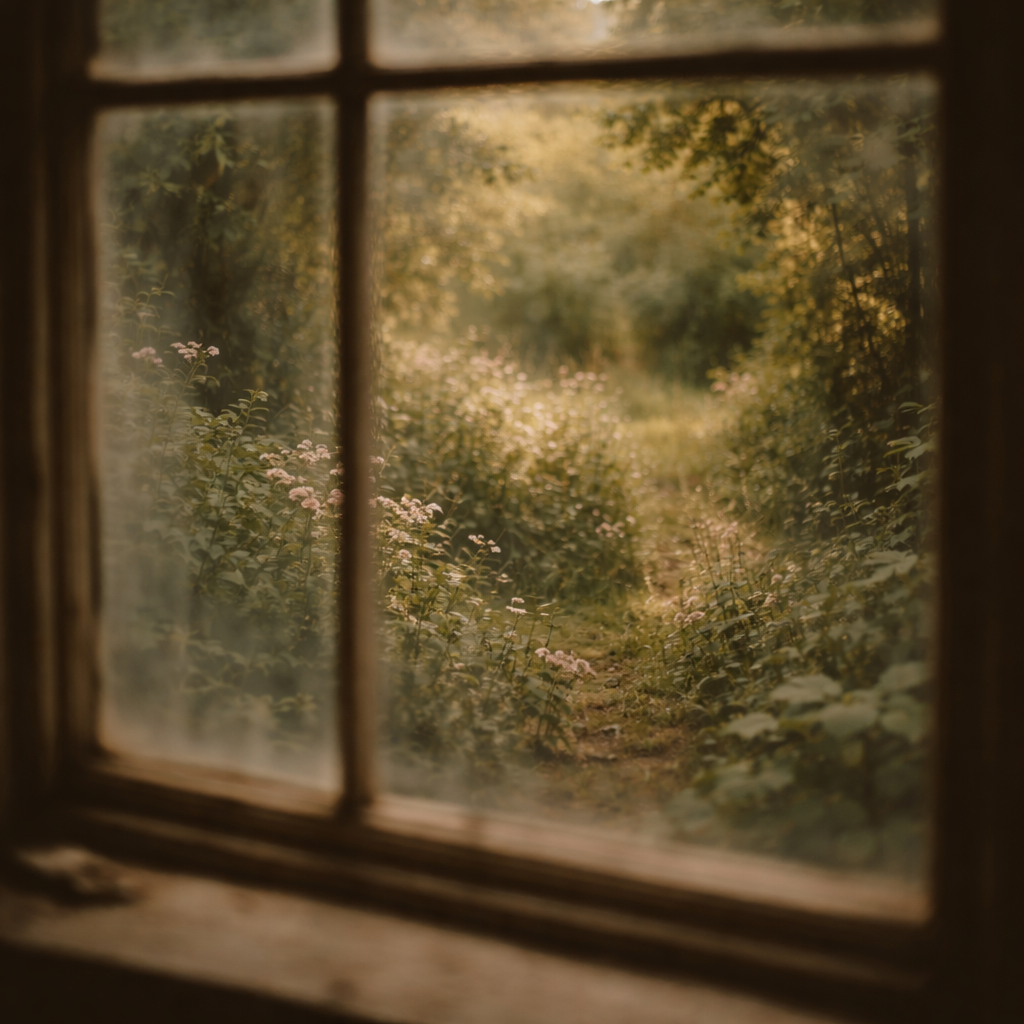
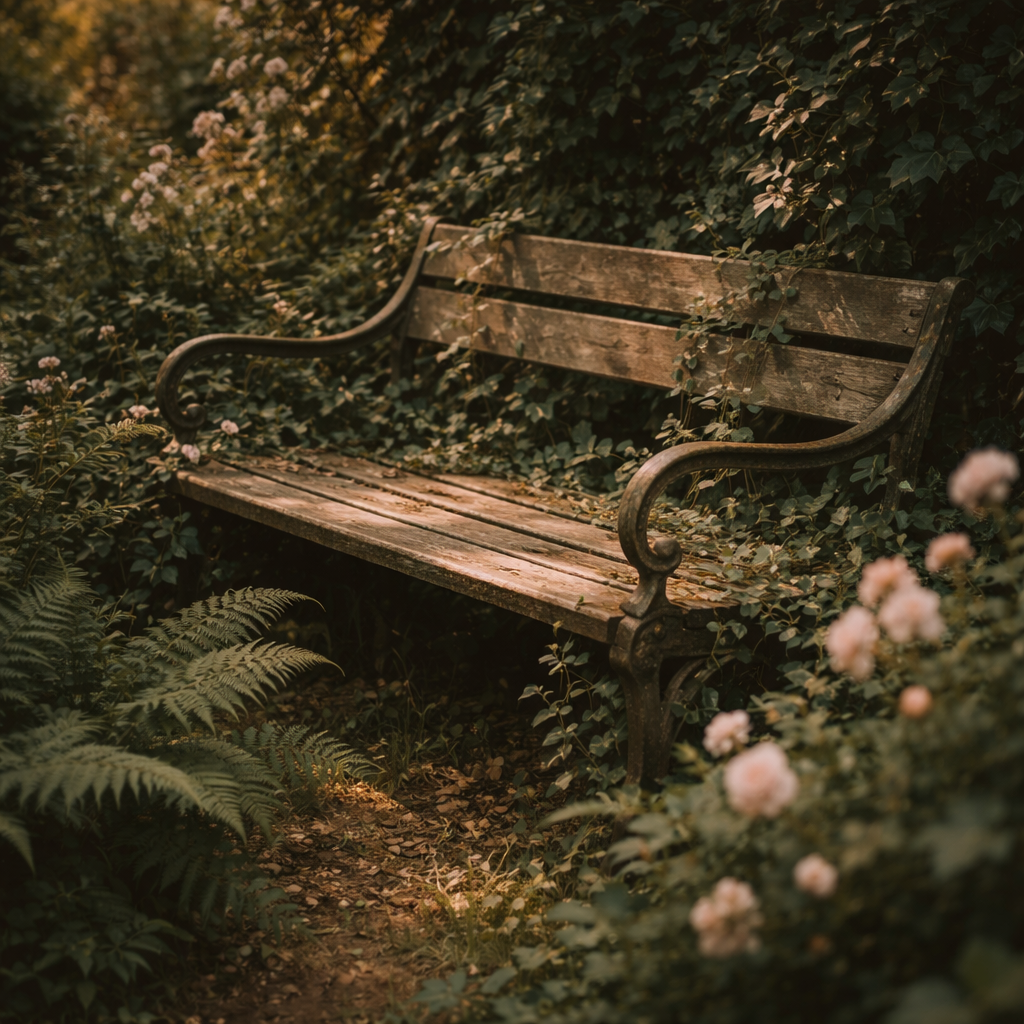
Visual prompts inspired by The Secret Garden focus on nature, enclosure, light, and quiet transformation. These images should feel soft, slightly mysterious, and full of possibility rather than dramatic or intense.
Effective images might include overgrown spaces, hidden gates, filtered sunlight, or solitary figures interacting with nature. The emphasis should be on atmosphere and subtle change rather than action.


Final Thoughts
Creative writing inspired by The Secret Garden invites writers to explore the power of growth, healing, and quiet transformation. By focusing on atmosphere, setting, and internal change, these prompts encourage stories that unfold gradually — where meaning is discovered rather than declared.
Whether used as short writing starters, reflective exercises, or longer narrative projects, these prompts help build confidence with symbolism, mood, and character development. They also offer a way to connect literature with personal experience, showing how stories can reflect emotional journeys as much as external events.
If you’d like to explore more creative writing prompts by genre, theme, or aesthetic, you can browse the full Creative Writing Archive, where literary inspiration meets original storytelling.
You can also explore the Literature-Inspired Creative Writing Prompts Collection to discover more prompts based on classic novels, poems, and short stories — helping you continue building stories rooted in both imagination and literature.
Choose Your Next Adventure