70 Dreamlike Writing Prompts for Teens: Surreal Story Starters, Characters, Settings & Visual Ideas
Some stories don’t begin with a clear setting, conflict, or explanation. They begin with a feeling — the sense that you’ve stepped somewhere slightly unreal, as if you’ve fallen into a dreamcore Pinterest board where logic softens, colours glow too brightly, and meaning matters more than realism.
Dreamlike writing prompts invite teen writers to explore surreal, atmospheric storytelling rooted in emotion, memory, and mood rather than strict plot rules. These stories often blur the boundary between waking life and imagination, drawing inspiration from surreal imagery, liminal spaces, soft fantasy, and half-remembered places that feel both familiar and impossible. For young writers, this aesthetic offers freedom: stories can drift, loop, or fracture without losing emotional clarity.
This collection of 70 dreamlike writing prompts for teens is designed as a complete creative toolkit, combining story starters, plot hooks, character ideas, setting prompts, opening and closing lines, and cinematic visual prompts inspired by pastel dreamscapes, iridescent light, and surreal environments. The prompts work equally well for creative writing warm-ups, English lessons, writing clubs, journaling, or longer YA projects that prioritise atmosphere and emotional depth.
If you’d like to explore more creative writing prompts by genre, writing tropes, seasonal collections, or aesthetic-driven ideas, you can browse the full Creative Writing Archive and discover new ways to shape your next story.
1. Plot Hooks
Dreamlike plot hooks focus less on clear cause and effect and more on mood, memory, and emotional dislocation. These stories often begin in ordinary moments that quietly slip into the unreal, allowing teen writers to explore identity, longing, loss, and wonder through surreal or liminal experiences. Each hook below is designed to offer immediate atmosphere while leaving space for interpretation.
Write about a character who discovers that every time they fall asleep on public transport, they wake up somewhere slightly different from where they meant to go — places that feel familiar, but don’t exist on any map.
Write about a town where the sky changes colour depending on what the people below are afraid of, and a protagonist who realises their fear is beginning to reshape the horizon.
Write about a bedroom that grows larger every night, filling with objects from the character’s past that they don’t remember owning, but somehow recognise.
Write about a person who starts receiving postcards from places they’ve never visited, each one describing a moment they’re about to experience the following day.
Write about a school where the corridors rearrange themselves after hours, revealing rooms that only appear when someone is on the verge of an important realisation.
Write about a mirror that doesn’t show reflections, but instead shows versions of the viewer making different choices — some kinder, some darker, some braver.
Write about a seaside town where the tide washes in fragments of other people’s dreams, leaving behind objects that don’t belong to anyone living there.
Write about a character who realises that every time they forget something important, it physically appears somewhere in the world — on a park bench, inside a book, or at the bottom of a pool.
Write about a lift that only stops on floors that no longer exist, each one holding a moment the protagonist has been trying not to think about.
Write about a party that seems to go on forever, where the music never changes and no one remembers how they arrived — except the protagonist, who begins to notice people quietly disappearing between songs.
2. Title Ideas
Dreamlike story titles often feel incomplete on purpose. They suggest memory, sensation, or quiet unease rather than clear events, allowing readers to step into a world where meaning unfolds slowly. These titles work well for short stories, YA fiction, visual writing prompts, or longer projects rooted in surreal or aesthetic storytelling.
Somewhere Between Waking and Waiting
The Colour of the Sky When I Forgot Your Name
Rooms That Only Appear at Night
A Place That Looked Like Home
Things the Water Tried to Return
The Hour the World Tilted
I Woke Up Somewhere Familiar
What the Mirror Wouldn’t Say
We Stayed Until the Light Changed
A Memory That Didn’t Belong to Me
3. Opening Lines
Strong dreamlike opening lines create immediate atmosphere and emotional pull, often introducing a subtle wrongness before the writer fully understands what it means. Rather than explaining the world, these openings invite curiosity through surreal imagery, liminal detail, and a sense of slipping sideways out of ordinary life. For teen writers, they model how to begin with mood, tension, and voice — letting the story’s meaning unfold gradually.
I woke up convinced I’d been living somewhere else, even though my room looked exactly the same.
The sky was the wrong colour when I stepped outside, but no one else seemed to notice.
I found the note in my pocket halfway through the day, written in my own handwriting, describing something that hadn’t happened yet.
The bus didn’t stop where it usually did, and I didn’t realise that mattered until I got off.
Every mirror in the house had been covered, except one I didn’t remember owning.
The music drifted in from somewhere nearby, repeating the same song I’d been trying to forget.
When I checked my phone, the photos were from moments I didn’t remember living.
The room felt bigger than it had the night before, as if it had been quietly expanding while I slept.
I recognised the place immediately, even though I knew I’d never been there before.
Something had changed overnight, and whatever it was, the light gave it away first.
4. Closing Lines
Dreamlike closing lines rarely explain everything. Instead, they leave the story slightly open, allowing meaning to linger through absence, memory, or quiet transformation. These endings work best when they suggest that something has shifted — internally or externally — even if the world appears unchanged. For teen writers, they model how to end surreal or atmospheric stories with restraint rather than resolution.
When I woke the next morning, the world looked the same, but I knew it wouldn’t stay that way.
The place was gone by daylight, yet I carried it with me like a half-remembered song.
Nothing ever returned to how it had been, though no one else seemed to notice.
I never went back, but sometimes I still wake up there.
The light faded, and with it, the certainty that any of this had been real.
By morning, the evidence had vanished, leaving only the feeling that something important had almost been said.
I stepped back into ordinary life, unsure which version of myself had stayed behind.
The dream loosened its grip, but it never fully let me go.
Whatever I lost that night, I understood it had been mine to lose.
I opened my eyes, already missing a place I couldn’t explain.
5. Character Ideas
Dreamlike characters often feel slightly out of place in their own lives. They may not fully understand the world they’re in, or they may sense that something has shifted without being able to explain why. Rather than relying on clear supernatural rules, these characters are shaped by memory, emotion, identity, and perception, making them ideal for surreal or aesthetic storytelling where inner change matters more than external action.
A character who remembers places vividly but struggles to remember people, slowly realising their memories rearrange themselves to protect them from loss.
A teenager who feels most real at night, when the world is quieter and colours seem softer, and who fears what will happen if morning comes too quickly.
A character who notices small details others miss — reflections, echoes, shifts in light — and begins to understand these details are messages meant only for them.
Someone who feels emotionally detached from their own life, as if they’re watching it from a distance, until a single moment pulls them sharply back into themselves.
A character who has recurring dreams of a place they’ve never visited, and starts to model their real-life choices around the version of themselves they are there.
A person who believes they are interchangeable with another version of themselves — one who made braver choices — and starts to feel the boundary thinning.
A teenager who collects forgotten objects and feels responsible for returning them, even when they don’t know who they belong to.
A character who struggles with change and becomes unsettled when familiar spaces begin to feel subtly wrong, as if responding to their emotions.
Someone who feels safest in liminal places — bus stops, stairwells, empty corridors — where nothing is expected of them.
A character who senses that their emotions physically alter the world around them, even though no one else seems to notice the shift.
6. Setting Ideas
Dreamlike settings often sit just outside everyday life. They feel familiar at first, but something about them refuses to behave as expected — light lingers too long, spaces stretch or contract, and time feels slightly misaligned. These locations are ideal for surreal storytelling, allowing teen writers to explore emotion, memory, and identity through place rather than plot.
A bus stop that appears in different locations depending on who is waiting, always arriving just before an important decision.
A school corridor that seems endless after hours, lined with lockers that hum softly and display memories instead of names.
A coastal town where the fog never fully lifts, blurring the boundary between sea and sky and making it easy to lose track of time.
A bedroom window that opens onto different landscapes each night, none of which exist during the day.
A shopping centre after closing time, where the lights stay on but the escalators lead to unfamiliar floors.
A quiet residential street where the houses subtly change colour and shape depending on who is walking past them.
A lake that reflects moments from the future rather than the present, revealing scenes that feel both inviting and unsettling.
A rooftop that seems higher than it should be, offering a view of a city that looks slightly rearranged from above.
A train platform that only appears during moments of emotional transition, disappearing once the choice is made.
An empty swimming pool filled with pale light instead of water, echoing with sounds that don’t belong to anyone nearby.
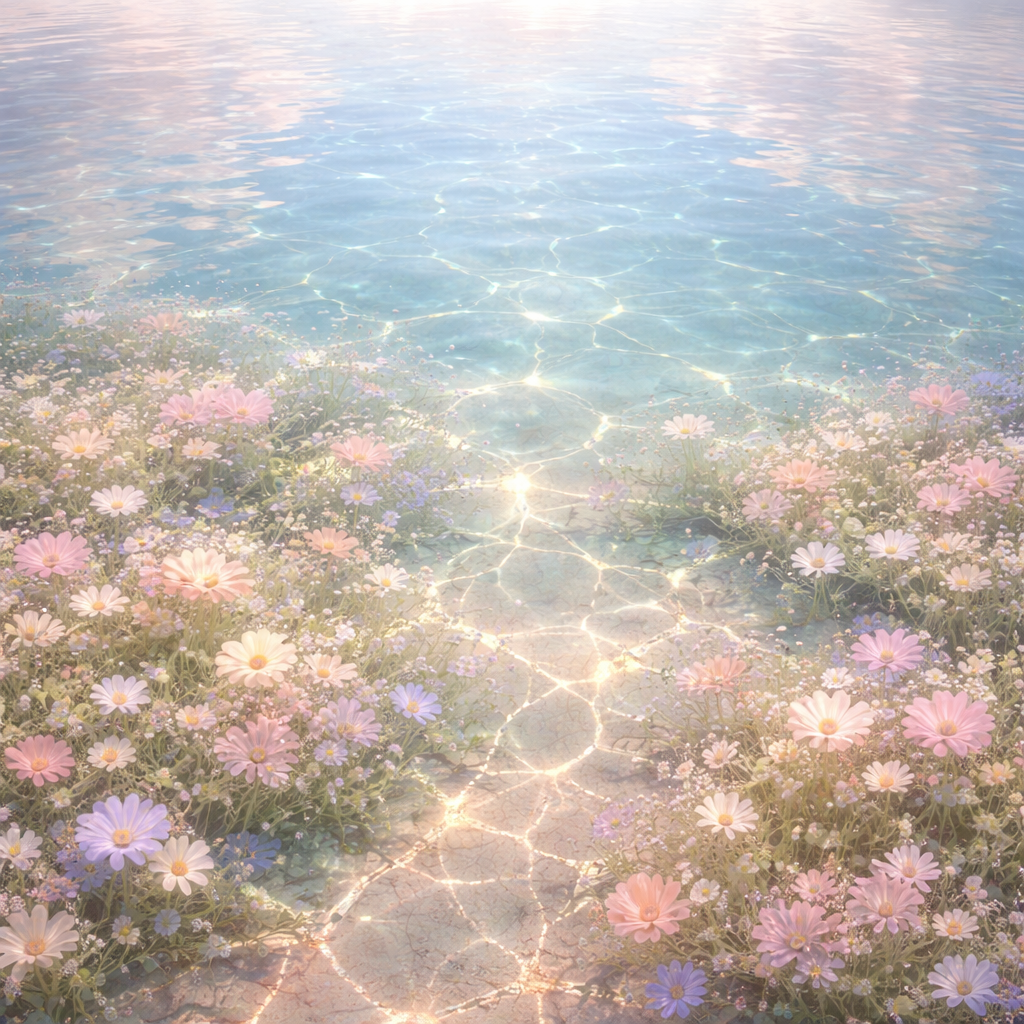
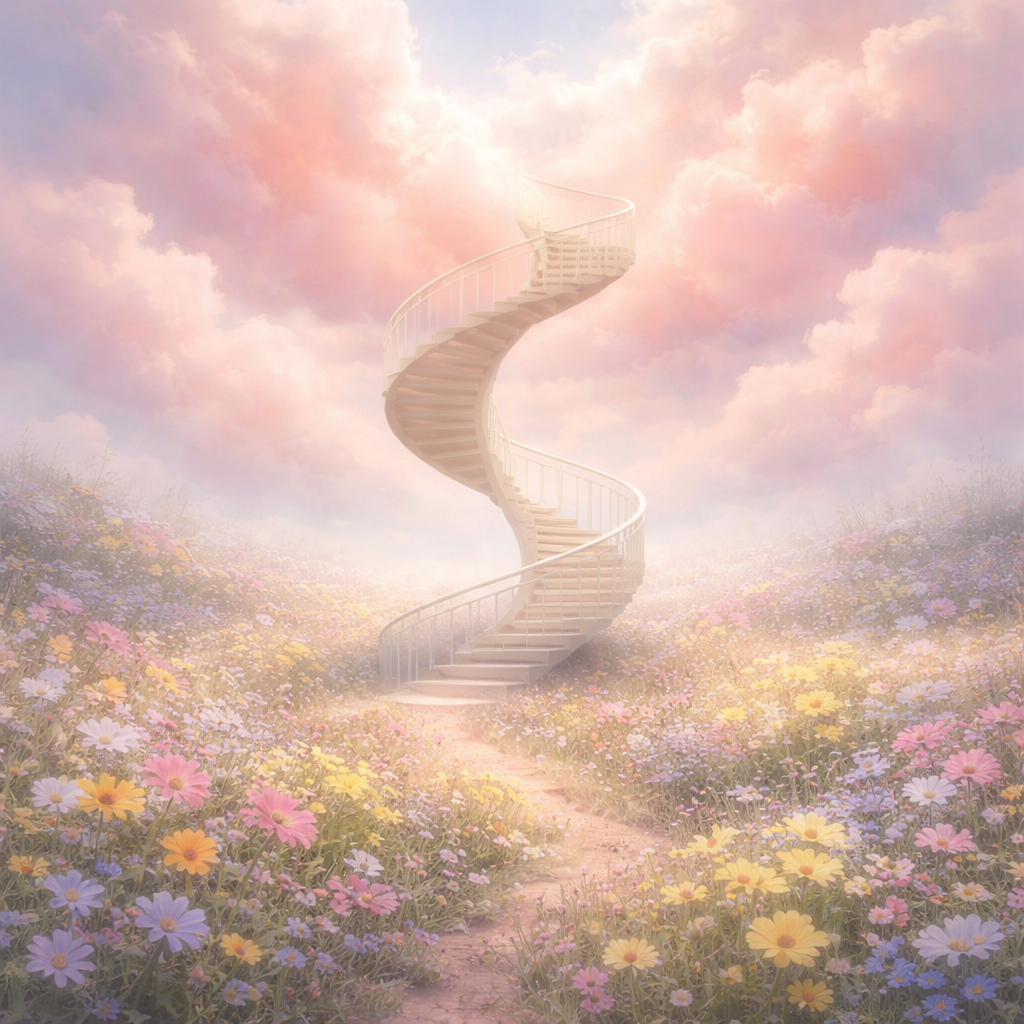
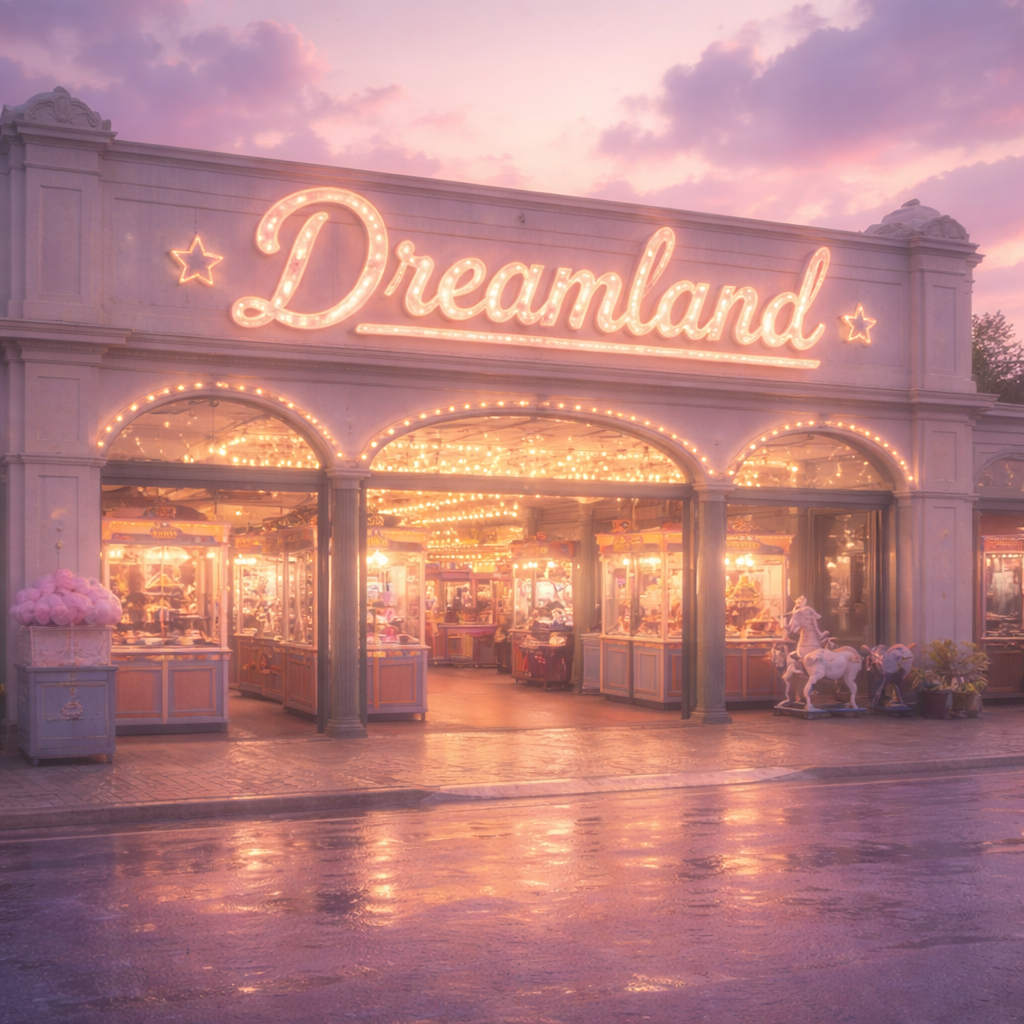
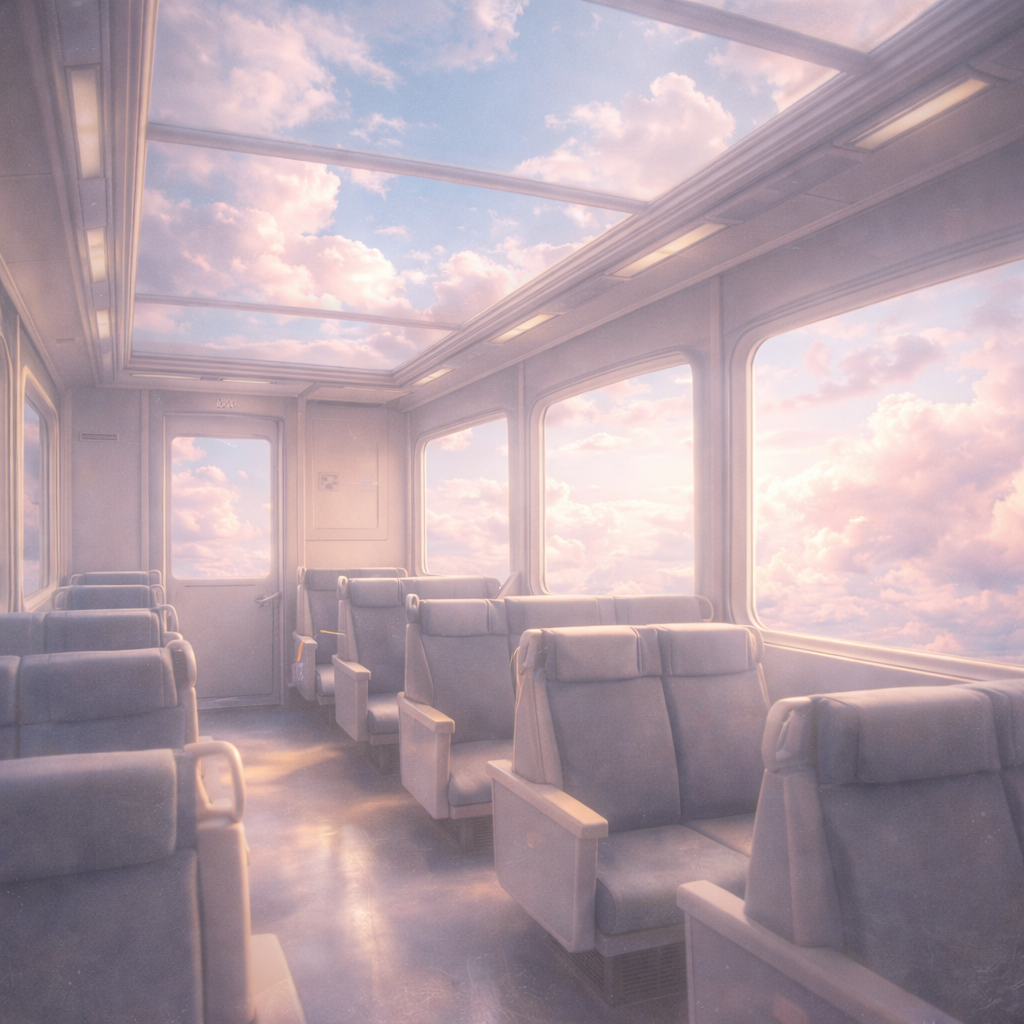
7. Picture Prompts
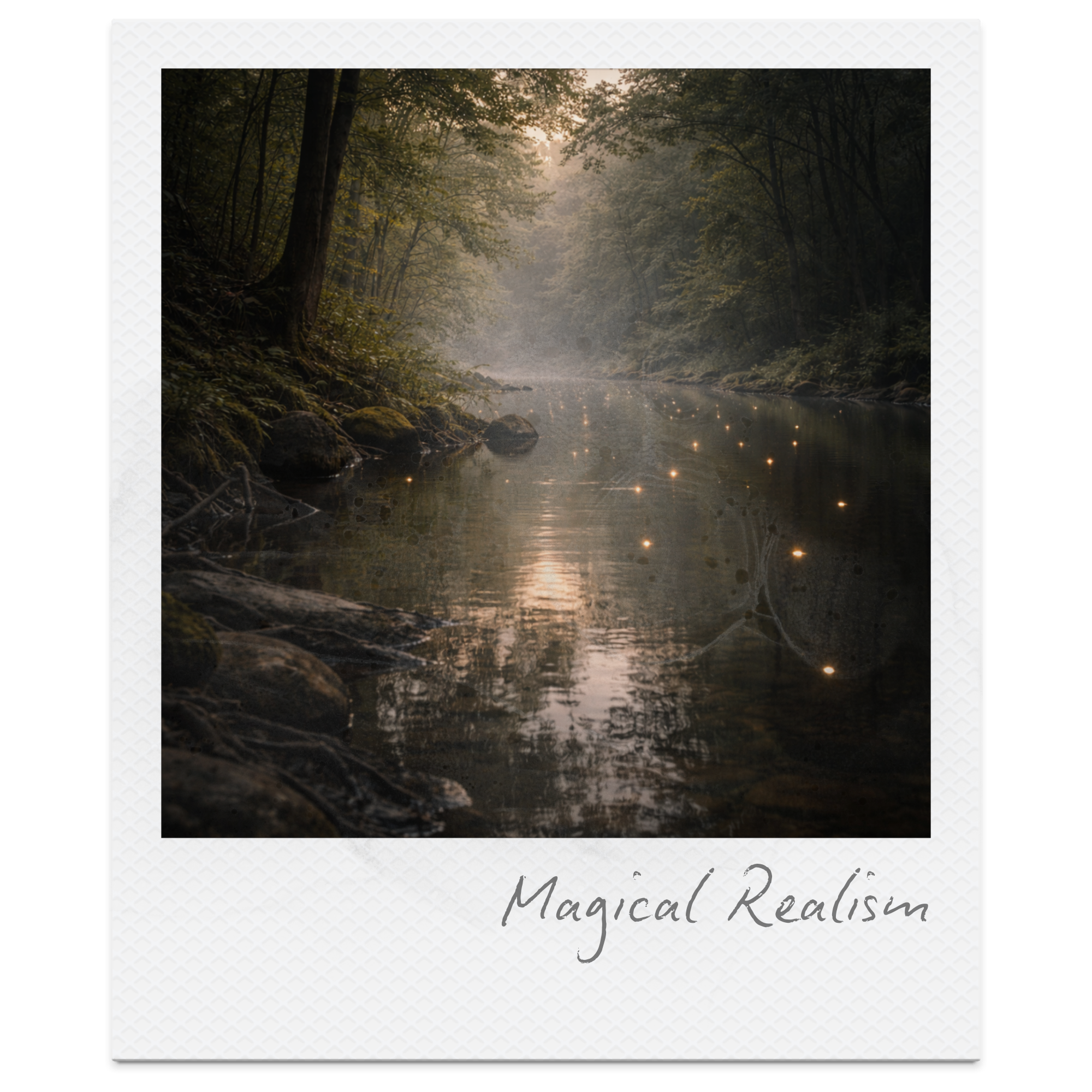
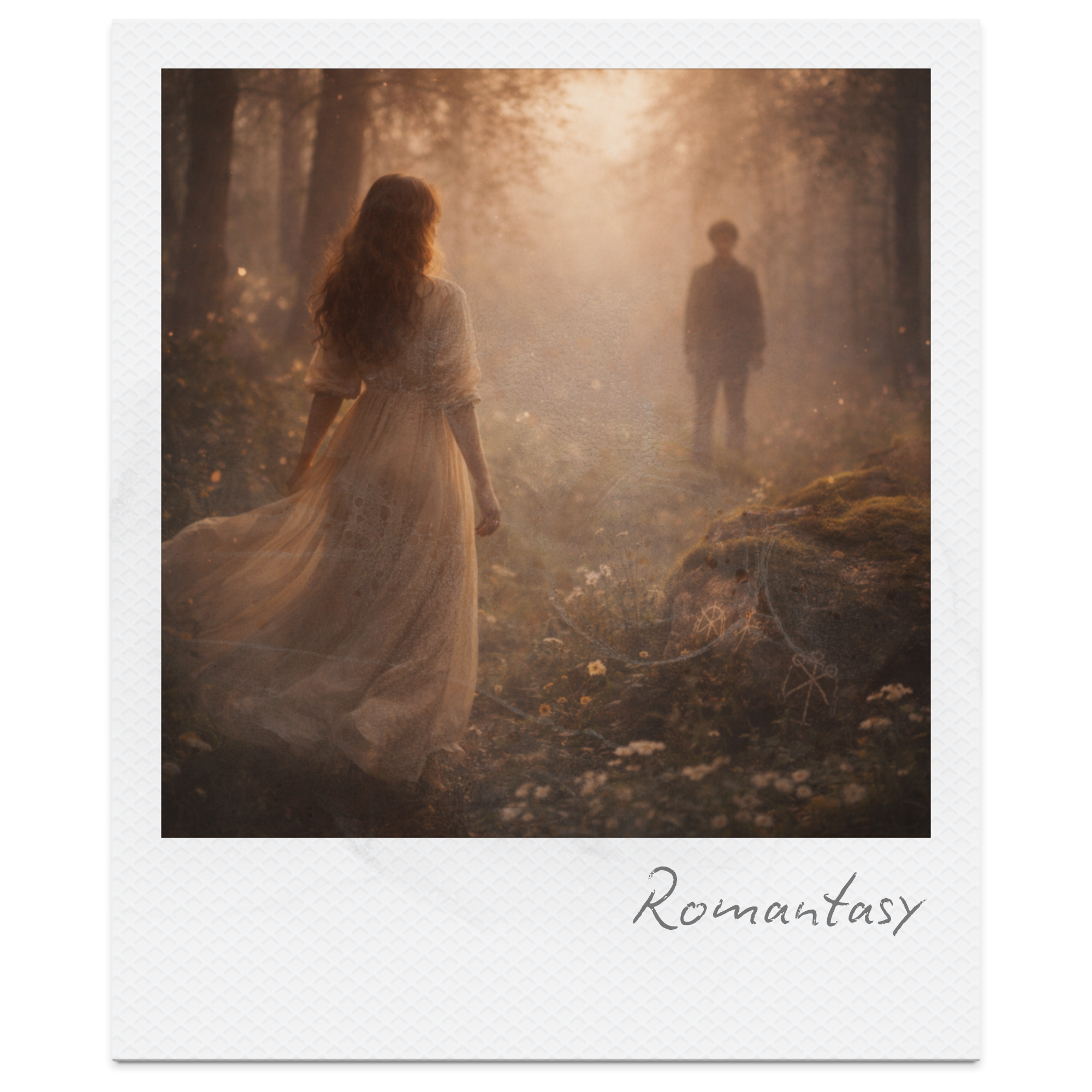
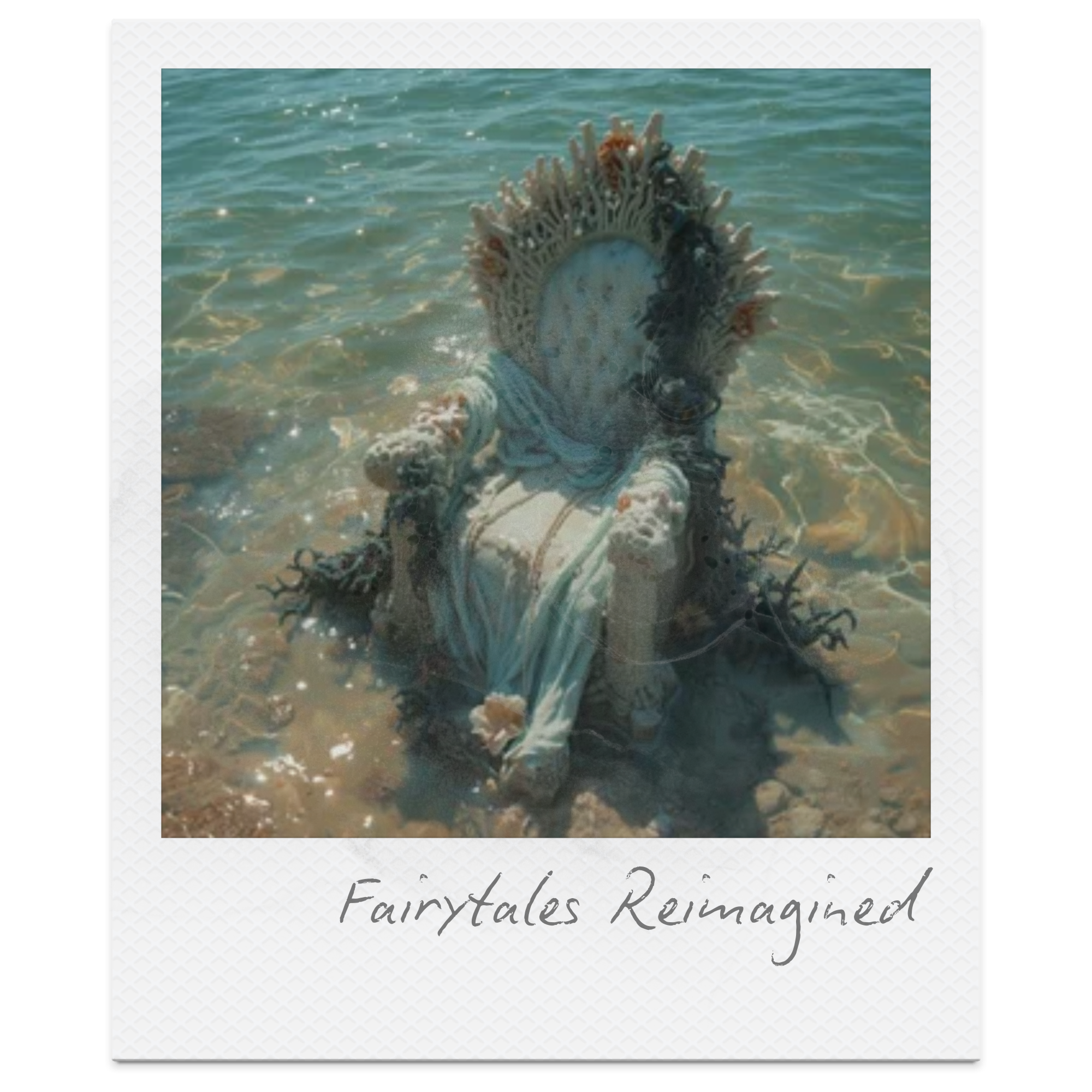
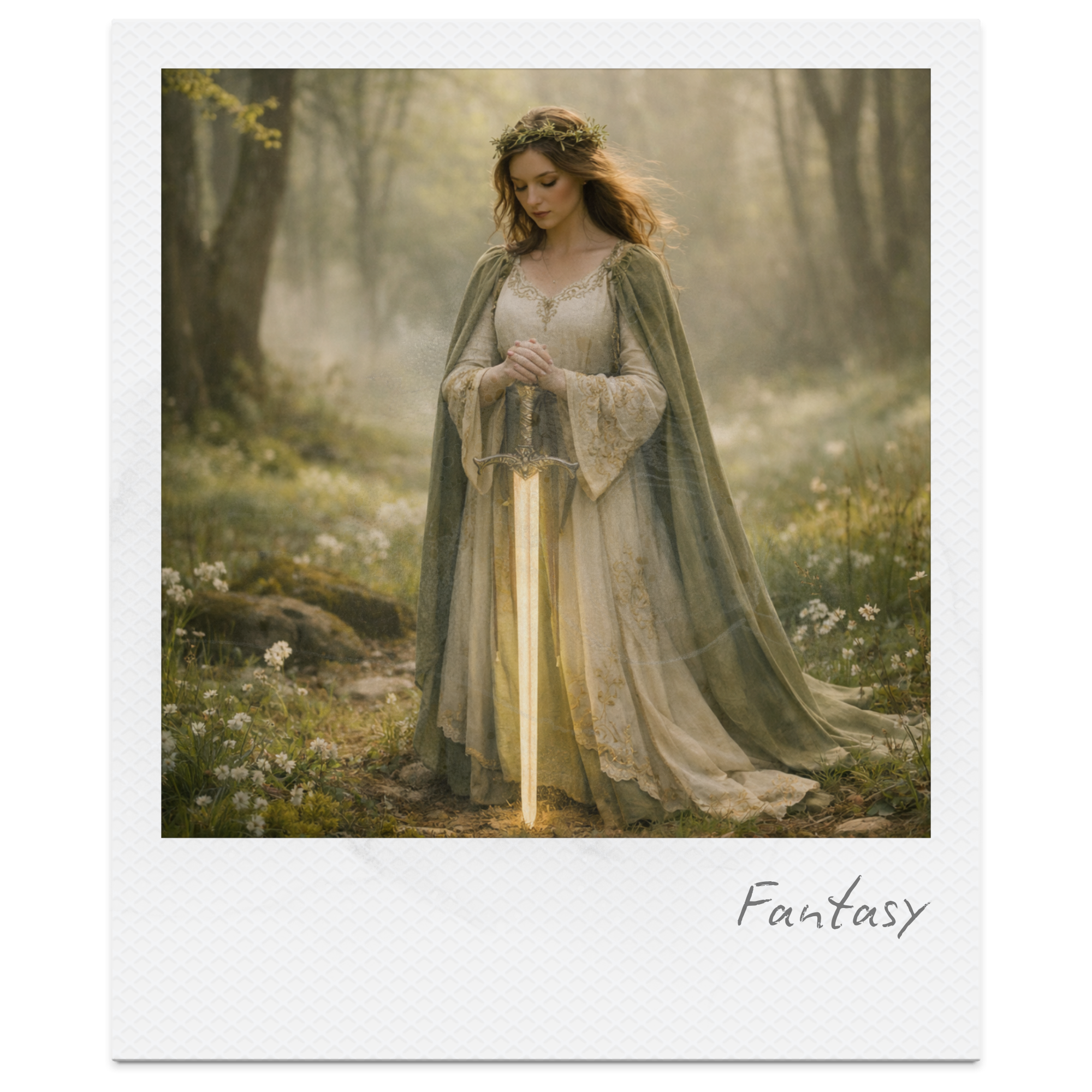
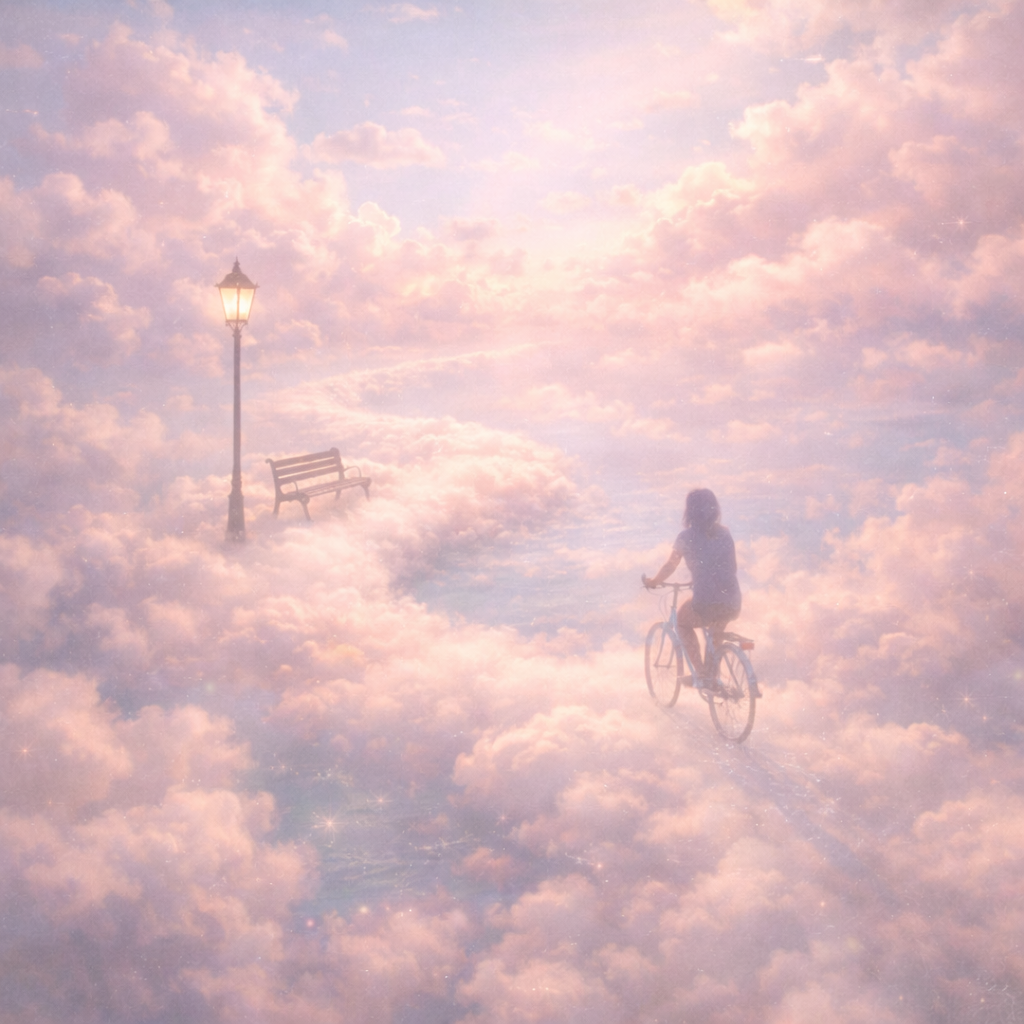
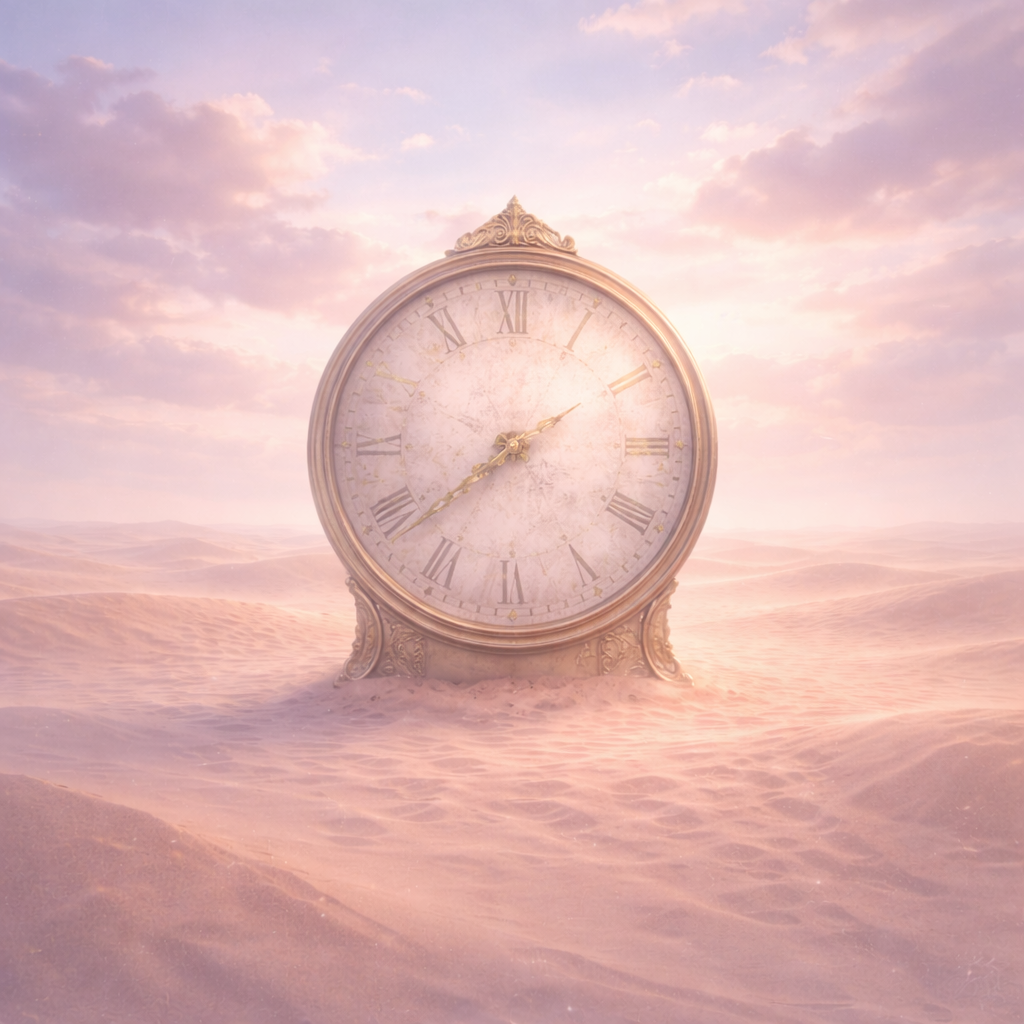
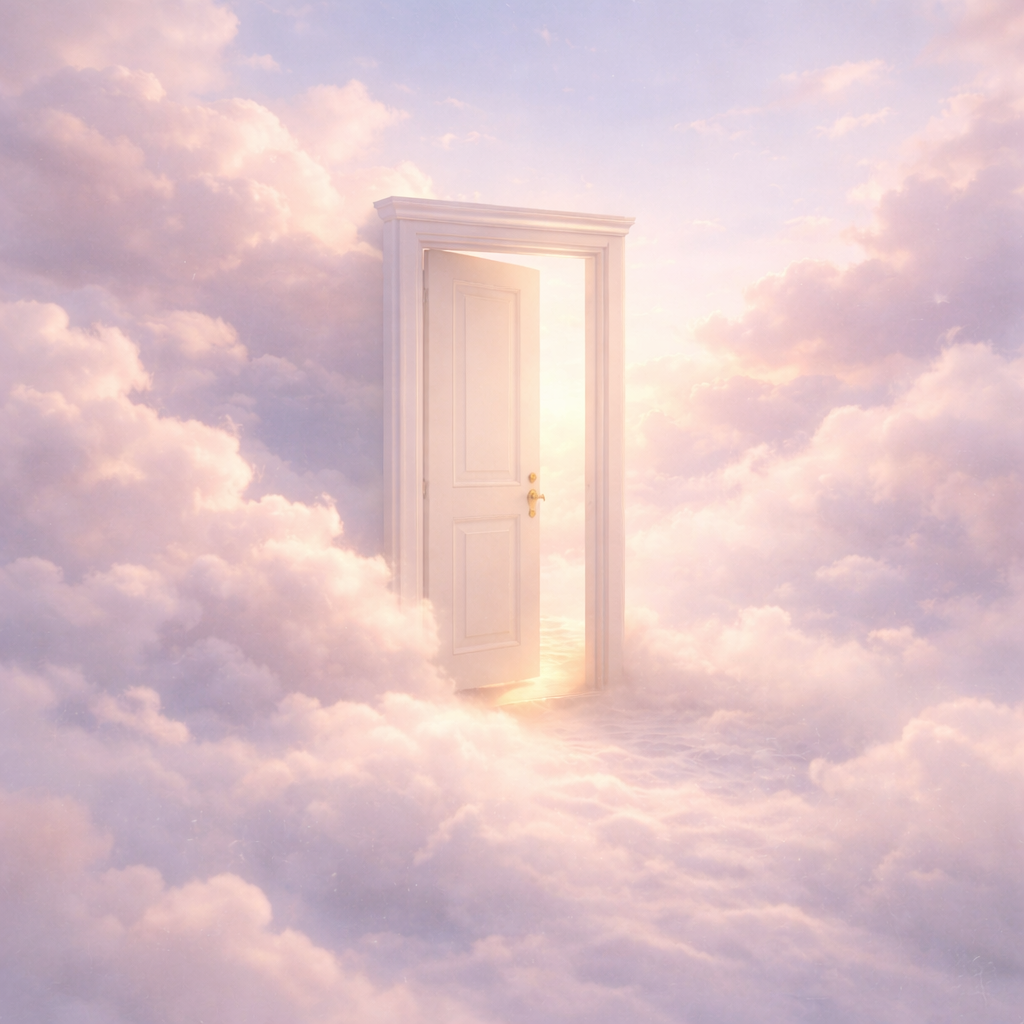
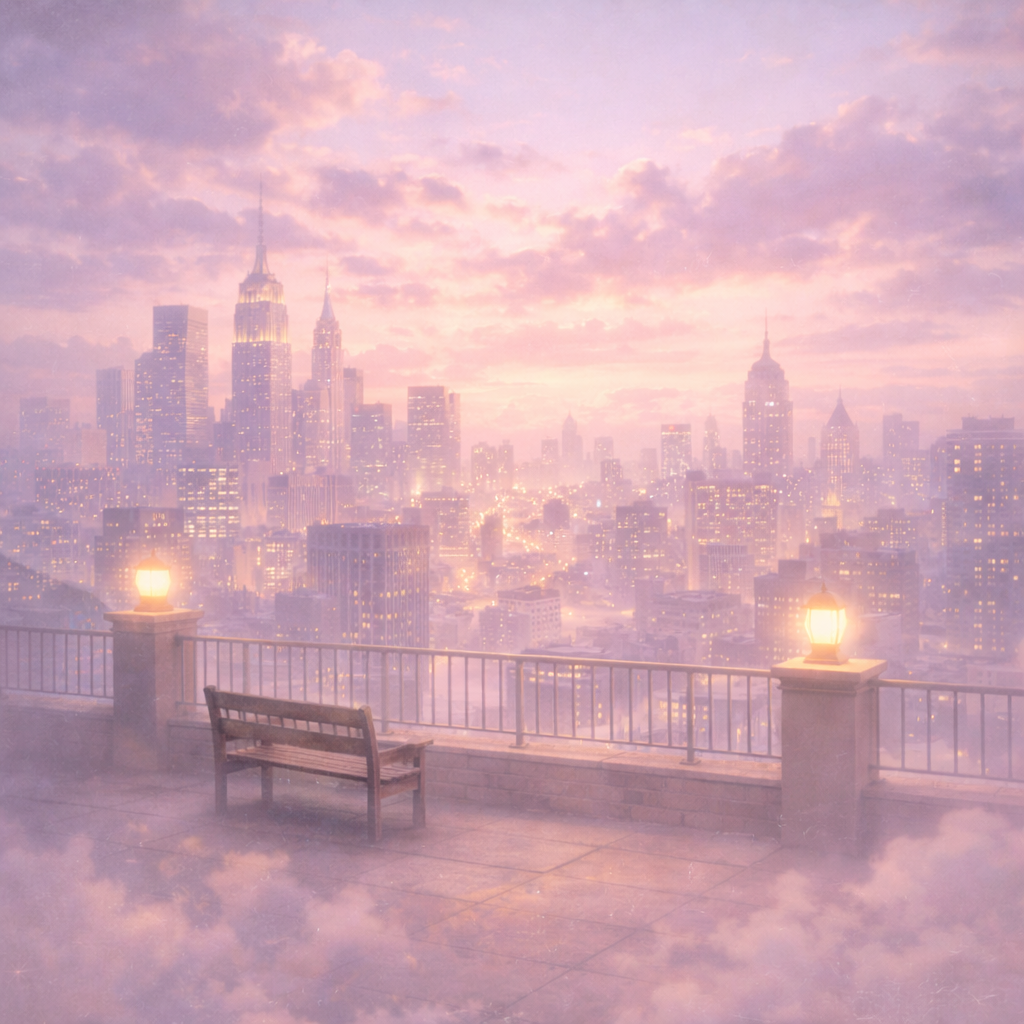
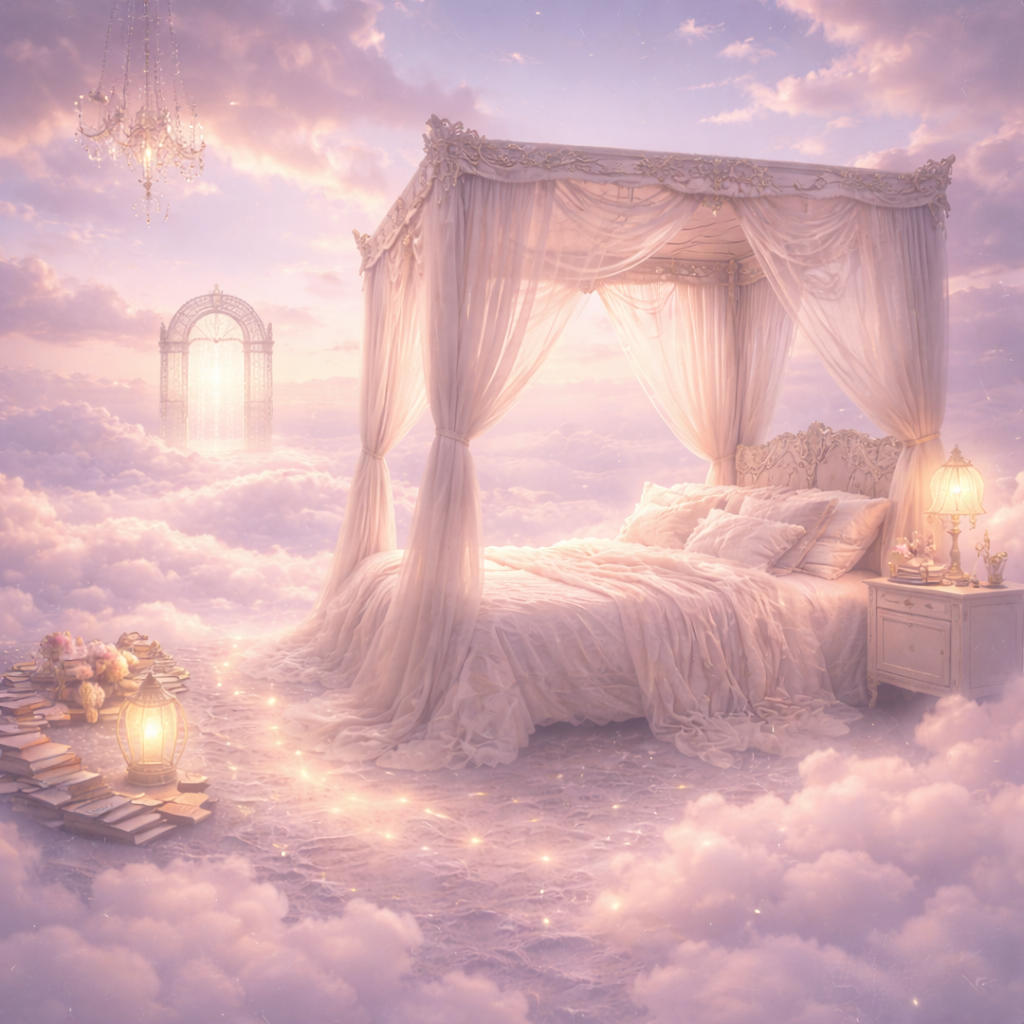
Visual prompts are especially effective for dreamlike storytelling, where mood, colour, and atmosphere often matter more than explanation. Rather than illustrating a specific plot, these images are designed to suggest emotion, symbolism, and surreal possibility, allowing teen writers to interpret meaning through light, texture, and space.
Each picture prompt in this collection is chosen to evoke a sense of quiet dislocation — familiar settings made strange, soft or iridescent lighting, and scenes that feel suspended between waking and dreaming. Writers can use the images as a starting point for short stories, descriptive passages, or longer projects that prioritise tone, aesthetic, and emotional resonance over realism.

Go Deeper into Dreamlike Writing
If you want to develop these dreamlike writing prompts further, try leaning into emotion, symbolism, and uncertainty rather than explaining every element of the world. Dreamlike stories are most effective when they trust the reader to feel meaning before fully understanding it.
◆ Rewrite a prompt by focusing on a single sensory detail — light, sound, texture, or colour — and let that detail shape the entire scene.
◆ Experiment with unreliable perception by allowing the narrator to misunderstand or reinterpret events as the story unfolds.
◆ Lower the stakes of the external plot and raise the emotional stakes, exploring how small moments of change can feel world-altering.
◆ Write the same scene twice: once as it appears in the moment, and once as it is remembered later, noticing how meaning shifts with distance.
For writers who enjoy atmospheric storytelling, soft surrealism, and visual-led inspiration, the Daily Writing Prompts offer ongoing monthly themes designed to support both classroom use and independent creative routines.
Final Thoughts
Dreamlike storytelling invites writers to slow down and notice what often goes unnamed — the feeling of being slightly out of place, the pull of memory, the quiet moments where reality feels thin. Rather than relying on clear rules or dramatic twists, these stories find their power in mood, reflection, and emotional resonance.
These 70 dreamlike writing prompts for teens are designed to help young writers practise atmosphere-driven writing, experiment with surreal imagery, and build confidence in stories that don’t need to explain everything to be meaningful. Whether used for short creative warm-ups, journaling, writing clubs, or longer YA projects, the prompts encourage curiosity, restraint, and imaginative risk.
If you’d like to explore more creative writing prompts by genre, aesthetic-led collections, or seasonal writing ideas, you can browse the full master list of 2000+ creative writing prompts for teens here and continue shaping your next story.
Choose Your Next Adventure