70 Creative Writing Prompts Inspired by Jekyll and Hyde: Plot Hooks, Opening Lines, Characters & Visual Ideas
Some stories don’t begin with a crime. They begin with a secret — the kind that lives quietly inside a person, growing stronger the longer it is hidden.
Robert Louis Stevenson’s The Strange Case of Dr Jekyll and Mr Hyde endures not because of its twists, but because of its unease. The novella explores the disturbing idea that people are not divided neatly into good and evil, but carry both at once. It questions self-control, reputation, repression, and the masks people wear to survive in society — suggesting that what is hidden does not disappear, but waits.
This collection of 70 creative writing prompts inspired by Jekyll and Hyde draws on the text’s psychological tension, gothic atmosphere, and moral questions rather than its narrative. The prompts invite teen writers to explore duality, identity, secrecy, and inner conflict through original fiction and poetry — focusing on mood, voice, and character rather than imitation.
Designed for classroom use, writing clubs, creative warm-ups, journaling, or longer YA projects, these prompts can be used as short starters or extended pieces. They are particularly effective for darker, character-driven stories that sit at the intersection of gothic fiction, psychological realism, and moral unease.
If you enjoy gothic-inspired story ideas, you can explore the Gothic Writing Hub for prompts focused on gothic tropes, characters, settings, and aesthetics, or browse the Creative Writing Archive to discover prompts inspired by different genres, themes, and classic literary works.
You can also explore our Literature-Inspired Creative Writing Prompts Hub to discover more creative prompts based on classic novels, poems and short stories.
1. Plot Hooks
These plot hooks are inspired by the central ideas of Jekyll and Hyde: secrecy, self-division, repression, and the fear of what lies beneath the surface. Rather than retelling the novella, each prompt invites writers to imagine characters who are hiding something — from others, or from themselves.
Write about a character who believes they are only dangerous when no one is watching.
Write about someone who lives a respectable public life but fears who they become at night.
Write about a person who insists they are in control — even as evidence suggests otherwise.
Write about a character who creates strict rules to contain part of themselves.
Write about a secret that grows stronger the more it is denied.
Write about someone who blames their actions on a version of themselves they don’t recognise.
Write about a character who feels relief when they stop pretending to be good.
Write about a person terrified that others might glimpse their true nature.
Write about a character who believes morality is a performance.
Write about someone forced to choose between reputation and truth.
2. Title Ideas
Titles inspired by Jekyll and Hyde are often restrained and unsettling. They hint at division, identity, and concealment without revealing everything.
The Man I Keep Hidden
After Dark, I Am Different
What Lives Behind the Door
The Face No One Sees
A Respectable Lie
The Other Name I Answer To
Beneath the Polished Surface
Rules I Can No Longer Keep
The Version I Deny
What I Become When I’m Alone
3. Opening Lines
Strong opening lines inspired by Jekyll and Hyde often establish unease immediately. They suggest that something is wrong beneath the surface — and that the narrator may not be fully reliable.
I’ve learned how to look harmless.
Everyone thinks they know me — that’s the problem.
I used to believe there was only one version of myself.
No one notices the change at first.
I tell myself it’s under control.
There are rules I follow to keep things contained.
I am careful about when I let myself go.
People trust me because I’ve taught them how.
I don’t remember when it started — only that it did.
Some parts of me are easier to live with than others.
4. Closing Lines
Closing lines inspired by Jekyll and Hyde often avoid neat resolution. They suggest consequence, exposure, or uneasy acceptance.
I realised I had been protecting the wrong version of myself.
The truth didn’t destroy me — it revealed me.
What I feared most was no longer hidden.
I understood that control was always an illusion.
Some doors can’t be closed once opened.
I stopped pretending I didn’t recognise myself.
The mask slipped — and nothing replaced it.
I was no longer sure which version was real.
In the end, there was no separation at all.
I had become what I tried hardest to deny.
5. Character Ideas
Characters inspired by Jekyll and Hyde are shaped by conflict, self-awareness, and suppression rather than simple villainy.
A respected individual who hides a darker side.
Someone obsessed with appearing morally upright.
A character who keeps strict routines to maintain control.
A person who believes their worst impulses aren’t truly “them.”
Someone who fears intimacy because they might be seen.
A character who performs goodness for social approval.
A narrator who splits their life into careful compartments.
A person who feels freer when anonymous.
Someone haunted by what they might become.
A character who must confront the cost of denial.
6. Setting Ideas
Settings inspired by Jekyll and Hyde often feel contained, shadowed, or divided — mirroring internal conflict.
A quiet street that feels different after dark.
A well-kept home with one locked room.
A laboratory or workspace hidden from view.
A city where reputation matters more than truth.
A fog-covered street where faces blur.
A space associated with control and routine.
A place where no one asks questions.
A setting that feels orderly on the surface.
A room used only at night.
A location that reflects dual purpose.
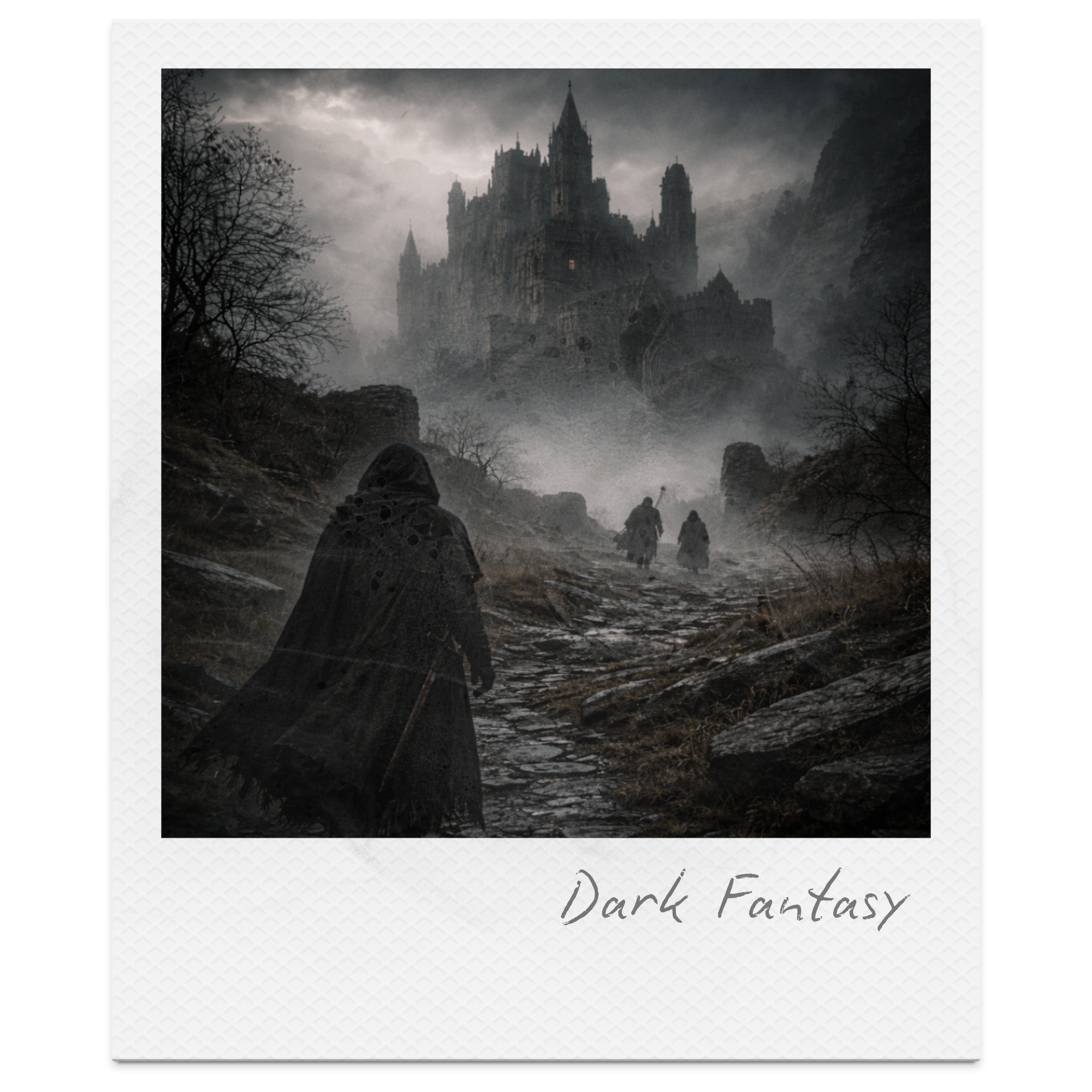
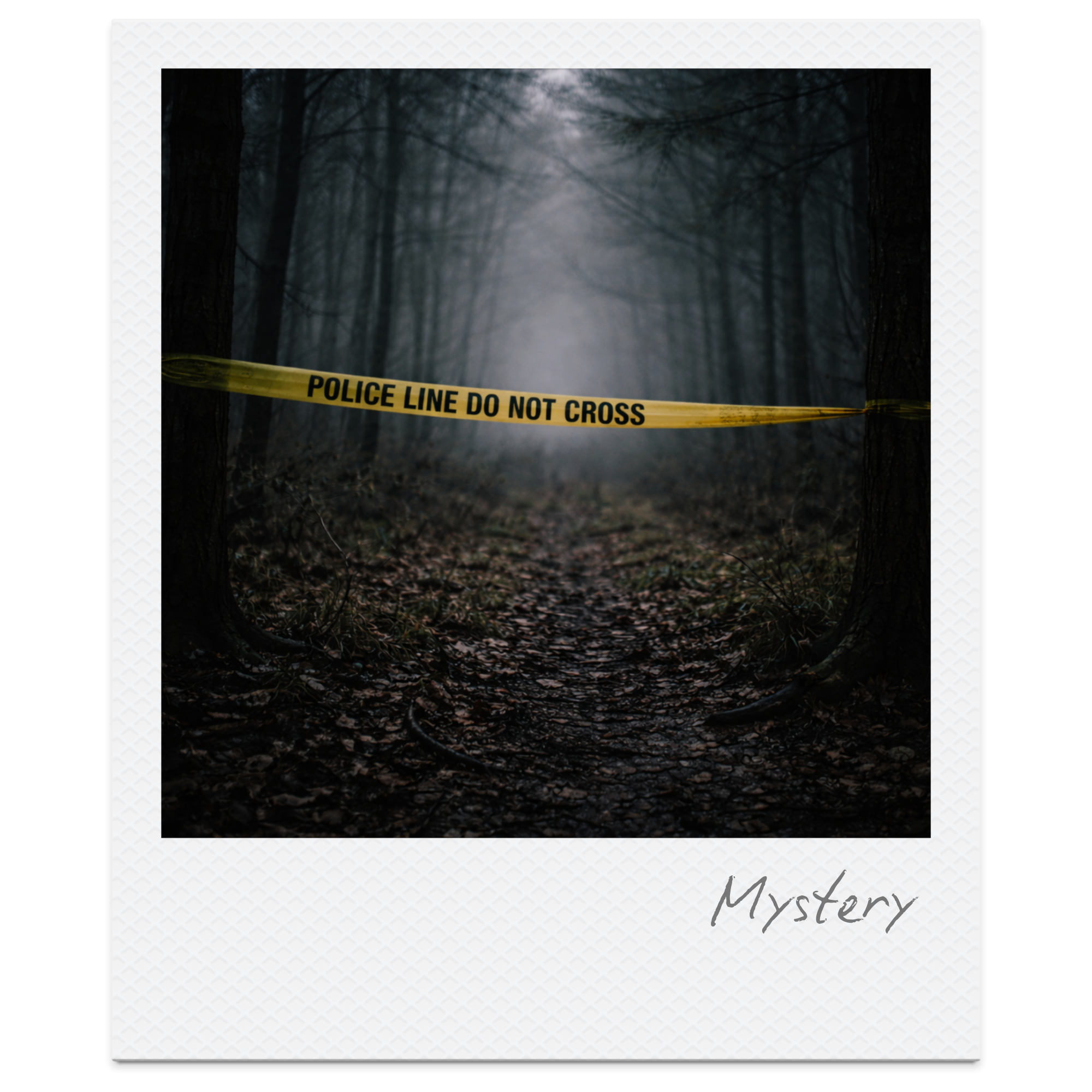
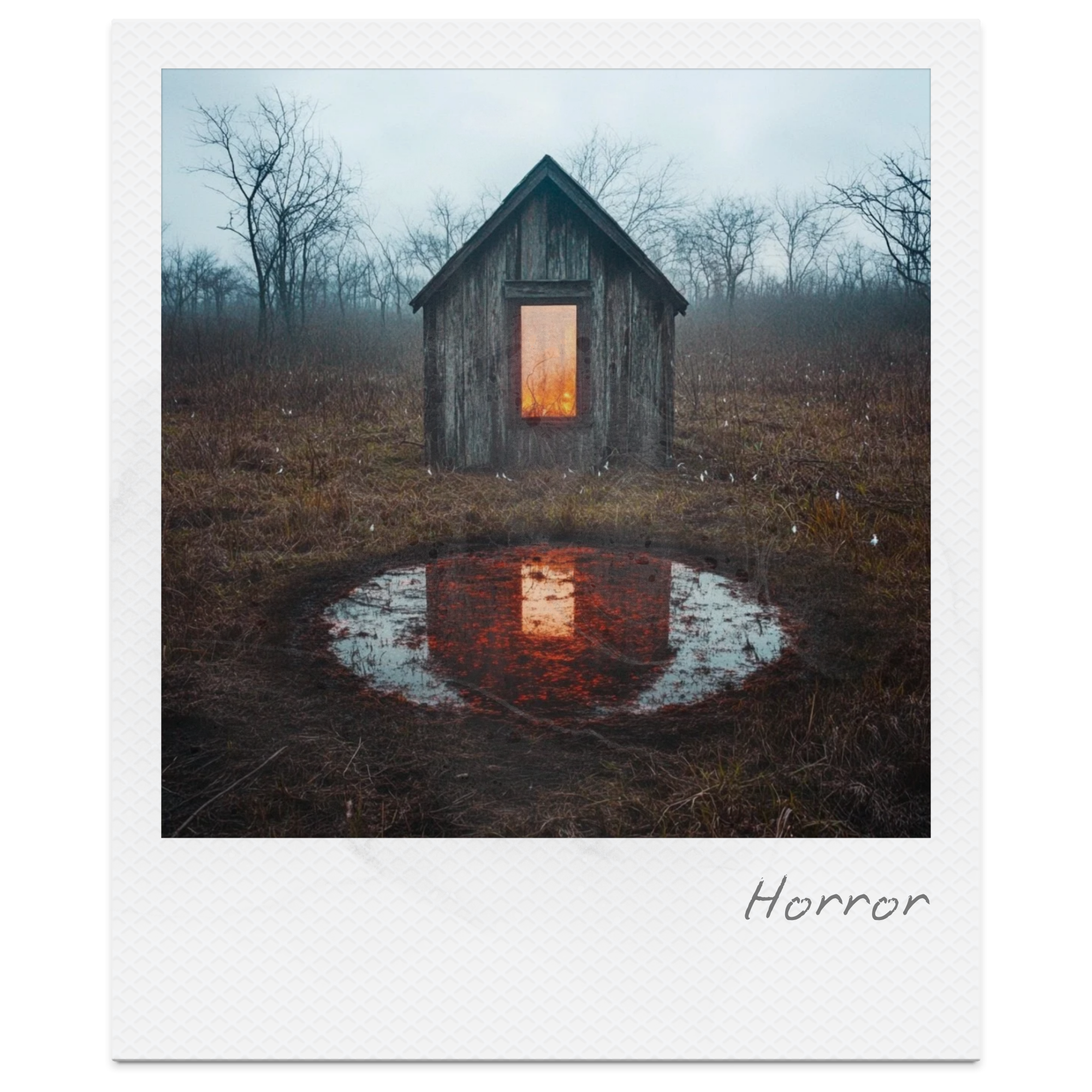
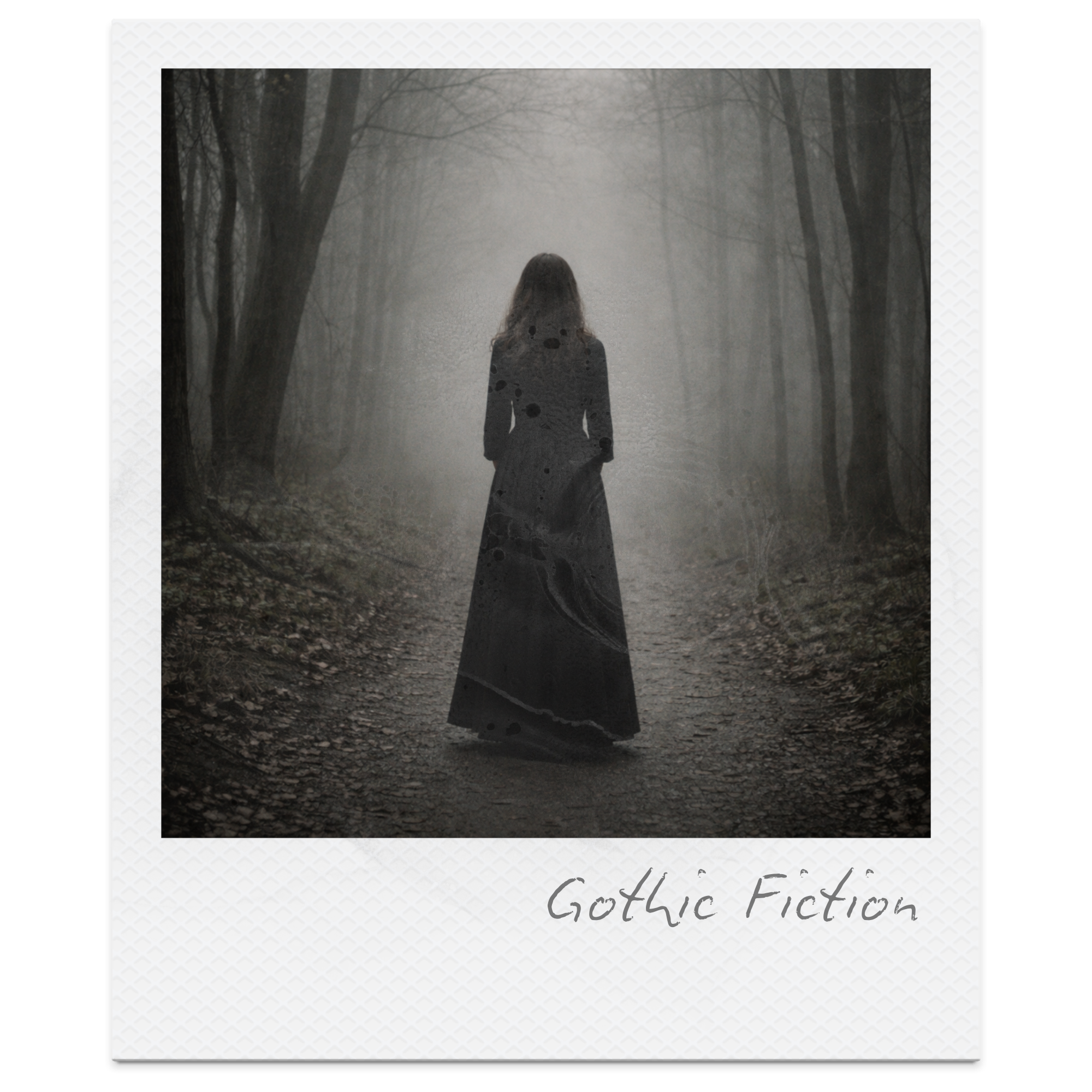
7. Picture Prompts
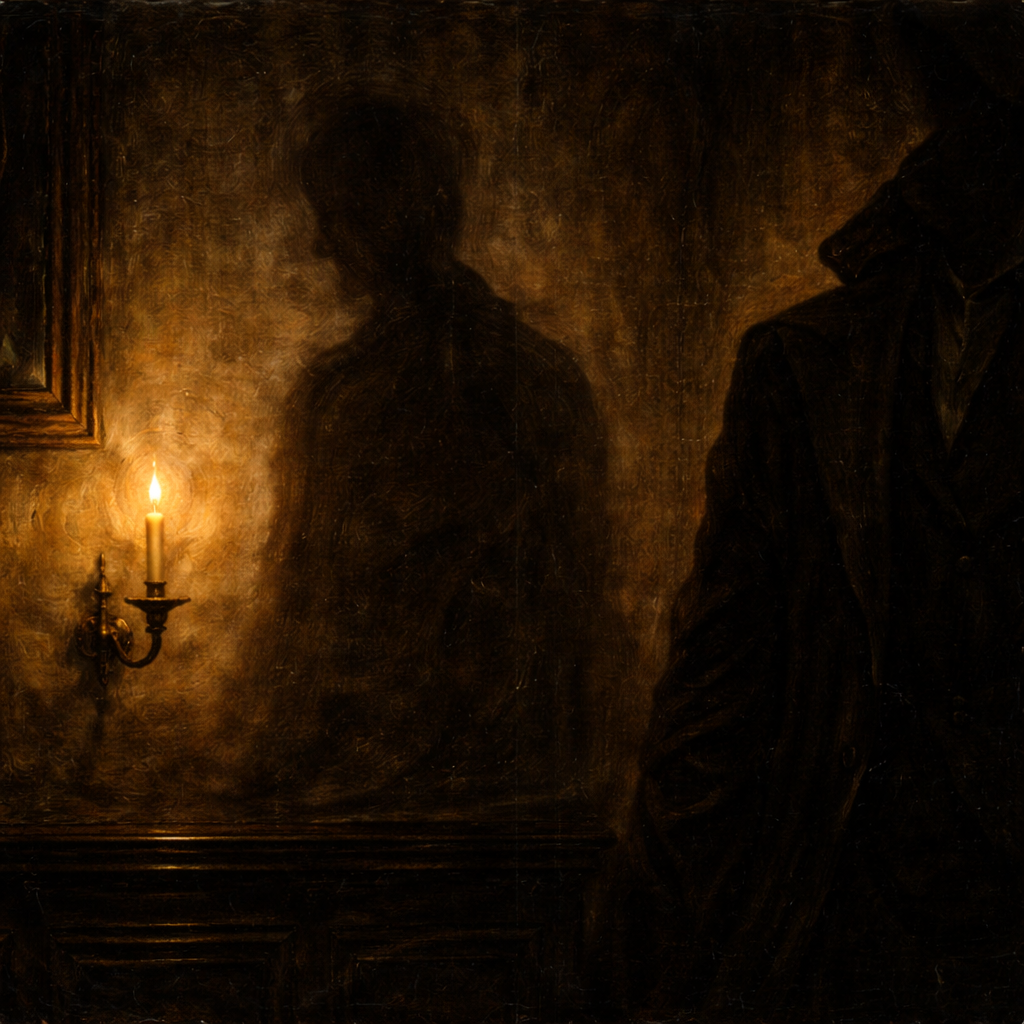
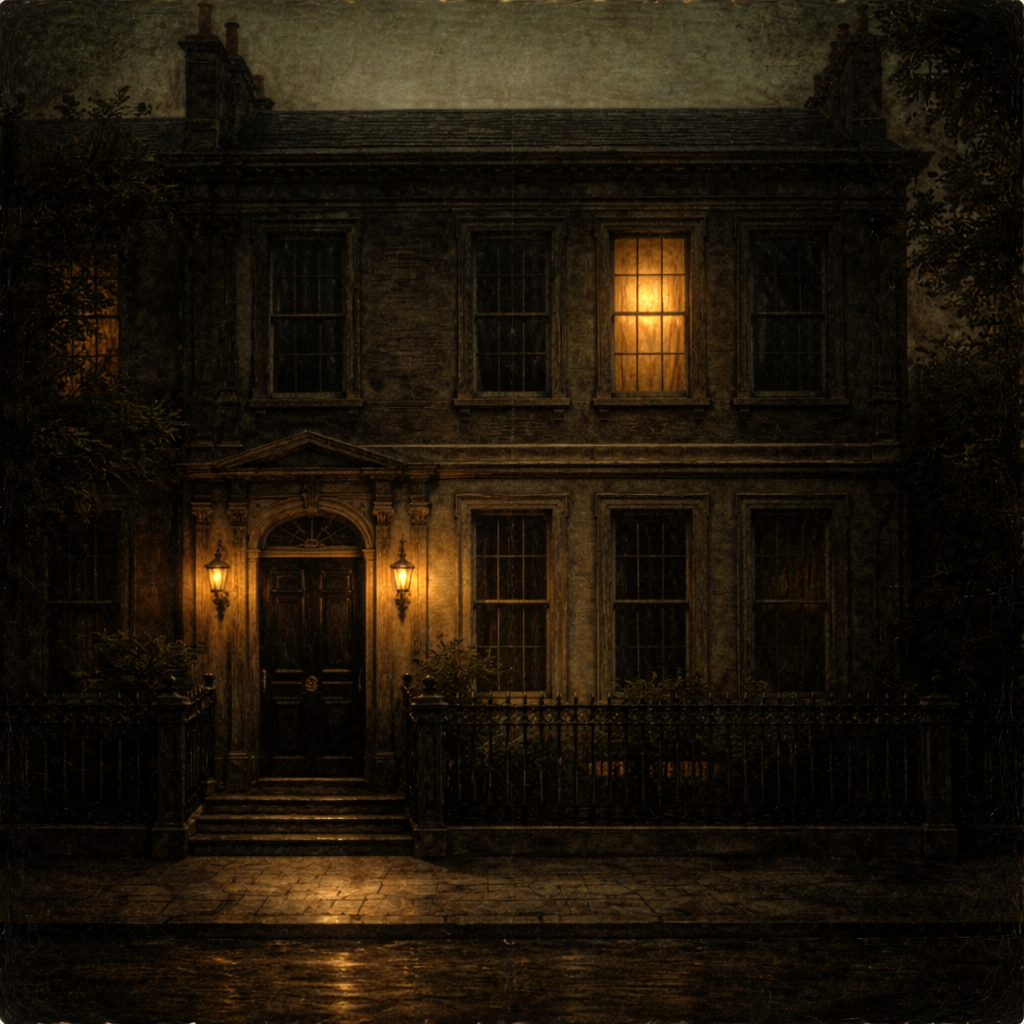
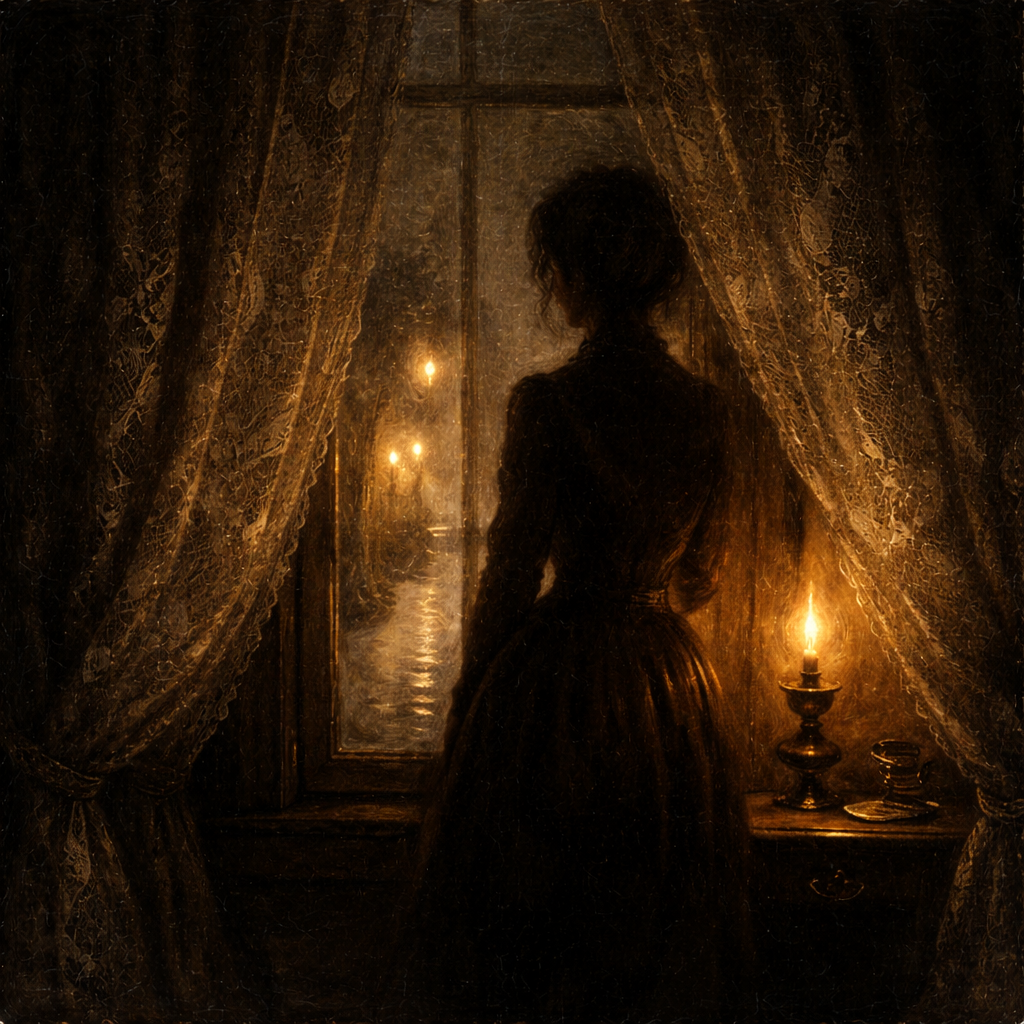
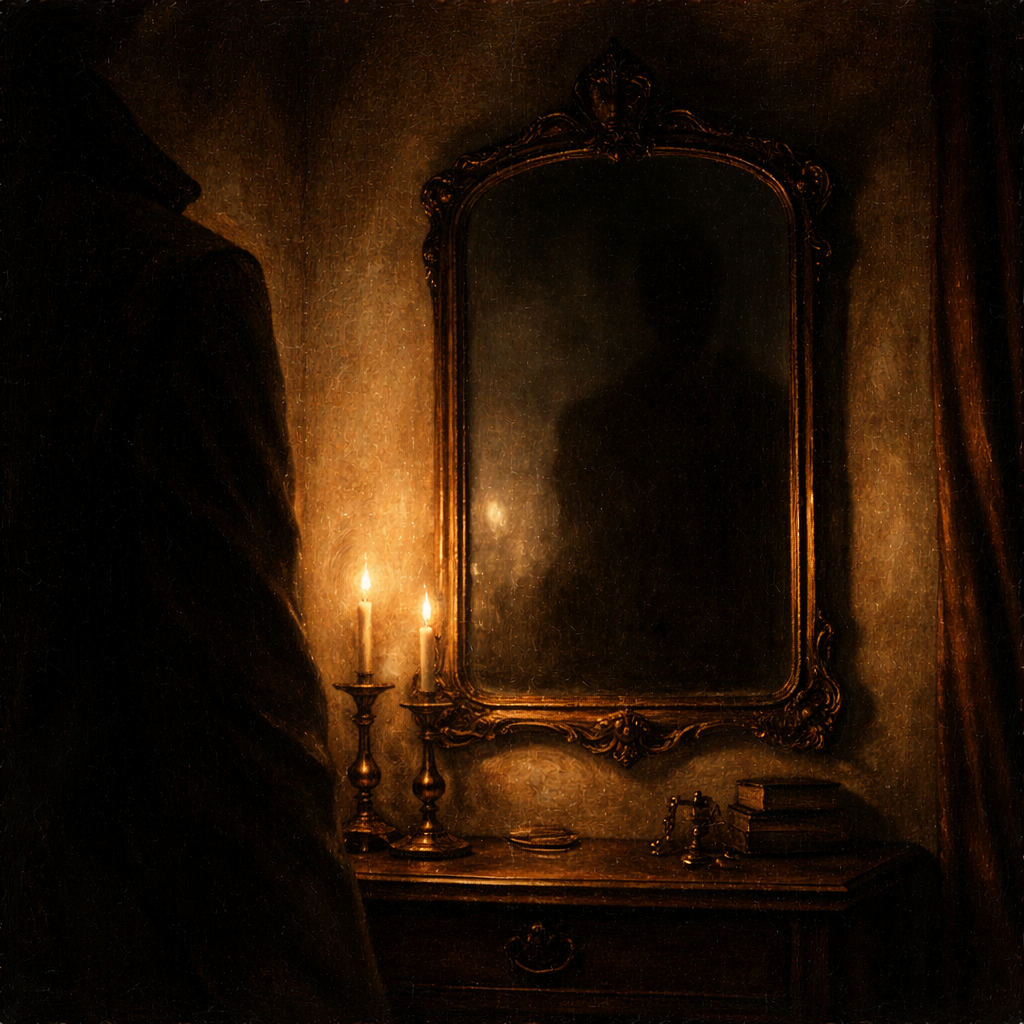
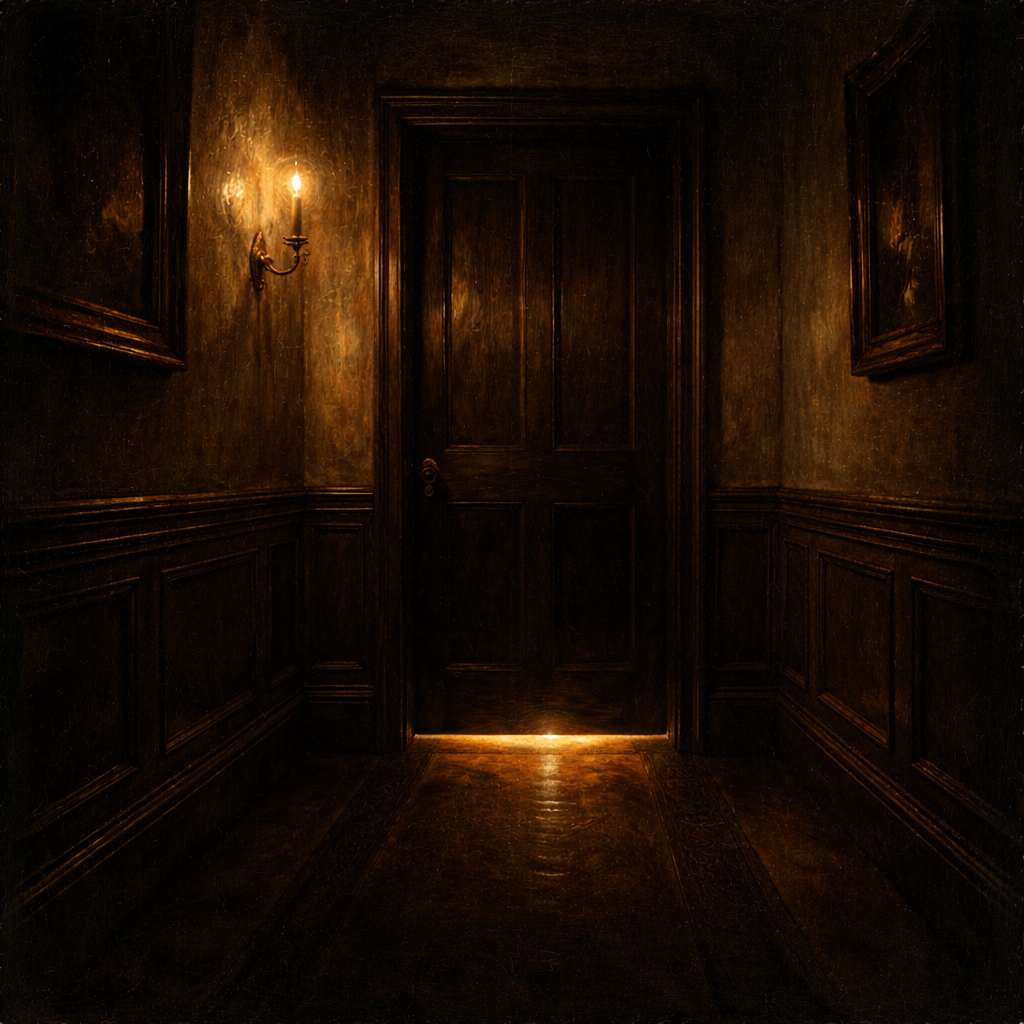
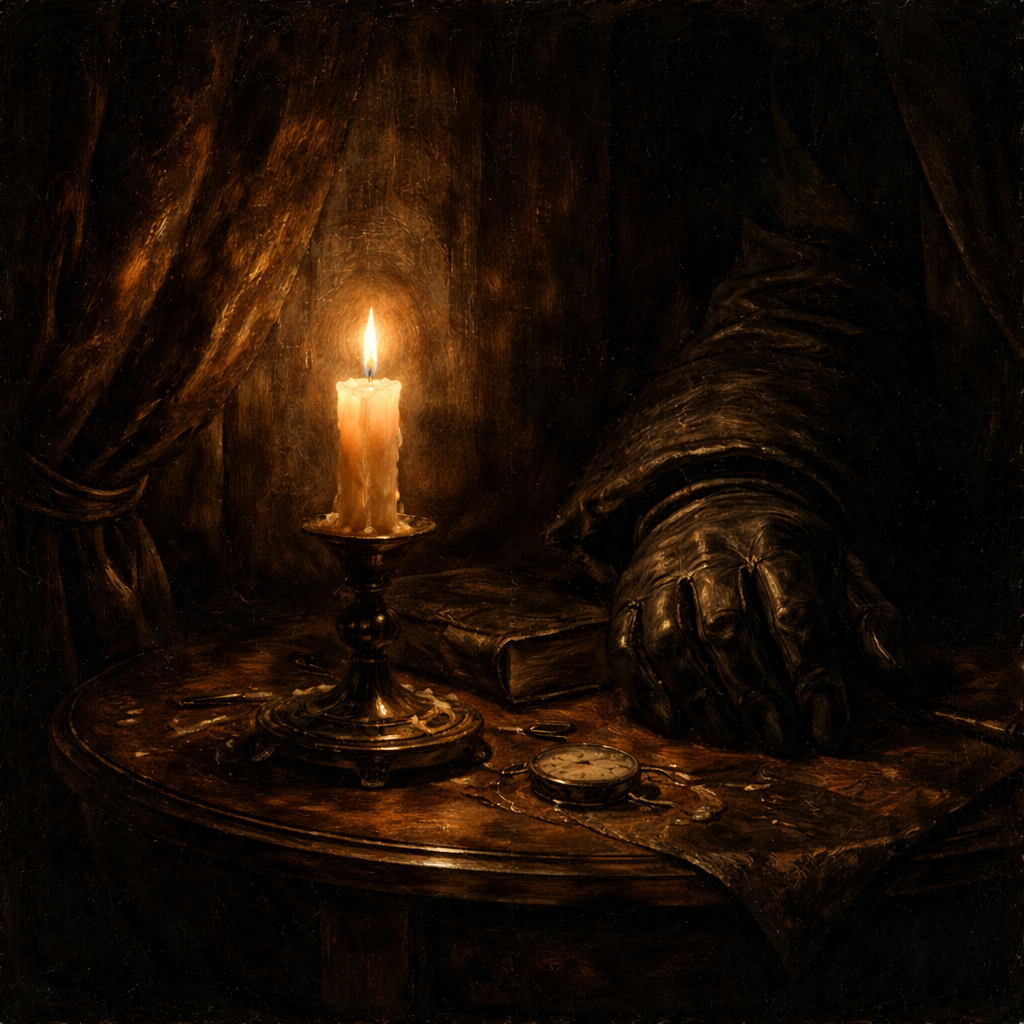
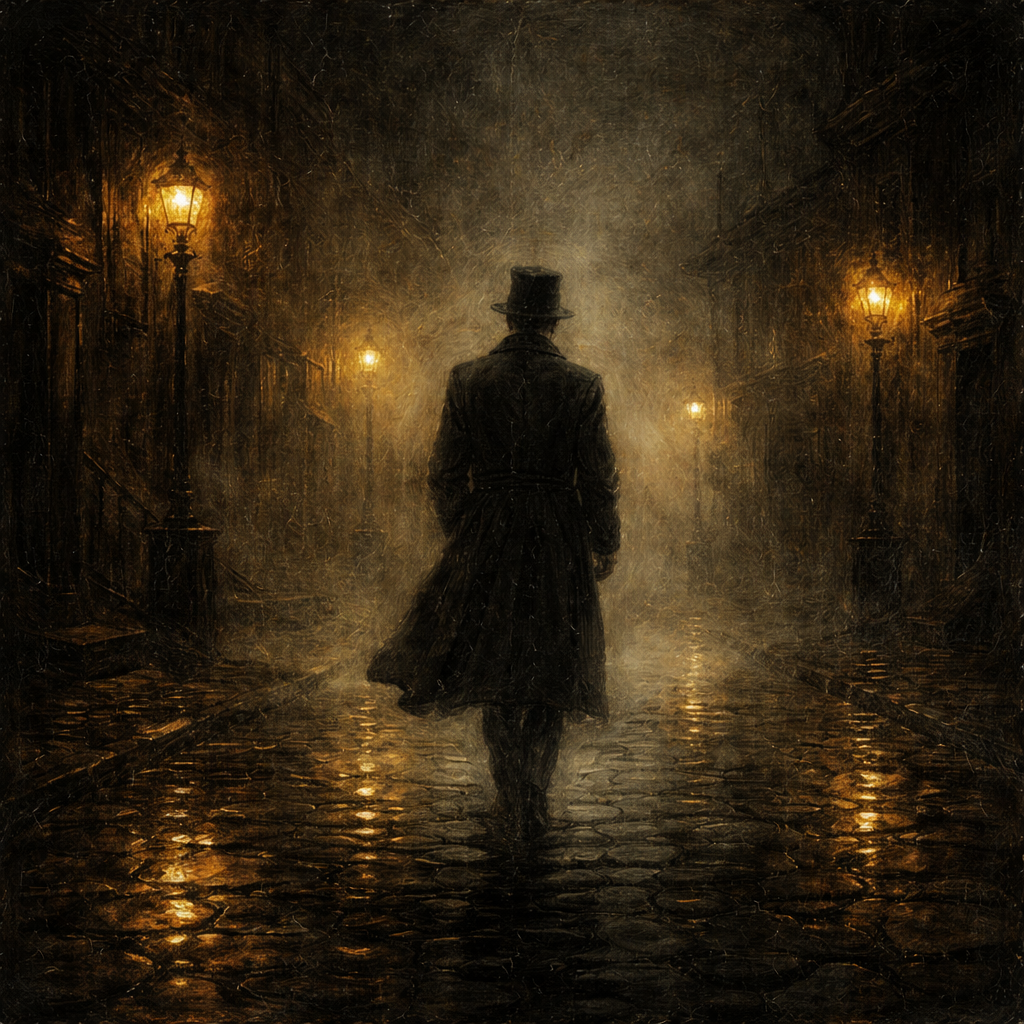
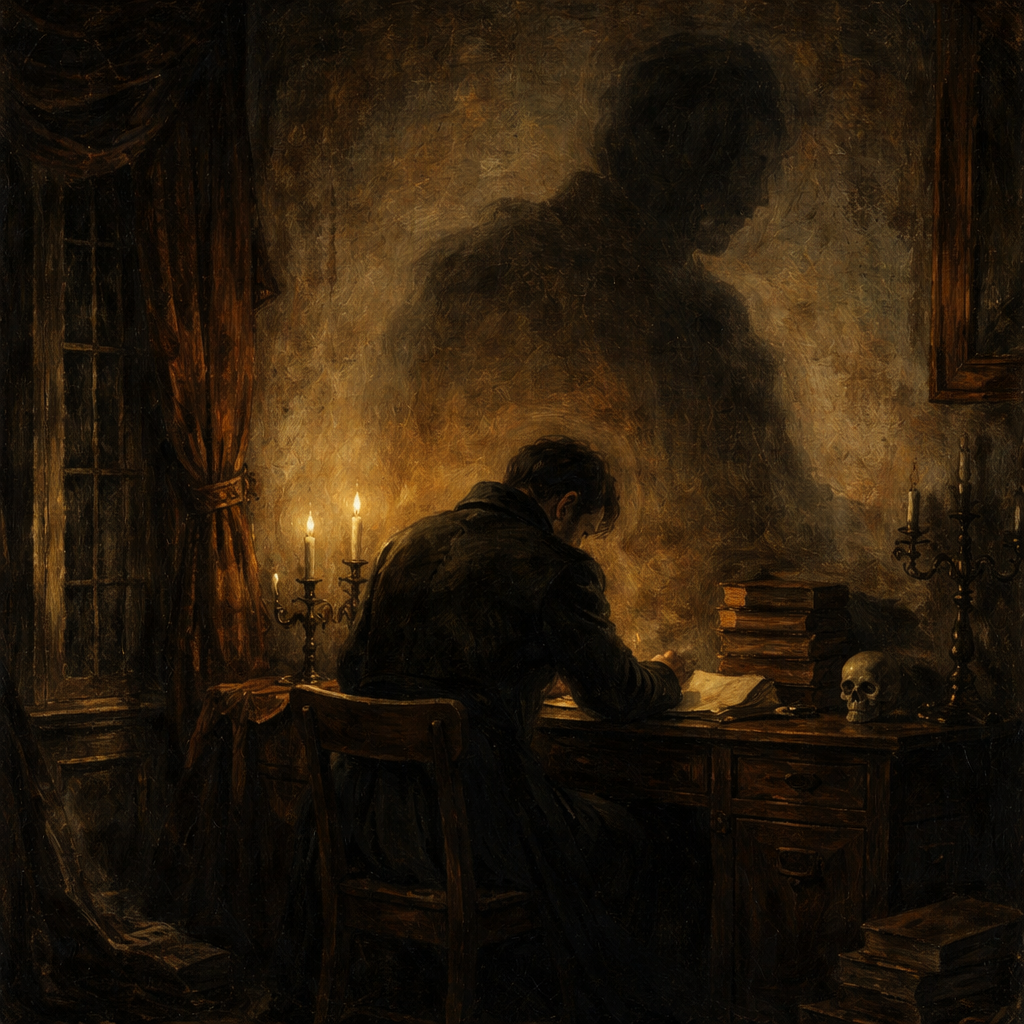
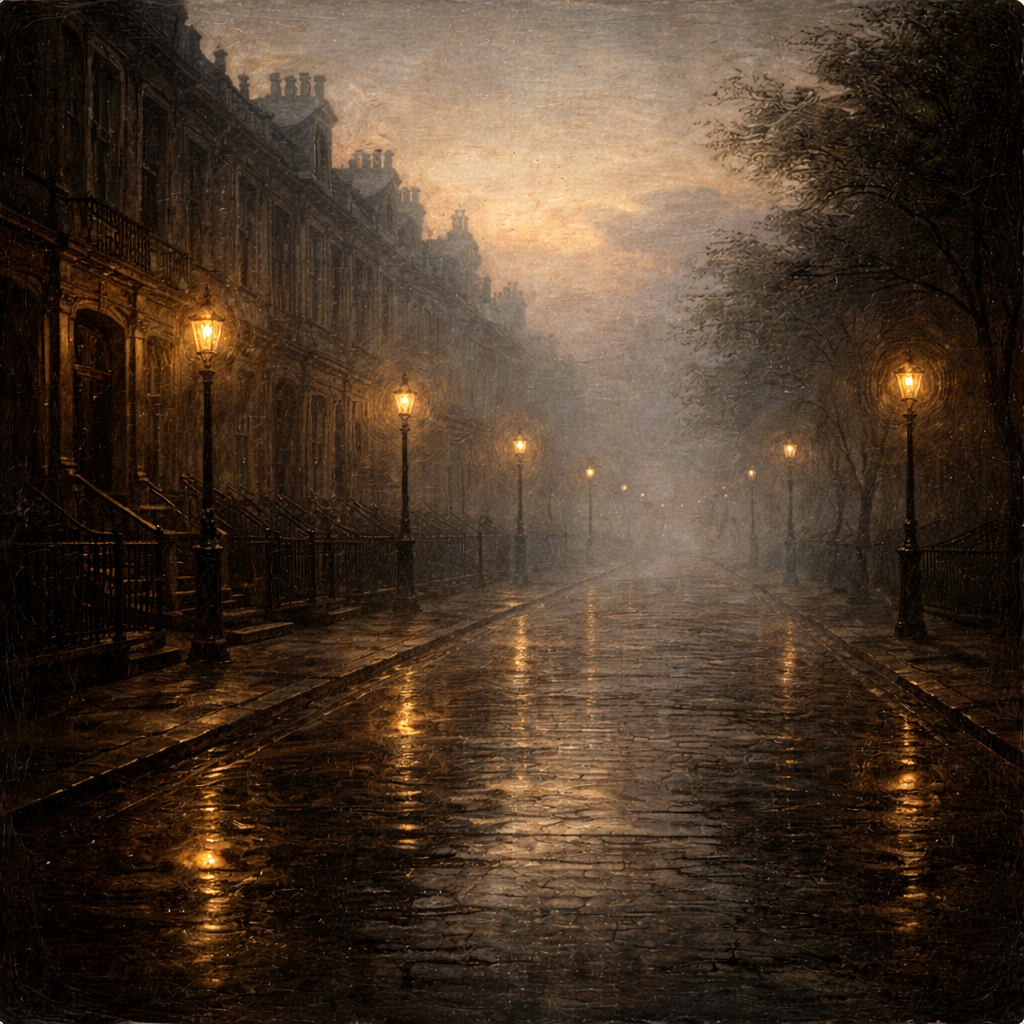
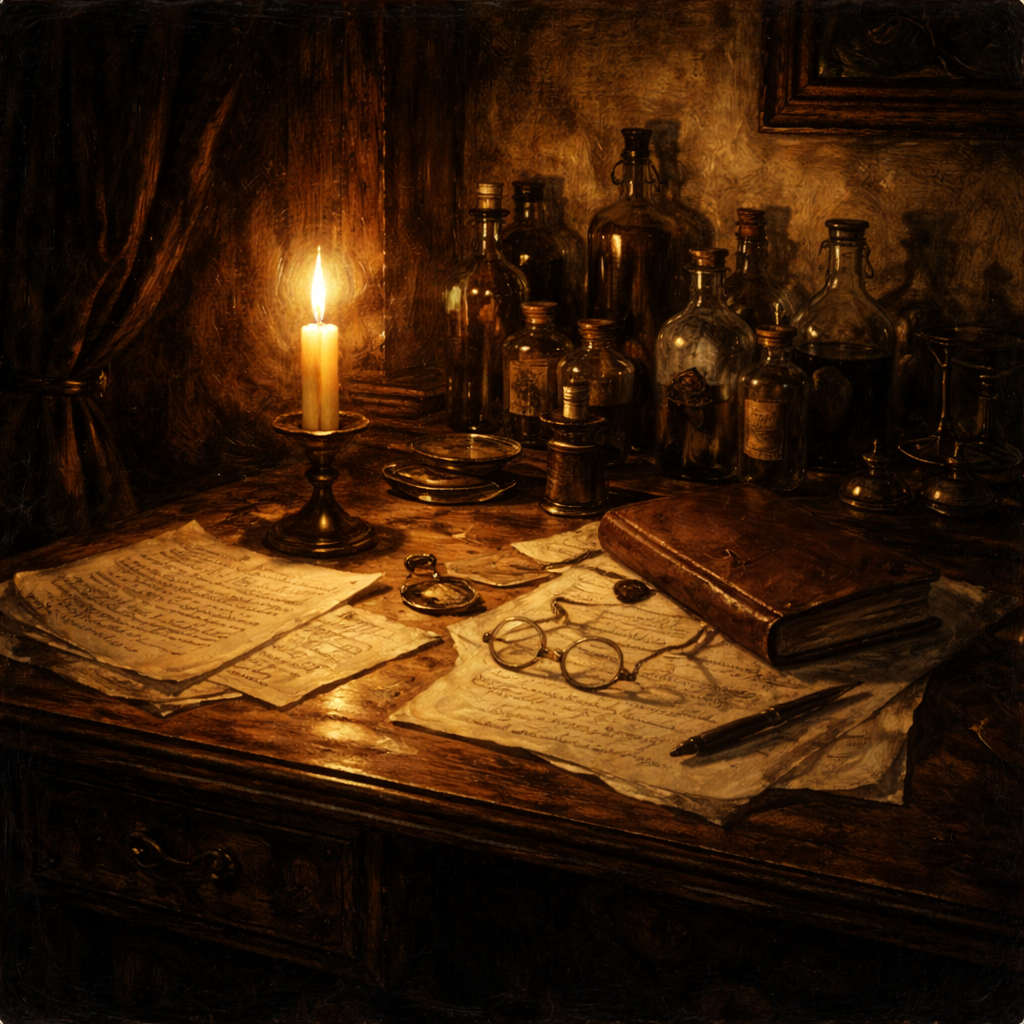
Visual prompts inspired by Jekyll and Hyde focus on contrast, concealment, and atmosphere rather than action.
Effective images often include shadowed interiors, mirrors, locked doors, foggy streets, gloved hands, empty laboratories, or divided spaces. Visual contrasts — light and dark, order and chaos, cleanliness and decay — are especially powerful.
Writers can use each image as a starting point for descriptive writing, psychological monologues, or short narratives that explore how setting reflects inner conflict.
Go Deeper into Jekyll and Hyde–Inspired Writing
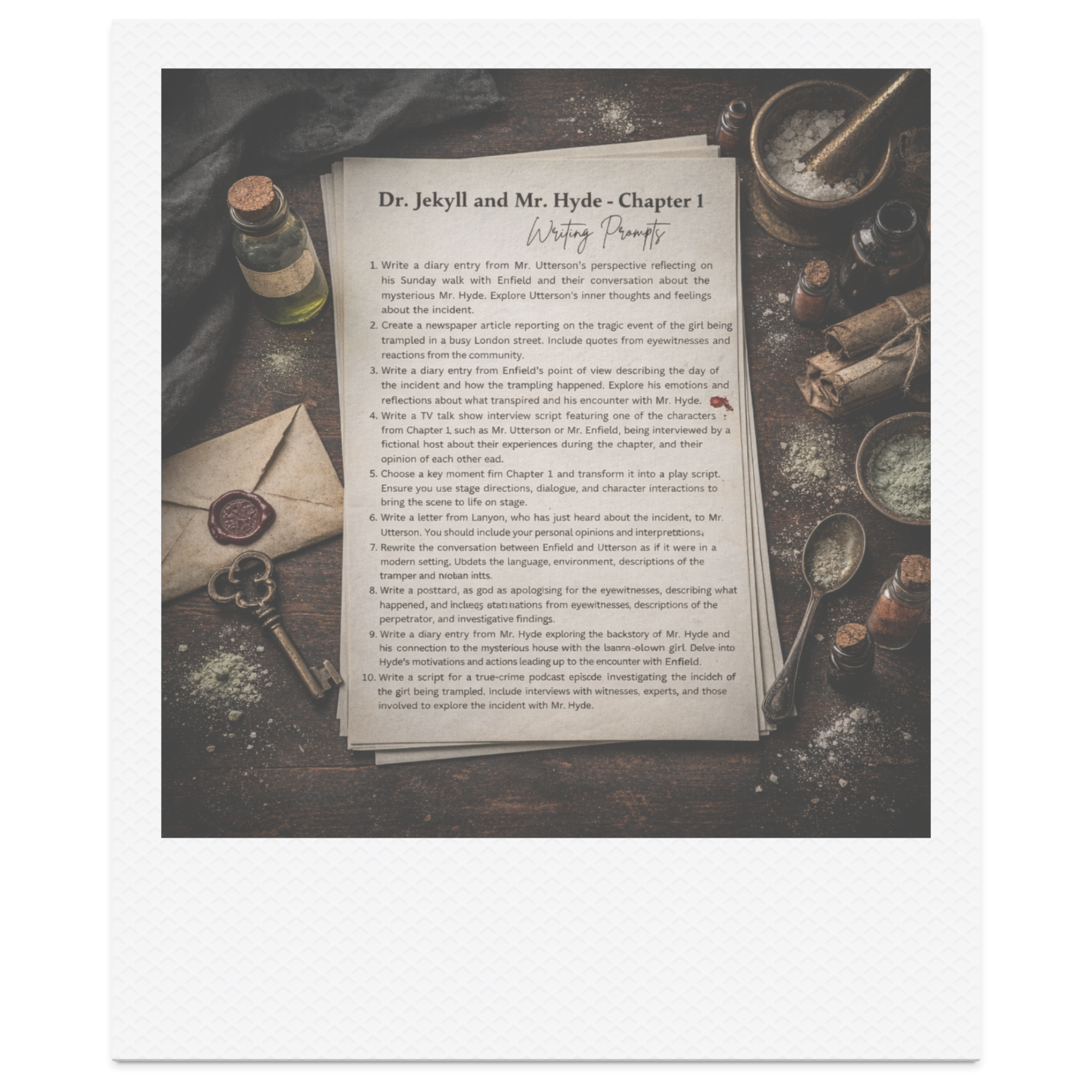
These prompts are designed to help students explore the atmosphere, psychological tension, and moral questions of The Strange Case of Dr Jekyll and Mr Hyde through original writing. Rather than retelling the novella, they encourage writers to think more broadly about duality, repression, identity, and responsibility.
For classroom teaching, creative writing can be even more effective when paired with text-rooted tasks that return students directly to Stevenson’s novella. Structured prompts linked closely to specific chapters, character decisions, and key moments help students develop confidence with voice, perspective, and interpretation while deepening their understanding of the text itself.
◆ Chapter-specific prompts exploring duality, self-control, and moral responsibility
◆ First-person writing from the perspectives of Jekyll, Hyde, Utterson, and Lanyon
◆ Diary entries, confessions, and witness statements rooted in key scenes
◆ Narrative expansions of off-page events and unseen moments
◆ Gothic descriptions inspired by doors, streets, laboratories, and private rooms
◆ Psychological monologues exploring repression, temptation, and identity fracture
These tasks keep students closely anchored to the novella while still allowing space for creativity, ethical debate, and personal interpretation.
Used together, atmosphere-led prompts and text-specific creative tasks create a balanced approach: one builds confidence and imagination, while the other strengthens close reading, character understanding, and thematic insight.
Final Thoughts
Creative writing inspired by Jekyll and Hyde gives young writers the opportunity to explore inner conflict, identity, and moral complexity through original storytelling. By focusing on mood, voice, and psychological tension rather than plot imitation, these prompts make Stevenson’s ideas accessible without oversimplifying them.
Working with inspired prompts allows students to approach challenging themes — such as repression, hypocrisy, and the fear of one’s own nature — without needing advanced literary knowledge. Instead, writers are encouraged to experiment with perspective, setting, and tone, developing confidence in expressive writing while remaining connected to the novella’s unsettling moral world.
Used alongside closely linked, chapter-based creative tasks, atmosphere-led prompts help students recognise how writers shape meaning through contrast, structure, and what is left unsaid. Together, these approaches support both creative confidence and deeper literary understanding, making them suitable for classrooms, writing clubs, and independent practice across a range of age groups.
To explore more creative writing prompts inspired by literature, genre, and aesthetic-led themes, visit the Creative Writing Archive, where classic texts and original storytelling come together to support imaginative writing at every level.
To explore more story ideas shaped by gothic atmosphere and classic literature, visit the Gothic Writing Hub, or browse the full Creative Writing Archive for creative prompts inspired by genre, aesthetics, and well-known texts.
You can also explore our Literature-Inspired Creative Writing Prompts Hub to discover more creative prompts based on classic novels, poems and short stories.
Choose Your Next Adventure