Notes from the Inkpot
Writing, teaching, creating - one ink-stained idea at a time.


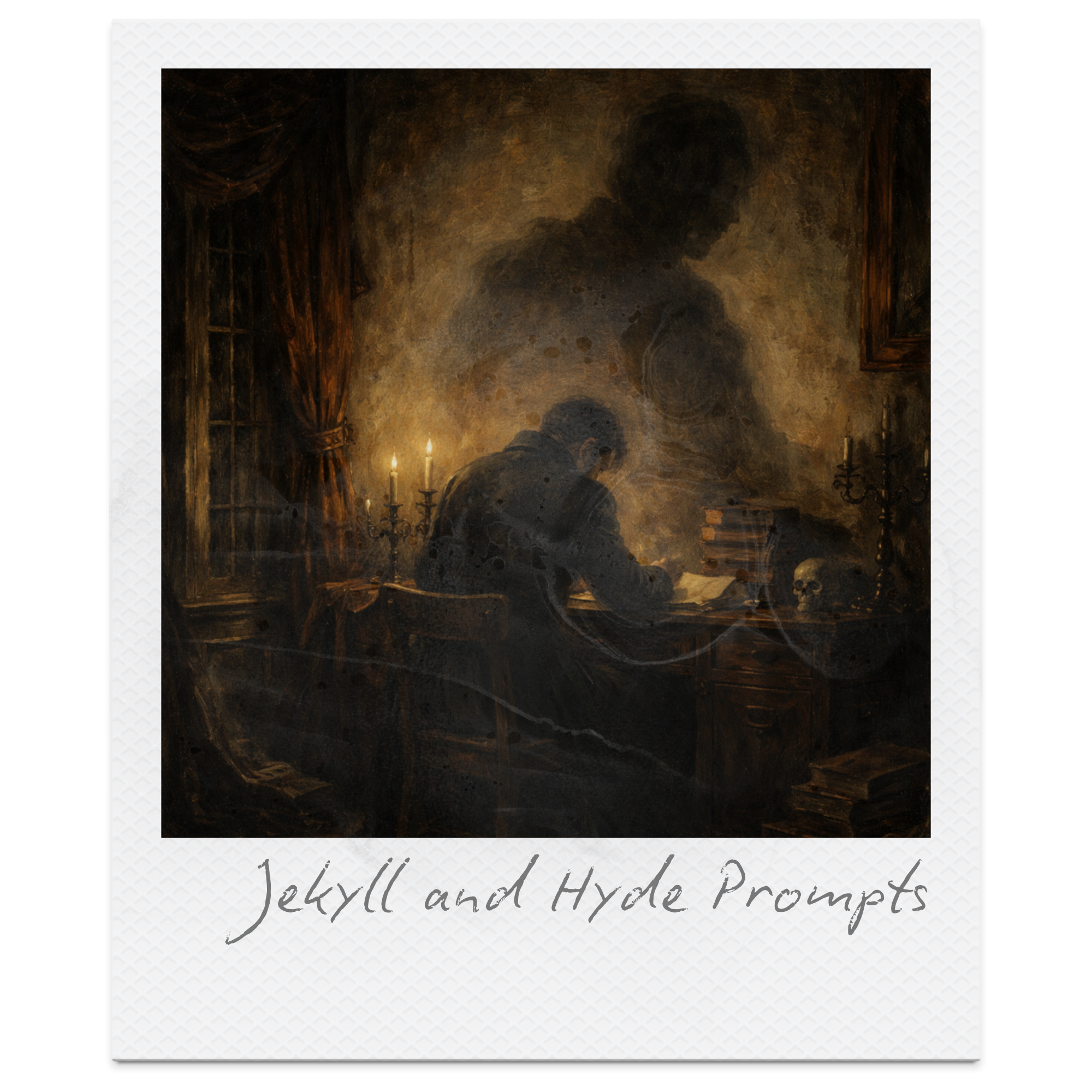
70 Creative Writing Prompts Inspired by Jekyll and Hyde: Plot Hooks, Opening Lines, Characters & Visual Ideas
Robert Louis Stevenson’s The Strange Case of Dr Jekyll and Mr Hyde explores the unsettling idea that people are not neatly divided into good and evil, but shaped by duality, repression, and the parts of themselves they try hardest to hide. This collection of creative writing prompts inspired by Jekyll and Hyde invites teen writers to engage with the novella’s gothic atmosphere, psychological tension, and moral complexity through original storytelling rather than retelling the plot. Designed for classroom use, writing clubs, and independent practice, these Jekyll and Hyde–inspired writing prompts focus on identity, secrecy, and inner conflict, encouraging students to experiment with voice, perspective, and setting. By working with mood-led, character-driven ideas, writers can explore Stevenson’s themes in a way that feels creative, accessible, and deeply connected to the text — making these prompts ideal for both short starters and extended creative tasks.
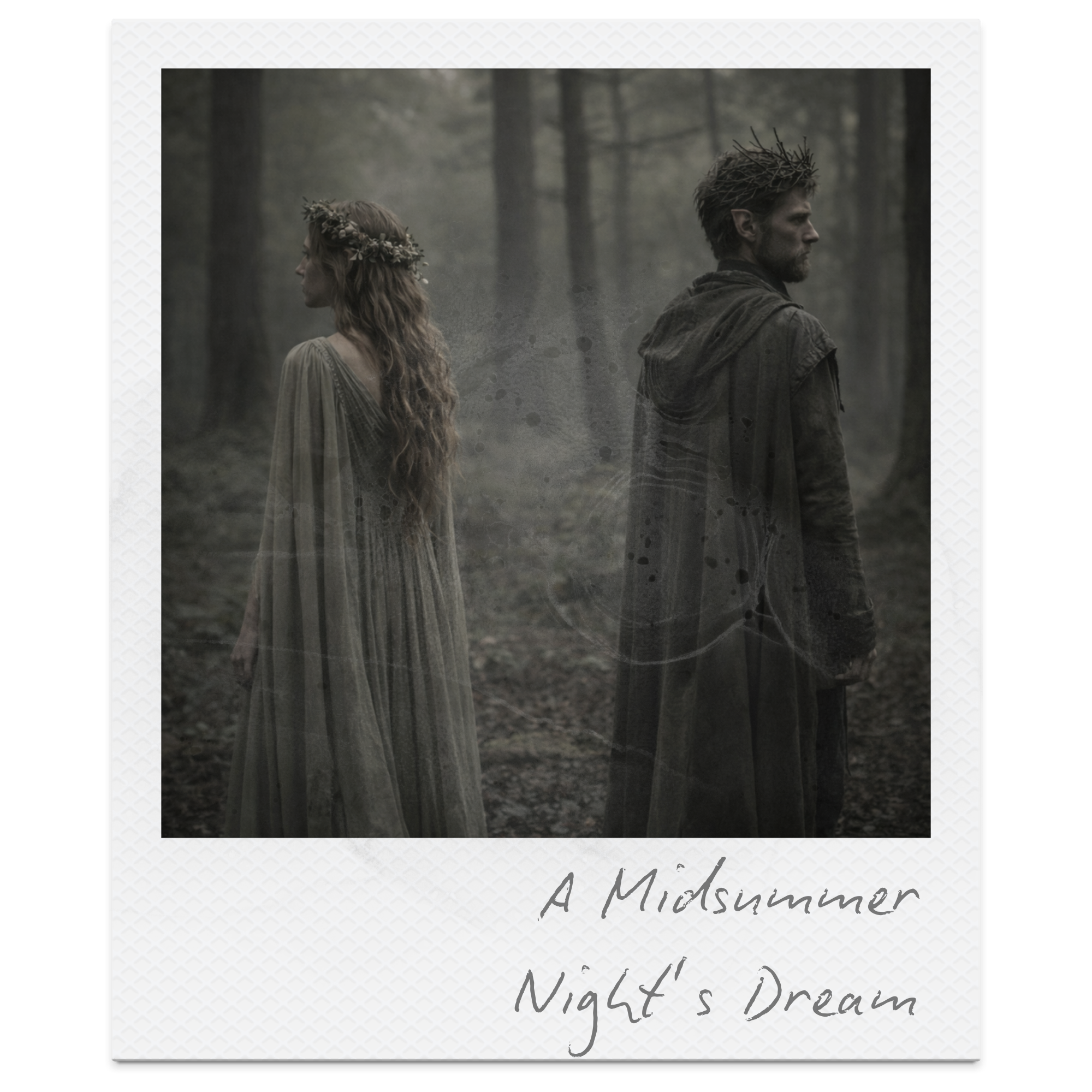
A Midsummer Night’s Dream: Overview, Context, Key Ideas & Teaching Approaches
A Midsummer Night’s Dream is often taught as one of William Shakespeare’s lightest comedies, yet beneath its enchantment and humour lies a complex exploration of power, desire, authority, and social control. Set between the rigid law of Athens and the destabilising freedom of the forest, the play uses comedy, magic, and mistaken identity to expose how easily order can fracture — and how carefully it must be restored. This context-led overview explores A Midsummer Night’s Dream through historical background, genre, and key ideas, before considering effective ways to teach the play through discussion, performance, and creative writing. Rather than offering close analysis of individual scenes, it provides a framework for understanding how the play operates as a whole, and why it continues to reward reinterpretation, classroom debate, and creative response.