Notes from the Inkpot
Writing, teaching, creating - one ink-stained idea at a time.

A Warning to the Curious by M.R. James: Summary, Themes & Analysis:::
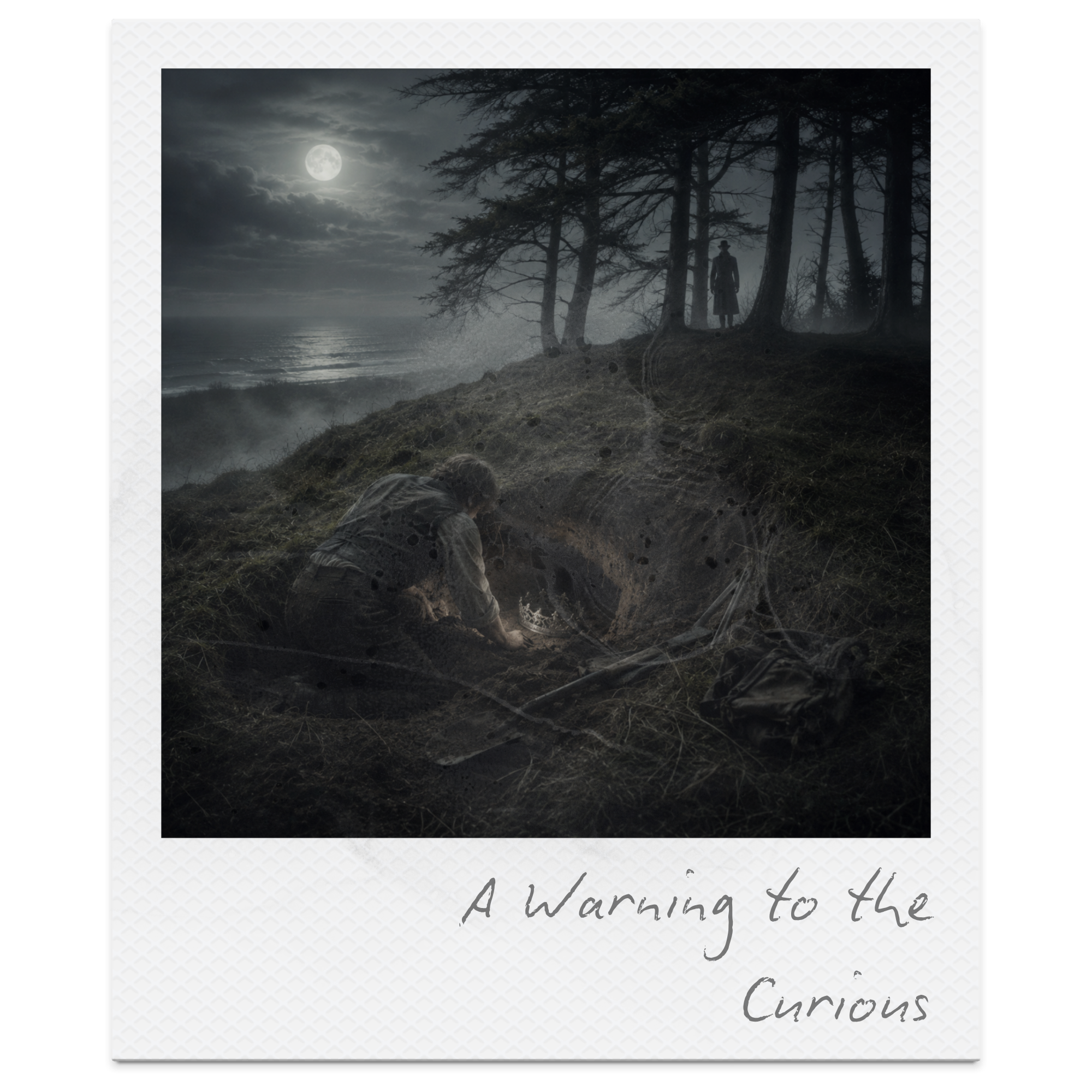
M.R. James’s A Warning to the Curious is a chilling Gothic ghost story exploring curiosity, fear, historical memory, guilt, and the dangerous consequences of disturbing what should remain hidden. Through the isolated coastal setting of Seaburgh, the mysterious buried crown, and the increasingly terrified figure of Paxton, James gradually transforms scholarly curiosity into psychological horror and supernatural dread. This detailed analysis for CIE IGCSE World Literature (0408) explores the story’s themes, symbolism, structure, narrative voice, and key quotations, while examining how James creates fear through atmosphere, ambiguity, folklore, and Gothic tension. The guide also includes alternative interpretations, exam-ready insights, and classroom-focused teaching ideas designed to support deeper literary analysis and discussion.
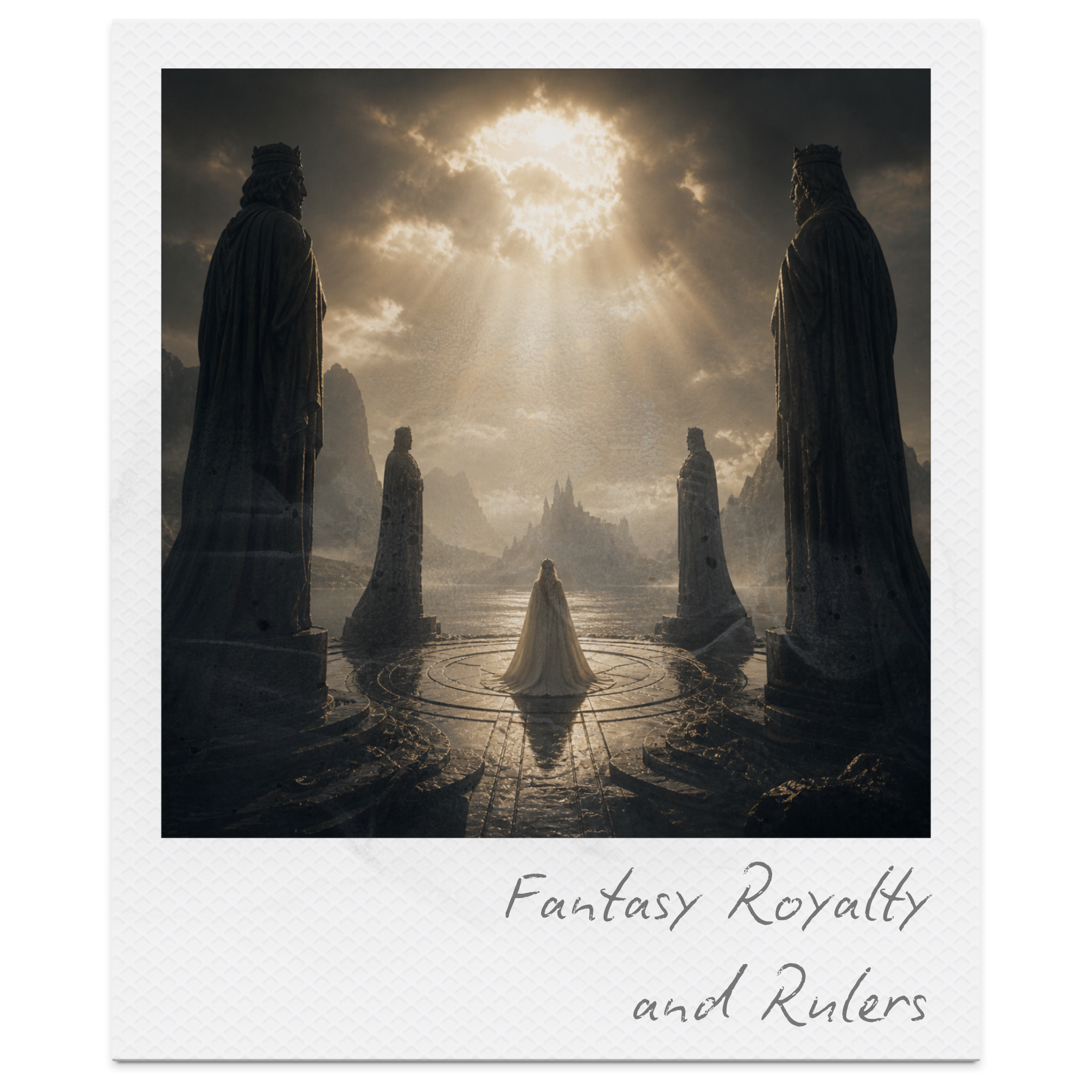
70 Fantasy Royalty & Rulers Writing Prompts: Power, Legacy, and Control
Fantasy royalty and rulers sit at the centre of power—where authority is inherited, contested, and constantly under threat. These stories explore more than crowns and kingdoms; they focus on control, legacy, and the fragile systems that uphold power. Beneath ceremony and tradition, there are always tensions—ambition, betrayal, loyalty, and the risk of collapse. This collection of 70 Fantasy Royalty & Rulers Writing Prompts is designed to help you build immersive, high-stakes worlds shaped by hierarchy and consequence. From succession crises and political intrigue to character-driven power struggles, these prompts offer a complete toolkit to create compelling stories where every decision carries weight.
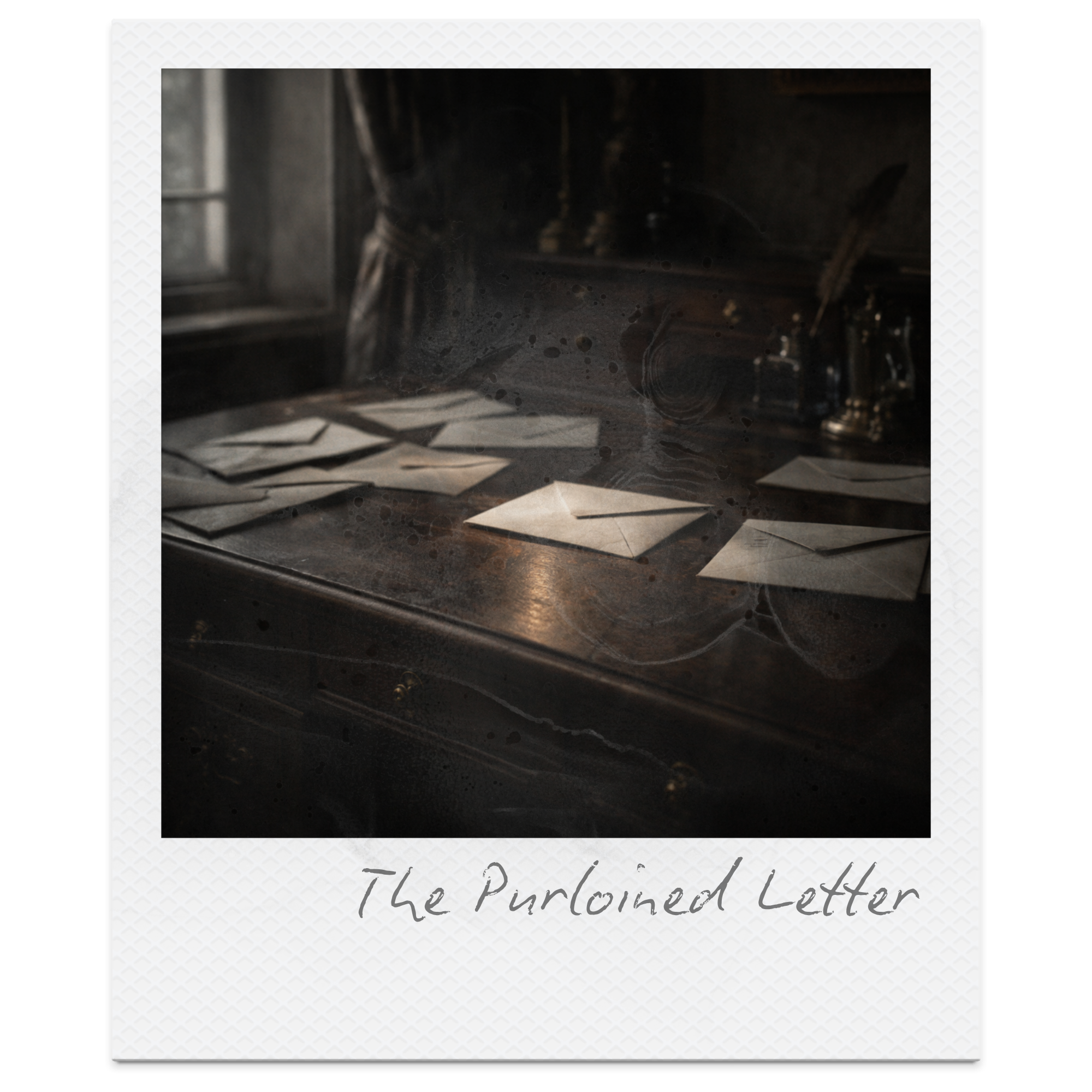
The Purloined Letter by Edgar Allan Poe: Summary, Themes, Symbolism & Analysis
The Purloined Letter is a clever and thought-provoking detective story that challenges the idea that mysteries are always complex. Instead, Edgar Allan Poe presents a case where the solution is hidden in plain sight, revealing how assumptions and rigid thinking can prevent us from seeing the obvious. Through the character of Dupin, Poe explores how true intelligence lies in understanding how others think, rather than simply relying on method or procedure. As the investigation unfolds, the story shifts from a traditional search for hidden clues to a deeper exploration of perception, power, and psychological strategy. The stolen letter becomes more than just an object—it represents control, secrecy, and vulnerability, showing how knowledge can be used as a form of influence. Ultimately, the story leaves readers questioning not just the mystery itself, but the way human reasoning shapes what we see—and what we miss.
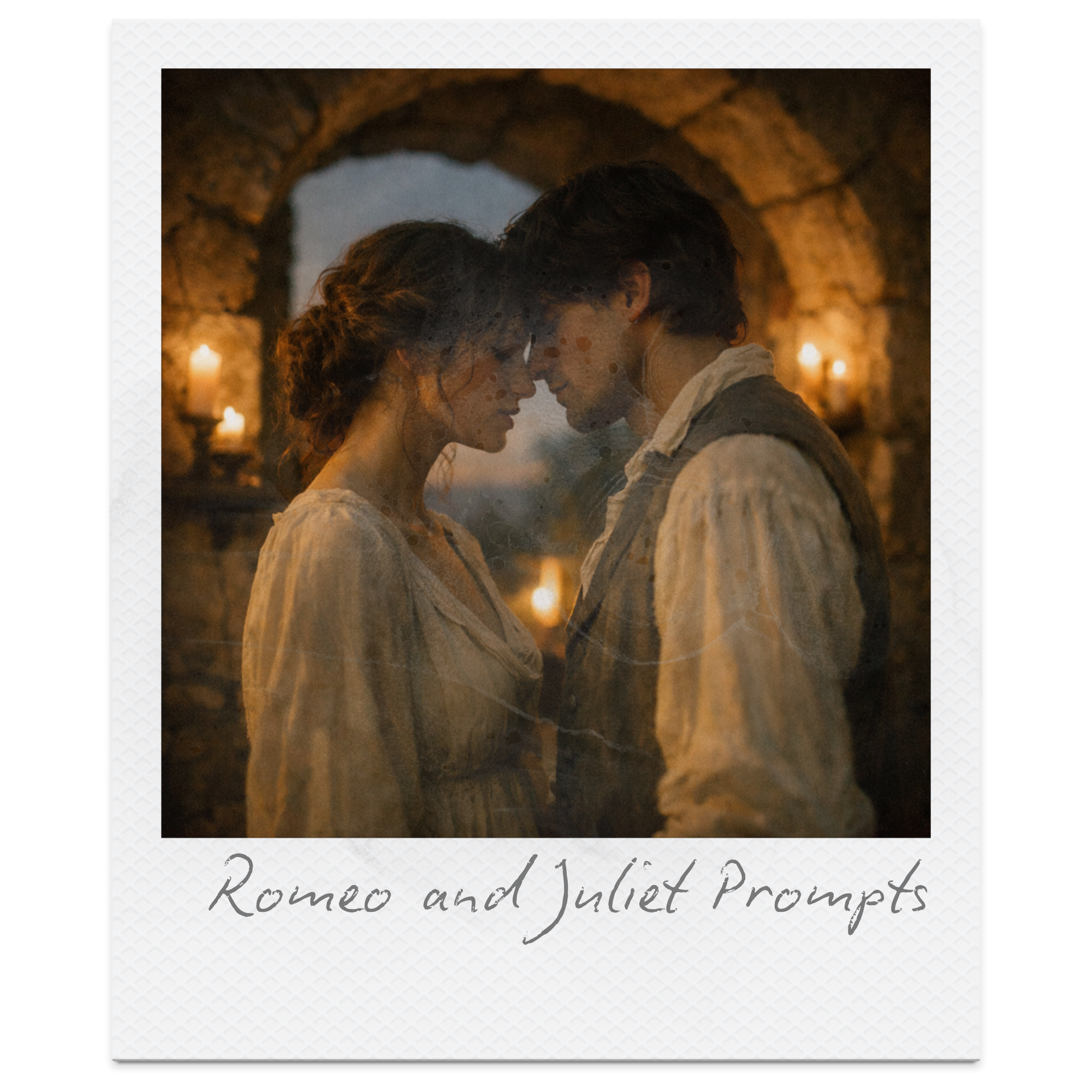
70 Creative Writing Prompts Inspired by Romeo and Juliet: Plot Hooks, Opening Lines, Characters & Visual Ideas
William Shakespeare’s Romeo and Juliet is more than a tragic love story — it is a play shaped by forbidden love, secrecy, and the dangerous speed of youthful decision-making. This collection of creative writing prompts inspired by Romeo and Juliet invites teen writers to explore impulsiveness, family conflict, and choice under pressure through original fiction and poetry, rather than retelling the plot. Designed for classroom use, writing clubs, and independent practice, these Romeo and Juliet–inspired writing prompts focus on atmosphere, voice, and moral tension. By working with character-driven ideas rooted in secrecy, loyalty, and consequence, students can engage with Shakespeare’s themes in a way that feels creative, accessible, and deeply connected to the play.
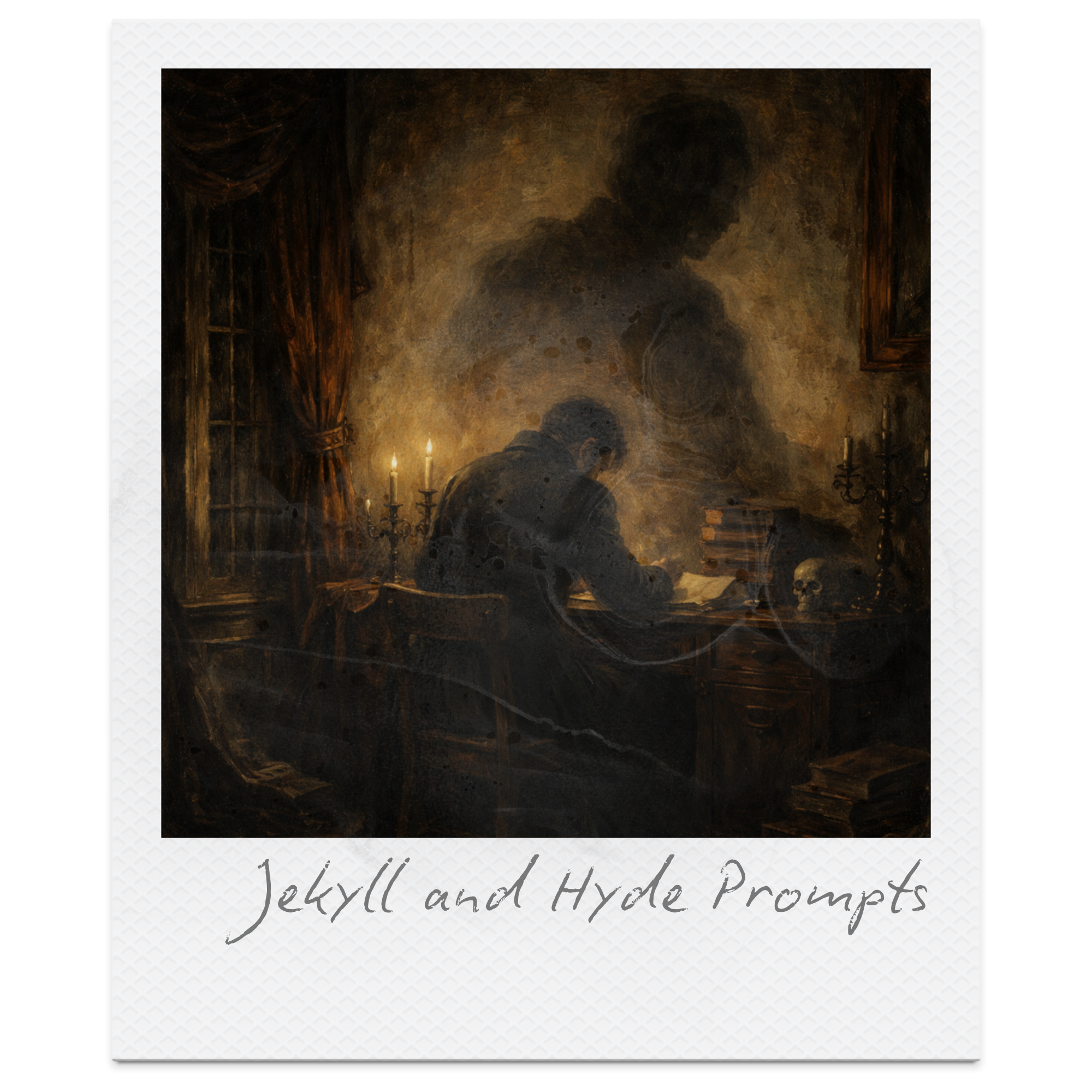
70 Creative Writing Prompts Inspired by Jekyll and Hyde: Plot Hooks, Opening Lines, Characters & Visual Ideas
Robert Louis Stevenson’s The Strange Case of Dr Jekyll and Mr Hyde explores the unsettling idea that people are not neatly divided into good and evil, but shaped by duality, repression, and the parts of themselves they try hardest to hide. This collection of creative writing prompts inspired by Jekyll and Hyde invites teen writers to engage with the novella’s gothic atmosphere, psychological tension, and moral complexity through original storytelling rather than retelling the plot. Designed for classroom use, writing clubs, and independent practice, these Jekyll and Hyde–inspired writing prompts focus on identity, secrecy, and inner conflict, encouraging students to experiment with voice, perspective, and setting. By working with mood-led, character-driven ideas, writers can explore Stevenson’s themes in a way that feels creative, accessible, and deeply connected to the text — making these prompts ideal for both short starters and extended creative tasks.
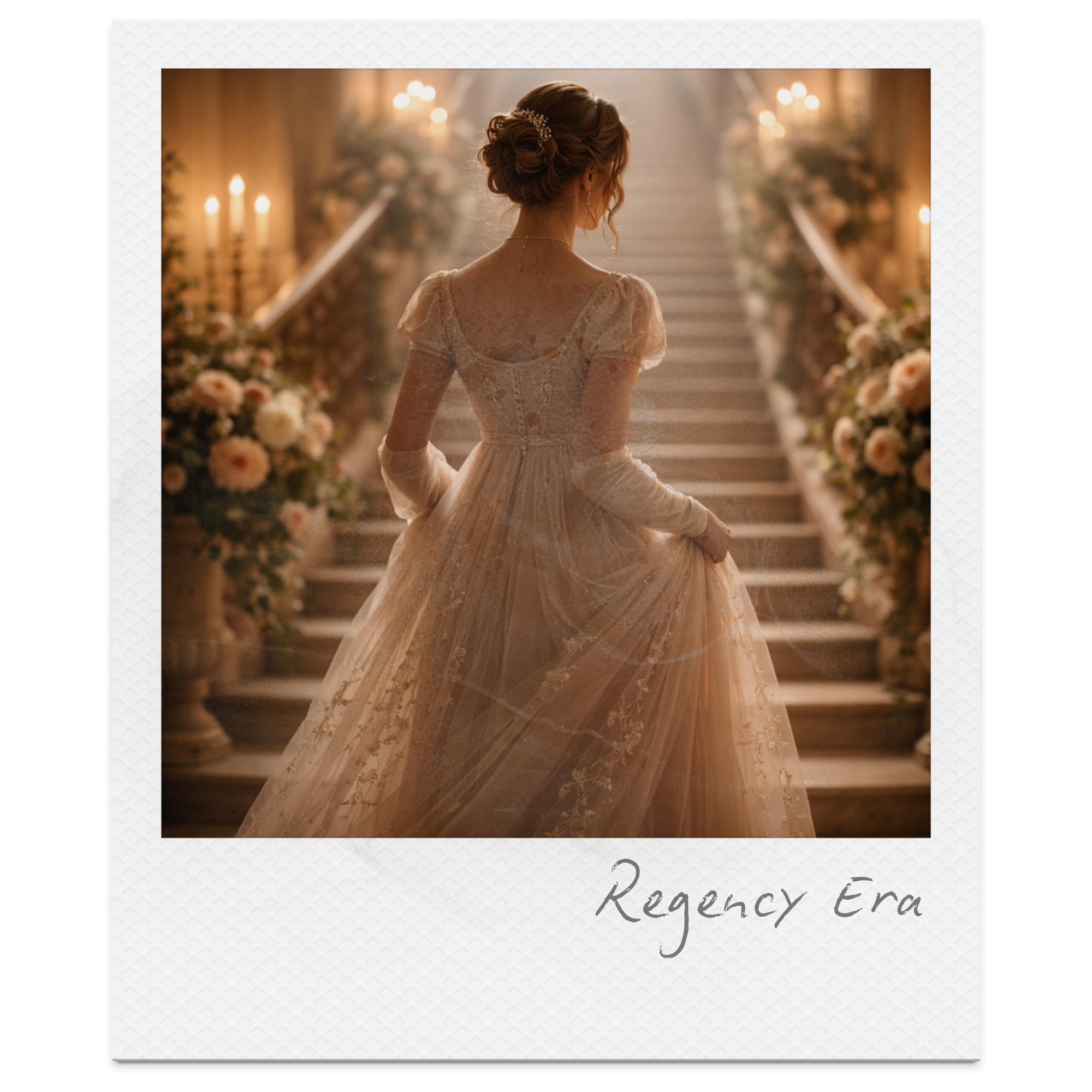
70 Regency-Era Writing Prompts: Society, Secrets & Scandal
Regency-era stories are shaped by rules rather than spectacle — by who is allowed to speak, what must remain hidden, and how reputation quietly determines fate. Set in ballrooms, drawing rooms, gardens, and carriages, these narratives explore society as a performance, where a single rumour can alter an entire future and silence can carry more weight than truth. This collection of 70 Regency-Era Writing Prompts for Teens invites writers to explore historical storytelling through atmosphere, implication, and consequence. Combining plot hooks, opening and closing lines, character ideas, settings, and visual prompts, the collection offers a structured way to write stories of courtship, secrecy, and scandal — where every glance is observed and every choice is remembered.
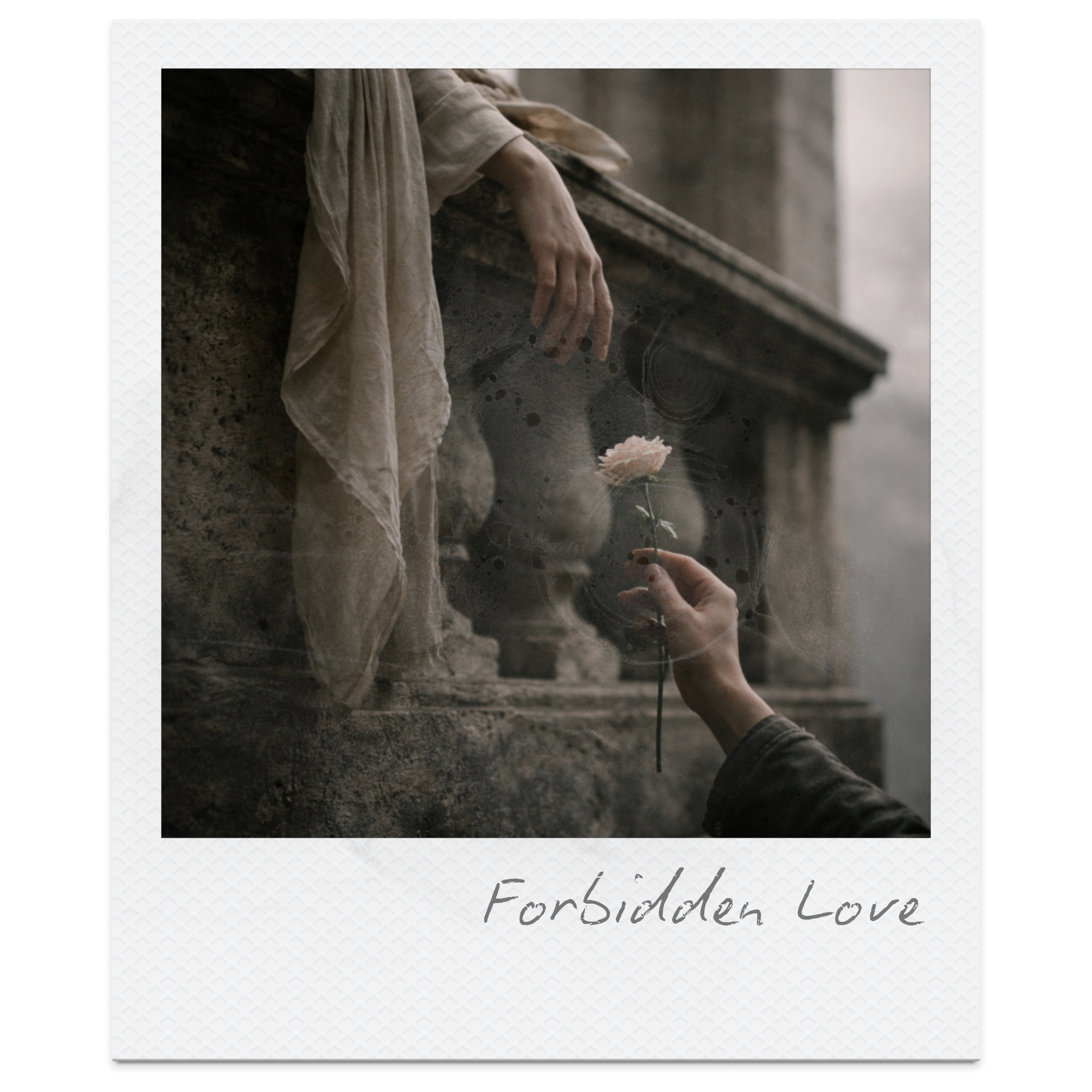
70 Forbidden Love Writing Prompts for Teens: Secret Relationships, Impossible Choices & Hidden Desire
Forbidden love stories explore what happens when desire collides with rules, expectations, or loyalty. Found throughout myth, folklore, and classic literature, this trope focuses less on romance itself and more on tension, secrecy, and consequence. Whether love is forbidden by family, duty, social boundaries, or unspoken rules, these narratives are shaped by restraint — what cannot be said, shown, or chosen without cost. This collection of 70 Forbidden Love Writing Prompts for Teens offers a structured set of story starters designed for classroom use, creative writing lessons, and independent writing. Combining plot hooks, opening and closing lines, character ideas, settings, and visual prompts, the collection encourages students to explore emotionally complex storytelling while remaining appropriate, thoughtful, and grounded in literary tradition.
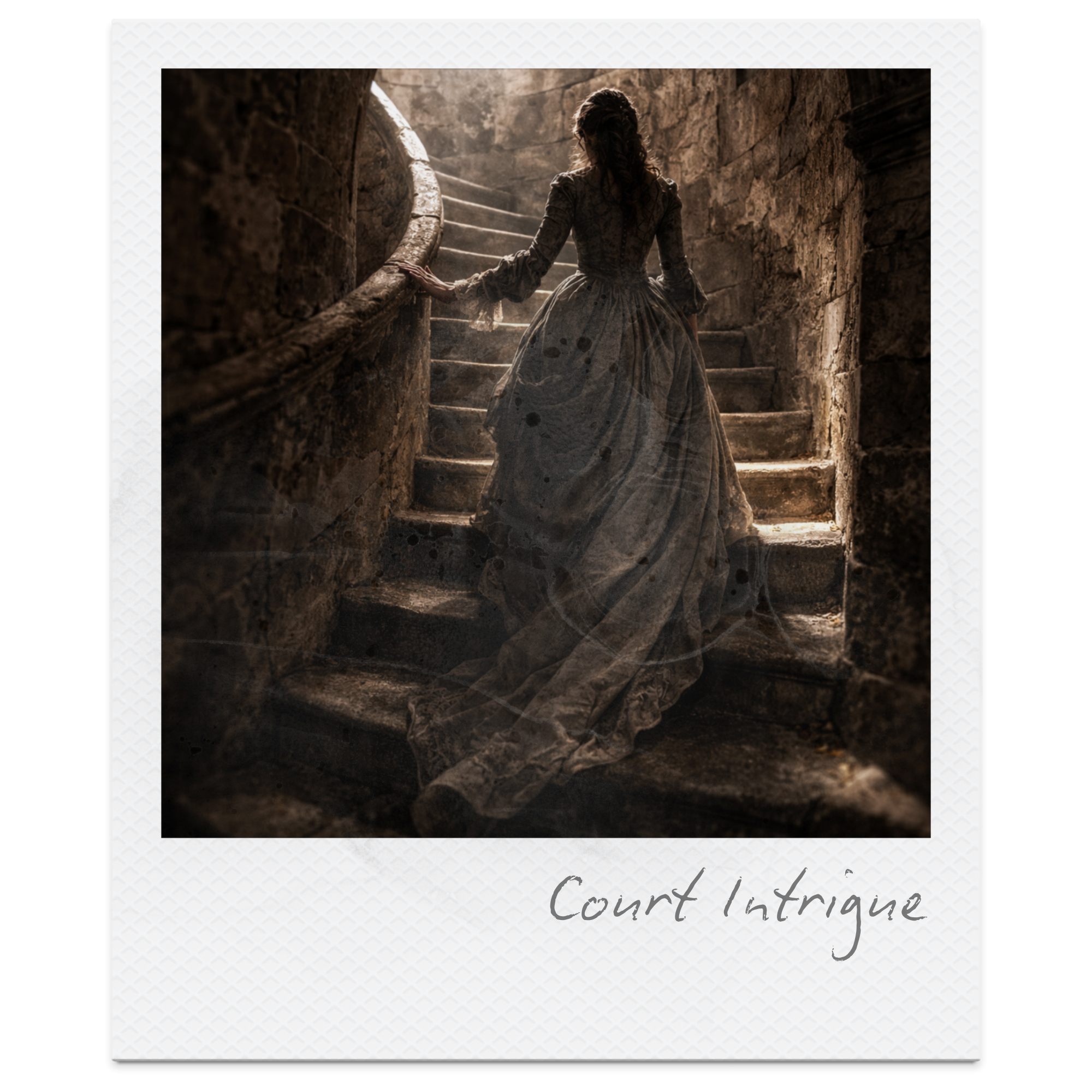
70 Court Intrigue Writing Prompts for Teens: Political Secrets, Power Struggles, Betrayal & Royal Schemes
Court intrigue stories explore power at its quietest and most dangerous. Set within royal courts, noble houses, councils, or controlled hierarchies, these narratives focus on secrecy, reputation, and moral compromise rather than open conflict. Authority is exercised through ceremony, silence, and strategy, where a single decision made behind closed doors can reshape lives far beyond the chamber walls. These court intrigue writing prompts invite teen writers to explore political tension across fantasy courts, dystopian regimes, and gothic power structures. Rather than relying on spectacle or violence, the prompts prioritise atmosphere, psychological pressure, and consequence-driven storytelling, making them ideal for classroom use, writing clubs, or longer YA projects rooted in restraint, ambiguity, and choice.
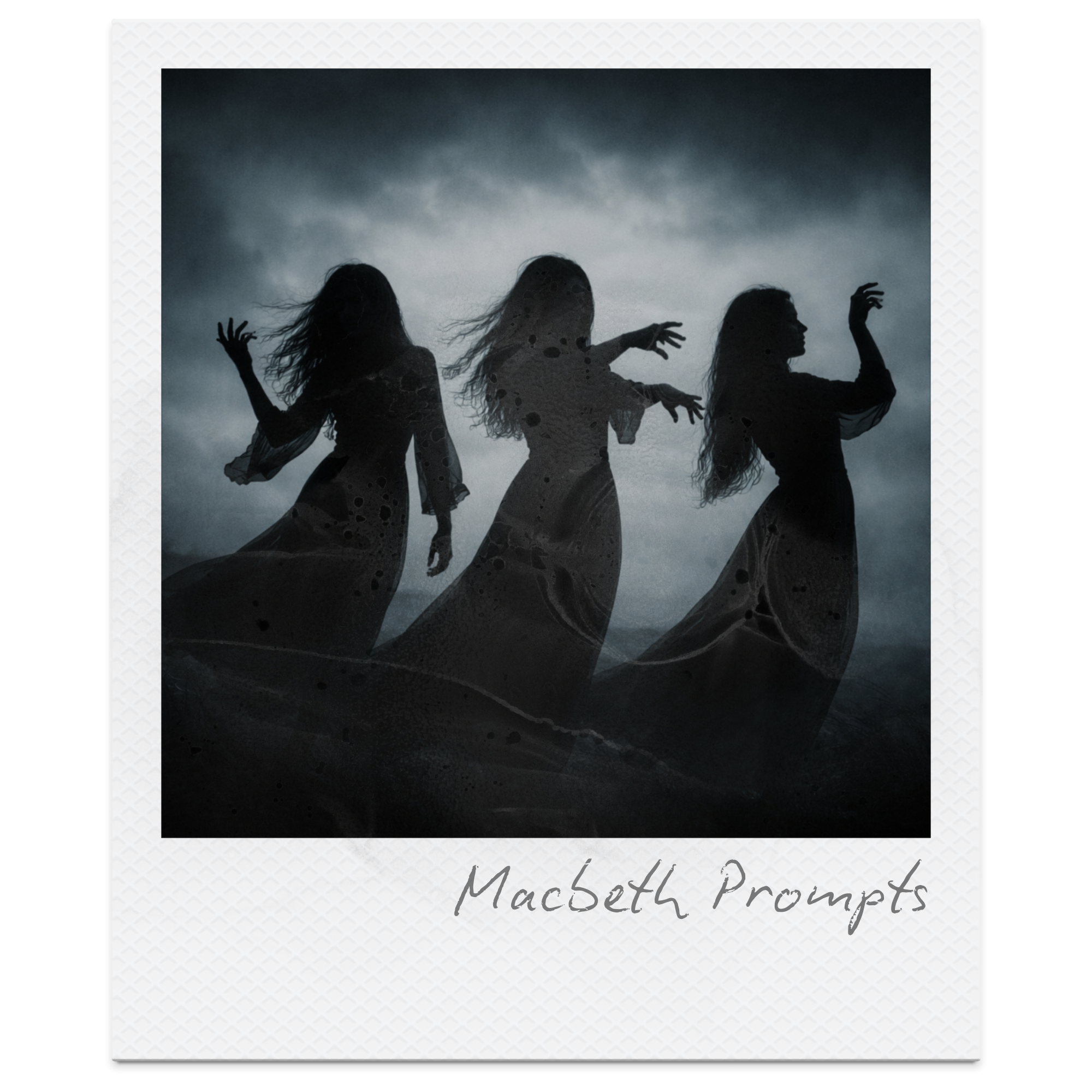
70 Creative Writing Prompts Inspired by Macbeth: Plot Hooks, Opening Lines, Characters & Visual Ideas
Explore 70 creative writing prompts inspired by Macbeth, designed to help teen writers engage with ambition, fate, guilt, and psychological conflict through original storytelling. This collection includes atmospheric plot hooks, book-style title ideas, opening and closing lines, character concepts, setting ideas, and visual prompt guidance — all inspired by Shakespeare’s play without retelling its plot. Ideal for classroom use, writing clubs, or independent creative practice, these Macbeth-inspired writing prompts encourage mood-driven, symbolic writing that builds confidence with voice, tone, and narrative structure. Writers can explore Shakespeare’s ideas creatively while developing skills in description, perspective, and thematic storytelling.