10 Personification Poetry Prompts for Teens & Adults: Voice, Agency, and the Living World
Personification poetry is not about decoration. At its strongest, it is precise, restrained, and often unsettling — a way of giving voice to forces that already shape human experience. Rather than simply assigning emotions to objects or abstract ideas, effective personification poems explore agency: what speaks, what acts, what resists, and what observes in silence.
In personification poetry, the world is not passive. Time waits. Fear lingers. Buildings remember. Weather decides. These poems often reveal emotion indirectly, allowing writers to explore power, control, memory, and conflict without relying on confession.
These personification poetry prompts for teens and adults are designed to support thoughtful, craft-focused writing in classrooms, writing groups, and independent practice. Each prompt encourages writers to move beyond surface metaphor and into sustained personification, where a chosen force, object, or space carries the poem’s emotional weight. Alongside the prompts, you’ll find suggested opening lines, writing techniques, and image-led approaches to help writers begin with atmosphere rather than explanation.
Whether you’re teaching poetry techniques, experimenting with voice, or exploring emotion through distance, these prompts approach personification as a structural choice, not a stylistic flourish.
Short on time?
Scroll down for the 10 personification poetry prompts, or keep reading for writing techniques and examples that support controlled, voice-driven poetry.
How to Approach Personification Poetry
Writing personification poetry works best when the poet resists over-explaining the metaphor. The aim is not to tell the reader what something represents, but to let the non-human voice act with consistency, logic, and restraint.
Begin by choosing something that already carries pressure: an abstract force (time, fear, silence), a natural element (wind, tide, frost), or an everyday object shaped by use (a door, a chair, a room). Ask what this thing does, not how it feels. Action grounds personification far more effectively than emotion.
Decide early how much power the speaker holds. Is the voice authoritative, patient, watchful, resentful, or quietly enduring? Once the object, place, or force is speaking, let it remain in control. Strong personification poems avoid drifting back into human explanation.
Perspective matters. Some effective personification poems avoid first person entirely, allowing voice to emerge through behaviour and implication. Others use “I” sparingly, creating intimacy without confession.
Line breaks and pacing shape authority. Short declarative lines can give the voice weight and inevitability. Enjambment can suggest intrusion or persistence. White space often functions as silence — a key feature of restrained personification poetry.
Above all, resist resolution. Personification poetry rarely ends with clarity. Its power lies in allowing the voice to remain present, ongoing, and unconcerned with human closure.
Techniques to Try in Personification Poetry
These techniques focus on control, consistency, and restraint, helping writers move beyond isolated metaphors into poems that feel intentional and fully inhabited.
Try one or two techniques at a time, paying attention to how voice, structure, and distance interact.
◆ Sustained Voice
Commit to a single non-human voice and maintain it throughout the poem. Avoid slipping back into human commentary once the speaker is established.
◆ Action Before Emotion
Let the speaker act, observe, or endure before revealing feeling — or avoid emotion entirely. Behaviour carries meaning more effectively than explanation.
◆ Limited Knowledge
Give the speaker boundaries. A house remembers sounds, not motives. A room absorbs tension without understanding cause. Limitation strengthens credibility.
◆ Indirect Human Presence
Allow humans to appear only through impact — noise, damage, absence, repetition. This keeps the poem centred on personification rather than confession.
◆ Consistency of Power
Decide whether the voice holds authority, patience, indifference, or quiet resistance, and maintain that stance to the end.
◆ Concrete Detail
Anchor the voice in physical detail — texture, weight, sound, movement. Abstract language weakens personification by pulling the poem back into interpretation.
◆ Understatement
Avoid dramatic declarations. Personification poetry often resonates most when the voice remains calm while describing something emotionally charged.
◆ Ordinary Endings
End with continuation rather than revelation — a routine repeated, a presence that remains, a voice that does not resolve itself.
Read for Inspiration: Personification in Poetry
Reading strong examples of personification poetry helps writers understand how agency, voice, and restraint function in practice. The poems below use personification as a structural choice, not a decorative device.
Read them closely for how the non-human presence acts, observes, or withholds meaning.
◆ Jackie Kay – “No. 115 Dreams”
A masterclass in sustained personification, where rooms and objects absorb memory, conflict, and longing. The poem demonstrates how space can hold voice, allowing emotional history to surface through action rather than explanation. An ideal model for object- and place-led personification poetry.
◆ Emily Dickinson – “Because I could not stop for Death”
A foundational example of abstract personification. Death’s calm authority shows how restraint and control can carry meaning without emotional excess.
◆ Christina Rossetti – “Who Has Seen the Wind?”
A deceptively simple poem that personifies through effect rather than speech, making it especially useful for introducing personification while still supporting craft discussion.
◆ Ted Hughes – “Wind”
An example of elemental personification where a natural force dominates the poem through action and consequence rather than symbolism.
◆ W. H. Auden – “As I Walked Out One Evening”
Time interrupts the poem directly, illustrating how personification can function as structural disruption rather than description.
Choose one or two poems to read closely before writing. Notice how voice is sustained and how meaning is implied rather than explained.
Personification Poetry Writing Prompts
The prompts below are designed to help writers explore personification poetry through voice, action, and authority rather than surface metaphor. Each prompt focuses on sustaining a single presence across the poem.
You can work through the prompts in order or select one that resonates. Focus on inhabiting the voice fully rather than explaining its meaning.
Personification Poetry Prompt 1: Time Speaks Back
Write a poem in which time responds to how humans treat it — rushing it, wasting it, fearing it.
Possible opening line:
I did not move faster. You did.
Craft focus:
Sustained voice and restraint. Let time remain calm and unbothered.
Personification Poetry Prompt 2: The House That Remembers
Write from the perspective of a building that has outlasted the people inside it.
Possible opening line:
They left their weight behind.
Craft focus:
Indirect human presence. Let marks, sounds, and damage suggest lives without naming them.
Personification Poetry Prompt 3: Hunger as a Character
Personify hunger as something patient rather than desperate.
Possible opening line:
I know how long I can wait.
Craft focus:
Understatement and control. Avoid dramatic language.
Personification Poetry Prompt 4: Silence Responds
Write a poem where silence reacts to noise, speech, or avoidance.
Possible opening line:
I was already here.
Craft focus:
White space and pacing. Use gaps on the page as part of the voice.
Personification Poetry Prompt 5: The Object You Use Every Day
Choose an everyday object — a door, chair, key, phone — and give it a quiet, observing voice.
Possible opening line:
You never look at me twice.
Craft focus:
Concrete detail over emotion. Let function define character.
Personification Poetry Prompt 6: Fear Without Panic
Write from the voice of fear that does not shout or threaten.
Possible opening line:
I don’t need to rush you.
Craft focus:
Consistency of tone. Keep the voice calm and deliberate.
Personification Poetry Prompt 7: The Weather That Decides
Give agency to a weather condition that changes the course of events.
Possible opening line:
I turned before you noticed.
Craft focus:
Action before explanation. Let consequence speak.
Personification Poetry Prompt 8: Memory as an Unreliable Narrator
Write from the perspective of memory itself.
Possible opening line:
I keep what survives repetition.
Craft focus:
Contradiction and uncertainty. Allow gaps and revisions.
Personification Poetry Prompt 9: The Boundary
Personify a threshold — physical or abstract — such as a doorway, border, or edge.
Possible opening line:
I exist because you stop.
Craft focus:
Spatial imagery and limitation. Define the voice through position.
Personification Poetry Prompt 10: Dreams Refuse Responsibility
Write from the perspective of dreams that deny meaning or intention.
Possible opening line:
Don’t blame me for what you carried in.
Craft focus:
Distance and deflection. Let the voice resist interpretation.
(This prompt pairs particularly well with Jackie Kay’s “No. 115 Dreams.”)
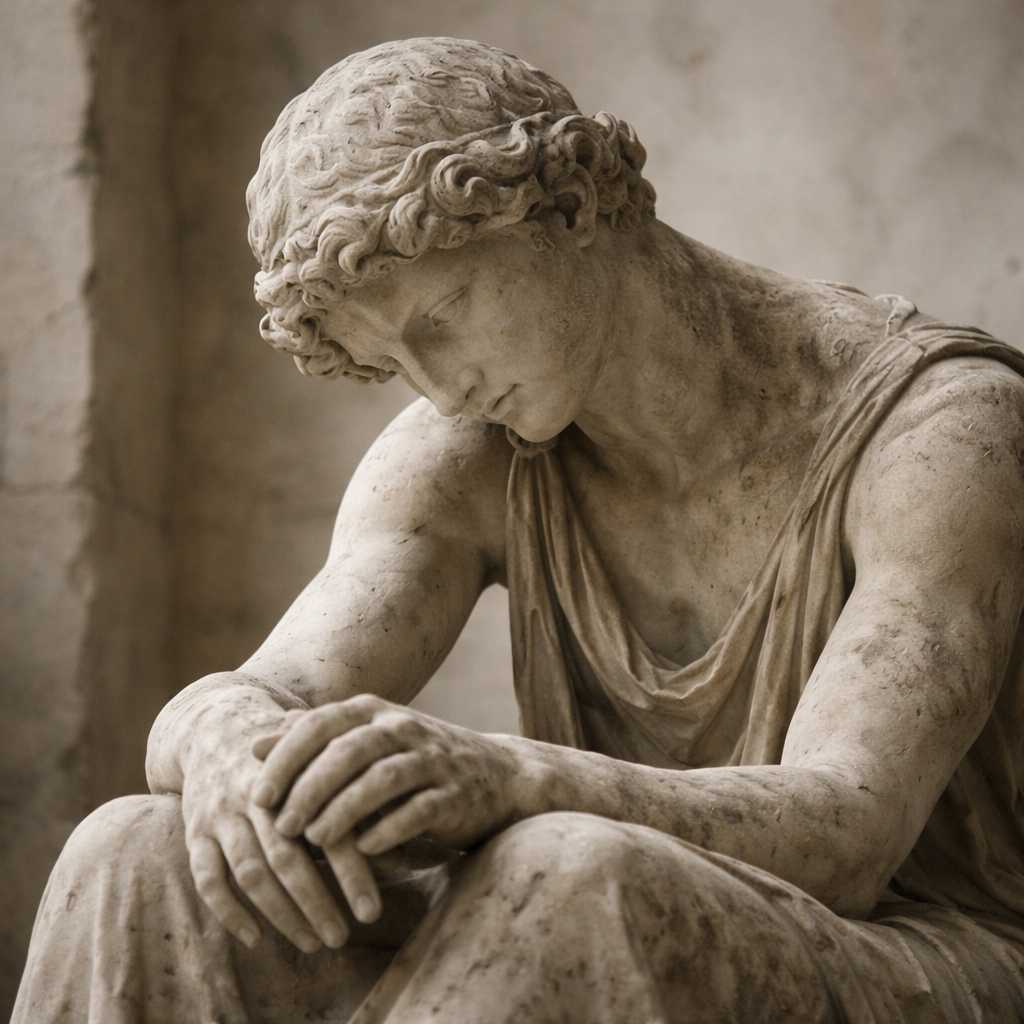
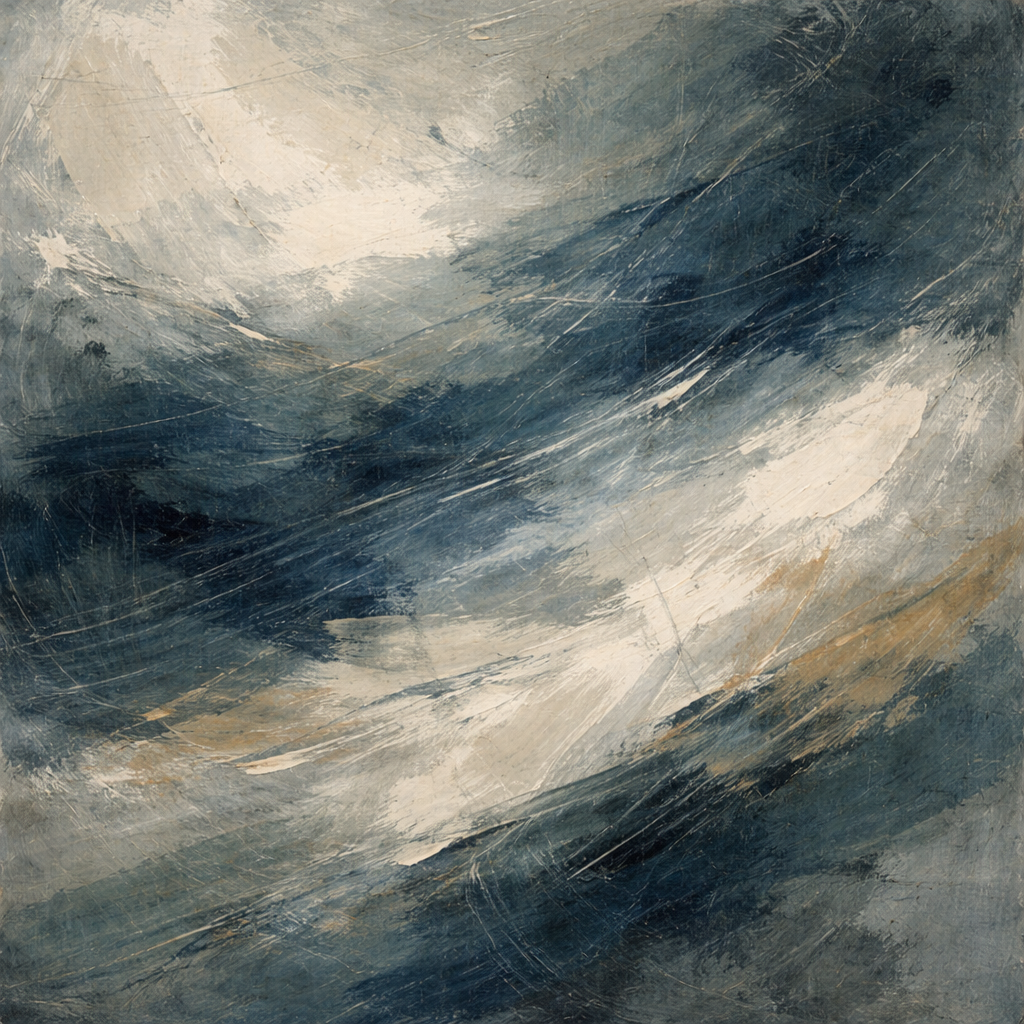
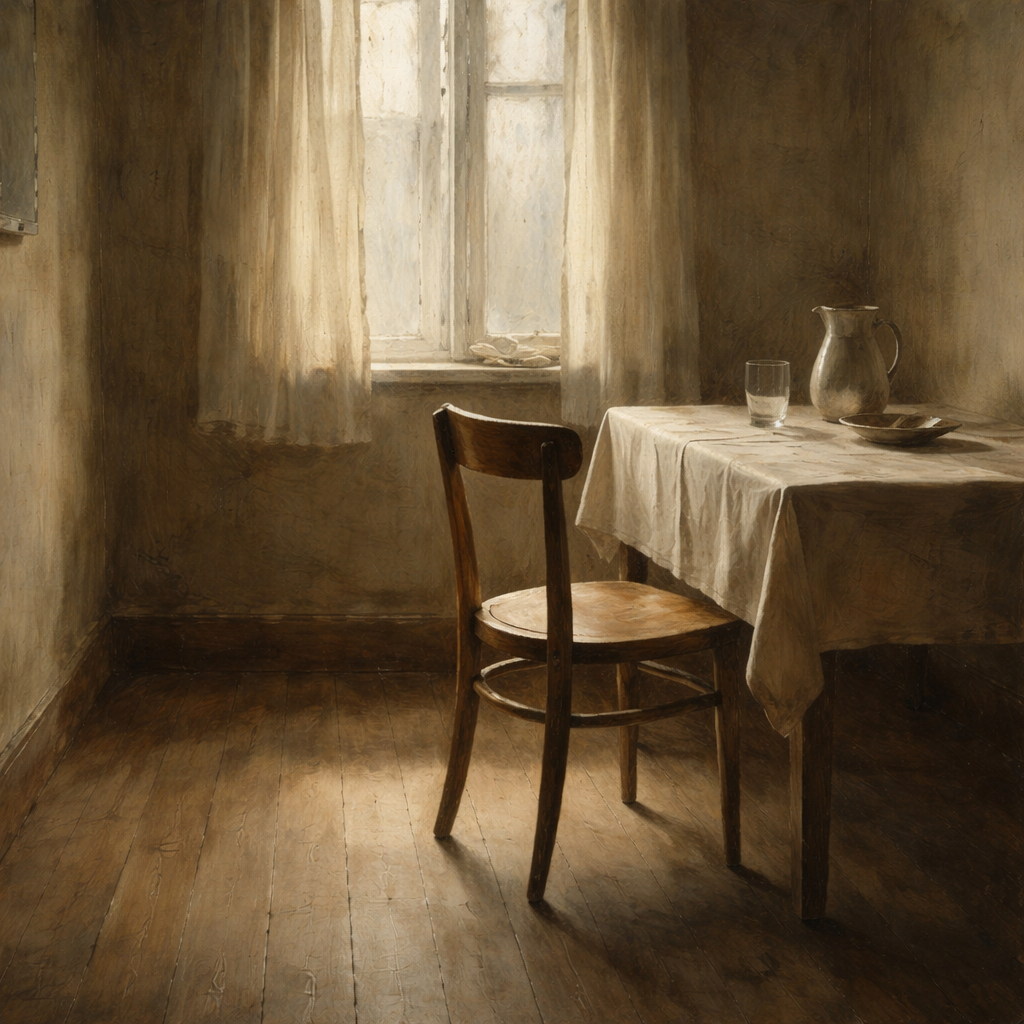
Ekphrastic Poetry: Using Images for Personification
Ekphrastic poetry offers a powerful entry point for personification by shifting focus away from personal experience and towards observation. When writing personification poetry from images, the aim is not to describe what is visible, but to identify what in the image seems to act, endure, or watch.
When working with images, try one or more of the following approaches:
◆ Focus on the dominant presence rather than the human figure
◆ Write from what holds power in the frame — light, space, architecture
◆ Let stillness function as authority
◆ Allow the image to withhold information
◆ Avoid explanation; begin where interpretation stops
In ekphrastic personification poetry, the image is not the subject of the poem — it is the entry point.


Go Deeper into Personification Poetry
If these personification poetry prompts resonated, you may want to extend the work beyond a single speaking object or force and explore how personification poems can build voice, structure, and meaning across longer sequences.
Personification becomes most powerful when it moves from a one-off device to a sustained method of seeing. Instead of treating personification as a flourish, treat it as a lens: a way of writing that shifts authority away from the human speaker and onto spaces, objects, and abstract forces that quietly shape a life.
You might try:
◆ Write a sequence of linked personification poems
Choose one setting (a house, a street, a coastline, a school corridor) and write 3–5 short poems where different elements take turns holding agency — the staircase, the door, the wallpaper, the wind outside. Keep the human presence indirect.
◆ Turn one prompt into a “room-by-room” structure
Inspired by poems like Jackie Kay’s “No. 115 Dreams,” let each stanza belong to a different space or object. Maintain sustained personification by keeping the voice consistent: calm, watchful, withholding.
◆ Try abstract forces instead of objects
Rewrite a draft by replacing the speaker with time, silence, fear, shame, or hope. Focus on action before emotion — what does the force do, refuse, repeat, or outlast?
◆ Use personification to avoid confession
If a topic feels too personal, shift the emotional weight onto an object that has “witnessed” it. A phone, a sink, a coat, a banister, a window. Let concrete detail do the work instead of explanation.
◆ Write the same moment twice with different speakers
Write one poem where the human speaks, then rewrite it as a personification poem where the environment speaks. Compare what becomes clearer when the human voice is removed.
Approached thoughtfully, personification poetry offers a way to write with emotional precision and restraint — allowing meaning to emerge through presence, pressure, and implication rather than direct statement.
Final Thoughts
Personification poetry works because it creates distance — not to avoid emotion, but to handle it with care. By shifting voice away from the human speaker, personification allows writers to explore memory, conflict, fear, and longing without confession or explanation.
You don’t need to make the object sympathetic.
You don’t need to explain what it represents.
You don’t need to resolve the voice.
Strong personification poems allow presence to do the work. A room remembers. A force waits. An object observes and withholds. Meaning emerges through action, restraint, and implication, not through emotional declaration.
If a poem feels unfinished, that is often a sign it is working. Personified voices rarely seek closure; they continue, persist, and remain unconcerned with human understanding. Let the poem end where the voice still exists.
If you’d like to explore this approach further, you may want to browse the Poetry Writing Hub or the Creative Writing Archive, where you’ll find a growing collection of writing prompts, poetry techniques, and image-led starting points designed to support intentional, craft-focused writing across genres and forms.
Write less than you think you should.
Stop before the poem explains itself.
Let what speaks remain.
That quiet persistence is often where personification poetry does its most powerful work.
