Notes from the Inkpot
Writing, teaching, creating - one ink-stained idea at a time.


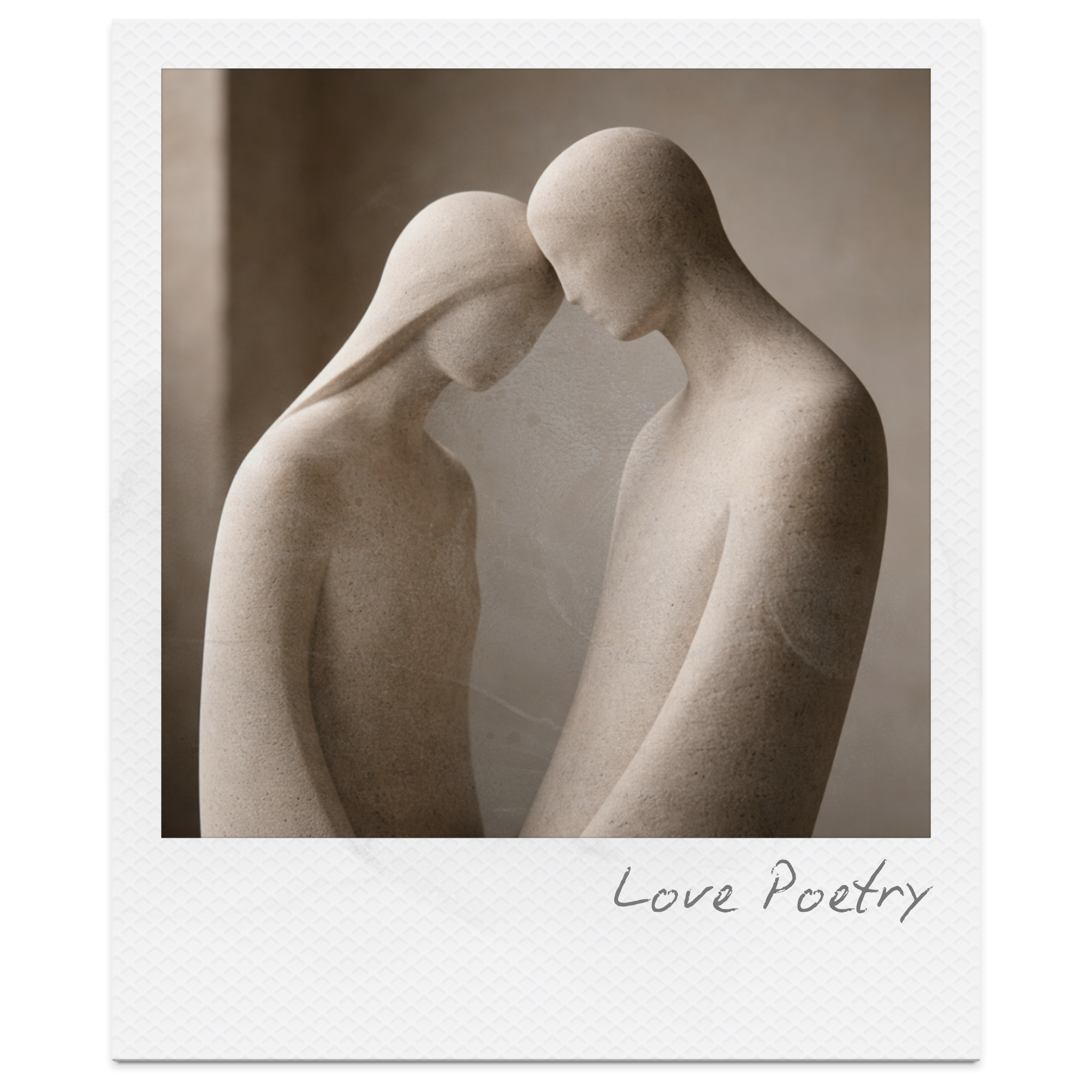
10 Love Poetry Prompts for Teens & Adults: Connection, Longing, and Devotion
Love poetry explores connection, devotion, and longing through voice, imagery, and attention to detail. Rather than relying on grand declarations or cliché, effective love poems focus on small moments, shared habits, and quiet acts of care. This post introduces love poetry as a craft-driven form, showing how emotion is shaped through structure, restraint, and observation. These love poetry prompts for teens and adults offer practical starting points for writing sincere, controlled love poems. With writing techniques, model texts, and image-led inspiration, the post supports classroom teaching and independent writing, helping poets move beyond surface romance into thoughtful, emotionally grounded work.
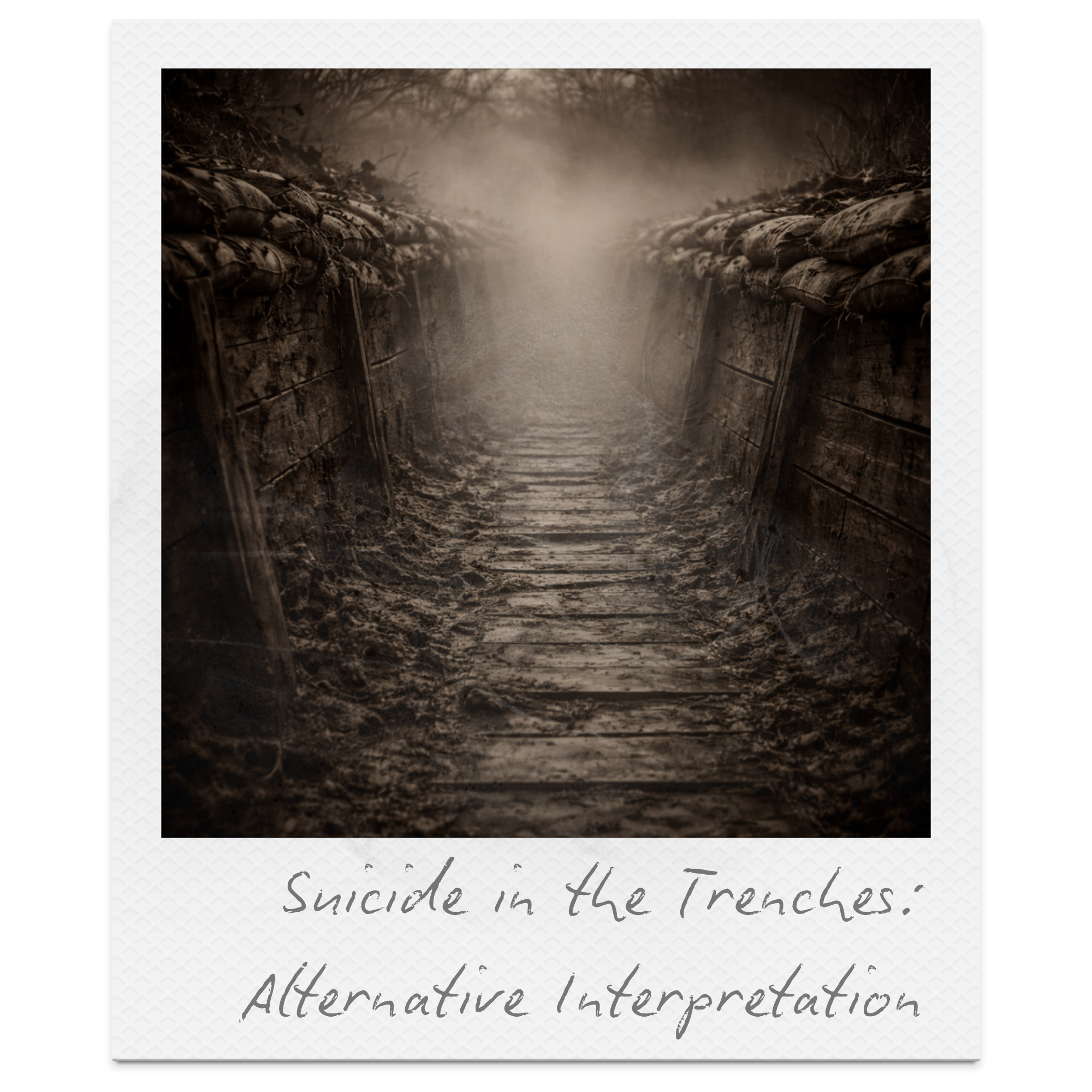
Alternative Interpretations of Suicide in the Trenches by Siegfried Sassoon
Suicide in the Trenches is often taught as a poem with a clear message about the horrors of war. Yet Sassoon’s restraint, ambiguity, and shifting focus invite multiple interpretations about responsibility, blame, and silence. This post explores alternative interpretations of Suicide in the Trenches, examining whether the poem functions as a moral accusation against civilians, a critique of systems, or an exposure of emotional numbness. Designed to support discussion and debate, it encourages students to move beyond surface readings and engage with interpretation as an active, evidence-based process.
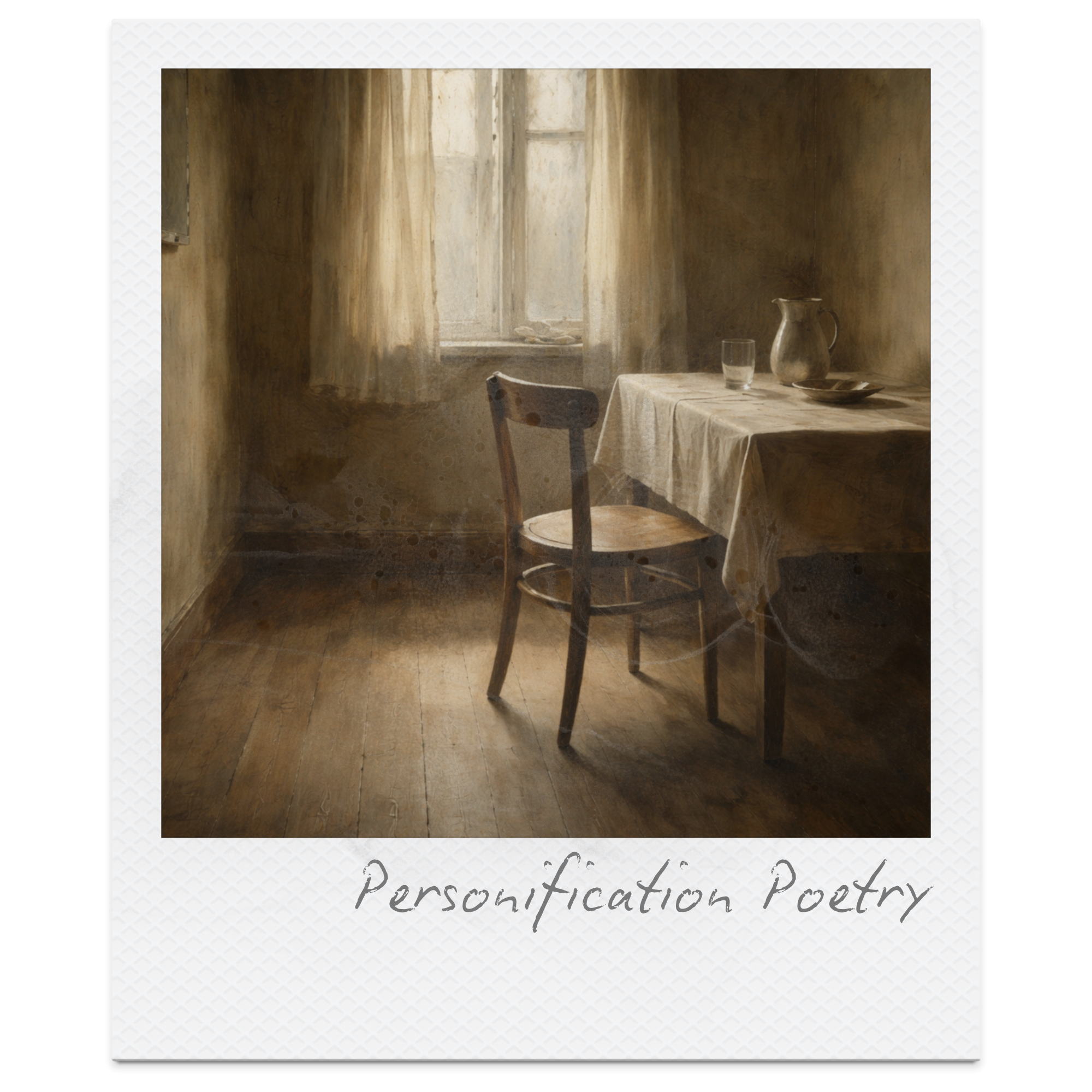
10 Personification Poetry Prompts for Teens & Adults: Voice, Agency, and the Living World
Personification poetry gives voice to objects, spaces, and abstract forces, allowing writers to explore emotion, memory, and power with restraint and precision. Rather than relying on confession or overt symbolism, strong personification poems shift agency away from the human speaker, letting rooms remember, time wait, silence observe, and weather decide. This technique creates distance while deepening meaning, making personification a powerful craft choice in both classroom and creative writing contexts. These personification poetry prompts for teens and adults are designed to support craft-focused poetry writing, offering structured starting points that emphasise voice, agency, and sustained metaphor. With model texts, writing techniques, and image-led approaches, this collection helps writers move beyond surface personification into poems that feel controlled, intentional, and emotionally precise.
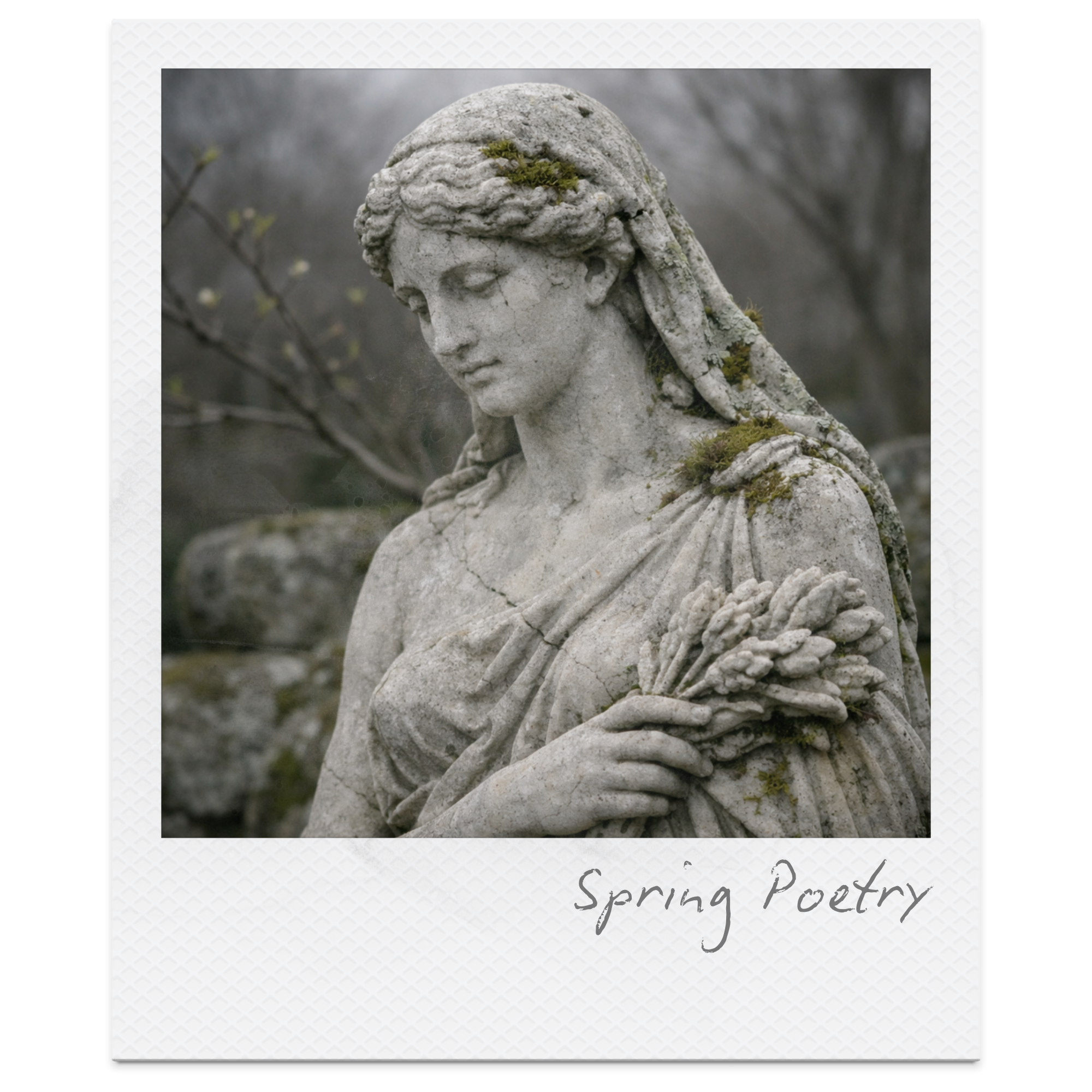
10 Spring Poetry Prompts for Teens & Adults: Writing About Change, Light, and Renewal
Spring poetry is often associated with easy symbolism and tidy ideas of renewal, but the season itself is rarely that simple. In poetry, spring is a time of transition, exposure, and uneven change — moments where light returns gradually, growth feels uncertain, and what has been buried begins to surface. These spring poetry prompts for teens and adults invite writers to explore that complexity through imagery, atmosphere, and poetic craft rather than cliché. Designed for classroom use, writing groups, and independent practice, this collection of spring poetry writing prompts focuses on observation, restraint, and emergence. With suggested opening lines, craft focuses, and ekphrastic approaches, the prompts support thoughtful poetry writing that captures spring as it happens — unsettled, partial, and still in progress.
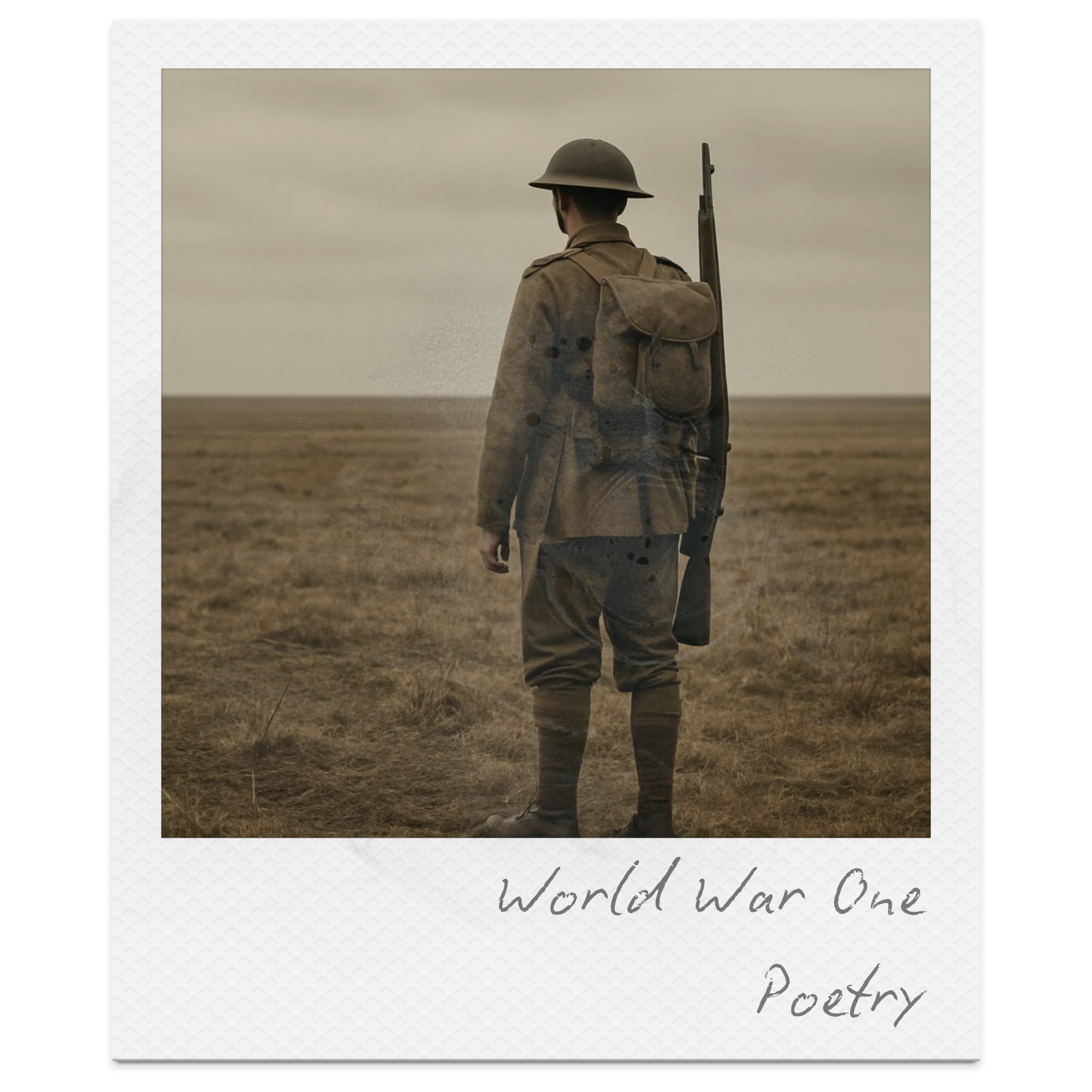
10 Best WWI Poems to Teach (And How to Teach Them)
World War One poetry is a powerful and enduring part of secondary English literature, offering students a direct literary response to war, trauma, memory, and loss. This post explores 10 of the best WWI poems to teach, with clear teaching focuses, classroom-ready ideas, and suggestions for discussion and creative response. The poems are grouped thematically to support comparative study and flexible unit planning. Designed for global classrooms, this guide supports close reading, empathy-building discussion, and analytical writing, while linking to deeper teaching resources and the wider Literature Library. Whether you’re planning a full World War One poetry unit or selecting individual poems to complement a wider literature course, this post offers practical guidance rooted in strong literary foundations.
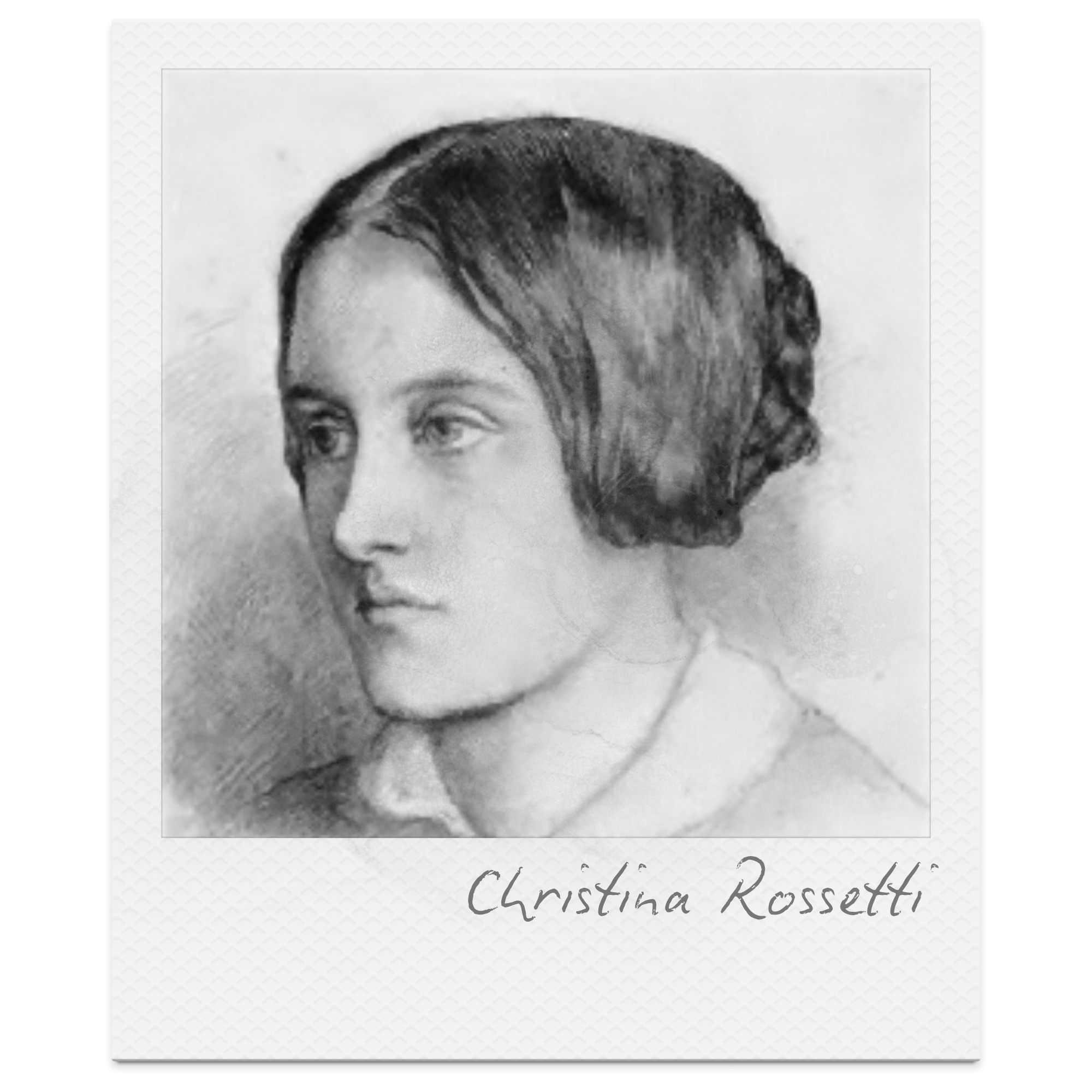
Christina Rossetti: Context, Themes, and Literary Significance
Christina Rossetti’s poetry is shaped by religious discipline, emotional restraint, and sustained psychological conflict. Writing within the pressures of Victorian gender norms and devotional expectation, Rossetti explores what happens when desire must be suppressed, faith demands self-surveillance, and feeling is carefully managed rather than released. Her poems rarely offer resolution, instead lingering in states of waiting, silence, and endurance, where emotional tension is contained beneath deceptively simple forms. Reading Rossetti in context reveals how her work engages with mental health, spiritual doubt, and the governance of emotion in nineteenth-century literature. Through repetition, restraint, and withheld voice, Rossetti constructs lyric speakers who negotiate authority internally, making her poetry particularly rich for close reading and thematic interpretation. This contextual overview provides a foundation for exploring Rossetti’s enduring significance across Victorian poetry, psychological realism, and modern critical debate.