Notes from the Inkpot
Writing, teaching, creating - one ink-stained idea at a time.


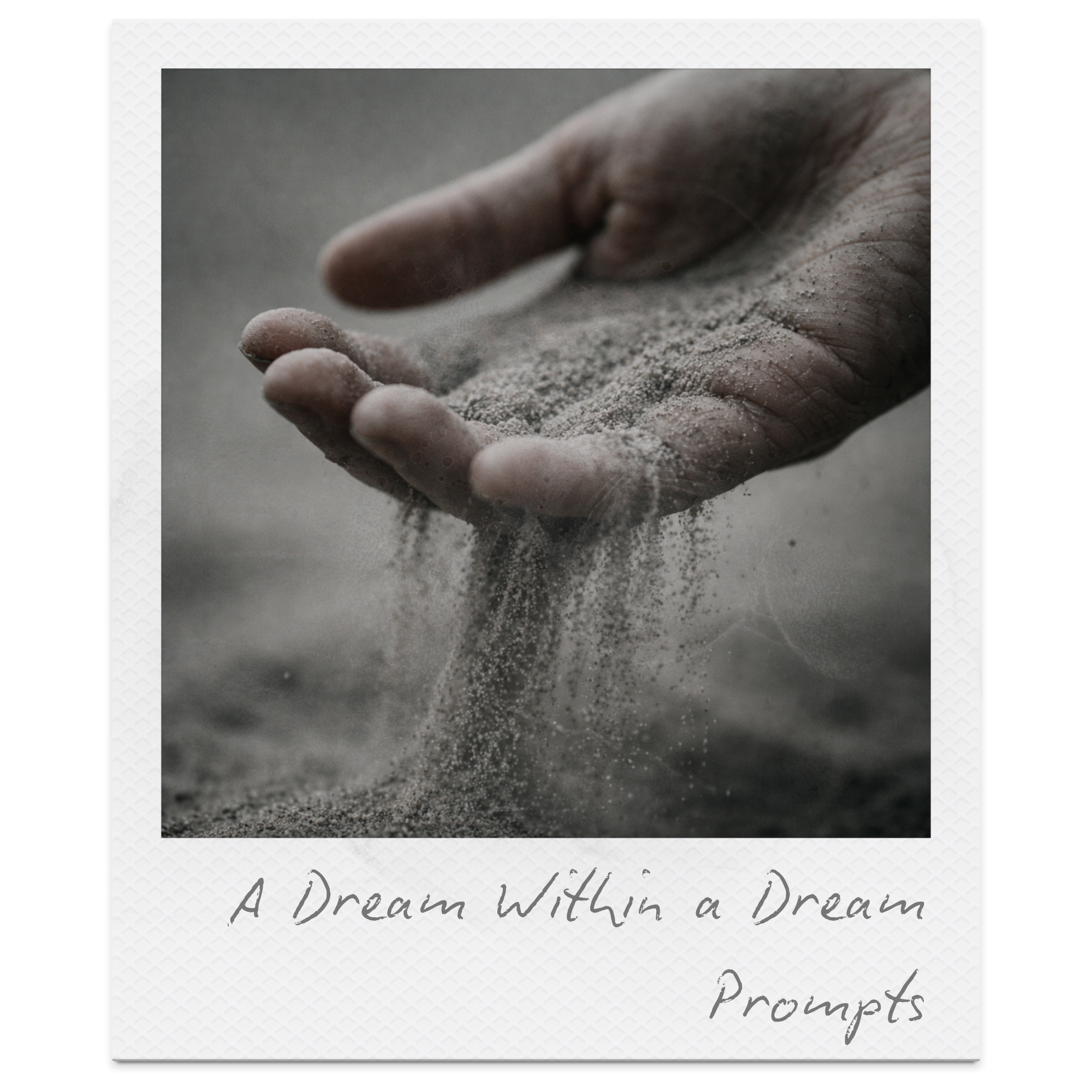
70 A Dream Within a Dream Writing Prompts: Reality, Time, Loss & Illusion
These A Dream Within a Dream writing prompts invite students to explore one of literature’s most unsettling questions: what if reality itself is uncertain? Inspired by A Dream Within a Dream, this collection focuses on illusion, time, memory, and the human desire to hold onto moments that are already slipping away. Rather than retelling the poem, these prompts encourage original storytelling shaped by atmosphere, symbolism, and emotional tension. Perfect for classrooms, writing clubs, or independent practice, these prompts help students experiment with reflective narration, dreamlike settings, and philosophical ideas about truth and perception. They can be used as quick starters or developed into longer pieces, making them a flexible tool for engaging with literature while building confidence in creative writing.
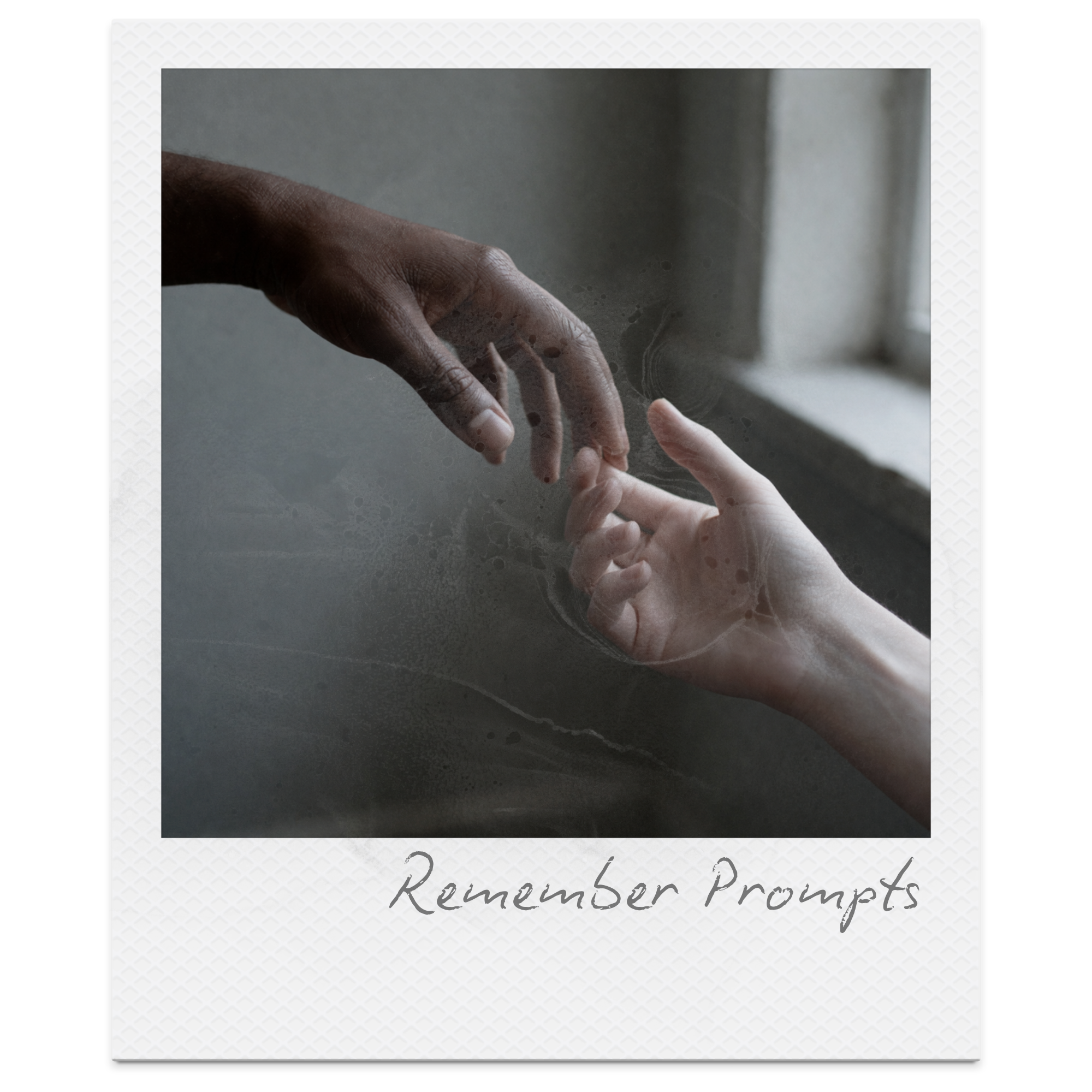
70 Writing Prompts Inspired by Christina Rossetti’s Remember: Memory, Absence & Quiet Love
Christina Rossetti’s Remember is a quiet yet powerful exploration of memory, loss, and the complexity of letting go. Unlike many poems that cling to remembrance as a form of love, Remember shifts its perspective, suggesting that true care may lie in release rather than attachment. Through its restrained voice and reflective tone, the poem invites readers to consider whether holding on always honours the past — or whether, sometimes, forgetting can be a gentler act. This collection of 70 writing prompts inspired by Remember encourages writers to explore grief, absence, and emotional distance through both creative and reflective storytelling. From quiet farewells to unfinished conversations, these prompts offer a structured way to engage with themes of love, memory, and selfless letting go, making them ideal for classroom use, personal narrative writing, or deeper literary exploration.
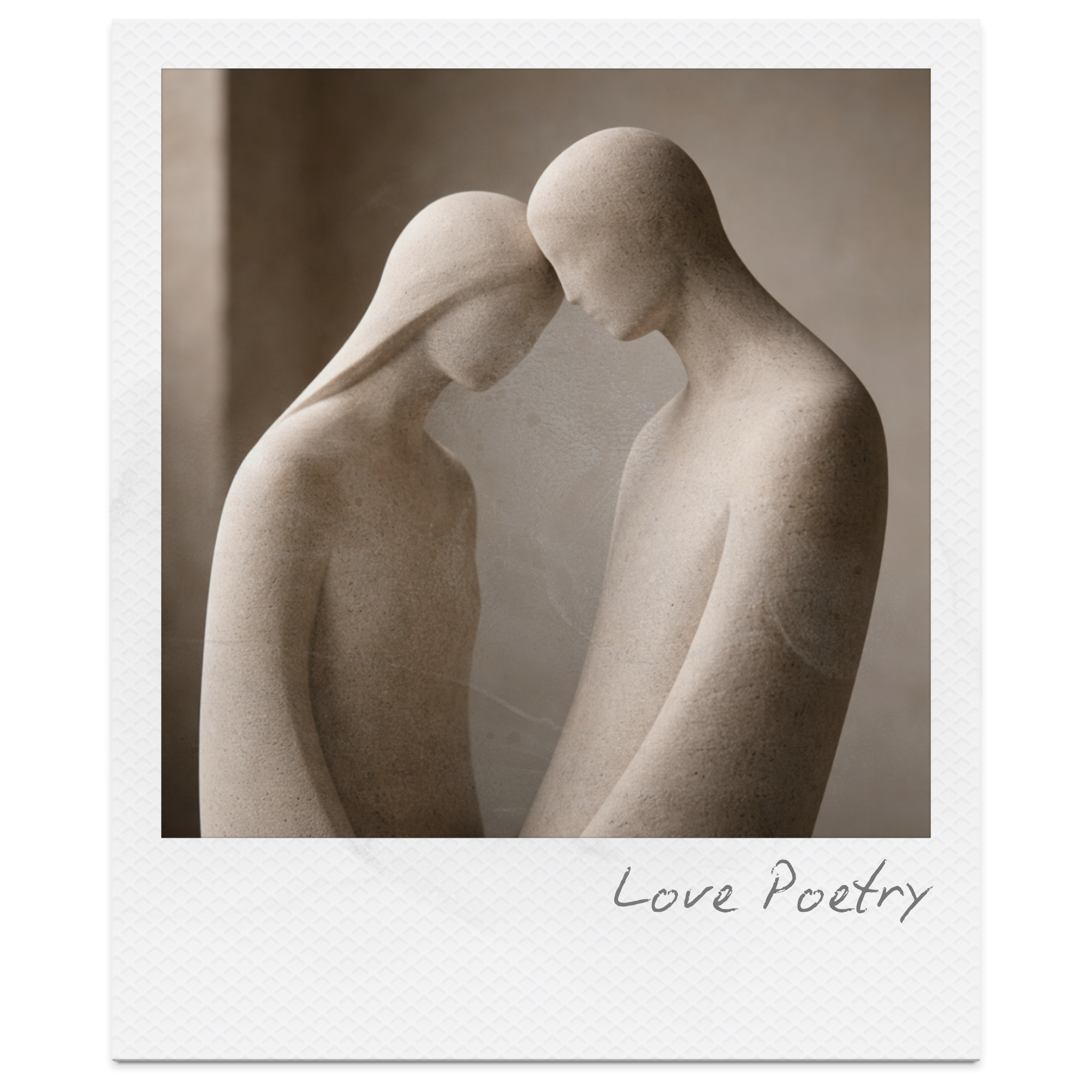
10 Love Poetry Prompts for Teens & Adults: Connection, Longing, and Devotion
Love poetry explores connection, devotion, and longing through voice, imagery, and attention to detail. Rather than relying on grand declarations or cliché, effective love poems focus on small moments, shared habits, and quiet acts of care. This post introduces love poetry as a craft-driven form, showing how emotion is shaped through structure, restraint, and observation. These love poetry prompts for teens and adults offer practical starting points for writing sincere, controlled love poems. With writing techniques, model texts, and image-led inspiration, the post supports classroom teaching and independent writing, helping poets move beyond surface romance into thoughtful, emotionally grounded work.
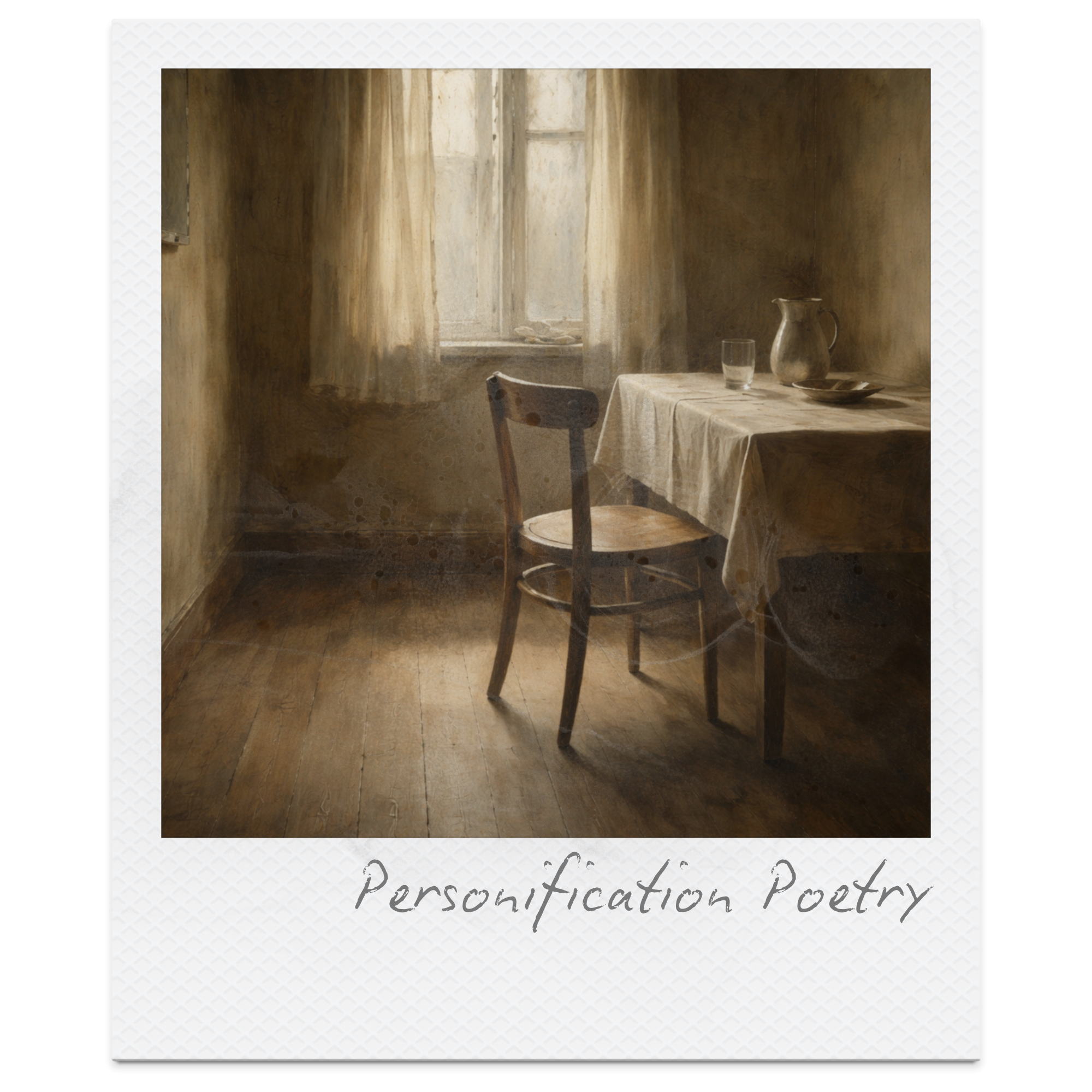
10 Personification Poetry Prompts for Teens & Adults: Voice, Agency, and the Living World
Personification poetry gives voice to objects, spaces, and abstract forces, allowing writers to explore emotion, memory, and power with restraint and precision. Rather than relying on confession or overt symbolism, strong personification poems shift agency away from the human speaker, letting rooms remember, time wait, silence observe, and weather decide. This technique creates distance while deepening meaning, making personification a powerful craft choice in both classroom and creative writing contexts. These personification poetry prompts for teens and adults are designed to support craft-focused poetry writing, offering structured starting points that emphasise voice, agency, and sustained metaphor. With model texts, writing techniques, and image-led approaches, this collection helps writers move beyond surface personification into poems that feel controlled, intentional, and emotionally precise.
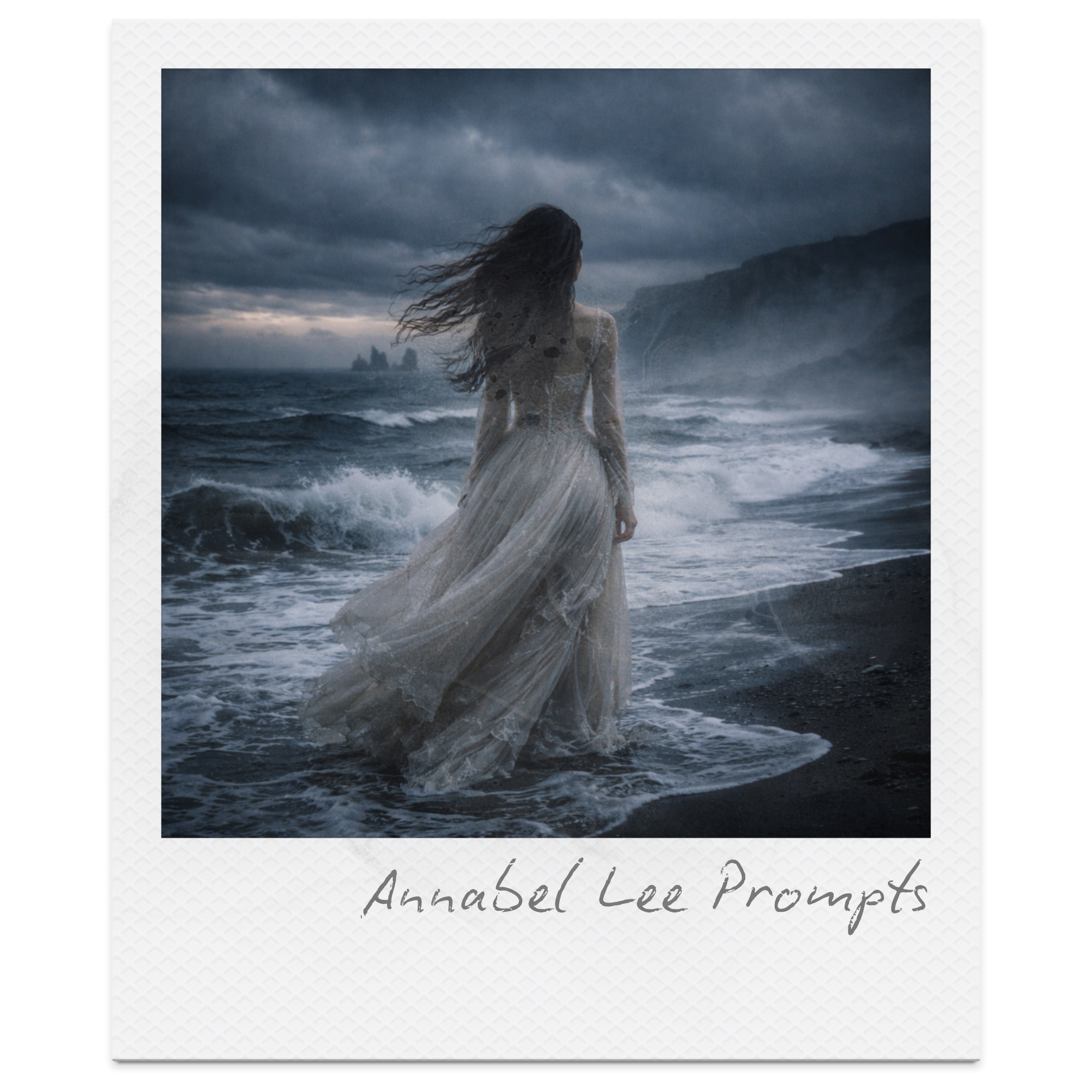
70 Creative Writing Prompts Inspired by Annabel Lee: Plot Hooks, Opening Lines, Characters & Visual Ideas
These 70 creative writing prompts inspired by Edgar Allan Poe’s Annabel Lee are designed to help young writers explore emotion, memory, and atmosphere through original storytelling. Rather than retelling the poem, the prompts draw on its mood, imagery, and central ideas, encouraging students to experiment with voice, setting, and feeling while developing confidence in expressive writing. Suitable for classroom use, writing clubs, and independent practice, this collection supports creative engagement with literature across a range of age groups. The prompts can be used as short writing starters, extended creative tasks, or inspiration for reflective pieces that connect literary study with imagination and personal response.