70 Paranormal Romance Writing Prompts for Teens: Story Starters, Characters, Settings & Visual Ideas
Paranormal romance explores what happens when love crosses the boundary between worlds. These stories bring together ghosts and humans, vampires and mortals, witches and skeptics, and shapeshifters and scholars, blending the emotional intensity of romance with the uncertainty of the supernatural. For teen writers, the genre offers a compelling mix of mystery, danger, longing, hidden identities, and high emotional stakes, all rooted in character relationships rather than spectacle.
This collection of 70 paranormal romance writing prompts for teens gives young writers a complete creative toolkit, including plot hooks, story title ideas, opening lines, closing lines, character archetypes, setting ideas, and cinematic picture prompts. The prompts are ideal for creative writing warm-ups, English lessons, writing clubs, or longer YA paranormal romance projects.
You can explore more romance prompts and storytelling ideas in the Romance Writing Hub, the Paranormal Writing Hub, or browse the Creative Writing Archive for a wider range of genres and inspiration.
1. Plot Hooks
Strong paranormal romance plot hooks draw two characters together across a supernatural divide, where attraction carries risk and love has real consequences. These stories thrive on tension between what is felt and what is forbidden, blending romance, mystery, and the uncanny. Each hook below is designed to give teen writers immediate momentum and a clear emotional core.
Write about a ghost who keeps appearing in the school library, asking the protagonist to help finish unfinished business that may prevent them from ever moving on.
Write about a shapeshifter forced to hide their true nature from the person they are slowly falling for — knowing the truth could end everything.
Write about a witch who accidentally binds their soul to someone they barely know, only to realise the bond grows stronger with every shared secret.
Write about a vampire who feeds on memories instead of blood, until they fall in love and risk losing the moments that matter most.
Write about a teen journalist investigating a local haunting who becomes emotionally entangled with the spirit they are meant to expose.
Write about a guardian spirit assigned to protect someone they are forbidden to speak to — and the consequences of breaking that rule.
Write about a mortal invited to a supernatural masquerade, where every guest hides their true form and falling for the wrong person could be dangerous.
Write about a necromancer granted permission to revive someone for a single night, only to spend that night falling in love.
Write about a werewolf trying to conceal their curse during a school camping trip, while growing closer to someone who is starting to notice the signs.
Write about a psychic who keeps dreaming about the same person, only to meet them in real life when they transfer to the same school.
2. Title Ideas
Strong paranormal romance titles tend to be atmospheric, emotionally charged, and just slightly uncanny. They hint at supernatural presence without explaining it, and foreground feeling, longing, or danger over lore. These titles work well for short stories, YA novels, web fiction, or Wattpad serials, and can also be adapted as chapter titles.
The Night Visitor
A Kiss from the Unseen
Moonlight, Memory, and What We Lost
Beneath the Velvet Veil
The Hour Between Sleeping and Waking
A Heart Made of Shadows
The Ghost in Row Seventeen
The Shape of Midnight
Lace, Silver, and Other Omens
The Girl Who Fell in Love with the Dark
3. Opening Lines
Strong paranormal romance opening lines introduce mystery, tension, or unexpected attraction from the very first sentence. For teen writers, these openings model how to begin a scene with emotion and intrigue, drawing readers into a story where the supernatural and the romantic collide before everything is fully understood.
I first saw him in the mirror, even though there was no one else in the room.
The new kid sat alone at lunch, wearing sunglasses despite the storm pounding the windows.
I didn’t believe in ghosts until one started walking me home every night.
She smiled at me as if she already knew how this would end.
At midnight, the town revealed things it carefully hid from mortals during the day.
His jacket smelled like rain, cold air, and something I couldn’t explain.
I wasn’t meant to hear the dead, but they kept whispering his name anyway.
She never spoke, yet her eyes caught the light whenever the power flickered.
My heart wasn’t the first thing he took from me.
I should have been afraid, but instead my pulse quickened.
4. Closing Lines
Strong paranormal romance closing lines leave space for longing, hope, or quiet consequence. Rather than tying everything neatly closed, these endings suggest a future still unfolding — a promise, a farewell, or a secret the characters choose to keep.
He faded with the sunrise, but I knew this wasn’t the last time I would see him.
She was gone, yet the warmth of her touch lingered long after the room fell quiet.
Not all love stories end in blood; some end in forgiveness.
We walked home together, pretending the night wasn’t paying attention.
The dead were silent at last, and so was my heart.
I didn’t know where she was going, only that she wouldn’t be alone.
The moon slipped behind the trees, and our secret belonged to the morning.
He kissed my hand and promised he would earn his second chance at life.
No one would believe what happened, and somehow that made it ours.
The veil closed, but our story did not.
5. Character Ideas
Strong paranormal romance characters are built around contrast. Each pairing works best when one character challenges the other’s worldview — mortal and immortal, skeptic and believer, danger and gentleness. These character ideas offer built-in emotional tension, making them ideal starting points for romance-driven supernatural stories.
A ghost who can move objects but cannot speak, forced to communicate through small, easily misunderstood signs.
A vampire who drinks only animal blood and resents the expectations placed on them by both humans and their own kind.
A shy witch whose magic intensifies with their emotions, making love the most dangerous spell of all.
A werewolf who has never hurt anyone and lives in constant fear that one day they might lose control.
A psychic who hears the unspoken desires of both the living and the dead, and struggles to tell which voices to trust.
A demon who collects cursed antiques to prevent them from harming others, hiding compassion behind a dangerous reputation.
An angel hiding in a high school choir, trying to experience ordinary life without drawing attention.
A shapeshifter who prefers staying in animal form, finding it easier than navigating human relationships.
A necromancer who treats ghosts with patience and kindness, even when the living fear them.
A mortal who refuses to believe in magic, despite mounting evidence — and a growing attachment to someone who proves it exists.
6. Setting Ideas
Effective paranormal romance settings create space for secrecy, connection, and supernatural encounters. These locations heighten atmosphere while giving characters natural reasons to meet, hide, or cross boundaries between worlds, making them ideal for YA worldbuilding and emotionally driven storytelling.
An abandoned drive-in theatre haunted by a former projectionist who still screens films no one remembers making.
A cemetery that only blooms at night, its flowers wilting again by morning as if nothing happened.
A forest where phones lose signal and footprints begin to rearrange themselves once you stop watching.
A school basement used to store confiscated supernatural objects, some of which refuse to stay dormant.
A clocktower that continues to chime at midnight despite being officially broken for decades.
A moonlit rooftop garden tended by someone who never casts a shadow, no matter where they stand.
A lake that reflects moments from the past instead of the present, revealing memories long buried.
A second-hand bookstore where the owner never seems to age and always knows what book you need.
A train that appears only on nights of a full moon, carrying passengers who never arrive at their destination.
A haunted bed-and-breakfast run by a family of mediums who treat ghosts as long-term guests.
7. Picture Prompts
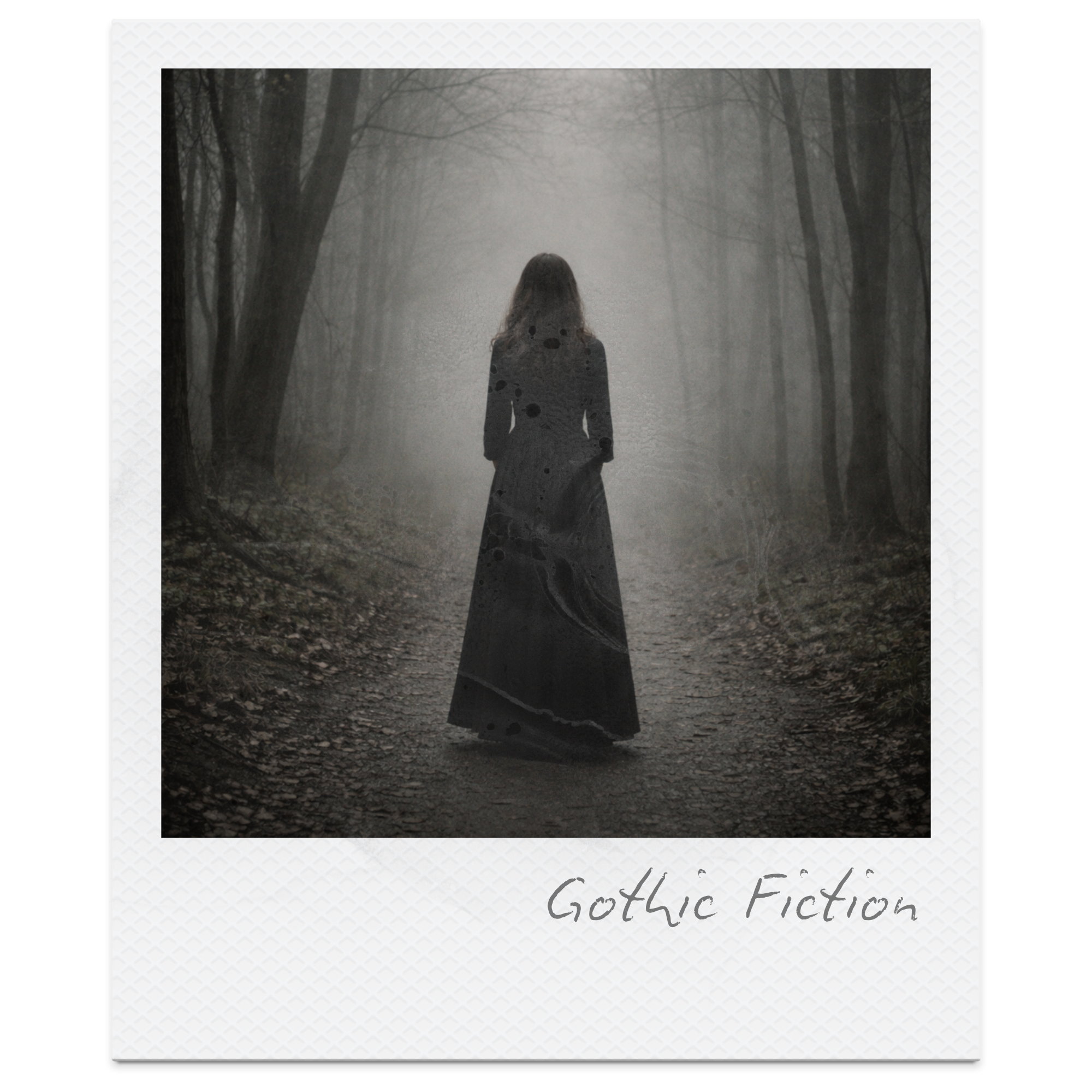
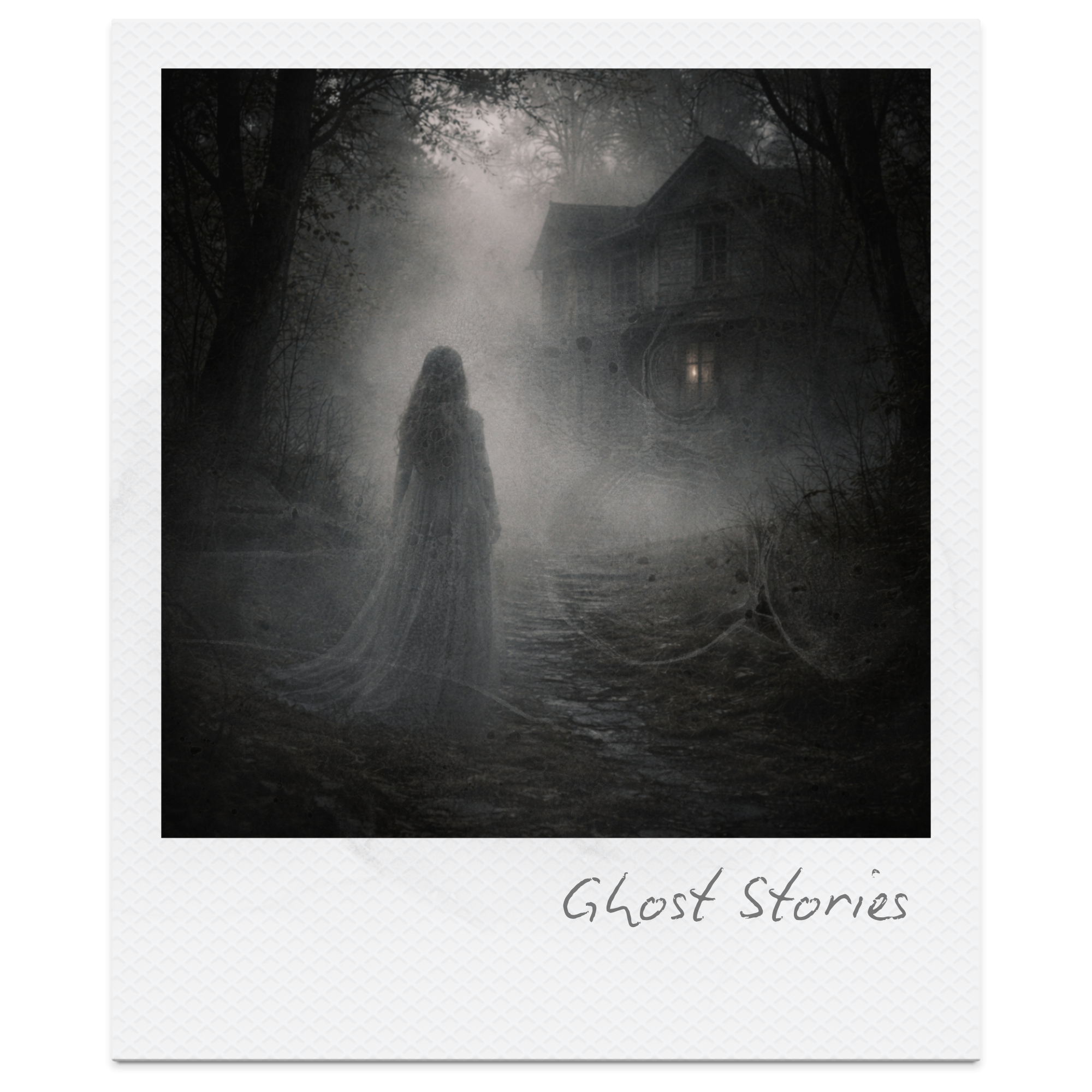
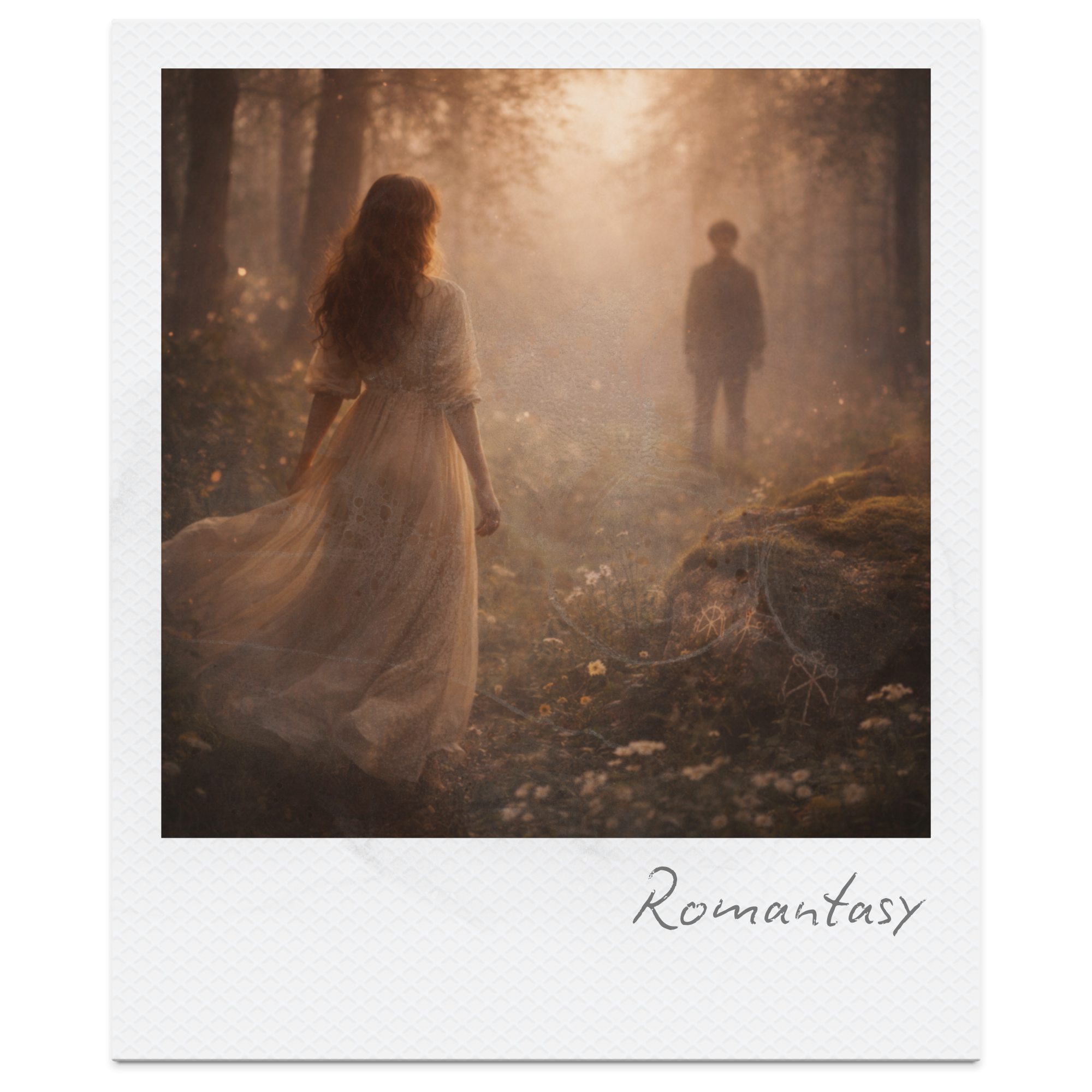
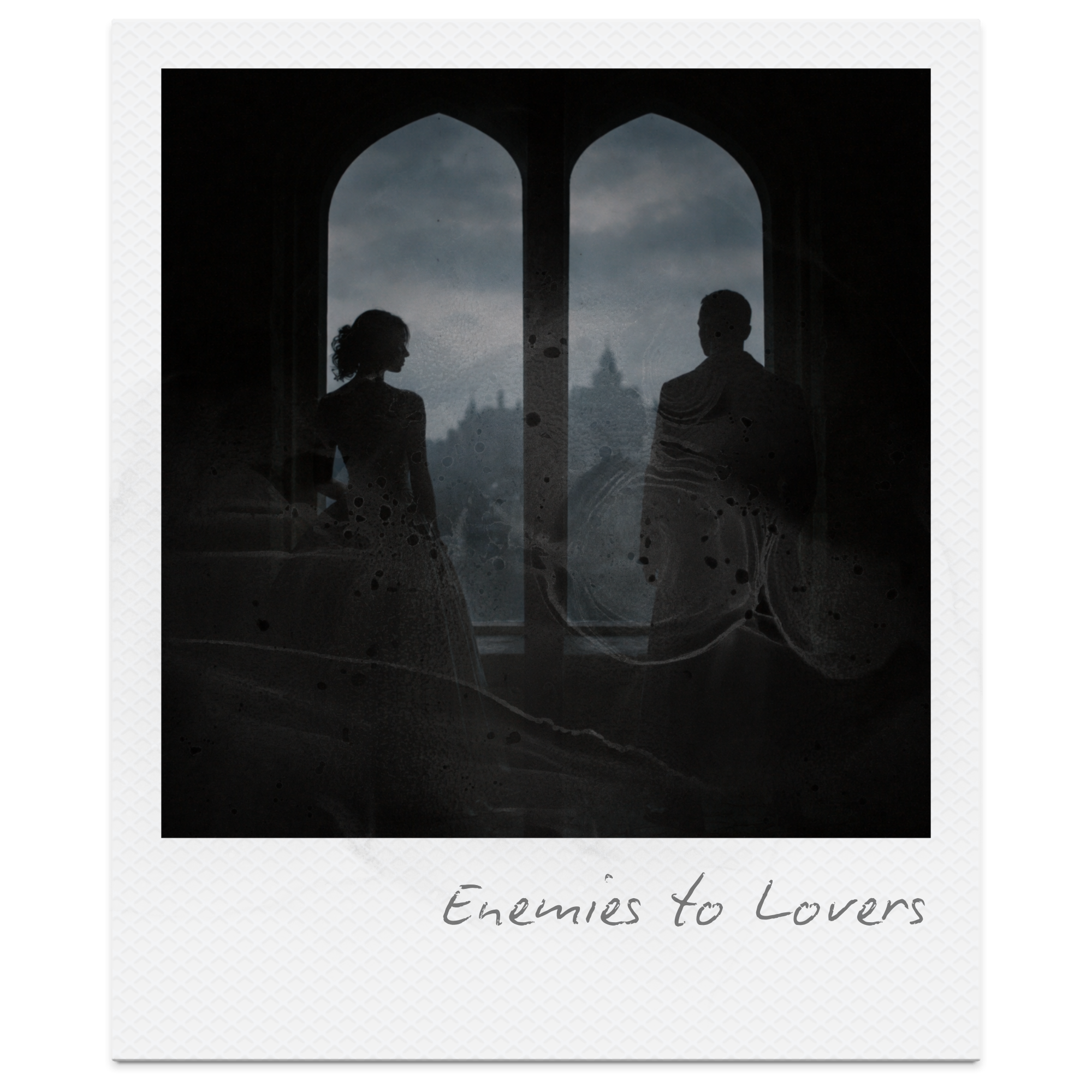
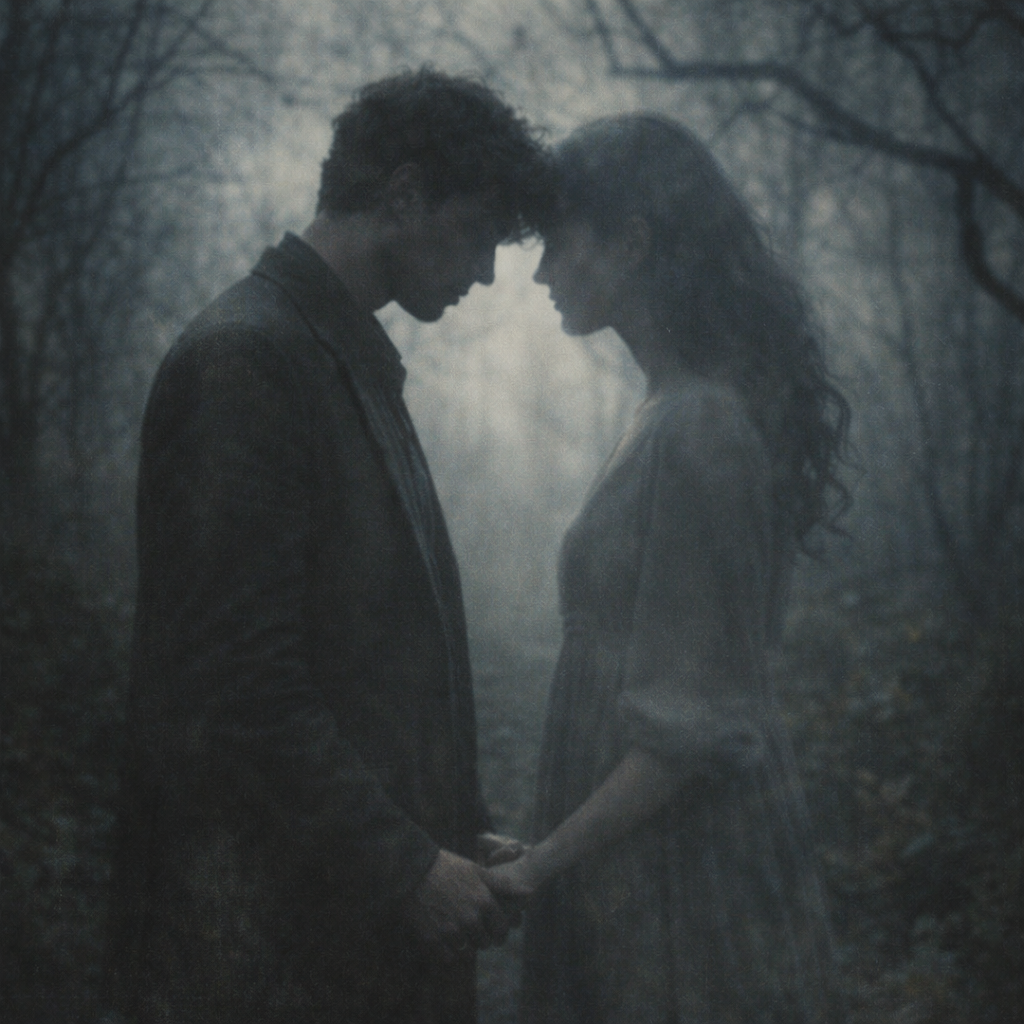
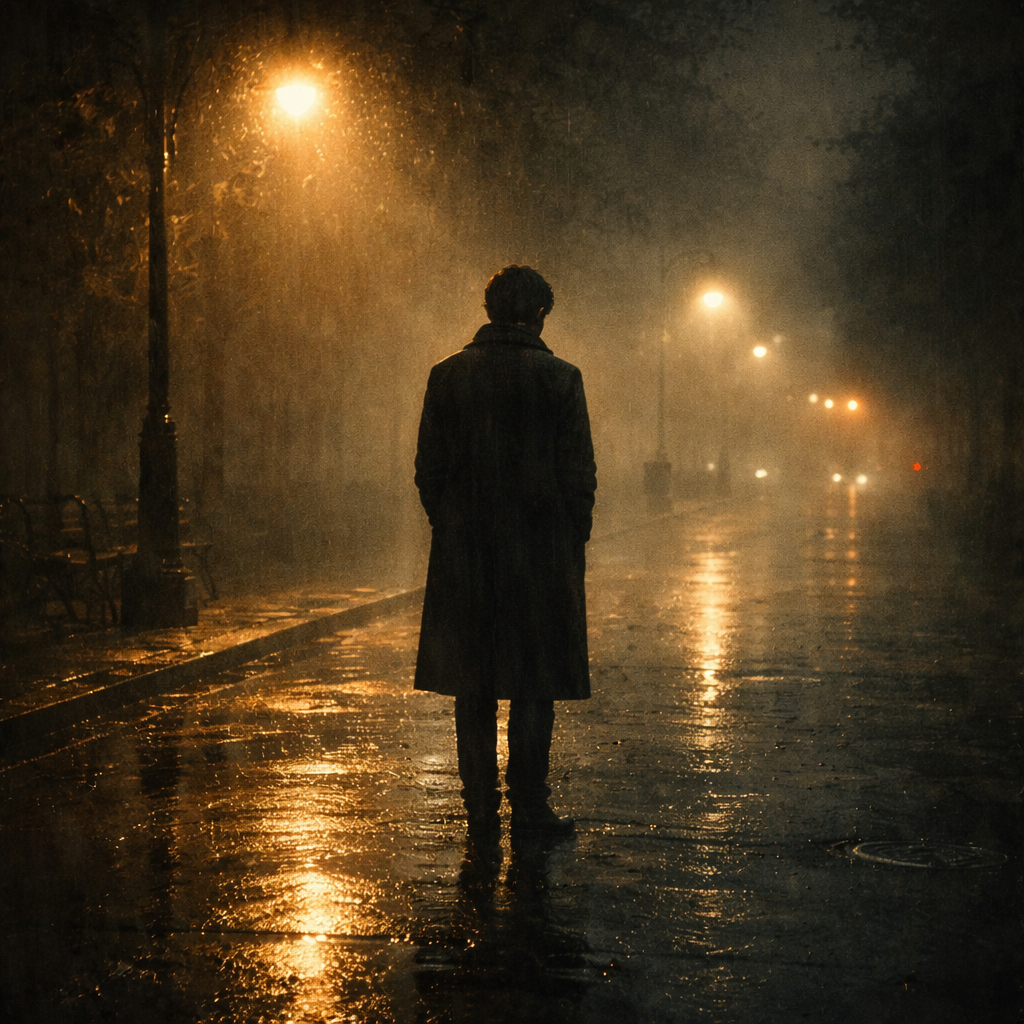
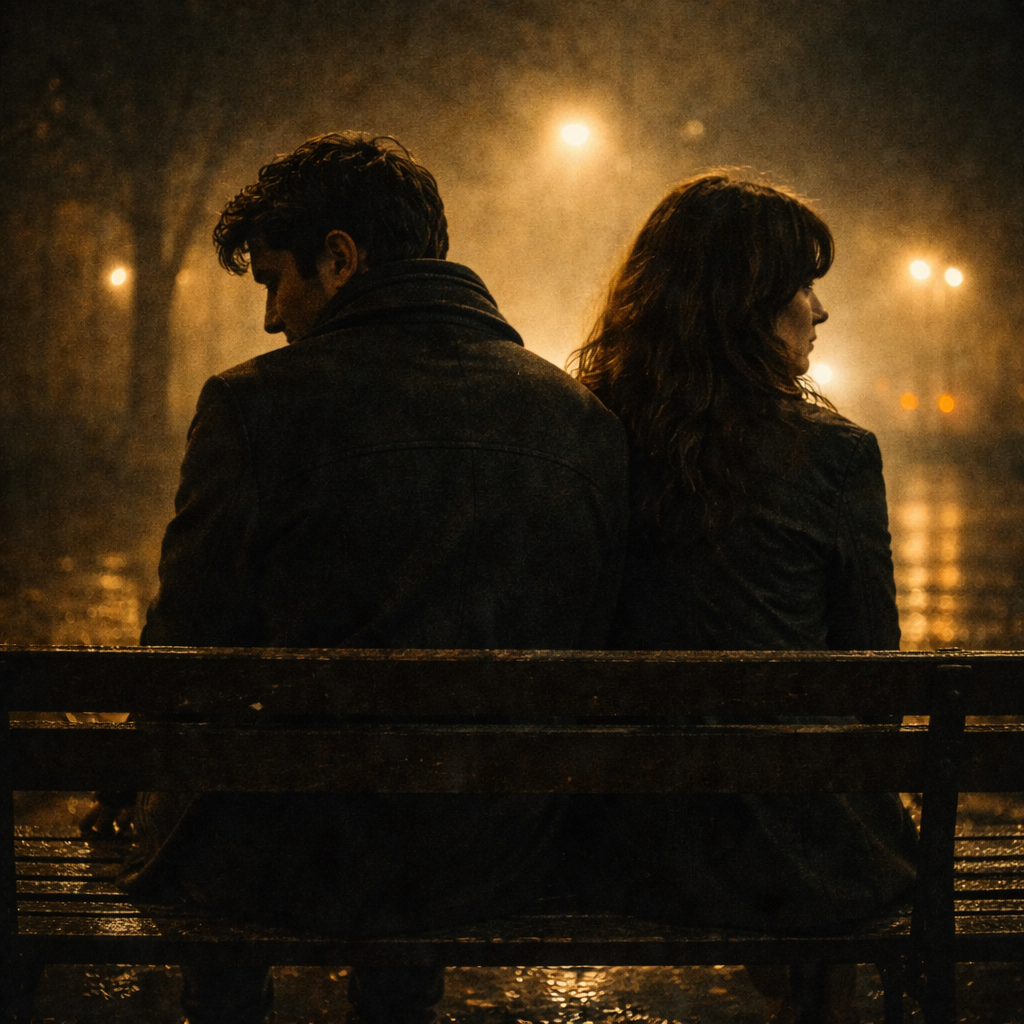
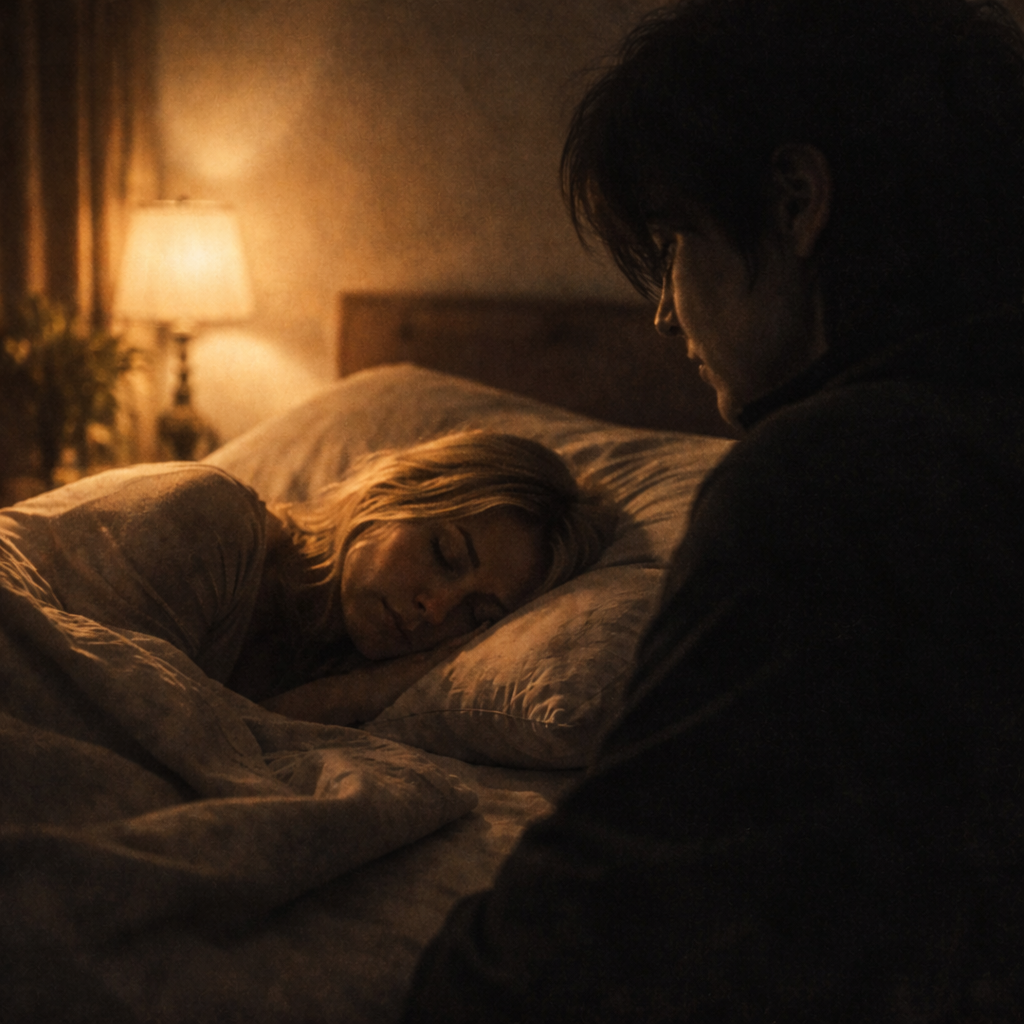
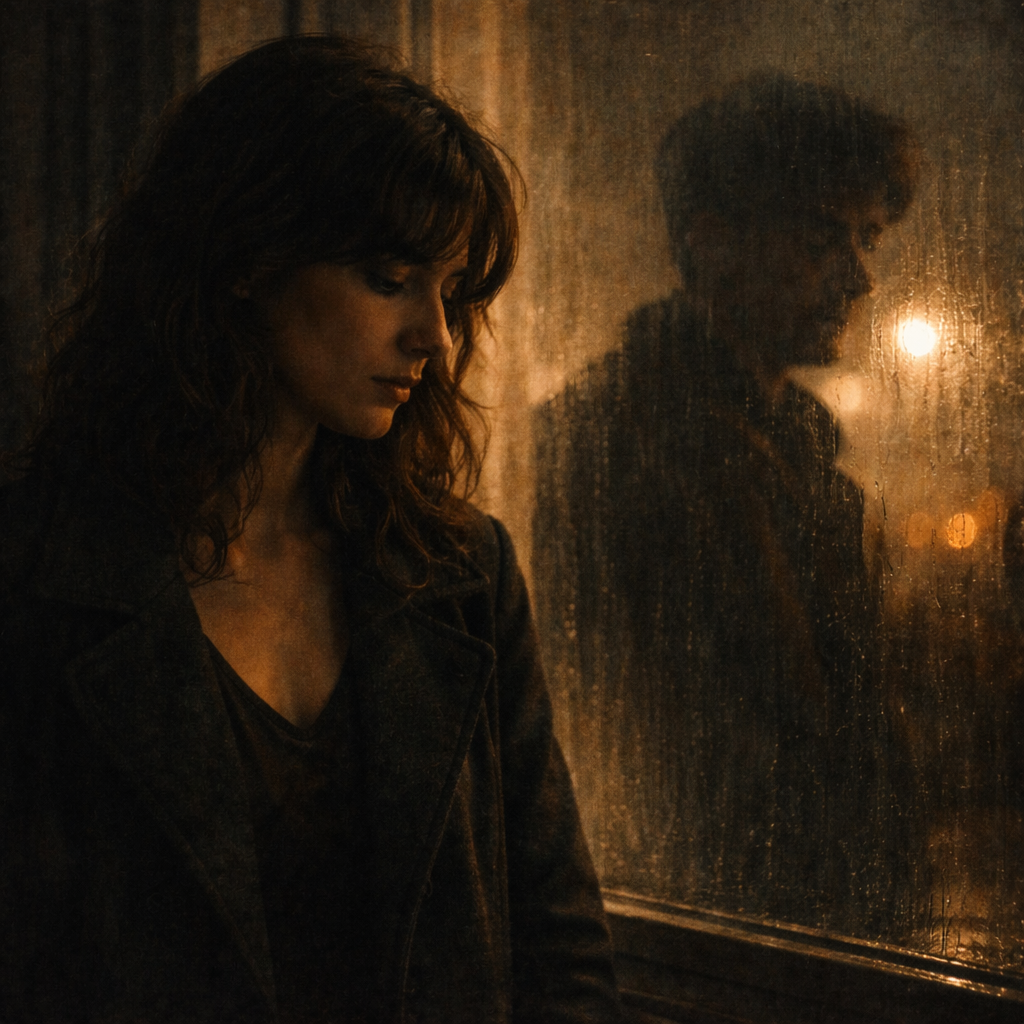
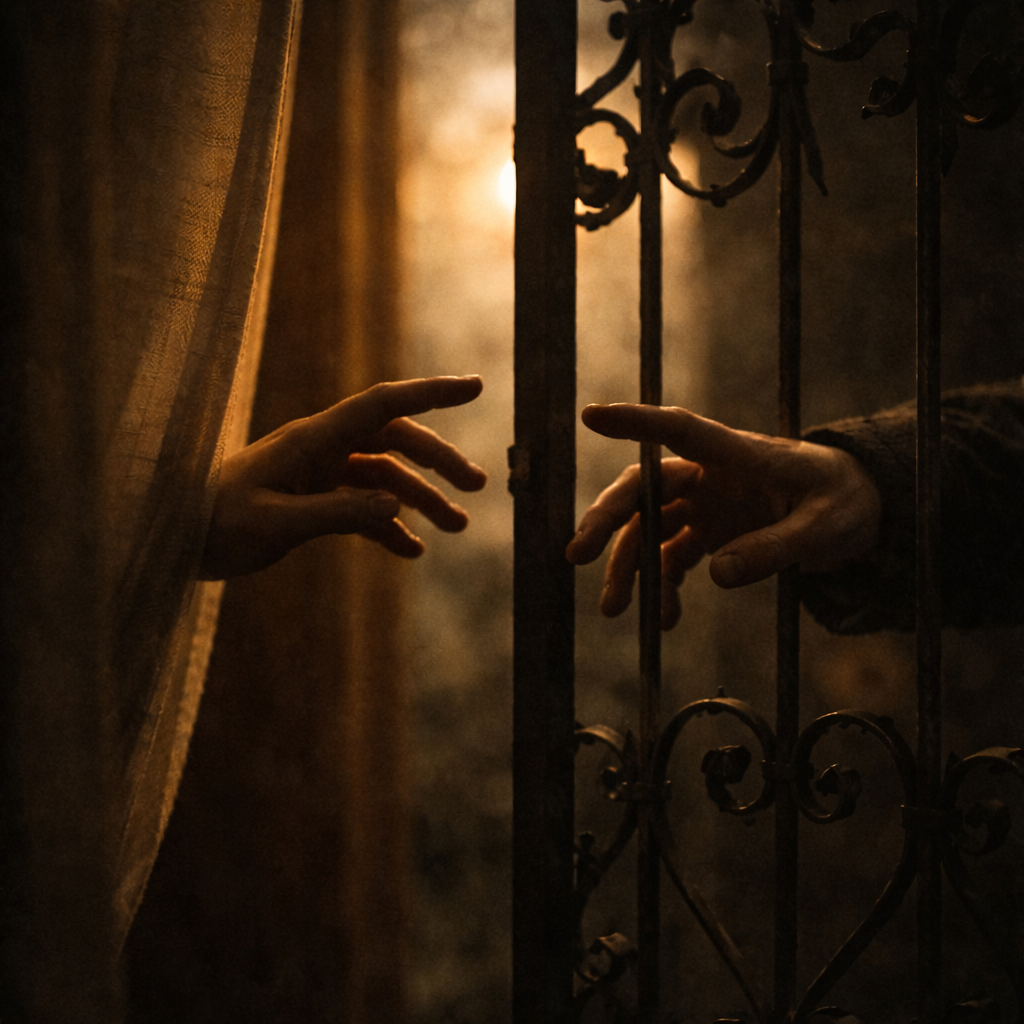
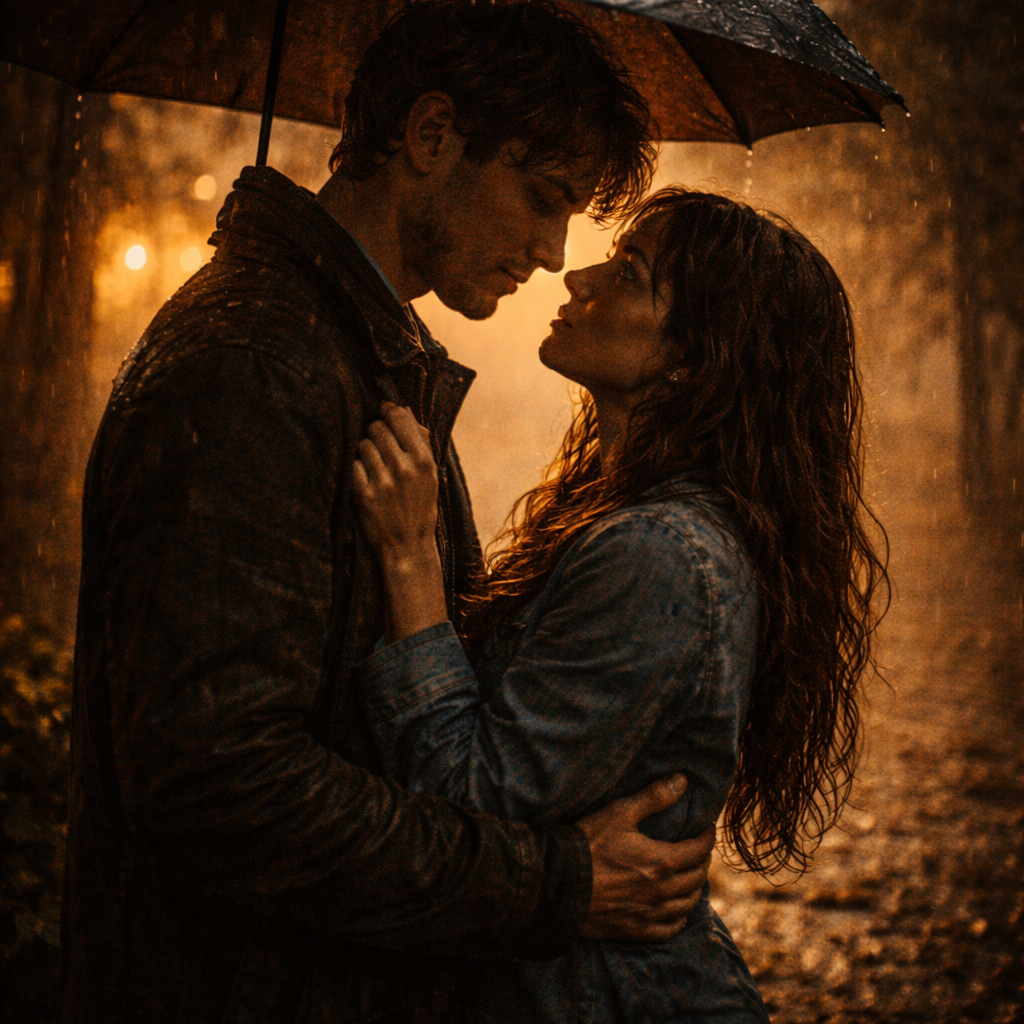
Visual prompts help teen writers imagine paranormal romance through mood, lighting, and symbolism rather than explanation. Each image below is designed to suggest connection, separation, or longing, giving writers a starting point for stories where romance and the supernatural quietly intersect.



Go Deeper into Paranormal Romance Writing
If you want to develop these paranormal romance writing prompts further, try approaching them in ways that deepen emotional tension and character connection rather than escalating the supernatural elements. Paranormal romance works best when the otherworldly heightens feeling — longing, fear, devotion, or sacrifice — rather than overshadowing it.
◆ Rewrite a prompt by lowering the supernatural stakes and focusing on the emotional consequences of loving someone who exists outside the normal world.
◆ Let the rules of the supernatural shape the romance by deciding what the characters are forbidden to do, say, or admit.
◆ Experiment with dual points of view, allowing each character to interpret the same moment differently based on belief, fear, or experience.
◆ Rewrite a scene twice: once at the height of connection, and once after separation, using absence and memory to carry the emotion.
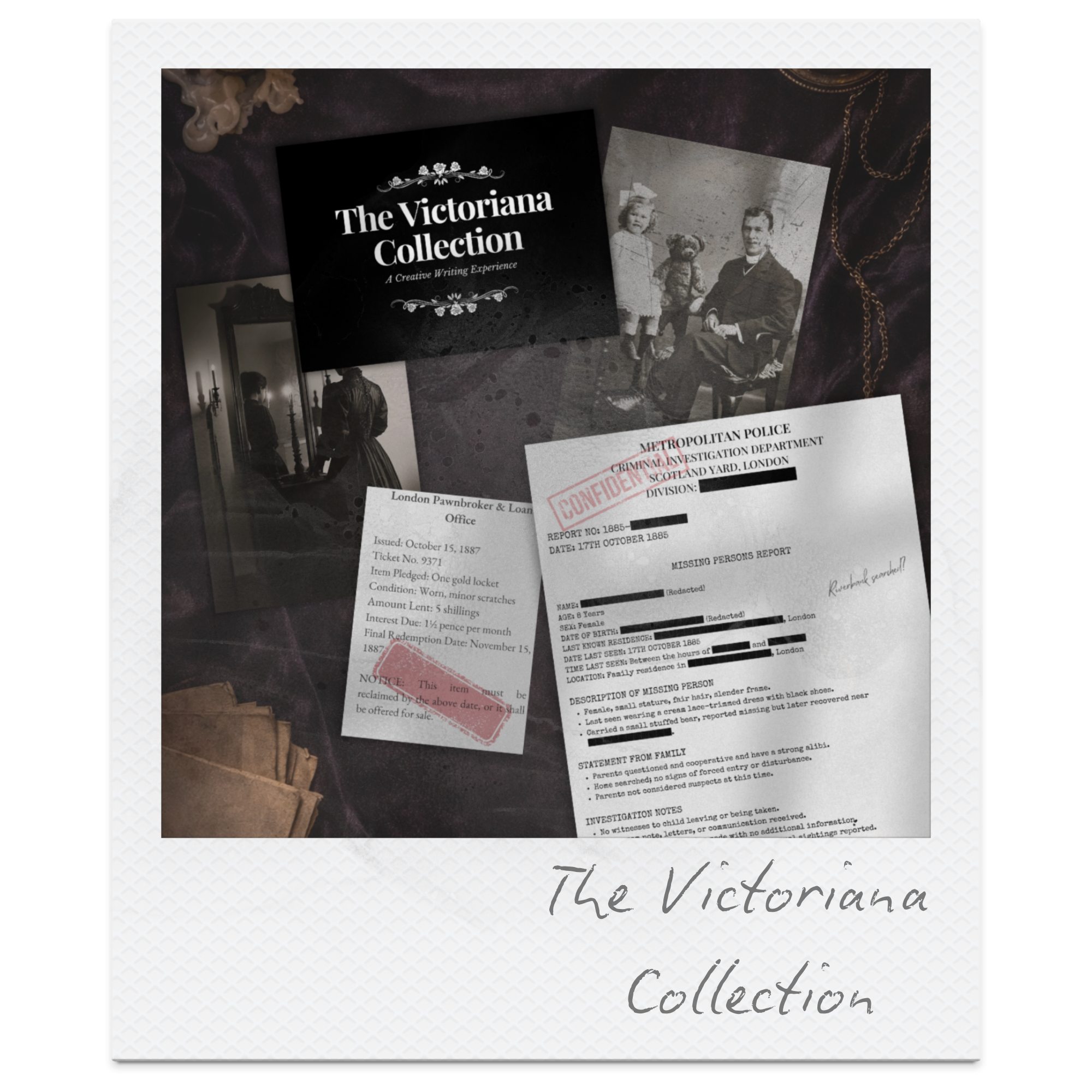
For writers who enjoy atmospheric romance, historical settings, and restrained supernatural tension, The Victoriana Collection offers a natural next step. Inspired by nineteenth-century worlds shaped by secrecy, ritual, and quiet unease, this writing box invites writers to develop stories through letters, reports, artefacts, and discoveries — ideal for building longer paranormal or gothic romance narratives rooted in mood and emotional depth.
Final Thoughts
Paranormal romance is about more than supernatural creatures or dramatic reveals. At its core, it explores connection across boundaries — between worlds, identities, beliefs, and lifetimes. These stories ask what love costs when it defies logic, rules, or even mortality.
These 70 paranormal romance writing prompts for teens give young writers space to practise emotion-driven storytelling, develop romantic tension, and experiment with supernatural elements that support rather than replace character growth. Whether used for short stories, creative warm-ups, writing clubs, or longer YA paranormal romance projects, the prompts are designed to build confidence with tone, feeling, and narrative restraint.
You can explore more romance prompts and storytelling ideas in the Paranormal Writing Hub, the Romance Writing Hub, or browse the Creative Writing Archive for a wider range of genres and inspiration.
Choose Your Next Adventure