Notes from the Inkpot
Writing, teaching, creating - one ink-stained idea at a time.


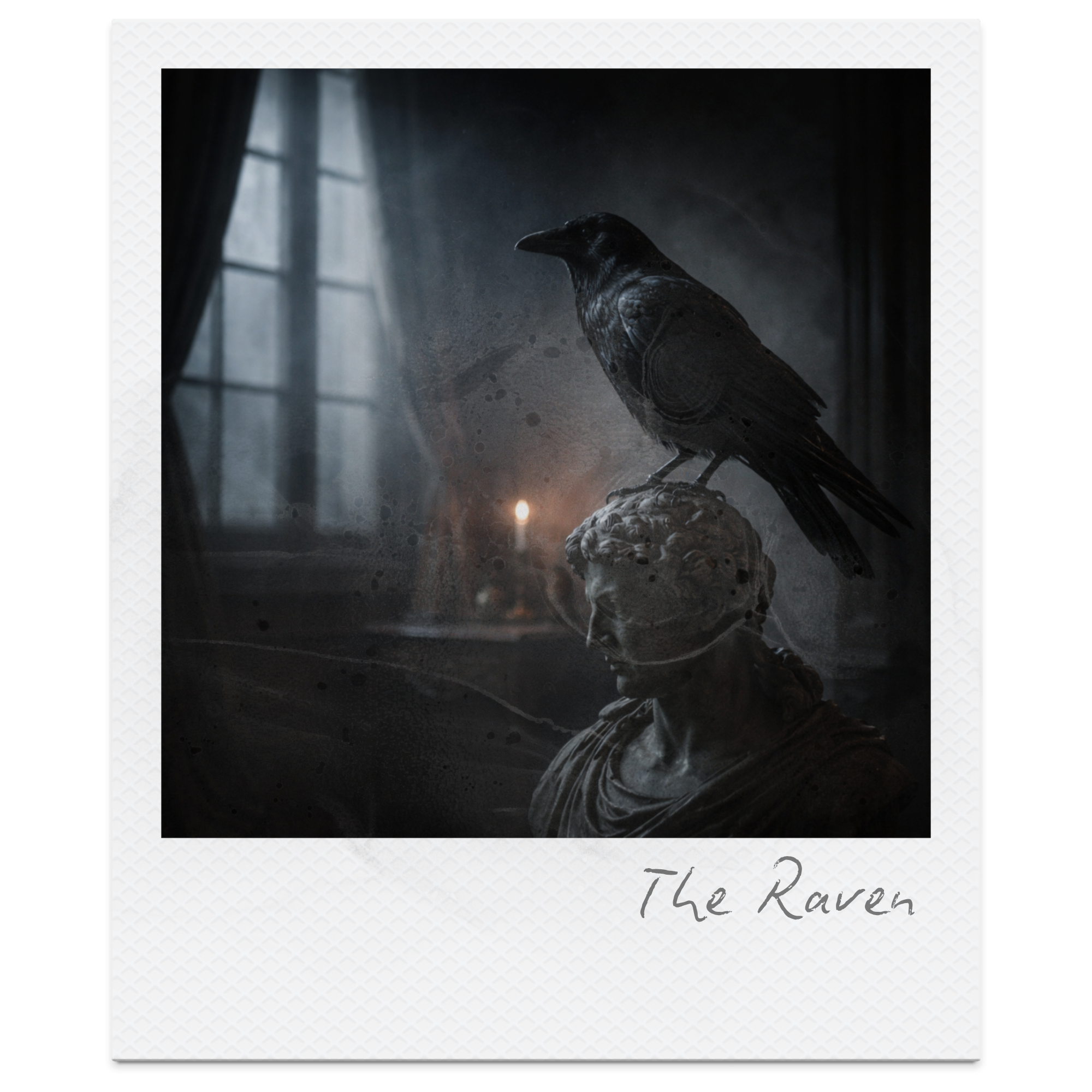
The Raven by Edgar Allan Poe: Summary, Themes, Meaning & Analysis
The Raven is one of the most famous and haunting poems in English literature, exploring grief, memory, and psychological decline through its hypnotic rhythm and Gothic atmosphere. Following a lone speaker on a bleak December night, Poe constructs a narrative where sound, repetition, and symbolism mirror the mind’s descent into obsession, as the mysterious raven becomes a voice for inescapable loss and unanswered questions. This analysis explores the poem’s structure, key themes, and layered meanings, from its intricate use of metre and refrain to its deeper exploration of death, the afterlife, and the limits of human understanding. Through close analysis and creative teaching ideas, it reveals how The Raven remains a powerful study of how the mind processes grief—and how it can become trapped within it.
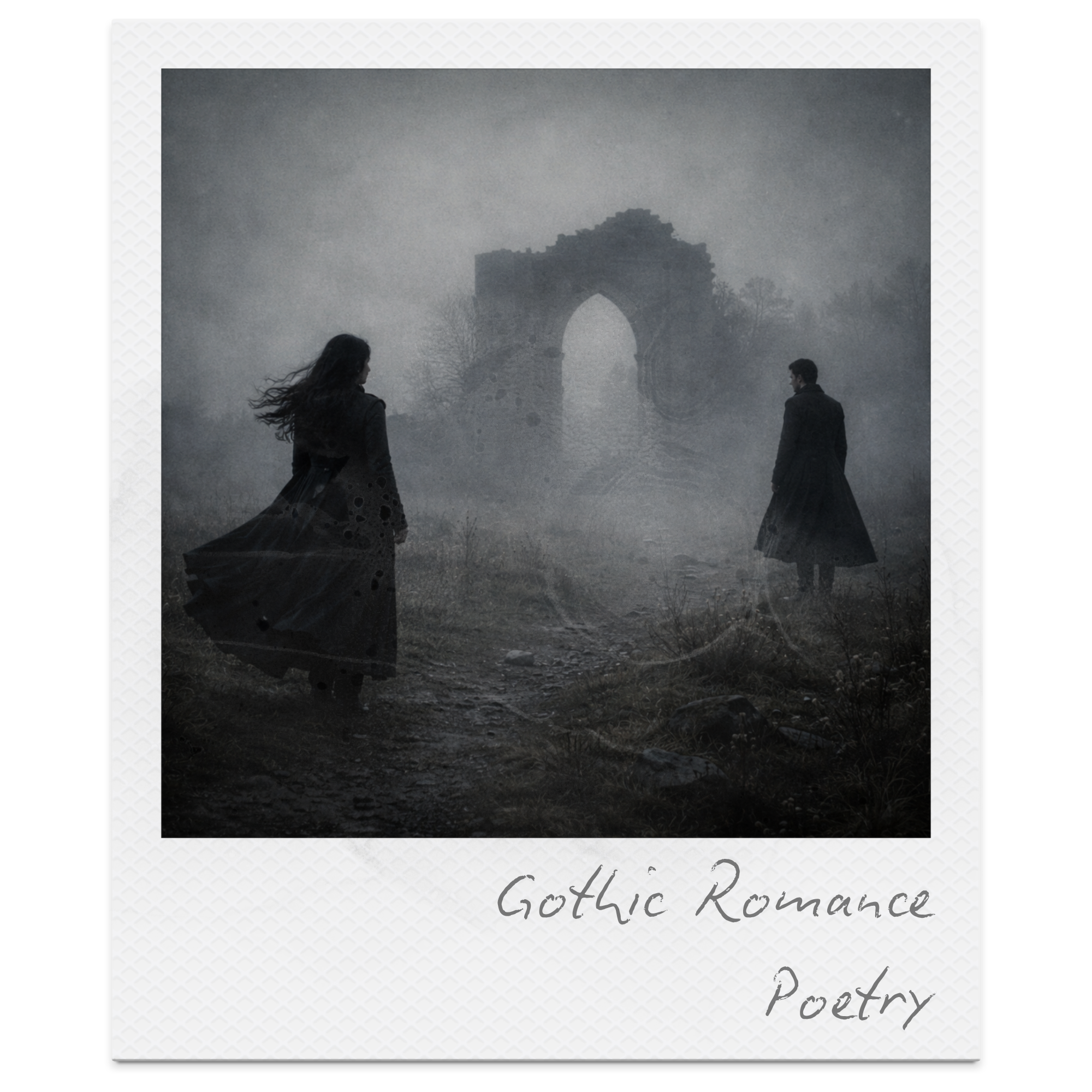
10 Gothic Romance Poetry Prompts for Teens & Adults: Desire, Darkness, and Devotion
Gothic romance poetry explores the darker edges of love — where desire, memory, and loss intertwine. Rather than presenting romance as simple or fulfilling, it reveals how love can become obsessive, forbidden, or shaped by absence. Through atmospheric imagery, intimate voice, and controlled emotion, these poems capture relationships that linger, haunt, or transform over time. These gothic romance poetry prompts for teens and adults are designed to support craft-focused, emotionally rich writing. Each prompt encourages writers to explore longing, secrecy, and emotional tension through carefully chosen language and structure, helping them create poetry that feels intense, atmospheric, and deeply reflective.
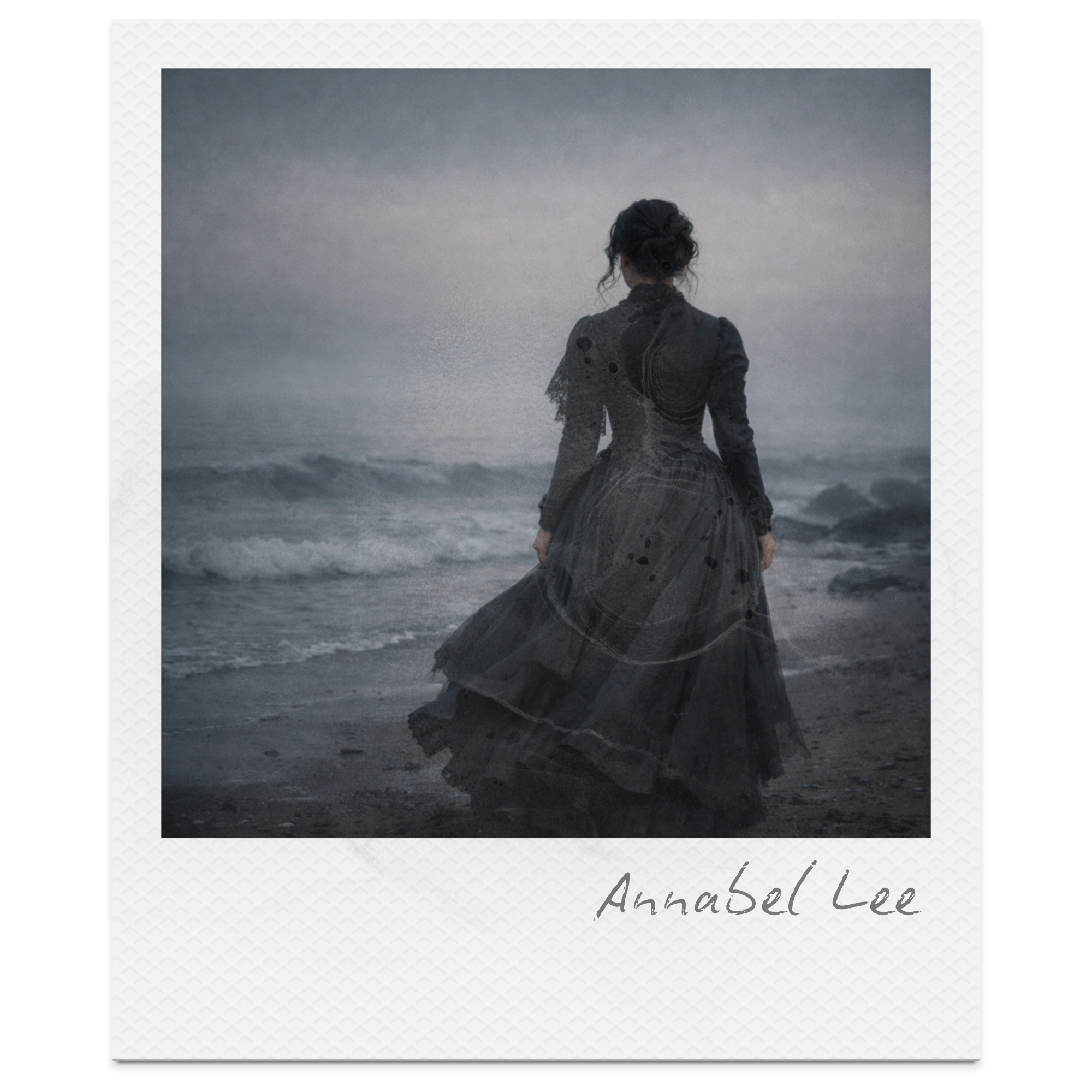
Annabel Lee by Edgar Allan Poe: Summary, Themes, Meaning & Analysis
Explore a clear and engaging analysis of Annabel Lee by Edgar Allan Poe, including summary, themes, symbolism, and key quotes. This guide explains the poem’s ideas about love and devotion beyond death, grief and mourning, romantic idealisation, and the persistence of memory, showing how Poe uses repetition, imagery, and ballad form to create one of his most haunting poems. This resource includes stanza-by-stanza analysis, key techniques, discussion ideas, and teaching activities, making it useful for middle and high school literature students and teachers worldwide. It is ideal for studying Poe’s gothic poetry and exploring how the poem presents love, loss, and emotional attachment.