May by Christina Rossetti: Summary, Themes, Symbolism & Analysis
Christina Rossetti’s May is a brief but evocative poem that reflects on memory, loss, and the passing of time. Through the speaker’s recollection of a mysterious moment that occurred during the freshness of early spring, the poem explores how youthful happiness can fade quickly, leaving only fragments of memory behind. Rossetti’s restrained language and seasonal imagery create a powerful contrast between the brightness of the past and the emotional distance of the present.
Although the speaker refuses to explain exactly what happened, the poem suggests that the experience once carried deep emotional significance. By linking the moment to the vitality of young May, Rossetti emphasises themes of transience, nostalgia, and the inevitability of ageing. The poem ultimately reflects on how fleeting moments of happiness can shape a lifetime of memory. You can explore more of Rossetti’s poetry in the Christina Rossetti Poetry Hub, or browse related works in the Literature Library.

Context of May
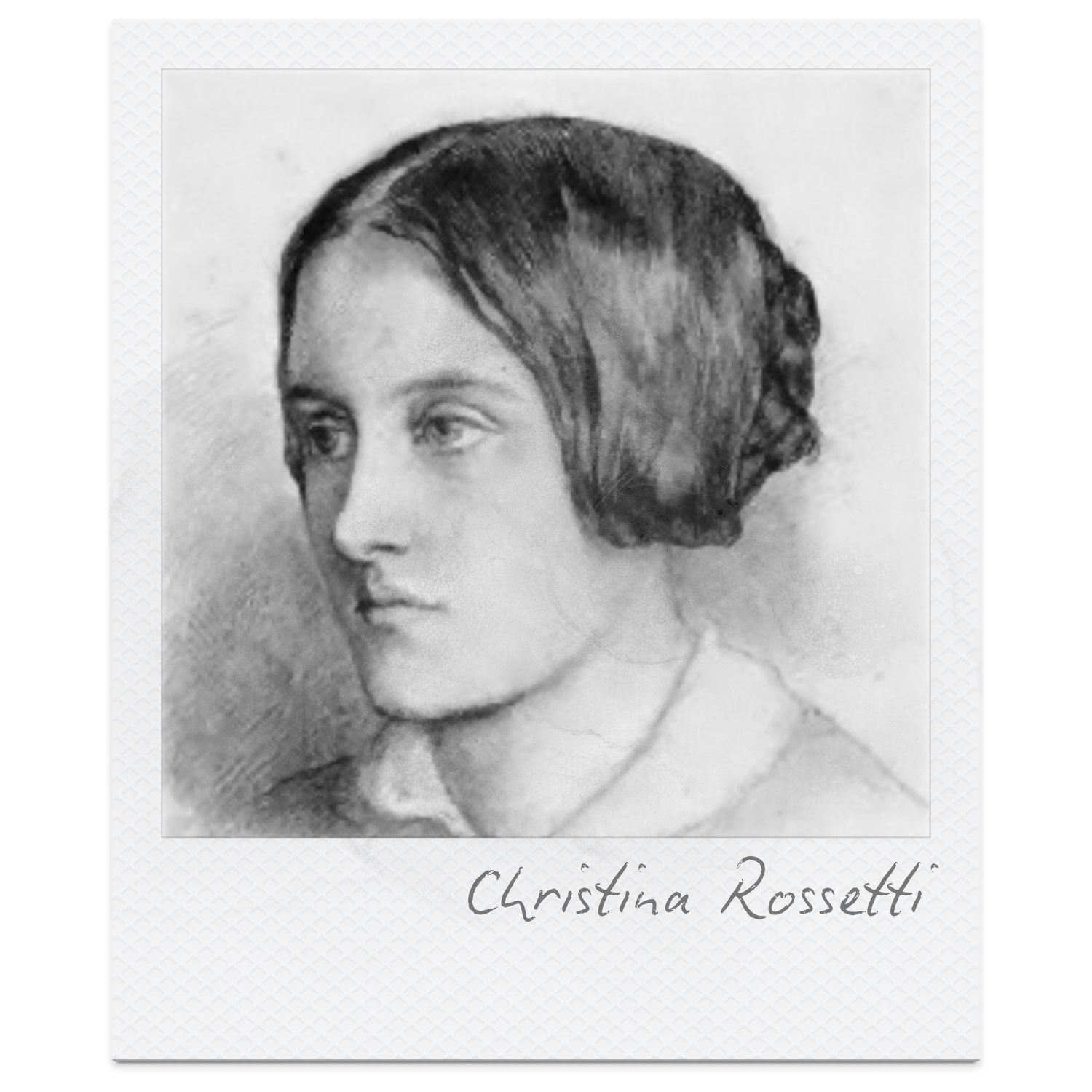
Christina Rossetti frequently explored themes of memory, transience, and emotional reflection, often using seasonal imagery to express the passage of time. In May, the speaker recalls a fleeting moment of happiness that occurred in youth, suggesting how early experiences can linger in memory long after they have passed. This focus on nostalgia and lost vitality appears across many of Rossetti’s poems, where moments of beauty or joy are often presented as fragile and temporary.
The poem also reflects a broader Victorian fascination with time, aging, and the transience of life. Nineteenth-century writers frequently used natural imagery—particularly the changing seasons—to symbolise the human life cycle. In May, the season represents a moment of fresh beginnings and youthful promise, before the inevitable progression toward maturity and decline. By placing the remembered event in the earliest days of spring, Rossetti emphasises the contrast between the brightness of the past and the speaker’s later sense of loss.
Rossetti’s poetry often combines emotional restraint with symbolic imagery, allowing simple natural scenes to carry deeper psychological meaning. In this poem, the speaker’s refusal to describe exactly what happened strengthens the sense of mystery surrounding the memory. Instead of focusing on the event itself, Rossetti emphasises the way time transforms experience, leaving behind a quiet awareness of change, aging, and the fragility of happiness.
For a deeper exploration of Rossetti’s life, religious influences, and Victorian literary context, see the Christina Rossetti Context Post in the Rossetti hub.
May: At a Glance
Form: A short lyric poem reflecting on memory and the passage of time.
Mood: Reflective and nostalgic, with an undertone of quiet melancholy.
Central tension: The speaker remembers a mysterious moment of happiness but cannot—or will not—fully describe it.
Core themes: Memory and nostalgia, transience, the passage of time, youth and aging, seasonal symbolism.
One-sentence meaning:
Through the memory of a fleeting moment in early spring, the poem reflects on how beautiful experiences can pass quickly, leaving behind only distant echoes in memory.
Quick Summary of May
The poem begins with the speaker recalling a moment from the past that occurred during the early days of May, a season associated with youth, growth, and new beginnings. Although the speaker cannot—or chooses not to—describe exactly what happened, they emphasise the brightness of the day and the freshness of the natural world around them. The imagery of young spring suggests a time of innocence and possibility.
The speaker continues by describing how early the season was. The poppies had not yet appeared among the corn, birds were still paired with their mates, and new life was still emerging. These details reinforce the sense that the memory belongs to a moment of early promise and natural vitality, before time and change began to take their toll.
In the final lines, however, the tone shifts toward reflection and loss. The mysterious event passed away just as the season itself passed, leaving the speaker with the feeling that something precious has faded. By linking the experience to the passing of sunny May, Rossetti suggests that moments of happiness can disappear as quickly as the seasons change, leaving behind only the quiet awareness of aging, distance, and memory.
Title, Form, Structure, and Metre
The formal qualities of May reinforce the poem’s exploration of memory, transience, and the passage of time. Although the poem appears simple, Rossetti carefully uses uneven stanza length, repeated phrasing, and gentle rhythmic movement to reflect the way memories expand and then fade.
Title
The title May immediately foregrounds the poem’s use of seasonal symbolism. May traditionally represents youth, vitality, and renewal, marking the height of spring when the natural world begins to flourish. By anchoring the poem in this moment of early growth, Rossetti evokes a time of fresh beginnings and emotional intensity.
However, the poem itself reflects on something that has already passed. The brightness of May therefore becomes a symbol of how fleeting happiness can be, emphasising the contrast between youthful vitality and later reflection.
Form and Structure
The poem is divided into two stanzas of unequal length. The first stanza is significantly longer, consisting of eight lines, while the second stanza contains only five lines. This contrast creates an important structural effect.
The longer opening stanza focuses on recollection, describing the natural world during the early days of spring. The speaker lingers on vivid details: young corn, unhatched eggs, and birds still paired with their mates. These images slow the poem down and create the impression that the speaker is dwelling on the richness of the remembered moment.
The shorter second stanza shifts toward reflection and loss. Instead of detailed imagery, the speaker summarises the event briefly, emphasising that it has already passed. The compression of the stanza mirrors the way time can reduce once vivid experiences to a few lingering memories.
This movement from a longer descriptive stanza to a shorter reflective one reflects the poem’s central idea: the past feels expansive in memory, but the present recognises how quickly it disappeared.
Rhyme Scheme and Poetic Pattern
Rossetti uses a gentle but flexible rhyme scheme that contributes to the poem’s reflective tone. The first stanza loosely follows a pattern in which rhymes echo across the lines, particularly through repeated sounds such as “was,” “pass,” and “May.” These recurring sounds create a soft musical pattern that links the memory of the event with the passing of time.
In the second stanza, rhyme becomes more concentrated around the repeated phrase “passed away.” This repetition reinforces the poem’s central idea that the moment disappeared quickly, just as the season itself eventually fades.
The repetition of the word “pass” is particularly significant. By echoing the same sound across multiple lines, Rossetti emphasises the theme of transience, suggesting that both seasons and experiences inevitably move beyond our grasp.
Metre and Rhythmic Movement
The poem largely moves in a loose iambic rhythm, giving the lines a natural, conversational flow. Rossetti allows the rhythm to remain gentle and flexible rather than strictly regular, which suits the poem’s reflective voice.
For example, the line:
When MAY was YOUNG; ah, PLEA-sant MAY!
places strong emphasis on “May,” “young,” and “pleasant,” highlighting the warmth and vitality of the remembered season. The exclamation briefly intensifies the emotional tone before the poem returns to its quieter rhythm.
In the final line,
And LEFT me OLD, and COLD, and GRAY.
the heavy stresses fall on “old,” “cold,” and “gray.” The repeated structure slows the rhythm and emphasises the stark contrast between youthful spring and the speaker’s present state.
Through this subtle shift in rhythm, Rossetti reinforces the poem’s central contrast between the vitality of the past and the quiet melancholy of the present.
Speaker in May
The speaker of May presents a reflective voice looking back on a mysterious moment from the past. The poem unfolds as a personal recollection, in which the speaker attempts to remember an experience that occurred during the early days of spring. However, the speaker repeatedly insists that they cannot explain exactly what happened, creating an atmosphere of ambiguity and emotional distance.
This uncertainty is central to the speaker’s voice. By stating “I cannot tell you how it was” and later repeating “I cannot tell you what it was,” the speaker suggests that the memory resists clear explanation. The event itself remains hidden, while the surrounding details—sunlight, young spring, and the vitality of nature—are described more vividly. This contrast suggests that the speaker remembers the feeling of the moment more clearly than the event itself.
The speaker’s tone is calm and restrained, reflecting Rossetti’s characteristic style of emotional control and quiet reflection. Rather than expressing dramatic grief, the speaker conveys a subtle sense of loss through understatement. The final line, describing how the memory has left the speaker “old, and cold, and gray,” implies that the moment belonged to a time of youth that can never be fully recovered.
Importantly, the speaker never identifies what the experience actually was. It could represent a moment of love, joy, or personal awakening, but Rossetti deliberately leaves this uncertain. This ambiguity allows the poem to function as a broader reflection on how time transforms meaningful experiences into distant memories. The speaker’s voice therefore embodies the poem’s central theme: the quiet recognition that even the brightest moments of life eventually pass away.
Stanza-by-Stanza Analysis of May
A close reading of May reveals how Rossetti builds meaning through contrast, seasonal imagery, and restrained emotional reflection. Although the poem is brief, its two stanzas create a clear movement from vivid recollection to quiet recognition of loss. The speaker first lingers on the details of a remembered moment in early spring before reflecting on how quickly that moment disappeared.
Rossetti carefully contrasts the rich natural imagery of youth with the compressed language of later reflection, allowing the poem’s structure to mirror the experience of memory itself. By examining each stanza closely, we can see how the poem develops its themes of transience, nostalgia, aging, and the fleeting nature of happiness.
Stanza 1: The Brightness of Youthful Memory
The opening stanza establishes the poem’s reflective tone while introducing the sense of mystery surrounding the remembered event. The speaker begins by admitting uncertainty—“I cannot tell you how it was”—suggesting that the experience cannot be fully explained or reconstructed. Yet the speaker immediately counters this uncertainty by affirming that the moment did indeed occur: “But this I know: it came to pass.” This contrast between inability to explain and certainty that something happened creates an atmosphere of quiet intrigue.
Instead of describing the event itself, the speaker focuses on the natural setting in which it occurred. The day is remembered as “bright and sunny,” and the repeated reference to young May emphasises the freshness of early spring. May symbolises youth, vitality, and new beginnings, suggesting that the moment belonged to a period of life filled with possibility.
Rossetti strengthens this association through a series of images depicting nature at the very beginning of its cycle of growth. The poppies have not yet appeared among the corn, eggs have not yet hatched, and birds remain paired with their mates. These details create a sense of anticipation and potential, as though the world is on the verge of blossoming. By emphasising what has not yet happened, Rossetti situates the memory at a moment of early promise, before time and change have begun to alter the scene.
Through these images, the stanza evokes the atmosphere of youthful innocence and expectation. The speaker’s memory lingers on the brightness of the setting rather than the event itself, suggesting that what mattered most was the feeling of the moment. This emphasis on seasonal vitality prepares the reader for the contrast that will emerge in the poem’s final stanza, where the warmth of spring gives way to reflection on the passage of time.
Stanza 2: The Passing of Sweet Things
The second stanza shifts the poem from description to reflection, revealing the emotional consequences of the fleeting moment described earlier. Rossetti begins by echoing the opening line of the poem—“I cannot tell you what it was”—reinforcing the speaker’s continued inability to define the experience. This repetition emphasises the elusiveness of memory, suggesting that some moments resist clear explanation even long after they have passed.
However, the speaker again asserts one certainty: “But this I know: it did but pass.” The phrase “did but pass” compresses the entire experience into a brief, transient moment. The language is simple and restrained, yet it conveys a powerful sense of inevitability and loss. Whatever occurred was temporary, and the speaker recognises that its disappearance was unavoidable.
Rossetti reinforces this idea through repetition in the following lines: “It passed away with sunny May, / Like all sweet things it passed away.” The repetition of “passed away” emphasises the poem’s central theme of transience, suggesting that beauty, happiness, and youth inevitably fade. By linking the moment to the season of May, Rossetti deepens the symbolic connection between spring and youth, implying that the speaker’s earlier happiness belonged to a time that can never be fully recovered.
The final line introduces a striking contrast with the imagery of the first stanza. Where the earlier lines evoked warmth, growth, and possibility, the speaker now describes themselves as “old, and cold, and gray.” This sequence of adjectives creates a bleak tonal shift, suggesting emotional and perhaps physical aging. The coldness of the present moment stands in stark contrast to the warmth of the remembered spring day.
Through this transition, Rossetti highlights the bittersweet nature of memory. The speaker’s recollection of the past remains vivid, yet it also underscores the distance between the vitality of youth and the quiet resignation of the present. The stanza therefore completes the poem’s movement from hopeful beginnings to reflective awareness, capturing the fleeting nature of happiness and the lasting impression it leaves behind.
Key Quotes from May
Although Rossetti’s poem is brief, it contains several lines that encapsulate its core ideas of memory, transience, and the passing of youth. The speaker repeatedly emphasises both the beauty of the remembered moment and the impossibility of fully explaining it. Through repetition, seasonal imagery, and contrast, Rossetti transforms a simple recollection into a meditation on how time reshapes emotional experience.
“I cannot tell you how it was”
◆ Establishes mystery and uncertainty, immediately suggesting the event cannot be fully explained or reconstructed.
◆ The phrase implies that memory preserves feeling rather than detail, highlighting the limits of language when describing emotional experiences.
◆ Creates an intimate conversational tone, as though the speaker is addressing a listener directly while admitting the limits of recollection.
“But this I know: it came to pass”
◆ Introduces a contrast between uncertainty and certainty—the speaker cannot explain the event, but they know it happened.
◆ Suggests that emotional truth remains even when factual clarity fades.
◆ The declarative tone reinforces the moment’s significance despite the speaker’s inability to fully articulate it.
“Upon a bright and sunny day”
◆ Establishes an atmosphere of warmth, vitality, and emotional brightness.
◆ The imagery reinforces the poem’s association between springtime and youthful happiness.
◆ The clarity of the weather contrasts with the speaker’s uncertain memory of the event itself.
“When May was young; ah, pleasant May!”
◆ Personifies the month of May as “young,” linking the season symbolically to youth and vitality.
◆ The exclamation conveys nostalgia and affectionate remembrance, suggesting the speaker looks back on this period with longing.
◆ Reinforces the seasonal symbolism that connects spring with emotional possibility and beginnings.
“As yet the poppies were not born”
◆ Emphasises a moment before full bloom, capturing the early stage of the seasonal cycle.
◆ Suggests a world filled with anticipation and potential rather than completion.
◆ The imagery reinforces the idea that the memory belongs to a time before experience and age transformed the speaker’s life.
“The last egg had not hatched as yet”
◆ Extends the theme of new life and emergence, reinforcing the imagery of early spring.
◆ Symbolises potential and growth, suggesting that the world—and perhaps the speaker’s life—was still unfolding.
◆ Creates a gentle natural rhythm that deepens the poem’s connection between human experience and seasonal cycles.
“I cannot tell you what it was”
◆ Echoes the opening line, reinforcing the idea that the event remains undefined and mysterious.
◆ The repetition creates structural symmetry while emphasising the speaker’s continuing uncertainty.
◆ Suggests that the emotional significance of the memory lies not in its details but in its impact.
“Like all sweet things it passed away”
◆ Introduces the poem’s central reflection on transience and impermanence.
◆ The phrase implies that beauty and happiness are naturally fleeting, aligning human experience with the cycles of nature.
◆ The gentle phrasing softens the sadness of the idea, creating a tone of resigned acceptance rather than bitterness.
“And left me old, and cold, and gray”
◆ Creates a stark tonal contrast with the warmth of the earlier spring imagery.
◆ The sequence of adjectives suggests aging, emotional distance, and loss of vitality.
◆ Concludes the poem with a sense of quiet melancholy, emphasising the distance between youthful experience and reflective maturity.
Key Techniques in May
Rossetti uses a range of poetic techniques to develop the poem’s reflection on memory, transience, and the passage of time. Through repetition, seasonal imagery, contrast, and symbolism, the poem moves from the warmth and promise of spring toward a more reflective recognition that moments of happiness inevitably fade. The restrained language and simple structure reinforce the speaker’s quiet meditation on how the past lingers in memory even as life moves forward.
◆ Repetition – Rossetti repeats similar phrases at the beginning of each stanza, particularly “I cannot tell you how it was” and “I cannot tell you what it was.” This repetition emphasises the uncertainty and elusiveness of memory, suggesting that the speaker can recall the atmosphere of the moment but not the precise details of what occurred.
◆ Seasonal Symbolism – The poem uses the month of May as a symbol of youth, vitality, and emotional possibility. Early spring represents a time of beginnings and potential, while the passing of May reflects the inevitable movement of time and the loss of youthful happiness.
◆ Natural Imagery – Rossetti fills the first stanza with images of emerging life in the natural world, including unhatched eggs and flowers that have not yet bloomed. These images evoke a moment of anticipation and growth, reinforcing the sense that the memory belongs to a time of freshness and possibility.
◆ Personification – The line “When May was young” gives the season human qualities, allowing the month to represent a stage of life. By personifying May as youthful, Rossetti strengthens the symbolic connection between spring and human youth.
◆ Contrast – The poem creates a striking contrast between the imagery of warmth and growth in the first stanza and the bleak self-description in the final line: “old, and cold, and gray.” This shift highlights the emotional distance between the speaker’s present life and the vitality of the remembered moment.
◆ Symbolism of Growth and Potential – Images such as unhatched eggs and flowers not yet born symbolise possibility and early development. These details reinforce the idea that the remembered moment occurred during a period of life when the future still seemed full of promise.
◆ Cyclical Imagery of Nature – By linking human experience to the seasonal cycle, Rossetti suggests that joy and loss form part of the natural rhythms of life. The passing of May mirrors the passing of youthful experiences and emotional intensity.
◆ Tone of Reflective Nostalgia – The poem’s restrained language and gentle rhythm create a tone of quiet reminiscence rather than dramatic sorrow. The speaker does not dwell on the event itself but instead reflects on how it has faded with time.
◆ Structural Movement – The poem’s two stanzas create a clear progression from description to reflection. The first stanza evokes the atmosphere of the remembered moment, while the second recognises that the experience has already passed, reinforcing the poem’s meditation on impermanence.
◆ Simple Diction – Rossetti’s straightforward vocabulary gives the poem an almost conversational quality. This simplicity mirrors the speaker’s reflective tone, allowing the emotional weight of the poem to emerge through imagery and contrast rather than elaborate language.
Teaching Ideas for May
Rossetti’s May is well suited to classroom study because its brevity invites close reading while its themes open up wider interpretive discussion. The poem allows students to explore how imagery, repetition, and symbolism convey ideas about memory, transience, and the passage of time. These activities encourage students to engage with the poem through analytical writing, interpretation, and discussion-based learning.
1. Seasonal Symbolism Exploration
Ask students to identify the references to seasonal change in the poem. They should locate phrases connected to early spring and growth, such as the imagery of poppies, eggs, and birds.
Students then consider:
Why does Rossetti set the memory in early May rather than later in the year?
How does the imagery of unhatched eggs and unborn flowers create a sense of potential?
How does the final line contrast with the warmth of the earlier imagery?
Students can finish by writing a short analytical paragraph explaining how seasonal imagery reflects the poem’s theme of fleeting happiness.
2. Close Reading: The Language of Memory
Students analyse the repeated phrases:
“I cannot tell you how it was”
“I cannot tell you what it was”
Ask them to discuss:
Why might the speaker be unable to explain the event clearly?
What does this suggest about the nature of memory?
Does the poem suggest that the emotion of the moment matters more than the event itself?
Students can annotate the poem to identify where Rossetti emphasises uncertainty and reflection.
3. Analytical Paragraph Workshop
Provide students with the following analytical paragraph:
Rossetti’s May explores the fleeting nature of happiness through seasonal imagery. The speaker recalls a moment from early spring, describing a time when “the poppies were not born” and eggs had not yet hatched. These details emphasise the sense of potential and early growth associated with youth. However, the second stanza reveals that this moment has already disappeared, as the experience “passed away with sunny May.” The poem ends with the speaker describing themselves as “old, and cold, and gray,” highlighting the contrast between the warmth of the past and the emotional distance of the present.
Students complete three tasks:
Write three possible essay questions that this paragraph could answer.
Improve the paragraph by adding additional analysis or embedding further quotations.
Extend the paragraph into a full essay response using one of their questions.
If you are looking for more essay questions for May, then check out our post on Rossetti Poetry Essay Questions.
4. Debate: What Was the Moment?
The poem deliberately avoids explaining the event the speaker remembers. Students work in small groups to propose possible interpretations:
A moment of first love
A lost opportunity
A brief experience of happiness or emotional awakening
A memory of youthful innocence
Groups present their interpretation using textual evidence from the poem to support their ideas.
This task reinforces the idea that poetry often invites multiple valid interpretations.
5. Writing Exercise: A Moment That Passed
Students write a short poem or reflective paragraph inspired by the line:
“Like all sweet things it passed away.”
Encourage them to describe a moment of happiness that existed only briefly, using imagery connected to nature or seasons.
This activity helps students understand how Rossetti links personal experience with natural cycles, while also allowing them to experiment with symbolism and atmosphere in their own writing.
Go Deeper into May
Rossetti’s May belongs to a wider body of poetry that reflects on memory, transience, emotional distance, and the passage of time. Many of her poems explore similar ideas through seasonal imagery, reflective speakers, and moments of emotional realisation. Reading May alongside other Rossetti poems allows students to see how she repeatedly returns to themes such as lost youth, spiritual reflection, memory, and the bittersweet nature of human experience.
◆ Memory – This poem similarly explores how the past continues to shape the present. Both poems examine how memory preserves emotional experiences even when their details fade, creating a reflective tone that emphasises nostalgia and distance.
◆ Autumn Violets – Like May, this poem reflects on aging and the passing of youth. Rossetti uses seasonal imagery to contrast earlier vitality with the quieter perspective of later life.
◆ Passing and Glassing – This poem also considers the fleeting nature of beauty and happiness, echoing May’s recognition that joyful moments inevitably fade with time.
◆ Remember – Rossetti’s famous sonnet explores how memory operates within relationships and how the living should respond to loss. Both poems reflect on how time reshapes emotional experience.
◆ The Thread of Life – This poem takes a more philosophical approach to the passage of time, reflecting on fate, human existence, and the inevitability of change.
◆ Dream Land – While more surreal in tone, this poem also explores withdrawal from the world and the distance between past emotional intensity and present calm.
◆ An Apple-Gathering – This poem examines the consequences of acting too quickly in matters of love. Like May, it reflects on youthful experiences that leave lasting emotional impressions.
◆ Echo – Rossetti’s Echo explores longing for a past connection that can never fully return. Both poems capture the bittersweet nature of remembering moments that cannot be recovered.
◆ From the Antique – This dramatic monologue presents a speaker reflecting on emotional exhaustion and the burdens of life. While more overtly bleak, it shares with May a tone of reflective distance and resignation.
◆ Winter: My Secret – Both poems play with concealment and emotional restraint, though Winter: My Secret does so through playful secrecy, while May emphasises the quiet fading of past happiness.
Final Thoughts
Rossetti’s May offers a quiet yet powerful meditation on memory, youth, and the fleeting nature of happiness. Through simple language and delicate seasonal imagery, the poem captures the bittersweet experience of looking back on a moment that once felt vivid but can no longer be fully explained. The speaker remembers the atmosphere of the day—the brightness of spring, the sense of promise in the natural world—but ultimately recognises that the experience itself has already slipped into the past.
This contrast between the warmth of remembered youth and the reflective distance of the present lies at the heart of the poem. By linking personal memory to the seasonal cycle, Rossetti suggests that emotional experiences follow patterns similar to nature: moments of beauty and vitality inevitably give way to change and aging. Yet the poem also implies that these fleeting moments continue to shape how we understand our lives long after they have passed.
If you are exploring Rossetti’s poetry more widely, you can discover further analysis and resources in the Rossetti Poetry Hub, where her poems are examined through themes such as memory, spirituality, identity, and Victorian culture. You can also explore the Literature Library, which contains close readings, teaching ideas, and contextual studies designed to support deeper engagement with classic literary texts.
Choose Your Next Text