Notes from the Inkpot
Writing, teaching, creating - one ink-stained idea at a time.



Fluke by Romesh Gunesekera: Summary, Themes & Analysis:::
Romesh Gunesekera’s Fluke is a darkly ironic and politically unsettling short story exploring memory, denial, capitalism, post-war identity, and collective amnesia in modern Sri Lanka. Through the reflective narration of Vasantha, a van driver transporting a motivational speaker to a luxury business seminar, Gunesekera gradually exposes the uneasy tension between commercial optimism and unresolved political violence. Although the story initially appears humorous and conversational, references to disappearances, war crimes, and forgetting slowly reveal a society attempting to bury trauma beneath tourism, branding, and economic growth. This detailed analysis explores the story’s symbolism, narrative voice, themes, structure, key quotes, and alternative interpretations while examining how Gunesekera uses irony, understatement, and reflective imagery to question whether genuine progress is possible without confronting the past.
Teaching Remains by Simon Armitage: Poem Analysis, Context, Themes and Key Ideas
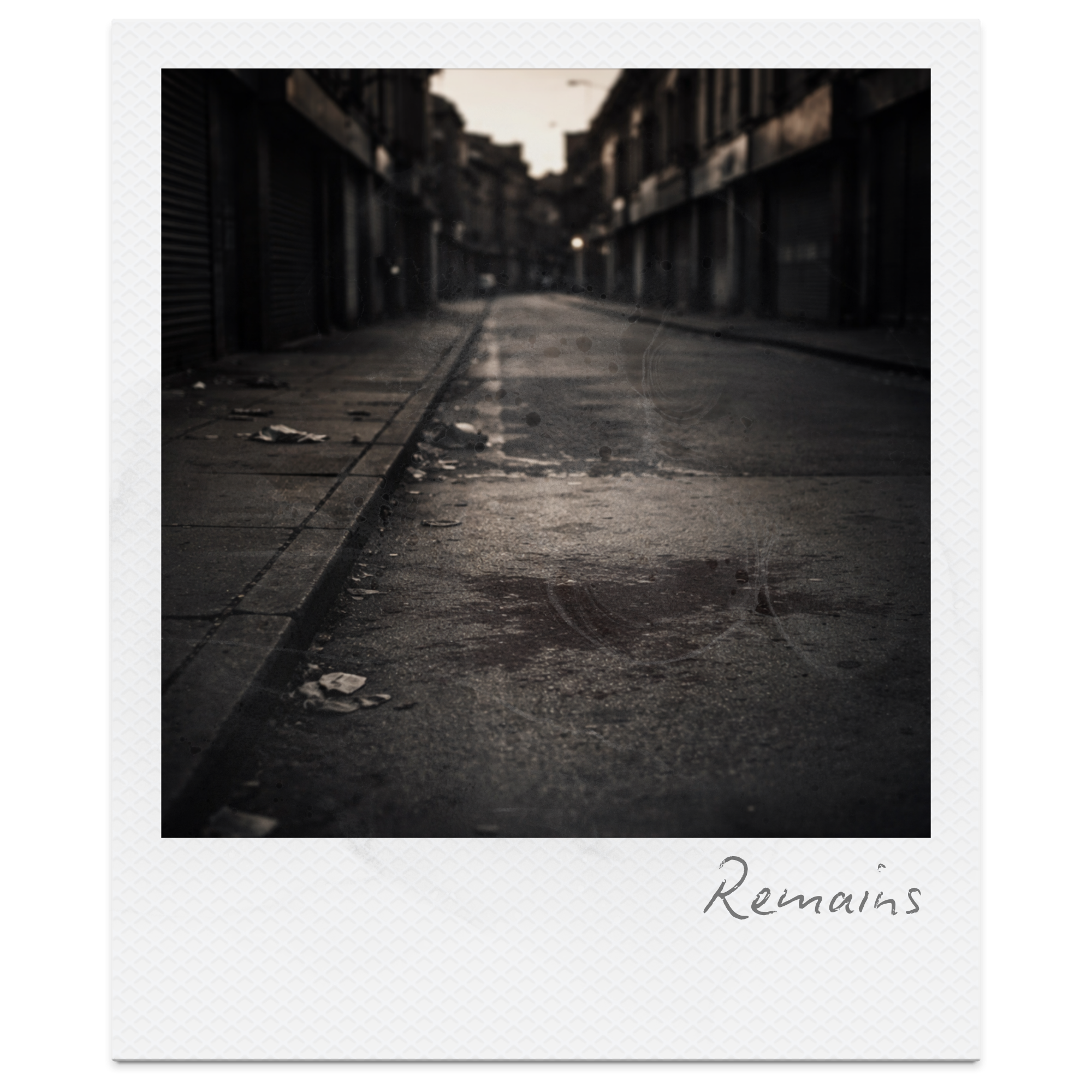
Remains by Simon Armitage is one of the most powerful poems studied in the GCSE Power and Conflict anthology, exploring the psychological impact of war and the way violence lingers long after the moment itself has passed. Rather than focusing on combat or heroism, the poem examines guilt, memory, and moral responsibility through the voice of a soldier haunted by a single act of killing. This post offers a clear, stanza-by-stanza analysis of Remains, exploring its context, form, imagery, and key ideas, alongside practical teaching strategies for secondary English classrooms. It also considers why the poem is so effective for studying power and conflict, and how it fits within wider conflict poetry, making it a useful guide for teachers and students alike.

The Fly by Katherine Mansfield: Post-War Grief, Masculinity, and Trauma (For English Teachers)
The Fly by Katherine Mansfield is often taught as a short, symbolic story — but its real power lies in what it reveals about post-war grief, masculinity, and emotional repression. Written in the aftermath of the First World War, The Fly explores what happens when loss is expected to be over, yet trauma quietly persists beneath ordinary life. This post is designed for English teachers looking to bridge WW1 poetry and post-war prose, showing how lived experience shapes literature long after conflict has ended. It explores Mansfield’s personal connection to war, the symbolism of the fly as repeated trauma, and the story’s unsettling portrayal of power, control, and suppressed emotion. With classroom-ready activity ideas and links to wider conflict poetry, this deep dive helps teachers position The Fly as more than a standalone short story — but as part of a broader conversation about aftermath, memory, and the long shadow of war.
Why Of Mice and Men Still Matters: Context, Controversy, and the Classroom
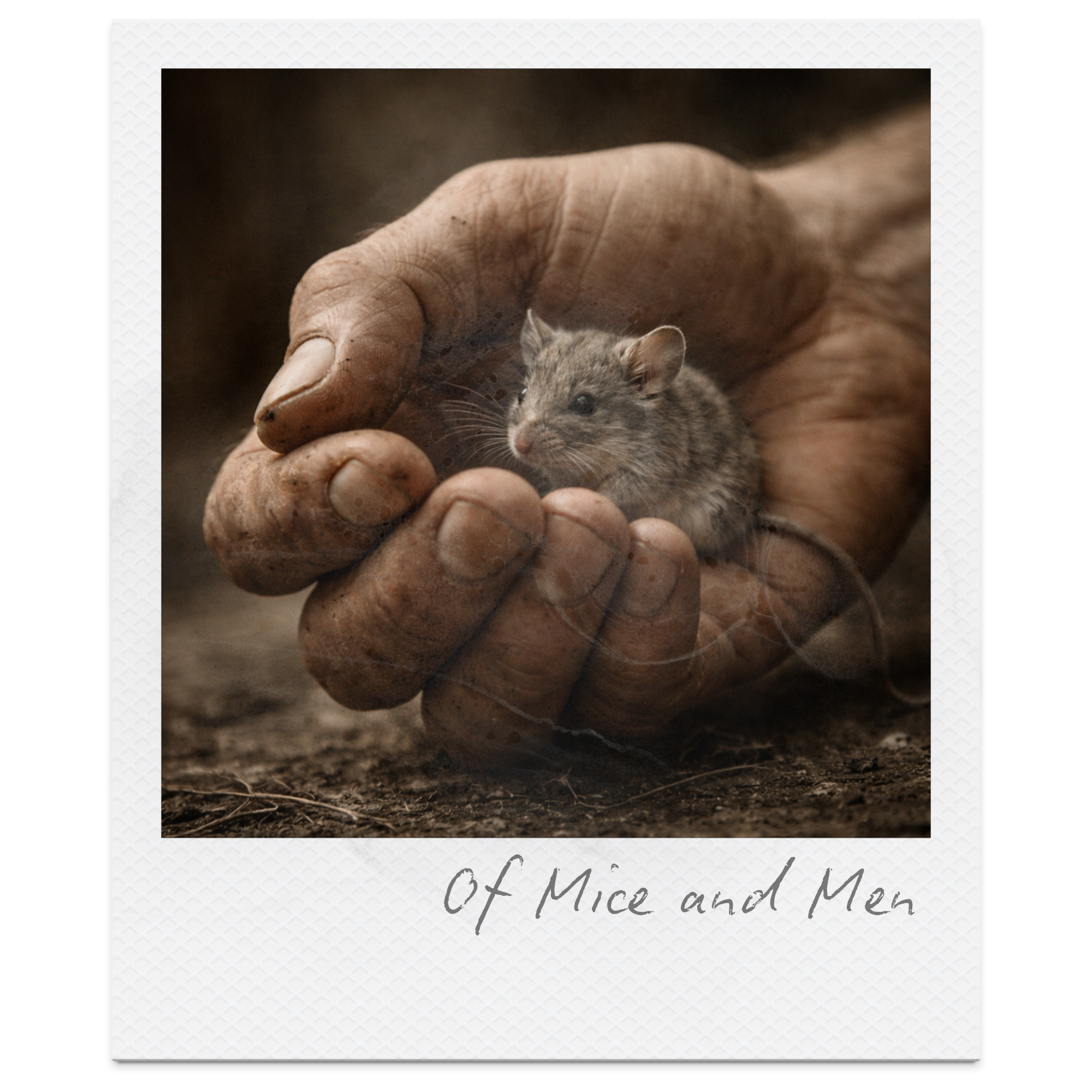
Of Mice and Men remains one of the most powerful and challenging texts taught in the secondary English classroom. Despite ongoing debate around challenged books, controversial language, and classroom suitability, Steinbeck’s novella continues to resonate with students because it tackles enduring questions of power, loneliness, prejudice, and moral responsibility. Short, accessible, and deceptively complex, it invites discussion rather than delivering easy answers. This post explores why teachers still teach Of Mice and Men in 2026, examining its historical context, its place within modern classrooms, and the strategies that keep students engaged through creative writing, discussion-led learning, and reflective tasks. It also offers ideas for taking learning deeper once the final chapter is reached — supporting thoughtful, nuanced teaching of a text that refuses to be forgotten.
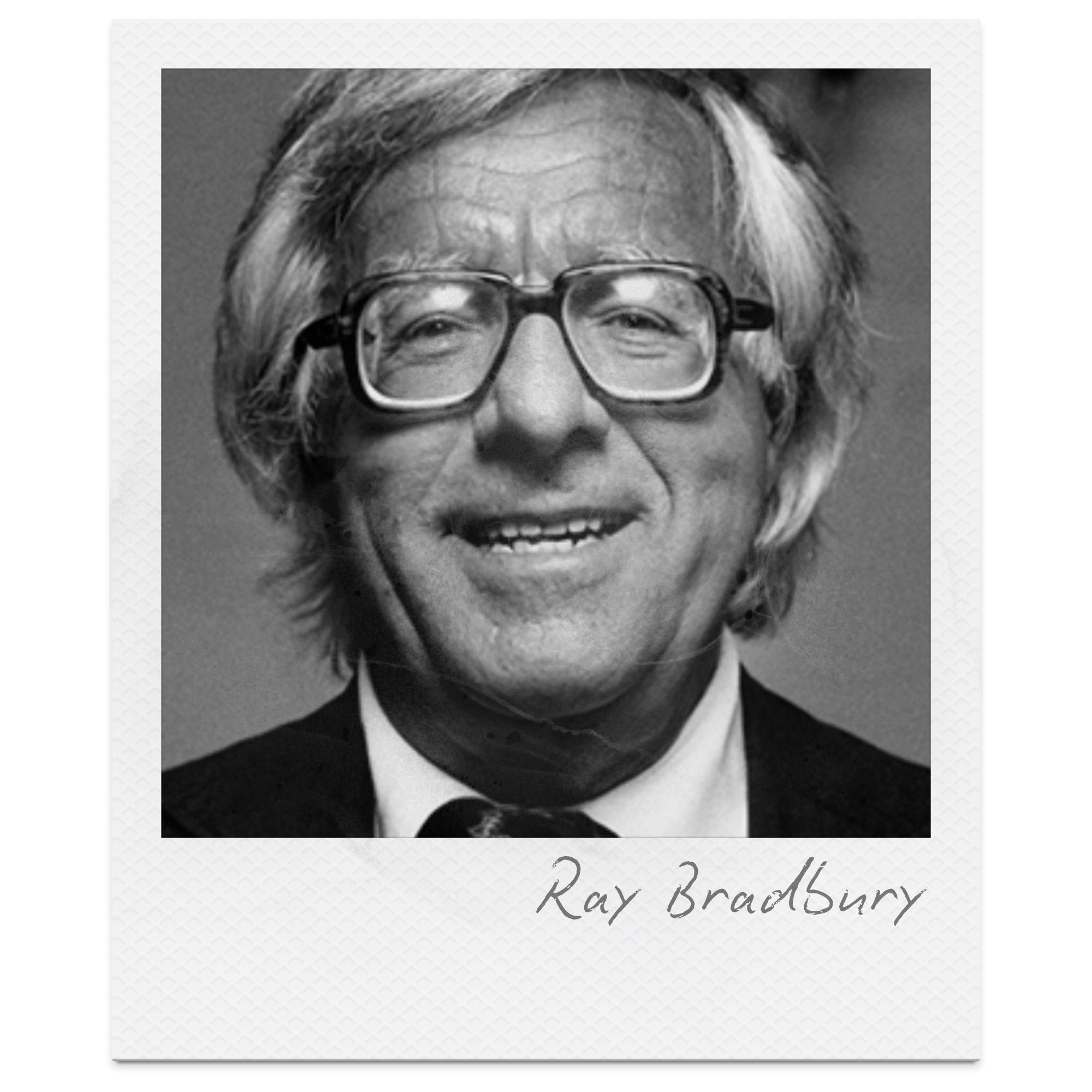
Ray Bradbury: Context, Themes, Works & Literary Significance
Ray Bradbury’s fiction is often associated with dystopian futures and speculative technologies, but his work is best understood through the historical and cultural context in which it was written. Emerging in mid-twentieth-century America, Bradbury wrote during a period shaped by war, Cold War paranoia, mass media expansion, and growing anxieties about conformity and control. His stories use speculative settings not to predict the future, but to expose how fear, censorship, and emotional detachment operate within ordinary domestic and social spaces. This context-focused overview explores the key themes that define Ray Bradbury’s work, including technology versus humanity, media and passive living, parental responsibility, childhood and power, and moral failure. Rather than offering close analysis of individual texts, it provides a broader framework for understanding how Bradbury uses speculative fiction to examine human behaviour, ethical responsibility, and the consequences of choosing comfort over connection.