Notes from the Inkpot
Writing, teaching, creating - one ink-stained idea at a time.


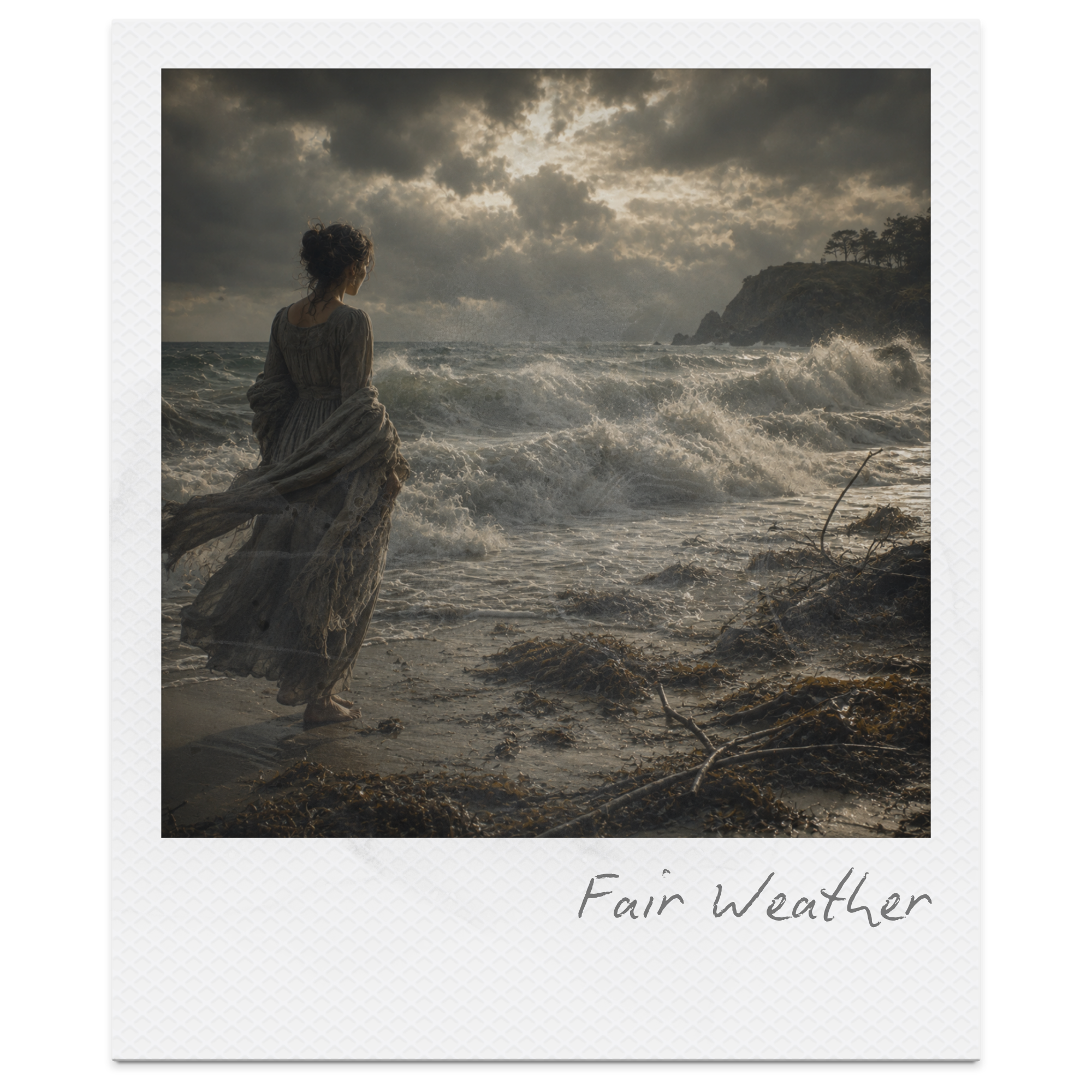
Fair Weather by Dorothy Parker: Summary, Themes & Analysis
Explore Fair Weather by Dorothy Parker with this in-depth poetry analysis covering context, summary, stanza-by-stanza analysis, key quotes, literary techniques, themes, alternative interpretations, and exam-ready insights. Discover how Parker uses an extended sea metaphor to explore passionate love, emotional intensity, desire, self-awareness, and the conflict between security and excitement. Through contrasting images of calm waters and violent storms, Parker presents a speaker who knowingly chooses risk, turbulence, and the possibility of heartbreak over emotional tranquillity, raising complex questions about why people may continue to desire experiences they know can cause pain.
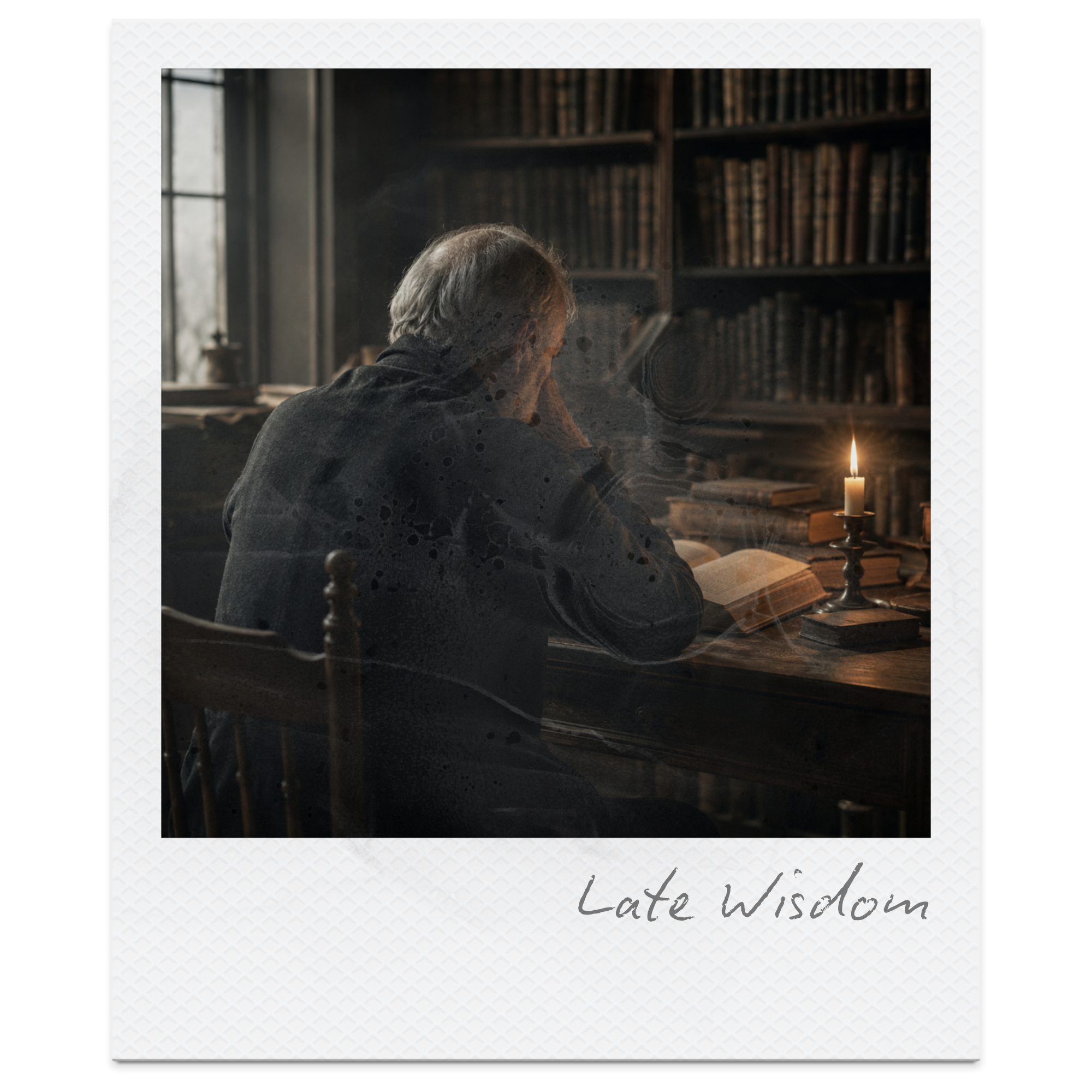
Late Wisdom by George Crabbe: Meaning, Mortality and the Limits of Experience
Late Wisdom by George Crabbe is a thoughtful exploration of ageing, experience, hindsight, and self-knowledge. Through the powerful symbolism of a "maze of error" and a "torch of truth," Crabbe examines the uncomfortable reality that wisdom often arrives only after life's most important mistakes and opportunities have passed. This analysis explores the poem's themes, symbolism, structure, literary techniques, key quotes, and exam-ready insights, revealing how Crabbe transforms a reflection on old age into a deeper meditation on human limitation and the true value of understanding.
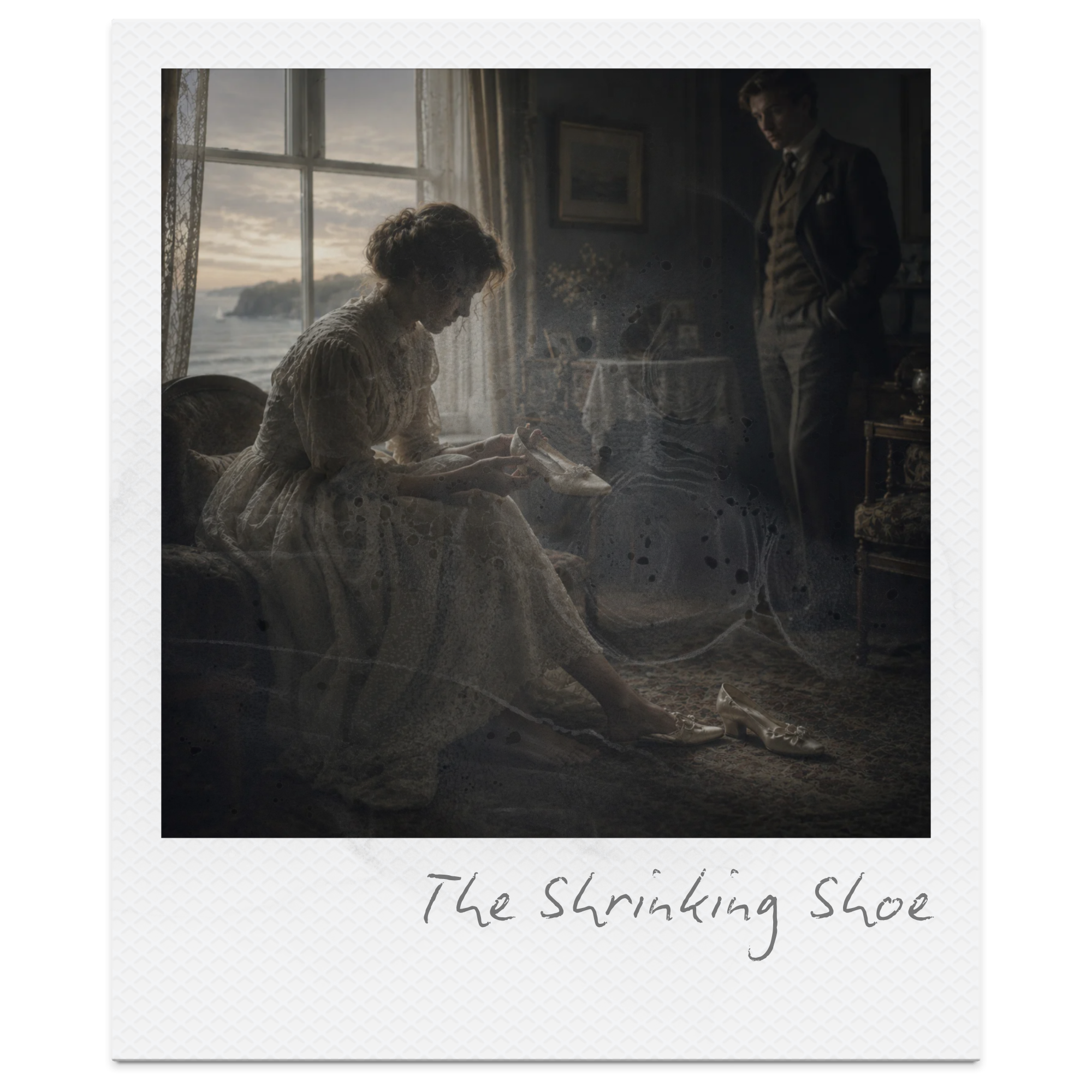
The Shrinking Shoe by Walter Besant: Summary, Themes & Analysis
Walter Besant’s The Shrinking Shoe is a reflective Victorian short story exploring ambition, idealism, wealth, emotional disappointment, and the tension between youthful dreams and adult reality. Inspired by the Cinderella fairy tale, the story follows Katie De Lisle and Geoffrey Armiger as romantic hope and heroic ambition gradually fade beneath comfort, idleness, and emotional compromise. Through symbolism, irony, and reflective narration, Besant transforms a familiar fairy-tale structure into a much more morally complex examination of identity, wasted potential, and self-improvement. This detailed analysis for CIE IGCSE World Literature (0408) explores the story’s themes, symbolism, structure, narrative voice, and key quotations, while examining how Besant uses the symbolic shrinking slipper to reflect fading ambition, emotional disillusionment, and the fragile possibility of renewal. The guide also includes alternative interpretations, exam-ready insights, and classroom-focused teaching ideas designed to support deeper literary analysis and discussion.
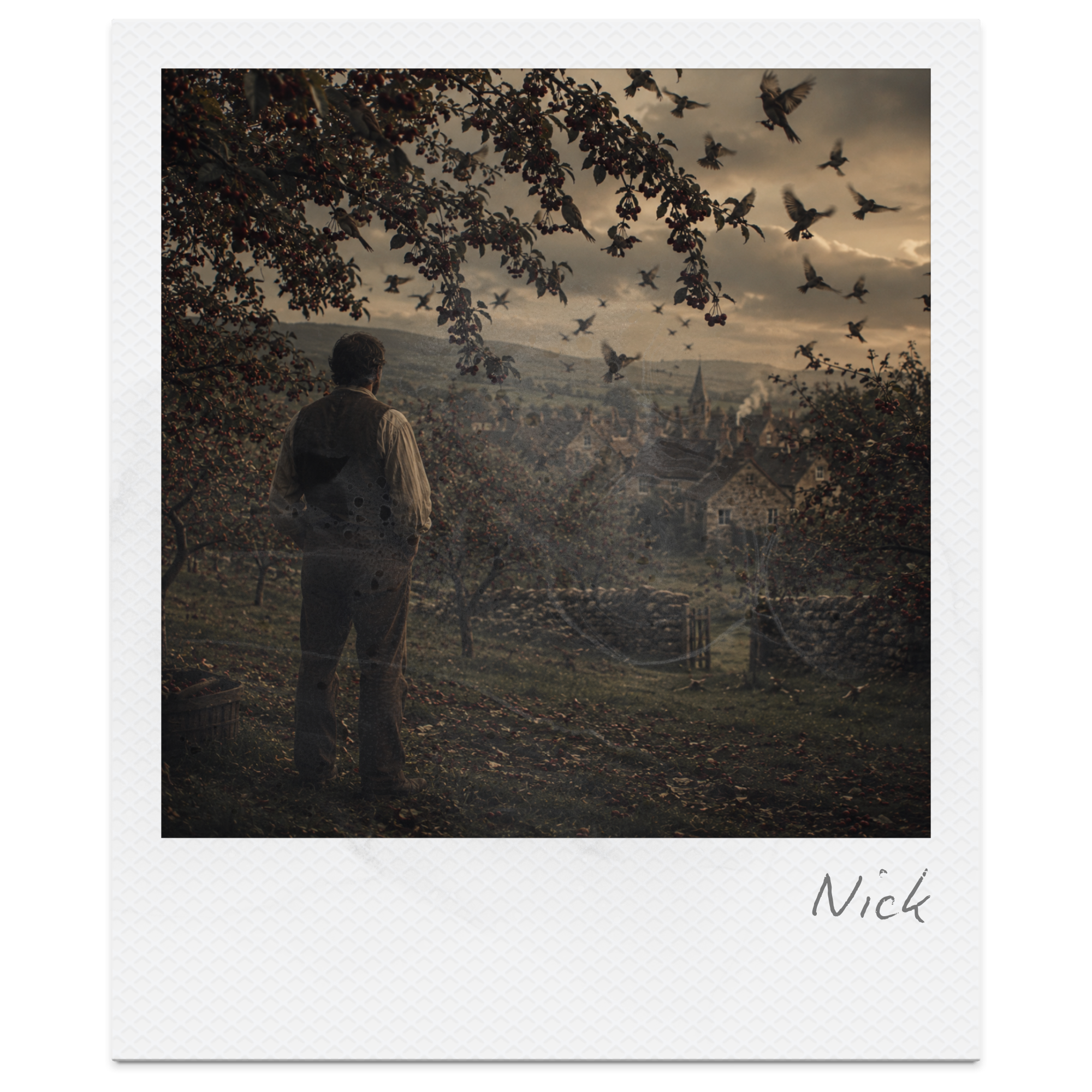
Nick by Christina Rossetti: Summary, Themes & Analysis
Christina Rossetti’s Nick is a darkly comic moral fable exploring envy, greed, consequence, and self-awareness through a series of strange magical transformations. Although Nick already lives in comfort and prosperity, he becomes consumed by jealousy and bitterness towards his neighbours. After receiving the power to become whatever he wishes, his malicious desires repeatedly spiral into humiliation, fear, and destruction. This analysis of Nick explores Rossetti’s use of symbolism, narrative voice, structure, and fairytale conventions to examine the psychological effects of resentment and selfishness. It also considers key themes including morality, social responsibility, and transformation, while offering exam-focused insights for CIE IGCSE English Literature (0475 & 0922).