Notes from the Inkpot
Writing, teaching, creating - one ink-stained idea at a time.

The Border Builder by Carol Rumens: Analysis of Borders, Identity and Division
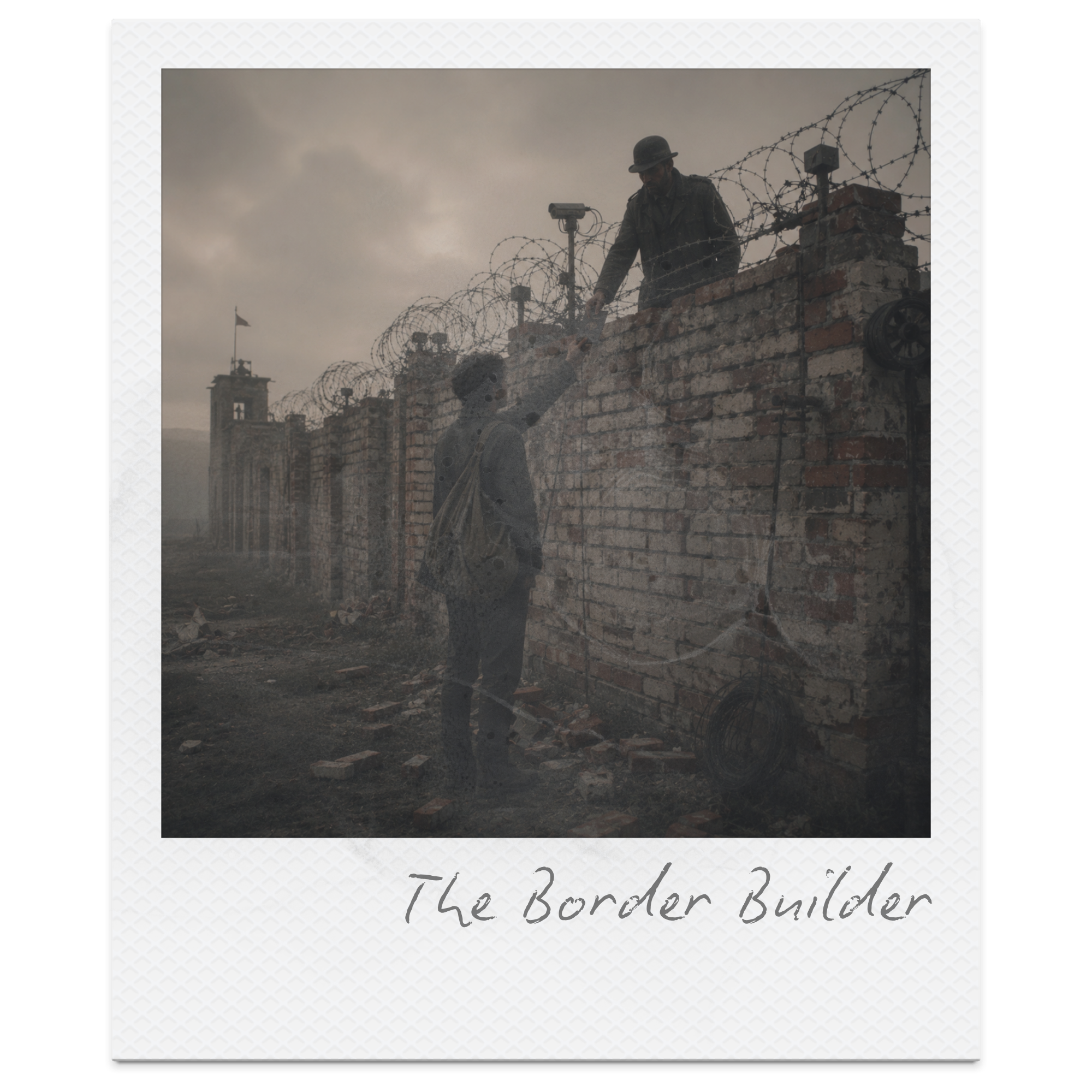
Carol Rumens' The Border Builder is a powerful poem about identity, belonging, power, and the dangers of reducing people to categories. Through the symbolic figure of a man obsessed with constructing borders, Rumens explores how societies create divisions based on nationality, race, politics, and other forms of classification, revealing the human cost of exclusion and surveillance. This analysis examines the poem's symbolism, political allegory, imagery, and use of bureaucratic language, exploring how Rumens critiques systems that define individuals through labels rather than humanity. Ideal for students and teachers studying Cambridge International AS & A Level Literature in English (9695), it includes line-by-line analysis, key quotes, themes, alternative interpretations, anthology comparisons, teaching ideas, and exam-focused insights.
A Different History by Sujata Bhatt: Summary, Themes & Analysis
Sujata Bhatt’s A Different History explores language as power, examining how it can be both respected and used for control. Through contrast, repetition, and rhetorical questions, the poem highlights the tension between cultural identity and the lasting effects of colonial influence. This analysis breaks down key themes, methods, and structural shifts, helping students understand how meaning is created. Ideal for IGCSE Literature, it supports clear, method-focused responses and strong exam preparation.
Song: Love Armed by Aphra Behn: Summary, Themes & Analysis
Aphra Behn’s Song: Love Armed explores love as power, presenting it as a force shaped by emotional imbalance, vulnerability, and control. Through the extended metaphor of Cupid as a tyrannical ruler, alongside vivid violent imagery and structural contrast, the poem reveals how love is constructed through unequal contributions—where one lover provides desire and feeling, while the other exerts dominance and cruelty. This analysis examines how Behn uses language, structure, and voice to create meaning, offering a clear breakdown of key themes, techniques, and effects. Designed for IGCSE Literature, it supports students in developing method-focused analysis and building strong, conceptual responses for exam success.
The Purloined Letter by Edgar Allan Poe: Summary, Themes, Symbolism & Analysis
The Purloined Letter is a clever and thought-provoking detective story that challenges the idea that mysteries are always complex. Instead, Edgar Allan Poe presents a case where the solution is hidden in plain sight, revealing how assumptions and rigid thinking can prevent us from seeing the obvious. Through the character of Dupin, Poe explores how true intelligence lies in understanding how others think, rather than simply relying on method or procedure. As the investigation unfolds, the story shifts from a traditional search for hidden clues to a deeper exploration of perception, power, and psychological strategy. The stolen letter becomes more than just an object—it represents control, secrecy, and vulnerability, showing how knowledge can be used as a form of influence. Ultimately, the story leaves readers questioning not just the mystery itself, but the way human reasoning shapes what we see—and what we miss.
70 Regency-Era Writing Prompts: Society, Secrets & Scandal
Regency-era stories are shaped by rules rather than spectacle — by who is allowed to speak, what must remain hidden, and how reputation quietly determines fate. Set in ballrooms, drawing rooms, gardens, and carriages, these narratives explore society as a performance, where a single rumour can alter an entire future and silence can carry more weight than truth. This collection of 70 Regency-Era Writing Prompts for Teens invites writers to explore historical storytelling through atmosphere, implication, and consequence. Combining plot hooks, opening and closing lines, character ideas, settings, and visual prompts, the collection offers a structured way to write stories of courtship, secrecy, and scandal — where every glance is observed and every choice is remembered.
The Ultimate Guide to Teaching Shakespeare in the Secondary English Classroom
Teaching Shakespeare in the secondary English classroom can feel intimidating, but his plays remain some of the most powerful texts for developing close reading, discussion, interpretation, and creative writing. From tragedy and political drama to explorations of power, identity, and moral choice, Shakespeare’s work offers unmatched opportunities for student engagement across secondary and further education. This comprehensive guide brings together key Shakespeare plays, effective teaching approaches, and flexible classroom resources, showing how Shakespeare can be taught through language, performance, and interpretation rather than memorisation or reverence. Whether you’re introducing Shakespeare for the first time or refining your practice, this pillar provides a clear, confident framework for teaching Shakespeare with depth and purpose.
70 Creative Writing Prompts Inspired by Macbeth: Plot Hooks, Opening Lines, Characters & Visual Ideas
Explore 70 creative writing prompts inspired by Macbeth, designed to help teen writers engage with ambition, fate, guilt, and psychological conflict through original storytelling. This collection includes atmospheric plot hooks, book-style title ideas, opening and closing lines, character concepts, setting ideas, and visual prompt guidance — all inspired by Shakespeare’s play without retelling its plot. Ideal for classroom use, writing clubs, or independent creative practice, these Macbeth-inspired writing prompts encourage mood-driven, symbolic writing that builds confidence with voice, tone, and narrative structure. Writers can explore Shakespeare’s ideas creatively while developing skills in description, perspective, and thematic storytelling.
William Shakespeare: Context, Themes, Plays & Literary Significance
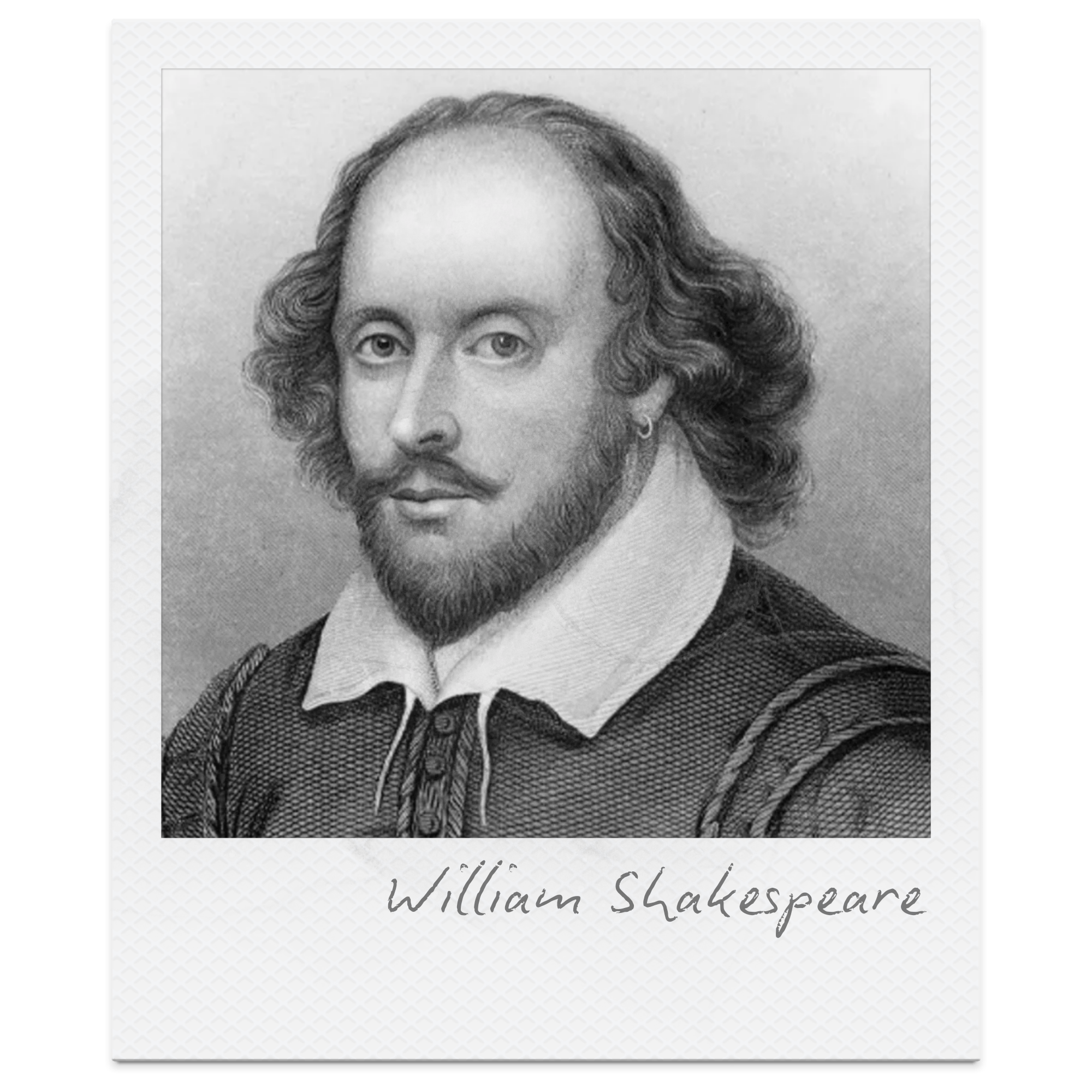
William Shakespeare is one of the most influential figures in English literature, yet his work is often approached without sufficient attention to historical and social context. Writing during the Elizabethan and Jacobean periods, Shakespeare explored enduring concerns around power, authority, identity, gender, violence, and moral responsibility, embedding these ideas within plays that continue to resist simple interpretation. This context post situates Shakespeare’s plays and poetry within the political, cultural, and theatrical conditions of early modern England, examining how genre, performance, and historical pressure shape meaning across his work. Rather than focusing on individual texts, it provides a framework for understanding Shakespeare’s literary significance, offering a foundation for deeper exploration of themes, genres, and plays across the wider Literature Library.