Notes from the Inkpot
Writing, teaching, creating - one ink-stained idea at a time.

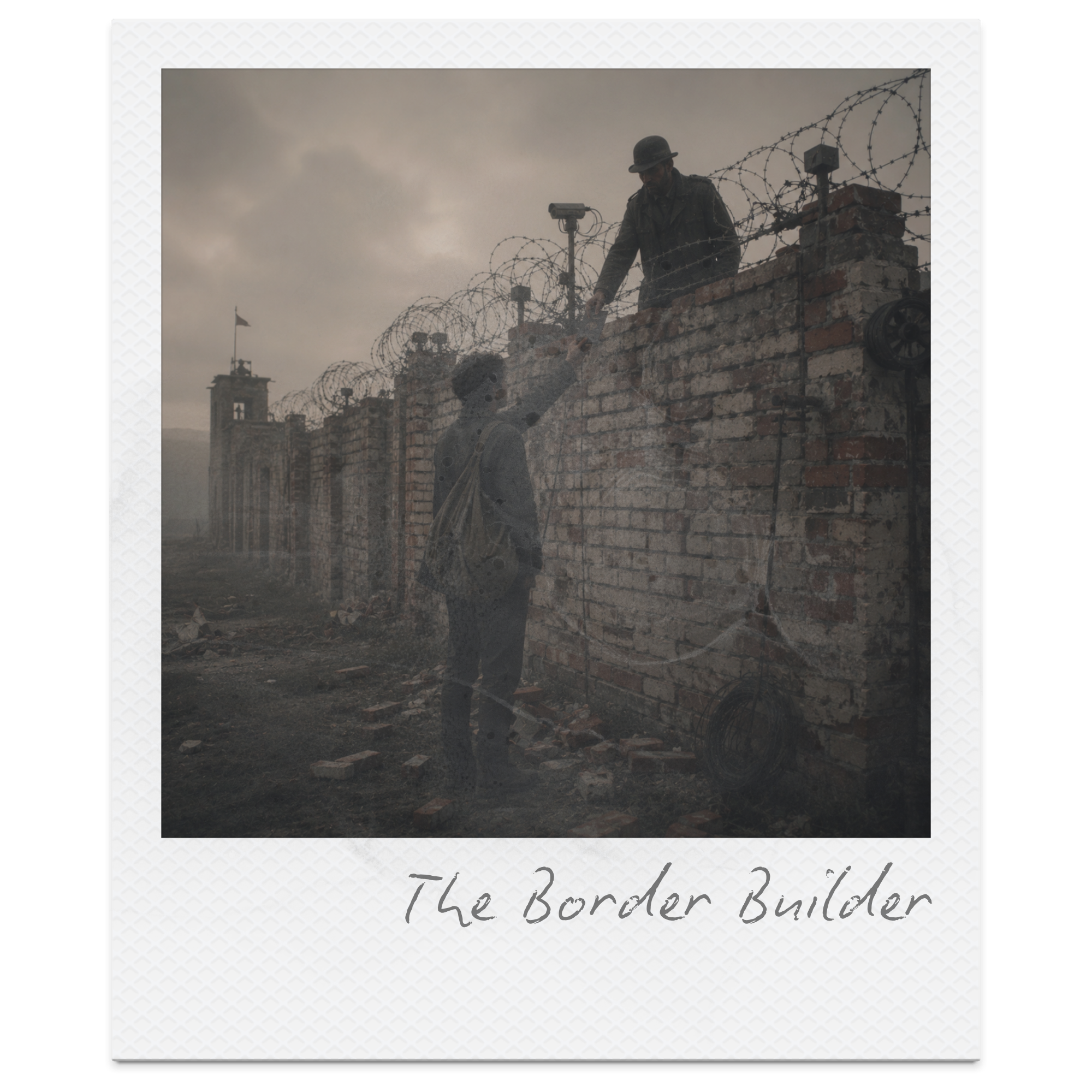
The Border Builder by Carol Rumens: Analysis of Borders, Identity and Division
Carol Rumens' The Border Builder is a powerful poem about identity, belonging, power, and the dangers of reducing people to categories. Through the symbolic figure of a man obsessed with constructing borders, Rumens explores how societies create divisions based on nationality, race, politics, and other forms of classification, revealing the human cost of exclusion and surveillance. This analysis examines the poem's symbolism, political allegory, imagery, and use of bureaucratic language, exploring how Rumens critiques systems that define individuals through labels rather than humanity. Ideal for students and teachers studying Cambridge International AS & A Level Literature in English (9695), it includes line-by-line analysis, key quotes, themes, alternative interpretations, anthology comparisons, teaching ideas, and exam-focused insights.
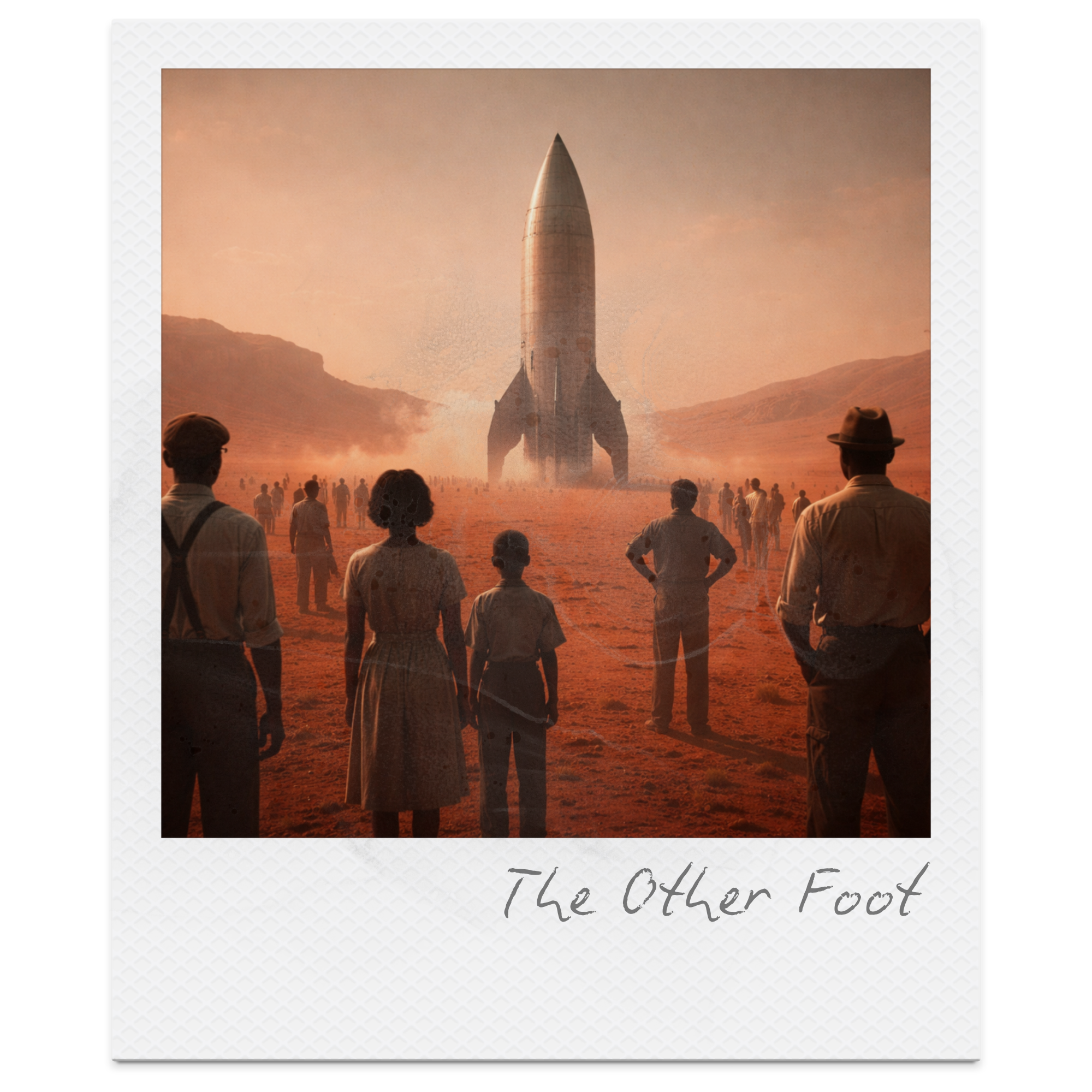
The Other Foot by Ray Bradbury: Summary, Themes, Symbolism & Analysis
The Other Foot by Ray Bradbury is a powerful work of speculative fiction that explores racism, revenge, and the possibility of moral transformation through a striking reversal of power. Set on a Martian colony built by Black settlers who fled Earth, the story imagines what happens when the oppressed are given the chance to become the oppressors. As news spreads of a white survivor arriving from a devastated Earth, long-buried memories of violence and segregation resurface, pushing the community toward retaliation. However, Bradbury complicates this desire for revenge by revealing the complete destruction of Earth and the collapse of the very systems the characters seek to punish. In doing so, the story shifts from anger to reflection, asking whether true justice lies in reversal or in breaking the cycle altogether. Through its tense narrative and powerful moral turning point, The Other Foot challenges readers to reconsider what equality, responsibility, and humanity really mean.
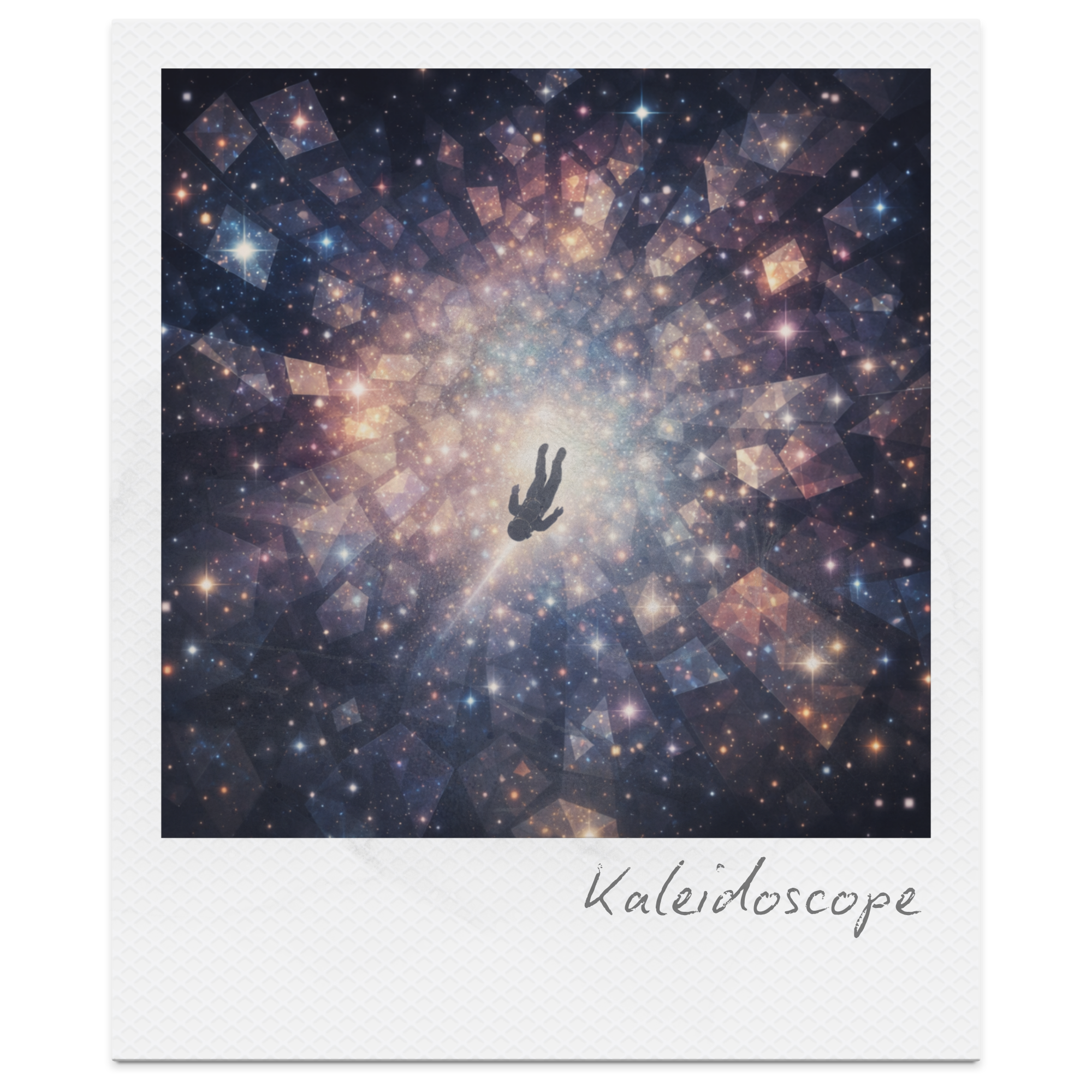
Kaleidoscope by Ray Bradbury: Summary, Themes, Symbolism & Analysis
Ray Bradbury’s Kaleidoscope is a striking exploration of human insignificance, mortality, and isolation, set against the vast and indifferent backdrop of space. After a catastrophic explosion scatters a crew of astronauts, the story follows their fragmented descent as they drift apart, connected only by fading voices. Through this disintegration, Bradbury examines how individuals respond when faced with the loss of control, connection, and certainty. As the astronauts confront their inevitable deaths, the story becomes a powerful reflection on memory, regret, and the search for meaning. While some find comfort in the lives they have lived, others are left questioning what their existence has amounted to. Blending science fiction with existential philosophy, Kaleidoscope leaves readers with a haunting question: when everything falls away, what truly gives a life value?
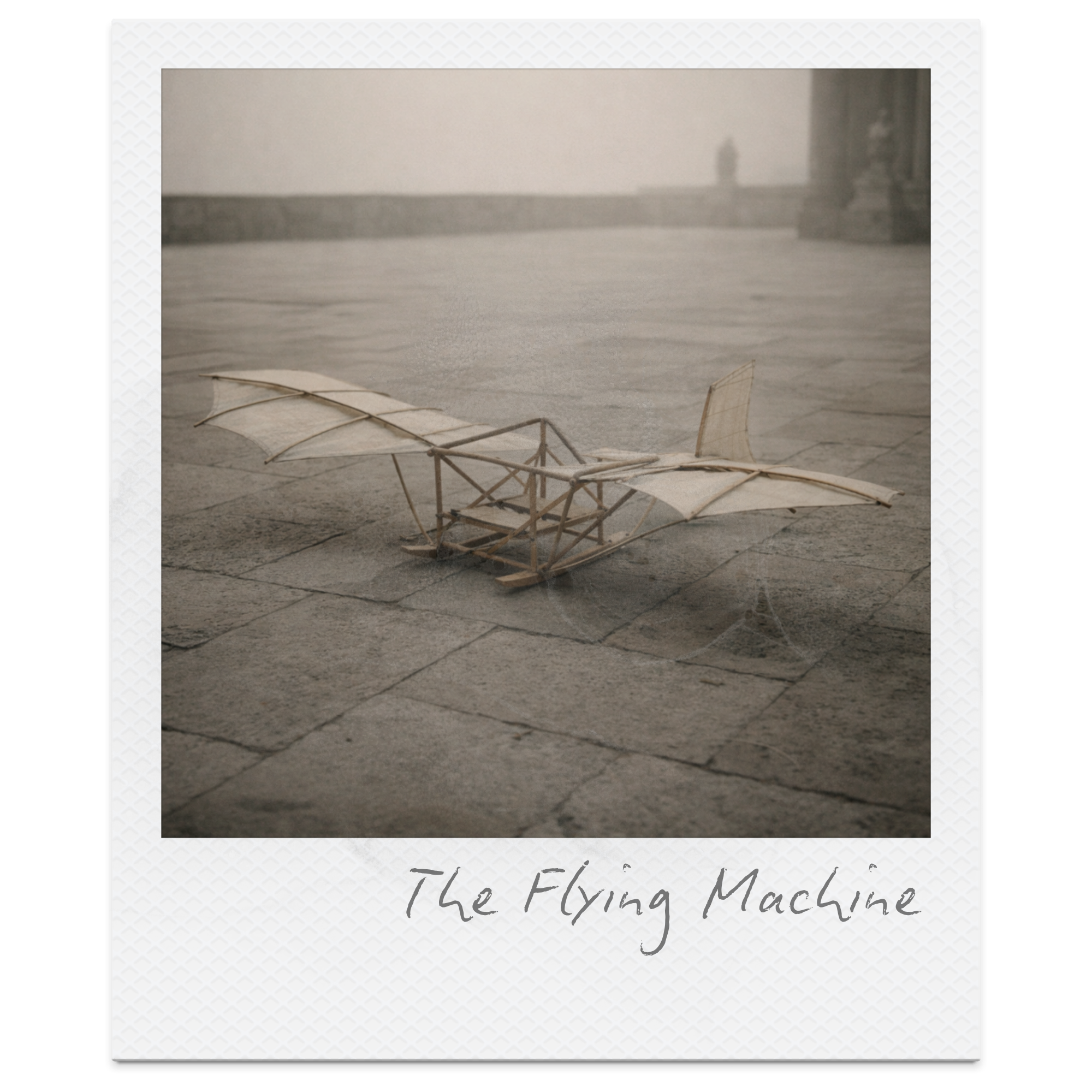
The Flying Machine by Ray Bradbury: Summary, Themes, Symbolism & Analysis
Ray Bradbury’s The Flying Machine explores the uneasy relationship between innovation and fear, presenting a world where beauty and progress are not always welcomed. Set in ancient China, the story follows an inventor who achieves the impossible—human flight—only to face the Emperor’s growing concern about what such a discovery might become. Through this encounter, Bradbury examines the fragile balance between creativity and control, raising questions about whether all knowledge should be allowed to exist. At its core, the story reflects a deeper anxiety about the consequences of progress, particularly when invention can be replicated and misused. The Emperor’s decision to destroy both the machine and its creator reveals a chilling logic: that protecting the future may require the sacrifice of something extraordinary in the present. Blending speculative fiction with philosophical insight, The Flying Machine leaves readers questioning whether humanity can truly be trusted with its own creations—and what might be lost when fear takes precedence over wonder.
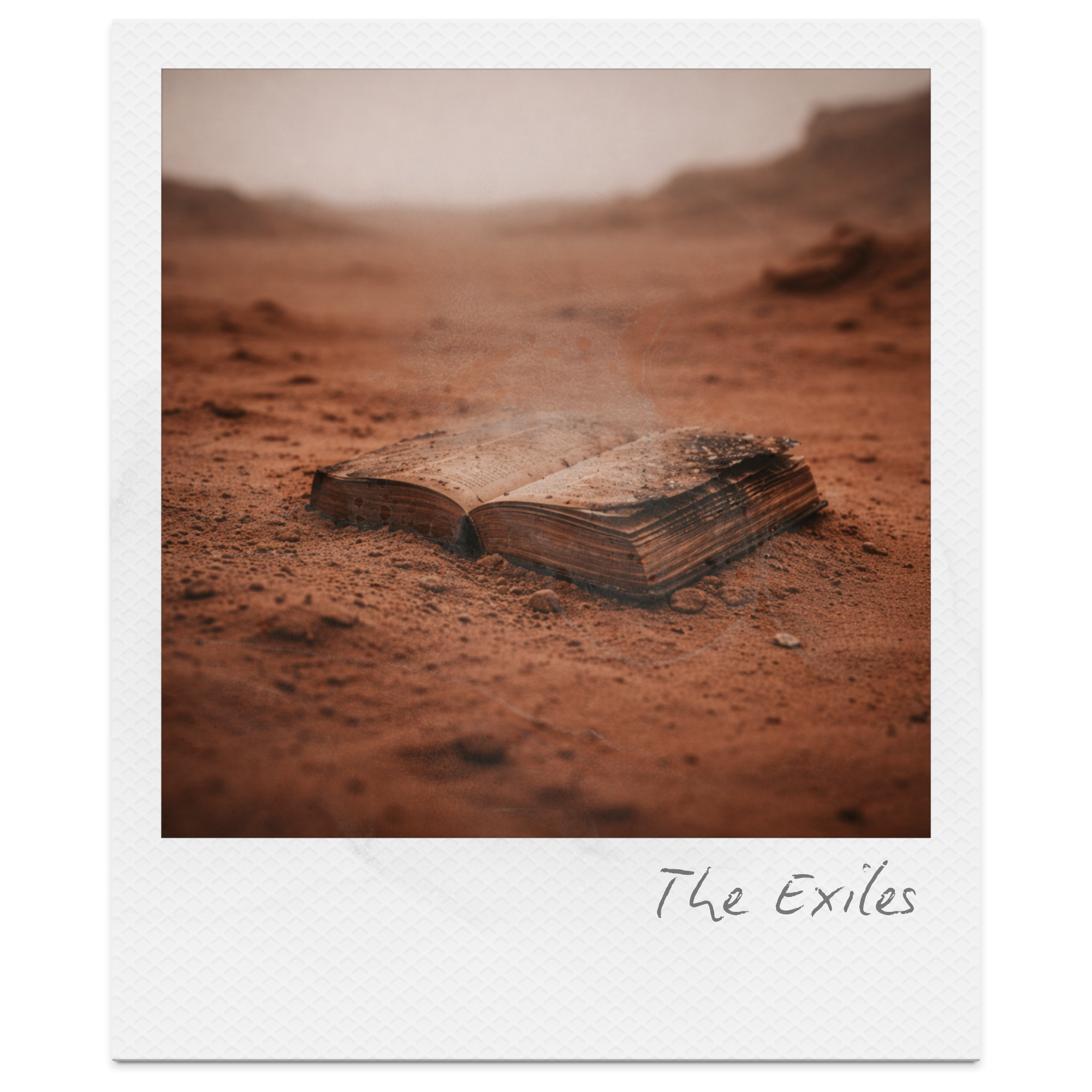
The Exiles by Ray Bradbury: Summary, Themes, Symbolism & Analysis
Bradbury’s The Exiles is a haunting exploration of censorship, imagination, and the fragility of stories, set on a dying Mars where forgotten authors and their creations struggle to survive. As books are banned and burned on Earth, the figures they once sustained begin to fade, turning the story into a powerful reflection on what happens when culture is erased and memory is lost. Blending science fiction, gothic atmosphere, and a deeply meta-literary perspective, the story challenges readers to consider the true cost of suppressing imagination. Through its unsettling imagery and quiet, devastating ending, The Exiles asks a central question: if stories disappear, what happens to the parts of ourselves they once held together?
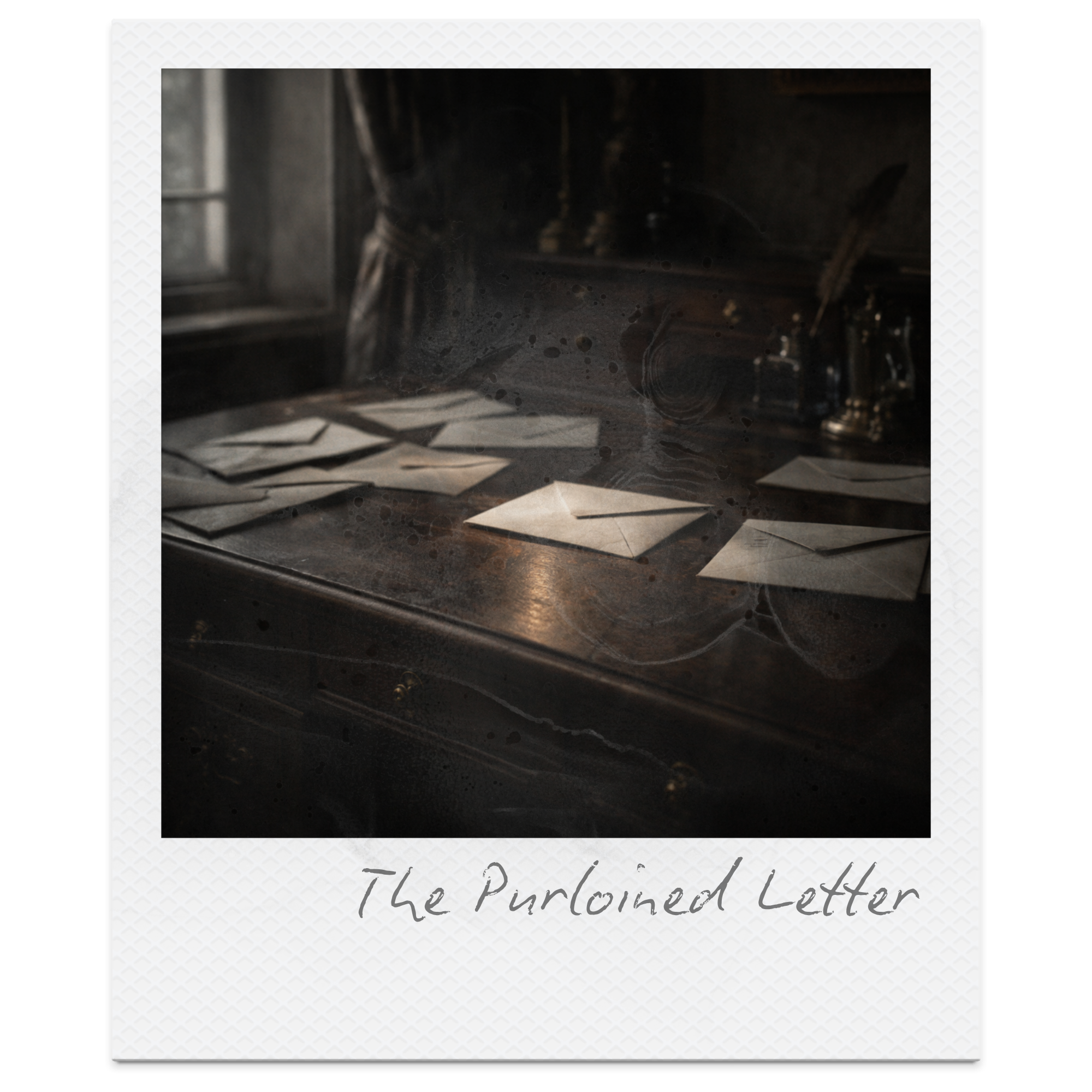
The Purloined Letter by Edgar Allan Poe: Summary, Themes, Symbolism & Analysis
The Purloined Letter is a clever and thought-provoking detective story that challenges the idea that mysteries are always complex. Instead, Edgar Allan Poe presents a case where the solution is hidden in plain sight, revealing how assumptions and rigid thinking can prevent us from seeing the obvious. Through the character of Dupin, Poe explores how true intelligence lies in understanding how others think, rather than simply relying on method or procedure. As the investigation unfolds, the story shifts from a traditional search for hidden clues to a deeper exploration of perception, power, and psychological strategy. The stolen letter becomes more than just an object—it represents control, secrecy, and vulnerability, showing how knowledge can be used as a form of influence. Ultimately, the story leaves readers questioning not just the mystery itself, but the way human reasoning shapes what we see—and what we miss.
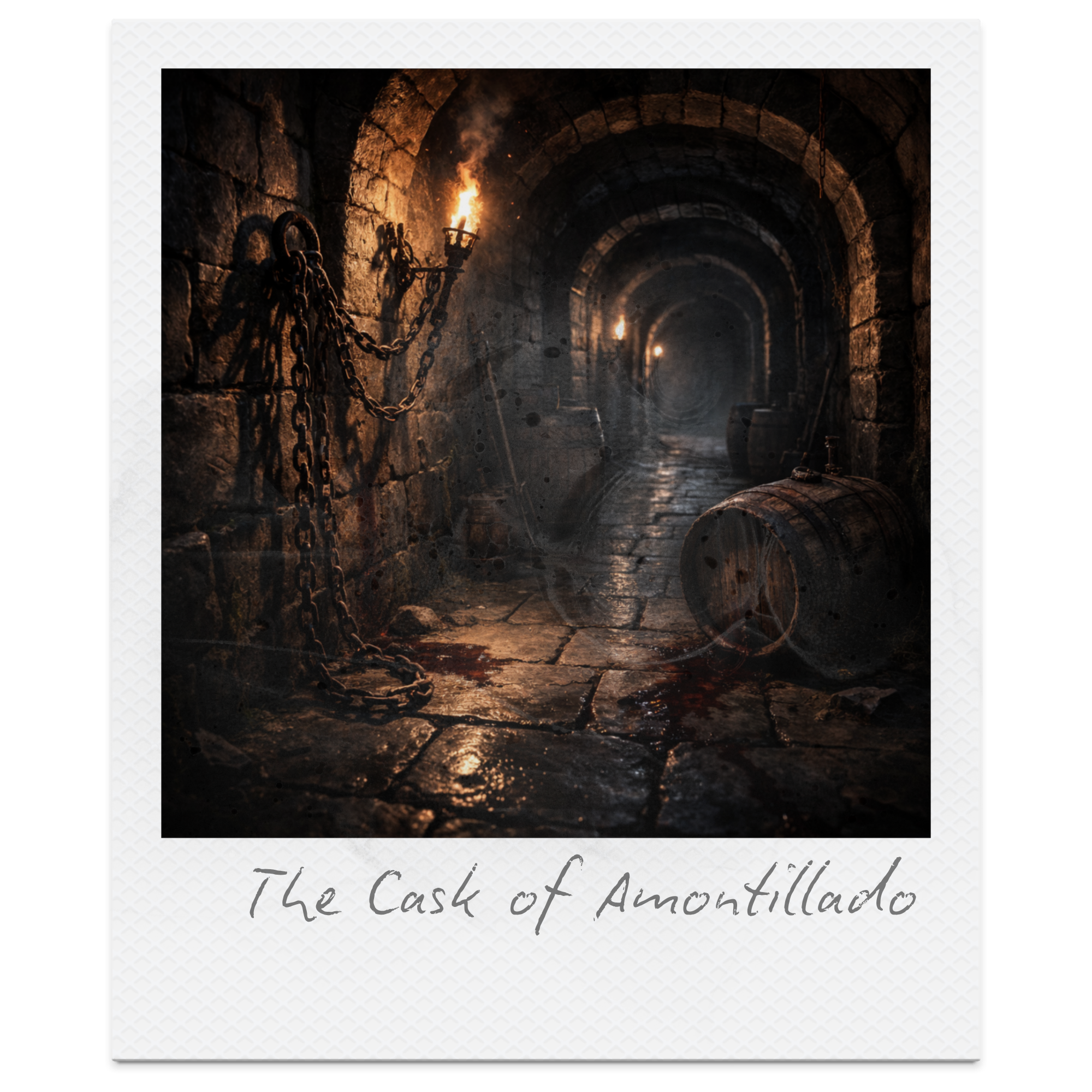
The Cask of Amontillado by Edgar Allan Poe: Summary, Themes, Symbolism & Analysis
The Cask of Amontillado by Edgar Allan Poe is a chilling work of gothic fiction that explores revenge, pride, and psychological manipulation through one of literature’s most disturbingly controlled narrators. Set against the deceptive brightness of carnival and the suffocating darkness of the catacombs, the story follows Montresor as he carefully lures Fortunato toward a fate that feels both inevitable and horrifying. Poe’s use of irony, symbolism, and setting creates a narrative where every detail contributes to a growing sense of tension and unease. At its core, the story examines how power and deception can operate beneath the surface of civility, raising unsettling questions about justice, morality, and human psychology. With its unreliable narrator and claustrophobic setting, The Cask of Amontillado invites readers to question what is true, what is justified, and how easily violence can be hidden behind a mask of reason.
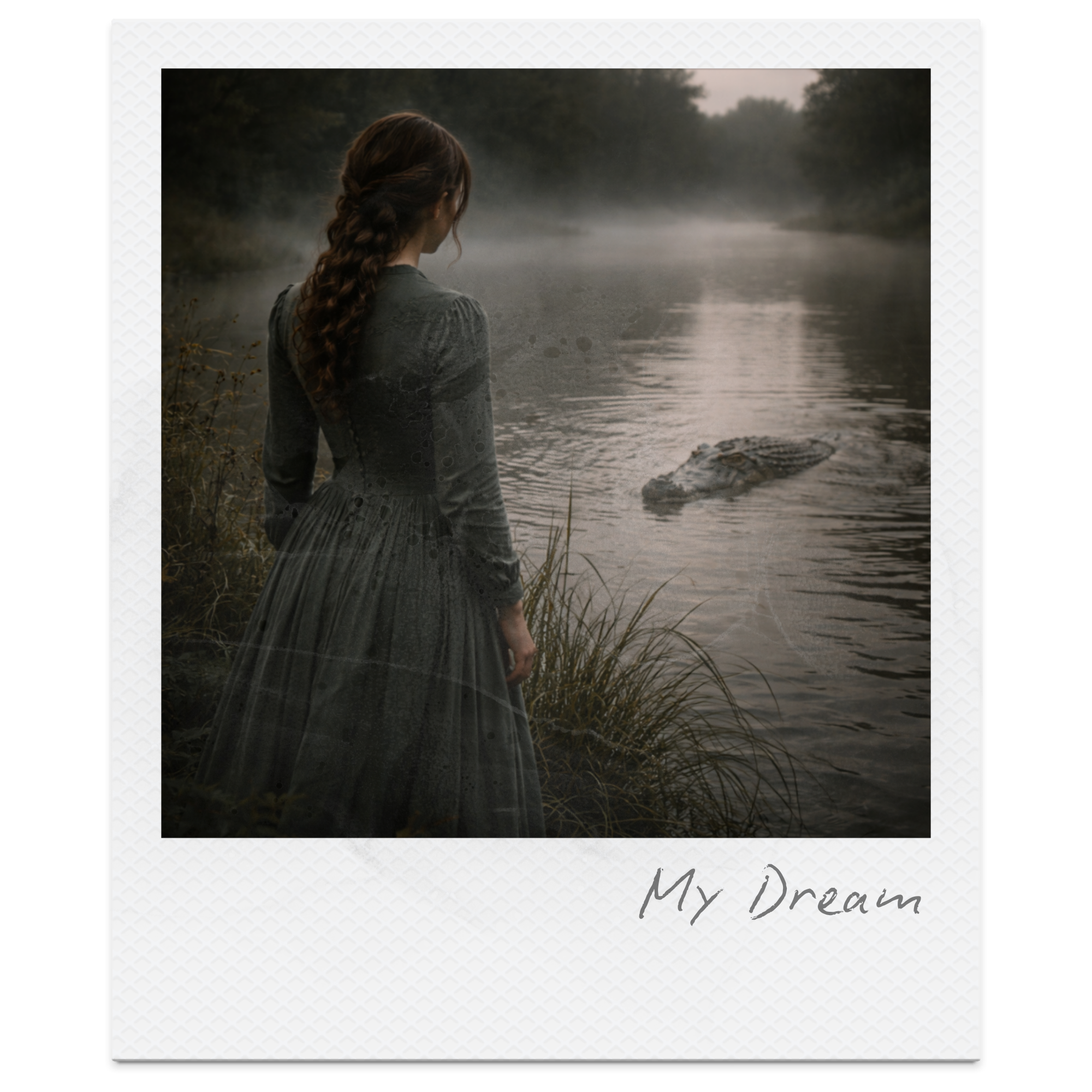
My Dream by Christina Rossetti: Summary, Themes, Symbolism & Analysis
Christina Rossetti’s My Dream presents a dark and symbolic vision of power, corruption, and collapse. Through the rise of a monstrous crocodile who gains dominance through violence and excess, the poem explores how authority built on destruction is ultimately unstable and self-defeating. This analysis examines Rossetti’s use of allegory, imagery, and dream narrative to reveal deeper concerns about human nature, control, and moral consequence. With its ambiguous ending and unsettling symbolism, My Dream invites readers to question how power operates—and what remains when it inevitably fails.