Notes from the Inkpot
Writing, teaching, creating - one ink-stained idea at a time.

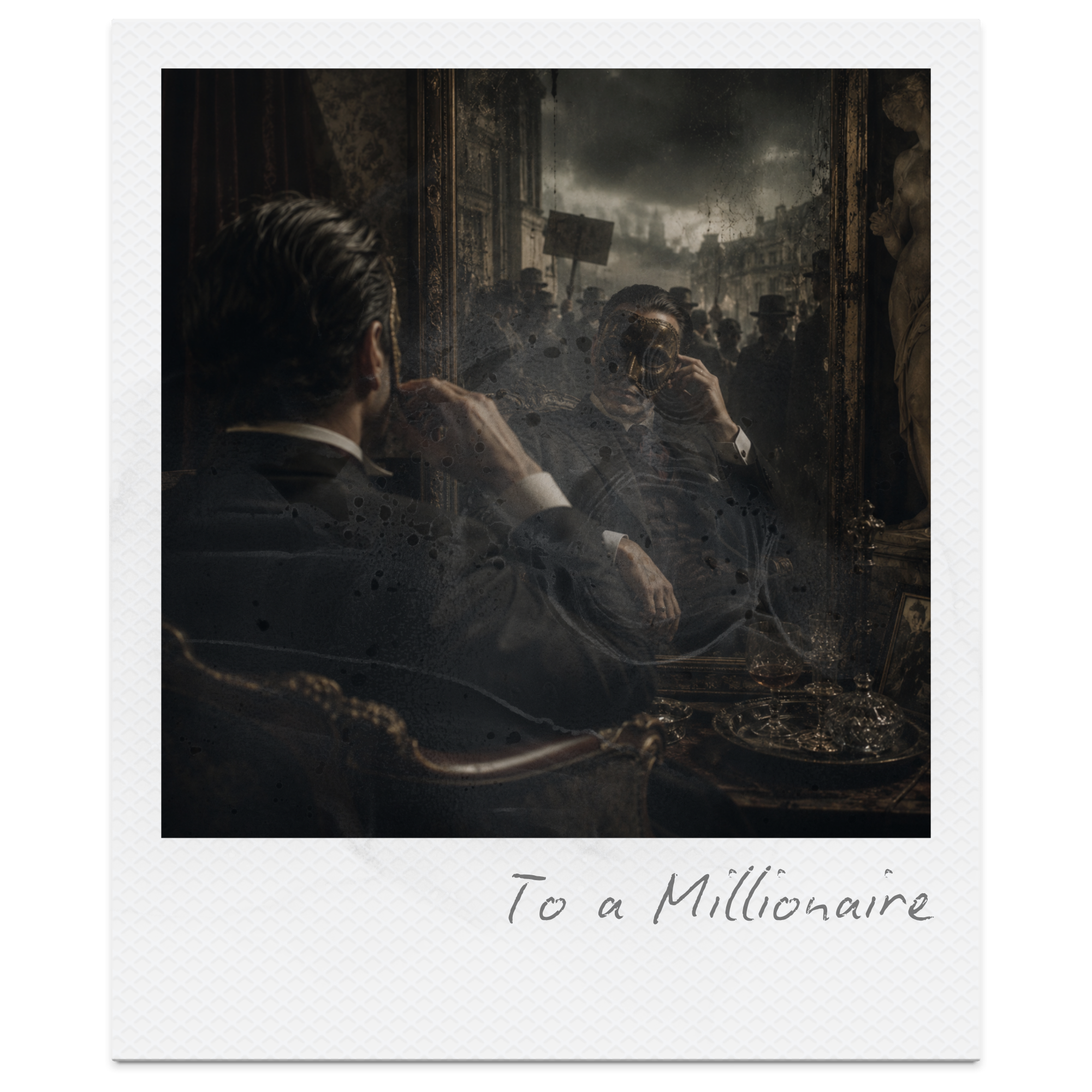
To a Millionaire by A. R. D. Fairburn: Power, Wealth and Corruption
A detailed analysis of To a Millionaire by A. R. D. Fairburn, exploring themes of wealth, corruption, class inequality, exploitation, social injustice, moral responsibility, mortality, power, and decline. Includes context, summary, stanza-by-stanza analysis, key quotations, symbolism, literary techniques, alternative interpretations, anthology comparisons, exam insights, and teaching ideas for CIE AS Level English Literature.
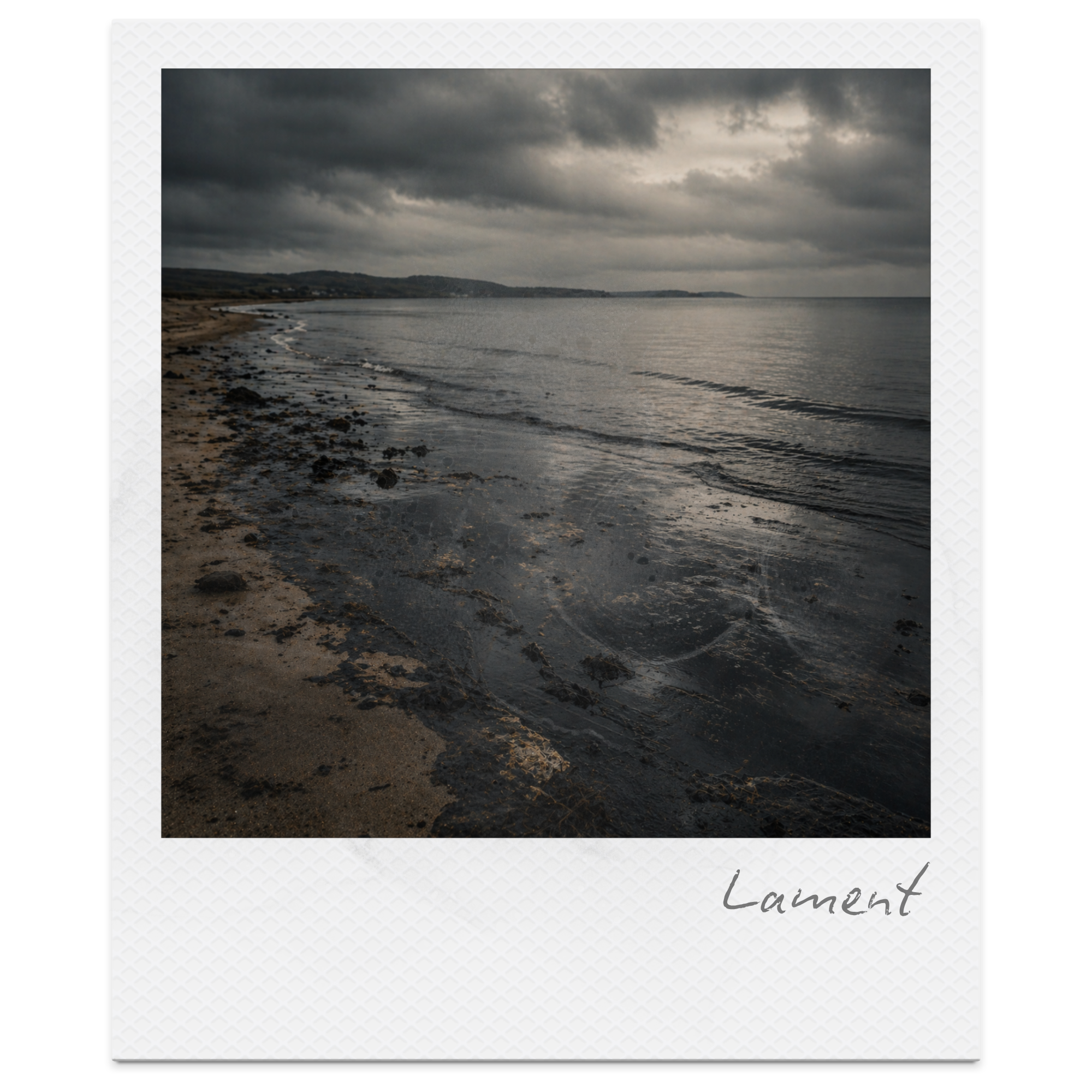
Lament by Gillian Clarke: Summary, Themes & Analysis
Lament by Gillian Clarke presents a powerful, cumulative expression of grief, exploring the impact of war, environmental destruction, and human responsibility. Through repetition, vivid imagery, and structured listing, Clarke connects the suffering of animals, people, and landscapes, showing how these losses are deeply interconnected. By building a sequence of images that move from individual creatures to global devastation, the poem creates a sense of scale and inevitability, while its restrained tone allows the destruction to speak for itself. The result is a poem that not only mourns what has been lost, but also challenges the reader to recognise the ongoing consequences of human actions.
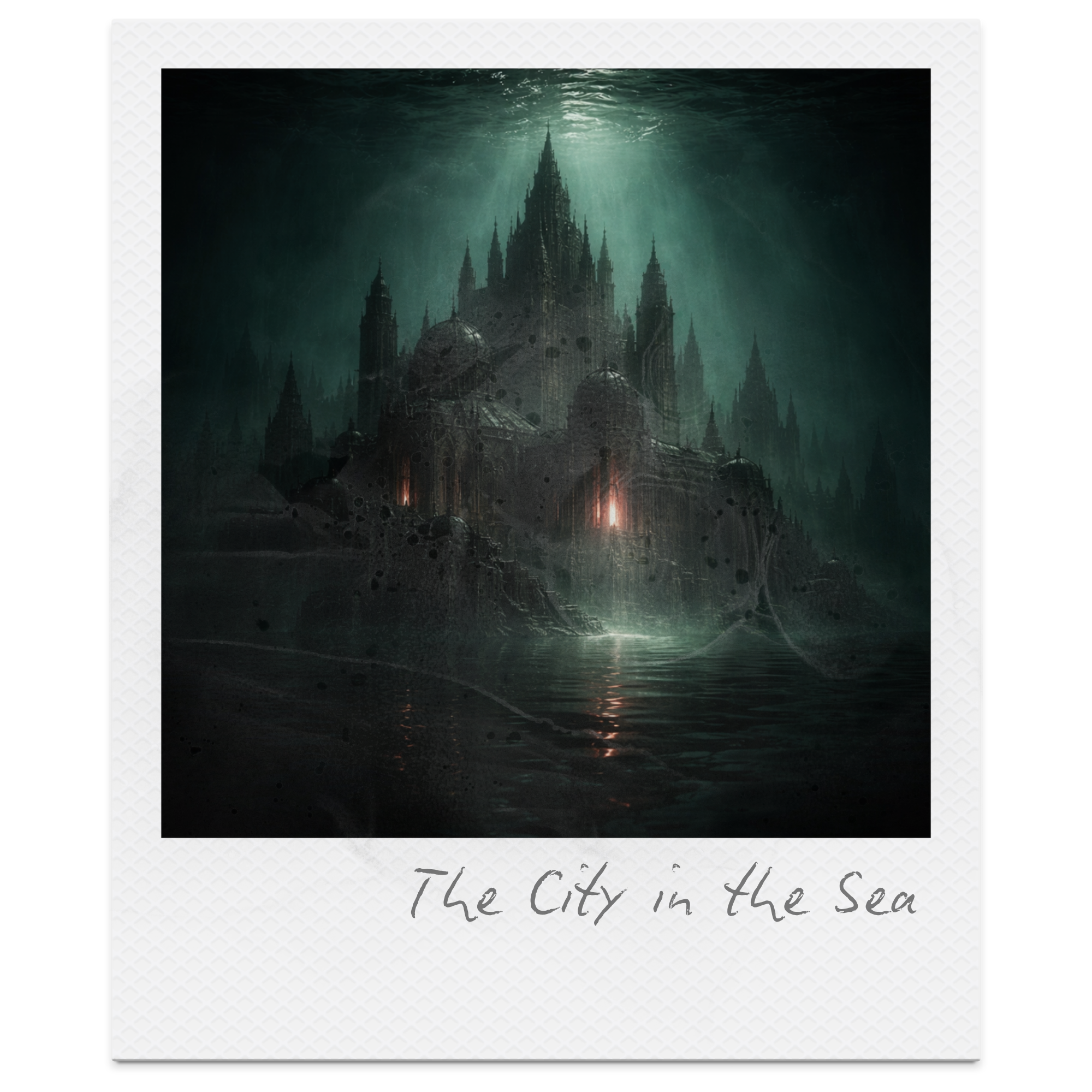
The City in the Sea by Edgar Allan Poe: Summary, Themes, Meaning & Analysis
The City in the Sea by Edgar Allan Poe is a haunting gothic poem that explores death, decay, illusion, and the collapse of civilisation through a strikingly visual and symbolic landscape. Set within a strange, submerged city ruled by Death itself, the poem presents a world suspended in time, where grandeur remains but life has vanished. Through its rich imagery and hypnotic rhythm, Poe constructs an atmosphere of stillness, inversion, and inevitability, where natural order has broken down and reality feels increasingly unstable. As the poem progresses, this eerie stillness begins to fracture, revealing the city’s apparent permanence as an illusion. The final descent transforms the poem into a meditation on time, inevitability, and human insignificance, suggesting that even the most magnificent structures are ultimately consumed by forces beyond control. With its blend of gothic imagery, symbolic depth, and structural precision, The City in the Sea offers a powerful exploration of a world where death is not an end, but a controlling and eternal presence.
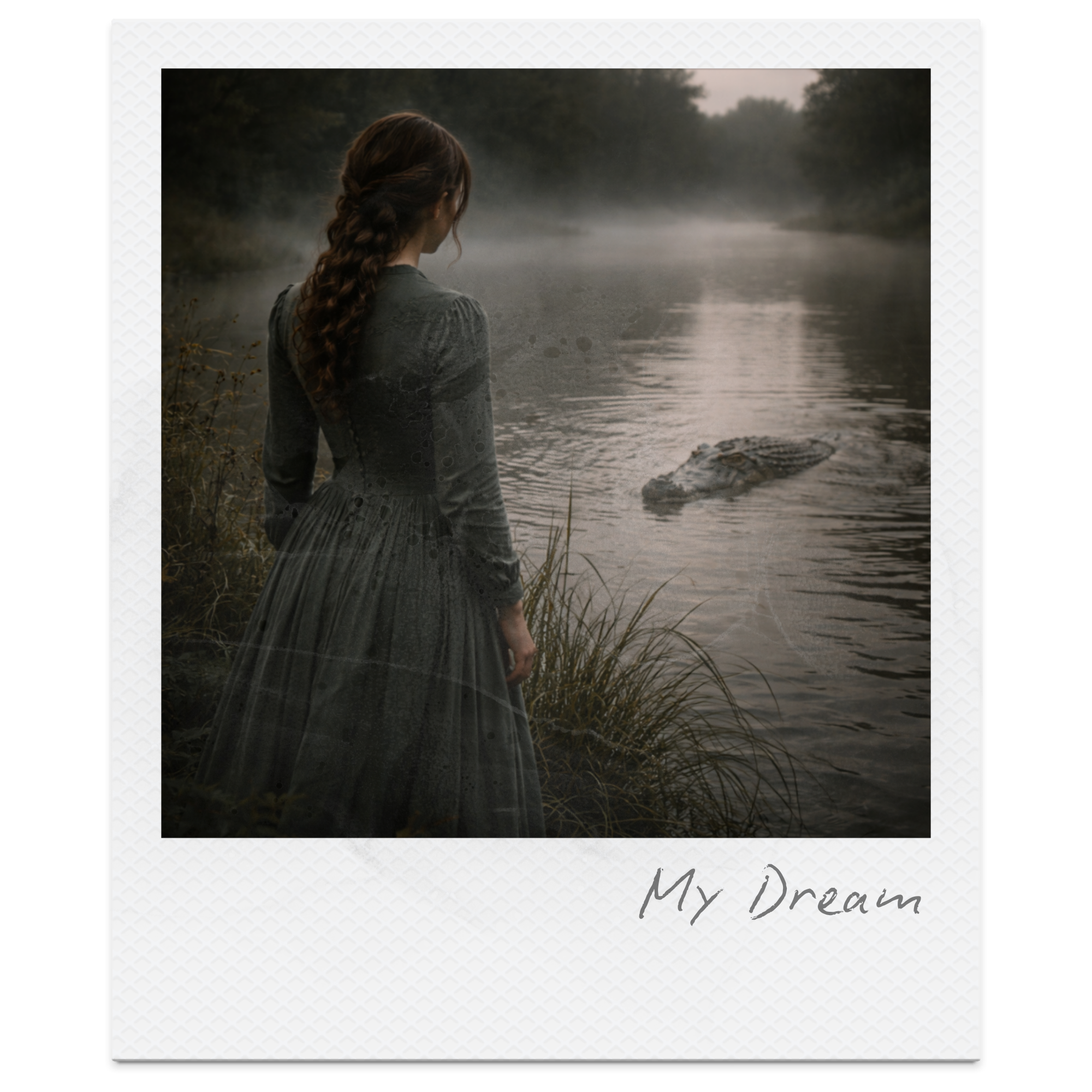
My Dream by Christina Rossetti: Summary, Themes, Symbolism & Analysis
Christina Rossetti’s My Dream presents a dark and symbolic vision of power, corruption, and collapse. Through the rise of a monstrous crocodile who gains dominance through violence and excess, the poem explores how authority built on destruction is ultimately unstable and self-defeating. This analysis examines Rossetti’s use of allegory, imagery, and dream narrative to reveal deeper concerns about human nature, control, and moral consequence. With its ambiguous ending and unsettling symbolism, My Dream invites readers to question how power operates—and what remains when it inevitably fails.
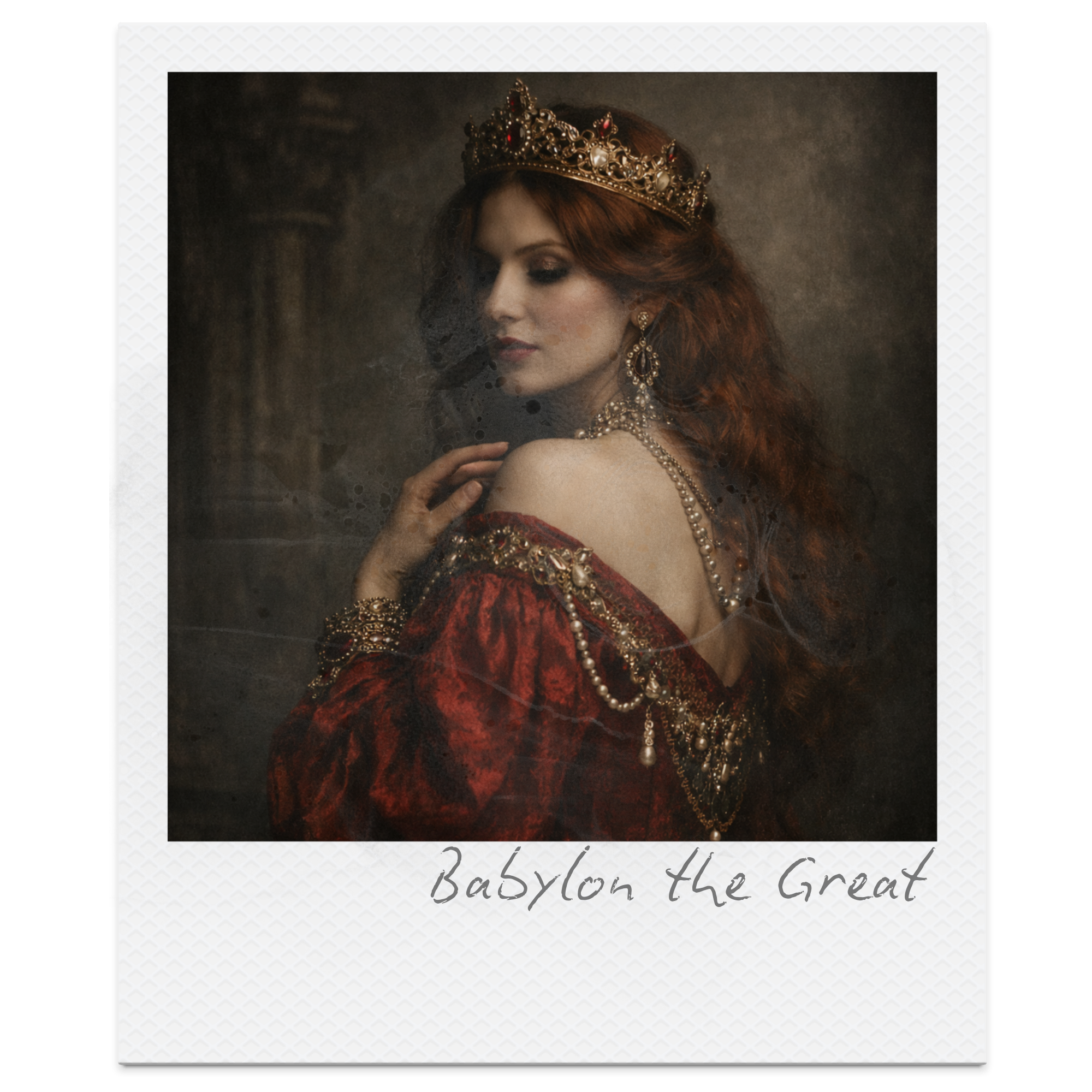
Babylon the Great by Christina Rossetti: Summary, Themes, Symbolism & Analysis
Christina Rossetti’s Babylon the Great is a powerful sonnet that draws on imagery from the Book of Revelation to explore themes of temptation, spiritual corruption, and divine judgement. Through vivid symbolism and prophetic warnings, the poem presents Babylon as a seductive yet destructive figure whose outward splendour conceals profound moral decay. This detailed analysis explores the poem’s structure, imagery, symbolism, key quotations, and themes, alongside alternative interpretations and classroom teaching ideas. This guide helps readers understand how Rossetti transforms biblical imagery into a striking poetic warning about the dangers of fascination and moral deception.