Oblivion by Ellis Ayitey Komey: Summary, Themes & Analysis
Oblivion by Ellis Ayitey Komey is a moving reflection on memory, nature, loss, and identity, exploring the speaker's determination to preserve the landscapes and traditions that have shaped their life before they disappear. Through vivid imagery, symbolism, personification, and rich sensory detail, Komey presents the natural world as a source of belonging, nourishment, and cultural heritage while expressing a growing awareness of its fragility. If you are studying or teaching Songs of Ourselves Volume 3 for CIE IGCSE Literature in English (0475) Paper 1 (2028–2030), explore every poem in depth in the Songs of Ourselves Volume 3 Hub, or discover a wider range of texts in the Literature Library.

Context of Oblivion
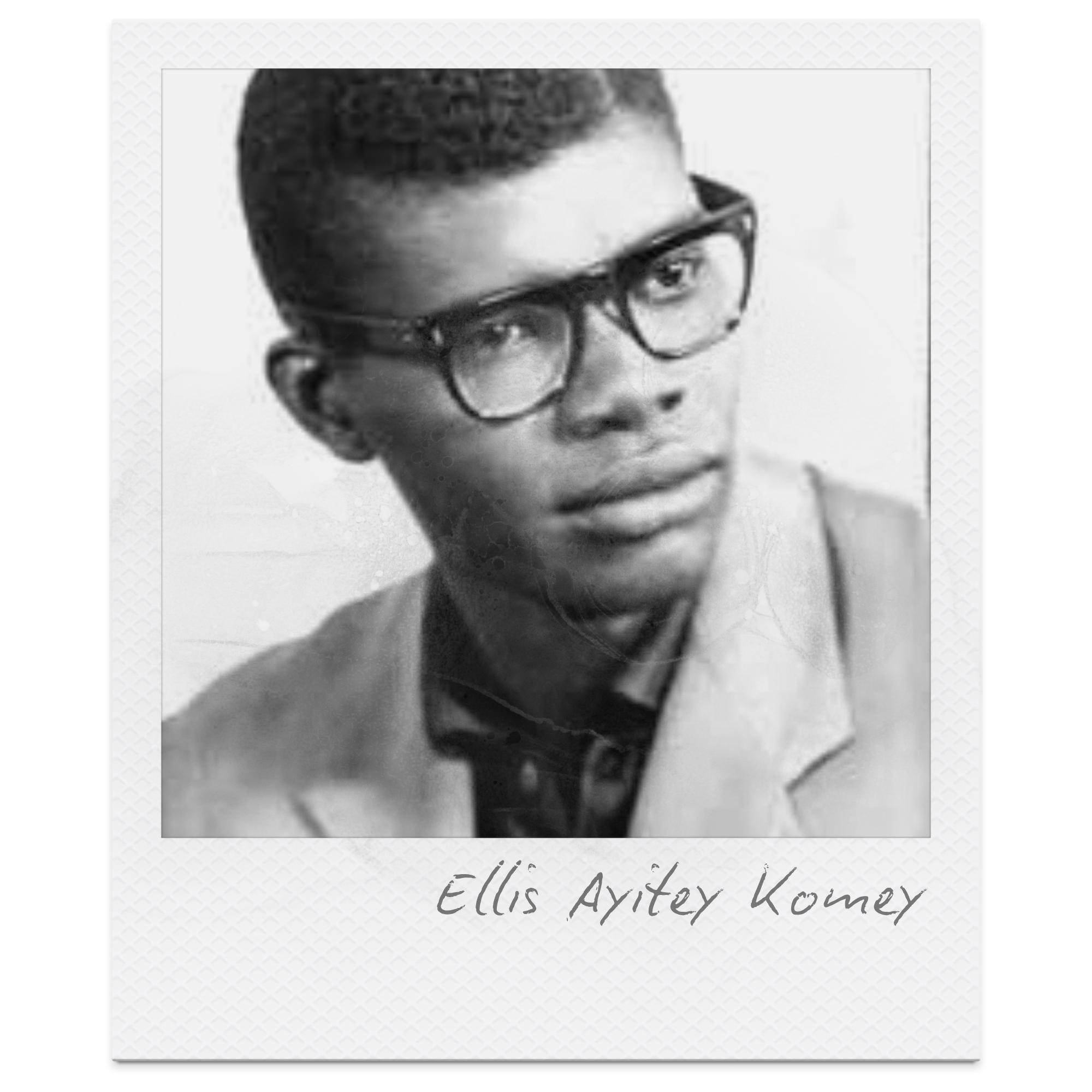
Ellis Ayitey Komey was a Ghanaian poet, writer, and editor whose work often explores memory, identity, cultural heritage, and the enduring relationship between people and the natural environment. Writing during a period when many newly independent African nations were reflecting on questions of cultural identity and rapid social change, Komey frequently celebrated the landscapes, traditions, and everyday experiences that shaped both personal and collective memory.
In Oblivion, the speaker reflects on a cherished rural landscape filled with palm trees, yam and cassava shrubs, frogs, owls, and cocoa pods, all rooted in the environment and agricultural life of West Africa. The repeated declaration "I want to remember" conveys an urgent desire to preserve these places before they are lost through time, change, or death. By combining vivid natural imagery with personal reflection, Komey suggests that remembering the landscape is also a way of preserving identity, culture, and a deep connection to the natural world.
Oblivion: At a Glance
Form: A free verse lyric poem that combines personal reflection with rich natural imagery to preserve memories of a cherished landscape.
Mood: Nostalgic, reflective, affectionate, and quietly melancholic, with an underlying sense of urgency.
Central tension: The speaker longs to preserve the beauty, culture, and natural world they love while recognising that both landscapes and human lives are vulnerable to time, change, and loss.
Core themes: Memory, nature, loss, identity, belonging, environmental change, mortality, and the relationship between humans and nature.
One-sentence meaning: Through vivid imagery, symbolism, personification, and repeated expressions of remembrance, Ellis Ayitey Komey presents memory as a powerful way of preserving both the natural world and the cultural identity connected to it before they are lost forever.
Quick Summary of Oblivion
At the beginning of the poem, the speaker expresses a powerful desire to remember a familiar rural landscape before it disappears. They recall the fallen palm tree, muddy roads, thorn-covered paths, and the rich sights and sounds of the forest, celebrating the beauty and vitality of the natural world through vivid sensory memories. As the repeated phrase "I want to remember" continues throughout the poem, it becomes clear that these memories are deeply personal and closely connected to the speaker's identity.
As the poem develops, the speaker broadens their focus to include the wider landscape, describing palms, crops, wildlife, and the nourishing abundance of the forest. In the final lines, the tone becomes more reflective as the speaker wishes to remember "them all / Before they die and turn to mud / When I have gone." The poem ends by recognising the fragility of both human life and the natural environment, suggesting that memory can preserve places and experiences even when they have physically disappeared.
Title, Form, Structure, and Metre
Ellis Ayitey Komey carefully combines title, form, structure, and rhythm to explore the fragility of memory and the importance of preserving both personal experiences and the natural world. His formal choices mirror the speaker's reflective voice, allowing memories to unfold gradually while reinforcing the poem's emotional urgency.
Title
The title, Oblivion, immediately introduces the possibility of forgetting, disappearance, or complete loss. Before the poem even begins, readers expect an exploration of memory or something that has vanished. However, the poem itself is driven by the repeated declaration "I want to remember," creating an immediate contrast between the threat of oblivion and the speaker's determination to resist it.
As the poem develops, the title takes on multiple meanings. It refers not only to the speaker's own eventual death but also to the possible disappearance of the landscape, its wildlife, and the cultural traditions connected to it. By choosing such a powerful title, Komey suggests that memory becomes an act of preservation, allowing people and places to survive even when they are physically gone.
Form and Structure
Oblivion is written in free verse, allowing the speaker's memories to unfold naturally without being restricted by a fixed poetic pattern. The conversational style reflects the personal nature of remembrance, making the poem feel intimate and sincere.
The poem is organised into five uneven stanzas, each introduced by the repeated phrase "I want to remember." This repeated opening acts as a structural refrain, reinforcing the speaker's determination to preserve individual memories before they are lost. Each stanza gradually expands the speaker's recollections, moving from a single fallen palm tree to the wider forest, its wildlife, its crops, and finally the landscape as a whole.
There is also a clear progression in emotional intensity. The opening stanzas focus on vivid sensory observations, celebrating the beauty of the environment. As the poem develops, these memories become increasingly symbolic, representing identity, belonging, and cultural heritage. The final stanza introduces a more reflective tone, ending with the acknowledgement that both the speaker and the landscape are vulnerable to time. This gradual movement from celebration to quiet acceptance gives the ending considerable emotional impact.
Rather than providing a neat resolution, the poem concludes with uncertainty. The final image of things that "die and turn to mud" reminds readers that physical life is temporary, while suggesting that memory is one of the few ways people can resist oblivion.
Rhyme Scheme and Poetic Pattern
Unlike traditional lyric poetry, Oblivion does not follow a regular rhyme scheme. The absence of end rhyme creates a natural, reflective voice that resembles personal thought or spoken recollection rather than a carefully controlled performance.
This lack of formal pattern mirrors the unpredictable nature of memory itself. The speaker's recollections move freely between individual images, sounds, and sensations, allowing one memory to lead naturally into another. Instead of relying on rhyme to create unity, Komey uses repetition, particularly the recurring phrase "I want to remember," to provide cohesion throughout the poem.
The repetition also gives the poem a quiet sense of urgency. Each recurrence reinforces the speaker's fear that these memories may disappear, making remembrance itself the poem's central structural device.
Metre and Rhythmic Movement
The poem does not follow a fixed metrical pattern. Instead, Komey employs a flexible rhythm that reflects the natural flow of memory and personal reflection. The irregular line lengths slow the reader down, encouraging careful attention to each individual image.
The repeated opening phrase,
I WANT to reMEMber
creates a gentle rhythmic anchor that returns throughout the poem. Its balanced stress pattern gives the repeated declaration emotional weight, reinforcing the speaker's determination to preserve the past.
Elsewhere, Komey varies the rhythm to reflect changing emotional intensity. Descriptive lines such as
With MUD on my FEET
are short and grounded, creating a physical connection to the landscape, while longer descriptive sequences such as
SHADowing the YAM and casSAVa SHRUBS
slow the pace and encourage readers to linger over the richness of the environment.
Rather than pursuing metrical regularity, Komey allows the rhythm to follow the movement of memory itself. The gentle, unforced cadence makes the poem feel reflective and authentic, while the recurring refrain provides enough structural consistency to unify the speaker's increasingly emotional recollections.
The Speaker in Oblivion
The speaker in Oblivion appears to be someone looking back on a landscape that has profoundly shaped their life and identity. Although the speaker is not explicitly identified as Ellis Ayitey Komey, the deeply personal first-person voice creates the impression of someone reflecting on their own experiences and memories. The repeated declaration "I want to remember" immediately establishes the speaker's determination to preserve places, sights, and sounds that hold both personal and cultural significance.
The speaker's tone is nostalgic, reverent, and increasingly melancholic as the poem progresses. While they celebrate the richness and beauty of the forest through vivid sensory detail, there is also an awareness that these memories—and perhaps the landscape itself—are fragile and temporary. By the final lines, the speaker's voice becomes quietly reflective, recognising the inevitability of change and mortality. This deeply personal perspective encourages readers to consider the importance of remembering not only people, but also the landscapes, traditions, and experiences that shape individual and collective identity.
Stanza-by-Stanza Analysis of Oblivion
Ellis Ayitey Komey develops Oblivion through a sequence of memories that become increasingly rich, reflective, and emotionally significant. Each stanza adds another layer to the speaker's recollections, gradually expanding from individual natural images to a wider meditation on memory, identity, belonging, and loss. Through imagery, symbolism, personification, and repetition, Komey demonstrates how remembering the natural world becomes an act of preserving both personal experience and cultural heritage.
Stanza 1: Remembering the Fallen Palm
The opening stanza immediately establishes the poem's central concern with memory through the repeated declaration, "I want to remember." This refrain is both personal and urgent, suggesting that the speaker fears these memories may one day disappear. Rather than introducing a person, the poem begins with a fallen palm, immediately emphasising the deep connection between the speaker's identity and the natural world.
The image of the "fallen palm" is highly symbolic. On a literal level, it describes a tree that has fallen, but it also hints at decline, mortality, and the passage of time. The palm may represent the changing landscape, the loss of cultural traditions, or even human life itself. By choosing to remember something that has already fallen, Komey establishes from the outset that memory is closely linked with preserving what has been lost.
Komey uses vivid sensory imagery to bring the scene to life. The "whitening fluid of wine / Dripping from its hardened belly" transforms the tree into something almost human. The sap is compared to wine, suggesting richness, nourishment, and life, while the description of the trunk's "hardened belly" uses personification to present the palm as a living body. This humanisation encourages readers to view the natural world not as an object but as something deserving empathy and respect.
The stanza concludes with the phrase "In this forest of life," a powerful metaphor that expands the significance of the landscape. The forest is no longer simply a physical setting but becomes a symbol of life, growth, community, and interconnectedness. By ending the stanza in this way, Komey suggests that the memories he wishes to preserve are inseparable from the natural environment itself, establishing the forest as both a literal place and a symbol of identity and existence.
Stanza 2: A Personal Journey Through the Landscape
The second stanza continues the repeated refrain, "I want to remember," reinforcing the speaker's determination to preserve not only the landscape itself but also their personal experiences within it. Unlike the opening stanza, which focuses on a single natural image, this section places the speaker directly into the environment, strengthening the connection between memory, identity, and place.
The phrase "from the road / With mud on my feet" creates vivid sensory imagery that grounds the memory in physical experience. The mud suggests that the speaker has travelled through the landscape rather than simply observing it from a distance. This detail symbolises a close and authentic relationship with the natural world, implying that the speaker belongs within this environment rather than standing apart from it.
Komey continues this physical connection through the image of "thorn-scraped flesh." The alliteration of the harsh 'th' and 'scr' sounds reinforces the discomfort of the experience, while the image itself highlights that the speaker's relationship with nature includes both beauty and pain. Rather than presenting the landscape as idealised or perfect, Komey acknowledges that meaningful relationships with place often involve hardship as well as pleasure.
The stanza ends with "the branches by the water," introducing another image of life and renewal. Water frequently symbolises life, continuity, and memory, while the surrounding branches reinforce the richness of the natural environment. Together, these closing images suggest that the speaker's memories are rooted not only in what they saw but also in what they physically experienced, making the landscape an inseparable part of their identity.
Stanza 3: The Living Voice of the Forest
The third stanza broadens the speaker's focus from individual experiences to the wider landscape, emphasising a desire to remember "them well." The plural pronoun suggests that it is no longer a single palm tree or journey that matters, but the entire ecosystem and everything that gives it life. The repeated refrain "I want to remember" continues to build a sense of urgency, reinforcing the fear that these memories may one day be lost.
Komey immediately brings the forest to life through the striking image of the "green-eyed forest." This personification transforms the landscape into a living presence capable of watching and existing alongside the speaker. The colour green symbolises life, growth, and renewal, while the image of eyes suggests awareness and intelligence. Rather than presenting the forest as a passive backdrop, Komey portrays it as an active participant in the speaker's memories.
The poem also appeals strongly to the reader's sense of sound through the contrasting descriptions of the "jubilant voices of the frogs" and the "pleading cries of the owls." The adjective "jubilant" conveys celebration, energy, and vitality, creating an atmosphere of abundance and life. In contrast, the "pleading cries" introduce a more sorrowful note, hinting at vulnerability and possible loss. This juxtaposition between joyful and mournful sounds reflects the complexity of the natural world, where beauty and sadness exist together.
By combining visual imagery, auditory imagery, and personification, Komey presents the forest as a vibrant, living community rather than simply a collection of plants and animals. The speaker wishes to preserve not only what the forest looked like but also its distinctive sounds and emotional atmosphere, reinforcing the idea that memory captures the full richness of a place before it fades into oblivion.
Stanza 4: Nature as a Source of Life and Nourishment
In the fourth stanza, the speaker shifts from remembering the landscape to expressing a desire to "walk among the palms," creating a stronger sense of belonging and immersion within the natural world. The verb "walk" suggests a close, unhurried relationship with the environment, implying that the speaker wishes to experience the landscape physically as well as preserve it in memory.
Komey immediately introduces the striking image of the palms' "razor-edged leaves." This metaphor highlights the dual nature of the environment: it is both beautiful and potentially dangerous. While earlier stanzas celebrated the richness of the forest, this description reminds readers that nature possesses power as well as gentleness. The sharp imagery also reinforces the authenticity of the speaker's memories, presenting the landscape as a real, lived environment rather than an idealised paradise.
The description of the leaves "Shadowing the yam and cassava shrubs" emphasises the forest's role as a place of protection and growth. The palms provide shelter for important food crops, while the references to yam and cassava root the poem firmly within its West African setting. These details also symbolise sustenance, community, and the close relationship between people and the land that supports them.
Komey continues to personify the natural world through the image of the crab building "its castle." This playful metaphor elevates an ordinary creature, suggesting that every part of the ecosystem has its own home and significance. Like the insects in John Clare's poem, even small creatures are presented with dignity and importance, reinforcing the value of every element within nature.
The stanza concludes with one of the poem's most powerful similes, describing the "cocoa pods drooping like mothers / Breasts feeding a hungry child." This deeply nurturing image connects the natural world directly to human life. By comparing the cocoa pods to a mother's body, Komey presents nature as a source of care, protection, and nourishment. The comparison also symbolises the dependence of both individuals and communities upon the land, suggesting that the loss of the natural environment would also mean the loss of cultural identity, tradition, and life itself.
Stanza 5: Defying Oblivion Through Memory
The final stanza is brief yet deeply powerful, bringing together the poem's central concerns with memory, loss, and mortality. The repeated declaration "I want to remember them all" reaches its emotional climax, with the inclusive pronoun "all" suggesting that every aspect of the landscape—from its trees and wildlife to its sounds and colours—deserves to be preserved. The repetition reinforces the speaker's determination to resist forgetting, despite knowing that loss is inevitable.
The line "Before they die and turn to mud" introduces stark imagery that reminds readers of the natural cycle of life and death. The verb "die" personifies the landscape, presenting the trees and plants as living beings rather than passive objects. Meanwhile, "turn to mud" symbolises both physical decay and renewal, as the earth becomes the source of future life. This image reflects the cyclical nature of the natural world, where endings also create new beginnings.
The poem concludes with the poignant phrase "When I have gone." This short final line shifts the focus from the landscape to the speaker's own mortality, revealing that the fear of oblivion applies not only to nature but also to human life. By ending in this way, Komey links the fate of the individual with that of the environment, suggesting that memories become a lasting legacy after physical existence has ended.
Rather than ending in despair, the poem offers a quiet affirmation of the power of remembrance. Although both people and landscapes are temporary, the act of remembering preserves their beauty, significance, and cultural value. The final stanza therefore transforms memory into an act of resistance against oblivion, leaving readers with the message that what is remembered can continue to live beyond time and loss.
Key Quotes and Methods in Oblivion
Ellis Ayitey Komey uses imagery, symbolism, personification, and repetition to preserve a treasured landscape in memory while exploring themes of identity, loss, and the relationship between humans and nature. The following quotations demonstrate how his language choices create emotional depth and meaning.
"I want to remember"
◆ Technique: Repetition; first-person narration
◆ Meaning: The repeated phrase expresses the speaker's determination to preserve important memories.
◆ Purpose: Komey establishes memory as the poem's central concern and reinforces the urgency of remembering before loss occurs.
◆ Impact: Readers recognise the emotional significance of remembrance and the fear of forgetting.
"the fallen palm"
◆ Technique: Symbolism
◆ Meaning: The fallen palm symbolises decline, change, and the passing of time.
◆ Purpose: Komey introduces the idea that both landscapes and lives are vulnerable to loss.
◆ Impact: Readers immediately sense the poem's underlying melancholy despite its celebration of nature.
"whitening fluid of wine"
◆ Technique: Metaphor; sensory imagery
◆ Meaning: The tree's sap is transformed into something rich and life-giving.
◆ Purpose: Komey elevates an ordinary natural process into an image of nourishment and vitality.
◆ Impact: Readers see the natural world as precious and abundant rather than ordinary.
"its hardened belly"
◆ Technique: Personification
◆ Meaning: The palm tree is given human characteristics, making it seem alive.
◆ Purpose: Komey encourages readers to empathise with the natural world.
◆ Impact: The image strengthens the emotional connection between humanity and nature.
"green-eyed forest"
◆ Technique: Personification; visual imagery
◆ Meaning: The forest is presented as a living presence capable of watching and existing alongside the speaker.
◆ Purpose: Komey transforms the landscape into an active participant in the poem rather than a passive setting.
◆ Impact: Readers view the forest as a living community deserving care and remembrance.
"The jubilant voices of the frogs"
◆ Technique: Auditory imagery; personification
◆ Meaning: The frogs' calls create an atmosphere of celebration and life.
◆ Purpose: Komey captures the energy and vibrancy of the natural environment.
◆ Impact: Readers can vividly imagine the forest as a place filled with movement and sound.
"the pleading cries of the owls"
◆ Technique: Auditory imagery; personification
◆ Meaning: The owls' cries introduce a more sorrowful and vulnerable tone.
◆ Purpose: Komey balances the poem's celebration of nature with an awareness of fragility and loss.
◆ Impact: Readers sense the emotional complexity of the landscape and its uncertain future.
"their razor-edged leaves"
◆ Technique: Metaphor
◆ Meaning: The palms are presented as both beautiful and potentially dangerous.
◆ Purpose: Komey reminds readers that nature possesses strength and power alongside its beauty.
◆ Impact: The landscape appears realistic and complex rather than idealised.
"the crab builds its castle"
◆ Technique: Metaphor
◆ Meaning: The crab's home is elevated into a castle, giving importance to even the smallest creatures.
◆ Purpose: Komey demonstrates that every part of the ecosystem has value and dignity.
◆ Impact: Readers are encouraged to appreciate all forms of life within the natural world.
"like mothers / Breasts feeding a hungry child"
◆ Technique: Simile; nurturing imagery
◆ Meaning: The cocoa pods are compared to a mother nourishing her child.
◆ Purpose: Komey presents nature as a provider of life, comfort, and protection.
◆ Impact: Readers recognise the deep dependence of humanity on the natural environment.
"Before they die and turn to mud"
◆ Technique: Symbolism; imagery
◆ Meaning: The image represents the inevitability of death, decay, and the natural cycle of life.
◆ Purpose: Komey reminds readers that both people and landscapes are temporary.
◆ Impact: The poem gains emotional weight as readers reflect on the importance of preserving memories before they are lost.
"When I have gone"
◆ Technique: First-person reflection; understated ending
◆ Meaning: The speaker acknowledges their own mortality alongside the mortality of the landscape.
◆ Purpose: Komey connects personal memory with the wider cycles of life and death.
◆ Impact: Readers are left with a poignant reminder that memory may be the only way to preserve people, places, and experiences beyond death.
Key Techniques in Oblivion
Ellis Ayitey Komey combines language, imagery, structure, and symbolism to explore the importance of memory and the deep connection between people and the natural world. Rather than simply describing a landscape, he uses a range of poetic techniques to preserve its beauty while highlighting its vulnerability to time and change.
◆ Imagery – Komey fills the poem with rich visual, auditory, and tactile imagery, allowing readers to experience the landscape through multiple senses. Images such as "green-eyed forest,""jubilant voices of the frogs,""thorn-scraped flesh," and "mud on my feet" create an immersive environment that feels vivid, lived-in, and emotionally significant.
◆ Symbolism – Natural elements throughout the poem carry meanings beyond their literal descriptions. The fallen palm symbolises change, loss, and the passage of time, while mud represents both physical decay and the natural cycle of renewal. The forest itself becomes a symbol of identity, cultural heritage, and the memories that shape the speaker's life.
◆ Personification – Komey repeatedly gives the natural world human characteristics, describing the palm's "hardened belly," the "green-eyed forest," and the "pleading cries of the owls." These personified images transform the landscape into a living presence, encouraging readers to empathise with nature and recognise its emotional significance.
◆ Semantic Field of Nature – The poem is built around a rich semantic field of the natural world, including palms, forest, frogs, owls, branches, water, yam, cassava, crab, and cocoa pods. This consistent vocabulary immerses readers in the environment while emphasising that the landscape is central to the speaker's memories and identity.
◆ Semantic Field of Nourishment and Motherhood – Komey develops a second semantic field centred on nourishment, family, and care through words and images such as "wine,""belly,""feeding,""mothers,""breasts," and "hungry child." These maternal associations present the natural world as a life-giving force that sustains both individuals and communities, strengthening the poem's message that humanity depends upon the environment for survival.
◆ Repetition – The repeated phrase "I want to remember" acts as a refrain throughout the poem. This repetition reinforces the speaker's determination to preserve precious memories while creating a growing sense of urgency as the poem moves towards its conclusion.
◆ Sensory Imagery – Komey appeals to multiple senses throughout the poem. Readers can see the "green-eyed forest," hear the contrasting sounds of frogs and owls, and almost feel the "mud on my feet" and "thorn-scraped flesh." This sensory richness makes the memories feel immediate and authentic, allowing readers to experience the landscape alongside the speaker.
◆ Contrast – The poem balances images of life with reminders of loss. Vibrant descriptions of flourishing plants and wildlife are contrasted with references to the "fallen palm" and things that "die and turn to mud." This contrast reinforces the tension between preserving memories and accepting the inevitability of change.
◆ Free Verse – The poem's free verse structure mirrors the natural movement of memory. Without a rigid rhyme scheme or fixed metre, the speaker's recollections unfold organically, creating the impression of genuine reflection rather than carefully ordered narration.
◆ First-Person Narration – The repeated use of "I" creates an intimate and personal voice, allowing readers to experience the speaker's memories directly. This perspective reinforces the emotional authenticity of the poem and highlights that preserving the landscape is also an act of preserving the speaker's own identity.
How the Writer Creates Meaning and Impact in Oblivion
Ellis Ayitey Komey creates meaning in Oblivion by combining vivid imagery, symbolism, repetition, and a deeply reflective voice to explore the importance of memory and humanity's connection to the natural world. Through his careful use of language and structure, Komey suggests that remembering becomes an act of preserving both personal identity and cultural heritage in the face of inevitable change.
◆ Language: Bringing the Landscape to Life – Komey's descriptive language immerses readers in the landscape through rich visual, auditory, and tactile imagery. Images such as "green-eyed forest,""jubilant voices of the frogs," and "thorn-scraped flesh" appeal to multiple senses, making the memories feel immediate and authentic. This sensory detail encourages readers to experience the landscape as something living rather than simply remembering it from a distance.
◆ Symbolism: Memory as Preservation – Many of the poem's natural images carry symbolic meaning. The fallen palm symbolises the passage of time and the possibility of loss, while the final image of things that "die and turn to mud" reflects both mortality and the natural cycle of renewal. These symbols suggest that although physical places and people are temporary, memory has the power to preserve their significance beyond their disappearance.
◆ Repetition: Reinforcing the Urgency to Remember – The repeated refrain "I want to remember" forms the emotional and structural centre of the poem. Each repetition reinforces the speaker's determination to preserve the landscape while gradually increasing the emotional intensity. As the poem progresses, the repeated phrase becomes less like a simple wish and more like a plea against forgetting, highlighting the growing awareness of time and loss.
◆ Structure: Expanding Memory into Reflection – The poem develops from individual memories to broader reflections on the natural world and finally to the speaker's own mortality. Each stanza widens the scope of remembrance, moving from a single fallen palm to the entire landscape before concluding with "When I have gone." This gradual progression demonstrates that preserving the environment is inseparable from preserving personal and cultural identity.
◆ Voice and Tone: Personal Yet Universal – The first-person narration creates an intimate and reflective voice that allows readers to share the speaker's memories. Although the experiences described are deeply personal, Komey's thoughtful and sincere tone encourages readers to reflect on their own relationships with places that have shaped their lives. This balance between individual experience and universal emotion makes the poem widely relatable.
◆ Nature as a Living Presence – Through personification and the recurring semantic fields of nature and nourishment, Komey presents the landscape as an active, life-giving presence rather than a passive setting. Images such as the "green-eyed forest" and "mothers / Breasts feeding a hungry child" suggest that nature nurtures, protects, and sustains both individuals and communities. By presenting the environment almost as a member of the family, Komey strengthens the emotional impact of the poem and emphasises the profound consequences of losing it.
Themes in Oblivion
Although Oblivion is rooted in the speaker's personal memories, the poem explores universal ideas about memory, identity, nature, and the inevitability of change. Through imagery, symbolism, personification, and repetition, Ellis Ayitey Komey suggests that remembering the natural world is also a way of preserving culture, belonging, and the experiences that define who we are.
Memory
Memory is the driving force of the poem, established through the repeated refrain "I want to remember." Each repetition reinforces the speaker's determination to preserve places, sounds, and experiences before they disappear. Rather than presenting memory as passive recollection, Komey portrays it as an active act of preservation, suggesting that remembering allows people and places to endure even after they have been lost.
Nature
Nature is presented as vibrant, beautiful, and deeply interconnected with human life. Through rich sensory imagery, Komey celebrates the forest's trees, wildlife, crops, and waterways, transforming the landscape into a living presence. The poem encourages readers to appreciate the richness of the natural world while recognising its emotional and cultural significance.
Loss
An awareness of loss underpins the entire poem. Images such as the "fallen palm" and the closing lines, "Before they die and turn to mud," remind readers that both landscapes and human lives are temporary. Rather than dwelling on despair, however, Komey presents memory as a way of resisting oblivion by preserving what might otherwise disappear.
Identity
The speaker's identity is inseparable from the landscape they describe. The memories are not simply observations of nature but experiences that have shaped the speaker's understanding of themselves. By recalling familiar places, sounds, and traditions, Komey suggests that identity is formed through our relationships with the environments in which we grow and live.
Belonging
Throughout the poem, the speaker presents the forest as a place of comfort, familiarity, and connection. Images such as "mud on my feet" and the desire to "walk among the palms" show that the speaker belongs within this environment rather than merely observing it. This sense of belonging reinforces the idea that people and place are closely connected.
Environmental Change
Although the poem celebrates the beauty of the natural world, it also expresses concern about its fragility. The speaker's urgent desire to remember suggests an awareness that landscapes can be altered, damaged, or lost over time. Without directly addressing environmental destruction, Komey highlights the importance of valuing and preserving the natural world before it changes beyond recognition.
Mortality
The poem links the mortality of the landscape with the mortality of the speaker. The final words, "When I have gone," reveal that the speaker recognises their own life is temporary, just as the natural world constantly changes through cycles of growth and decay. Komey suggests that while death is inevitable, memories can continue to give meaning to what has been lost.
The Relationship Between Humans and Nature
Komey presents humanity and nature as deeply dependent upon one another. Through personification and the poem's recurring semantic field of nourishment, the landscape becomes almost parental, providing food, shelter, and life itself. The comparison of the cocoa pods to "mothers / Breasts feeding a hungry child" symbolises this intimate relationship, suggesting that caring for the natural world is also an act of preserving human culture, identity, and future generations.
Alternative Interpretations of Oblivion
Although Oblivion appears to be a personal reflection on a remembered landscape, Ellis Ayitey Komey's use of imagery, symbolism, and repetition allows the poem to be interpreted in several different ways. It can be read as an exploration of personal identity, a celebration of cultural heritage, an environmental warning, or a meditation on mortality and the legacy people leave behind.
Psychological Interpretation: Memory as an Anchor for Identity
From a psychological perspective, the repeated refrain "I want to remember" reflects the speaker's fear that losing these memories would also mean losing part of themselves. Every remembered image—the fallen palm, the muddy road, the sounds of the forest—becomes part of the speaker's identity. Komey suggests that memory is not simply about recalling the past but about preserving the experiences that define who we are.
Ecocritical Interpretation: Nature as a Living Community
An ecocritical reading highlights the poem's respect for the natural world and challenges readers to see nature as something far more valuable than a physical landscape. Through personification, symbolism, and the recurring semantic field of nourishment, the forest becomes a living community whose trees, animals, and plants possess dignity and significance. The poem suggests that protecting nature is also an act of protecting culture, history, and future generations.
Cultural Interpretation: The Landscape as Cultural Heritage
The poem can also be interpreted as an attempt to preserve cultural identity. References to palm trees, yam, cassava, and cocoa root the poem firmly within a specific African landscape and way of life. Rather than describing nature simply for its beauty, Komey presents it as a repository of tradition, memory, and belonging. The repeated desire to remember reflects an awareness that cultural heritage can disappear just as easily as physical landscapes if it is not valued and passed on.
Existential Interpretation: Finding Permanence in an Impermanent World
The title Oblivion and the closing image of things that "die and turn to mud" invite readers to reflect on mortality and the passage of time. The speaker recognises that both people and landscapes are temporary, yet refuses to accept complete disappearance. Instead, Komey suggests that while physical life is finite, memory offers a form of permanence. The poem ultimately argues that remembrance allows people, places, and experiences to continue existing long after they have physically vanished.
Exam-Ready Insight for Oblivion
Strong responses to Oblivion explore how Ellis Ayitey Komey creates meaning through language, structure, and imagery, rather than simply describing the landscape. The highest-scoring essays explain how individual techniques contribute to the poem's wider exploration of memory, identity, nature, and loss, always linking analysis back to the writer's purpose and the reader's response.
What Strong Responses Do
◆ Stay closely focused on the question, selecting evidence that directly supports the line of argument.
◆ Analyse methods rather than simply identifying them, explaining how Komey's choices shape meaning and influence the reader.
◆ Explore the effects of imagery and symbolism, considering how natural images represent wider ideas about memory, identity, and mortality.
◆ Comment on the poem's structure, particularly the repeated refrain "I want to remember" and the gradual movement from vivid recollection to quiet acceptance.
◆ Analyse tone, showing how it develops from affectionate nostalgia to thoughtful reflection.
◆ Use short, well-integrated quotations that allow for detailed language analysis.
◆ Link every analytical point back to the poem's central message, explaining how memory becomes an act of preserving both people and places.
Common Mistakes to Avoid
◆ Retelling the speaker's memories instead of analysing how they are presented.
◆ Listing techniques without explaining their purpose or effect.
◆ Treating the poem as only a description of nature rather than exploring its deeper ideas about identity and remembrance.
◆ Ignoring the significance of repetition and structural progression.
◆ Focusing only on environmental themes without considering memory, culture, or mortality.
Strong Thesis Statement
In Oblivion, Ellis Ayitey Komey uses vivid imagery, symbolism, repetition, and an increasingly reflective structure to show that remembering the natural world is also a way of preserving identity, culture, and human experience against the inevitability of loss and time.
Model Analytical Paragraph
Komey presents the natural world as something that shapes both identity and memory through his use of personification and symbolism. The speaker describes the "green-eyed forest," giving the landscape human characteristics that make it appear alive and watchful rather than passive. The adjective "green" symbolises life, growth, and renewal, while the image of "eyes" suggests that the forest possesses its own presence and identity. As a result, readers view the landscape as far more than a physical setting; it becomes a living companion that has influenced the speaker's life. By personifying the forest in this way, Komey emphasises that losing the natural world would also mean losing an important part of personal and cultural identity, reinforcing the poem's central concern with preserving memory before it fades into oblivion.
Teaching Ideas for Oblivion
These classroom activities encourage students to explore how Ellis Ayitey Komey presents memory, nature, and identity through language, structure, and imagery. Each task develops the close analysis and evaluative skills needed for success in CIE IGCSE Literature in English (0475) while encouraging students to think critically about the poem's wider ideas.
1. Collaborative Analytical Paragraph
Working in pairs, students choose one significant quotation from the poem and develop it into a detailed analytical paragraph. Encourage them to move beyond identifying techniques by explaining how Komey's language shapes meaning and influences the reader.
How does your chosen quotation develop one of the poem's central themes?
Which language choices are most effective, and why?
How does Komey create an emotional response through this quotation?
2. Structured Group Close Analysis
Divide the class into small groups and assign each group one stanza of the poem. Students should explore how Komey develops ideas through imagery, symbolism, and structure before sharing their findings to build a complete interpretation of the poem.
How does your stanza develop the speaker's memories?
Which techniques are most important in your section, and what effects do they create?
How does your stanza contribute to the poem's overall message about memory and loss?
3. Comparative Thinking Task
Encourage students to compare Oblivion with another poem from the anthology or a text they have already studied. This helps students recognise how different writers explore similar themes using different methods and prepares them for higher-level comparative thinking. You can find more comparison activities and discussion ideas in the Literature Library.
Which other poem explores memory, nature, or identity, and how is it similar or different to Oblivion?
How do the two writers create different emotional responses to loss or change?
Which writer presents the natural world as more significant, and how do they achieve this?
4. Creative Writing Task
After exploring Komey's rich descriptive writing, students create their own piece inspired by a place that has shaped their identity. Encourage them to use sensory imagery, personification, and symbolism to show why the place is memorable rather than simply describing it. For more inspiration, visit the Creative Writing Archive.
Write a descriptive paragraph about a place you never want to forget, using imagery inspired by Komey's poem.
Describe a familiar landscape as though it were a living character with its own thoughts and emotions.
Write a reflective poem beginning with the repeated phrase "I want to remember…", exploring memories that are personally significant.
Go Deeper into Oblivion
If you have enjoyed studying Oblivion, exploring other poems that examine memory, identity, nature, and loss can deepen your understanding of how writers use imagery and symbolism to preserve people, places, and experiences. Comparing different perspectives on humanity's relationship with the natural world will also strengthen your analytical skills and prepare you for top-band responses.
◆ The Prelude (Extract) – William Wordsworth – Like Oblivion, this poem explores how encounters with the natural world shape identity and remain powerful through memory. Comparing the speakers' relationships with nature reveals different attitudes towards its lasting influence.
◆ Piano – D. H. Lawrence – Both poems are driven by memory and nostalgia, but while Lawrence focuses on childhood and family, Komey centres on landscape and cultural heritage. Comparing the emotional power of memory makes for an insightful discussion.
◆ Afternoons – Philip Larkin – Larkin also reflects on the passage of time and what is gradually lost, although his focus is on everyday family life rather than the natural environment. Comparing the poets' attitudes towards change and loss reveals contrasting perspectives.
◆ The Wild Swans at Coole – W. B. Yeats – Yeats uses the natural world to reflect on ageing, memory, and the passage of time. Both poems connect landscape with personal reflection, but Yeats' tone is more elegiac while Komey's remains quietly hopeful through remembrance.
◆ Nothing's Changed – Tatamkhulu Afrika – Although very different in subject matter, both poems explore the powerful relationship between place and identity. Comparing how each speaker responds to changing landscapes highlights different forms of loss and belonging.
◆ The Trees – Philip Larkin – Larkin examines renewal through the yearly cycle of nature, while Komey reflects on preserving memories before they disappear. Comparing the poems encourages discussion about mortality, regeneration, and the ways humans find meaning in the natural world.
Final Thoughts
Ellis Ayitey Komey's Oblivion is a powerful meditation on memory, nature, and the enduring connection between people and place. Through vivid imagery, symbolism, personification, and the repeated refrain "I want to remember," Komey transforms personal recollections into a universal reflection on what it means to preserve the people, landscapes, and experiences that shape our identities. The poem reminds readers that memory is not simply an act of looking backwards but a way of protecting what might otherwise be lost.
Although the poem acknowledges the inevitability of change, mortality, and loss, it ultimately offers a hopeful message. By remembering the natural world and the traditions rooted within it, the speaker resists the oblivion suggested by the title, ensuring that these places continue to exist through memory even after they have physically disappeared. Komey encourages readers to reflect on their own relationships with the places they cherish and to recognise the lasting importance of preserving both the natural environment and the memories it holds.
If you're revising Songs of Ourselves Volume 3, explore the Songs of Ourselves Volume 3 Hub for in-depth analyses of every poem in the anthology. You can also discover more poetry, prose, and drama resources in the Literature Library to strengthen your literary understanding and develop confident, perceptive responses.
Choose Your Next Text