Notes from the Inkpot
Writing, teaching, creating - one ink-stained idea at a time.


Fox by Alice Oswald: Summary, Themes & Analysis
Discover Fox by Alice Oswald through a clear summary, exploration of its key themes, important quotations, literary techniques, and alternative interpretations. Learn how Oswald uses extended metaphor, symbolism, personification, and dreamlike imagery to explore creativity, imagination, identity, motherhood, and the mysterious relationship between humans and the natural world.
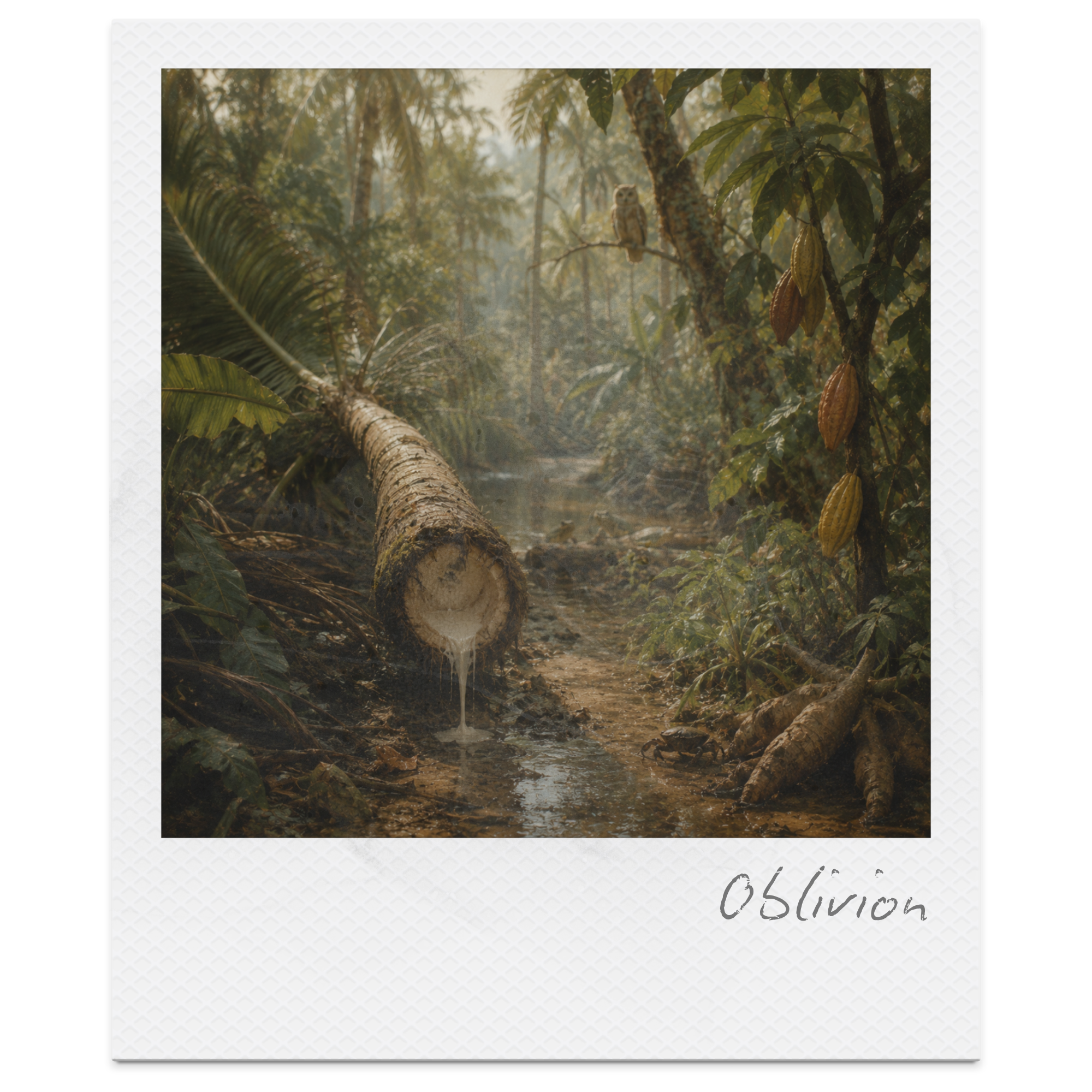
Oblivion by Ellis Ayitey Komey: Summary, Themes & Analysis
Discover Oblivion by Ellis Ayitey Komey through a clear summary, exploration of its key themes, important quotations, literary techniques, and alternative interpretations. Learn how Komey uses vivid imagery, symbolism, and repetition to explore memory, identity, nature, and the enduring power of remembering the people and places that shape our lives.
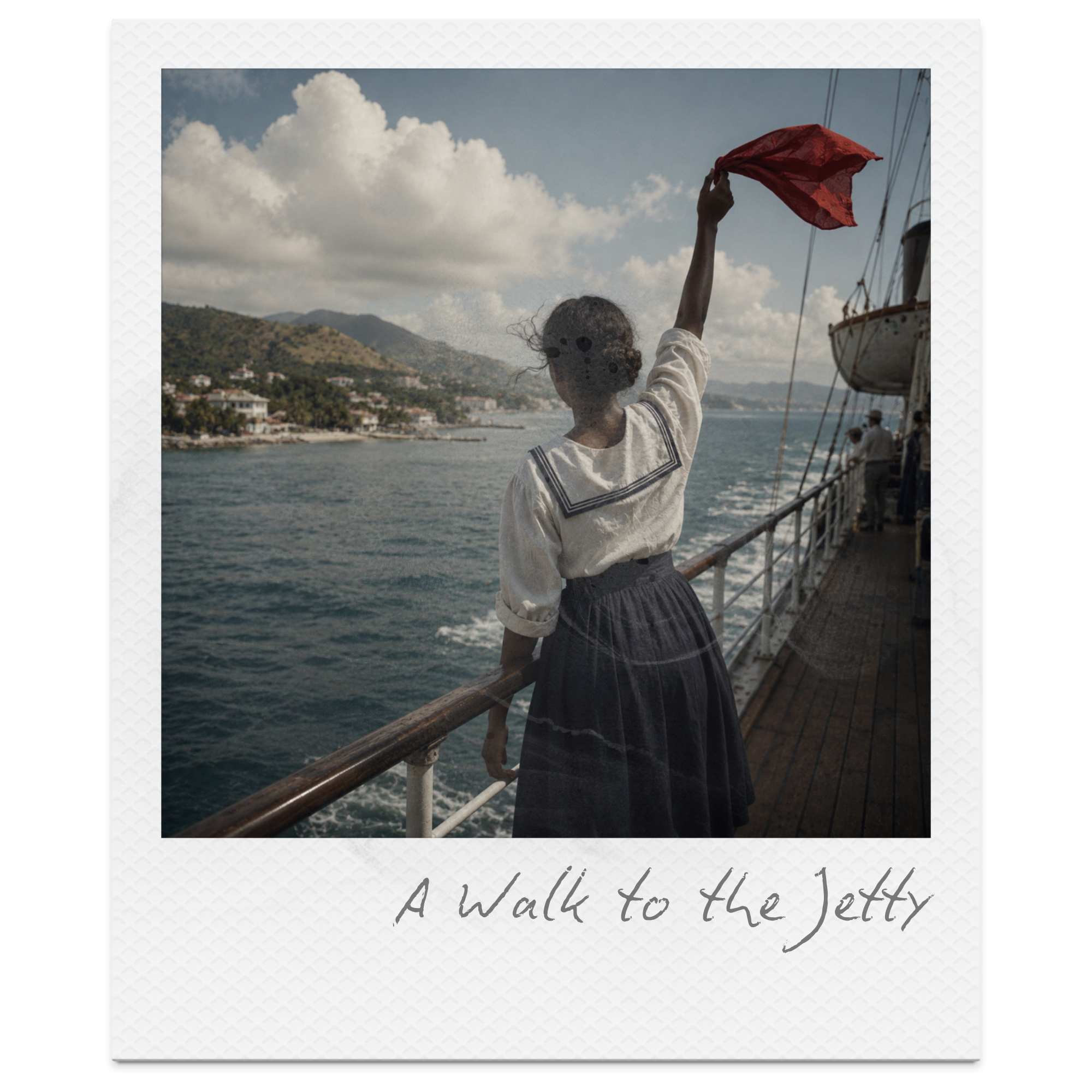
A Walk to the Jetty by Jamaica Kincaid: Summary, Themes & Analysis
Jamaica Kincaid’s A Walk to the Jetty is a deeply reflective short story exploring identity, separation, motherhood, migration, and the emotional conflict of leaving home. Through Annie John’s final journey from Antigua to the ship that will carry her to England, Kincaid examines the painful transition between childhood and adulthood, revealing how independence can feel both liberating and devastating at the same time. This detailed analysis explores the story’s themes, symbolism, structure, narrative voice, key quotes, alternative interpretations, and exam-focused insights for CIE IGCSE English Literature (0475 & 0922).
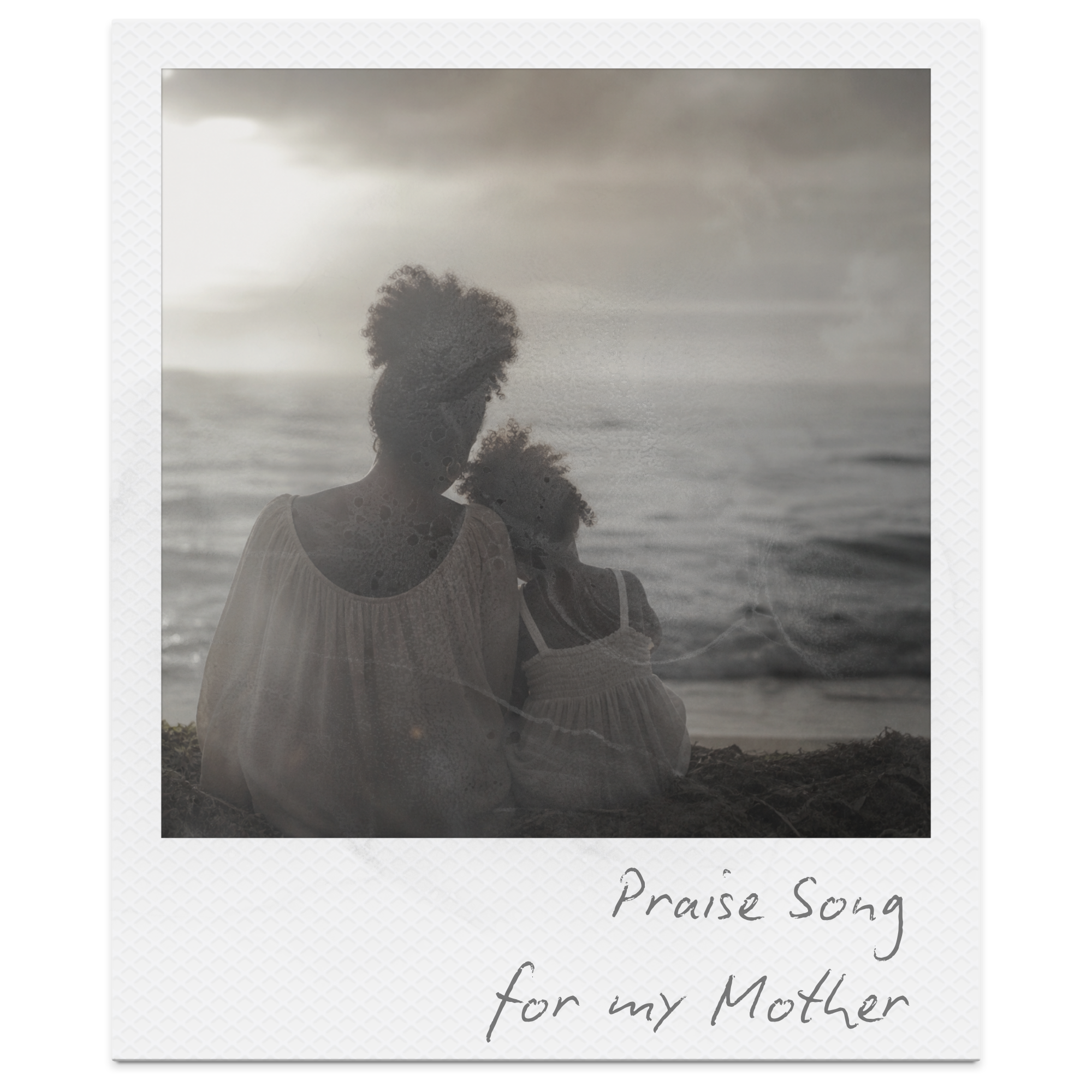
Praise Song for My Mother by Grace Nichols: Summary, Themes & Analysis
Praise Song for My Mother by Grace Nichols explores motherhood, nurture, and identity through a sequence of extended metaphors, repetition, and sensory imagery, presenting the mother as a sustaining, life-giving force. The poem moves through images of water, the moon, and sunrise, each representing different forms of care, while the repeated structure “You were” creates a rhythmic, cumulative pattern that mirrors the ongoing nature of maternal influence. As the poem develops, the imagery shifts from elemental and universal to more specific, culturally grounded detail, particularly in the final stanza, where references to food and environment highlight the importance of heritage and lived experience. The repetition of “replenishing” reinforces the idea of continuous nourishment, suggesting that the mother’s influence does not end, but remains present in shaping identity. Through its controlled voice and patterned structure, the poem presents nurture as both foundational and enduring.