Toroa: Albatross by Hone Tuwhare: Summary, Themes & Analysis
Hone Tuwhare's Toroa: Albatross is a deeply moving poem about belonging, loss, human responsibility, nature, and homecoming. Addressing an injured albatross directly, Tuwhare combines vivid natural imagery, symbolism, and cultural allusion to explore the consequences of human cruelty while ultimately offering compassion and reconciliation. Through its shifting tone—from admiration and grief to hope and renewal—the poem invites readers to consider humanity's relationship with the natural world and the enduring possibility of finding a place where one truly belongs. If you are studying or teaching Songs of Ourselves Volume 3 for Cambridge IGCSE World Literature (0408) Paper 2 (2028–2030), explore all the poems in depth in our Songs of Ourselves Volume 3 Hub, or discover a wider range of texts in the Literature Library.

Context of Toroa: Albatross
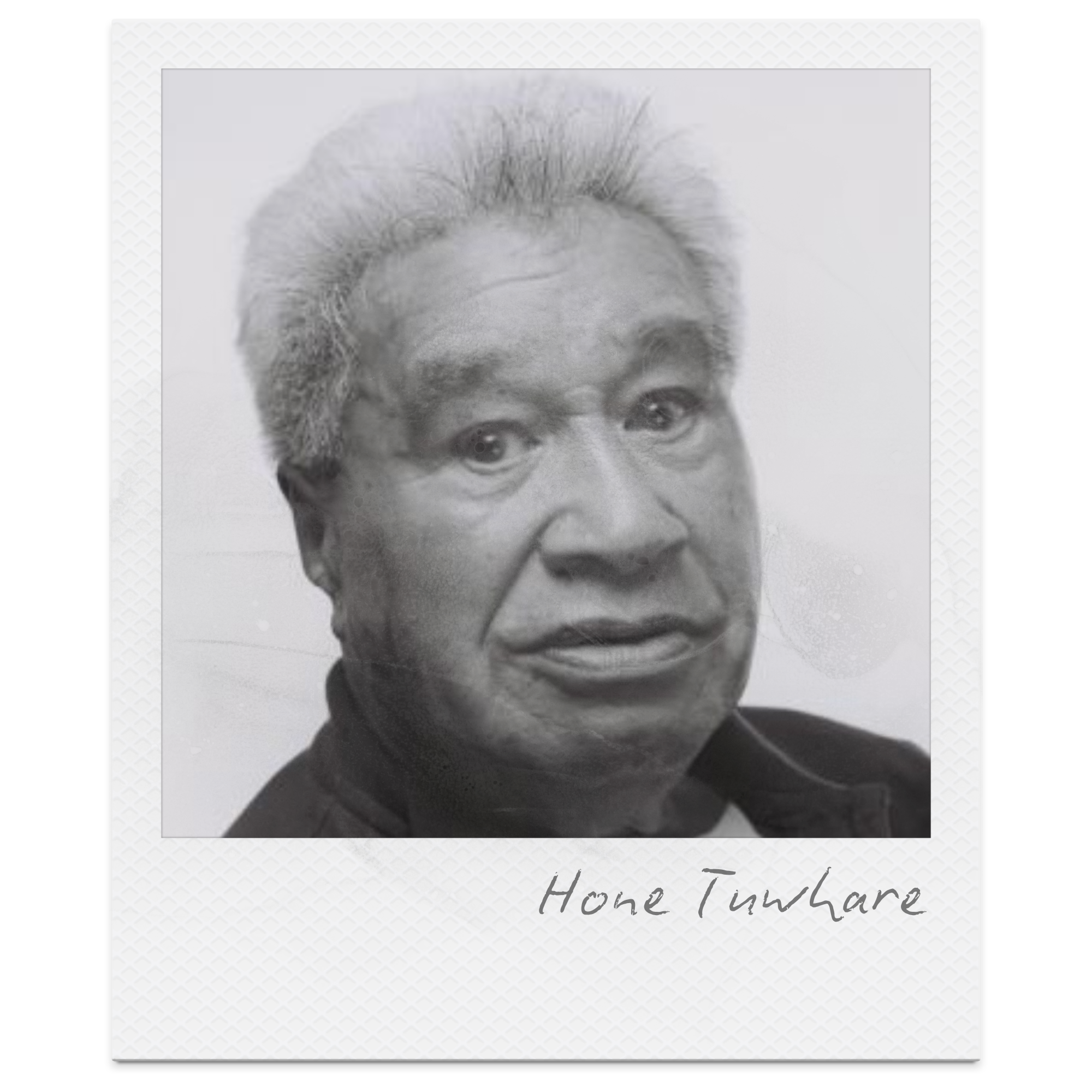
Published in 1986, Toroa: Albatross reflects Hone Tuwhare's lifelong commitment to celebrating the landscapes, languages, and cultural traditions of Aotearoa New Zealand. Widely regarded as one of New Zealand's most influential poets, Tuwhare (1922–2008) was the first Māori poet to publish a full collection of poetry in English, No Ordinary Sun (1964), which established him as a major literary voice. His work frequently blends everyday speech with lyrical imagery, drawing on both Māori oral traditions and English-language poetic forms to explore identity, social justice, environmental responsibility, and humanity's relationship with the natural world.
The poem was inspired by the real death of a northern royal albatross (toroa) after it was illegally shot while resting during its migration back to the famous breeding colony at Ōtākou Heads near Dunedin. Rather than presenting the bird simply as a victim, Tuwhare transforms the incident into a meditation on belonging, compassion, and homecoming. The use of te reo Māori place names and the legendary taniwha roots the poem firmly within Māori understandings of place, where landscapes, ancestors, people, and wildlife are spiritually interconnected. This cultural perspective encourages readers to see the albatross's suffering not merely as an environmental tragedy, but as a wound inflicted upon an entire living community.
Toroa: Albatross: At a Glance
Form: Free verse lyric with elements of elegy and direct address.
Mood: Reflective, mournful, compassionate, and ultimately hopeful.
Central tension: The poem contrasts humanity's capacity for violence and ignorance with the natural world's enduring resilience, asking whether true belonging can survive acts of cruelty.
Core themes: Belonging, homecoming, human responsibility, nature and humanity, death and renewal, Māori identity and cultural memory, compassion, and environmental stewardship.
One-sentence meaning: Through the story of a wounded albatross returning home, Tuwhare explores how loss, compassion, and cultural connection can transform an act of human cruelty into a powerful affirmation of belonging, remembrance, and hope.
Quick Summary of Toroa: Albatross
The poem opens by addressing a toroa (northern royal albatross) directly, admiring its effortless flight across vast oceans and imagining the freedom and endurance required for its remarkable journeys. This peaceful admiration is interrupted when the speaker recounts how the bird, attempting to rest on its journey home to Ōtākou Heads, was shot by "ignorant people", leaving it fatally injured.
As the poem develops, the albatross's body gradually returns to nature, its bones left clean by the elements and destined to become an object of curiosity for future generations. In the final stanza, however, the focus shifts from death to belonging as a lonely taniwha welcomes the bird home with the words "Haeremai, haeremai". The poem ends with the albatross opening its eyes to the world once more, creating an ambiguous but deeply hopeful conclusion that suggests spiritual renewal, reconciliation, and the enduring connection between the natural world, Māori culture, and home.
Title, Form, Structure, and Metre
The formal choices in Toroa: Albatross reinforce its exploration of belonging, loss, and renewal. Tuwhare's use of free verse, flexible stanza lengths, and conversational language creates a poem that feels both deeply personal and rooted in oral storytelling, allowing reflection and emotion to unfold naturally rather than through rigid poetic patterns.
Title
The title immediately identifies the poem's subject through the Māori word "Toroa", followed by its English translation, "Albatross." This pairing places Māori language and identity at the forefront while ensuring accessibility for a wider readership. It also encourages readers to view the bird as more than a biological creature; throughout the poem, the albatross becomes a symbol of homecoming, freedom, endurance, and the interconnected relationship between people, culture, and the natural world. As the poem develops, the title comes to represent not simply an individual bird, but a shared journey towards belonging.
Form and Structure
Written in free verse, the poem reflects the unrestricted movement of the albatross across vast oceans while also allowing shifts in emotion to emerge organically. The five uneven stanzas trace a clear emotional progression: the opening celebrates the bird's graceful flight before the tone darkens with the account of its shooting, lingers on its physical remains, and finally moves towards reconciliation and spiritual welcome. This gradual structural movement mirrors a journey from life, to loss, to renewal, making the final image feel earned rather than sudden.
Tuwhare also balances moments of expansive description with quieter, intimate reflection. The direct address to the albatross creates an immediate emotional connection, while the introduction of the taniwha near the end broadens the poem from an individual tragedy into a meditation on cultural memory, community, and belonging. The closing line, "Your head tilts, your eyes open to the world," deliberately leaves the ending open to interpretation, suggesting spiritual awakening, symbolic resurrection, or the continuation of life through memory.
Rhyme Scheme and Poetic Pattern
The poem has no fixed rhyme scheme, contributing to its natural, conversational quality. Rather than relying on patterned rhyme, Tuwhare creates coherence through recurring images of flight, water, home, and the repeated focus on the albatross itself. This absence of regular rhyme allows the poem to feel closer to reflective speech, encouraging readers to focus on the unfolding emotional journey rather than predictable sound patterns.
Metre and Rhythmic Movement
There is no consistent metrical pattern, with line lengths expanding and contracting according to the movement of thought. Longer, flowing lines evoke the effortless sweep of the albatross over the ocean, while shorter statements such as "He failed." interrupt the rhythm abruptly, emphasising loss and isolation. The poem's flexible cadence also echoes the rhythms of spoken language and Māori oral storytelling, creating a voice that feels contemplative, intimate, and quietly conversational. Rather than imposing order through metre, Tuwhare allows rhythm to follow emotional shifts, reinforcing the poem's movement from admiration, through grief, to hope.
The Speaker in Toroa: Albatross
The speaker addresses the albatross directly in the second person, creating an intimate and compassionate voice that treats the bird as a living presence rather than an object of observation. Speaking with admiration, sorrow, and quiet reverence, the speaker imagines the albatross's journey, mourns the violence inflicted upon it, and ultimately witnesses its symbolic return home. This deeply personal perspective encourages readers to empathise with the bird while also recognising the interconnected relationship between humanity, the natural world, and Māori spiritual traditions, making the poem feel both elegiac and quietly hopeful.
Stanza-by-Stanza Analysis of Toroa: Albatross
Hone Tuwhare structures Toroa: Albatross as an emotional journey, with each stanza developing the poem's exploration of belonging, loss, compassion, and renewal. Through carefully chosen imagery, shifts in tone, and symbolic language, the poem moves from admiration of the albatross's freedom to grief over human cruelty before arriving at a hopeful vision of spiritual homecoming. A close reading reveals how each stage of this progression deepens the poem's emotional and cultural significance.
Stanza 1: Freedom, Wonder, and Intimacy
The opening stanza immediately establishes the albatross as a figure of freedom, endurance, and quiet majesty. The phrase "Day and night endlessly" emphasises the bird's seemingly limitless journey, conveying both its extraordinary stamina and the timeless rhythm of the natural world. Rather than simply describing flight, Tuwhare elevates it into something almost effortless, encouraging readers to admire the albatross's resilience and adaptability.
The description of "chest-expanding oceans" is a striking compound adjective that personifies the sea, suggesting both its immense physical scale and the emotional response it inspires. The image evokes awe and openness, reinforcing the vast distances the albatross travels while celebrating the beauty of the world it inhabits. By presenting the ocean as expansive rather than threatening, Tuwhare creates a tone of admiration and possibility.
Tuwhare's conversational question, "Do you switch on an automatic pilot, close your eyes / in sleep, Toroa?", introduces gentle humour while also revealing the speaker's curiosity and affection for the bird. The modern metaphor of an "automatic pilot" makes the albatross's incredible migration more relatable to contemporary readers, translating an astonishing natural instinct into familiar human terms. At the same time, the rhetorical question acknowledges that the mysteries of nature cannot be fully understood, encouraging readers to appreciate rather than explain the bird's remarkable abilities.
By ending the stanza with the Māori name "Toroa," Tuwhare creates a direct, personal address that strengthens the emotional bond between speaker and bird. The second-person perspective transforms the albatross from a distant wildlife subject into an individual deserving empathy and respect, establishing the compassionate tone that shapes the rest of the poem.
Stanza 2: Human Cruelty Interrupts Nature
The second stanza marks a dramatic shift from admiration to tragedy as the albatross's graceful journey is violently interrupted by human actions. The phrase "On your way to your home-ground at Otakou Heads" foregrounds the bird's destination before the violence occurs, making the shooting especially poignant. By emphasising that the albatross is simply returning home, Tuwhare transforms the incident from an isolated act of cruelty into the destruction of a natural journey that should have ended in safety.
The use of specific Māori place names—"Otakou Heads," "Wai-o-te-mata," and "Whanga-nui-a-Tara"—anchors the poem firmly within the landscapes of Aotearoa New Zealand. Rather than presenting the setting as a generic wilderness, Tuwhare celebrates places that carry cultural, historical, and spiritual significance. This reinforces the idea that the albatross belongs within this landscape, strengthening the sense that its suffering damages not only an individual creature but the wider community and environment.
The abrupt statement "but were shot at by ignorant people" is deliberately direct and emotionally powerful. The conjunction "but" creates a sharp structural contrast between the bird's peaceful migration and the sudden violence that follows, while the adjective "ignorant" condemns the shooters for their lack of understanding and respect rather than portraying the act as accidental. Tuwhare offers no justification or dramatic embellishment; the simplicity of the language makes the cruelty feel even more shocking and morally indefensible.
The description of the albatross as "Crippled" at the beginning of the next sentence immediately foregrounds the lasting consequences of this violence. The word carries both physical and emotional weight, reducing a creature once defined by effortless flight to one struggling simply to survive. However, Tuwhare avoids ending the stanza in despair. The repeated idea of finding "a resting-place" and "space at last to recompose yourself" introduces a quieter, more compassionate tone. The verb "recompose" suggests dignity and healing rather than defeat, preparing readers for the poem's movement towards spiritual reconciliation and reminding us that even in suffering, the albatross retains its grace.
Stanza 3: Death Becomes Renewal
The third stanza shifts the focus from the albatross's final moments to what remains after its death, transforming physical decay into an image of beauty, continuity, and remembrance. Although the bird's body has been destroyed, Tuwhare refuses to present death as an ending. Instead, the natural world gradually reclaims the albatross, suggesting that life continues through the enduring cycles of nature.
The opening image, "without skin and flesh to hold you together," confronts readers with the reality of mortality. Rather than using sentimental language, Tuwhare strips the body back to its essential structure, highlighting the fragility of physical life. However, the tone remains reflective rather than shocking, encouraging readers to see death as part of the natural order rather than something to be feared.
The phrase "the division of your aerodynamic parts lies whitening" combines the precise language of scientific diction with poetic reflection. Describing the skeleton as "aerodynamic parts" reminds readers of the albatross's extraordinary ability to fly, so even in death its bones continue to testify to the grace and engineering of the natural world. The verb "whitening" suggests the slow passage of time as sun and weather gradually bleach the bones, creating an image that is peaceful rather than gruesome.
Nature itself becomes an agent of transformation in the description "licked clean by sun and air and water." The personification of the elements suggests tenderness rather than destruction, as if the natural world is gently caring for the bird after the violence inflicted by humans. This image contrasts sharply with the previous stanza, where people caused suffering, reinforcing the idea that nature restores what humanity has damaged.
The speaker then imagines future generations encountering the remains: "Children will discover narrow corridors of airiness between, the suddenness of bulk." The reference to children introduces hope and continuity, suggesting that the albatross's story will not be forgotten. Their sense of curiosity invites readers to look beyond death and appreciate the remarkable structure that once carried the bird across oceans. Rather than inspiring horror, the skeleton becomes a source of wonder and learning.
The closing image, "Naked, laugh in the gush and ripple – the play of light on water," marks another significant shift in tone. The imperative "laugh" personifies the albatross, suggesting that its spirit remains joyfully connected to the sea despite the destruction of its body. The light imagery and flowing movement of "gush and ripple" return readers to the vitality of the opening stanza, creating the impression that beauty, freedom, and belonging endure beyond physical death. Through this movement from decay to light, Tuwhare transforms loss into an affirmation of nature's resilience and the enduring presence of memory.
Stanza 4: Spiritual Homecoming and Belonging
In the next stanza, Tuwhare shifts from the physical world to the spiritual, transforming the albatross's death into a moving vision of belonging, comfort, and homecoming. Rather than ending with loss, the poem concludes with companionship and welcome, suggesting that although the bird's journey through life has ended, it has found a place where it truly belongs. This hopeful conclusion reflects both Māori cultural traditions and the poem's wider message about the enduring connection between living beings and the landscapes they inhabit.
The reassuring declaration, "You are not alone, Toroa," immediately changes the emotional tone. Throughout the poem, the speaker has addressed the albatross directly, but here the words offer comfort rather than admiration. The simple sentence reassures both the bird and the reader that death is not an experience of isolation, preparing the way for the poem's spiritual resolution.
The introduction of "A taniwha" expands the poem beyond the natural world into Māori mythology. Traditionally, taniwha are powerful spiritual beings closely connected to rivers, lakes, seas, and particular landscapes. The story that the taniwha "tried to break out / of the harbour for the open sea. He failed. / He is lonely." creates a poignant parallel with the albatross. Both figures long for freedom and connection, but both have experienced suffering and separation. This shared sense of isolation allows the taniwha to become a compassionate companion rather than a frightening mythical creature.
The short sentences "He failed. / He is lonely." slow the poem's rhythm and emphasise the taniwha's sadness. Their simplicity mirrors the emotional directness of "but were shot at by ignorant people" in the previous stanza, but here the focus shifts from human cruelty to empathy. Tuwhare suggests that loneliness is a universal experience that can create understanding between different beings.
The poem concludes with the taniwha's call: "Haeremai, haeremai, welcome home, traveller." The repetition of the Māori greeting creates a warm, ceremonial quality, while the translation ensures that all readers can share in its emotional significance. "Welcome home" completes the journey that began with the albatross flying towards "your home-ground at Otakou Heads," but the meaning of home has now expanded beyond a physical destination into a place of spiritual belonging and acceptance. Ending with the word "traveller" reminds readers that the albatross's long migration has finally reached its true destination. Through this deeply compassionate conclusion, Tuwhare transforms a poem about violence and death into one of reconciliation, community, and enduring hope.
Stanza 5: Hope Beyond Death
The poem ends with a single, italicised line: "Your head tilts, your eyes open to the world." Its isolation from the rest of the poem gives it enormous emphasis, encouraging readers to pause and reflect on its significance. After the detailed descriptions of death, loss, and spiritual welcome, this final image introduces an unexpected sense of renewal, leaving the poem with hope rather than finality.
The italics distinguish the line from everything that precedes it, creating the impression of a separate voice, vision, or moment of revelation. Rather than functioning as a literal description, the image feels symbolic, suggesting a transition from death into a new form of existence. This ambiguity allows readers to interpret the ending in multiple ways, enriching the poem's emotional and spiritual depth.
The image of "Your head tilts, your eyes open" reverses the expectations created by the earlier descriptions of the albatross's lifeless body. Instead of remaining motionless, the bird appears to awaken, with the gentle verbs "tilts" and "open" conveying quiet movement rather than dramatic resurrection. Tuwhare deliberately avoids explaining this transformation, allowing the image to remain mysterious and encouraging readers to focus on its emotional rather than literal meaning.
The closing phrase, "to the world," broadens the poem's ending beyond the individual albatross. Rather than returning simply to life, the bird appears to awaken into a wider existence where it is once again connected with the world around it. Read alongside the taniwha's invitation to "welcome home, traveller," the final line suggests that death is not an ending but a passage into belonging, memory, and spiritual continuity. By concluding with an image of awakening instead of closure, Tuwhare leaves readers with a powerful sense of hope, reinforcing the poem's central message that compassion, nature, and identity endure beyond physical death.
Key Quotes from Toroa: Albatross
Hone Tuwhare carefully selects language that develops the poem's exploration of belonging, human responsibility, nature, and spiritual renewal. The quotations below are among the most significant in the poem and demonstrate how his use of imagery, symbolism, structure, and Māori cultural references shapes both meaning and emotional impact.
"Day and night endlessly you have flown"
◆ Technique: Hyperbole, imagery
◆ Meaning: The phrase presents the albatross as a creature of extraordinary endurance and freedom, capable of travelling vast distances without apparent effort.
◆ Purpose: Tuwhare uses hyperbole to inspire admiration for the albatross while immediately establishing its intimate relationship with the natural world.
◆ Impact: Readers are encouraged to view the bird with awe and respect, making its later suffering feel especially tragic.
"chest-expanding oceans"
◆ Technique: Compound adjective, personification
◆ Meaning: The compound adjective presents the ocean as so vast and magnificent that it seems to expand the speaker's chest with awe. It conveys both the physical scale of the sea and the emotional response it inspires.
◆ Purpose: Tuwhare uses personification to celebrate the beauty and power of the natural world, emphasising the environment in which the albatross truly belongs.
◆ Impact: Readers are encouraged to admire nature's grandeur, making the later violence against the bird feel even more unnatural and destructive.
"Do you switch on an automatic pilot"
◆ Technique: Rhetorical question, modern metaphor
◆ Meaning: The speaker compares the albatross's instinctive migration to an aeroplane operating on autopilot, expressing amazement at its seemingly effortless navigation.
◆ Purpose: The modern metaphor makes the bird's remarkable abilities accessible to contemporary readers while highlighting the mystery of the natural world.
◆ Impact: Readers share the speaker's curiosity and admiration, strengthening their emotional connection with the albatross.
"your home-ground at Otakou Heads"
◆ Technique: Symbolism, setting
◆ Meaning: The phrase identifies the albatross's destination as its rightful home, making its journey deeply personal rather than simply geographical.
◆ Purpose: Tuwhare introduces the idea of home early in the poem so that the interruption of the journey carries greater emotional weight.
◆ Impact: Readers recognise that the bird is not wandering aimlessly but returning to where it belongs, increasing sympathy when this journey is violently interrupted.
"shot at by ignorant people"
◆ Technique: Direct language, emotive adjective
◆ Meaning: The blunt statement condemns those responsible for the attack, while the adjective "ignorant" suggests their actions stem from a failure to understand or respect nature.
◆ Purpose: Tuwhare deliberately avoids dramatic language, allowing the simplicity of the statement to expose the senselessness of human cruelty.
◆ Impact: Readers are encouraged to criticise humanity's careless treatment of wildlife and reflect on their own responsibility towards the environment.
"Crippled"
◆ Technique: Emotive diction
◆ Meaning: The single word captures the devastating physical consequences of the shooting, showing how a creature once defined by graceful flight has been permanently damaged.
◆ Purpose: Tuwhare foregrounds the albatross's suffering to emphasise the lasting impact of human violence.
◆ Impact: Readers feel compassion for the bird and recognise the tragic consequences of a single thoughtless act.
"licked clean by sun and air and water"
◆ Technique: Personification, natural imagery
◆ Meaning: The natural elements are presented as gently caring for the albatross's remains, transforming decay into a peaceful process of renewal.
◆ Purpose: Tuwhare contrasts nature's restorative power with humanity's earlier cruelty, suggesting that the natural world heals what people destroy.
◆ Impact: Readers see death as part of an ongoing natural cycle rather than simply an ending, reinforcing the poem's hopeful outlook.
"Children will discover"
◆ Technique: Symbolism
◆ Meaning: The children symbolise future generations who will continue to encounter, learn from, and value the natural world.
◆ Purpose: Tuwhare introduces children to suggest that the albatross's story will continue beyond its death and may inspire greater understanding.
◆ Impact: Readers are left with hope that future generations may develop a deeper respect for wildlife than those described earlier in the poem.
"You are not alone, Toroa."
◆ Technique: Direct address
◆ Meaning: The speaker reassures the albatross that it will not face death in isolation, introducing comfort after the earlier tragedy.
◆ Purpose: Tuwhare shifts the emotional tone from grief towards compassion, preparing readers for the poem's spiritual conclusion.
◆ Impact: Readers experience a sense of reassurance and recognise that belonging extends beyond physical life.
"Haeremai, haeremai, welcome home, traveller."
◆ Technique: Repetition, Māori language, symbolism
◆ Meaning: The repeated Māori greeting becomes both a literal welcome and a symbolic invitation into spiritual belonging, while "traveller" acknowledges the albatross's lifelong journey.
◆ Purpose: Tuwhare celebrates Māori culture while transforming the bird's death into a peaceful homecoming rather than a tragedy.
◆ Impact: Readers are left with a powerful sense of reconciliation, recognising that identity, community, and belonging continue beyond death.
"Your head tilts, your eyes open to the world."
◆ Technique: Symbolism, ambiguity, italics
◆ Meaning: The final image suggests an awakening rather than an ending, leaving it deliberately unclear whether the albatross has been spiritually reborn, remembered, or entered a new existence.
◆ Purpose: Tuwhare concludes with an ambiguous image to encourage readers to reflect on the relationship between death, memory, and renewal rather than offering a fixed interpretation.
◆ Impact: The poem ends on a hopeful and contemplative note, leaving readers with the enduring impression that compassion, belonging, and the natural world continue beyond physical death.
Key Techniques in Toroa: Albatross
Hone Tuwhare uses accessible yet deeply evocative language to explore belonging, loss, and renewal. His combination of natural imagery, conversational voice, Māori cultural references, and free verse creates a poem that feels both intimate and universal. Together, these techniques encourage readers to reflect on humanity's relationship with nature while celebrating compassion, identity, and spiritual homecoming.
◆ Imagery – Tuwhare uses vivid descriptions of oceans, landscapes, bones, and light to immerse readers in the natural world. These images celebrate the beauty of nature while reinforcing the emotional journey from freedom and suffering to renewal.
◆ Symbolism – The albatross symbolises freedom, endurance, belonging, and the natural world, while its journey represents both a physical migration and a spiritual search for home.
◆ Direct Address – Speaking directly to the albatross using "you" creates an intimate relationship between the speaker and the bird, encouraging readers to empathise with its experiences.
◆ Personification – Natural elements such as the sun, air, and water are given gentle, caring qualities, suggesting that nature restores what humanity has damaged.
◆ Metaphor – Modern comparisons such as "automatic pilot" help readers understand the albatross's extraordinary instincts while highlighting the mystery of migration.
◆ Rhetorical Question – The opening question expresses admiration and curiosity rather than expecting an answer, inviting readers to wonder at the natural world's remarkable abilities.
◆ Hyperbole – Phrases such as "Day and night endlessly" emphasise the bird's extraordinary endurance and create a sense of timeless movement.
◆ Emotive Diction – Words such as "crippled" and "ignorant" communicate both the physical consequences of violence and the speaker's moral condemnation of human actions.
◆ Māori Language – Te reo Māori words and place names root the poem within Aotearoa New Zealand while celebrating Māori identity, culture, and connection to the land.
◆ Mythological Allusion – The reference to the taniwha introduces Māori spiritual traditions and transforms the poem's conclusion into one of companionship and homecoming.
◆ Free Verse – The absence of a fixed rhyme scheme or metre reflects the unrestricted movement of the albatross and gives the poem a natural, conversational rhythm.
◆ Enjambment – Ideas frequently flow across line endings, mirroring the continuous movement of flight and allowing the emotional journey to unfold naturally.
◆ Structural Contrast – The poem moves from admiration, to violence, to death, before ending with hope, reinforcing its message that compassion and belonging can emerge from suffering.
◆ Conversational Voice – The speaker's warm, reflective tone makes complex ideas about nature and spirituality feel personal and accessible.
◆ Italics – The isolated italicised final line distinguishes the ending from the rest of the poem, suggesting a symbolic awakening and leaving readers with an ambiguous but hopeful conclusion.
Meaning and Impact of Toroa: Albatross
Hone Tuwhare's Toroa: Albatross explores the relationship between humanity, nature, and belonging through the story of an injured albatross attempting to return home. The poem begins by celebrating the bird's freedom, endurance, and effortless movement across the ocean, presenting it as a powerful symbol of the natural world. This admiration makes the sudden act of human violence feel especially shocking, exposing the destructive consequences of ignorance and carelessness.
The albatross's journey also becomes a wider exploration of homecoming and identity. Its destination at Otakou Heads is more than a physical location: it represents safety, belonging, and connection to place. By using Māori place names and introducing the taniwha, Tuwhare roots the poem in the cultural and spiritual landscape of Aotearoa New Zealand. This gives the bird's suffering a broader significance, suggesting that harm done to nature also damages the relationships between people, land, memory, and culture.
However, the poem does not remain focused on cruelty or loss. Nature gradually reclaims the albatross's body, with the sun, air, and water transforming its remains into something beautiful and meaningful. This movement from physical destruction towards renewal suggests that nature possesses a restorative power that contrasts with humanity's capacity for violence. The image of children discovering the bones also introduces hope, implying that future generations may learn from the past and develop a deeper respect for the natural world.
The taniwha's welcome transforms the albatross's death into a spiritual homecoming. The words "welcome home, traveller" suggest that the bird is no longer isolated but has entered a community of shared loneliness, memory, and belonging. This reflects a worldview in which the natural and spiritual worlds remain interconnected, allowing death to be understood not simply as an ending but as a return.
The final italicised line leaves the poem deliberately ambiguous. The image of the albatross's eyes opening may suggest resurrection, spiritual awakening, imagination, or the enduring power of memory. Rather than providing a fixed conclusion, Tuwhare invites readers to reflect on whether the bird has been restored through nature, culture, storytelling, or compassion. The poem therefore leaves a lasting impact by transforming a real act of cruelty into a meditation on responsibility, resilience, belonging, and hope.
Themes in Toroa: Albatross
Hone Tuwhare explores a range of interconnected themes that reflect both the beauty of the natural world and humanity's responsibility to protect it. Through the albatross's journey, the poem examines belonging, loss, and renewal, while drawing upon Māori cultural traditions to present a hopeful vision of identity, compassion, and spiritual homecoming.
Belonging
The albatross's journey home forms the emotional heart of the poem. By emphasising that the bird is travelling to "your home-ground at Otakou Heads," Tuwhare presents belonging as a fundamental need shared by all living creatures. The poem suggests that true belonging extends beyond physical place to include cultural, spiritual, and emotional connections.
Homecoming
The idea of homecoming develops throughout the poem, reaching its climax in the taniwha's greeting: "Haeremai, haeremai, welcome home, traveller." What begins as a physical migration becomes a spiritual return, suggesting that home is not simply a destination but a place of acceptance, peace, and connection.
Human Responsibility
Tuwhare presents humanity as capable of causing profound harm through ignorance and thoughtlessness. The description of the albatross being "shot at by ignorant people" condemns those who fail to respect the natural world, encouraging readers to reflect on their own responsibility towards wildlife and the environment.
Nature and Humanity
Throughout the poem, Tuwhare contrasts the destructive actions of people with the restorative power of nature. While humans wound the albatross, the sun, air, and water gently reclaim its body, suggesting that nature possesses resilience even in the face of human cruelty. This contrast encourages readers to recognise both the fragility and endurance of the natural world.
Death and Renewal
Although the poem confronts death directly, it ultimately presents it as part of an ongoing cycle rather than a final ending. The whitening bones, the welcoming taniwha, and the final image of awakening all suggest that loss can lead to renewal. Tuwhare therefore transforms tragedy into a hopeful meditation on continuity, memory, and spiritual rebirth.
Māori Identity and Cultural Memory
The use of te reo Māori, traditional place names, and the taniwha firmly roots the poem within Māori culture. Rather than serving as decorative details, these references express a worldview in which identity, landscape, ancestry, and spirituality are inseparable. Tuwhare celebrates Māori cultural memory while inviting all readers to appreciate its enduring relationship with the natural world.
Compassion
The speaker's gentle address to the albatross creates an atmosphere of empathy from the opening stanza onwards. Rather than focusing on anger, the poem consistently responds to suffering with understanding and kindness. This compassion reaches its fullest expression in the taniwha's reassurance that "You are not alone, Toroa," reminding readers of the importance of care, companionship, and shared humanity.
Environmental Stewardship
Underlying the entire poem is a message about protecting the natural world. The albatross's suffering demonstrates the consequences of human ignorance, while the poem's admiration for nature encourages respect rather than exploitation. Tuwhare ultimately suggests that environmental stewardship begins with recognising the intrinsic value of wildlife and understanding that humanity forms part of, rather than stands apart from, the natural world.
Alternative Interpretations of Toroa: Albatross
Although Toroa: Albatross recounts the true story of an injured albatross, its symbolism, cultural references, and hopeful conclusion allow for several different interpretations. Tuwhare's poem explores themes that extend beyond the literal narrative, inviting readers to reflect on identity, responsibility, spirituality, and humanity's place within the natural world.
Environmental Interpretation: A Warning Against Human Destruction
The poem can be read as a powerful environmental message about the consequences of human ignorance. The shooting of the albatross symbolises the damage people inflict upon wildlife, while nature's gradual restoration of the bird suggests that the natural world is both fragile and resilient. Tuwhare ultimately encourages readers to become better custodians of the environment.
Cultural Interpretation: A Celebration of Māori Identity
The use of te reo Māori, traditional place names, and the taniwha reflects a distinctly Māori understanding of the relationship between people, place, and spirituality. Rather than presenting nature as separate from humanity, Tuwhare celebrates a worldview in which landscapes carry cultural memory and living beings remain connected to their ancestors and homeland.
Spiritual Interpretation: Death as Homecoming
Rather than portraying death as an ending, the poem suggests it is a return to belonging. The taniwha's invitation to "welcome home" and the final image of awakening imply that the albatross has entered a new stage of existence, offering a comforting vision of continuity, companionship, and peace beyond physical life.
Symbolic Interpretation: The Albatross as Humanity
The albatross can also be interpreted as representing humanity itself. Its journey reflects the universal search for home, purpose, and acceptance, while its suffering highlights the vulnerability shared by all living beings. Through the bird's eventual welcome, Tuwhare suggests that compassion and belonging have the power to transcend suffering and loss.
Exam-Ready Insight for Toroa: Albatross
Success in responding to Toroa: Albatross depends on analysing how Hone Tuwhare presents his ideas rather than simply identifying the poem's themes. The strongest responses closely examine the writer's methods and explain how they shape readers' understanding of belonging, human responsibility, nature, and renewal.
What strong responses do:
◆ Focus closely on the question, ensuring every paragraph directly answers the task.
◆ Analyse methods, not just ideas, exploring how Tuwhare uses language, structure, symbolism, and Māori cultural references to create meaning.
◆ Explain how effects are created, considering why particular words, images, and structural choices influence the reader.
◆ Explore tone, structure, and shifts, particularly the movement from admiration and tragedy to hope and spiritual homecoming.
◆ Use well-selected quotations that are embedded naturally into analytical discussion.
Strong Thesis Statement
Hone Tuwhare presents the albatross as a powerful symbol of belonging, resilience, and the natural world, using vivid imagery, direct address, symbolism, and Māori cultural references to contrast humanity's capacity for destruction with nature's enduring ability to heal, ultimately encouraging readers to value compassion, environmental responsibility, and spiritual renewal.
Model Analytical Paragraph
Tuwhare presents human ignorance as the greatest threat to the natural world, encouraging readers to reflect on their own responsibility towards wildlife. This is evident when the albatross is described as being "shot at by ignorant people." The emotive adjective "ignorant" immediately condemns those responsible, suggesting that their actions result from a lack of understanding and respect rather than necessity. By placing this blunt statement immediately after describing the bird's peaceful journey home, Tuwhare creates a sharp contrast between the harmony of nature and the violence of humanity, making the attack feel both shocking and unnecessary. As a result, readers are encouraged to recognise the devastating consequences of human carelessness and appreciate the poem's wider message about environmental stewardship, compassion, and respect for the natural world
Teaching Ideas for Toroa: Albatross
These activities encourage students to explore how Hone Tuwhare creates meaning through language, structure, symbolism, and Māori cultural references while developing the analytical skills needed for CIE World Literature (0408) Paper 2. The focus should always remain on explaining how the poem achieves its effects rather than simply identifying literary techniques.
1. Close Analytical Discussion
Use these questions to encourage students to support their ideas with precise textual evidence and detailed analysis of Tuwhare's methods.
Discussion Questions:
How does Tuwhare present the albatross as more than simply a bird? Consider how symbolism, imagery, and direct address transform it into a wider representation of belonging and resilience.
How does the poem's structure move from admiration to tragedy before ending with hope? Explore how these shifts influence the reader's emotional response and reinforce the poem's central message.
2. Comparative Thinking
These questions help students prepare for comparison by encouraging them to connect ideas across poems and texts.
Discussion Questions:
Compare the presentation of humanity's relationship with nature in Toroa: Albatross and another poem from Songs of Ourselves Volume 3. How do the writers use different methods to communicate similar concerns?
How do different writers explore ideas of belonging or home through natural imagery? Support your discussion with evidence from Toroa: Albatross and another text you have studied.
3. Exam Skills
These tasks develop the close-reading and analytical writing skills required for Paper 2.
Tasks:
Write a PETAL paragraph analysing the significance of the quotation "shot at by ignorant people," explaining how Tuwhare uses language to criticise humanity's treatment of the natural world.
Annotate the final stanza, identifying three methods that contribute to the poem's hopeful yet ambiguous ending. For each method, explain its purpose and the effect it creates for the reader.
4. Creative Writing Task
Creative responses encourage students to engage more deeply with the albatross's journey while reinforcing their understanding of the poem's themes, symbolism, and cultural significance.
Creative Writing Tasks:
Write a dramatic monologue from the albatross's perspective after hearing the taniwha's welcome, exploring its thoughts as it reaches its final resting place.
Write a descriptive piece from the perspective of the taniwha watching the albatross arrive, using imagery inspired by Tuwhare's portrayal of the New Zealand landscape and reflecting on the ideas of belonging and homecoming.
Looking for more creative writing inspiration? Explore the Creative Writing Archive for imaginative prompts, descriptive writing activities, and storytelling resources designed to strengthen analytical reading through creative practice.
Go Deeper into Toroa: Albatross
If Toroa: Albatross has sparked your interest, these poems, novels, and non-fiction texts explore similar ideas about nature, belonging, environmental responsibility, and humanity's relationship with the living world. Reading beyond the anthology can deepen your appreciation of Tuwhare's methods, introduce different literary perspectives, and provide valuable inspiration for wider study and teaching.
◆ The Peace of Wild Things – Wendell Berry – Berry reflects on finding comfort and healing in nature, offering a hopeful exploration of humanity's relationship with the natural world that complements Tuwhare's celebration of belonging.
◆ Wild Geese – Mary Oliver – Oliver explores belonging, identity, and humanity's place within nature, encouraging readers to recognise that they are part of a much larger living world.
◆ Flight Behaviour – Barbara Kingsolver – Kingsolver examines environmental change, migration, and humanity's responsibility towards wildlife through a powerful contemporary novel.
◆ No Ordinary Sun – Hone Tuwhare – Tuwhare's celebrated collection explores environmental destruction, Māori identity, and humanity's connection with nature, making it essential reading for understanding his wider poetic concerns.
◆ The Outrun – Amy Liptrot – This memoir explores healing, identity, and renewal through an intimate relationship with the natural landscapes of Orkney, echoing Tuwhare's belief in nature's restorative power.
◆ Braiding Sweetgrass – Robin Wall Kimmerer – Combining Indigenous knowledge with scientific understanding, Kimmerer explores reciprocity, environmental stewardship, and humanity's responsibility towards the natural world.
Final Thoughts
Toroa: Albatross is far more than the story of an injured seabird. Through symbolism, vivid natural imagery, direct address, and Māori cultural traditions, Hone Tuwhare transforms a real event into a moving meditation on belonging, compassion, environmental responsibility, and renewal. By contrasting human violence with the restorative power of nature, the poem encourages readers to reflect on the consequences of ignorance while celebrating the enduring connections between people, place, and memory.
Although the poem begins with loss, it ultimately offers a message of hope. The taniwha's welcome and the poem's ambiguous final line suggest that belonging extends beyond physical life, allowing the albatross's journey to become a symbol of spiritual homecoming and resilience. Whether read as an environmental warning, a celebration of Māori identity, or a reflection on humanity's search for home, Toroa: Albatross continues to inspire readers to value nature, compassion, and the importance of caring for the world we share.
Continue exploring the anthology in the Songs of Ourselves Volume 3 Hub, or browse the Literature Library for more in-depth analyses of poetry, novels, plays, and short stories from a wide range of literary traditions.
Choose Your Next Text