70 Halloween Fairytale Writing Prompts: Dark Magic, Cruel Bargains & Enchanted Forests
When Halloween arrives, the old stories awaken. Ancient forests grow restless beneath amber moons, hedge witches leave lanterns burning at lonely crossroads, and forgotten fairy paths reopen for a single night. This is a world where magic is beautiful but rarely kind, where every bargain carries a hidden price, every blessing conceals a curse, and every traveller is warned never to stray from the path after sunset.
Unlike traditional fairy tale retellings, these prompts are designed to inspire entirely original stories rooted in the atmosphere and traditions of classic folklore. Expect haunted orchards, enchanted villages, mysterious woodland spirits, cursed harvest feasts, eerie fairy courts, whispering ravens, bewitched pumpkins, living scarecrows guarding lonely fields, and ancient magic that remembers every promise ever broken. Whether you're writing dark fantasy, Gothic fiction, folklore-inspired tales, or beautifully unsettling autumn adventures, these ideas embrace the darker side of fairy tales while leaving plenty of room for wonder.
Inside you'll discover 70 Halloween fairytale writing prompts, including plot ideas, story titles, opening lines, ending lines, unforgettable characters, atmospheric settings, and cinematic picture prompts. When you're ready for even more seasonal inspiration, explore the Fairytale and Folklore Writing Hub and the Creative Writing Archive, where you'll find hundreds of prompts covering Gothic fiction, fantasy, folklore, mystery, historical fiction, and every other genre imaginable.

1. Plot Prompts
Classic fairytales were never truly gentle. Long before they were softened for children, they were filled with dangerous forests, impossible bargains, cruel enchantments, and ancient magic that demanded a price. These Halloween fairytale writing prompts draw on that darker tradition, blending eerie autumn landscapes with sinister folklore, mysterious witches, cursed kingdoms, and unsettling woodland magic.
Every Halloween, a hedge witch offers travellers exactly what they desire—but by sunrise, they have forgotten the name of the person they love most.
Deep within an ancient forest stands a tree bearing a single silver apple. Whoever takes it becomes the rightful ruler of a forgotten kingdom, but every year of their reign turns someone they love into part of the woodland.
A village celebrates the Harvest Lantern Festival by hanging hundreds of glowing pumpkins from the trees. At midnight, one lantern begins whispering the names of children who will vanish before dawn.
A lonely mill beside a black river grinds flour only once each year on Halloween night. Bread baked from its grain grants extraordinary fortune, provided no one asks where the miller found the wheat.
Every crossroads is guarded by a different hedge witch. Travellers may choose only one path, but each witch tells a completely different version of their future—and every prophecy comes true.
Hidden beyond a ring of ancient standing stones lies an orchard where every tree grows golden pears instead of apples. The fruit heals any illness, but each harvest awakens something buried beneath the roots.
On the final evening of October, ravens deliver beautifully sealed invitations to a magnificent woodland feast hosted by the Fairy Court. No human who accepts remembers how they returned home.
A young herbalist discovers that every remedy taught by her grandmother secretly forms part of a forgotten spell designed to keep an ancient queen asleep beneath the harvest fields.
A scarecrow standing alone at the edge of a vast pumpkin field removes one stitch from its mouth every Halloween. Villagers insist nobody must hear what it has been waiting centuries to say.
A forgotten bridge appears across a mist-covered river for a single hour each Halloween. Beyond it lies a beautiful kingdom where every bargain is honoured perfectly—just never in the way it was intended.
2. Story Title Ideas
The best fairytale titles feel timeless, hinting at old magic, forgotten places, and promises that should never have been made. These titles evoke enchanted forests, cursed harvests, fairy bargains, and beautiful worlds hiding something deeply sinister.
The Hollow Crown
The Orchard Beyond the Hill
A Lantern for the Lost
The Harvest Queen
Where the Ravens Gather
The Thirteenth Lantern
The Witch at Black Briar
The Fair Folk's Feast
The Thorn Bargain
Little Girl Lost
3. Opening Lines
A dark fairytale should begin with quiet unease rather than immediate danger. These opening lines introduce strange traditions, unsettling landscapes, and ancient customs that hint at old magic waiting just beyond the edge of the ordinary world.
Nobody entered Briarwood Forest after the final church bell on Halloween—not because they feared becoming lost, but because the forest always sent them home changed.
Every hedge witch demanded payment before giving an answer, though no two travellers ever paid the same price.
The oldest pumpkin in the village had burned every Halloween for three hundred years without anyone replacing its candle.
My grandmother told me never to answer a raven that spoke my name, especially if it did so politely.
The harvest feast always began with music, laughter, and dancing, but every family quietly left one empty chair at the table.
There were thirteen cottages in the village, though strangers could only ever count twelve.
The witch's garden bloomed brightest in late October, nourished by things no gardener should ever plant.
Every child knew the rule: if you heard singing beneath the orchard after sunset, you walked home without looking back.
The Fairy Queen accepted only one visitor each Halloween, and somehow everyone believed they would be the exception.
By dawn, the footprints crossing the frost all led into the forest, yet none ever returned.
4. Closing Lines
Fairytales rarely end with complete certainty. Even happy endings often leave a trace of melancholy, while darker tales remind us that magic always leaves its mark. These endings are designed to linger long after the final page.
Every Halloween thereafter, another lantern quietly appeared outside my door.
They found the golden apples still hanging from the branches, but nobody remembered planting the orchard.
The witch kept her promise exactly as she had spoken it.
Long after the kingdom disappeared, ravens continued circling the empty throne.
At sunrise, the forest path was gone, as though it had never existed at all.
The scarecrow still stands in the same field, smiling a little wider every autumn.
Somewhere beyond the mist, the Fairy Court toasted another successful harvest.
My name vanished from every family record before winter arrived.
Every bargain was honoured; only the wishing had been foolish.
When the first autumn leaves begin to fall, people still leave bread upon the old stone bridge, just in case someone is waiting.
5. Character Ideas
The characters in dark fairytales often stand between the human world and something far older. They may be kind or cruel, but they are never ordinary, and every one of them carries secrets shaped by ancient magic.
A hedge witch who brews remedies from herbs gathered only beneath the Harvest Moon, accepting forgotten memories instead of coins.
A lonely ferryman who guides travellers across an enchanted river each Halloween but refuses to explain why nobody ever crosses back before dawn.
The youngest daughter of a pumpkin grower who discovers every carved lantern in her family's field contains an imprisoned spirit.
A wandering raven keeper whose birds deliver invitations from the Fairy Court to those destined for cruel bargains.
A harvest queen chosen every autumn to wear a crown of living vines that slowly begins taking root.
An elderly storyteller whose tales quietly rewrite reality whenever children believe them.
A woodcutter who has spent decades secretly repairing the enchanted forest's protective boundaries before darker things can escape.
A miller's apprentice who discovers the flour produced each Halloween can transform wishes into reality—for a single night.
A masked stranger who appears at every harvest celebration, dancing with one guest before disappearing until the following year.
A fairy judge tasked with settling disputes between humans and the ancient woodland spirits, though neither side truly trusts them.
6. Setting Ideas
Dark fairytales are defined as much by their landscapes as their characters. Ancient forests, forgotten orchards, mist-covered villages, and lonely crossroads become places where magic feels both beautiful and dangerously unpredictable.
A woodland village preparing for its final Harvest Festival before an ancient prophecy comes true.
A forgotten orchard where silver apples grow beneath branches wrapped in black thorn vines.
A lonely crossroads marked by weathered standing stones and hundreds of flickering lanterns left by generations of travellers.
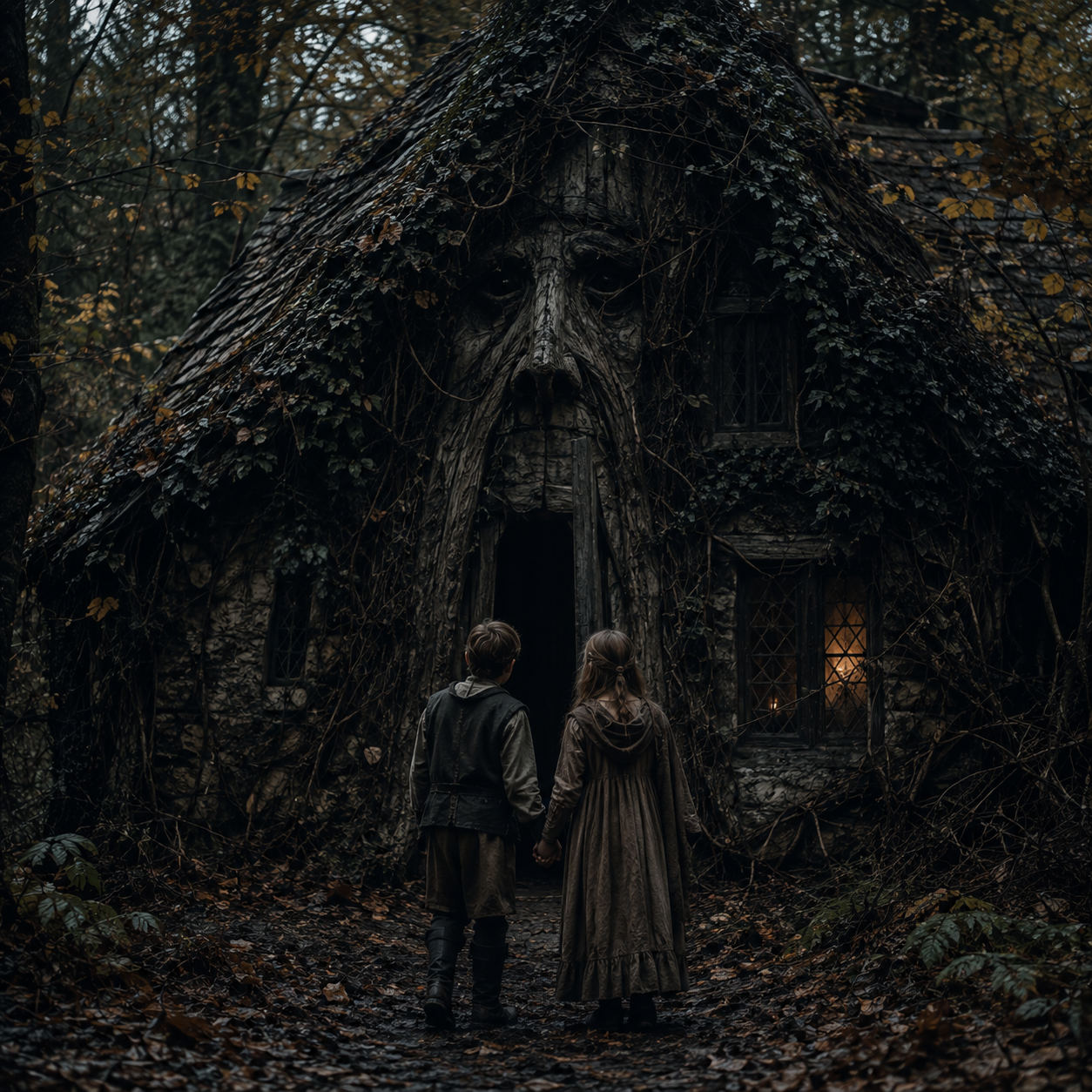
A hedge witch's crooked cottage surrounded by medicinal herbs, carved pumpkins, and protective rowan trees.
A mist-filled valley where every scarecrow quietly changes position before sunrise.
An abandoned monastery hidden deep within an autumn forest, its gardens still carefully tended by unseen hands.
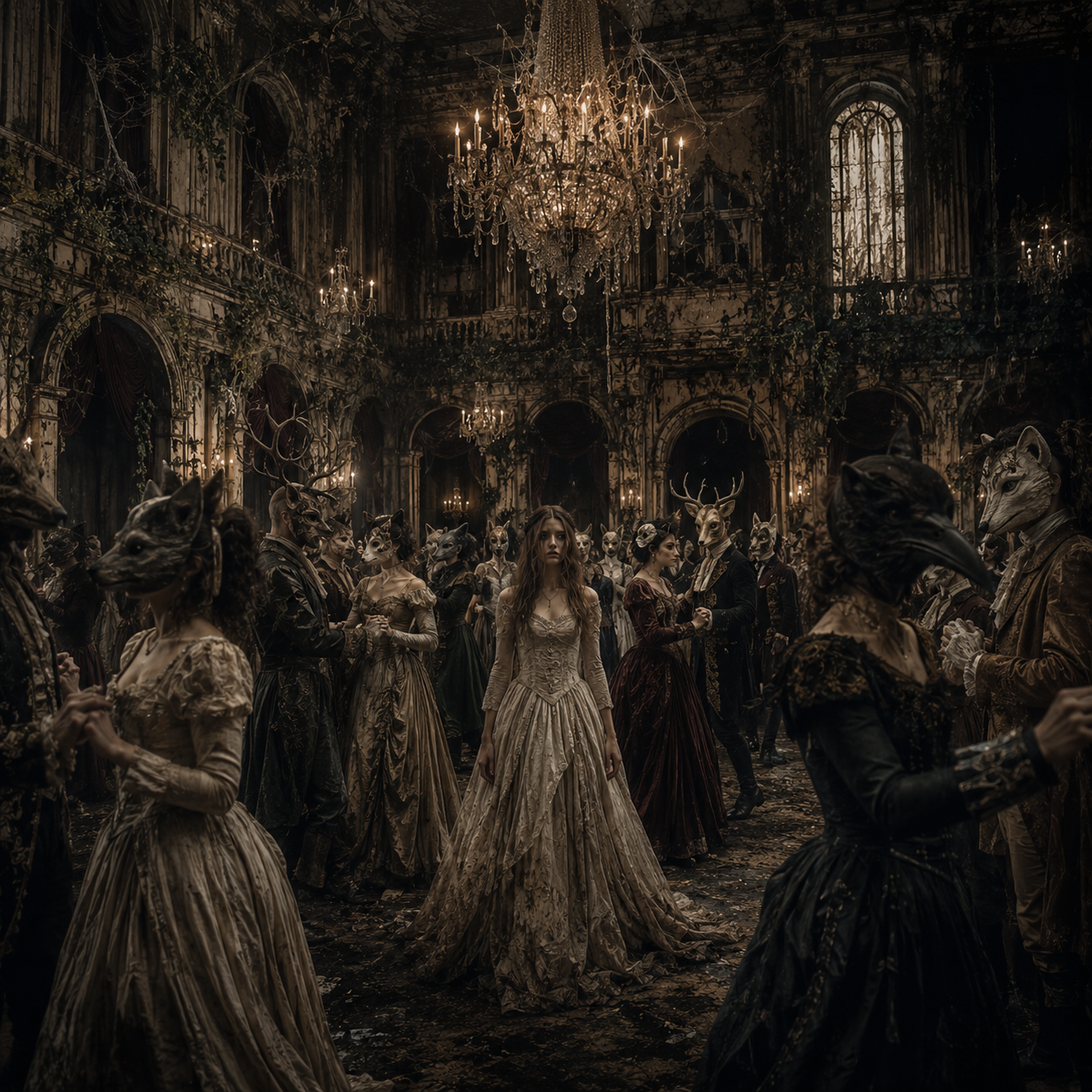
A magnificent Fairy Court illuminated by thousands of floating lanterns beneath crimson and amber trees, where beautifully dressed nobles welcome every human guest with perfect courtesy before quietly deciding which one will never return home.
A village marketplace hosting an enchanted Halloween fair where every bargain must be completed before midnight.
A forgotten stone bridge crossing a river that exists only on the final night of October.
A vast forest clearing where woodland spirits gather beneath the Harvest Moon to decide which ancient promises will be honoured for another year.
7. Picture Prompts
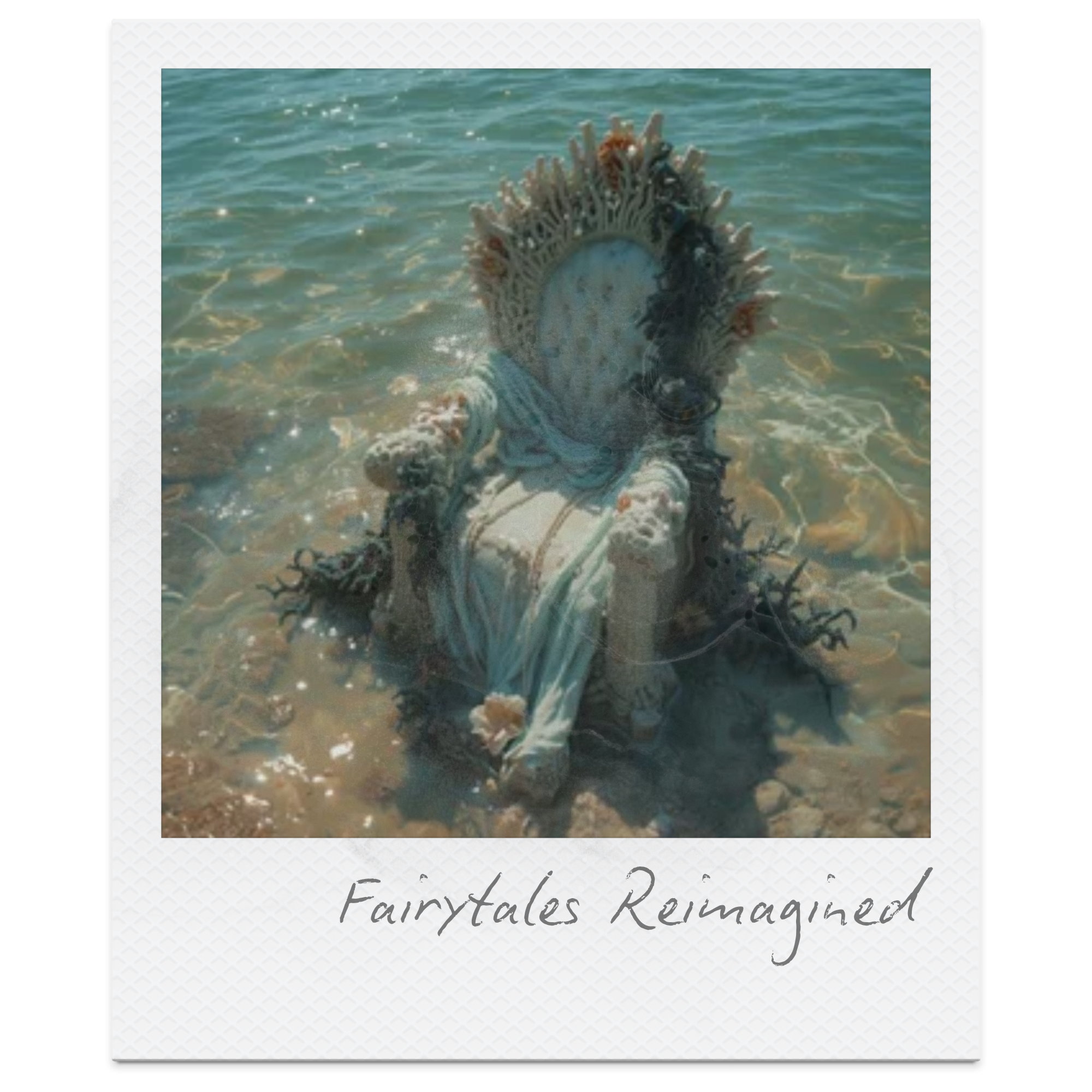
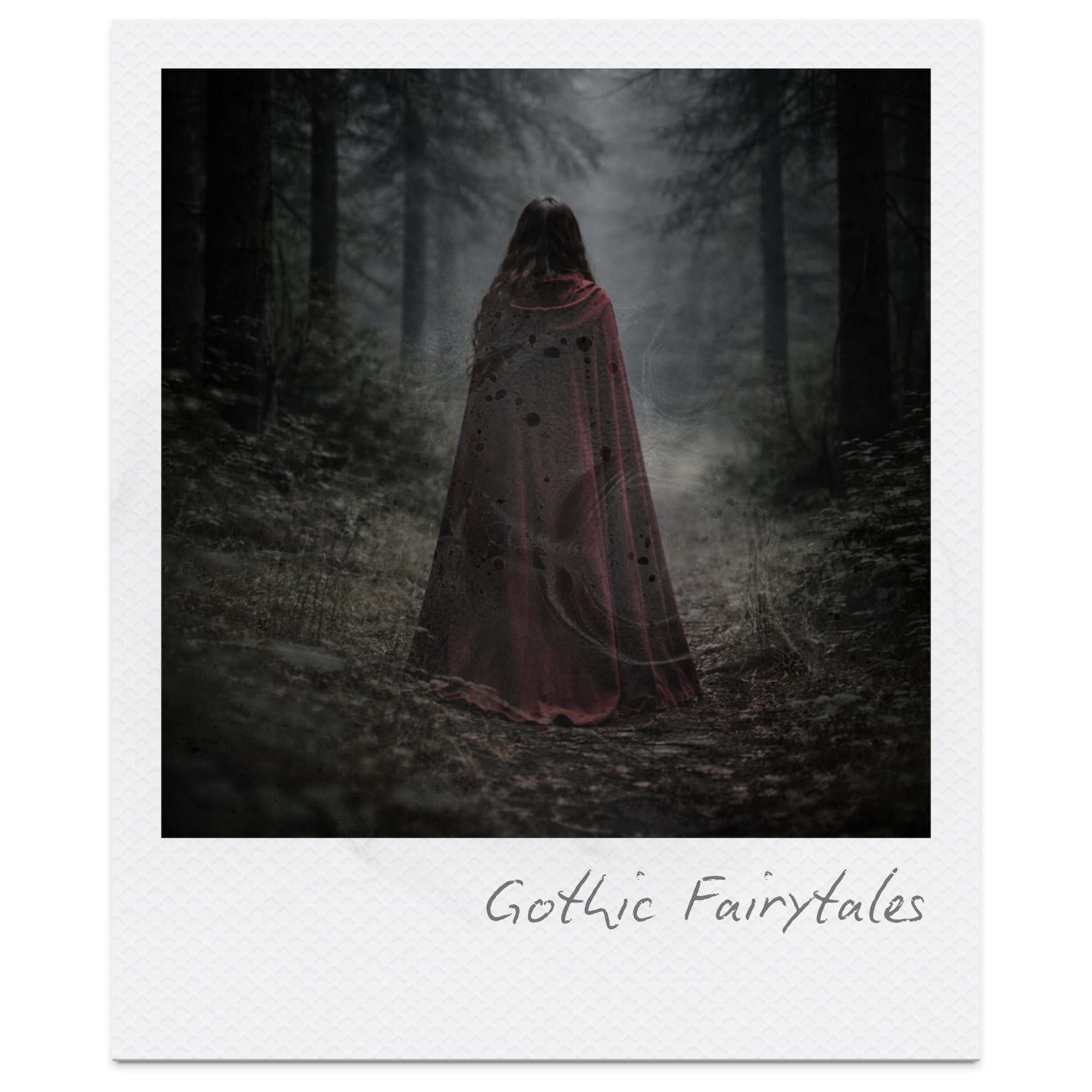
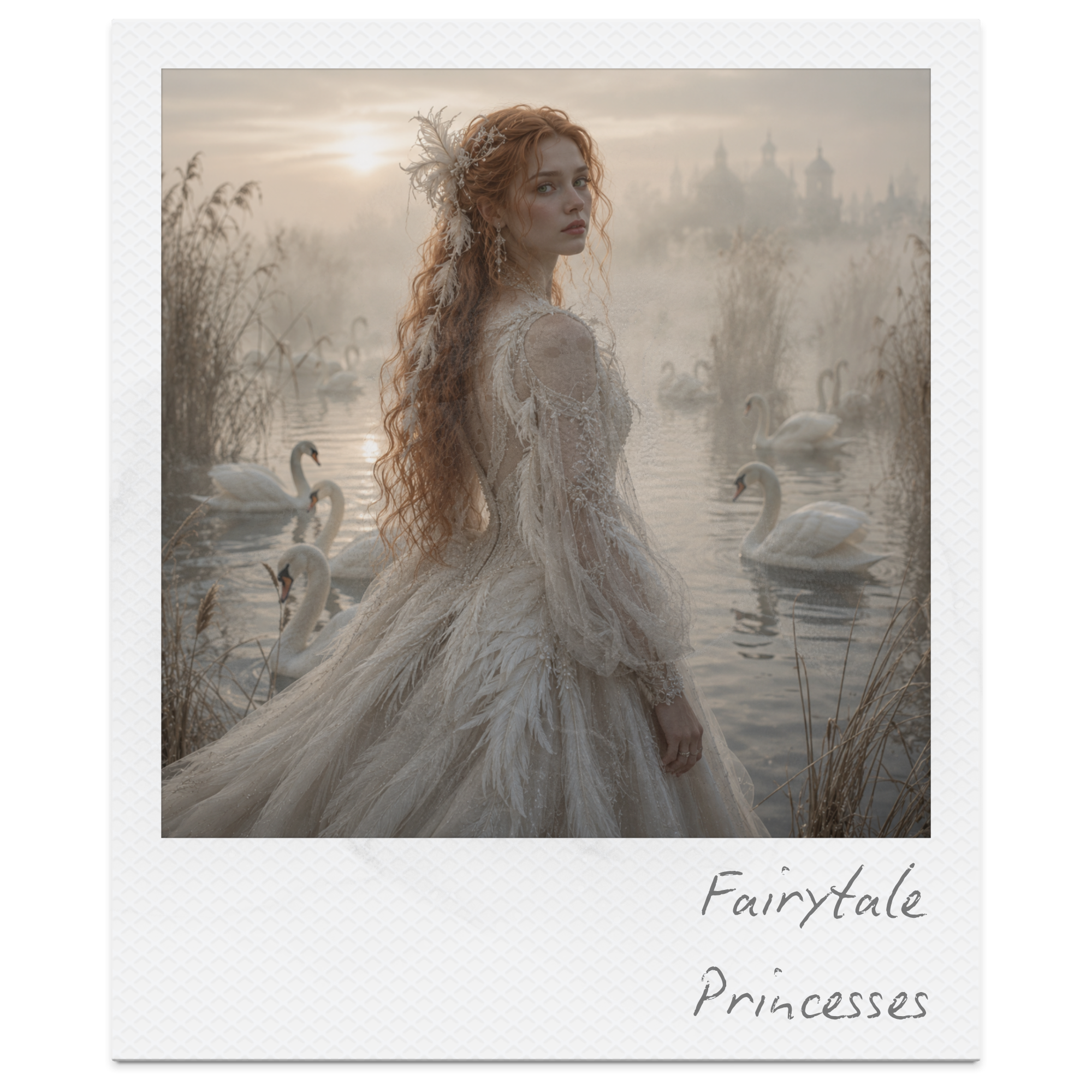
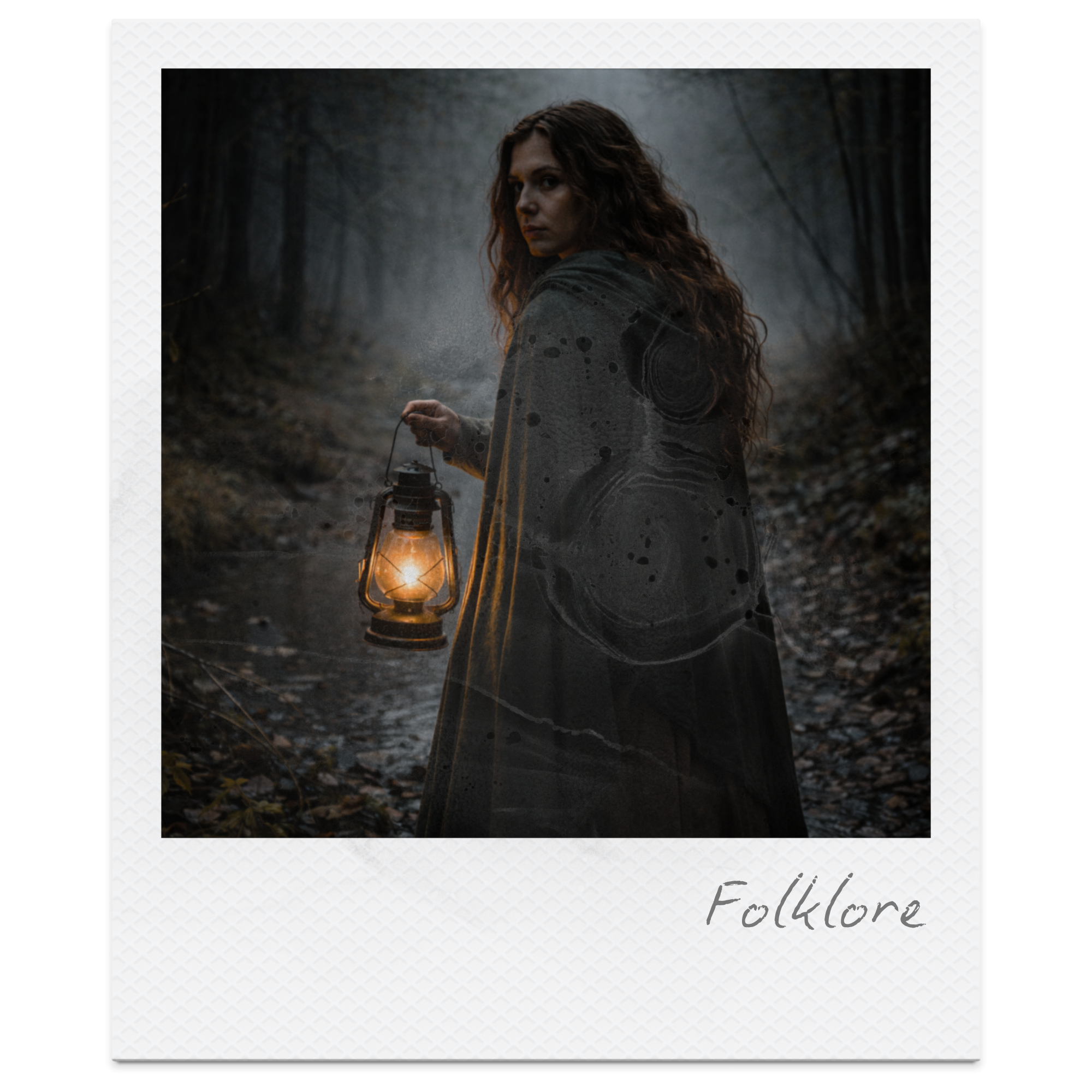
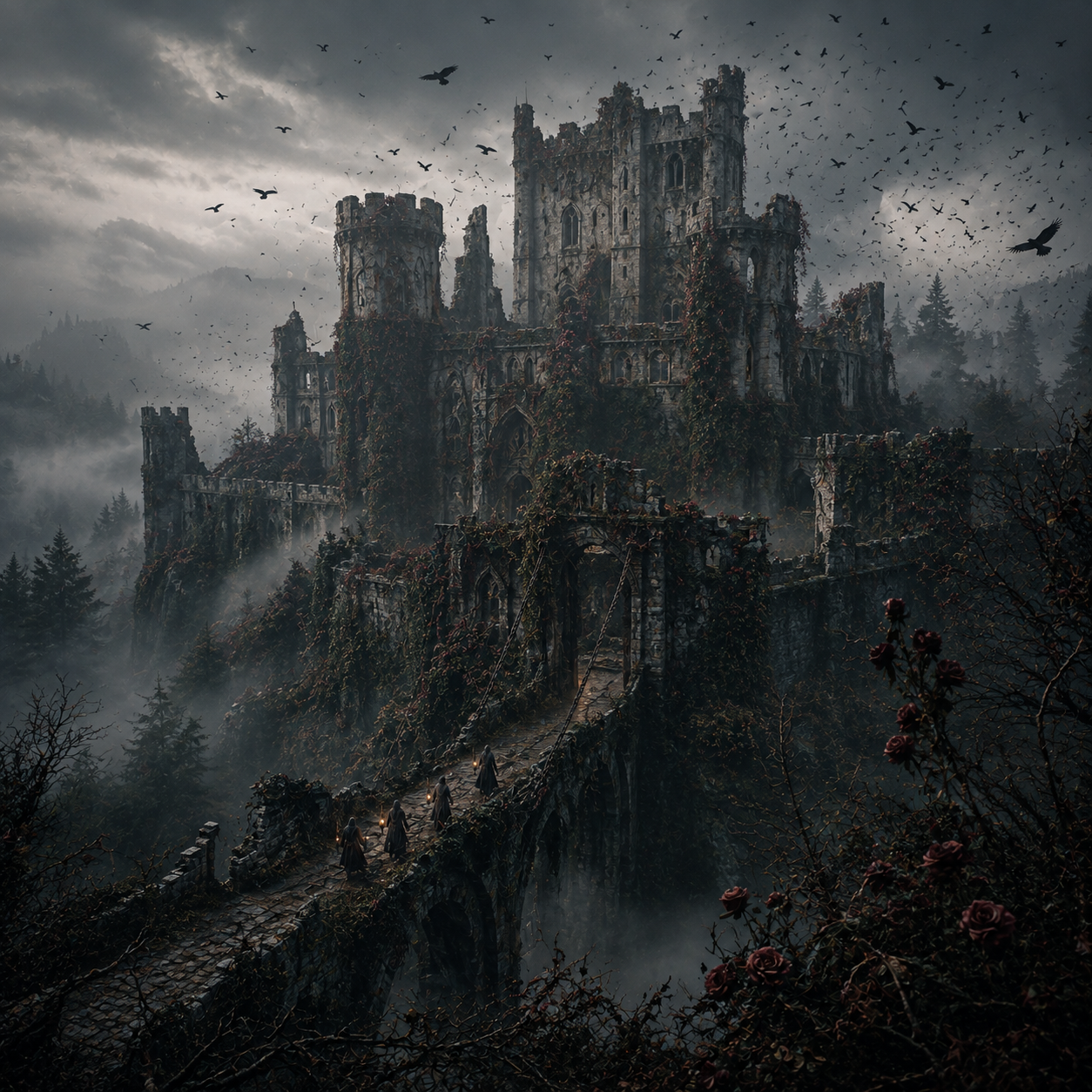
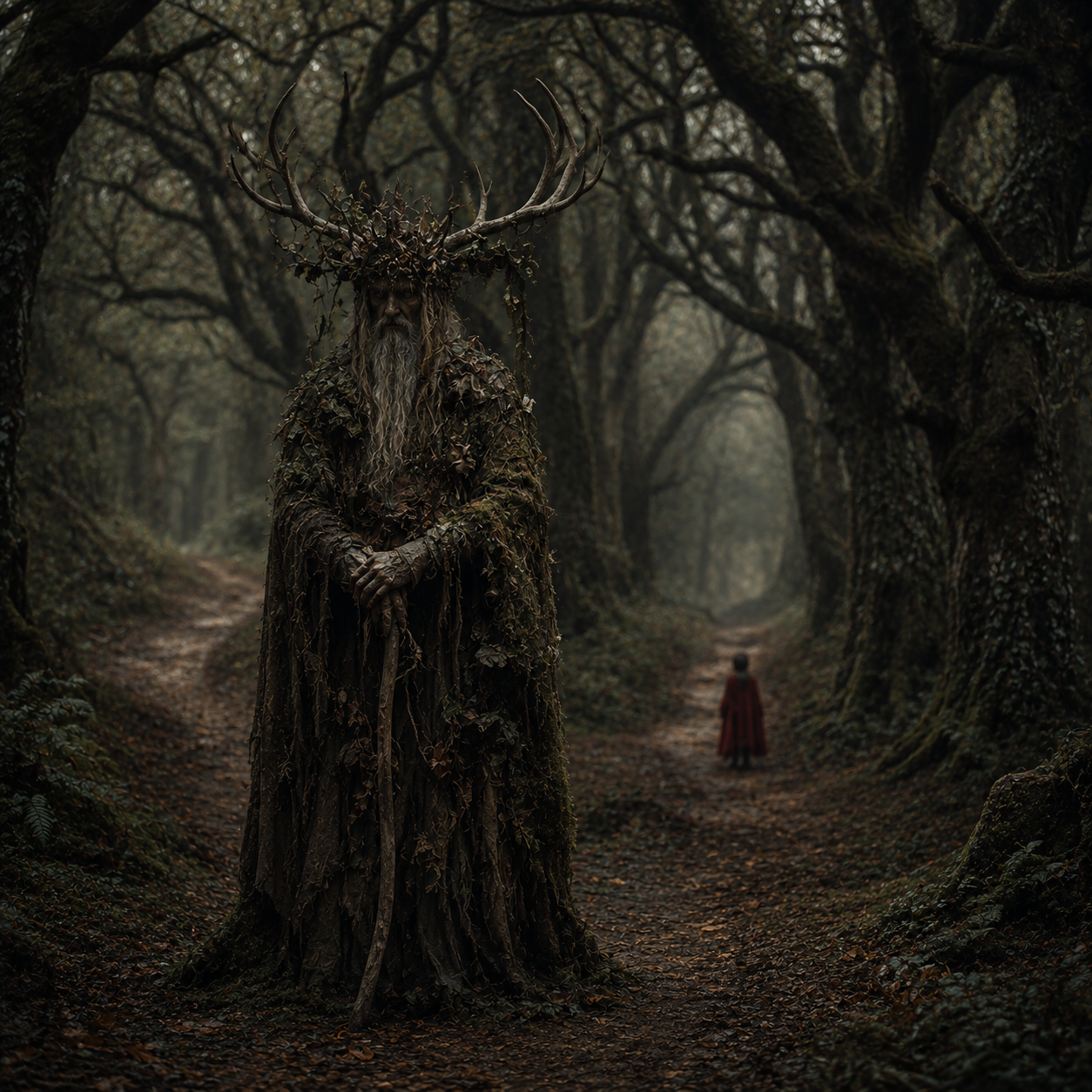
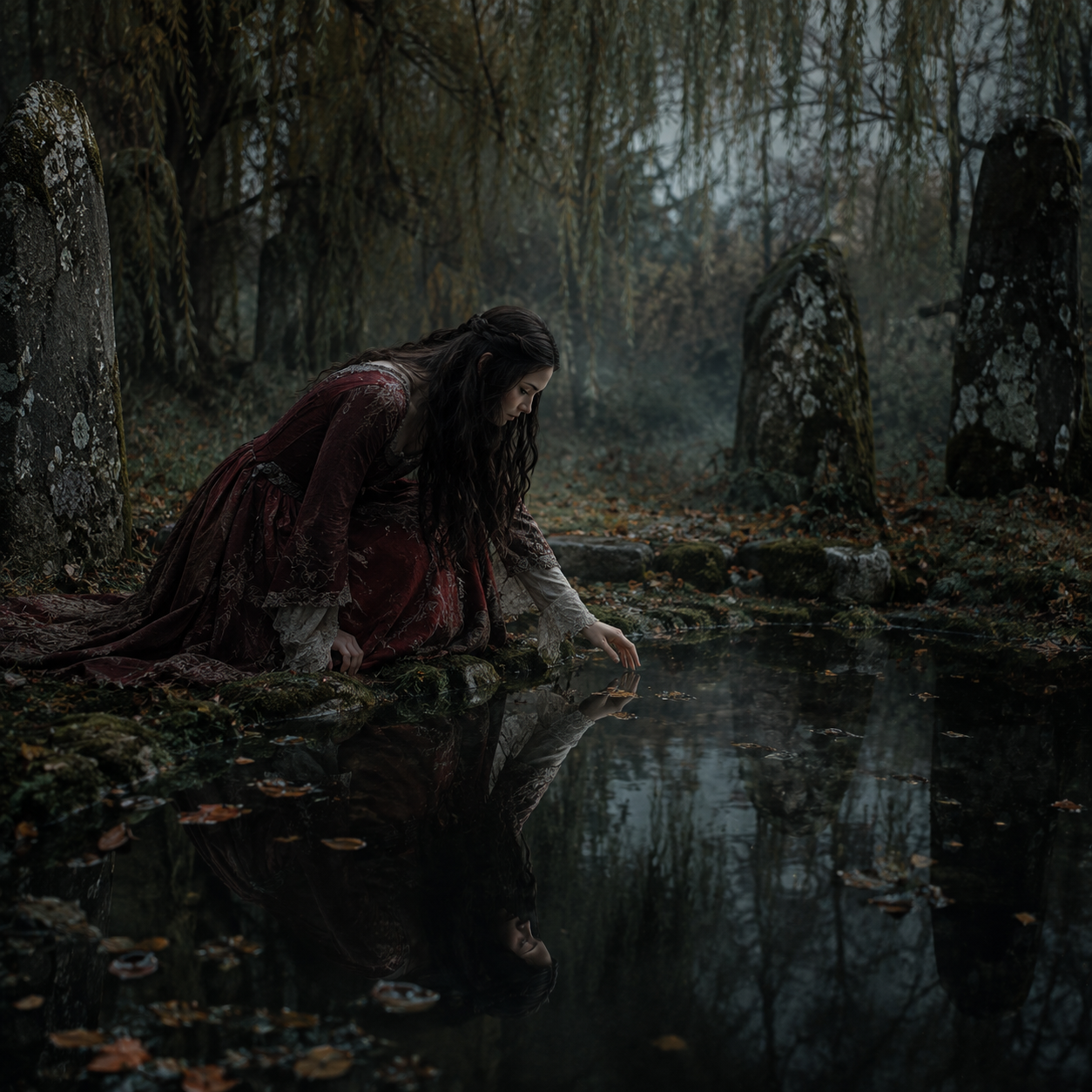
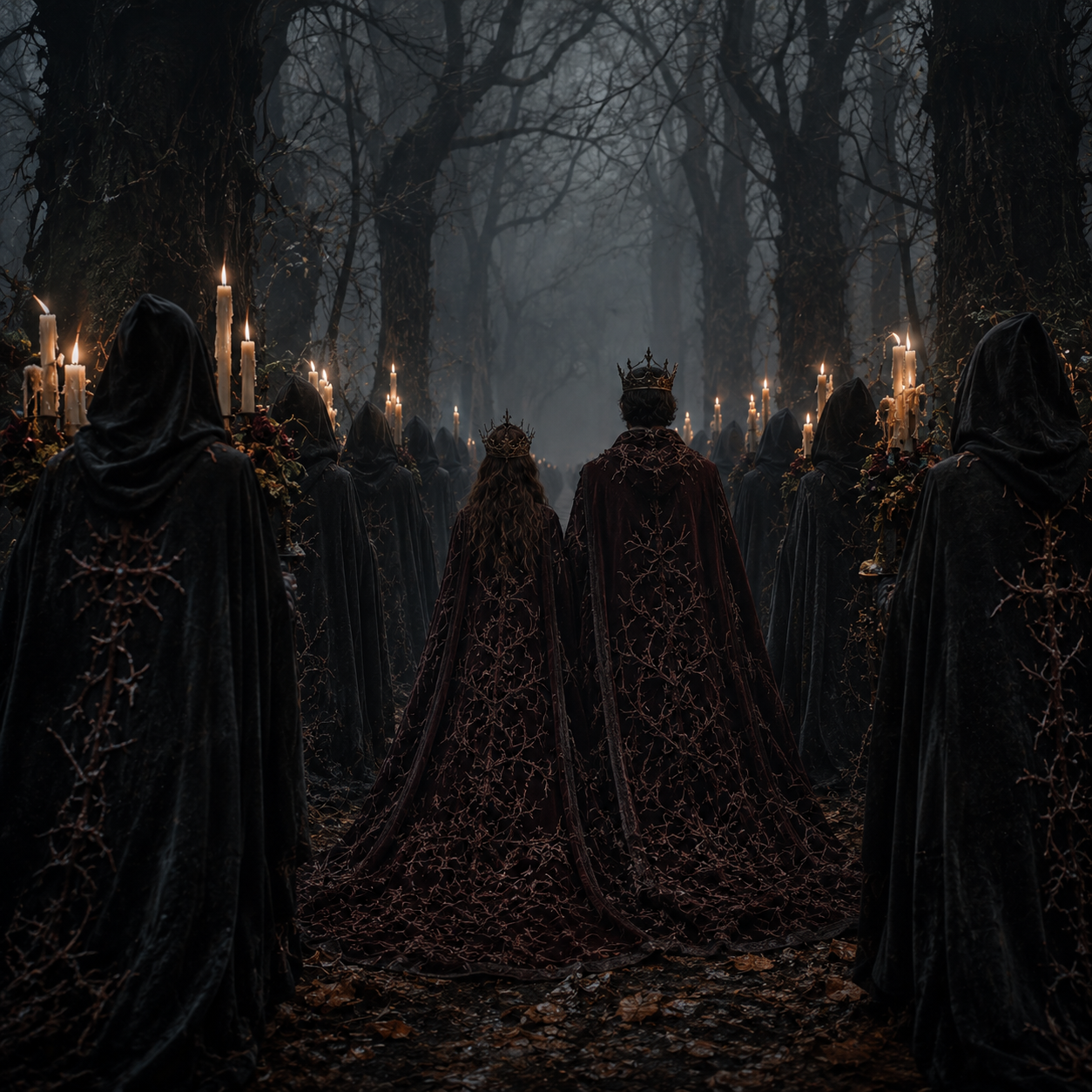
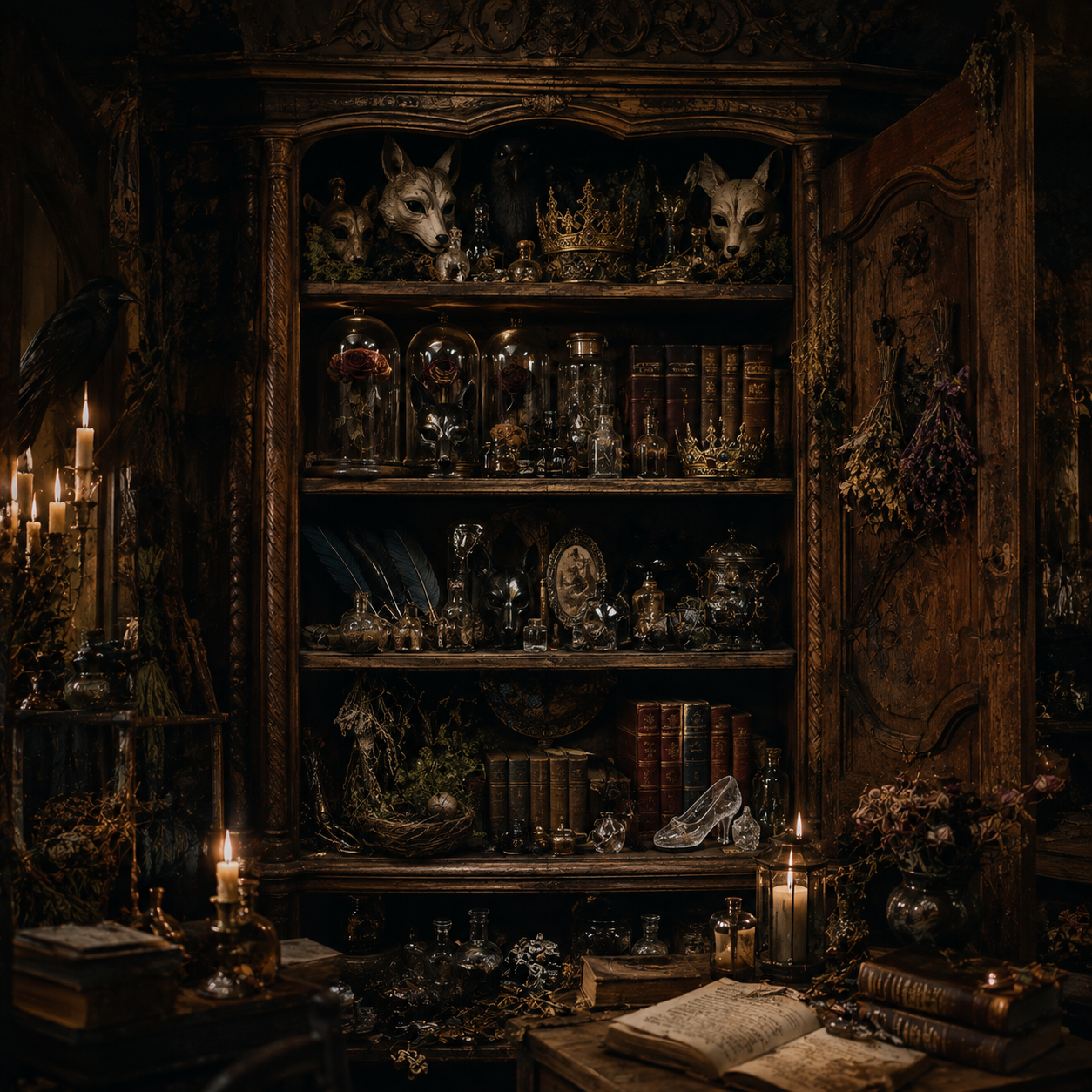
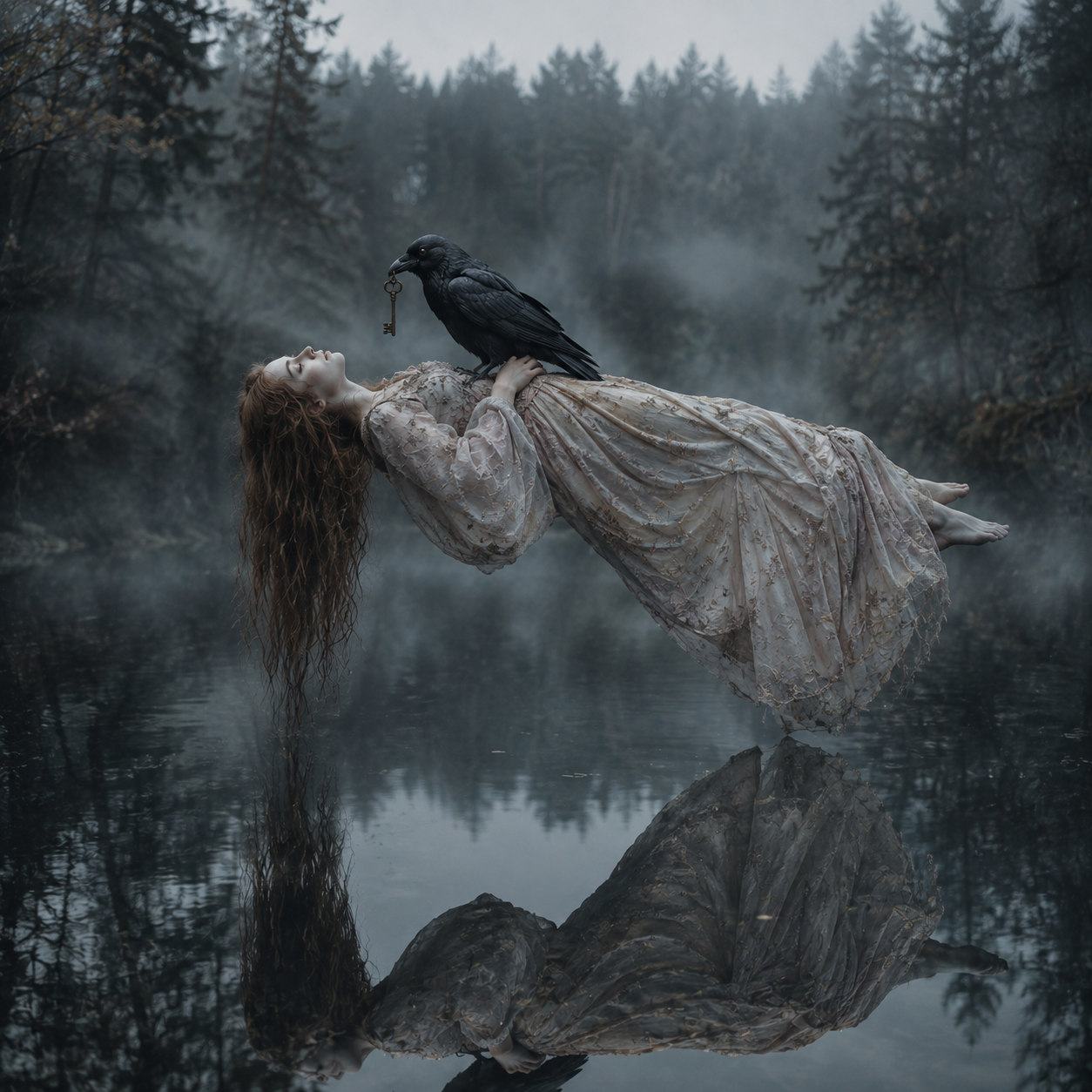
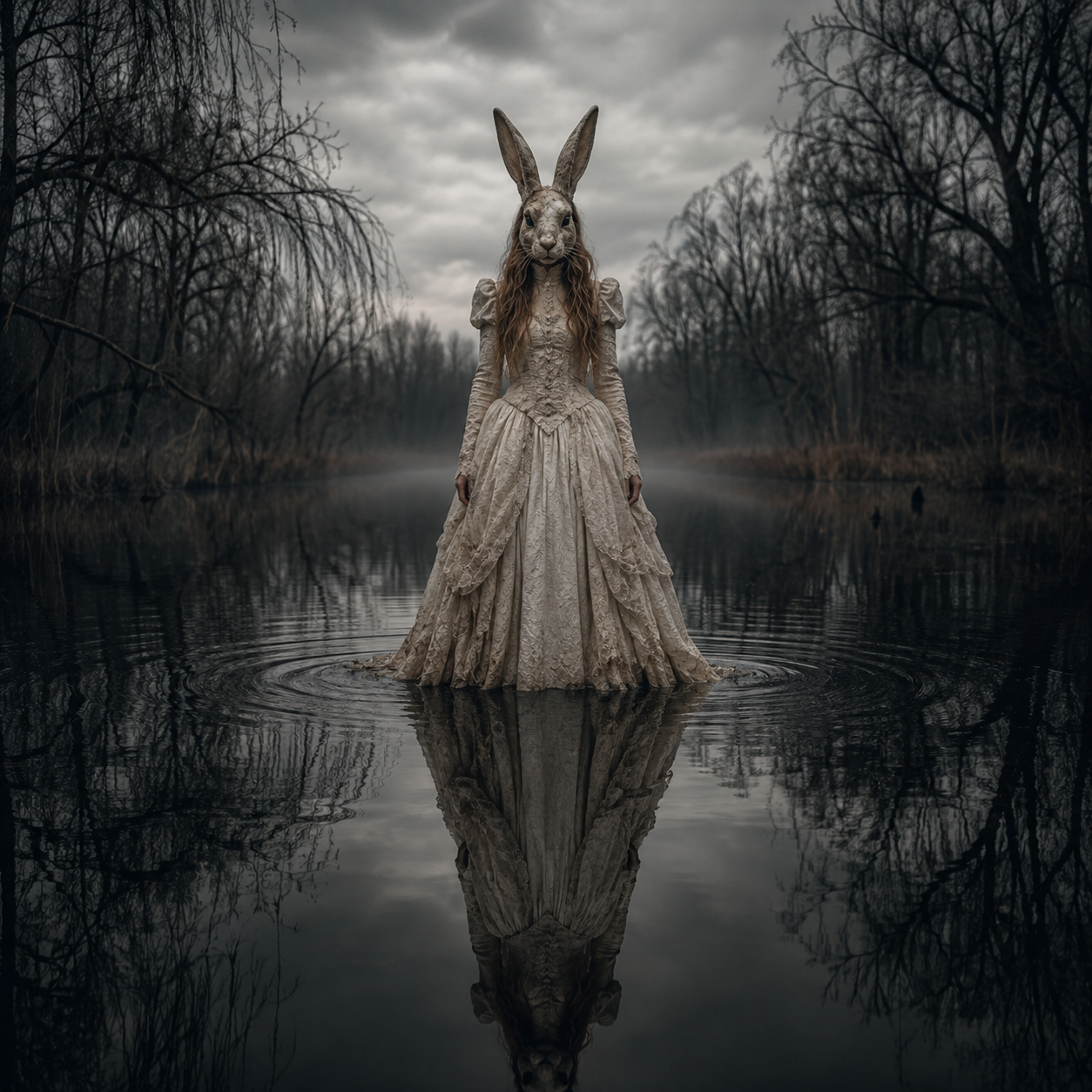
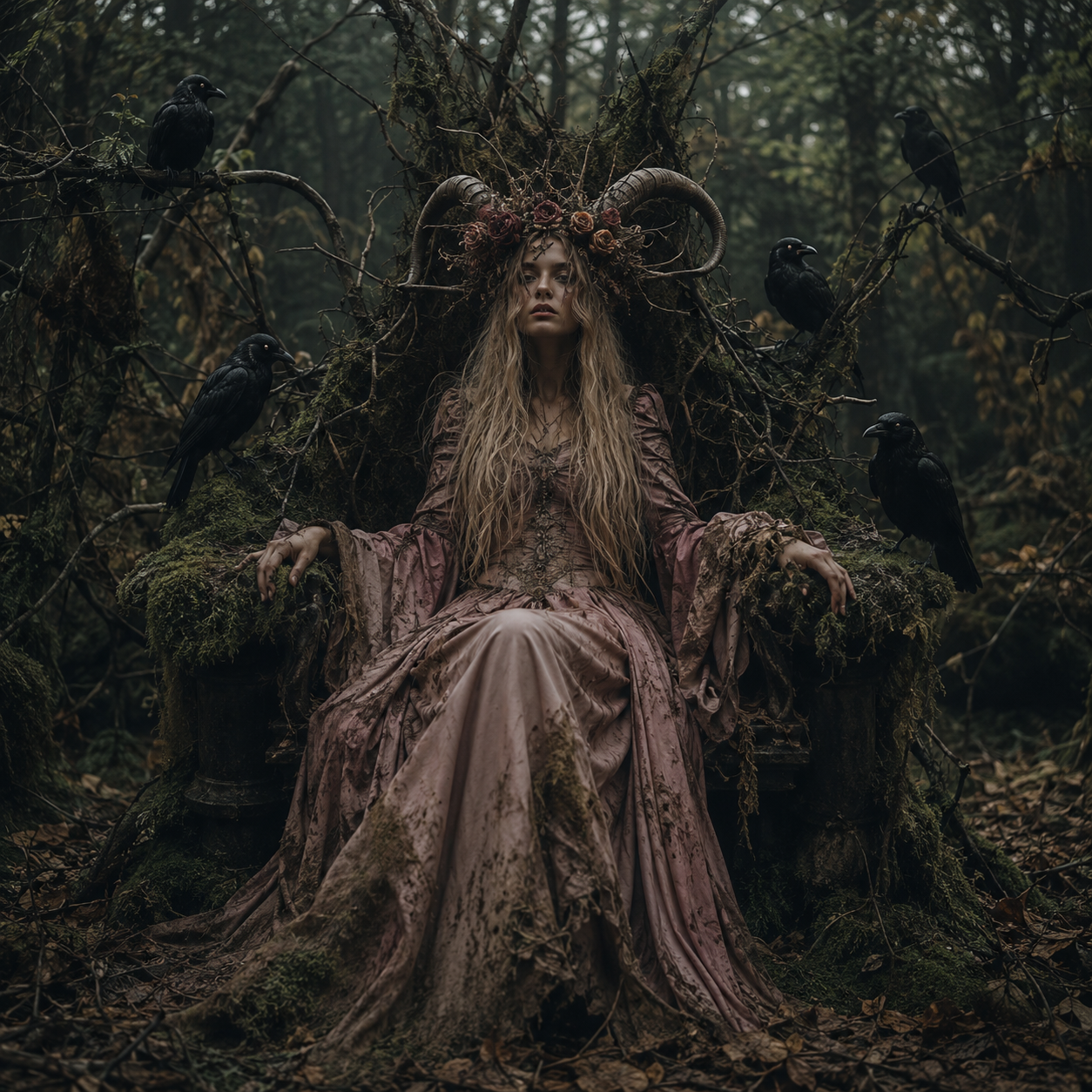
Dark fairytale imagery should feel enchanting before it becomes unsettling. Think ancient forests glowing with autumn colour, lantern-lit villages hidden beneath mist, crooked cottages, thorn-covered castles, forgotten orchards, candlelit fairy feasts, and magical landscapes where beauty and danger exist side by side. These picture prompts are designed to inspire atmospheric stories filled with sinister enchantment rather than overt horror.
Go Deeper into Halloween Fairytale Writing
The oldest fairytales were never stories of comfort—they were warnings. Their forests were places where travellers disappeared without explanation, their witches demanded impossible prices, and their magic rarely distinguished between justice and cruelty. If you're writing Halloween fairytales, embrace that older tradition. Let beauty and terror exist together until readers can no longer tell where one ends and the other begins.
♦ Every gift should demand a price. A magical lantern may keep ghosts away, but only while someone remains awake beside its flame. A silver apple might cure any illness, yet each bite steals a cherished memory. The most haunting bargains are those that seem reasonable until it is far too late.
♦ Make nature feel ancient and watchful. Forests should remember broken promises, rivers should refuse liars passage, and orchards should bloom only because they are nourished by forgotten sacrifices. The landscape should feel alive, as though it quietly judges every traveller who enters it.
♦ Let witches and fairy folk follow their own morality. Hedge witches are not villains simply because they wield magic, and fairy queens do not consider themselves cruel. They honour bargains precisely, punish broken oaths without hesitation, and obey laws far older than humanity. Their justice should feel beautiful, absolute, and deeply unsettling.
♦ Twist familiar symbols into something darker. A harvest feast becomes an ancient obligation. A glowing jack-o'-lantern protects a home only because something far worse waits beyond its light. Autumn wreaths are woven to keep forgotten spirits from crossing the threshold. Even the warmest traditions should carry the weight of an old warning.
♦ Leave traces of forgotten stories. Moss-covered shrines hidden beneath twisted oaks, abandoned cottages reclaimed by thorn hedges, weathered standing stones etched with symbols nobody can read, and woodland paths that appear only beneath the Harvest Moon all suggest that countless stories unfolded long before your own began.
♦ Let kindness become dangerous. A stranger offers shelter from the storm, woodland creatures guide lost children home, or an elegant fairy queen welcomes weary travellers to her table. Every act of generosity should leave readers quietly asking what will be expected in return.
♦ Treat promises as sacred magic. In dark fairytales, words have power. A careless promise, a spoken name, or an oath made beneath the harvest moon can bind generations. The greatest curses are often born not from malice, but from ordinary people speaking without understanding the ancient laws listening around them.
♦ End with wonder rather than certainty. The strongest fairytales rarely explain everything. Leave one lantern glowing in the forest after dawn. Let a raven return every Halloween carrying the same unopened letter. Allow readers to wonder whether the old magic truly vanished—or whether it is simply waiting for autumn to come again.
Final Thoughts
The oldest fairytales remind us that magic is rarely gentle. Forests remember every promise, witches never give without taking, and fairy courts measure justice by laws far older than humanity. By weaving together eerie autumn landscapes, cruel bargains, forgotten traditions, and ancient enchantments, you can create stories that feel timeless—beautiful enough to enchant readers, yet unsettling enough to linger long after the final page.
If these prompts have inspired your next tale, explore the Fairytales & Folklore Writing Hub for even more magical kingdoms, enchanted forests, folklore, fairy tales, myths, legends, and original writing inspiration. You can also browse the Creative Writing Archive to discover hundreds of prompts, story ideas, characters, settings, worldbuilding resources, and picture prompts across fantasy, horror, mystery, historical fiction, romance, science fiction, and every other genre.
Choose Your Next Adventure