Notes from the Inkpot
Writing, teaching, creating - one ink-stained idea at a time.



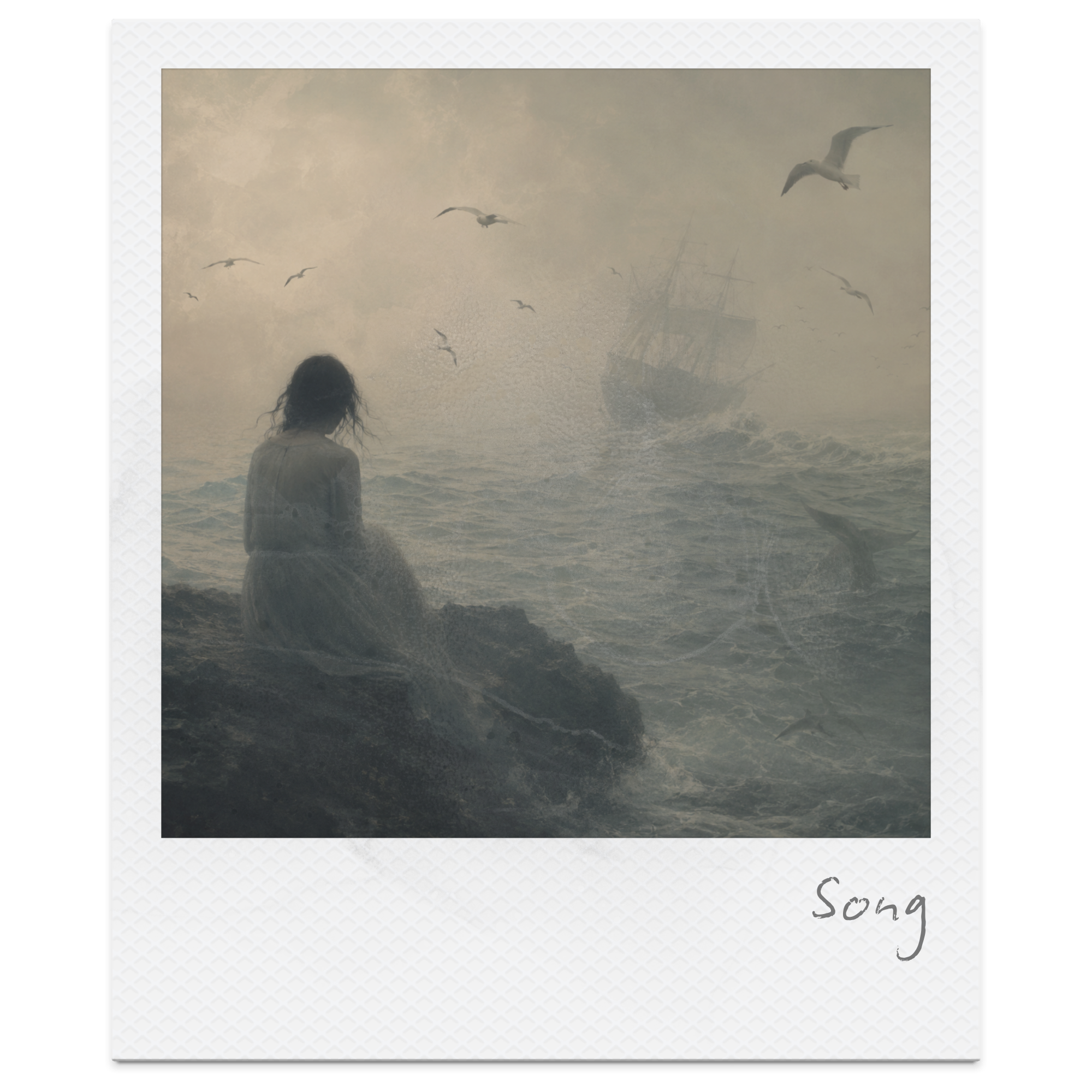
Song by Alun Lewis: Summary, Themes & Analysis
Alun Lewis's Song is a moving elegy that explores grief, love, absence, and the lasting psychological effects of loss. Written from the perspective of a woman mourning a lover lost at sea, the poem traces the gradual progression of bereavement through vivid maritime imagery, natural symbolism, and haunting reflections on memory. In this analysis, we explore the poem's themes, structure, symbolism, key quotations, and deeper meanings while examining how Lewis presents mourning as a force that reshapes both identity and the relationship between the living and the dead.

The Poplar-Field by William Cowper: Time, Mortality and Loss
William Cowper's The Poplar-Field explores mortality, time, memory, and the impermanence of human happiness through the destruction of a beloved grove of trees. What begins as a lament for a changed landscape gradually develops into a philosophical reflection on the fragility of both life and the pleasures that give it meaning. Through vivid natural imagery, symbolism, and an elegiac tone, Cowper transforms a local act of loss into a universal meditation on change, reminding readers that neither landscapes nor human lives can escape the passage of time.

Lion Heart by Amanda Chong: Analysis of Identity, Nationhood and Transformation
Amanda Chong's Lion Heart is a rich and ambitious exploration of national identity, cultural memory, and transformation. Drawing upon Singapore's founding myths, maritime history, and modern development, Chong presents the nation as a living being whose journey from sea to skyscraper reflects both remarkable progress and an enduring connection to its origins. Through powerful symbolism, vivid natural imagery, and an extended metaphor centred on the lion, the poem celebrates resilience, growth, and collective identity while questioning what must be preserved as a nation evolves. This detailed analysis of Lion Heart explores the poem's structure, voice, symbolism, themes, and literary techniques, alongside its treatment of history, belonging, and nationhood. It includes stanza-by-stanza analysis, key quotations, alternative interpretations, anthology comparisons, and exam-ready insights.
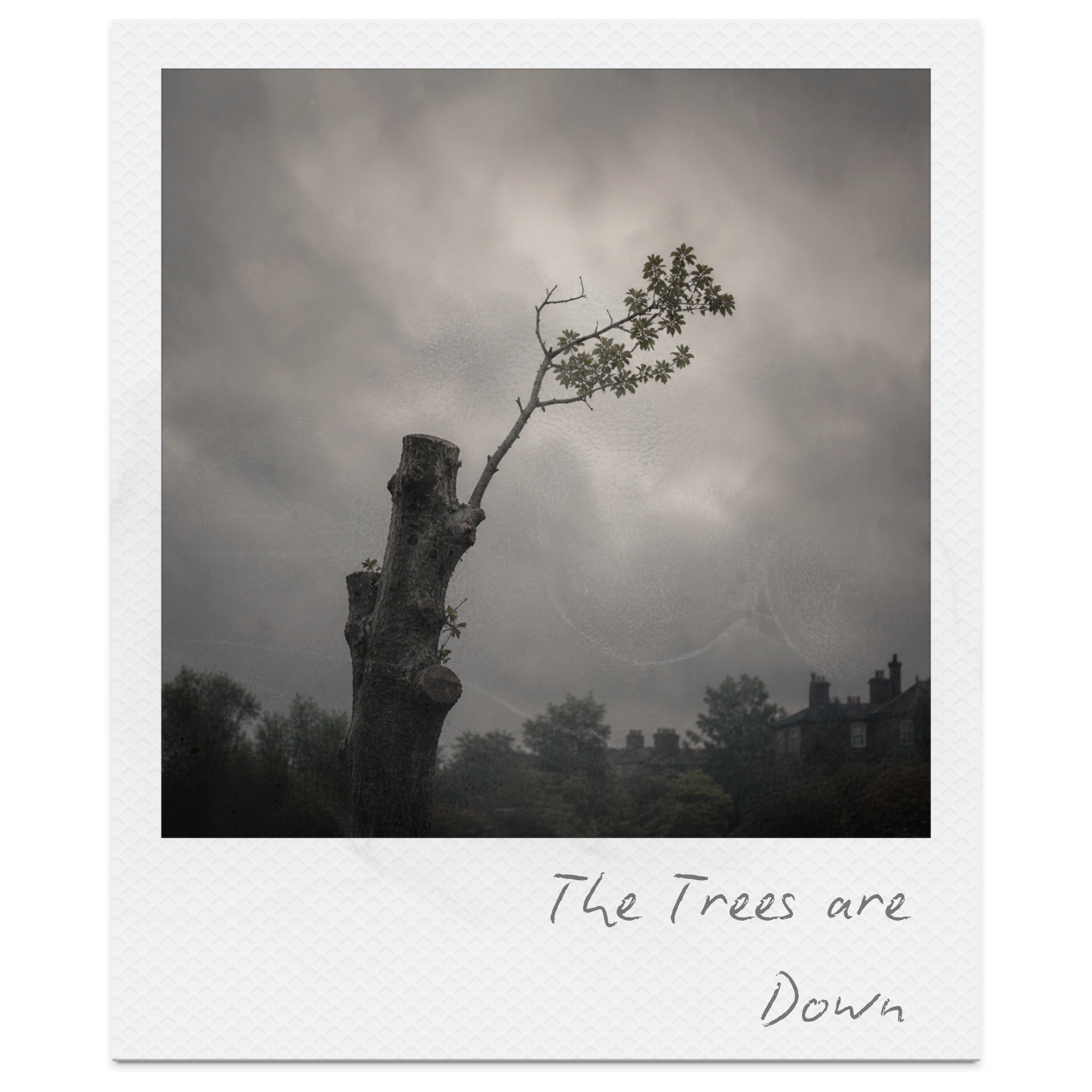
The Trees Are Down by Charlotte Mew: Summary, Themes & Analysis
The Trees Are Down by Charlotte Mew explores loss, destruction of nature, and emotional connection to place, transforming the cutting of trees into a powerful reflection on identity and memory. Through harsh sound imagery, contrast, and a shifting personal voice, Mew presents the act as more than physical labour, revealing it as a deeply unsettling and morally charged event. As the poem develops, the speaker moves from observation to personal reflection and protest, showing how the loss of the trees disrupts both the natural world and her own sense of self. The final image of an “angel crying” elevates this response into a form of spiritual warning, leaving the reader with a lasting sense that what has been destroyed cannot be restored, and that such loss carries profound emotional and ethical consequences.
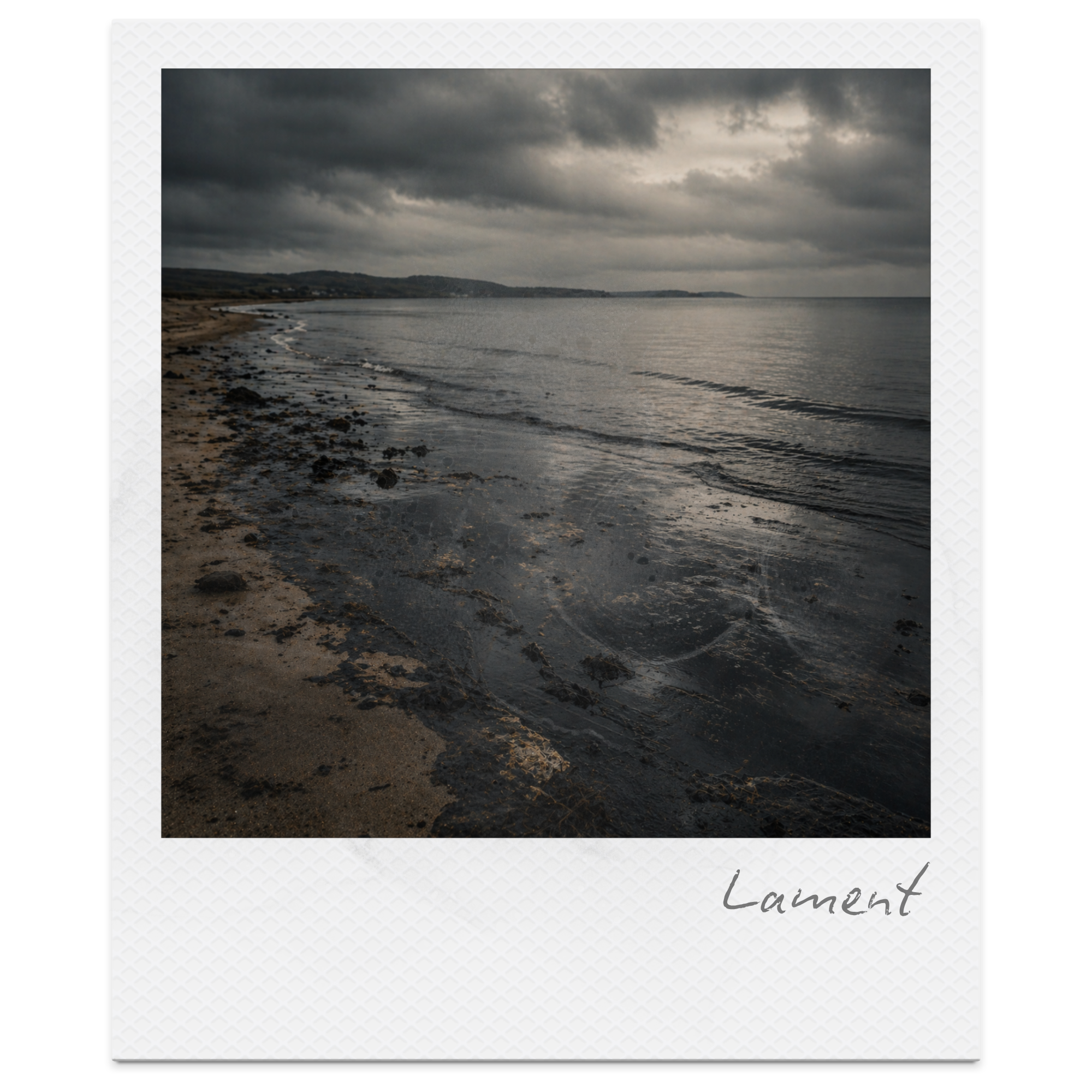
Lament by Gillian Clarke: Summary, Themes & Analysis
Lament by Gillian Clarke presents a powerful, cumulative expression of grief, exploring the impact of war, environmental destruction, and human responsibility. Through repetition, vivid imagery, and structured listing, Clarke connects the suffering of animals, people, and landscapes, showing how these losses are deeply interconnected. By building a sequence of images that move from individual creatures to global devastation, the poem creates a sense of scale and inevitability, while its restrained tone allows the destruction to speak for itself. The result is a poem that not only mourns what has been lost, but also challenges the reader to recognise the ongoing consequences of human actions.

A Dream Within a Dream by Edgar Allan Poe: Summary, Themes, Meaning & Analysis
Explore a clear and accessible analysis of A Dream Within a Dream by Edgar Allan Poe, including a summary, themes, symbolism, and key quotations. This guide explains the poem’s central ideas about reality vs illusion, the passage of time, loss, existential uncertainty, and the limits of human control, showing how Poe uses imagery and symbolism to express the fragility of human experience. This resource includes stanza-by-stanza analysis, key techniques, discussion questions, and creative writing ideas, making it useful for secondary literature students and teachers worldwide. It is particularly suitable for middle and high school poetry study and for readers exploring Poe’s philosophical and gothic poetry.
Teaching Remains by Simon Armitage: Poem Analysis, Context, Themes and Key Ideas
Remains by Simon Armitage is one of the most powerful poems studied in the GCSE Power and Conflict anthology, exploring the psychological impact of war and the way violence lingers long after the moment itself has passed. Rather than focusing on combat or heroism, the poem examines guilt, memory, and moral responsibility through the voice of a soldier haunted by a single act of killing. This post offers a clear, stanza-by-stanza analysis of Remains, exploring its context, form, imagery, and key ideas, alongside practical teaching strategies for secondary English classrooms. It also considers why the poem is so effective for studying power and conflict, and how it fits within wider conflict poetry, making it a useful guide for teachers and students alike.
10 Spring Poetry Prompts for Teens & Adults: Writing About Change, Light, and Renewal
Spring poetry is often associated with easy symbolism and tidy ideas of renewal, but the season itself is rarely that simple. In poetry, spring is a time of transition, exposure, and uneven change — moments where light returns gradually, growth feels uncertain, and what has been buried begins to surface. These spring poetry prompts for teens and adults invite writers to explore that complexity through imagery, atmosphere, and poetic craft rather than cliché. Designed for classroom use, writing groups, and independent practice, this collection of spring poetry writing prompts focuses on observation, restraint, and emergence. With suggested opening lines, craft focuses, and ekphrastic approaches, the prompts support thoughtful poetry writing that captures spring as it happens — unsettled, partial, and still in progress.
Pre-Reading Poetry Activities for Secondary English (Before Analysis Begins)
Poetry often becomes difficult in classrooms not because the poems themselves are inaccessible, but because students are asked to analyse them before they have had time to encounter them as readers. When lessons begin with context, terminology, and line-by-line breakdowns, many students assume there is a correct interpretation they are meant to find — and that poetry is something to decode rather than experience. Pre-reading and pre-analysis poetry activities slow that process down. They give students space to hear a poem, react to it, and form instincts before analysis begins. By focusing on first impressions, emotional response, and pattern-spotting, these approaches help students build confidence and curiosity — making later close reading more meaningful, purposeful, and far less mechanical.
Ekphrastic Writing for the Classroom: Art, Photo & Science Prompts for English Teachers
This comprehensive guide to ekphrastic writing in the classroom brings together image-based writing prompts using art, photography, sculpture, science imagery, and AI-generated visuals. Designed for secondary English teachers, the post includes practical ways to use ekphrasis across poetry, prose, monologue, and creative nonfiction, alongside adaptable classroom activities and cross-curricular ideas. Whether you’re planning a poetry unit, setting low-prep bell-ringers, or encouraging close observation and voice-driven writing, these ekphrastic writing prompts for students support inference, imagery, and creative confidence. With clear guidance, differentiated approaches, and links to ongoing writing resources, this post is built for real classroom use.
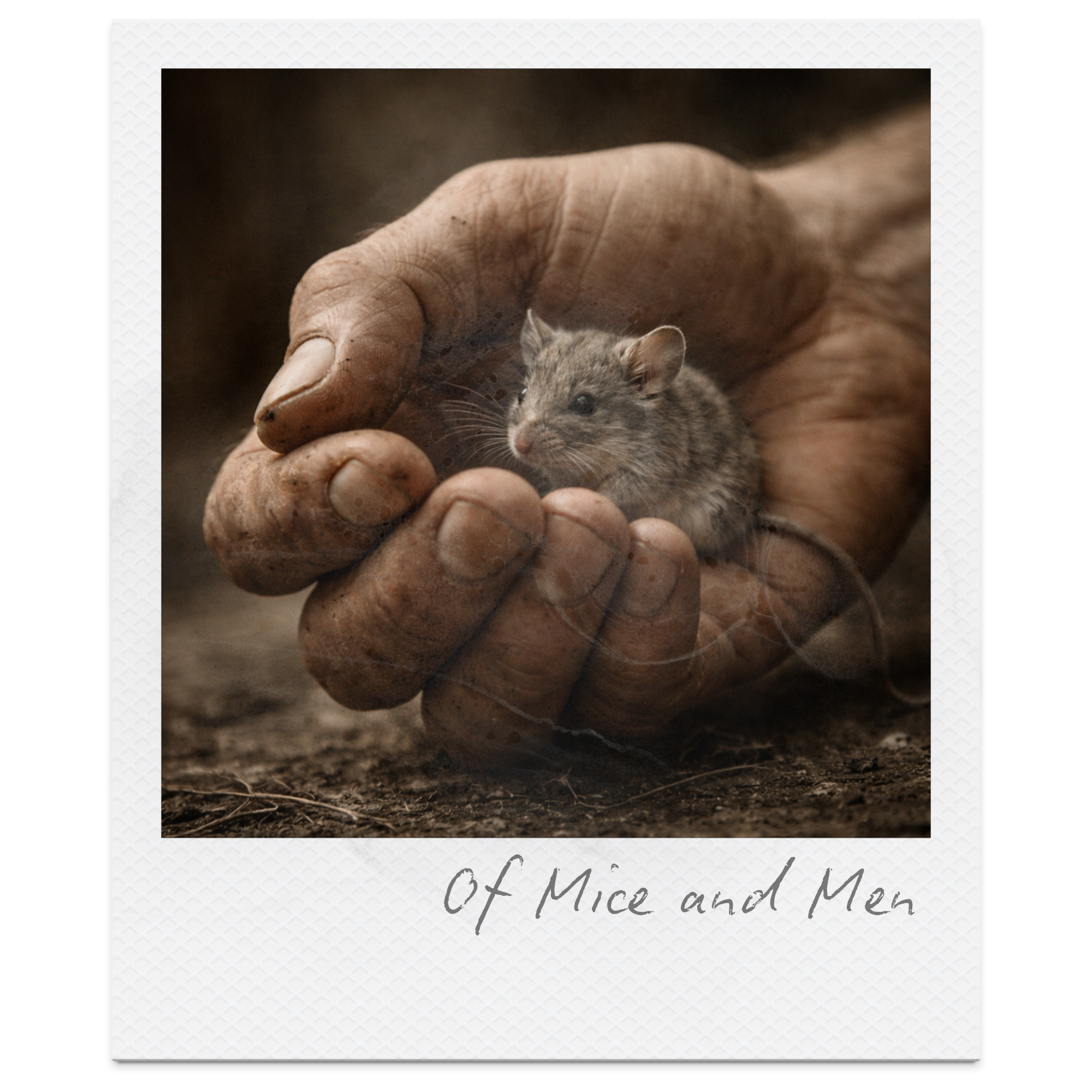
Why Of Mice and Men Still Matters: Context, Controversy, and the Classroom
Of Mice and Men remains one of the most powerful and challenging texts taught in the secondary English classroom. Despite ongoing debate around challenged books, controversial language, and classroom suitability, Steinbeck’s novella continues to resonate with students because it tackles enduring questions of power, loneliness, prejudice, and moral responsibility. Short, accessible, and deceptively complex, it invites discussion rather than delivering easy answers. This post explores why teachers still teach Of Mice and Men in 2026, examining its historical context, its place within modern classrooms, and the strategies that keep students engaged through creative writing, discussion-led learning, and reflective tasks. It also offers ideas for taking learning deeper once the final chapter is reached — supporting thoughtful, nuanced teaching of a text that refuses to be forgotten.
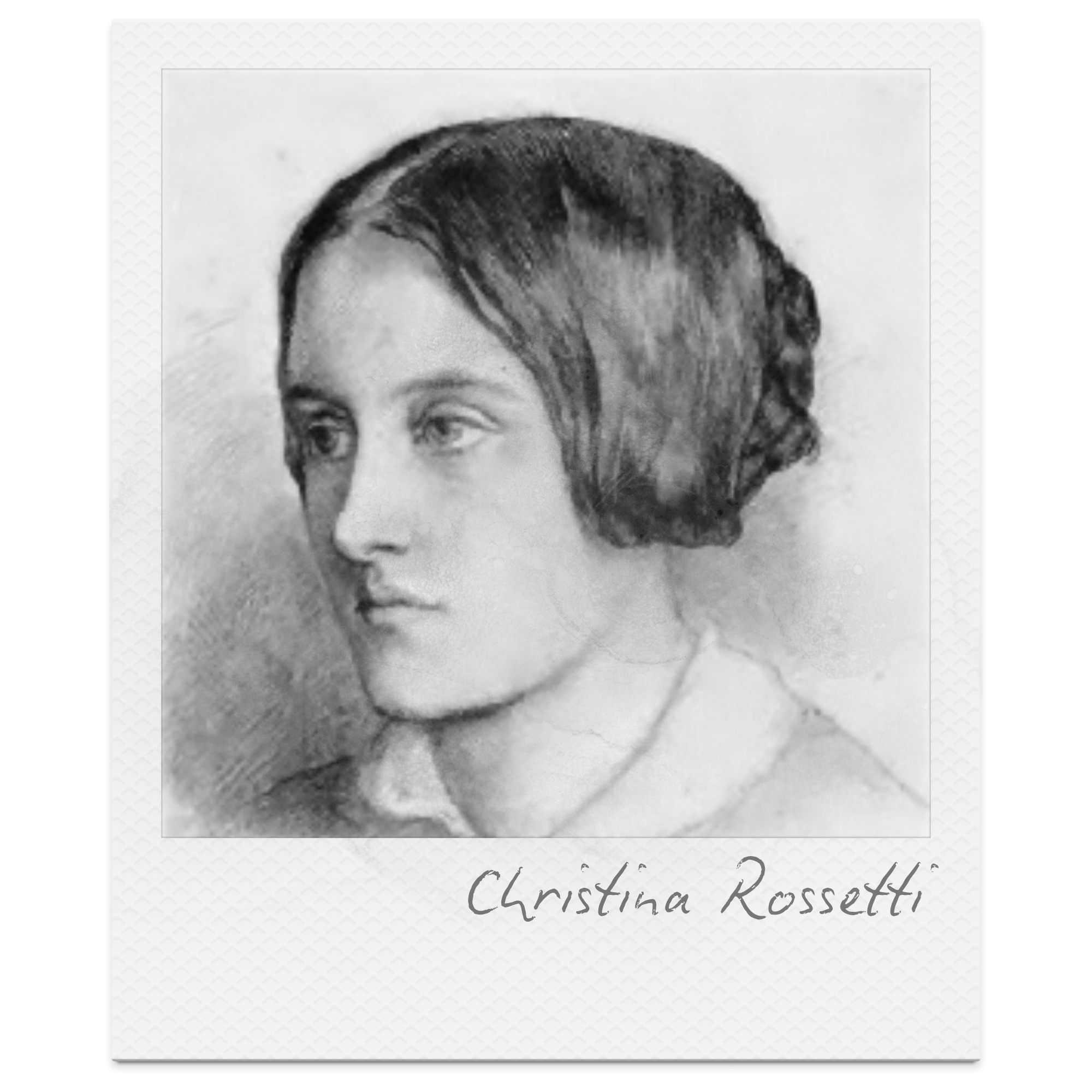
Christina Rossetti: Context, Themes, and Literary Significance
Christina Rossetti’s poetry is shaped by religious discipline, emotional restraint, and sustained psychological conflict. Writing within the pressures of Victorian gender norms and devotional expectation, Rossetti explores what happens when desire must be suppressed, faith demands self-surveillance, and feeling is carefully managed rather than released. Her poems rarely offer resolution, instead lingering in states of waiting, silence, and endurance, where emotional tension is contained beneath deceptively simple forms. Reading Rossetti in context reveals how her work engages with mental health, spiritual doubt, and the governance of emotion in nineteenth-century literature. Through repetition, restraint, and withheld voice, Rossetti constructs lyric speakers who negotiate authority internally, making her poetry particularly rich for close reading and thematic interpretation. This contextual overview provides a foundation for exploring Rossetti’s enduring significance across Victorian poetry, psychological realism, and modern critical debate.

Remember by Christina Rossetti: Summary, Meaning & Critical Analysis
“Remember” by Christina Rossetti is a poem frequently taught at GCSE, AS, and A Level, yet its emotional restraint and moral complexity are often underestimated. At first glance, the poem appears to present a speaker asking to be remembered after death. However, as this Petrarchan sonnet unfolds, Rossetti complicates that request, transforming it into a meditation on love, memory, and loss that prioritises emotional responsibility over personal desire. Rather than offering consolation, the poem quietly interrogates whether remembrance is always an act of kindness. Written with careful control of form, tone, and structure, Remember traces a shift from quiet insistence to deliberate self-denial. Through subtle changes in voice and imagery, Rossetti reframes forgetting as a potential expression of love rather than betrayal. This critical analysis of “Remember” by Christina Rossetti explores the poem’s meaning, its treatment of death and remembrance, and the literary methods that make it one of Rossetti’s most ethically complex and quietly radical sonnets. If you’re teaching Remember in the classroom, keep scrolling for free essay questions on “Remember” by Christina Rossetti, along with discussion ideas and close-reading activities.