Notes from the Inkpot
Writing, teaching, creating - one ink-stained idea at a time.

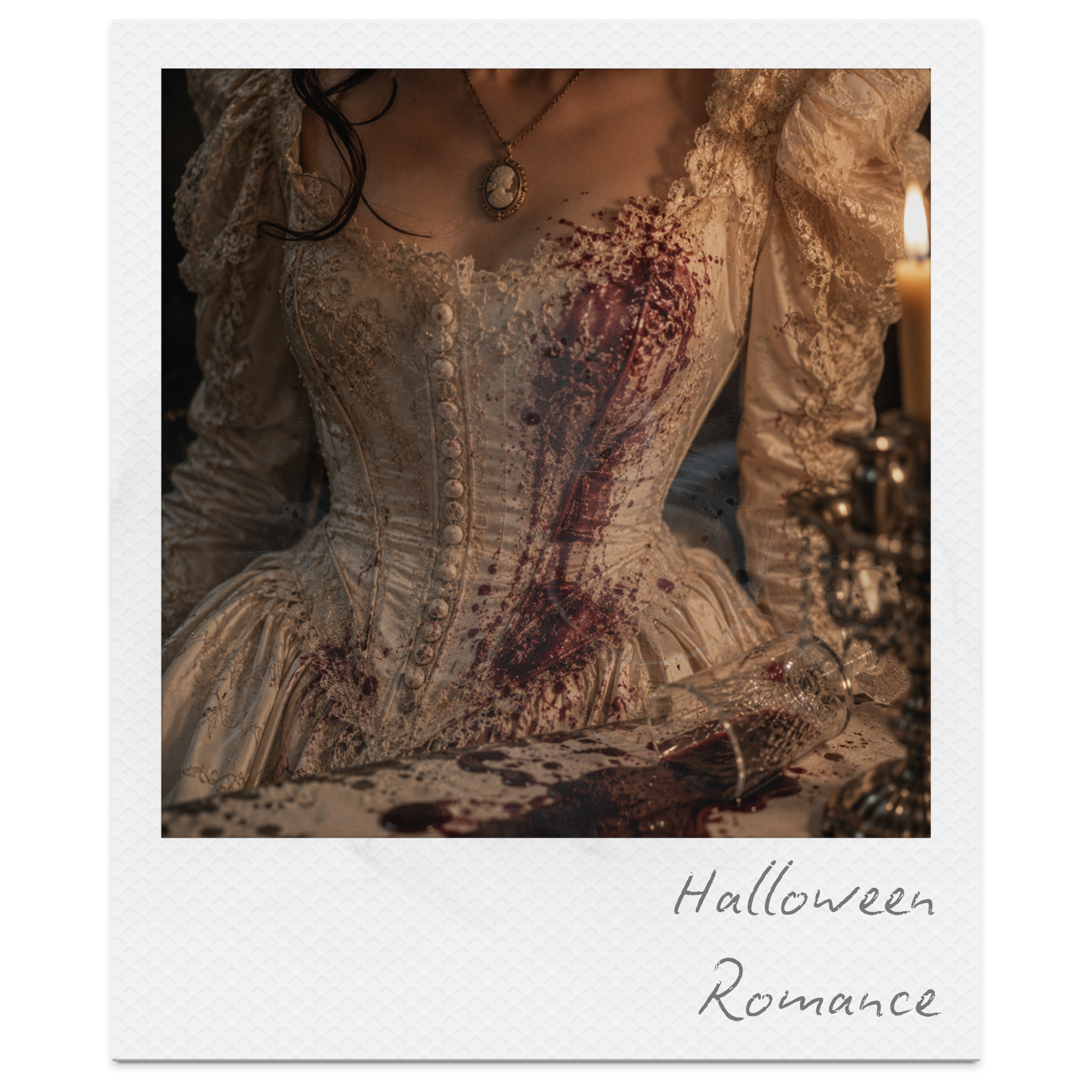
70 Halloween Romance Writing Prompts: Enchanted Love Stories & Autumn Magic
Discover 70 Halloween Romance Writing Prompts inspired by enchanted pumpkin villages, magical harvest festivals, haunted manor houses, moonlit forests, witches, ghosts, autumn folklore, and cosy seasonal love stories. Explore plot ideas, character prompts, settings, opening lines, titles, and atmospheric picture prompts perfect for romantic fantasy, paranormal romance, and heartfelt autumn fiction.
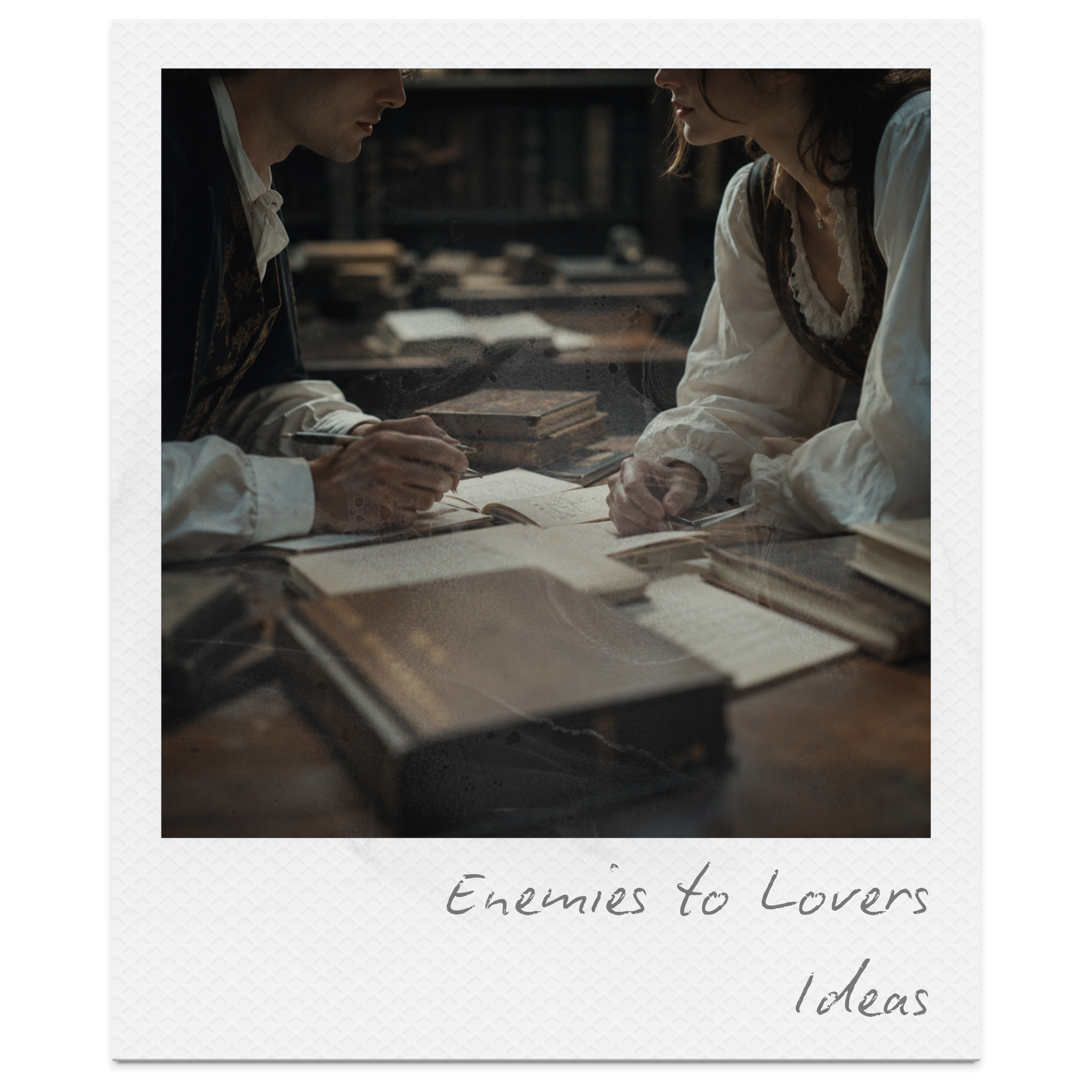
100 Enemies-to-Lovers Ideas (With Story Ideas and Romance Tropes)
Discover 100 enemies-to-lovers ideas with story concepts, romance tropes, and character dynamics. From rival heirs and competing detectives to workplace enemies, fake dating schemes, family feuds, and supernatural rivals, these ideas will help you create compelling romance stories filled with tension, conflict, and unforgettable chemistry.
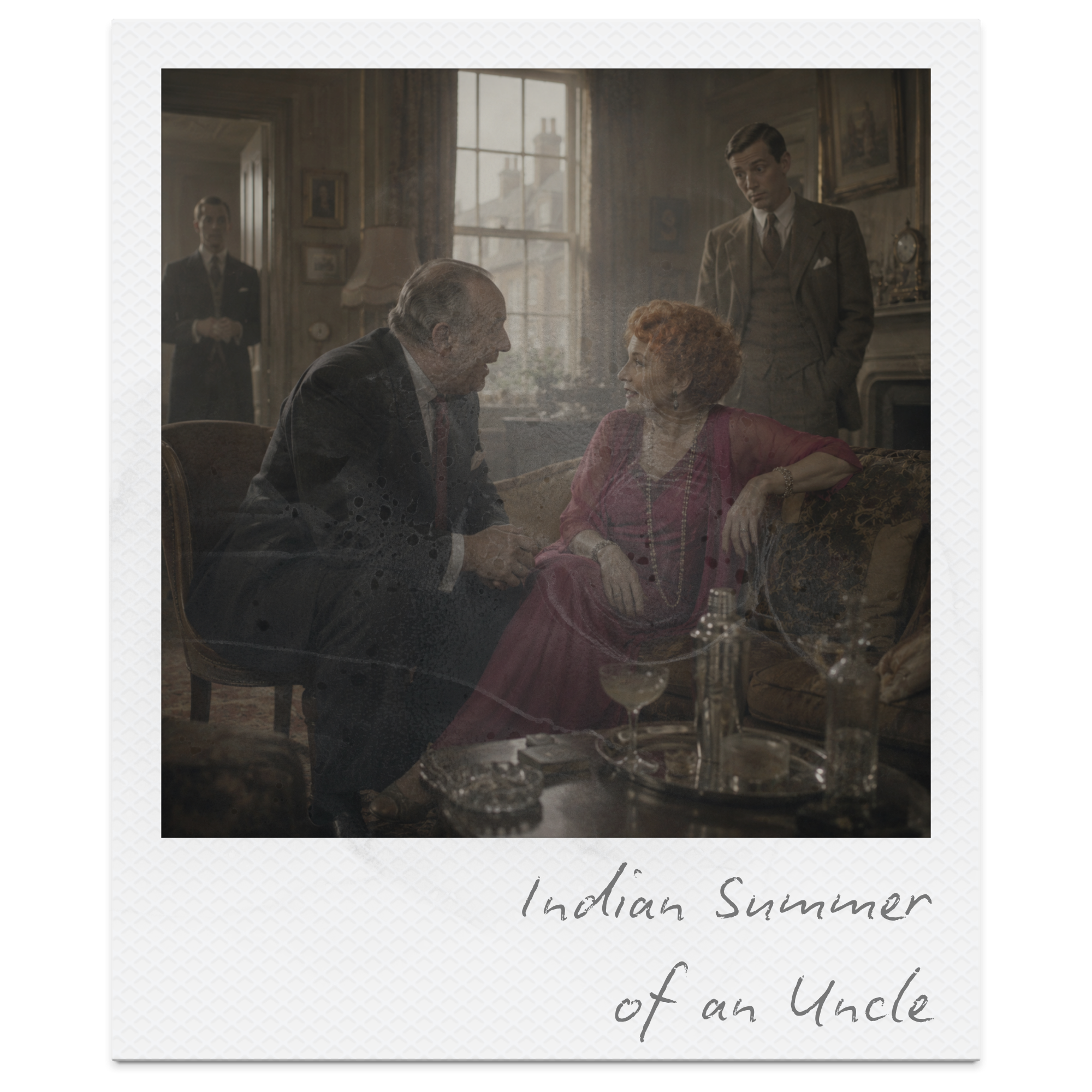
Indian Summer of an Uncle by P.G. Wodehouse: Summary, Themes & Analysis
P.G. Wodehouse’s Indian Summer of an Uncle is a comic short story exploring class, marriage, family pressure, romantic misunderstanding, and the absurdities of upper-class society through dramatic irony, exaggerated narration, and sharp social satire. Told through Bertie Wooster’s humorous first-person perspective, the story follows the chaos that erupts when the elderly Uncle George suddenly decides to marry a young waitress, horrifying his aristocratic family and forcing Bertie into a series of increasingly awkward situations. This detailed analysis for CIE IGCSE World Literature (0408) explores the story’s themes, symbolism, structure, narrative voice, and key quotations, while examining how Wodehouse creates humour through comic contrast, misunderstanding, and the gap between appearance and emotional reality. The guide also includes alternative interpretations, exam-ready insights, and classroom-focused teaching ideas designed to support deeper literary analysis and discussion.
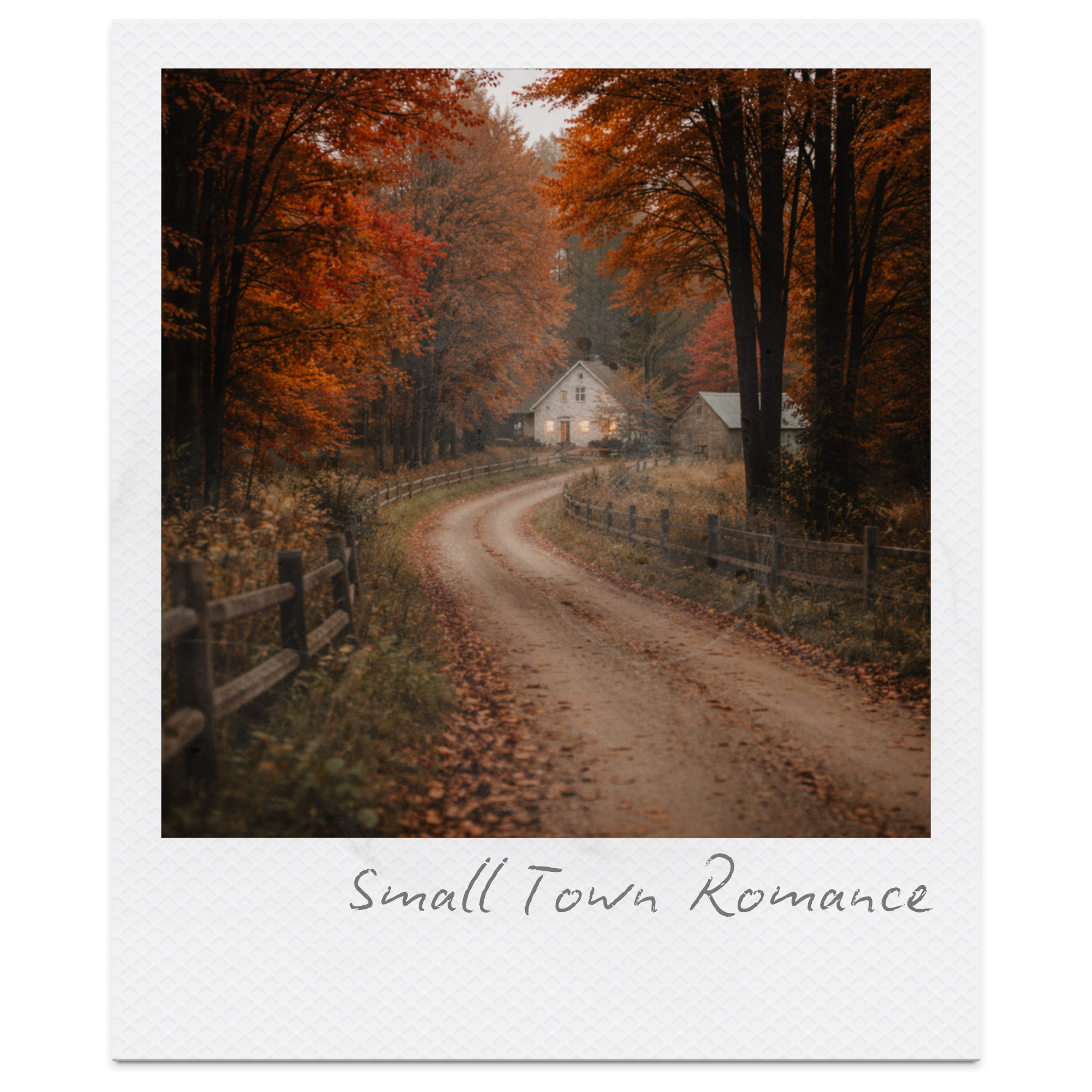
70 Small Town Romance Writing Prompts: Secrets, Second Chances & Slow-Burn Love
Small town romance offers the perfect setting for emotionally driven love stories, where history, reputation, and community shape every relationship. These stories thrive on second chances, slow-burn romance, and unresolved pasts, placing characters in environments where they cannot easily escape each other — or their feelings. From returning home to reconnecting with a past love to navigating gossip in a close-knit town, the setting itself becomes central to the story. In this collection of 70 Small Town Romance Writing Prompts, you’ll find plot hooks, opening lines, character ideas, and more designed to help you build layered, character-driven narratives. Whether you’re exploring themes of belonging, identity, or romantic tension, these prompts offer a structured starting point for creating stories rooted in connection, memory, and emotional growth.
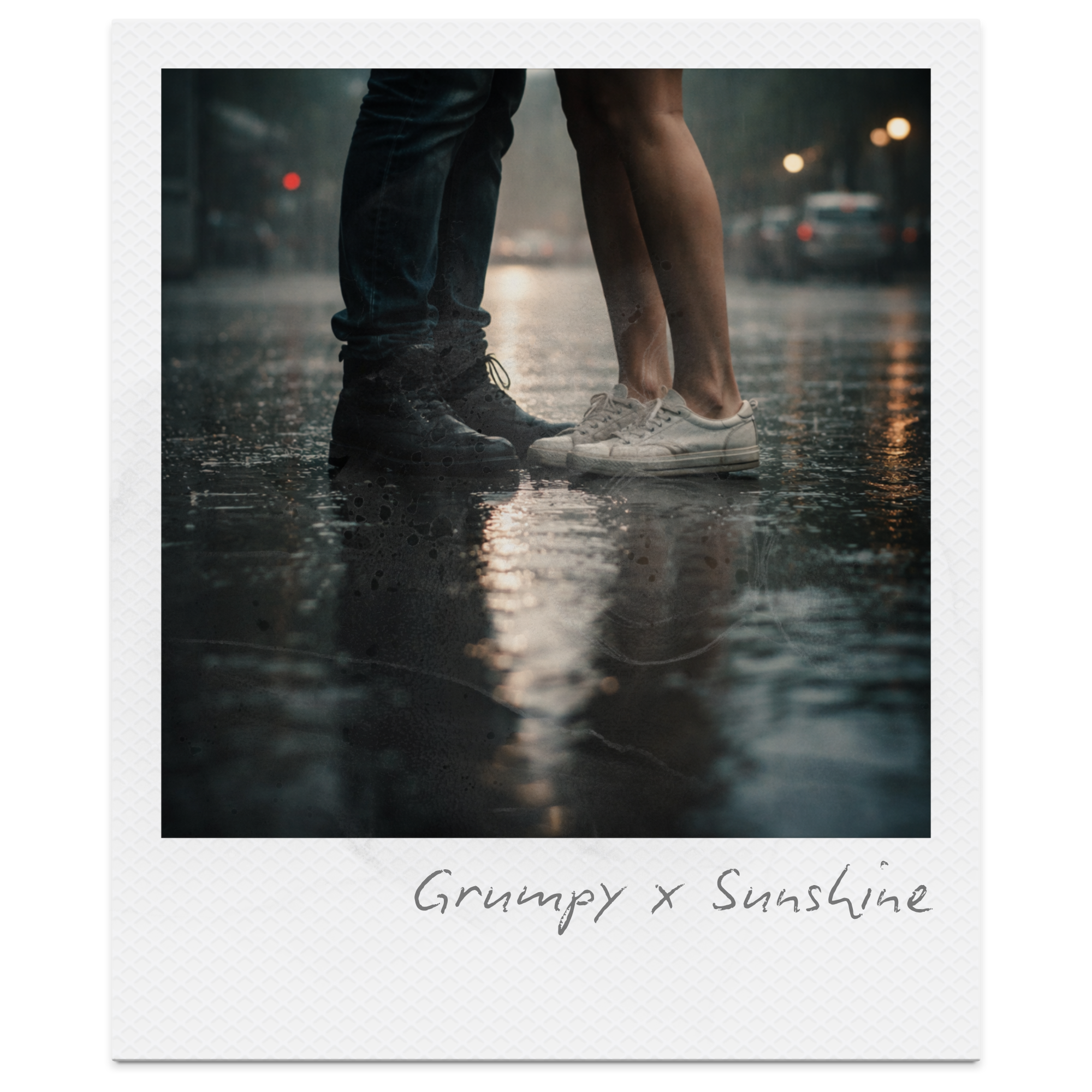
70 Grumpy × Sunshine Romance Writing Prompts: Opposites, Tension & Unexpected Love
The grumpy × sunshine dynamic is one of the most compelling and emotionally satisfying pairings in romance, bringing together two characters who see the world in completely different ways. Where one is guarded, cynical, or emotionally distant, the other is open, optimistic, and persistent — creating a natural tension that drives both conflict and connection. This contrast allows writers to explore how vulnerability develops over time, as emotional walls are challenged rather than instantly broken. In this collection of 70 Grumpy × Sunshine Romance Writing Prompts, you’ll find a complete mix of plot hooks, title ideas, opening lines, closing lines, character concepts, and setting inspiration designed to help you build layered, character-driven love stories. Whether you’re writing slow-burn tension, forced proximity, or emotional healing arcs, these prompts offer a structured starting point for exploring relationships shaped by contrast, growth, and unexpected connection.
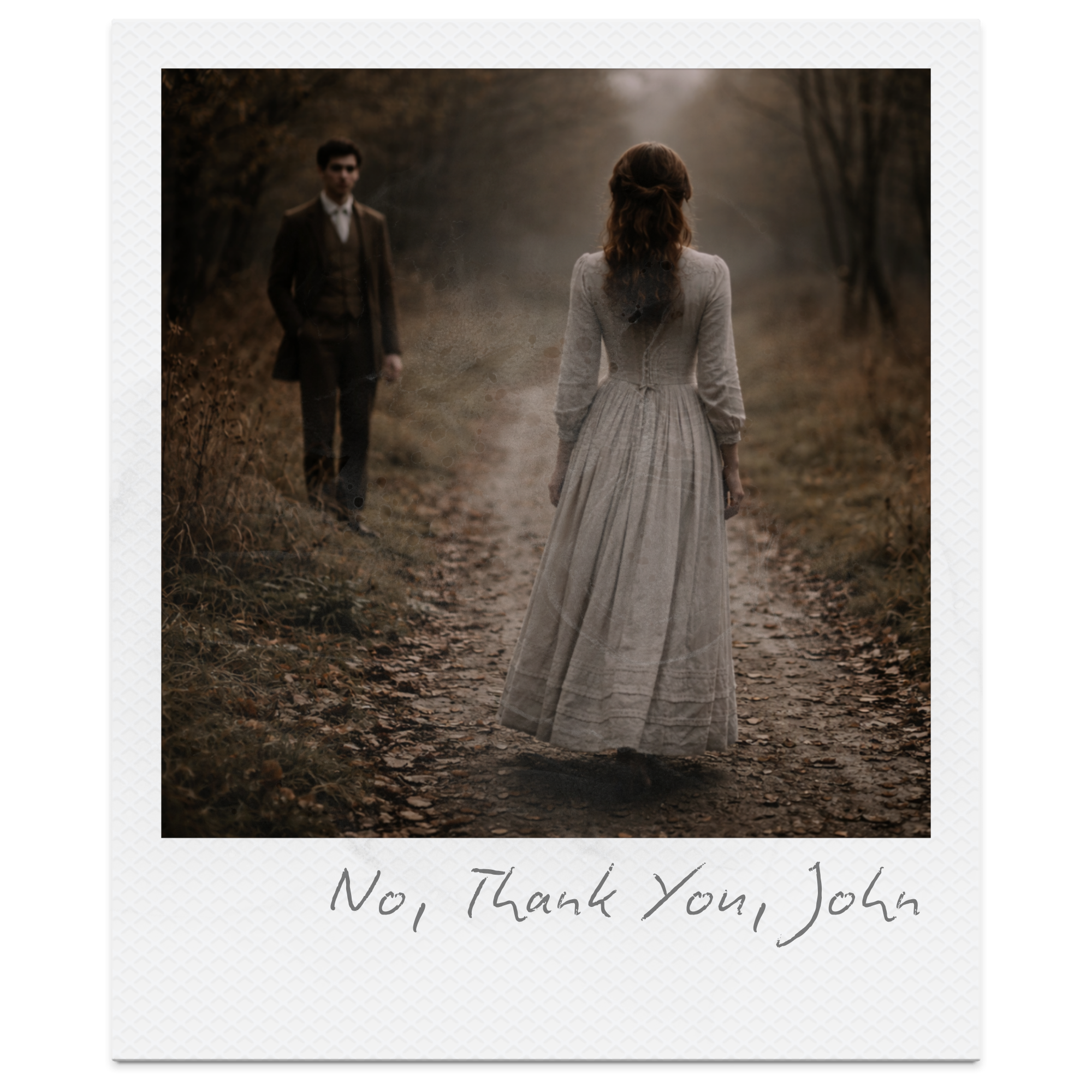
No, Thank You, John by Christina Rossetti: Summary, Themes, Symbolism & Analysis
Christina Rossetti’s No, Thank You, John is a confident and sharply controlled exploration of rejection, emotional honesty, and personal autonomy. Through a direct, conversational voice, the speaker firmly refuses a persistent suitor, challenging the expectation that love must be returned or softened through politeness. The poem redefines rejection as a form of clarity rather than cruelty, exposing the imbalance between romantic persistence and the right to refuse. This analysis of No, Thank You, John explores themes, structure, tone, and key techniques, alongside alternative interpretations and teaching ideas. With close reference to language and form, it reveals how Rossetti constructs a speaker who is both measured and resolute, offering a powerful examination of boundaries, gender expectations, and emotional integrity.
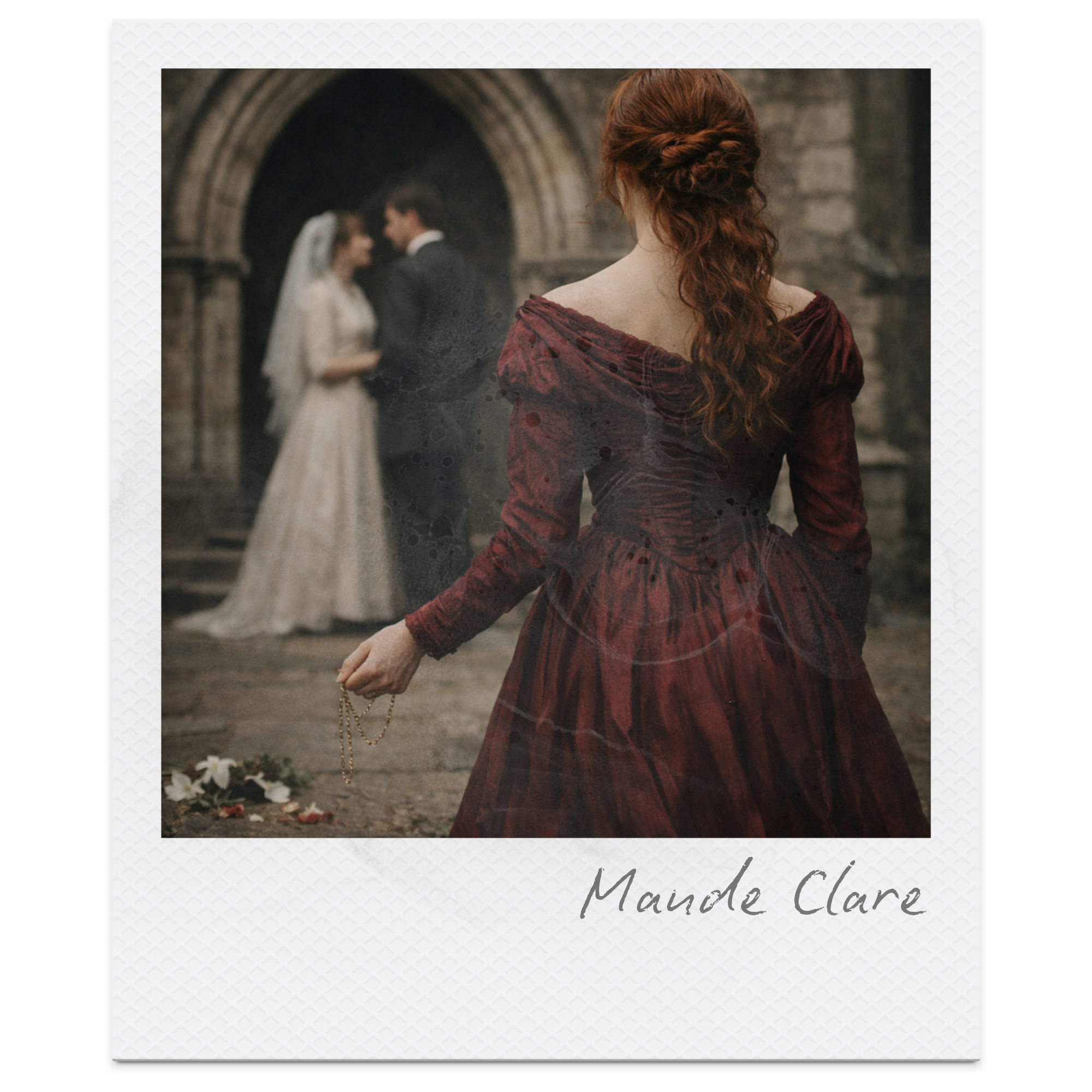
Maude Clare by Christina Rossetti: Summary, Themes, Symbolism & Analysis
Christina Rossetti’s Maude Clare is a dramatic and confrontational poem that explores female agency, love and betrayal, and the pressures of Victorian social expectation. Set against the public backdrop of a wedding, the poem stages a tense emotional conflict between past and present relationships, as Maude Clare interrupts the ceremony to challenge the stability of the marriage. Through sharp contrasts in character and voice, Rossetti reveals how appearances of loyalty and respectability can conceal deeper emotional instability. This analysis explores how Rossetti uses dialogue, symbolism, and shifting power dynamics to construct a poem that is both intimate and publicly charged. By examining the roles of Maude Clare, Nell, and Thomas, readers can see how the poem questions whether love can ever truly be replaced—and whether social approval is enough to sustain it. Perfect for literature study and revision, this guide breaks down key themes, quotes, and techniques in a clear, structured way.
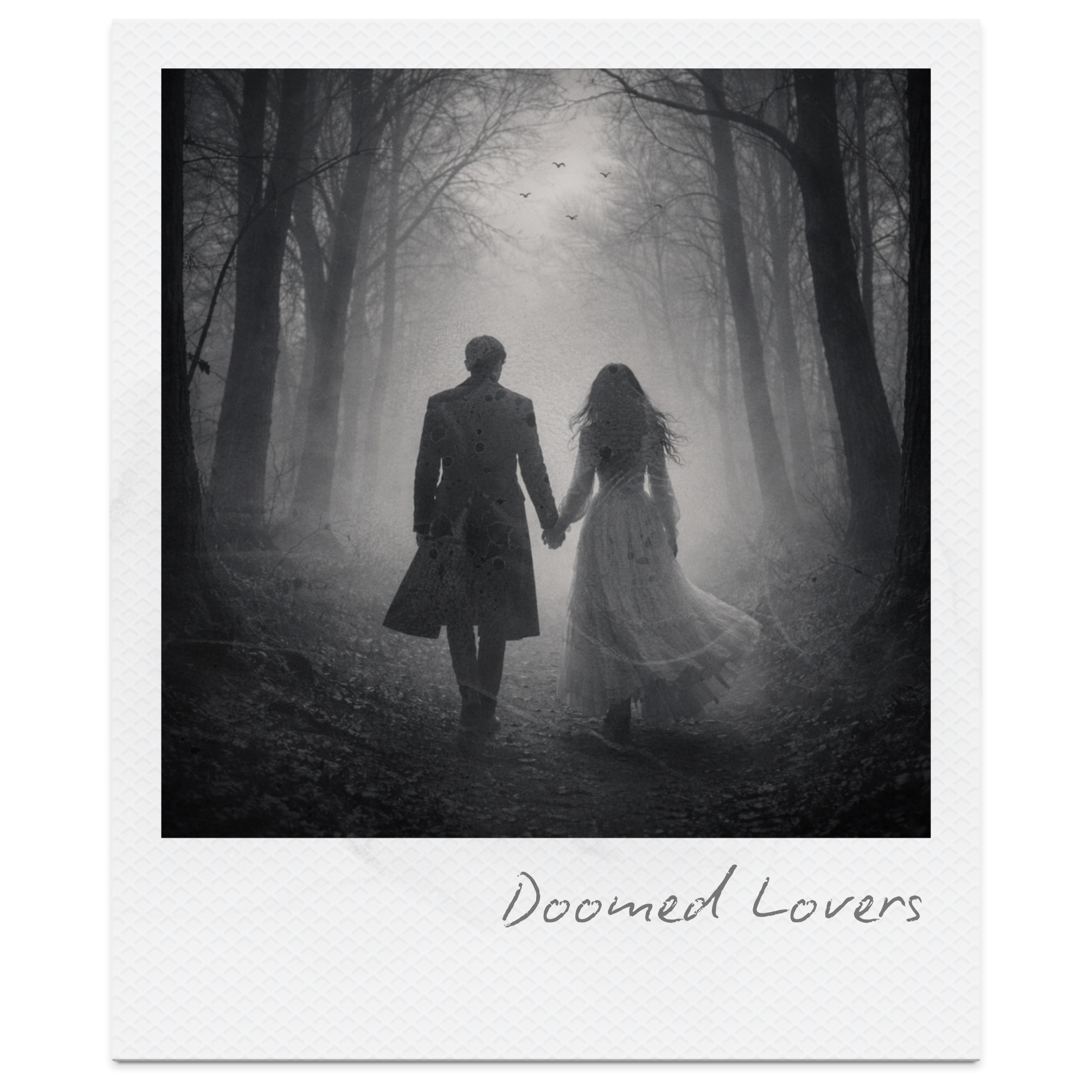
70 Doomed Lovers Writing Prompts: Tragic Romance, Forbidden Love & Fate
Doomed lovers are one of the most enduring storytelling tropes, appearing in Gothic fiction, tragic romance, and classic literature where love collides with fate, family expectations, or impossible circumstances. These 70 doomed lovers writing prompts explore forbidden relationships, emotional conflict, and the tension between devotion and consequence. From atmospheric plot hooks and evocative opening lines to character ideas, settings, and visual prompts, this collection helps writers create tragic love stories shaped by secrecy, destiny, and loss. Perfect for creative writing lessons, English classrooms, journaling, and longer fiction projects, these prompts encourage writers to explore how relationships are shaped by the pressures surrounding them. Whether you are writing about forbidden love, rival families, supernatural bonds, or relationships doomed by circumstance, these prompts provide a structured toolkit for crafting powerful tragic romance narratives.
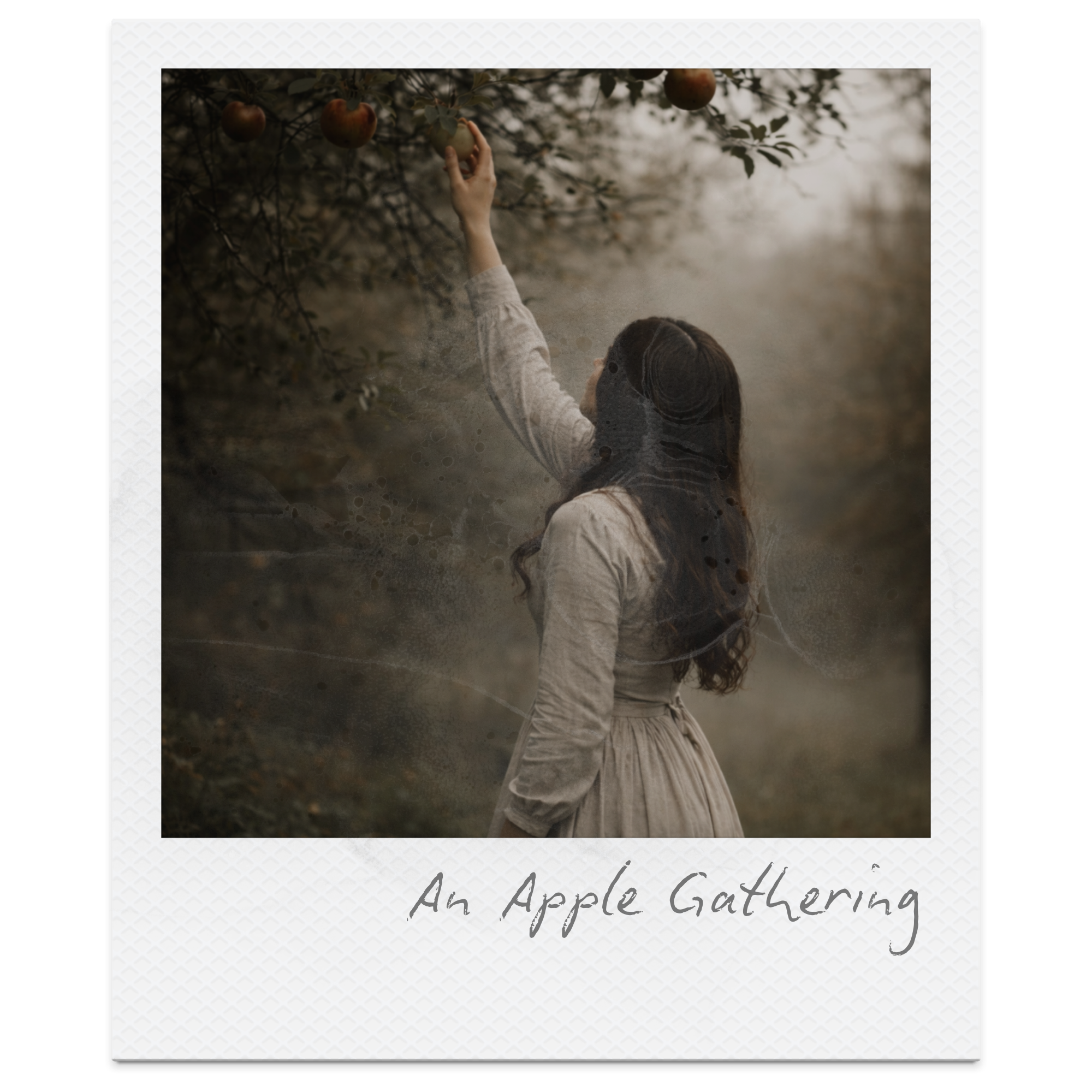
An Apple-Gathering by Christina Rossetti: Summary, Themes, and Detailed Analysis
Christina Rossetti’s An Apple-Gathering explores themes of lost opportunities, romantic regret, and emotional maturity through the powerful metaphor of an apple harvest. In this detailed analysis, we examine how Rossetti uses symbolism, structure, rhyme, and imagery to show how acting too quickly in love can prevent deeper fulfilment later in life. This guide includes a clear summary, stanza-by-stanza analysis, key quotations, themes, literary techniques, and teaching ideas, making it ideal for students studying poetry at GCSE or A-Level and teachers planning lessons on Rossetti’s work.
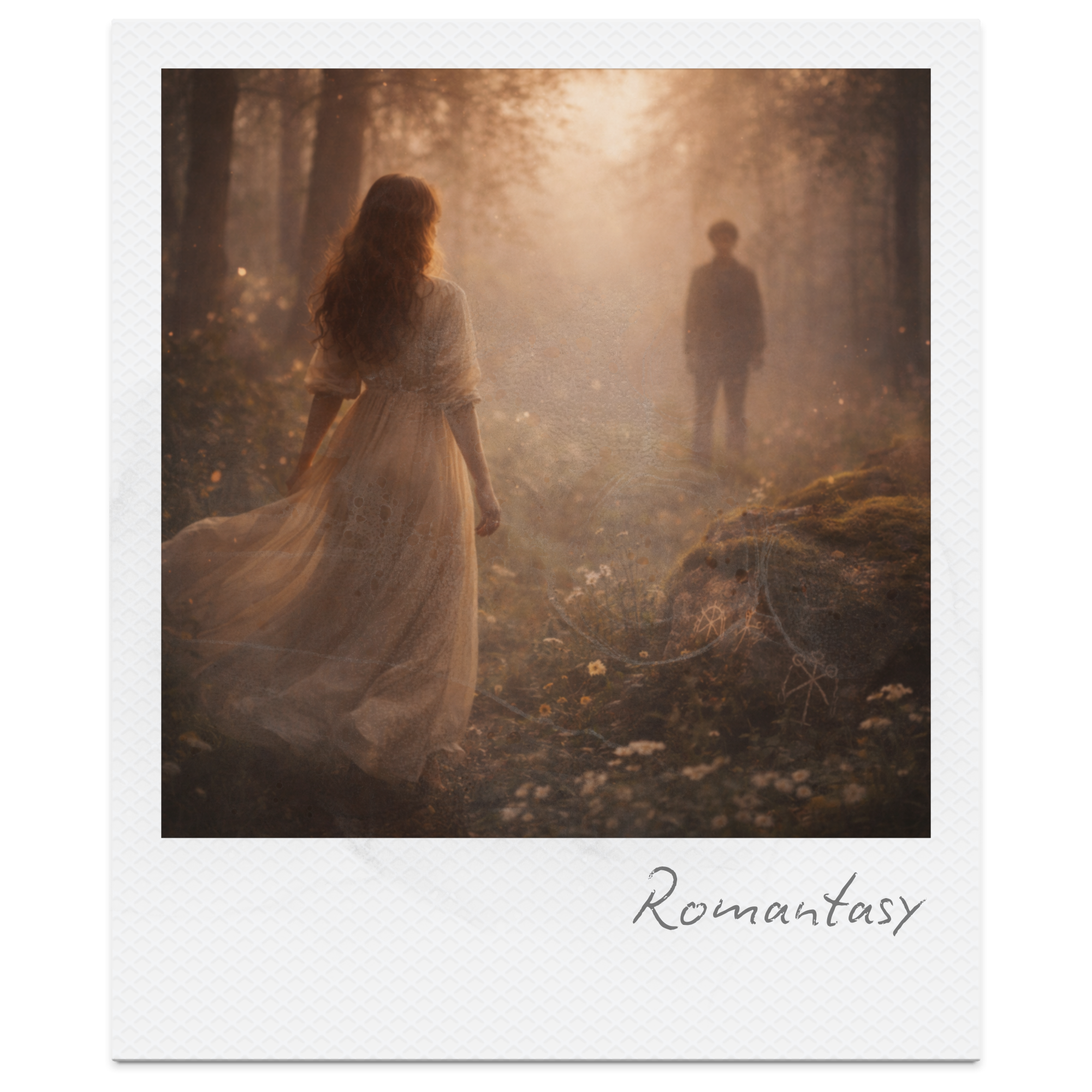
70 Romantasy Writing Prompts for Teens: Story Starters, Characters, Settings & Visual Ideas
Romantasy writing prompts blend fantasy worldbuilding with romantic tension, creating stories where magic, power, and emotion collide. This curated collection of 70 romantasy writing prompts for teens explores enemies-to-lovers dynamics, political intrigue, forbidden bonds, and love shaped by consequence rather than destiny. Featuring plot hooks, character concepts, opening and closing lines, immersive settings, and cinematic picture prompts, this post is designed for teachers and teen writers looking to develop high-stakes romantasy stories with depth, atmosphere, and emotional impact.
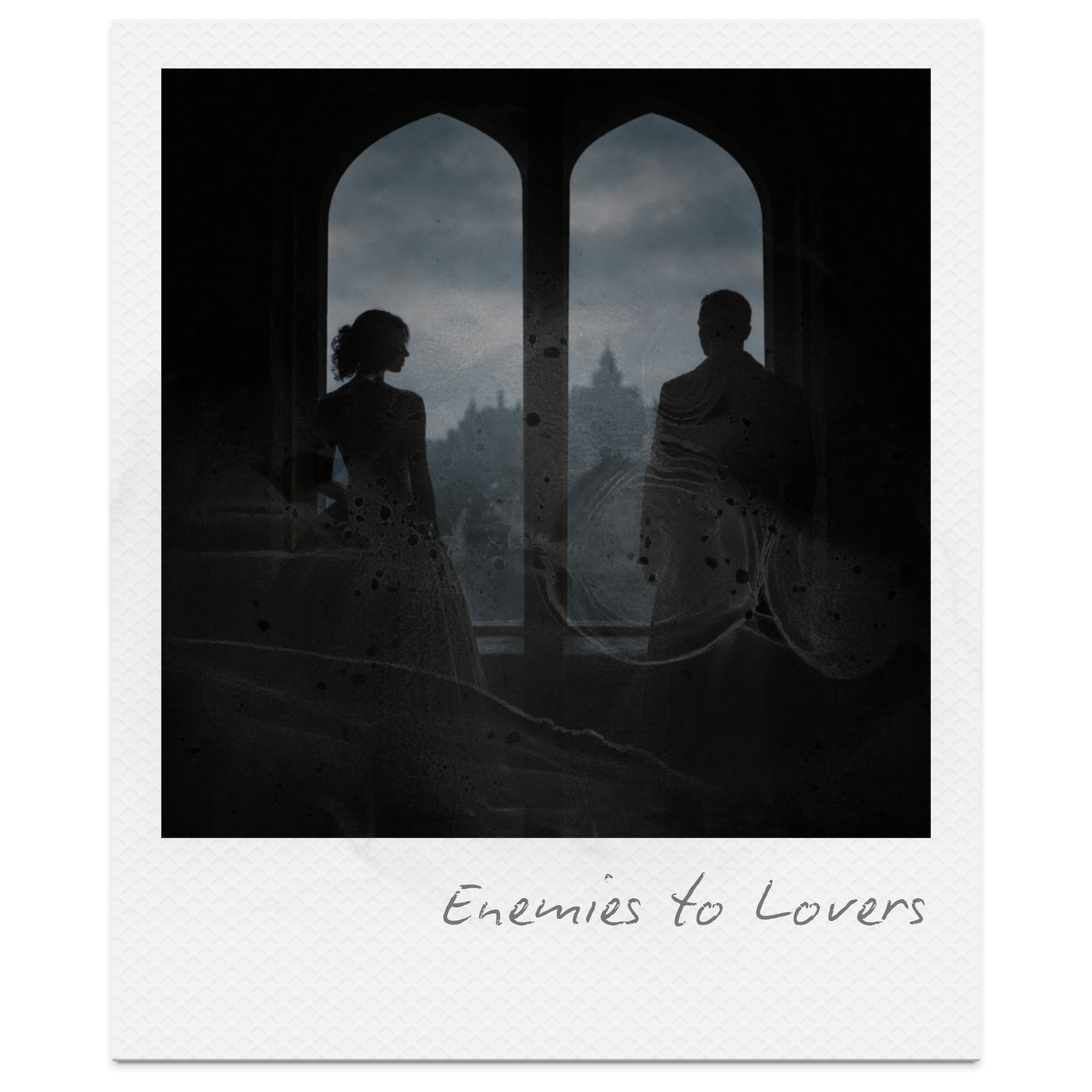
70 Enemies-to-Lovers Writing Prompts for Teens: Story Starters, Characters, Settings & Visual Ideas
70 Enemies-to-Lovers Writing Prompts for Teens is a premium creative writing collection designed to help young writers explore rivalry, conflict, banter, and slow-burn romance through character-driven storytelling. Featuring story hooks, opening and closing lines, character ideas, high-tension settings, and atmospheric picture prompts, this post shows teen writers how the enemies-to-lovers trope transforms opposition into emotional connection. Perfect for classroom use, creative writing warm-ups, or independent practice, these enemies-to-lovers writing prompts encourage teens to develop complex characters, believable conflict, and emotional arcs while experimenting with one of the most popular tropes in YA fiction.
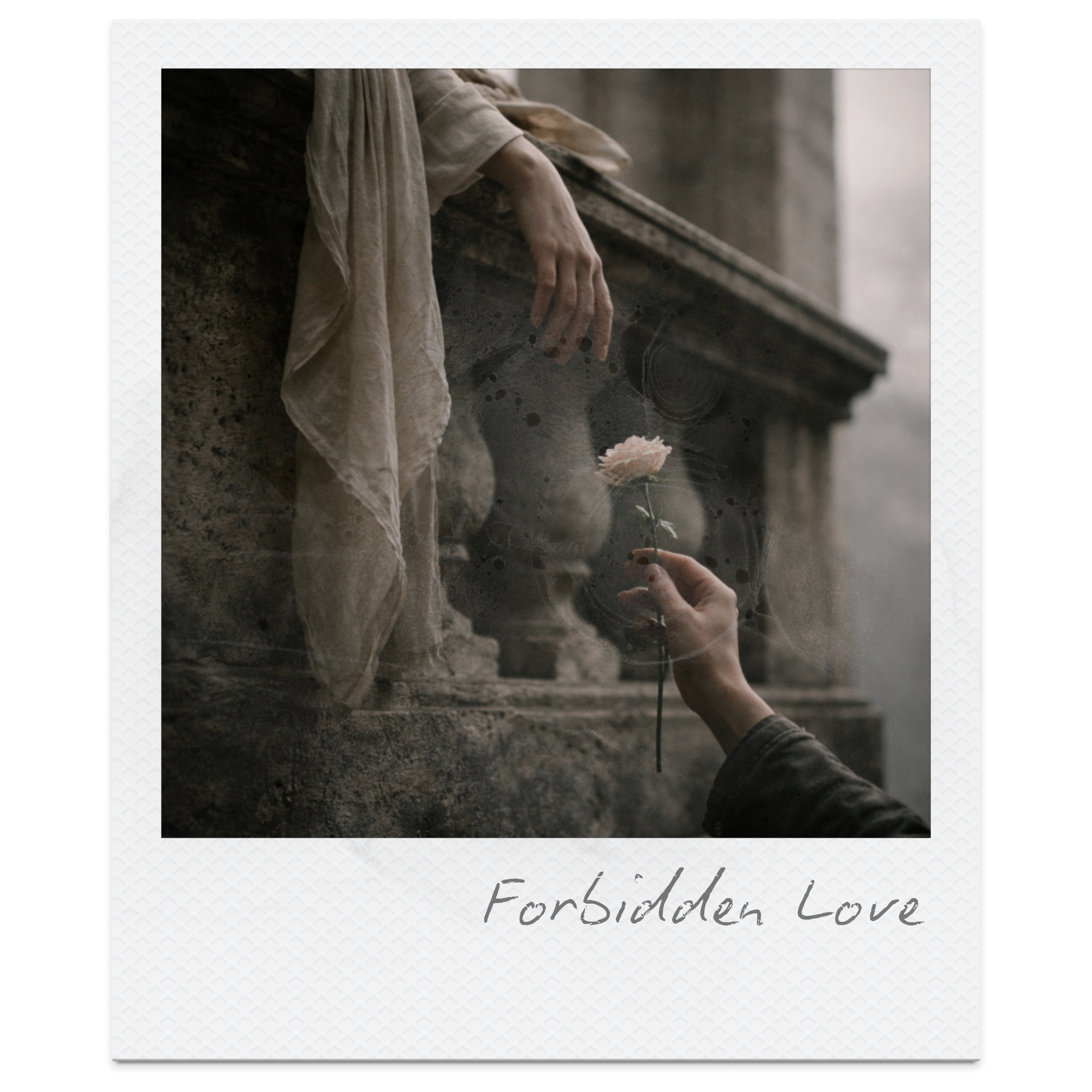
70 Forbidden Love Writing Prompts for Teens: Secret Relationships, Impossible Choices & Hidden Desire
Forbidden love stories explore what happens when desire collides with rules, expectations, or loyalty. Found throughout myth, folklore, and classic literature, this trope focuses less on romance itself and more on tension, secrecy, and consequence. Whether love is forbidden by family, duty, social boundaries, or unspoken rules, these narratives are shaped by restraint — what cannot be said, shown, or chosen without cost. This collection of 70 Forbidden Love Writing Prompts for Teens offers a structured set of story starters designed for classroom use, creative writing lessons, and independent writing. Combining plot hooks, opening and closing lines, character ideas, settings, and visual prompts, the collection encourages students to explore emotionally complex storytelling while remaining appropriate, thoughtful, and grounded in literary tradition.