Notes from the Inkpot
Writing, teaching, creating - one ink-stained idea at a time.



Kaleidoscope by Ray Bradbury: Summary, Themes, Symbolism & Analysis
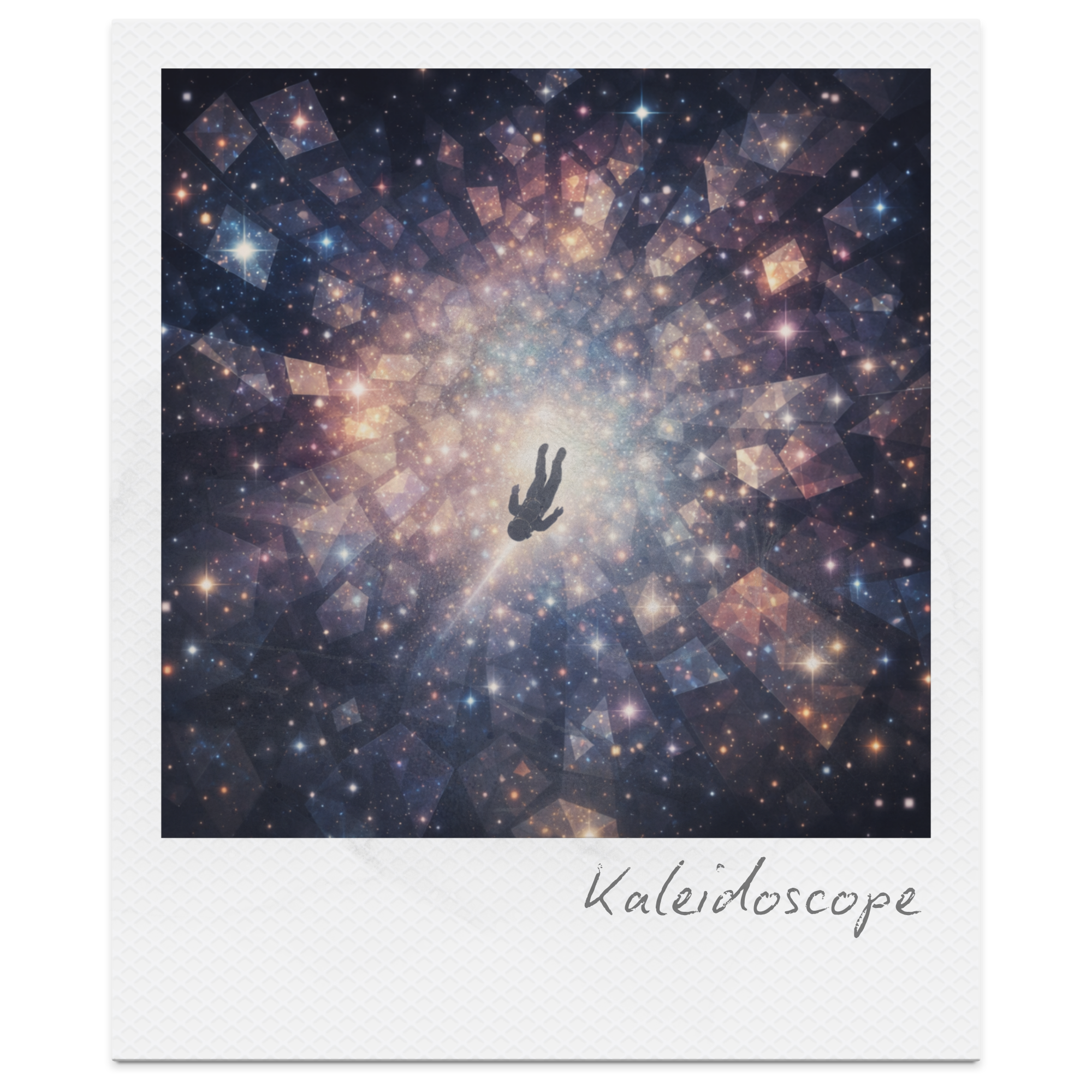
Ray Bradbury’s Kaleidoscope is a striking exploration of human insignificance, mortality, and isolation, set against the vast and indifferent backdrop of space. After a catastrophic explosion scatters a crew of astronauts, the story follows their fragmented descent as they drift apart, connected only by fading voices. Through this disintegration, Bradbury examines how individuals respond when faced with the loss of control, connection, and certainty. As the astronauts confront their inevitable deaths, the story becomes a powerful reflection on memory, regret, and the search for meaning. While some find comfort in the lives they have lived, others are left questioning what their existence has amounted to. Blending science fiction with existential philosophy, Kaleidoscope leaves readers with a haunting question: when everything falls away, what truly gives a life value?
The Sleeper by Edgar Allan Poe: Summary, Themes, Meaning & Analysis
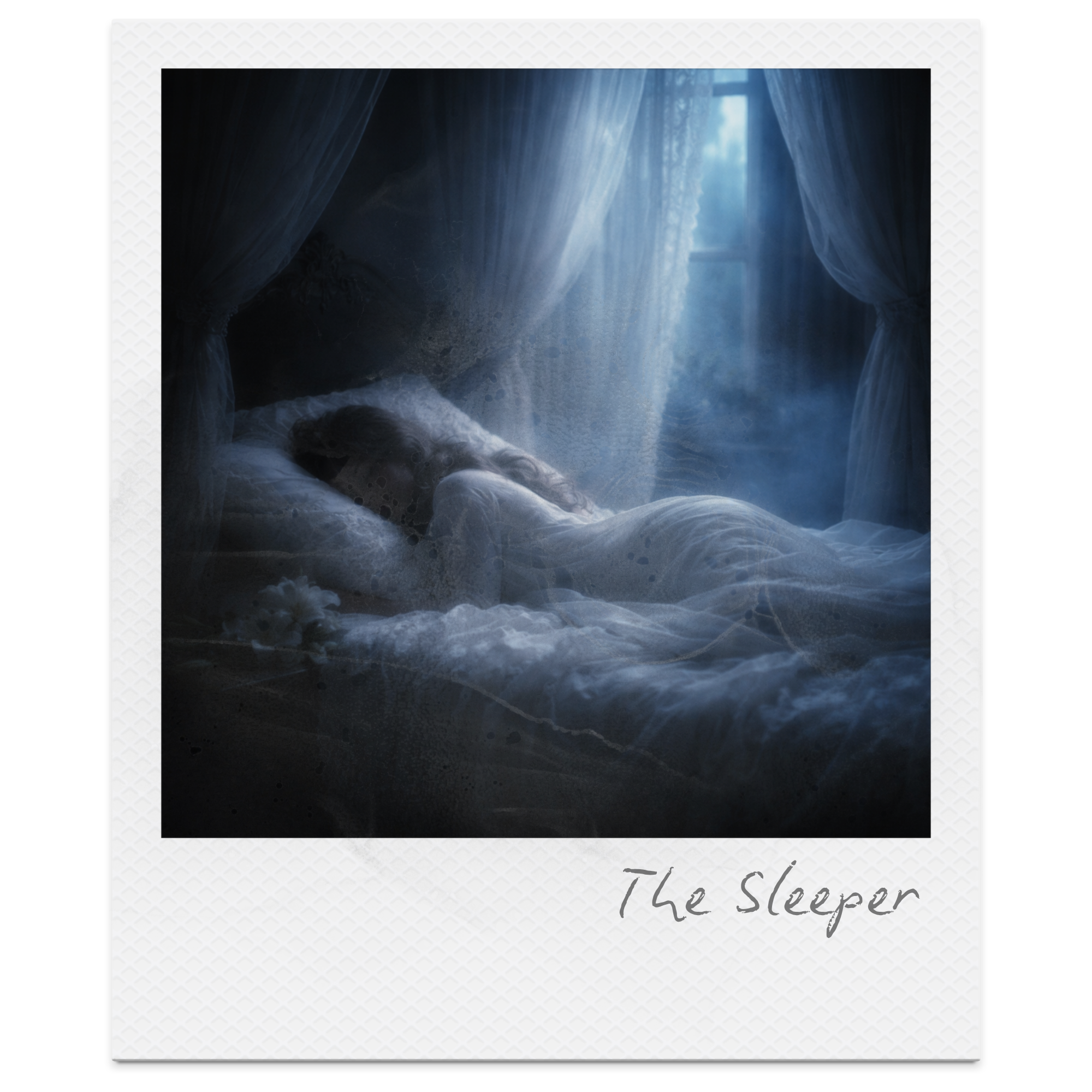
The Sleeper by Edgar Allan Poe presents a dreamlike meditation on death, beauty, and the boundary between life and stillness, using rich imagery and hypnotic rhythm to create an atmosphere that is both serene and unsettling. What begins as a tranquil midnight scene gradually reveals a deeper exploration of mortality and suspended existence, as the figure of Irene shifts from peaceful rest into something far more ambiguous. Through its layered symbolism and evolving tone, the poem blurs the line between sleep and death, reverence and control, inviting readers to question whether beauty is preserved or distorted through stillness. Poe leaves the meaning deliberately open, transforming a simple image of sleep into a haunting reflection on the unconscious mind, illusion, and the inevitability of death.
The City in the Sea by Edgar Allan Poe: Summary, Themes, Meaning & Analysis
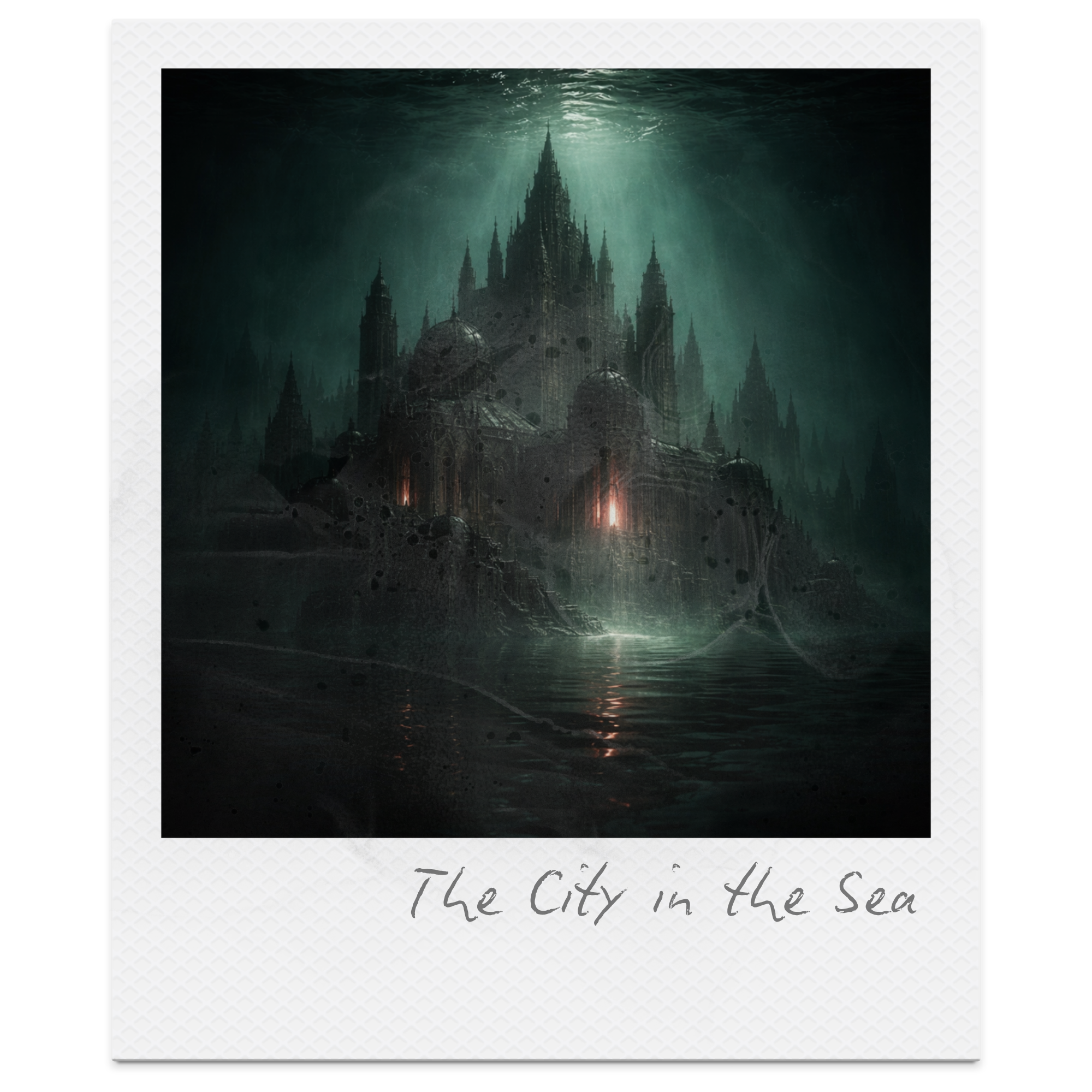
The City in the Sea by Edgar Allan Poe is a haunting gothic poem that explores death, decay, illusion, and the collapse of civilisation through a strikingly visual and symbolic landscape. Set within a strange, submerged city ruled by Death itself, the poem presents a world suspended in time, where grandeur remains but life has vanished. Through its rich imagery and hypnotic rhythm, Poe constructs an atmosphere of stillness, inversion, and inevitability, where natural order has broken down and reality feels increasingly unstable. As the poem progresses, this eerie stillness begins to fracture, revealing the city’s apparent permanence as an illusion. The final descent transforms the poem into a meditation on time, inevitability, and human insignificance, suggesting that even the most magnificent structures are ultimately consumed by forces beyond control. With its blend of gothic imagery, symbolic depth, and structural precision, The City in the Sea offers a powerful exploration of a world where death is not an end, but a controlling and eternal presence.